Featured Recipe
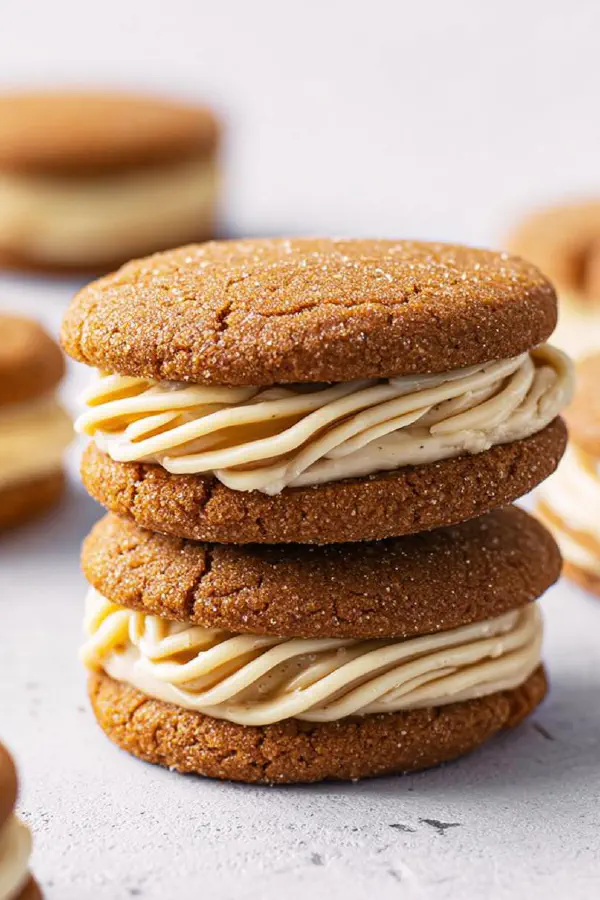
Orange Molasses Cookie Sandwiches
By Kate
"
Dark, spicy molasses cookies rolled in sugar, baked until edges crack but centers stay soft. Sandwiched with fluffy cream cheese filling, subtly sweetened and brightened with white chocolate and vanilla. Slightly shorter bake time to keep chew. Orange zest adds unexpected brightness. Swap cloves for cardamom; brown sugar swaps for coconut sugar for earthiness. Dough dough balls no bigger than an inch; spread happens in the oven—space generously. Cooling briefly on the tray helps cookies set before moving. Melt white chocolate gently, cool fully for fluffier filling. Pipe filling using medium nozzle. Sandwich, optional drizzle, sprinkles if mood strikes. Avoid overmixing flour to prevent tough crumb.
"
Prep:
15 min
Cook:
8 min
Total:
23 min
Serves:
12 servings
baking
desserts
cookies
Introduction
Molasses brings that dense, earthy sweetness. Spices wake up the senses—a hint of ginger, cinnamon, a spark of cardamom instead of traditional cloves. Orange zest slices through the heaviness with bright citrus oils. The dough is sticky, tacky; resist temptation to overmix or add more flour. Texture is the battle here. Spoon dough, then roll in sugar for shimmer and snap on edges. Bake just till cracks form, edges set but the middle jiggles slightly—snap away from timer and feel the cool-down trap moisture inside.
Filling’s simple but demanding: white chocolate melts with patience, cooled to avoid breaking the emulsion when blended with butter and cream cheese. It needs to be fluffy, airy, not heavy, to counter the rich, dense cookies. Piping fills the gap precisely, sandwiches with pressure but no squish.
You’ll find kitchen smells packed with molasses, citrus oils, melting chocolate—a holy trifecta of fragrance. The bake is short; watch the cookie’s edge color for doneness. Overbake and crumbs toughen. Skip the tray cooling, transfer too soon, and fragile middles can crumble. This method works. Practical, reliable. Fail-safe. Kitchen wisdom.
Ingredients
Cream Cheese Filling
- 3 ounces white chocolate chopped
- 3 tablespoons unsalted butter softened
- 4 ounces cream cheese cold cubed
- 1 teaspoon vanilla paste
- Optional melted white chocolate for drizzle
- Optional rainbow sprinkles
In The Same Category · Sweet Treats
Explore all →
Cinnamon Whiskey Truffles
Chocolate Strawberry Ganache Brownies
Snickers Caramel Brownies
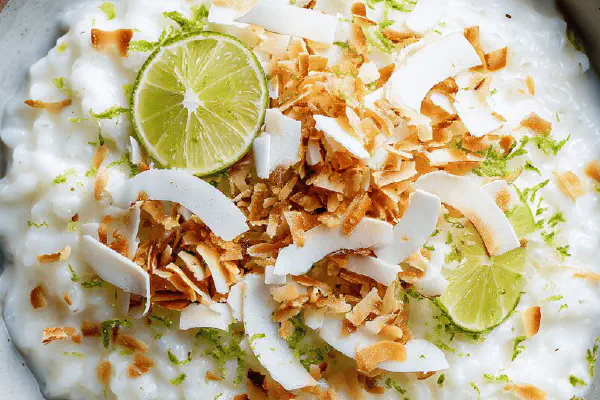
Creamy Coconut Rice Pudding
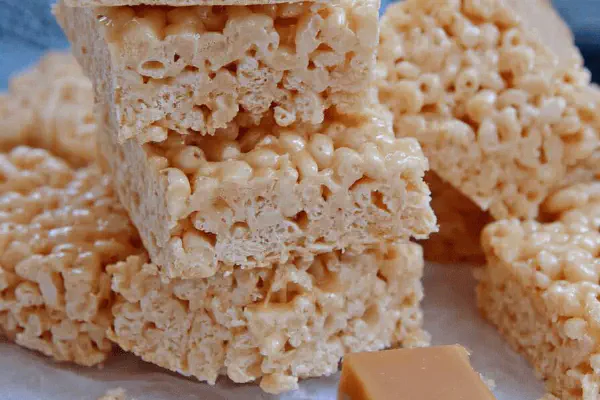
Salted Caramel Crispy Treats
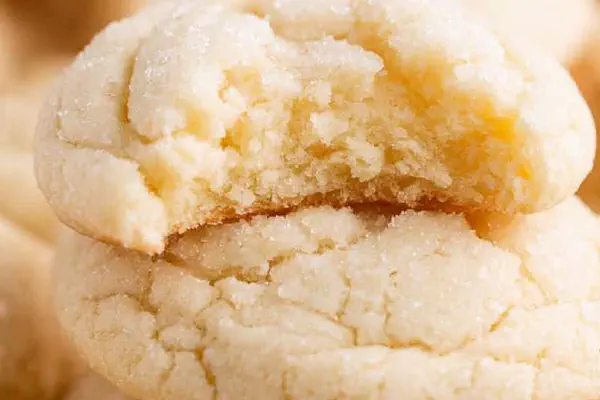
Amish Sugar Cookies Remix

Chocolate Religieuses Twist
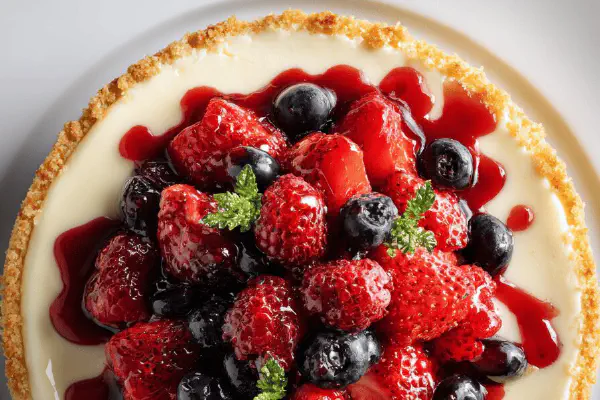
Lower Fat Cheesecake with Almond Crust
No Bake Cherry Cheesecake Bars
Banana Upside-Down Cake
Chunky Buckeye Bites
Peanut Butter Crackers Dipped
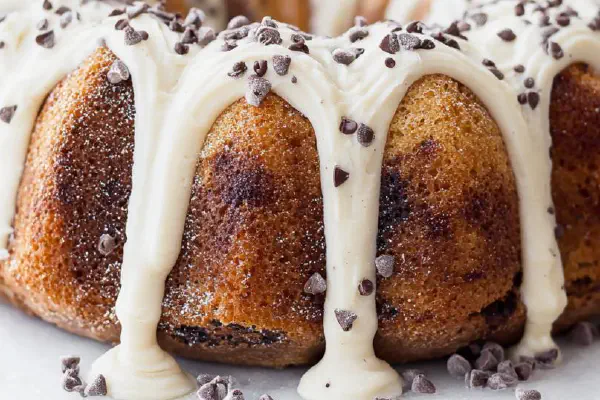
Chocolate Chip Swirl Bundt Cake
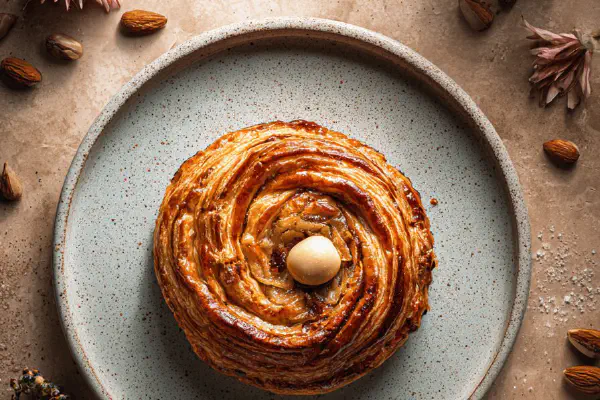
Galette Royale Twist
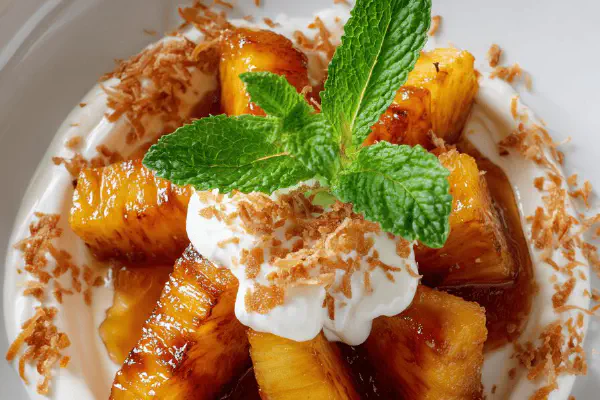
Flamed Pineapple with Rum
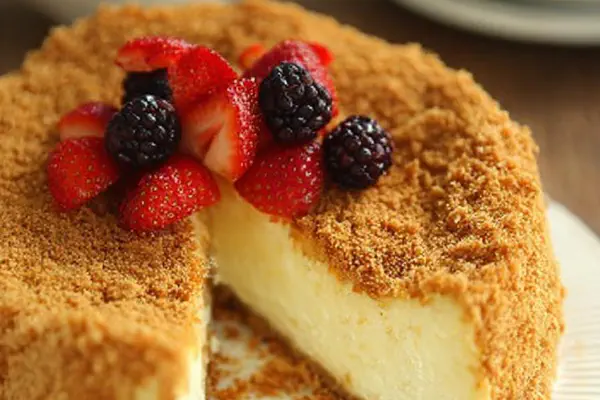
Double Crust Cheesecake Rewrite
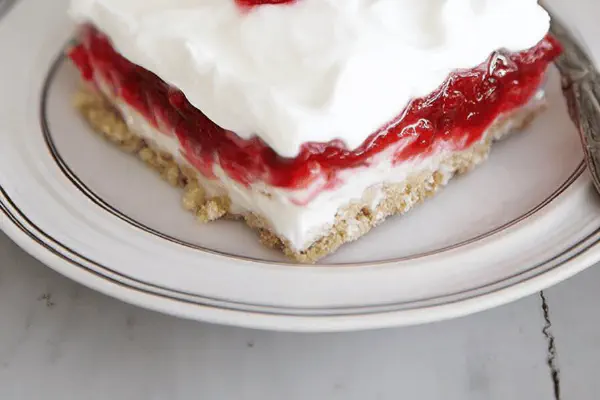
Strawberry Cream Bars
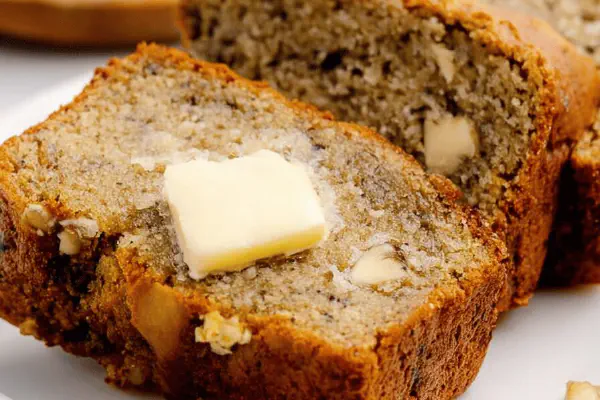
Air Fryer Walnut Banana Bread

Coconut Tres Leches Poke Cake
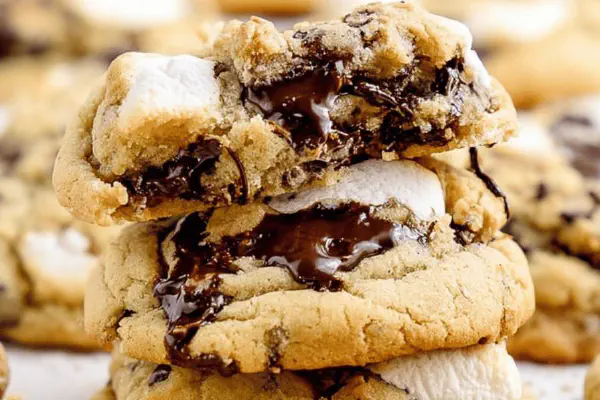
Chocolate Marshmallow Cookies
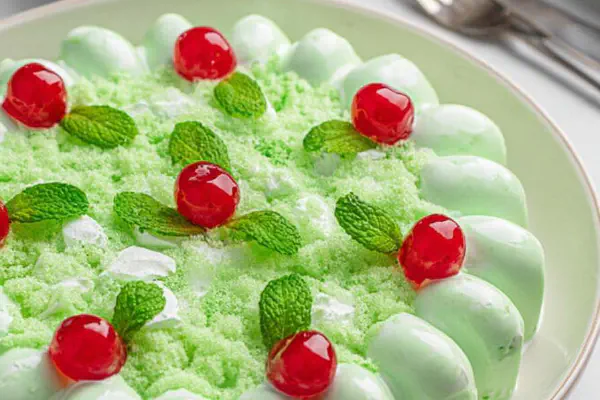
Pear Citrus Gelatin Salad
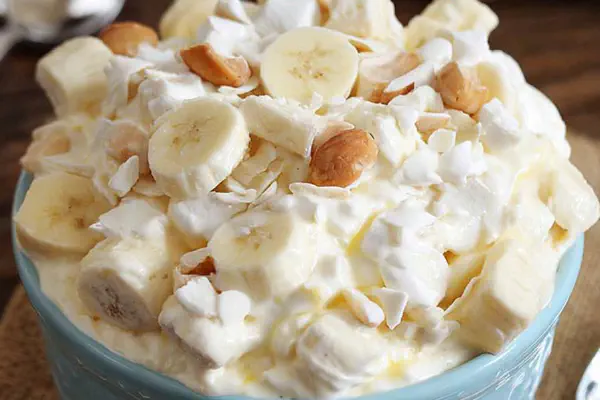
Twist Banana Pudding Fluff

Funnel Cake Pops

Drunken Panettone Twist
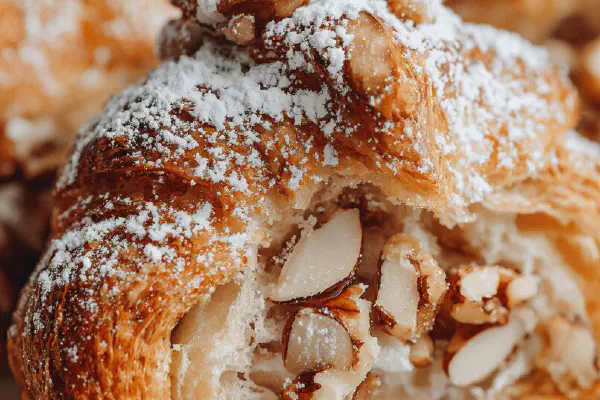
Almond Croissants Twist
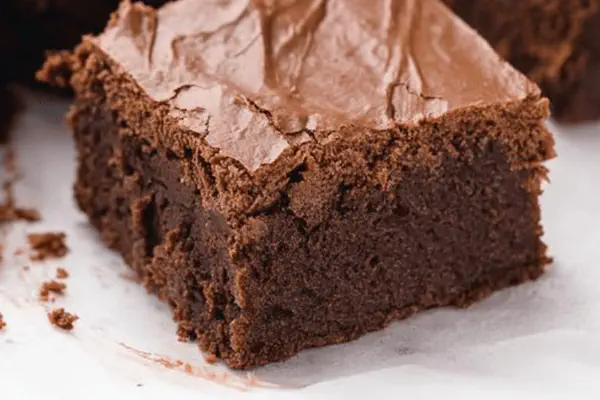
Lunch Lady Brownies Remix
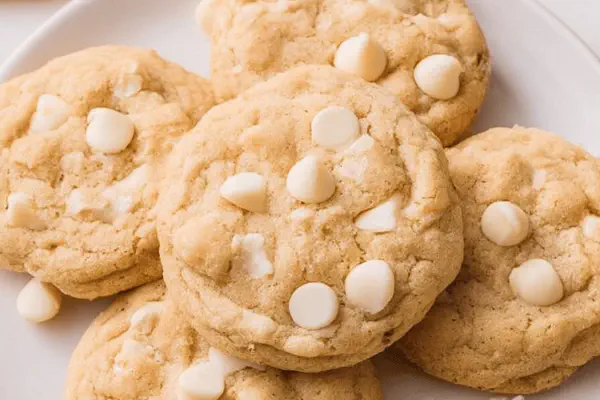
Blondie White Choc Cookies

Peach Crumble Bars
Crockpot Sticky Toffee Pudding
About the ingredients
Butter room temp for best creaming—too cold won’t whip well; too warm turns greasy. Substitute coconut oil if dairy-free, but expect a denser flavor. Brown sugar replaced with coconut sugar ups the earthiness. Switch cloves for cardamom if cloves overpower or unavailable. Orange zest must be fresh for oils; dried zest yields dull flavor. Using granulated sugar for rolling adds crunch; turbinado or sanding sugar works but adjust sugar quantity slightly as these can alter sweetness.
Flour measure sifted reduces lumps and aids even mixing. Baking soda critical for lift; no baking powder swap here. For filling, white chocolate must be high quality—cheap chips contain stabilizers impeding melting and smoothness. Cream cheese cold keeps final texture thick. Vanilla paste preferred over extract for depth but extract works in pinch. Adding a teaspoon milk can loosen filling if too thick. Melting white chocolate in bursts prevents scorching; always stir between intervals.
Method
Cookies
- Preheat oven 345°F. Line two big trays with parchment. Avoid wax paper—cookies stick.
- In a large bowl, cream butter salt and granulated sugar using paddle or wooden spoon till pale and fluffy about 2-3 minutes. Look for air bubbles; texture matters.
- Add egg, molasses, brown sugar, and orange zest. Mix 2-3 minutes till fully combined and shiny. Zest adds oils and sharp aroma—don’t skip.
- Whisk together flour, baking soda, ginger, cinnamon, allspice, cardamom separately. Cardamom swap brings floral warmth instead of sharp clove tone.
- Fold flour mixture in gently with a spatula. Stop mixing once dough comes together—overworking forms gluten and toughens.
- Scoop dough balls with small ice cream scoop or tablespoon; keep max size 1 inch. Roll each in extra granulated sugar for crunch and slight sparkle.
- Place balls spaced at least 3 inches apart on trays. Dough will spread; watch spacing or cookies merge into a single slab.
- Bake 6-8 minutes. Watch edges; they’ll firm and crack but centers stay soft. Don’t overbake or dry out. Kitchen smells of deep molasses and spices.
- Rest on tray 4-5 minutes for gentle firming before transferring to wire rack. Warm cookies transfer gently or they crumble.
- Microwave white chocolate in 20-30 second bursts, stirring between, until almost melted but not hot. Let cool to room temp about 25-35 minutes to avoid melting butter later.
- Beat butter until light and airy. Add cream cheese cold cubes, beat till creamy but not runny. Cold blocks help texture hold.
- Mix in vanilla paste, then add cooled white chocolate. Beat 2-3 minutes until homogeneous and fluffy. Overbeat, filling thins; underbeat, gritty patches remain.
- Fit piping bag with ½ inch round or star tip. Pipe dollops of filling on bottom side of one cookie.
- Press gently and sandwich with another cookie bottom-side into filling. Enjoy the soft bite contrast, molasses dark, filling light and subtly sweet.
- Optional: drizzle with more melted white chocolate and decorate with sprinkles. Set in fridge 10 minutes if filling too soft. Store in airtight container, refrigerated.
- If oven runs hot, reduce temp by 10 degrees and shave minute from bake. Signs to watch: edges just firm, cracks forming, centers slightly glossy.
- For chewy texture swap 2 tablespoons molasses for maple syrup; changes flavor profile but keeps moistness. To avoid cracking cookies too much, slight chill dough 20 minutes before scooping.
- Avoid greasing baking sheets; parchment is key. If cookies flatten too much, add 2 tablespoons flour next batch.
- Cooling fully makes sandwiching easier without filling sliding. Filling can be made a day ahead and stored chilled.
- Use wooden spoon or paddle attachment for creaming for best aeration; hand mixers work but watch for overbeating egg stage too fast.
- Orange zest can be replaced with lemon or grapefruit zest but avoid dried zest—they lack oils and sensory punch.
- Granulated sugar rolling creates a textured surface that catches heat differently for edges. Swap turbinado sugar for crunchier crust.
- If white chocolate grainy or seizing during melting, add teaspoon vegetable oil for fluidity and smoothness.
- Keep dough balls uniform to avoid uneven cooking; the one-inch guideline ensures cookies thaw and bake evenly.
- Salt amount critical to balance molasses sweetness; don’t omit or reduce too much. Coarse sea salt can be swapped for table salt but reduce by half.
- Resting cookies on tray after baking finishes residual cooking without dry oven air hitting them too soon.
- Filling thickens as cold, if too firm, whisk in teaspoon milk or cream to soften for piping.
- Store sandwiches in single layer or separated by parchment to avoid sticking.
Filling
Assembly
Technique Tips
Cream butter and sugars until pale and airy. Look for volume increase and marshmallow fluff texture. Add egg and molasses slowly to avoid curdling; mix long enough for sheen.
Combine dry ingredients separately to evenly distribute spices and leavening—prevents pockets of baking soda or uneven spice patches.
Fold flour gently, no overwork. Dough will be soft but manageable. Uniform dough balls ensure even cook. Too big and cookies lose chew – too small and dry out.
Roll in sugar before baking to create a sparkling crust and add slight crunch.
Baking at 345°F rather than 350, with a minute less, reduces risk of overbaking. Look at edges for subtle firming and crack formation; middles remain soft and springy beneath.
Cooling on tray for 4-5 minutes retains warmth and finishes cook via residual heat without drying.
For filling, white chocolate must cool fully or it will melt butter mixture compromising texture. Beat butter and cream cheese until fluffy but incorporate them gently to avoid overwhipping and creating air bubbles that can separate.
The filling’s texture should be firm enough to hold piped shapes but light enough to squeeze out easily. If too stiff, add cream or milk sparingly.
Pipe filling thickly and sandwich promptly; resting sandwiches chilled sets filling and improves bite experience.
Avoid stacking sandwiches while warm or moisture transfer causes sogginess. Store chilled in airtight container to prolong freshness.
Throughout, pay attention to sensory clues—cookie edge color, dough softness, filling texture—to time each step rather than relying solely on clock.
Chef's Notes
- 💡 Room temp butter crucial for aeration. Cold not whip. Greasy if melted. Key for fluff. Skip shortcuts here.
- 💡 Cream butter and sugar till pale, not too long. Look for volume. Egg and molasses added slowly—avoid curdling.
- 💡 Measure flour correctly. Sifting prevents lumps. Keeps blending even. Don't skip. Rise needs baking soda, critical.
- 💡 Parchment on trays prevents sticking. Never grease. Cookies spread; too close means mushy mess. Space them out.
Kitchen Wisdom
Why are cookies flat?
Dough too warm or small balls. Chill for firmness. If still flat, add flour next time.
How to store?
Airtight container, refrigerate. Or freeze. Layer with parchment to avoid sticking. Keeps freshness.
Filling too runny?
Solution first—take extra butter. Beat cold cream cheese. Know it's temperature sensitive; adjustments matter.
What if they overbake?
Immediate issue—serve warm. But better attention next time. Watch edges; darken means dry.
You’ll Love These Too
Explore all →
Brownie Mix Jar Gift

Maple Bacon-Wrapped Smokies

Tangy Teriyaki Pork Kabobs
Penne with Italian Sausage and Tomatoes
Apple Spiced Stuffed Sweet Potatoes

Crunchy Chile Relleno Monte Cristo
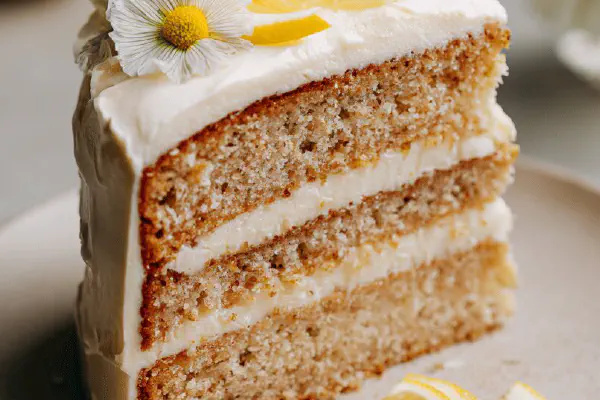
Vanilla Almond Cake GF

Rich Vanilla Custard Twist

Garlic Soy Cucumber Salad

Altered Velvet Cake

Breakfast Egg Cheese Muffins
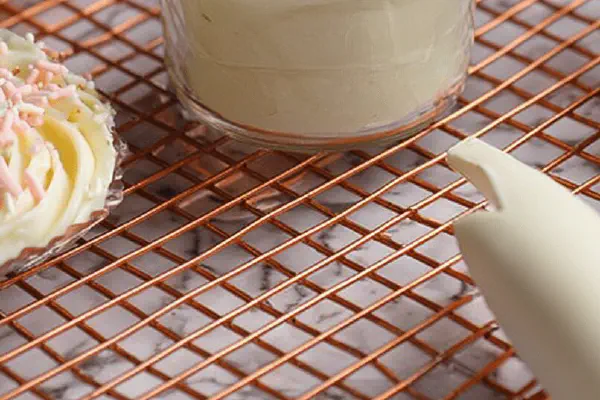
Tangy Cream Cheese Frosting
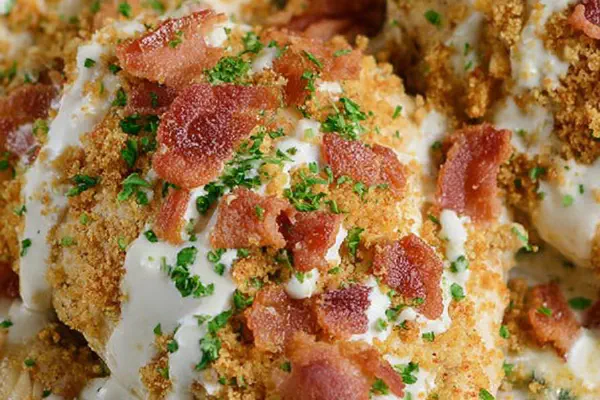
Bacon Ranch Chicken Twist
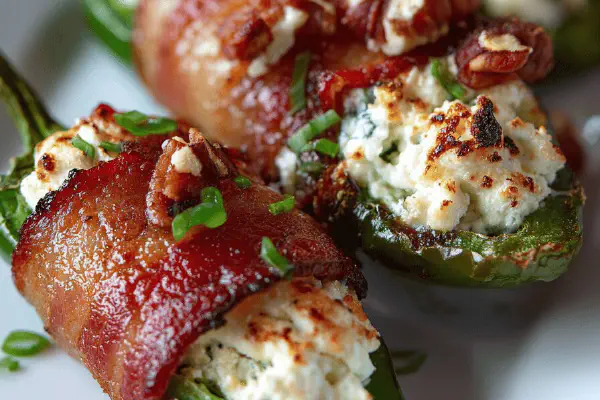
Stuffed Fire Rockets
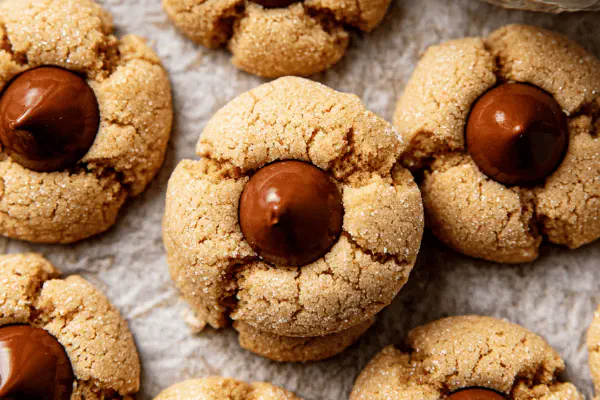
Almond Butter Kiss Cookies
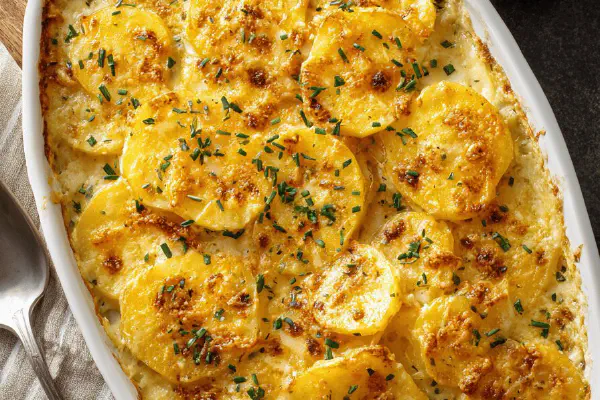
Creamy Potato Gratin
Savory Tomato Couscous
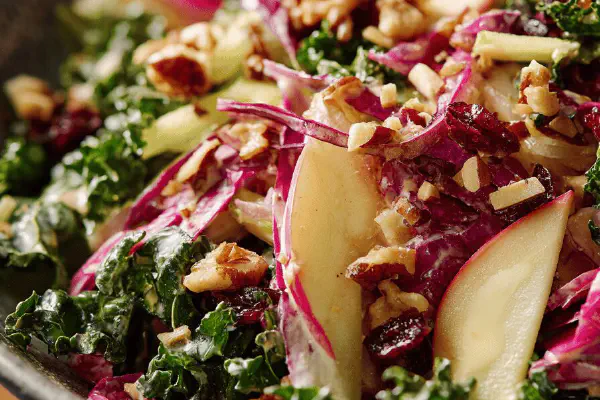
Kale Celery Waldorf Salad

Spiced Rum Eggnog Crème Brûlée
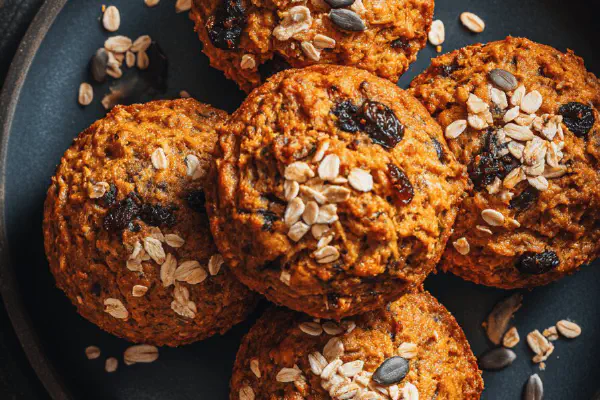
Sweet Potato Breakfast Muffins
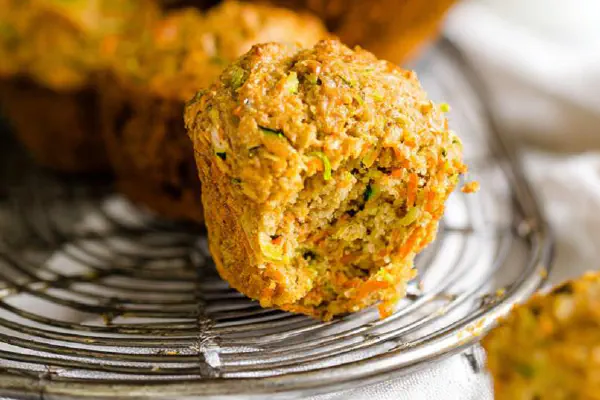
Zucchini Carrot Muffins
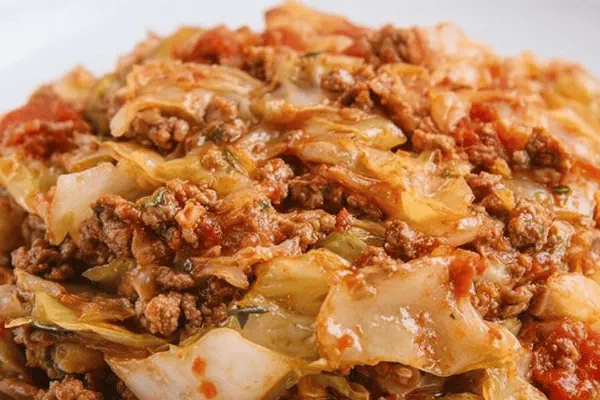
Hearty Cabbage Roll Bake

Pink Lemonade Cupcakes Remix
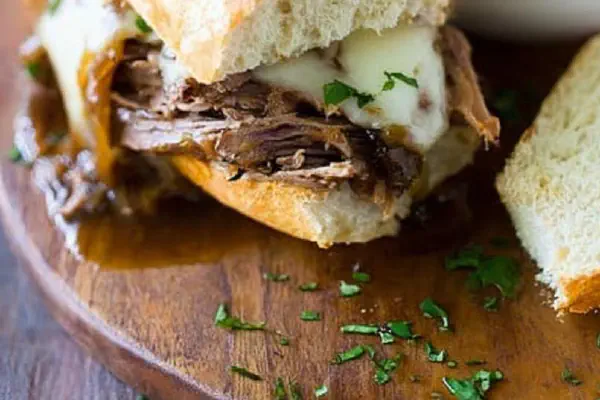
Slow Cooker French Dip
Savory Mushroom Mix
Grilled Pears with Maple Lime Glaze
Squash Apple Crackers
Zesty Sour Cream Pound Cake

Pork Lettuce Wraps Twist