Featured Recipe
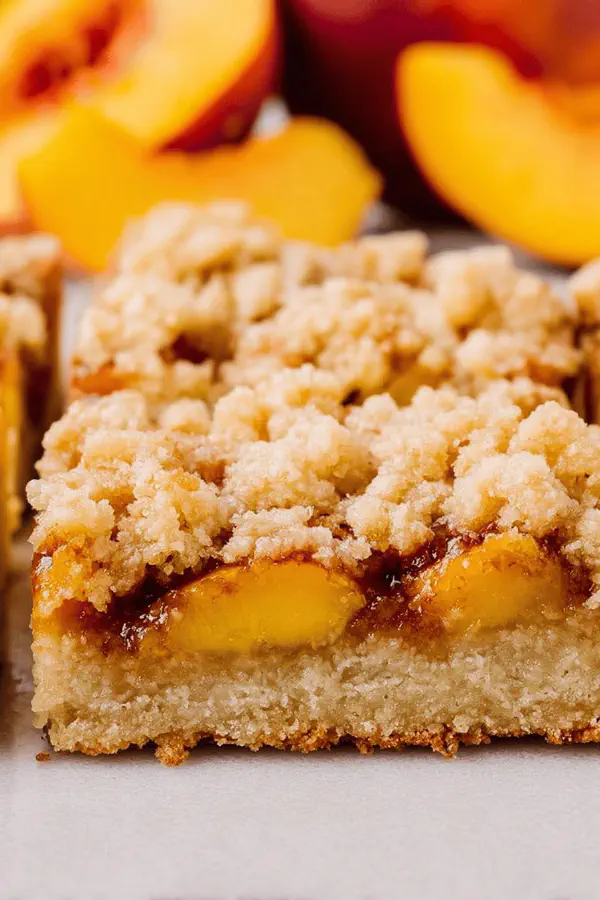
Peach Crumble Bars
By Kate
"
Crisp, buttery crust sandwiching juicy peach filling dusted with cinnamon and nutmeg. A crumbly topping scattered unevenly for rustic look and texture. Fresh peaches coated in brown sugar and cornstarch hold firm when baked, bubbling with aroma. Manipulate dough gently to keep tender bites; overmix and it stiffens. Watch crust color, golden edges mean done. Sub butter with cold coconut oil for dairy-free. Swap lemon zest for orange if you prefer a sweeter tang. Cornstarch can be replaced with arrowroot for cleaner thickening. Using parchment ensures bars lift out clean. Chill bars briefly; slicing warm will crumble. Essential balance between tartness of lemon juice and sweetness from sugars.
"
Prep:
25 min
Cook:
50 min
Total:
1h 15min
Serves:
12 servings
dessert
fruit
baking
Introduction
Peach bars, straightforward. Get dough right—don’t overwork or you end up with brick crust. Butter needs to stay cold, or the fat melts into flour too early; that changes texture, makes it tough. Toss fresh peaches with sugar and spices but handle gently—peach chunks mean texture, not mush. Cornstarch or arrowroot thickens juices so bars don’t run, thick enough to hold but juicy. Parchment paper crucial. You want to lift bars cleanly. That’s a game changer when slicing neat squares without collapsing edges. Let bars cool—warm inside spills and makes crumbly mess. Chill briefly if impatient. These bars pack flavor, cinnamon and nutmeg adding warmth; lemon juice and zest brighten. Close attention to crust color signals doneness more than timer. Golden but not too dark. And edges? Crisp but tender.
Ingredients
In The Same Category · Sweet Treats
Explore all →
Chocolate Chip Cheesecake Bars
Spiced Carrot Cake Bars
Baked Apple Compote Variation
Carrot Cake Cheesecake Hybrid
No-Bake Holiday Bars
Orange Chiffon Cake Twist
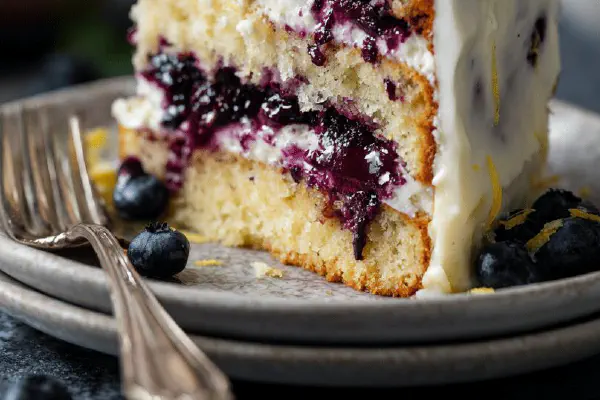
Blueberry Layer Cake
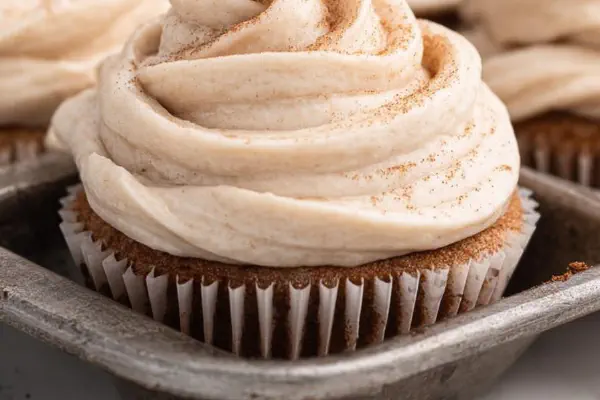
Spiced Cream Cheese Frosting
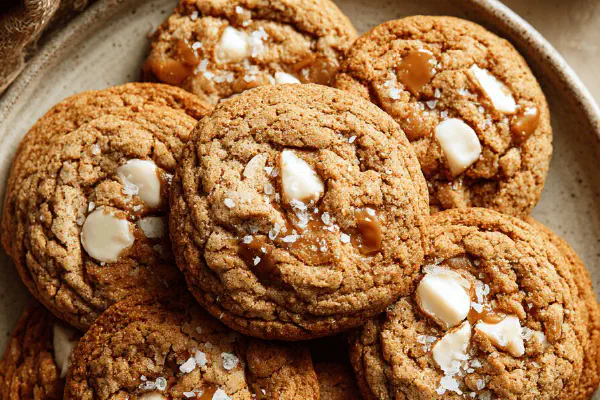
Salted Caramel White Chocolate Cookies

Crunchy Cereal Chocolate Bites
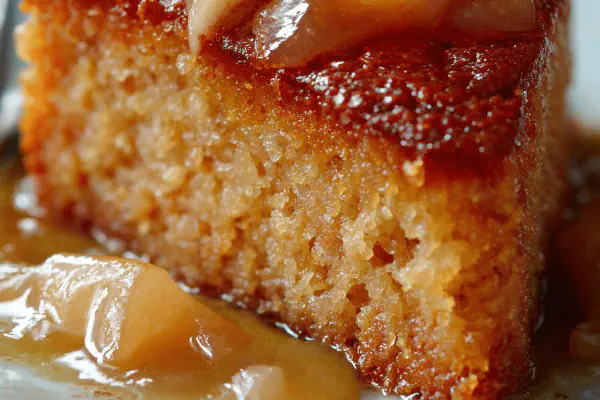
Maple Pear Pudding Cake
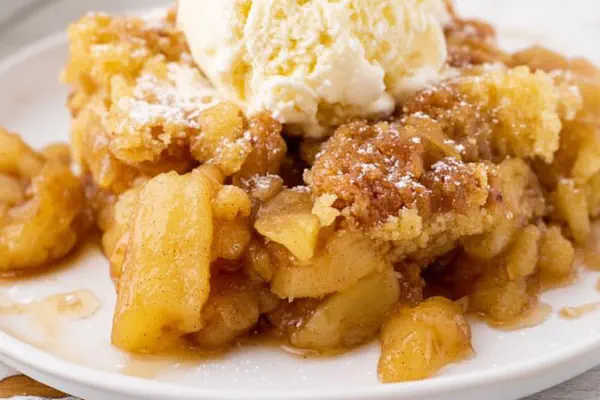
Spiced Pear Dump Cake
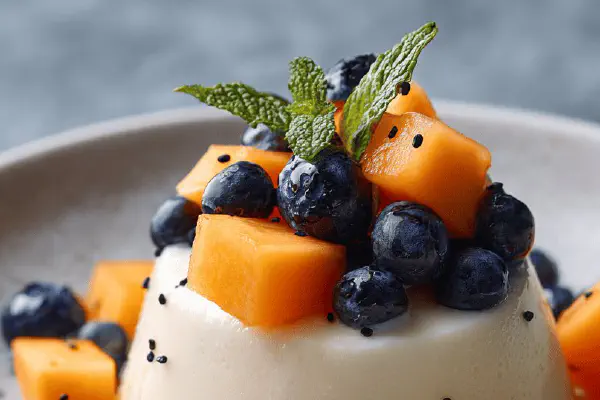
Coconut Tapioca with Berries
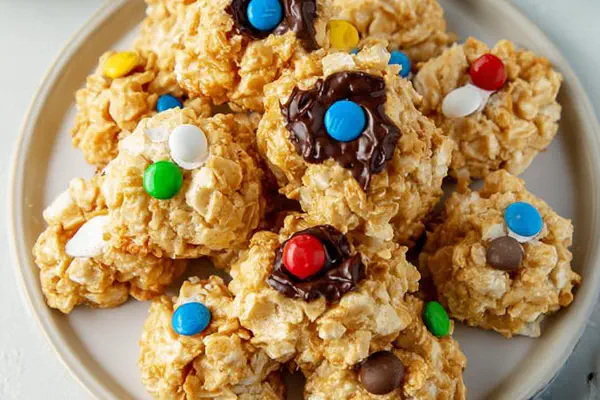
No-Bake Avalanche Squares
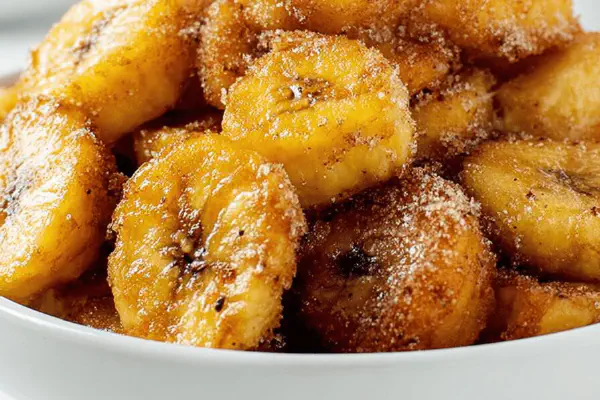
Cinnamon Maple Fried Bananas

Soft Chewy Sugar Cookies
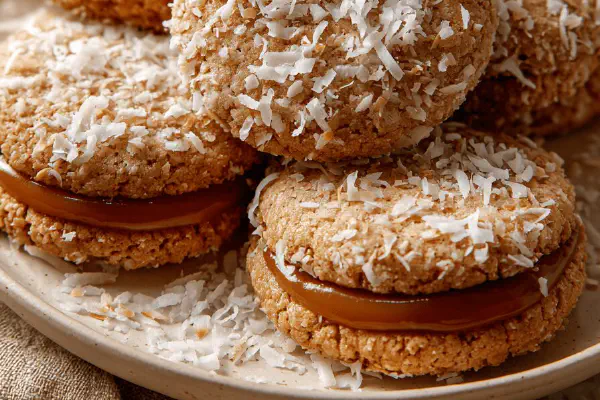
Soft Dulce de Leche Sandwiches
Vanilla Berry Trifle Remix
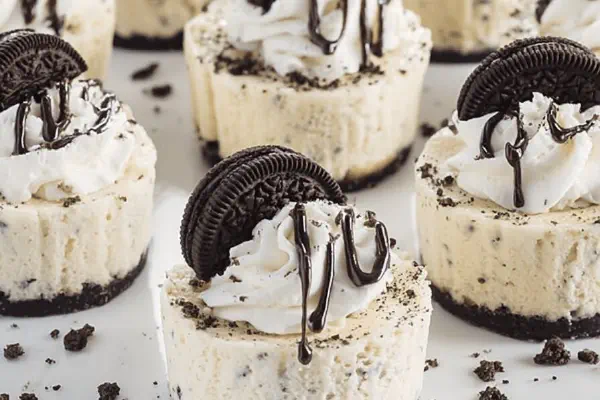
Mini Oreo Cheesecakes Twist

Poached Pears Dark Chocolate
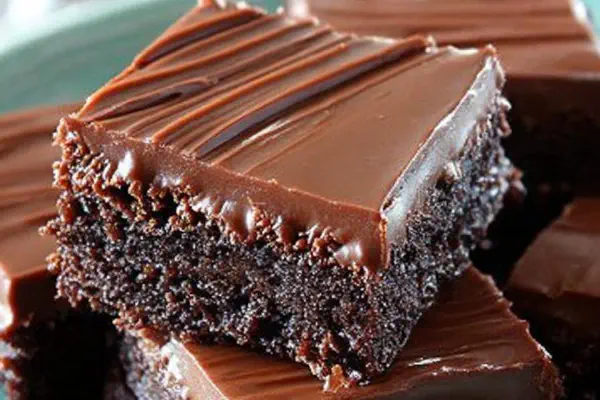
Rich Fudge Brownies with Mocha Glaze
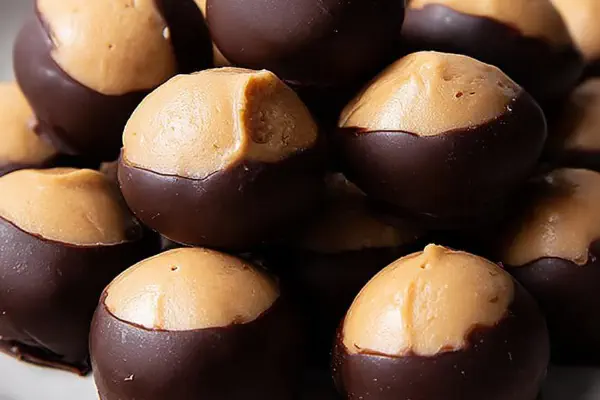
Chunky Buckeye Bites
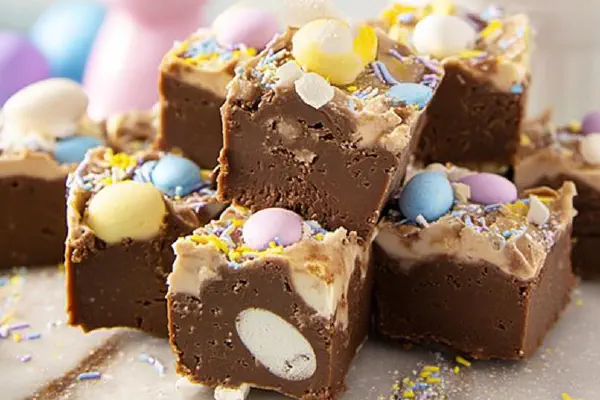
Cadbury Egg Fudge Remix
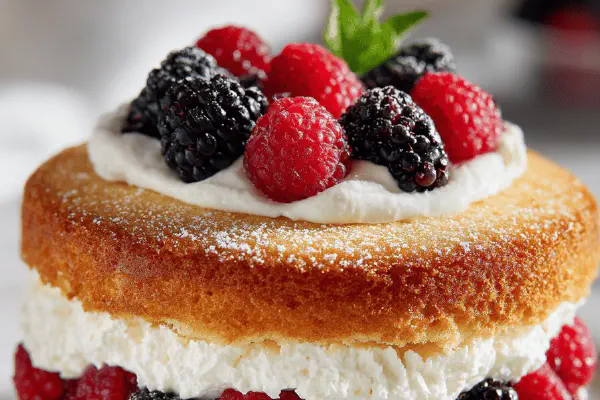
Raspberry Whoopie Pies Twist
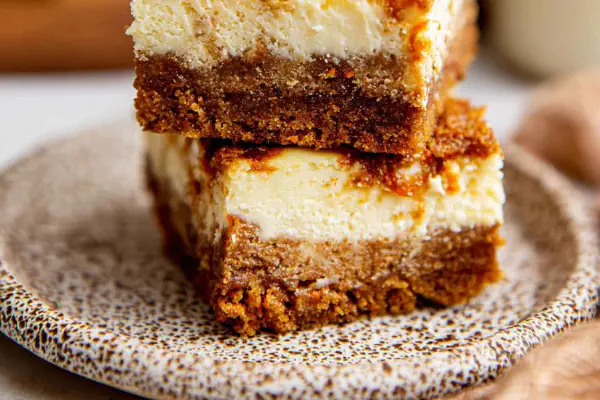
Spiced Carrot Cheesecake Bars
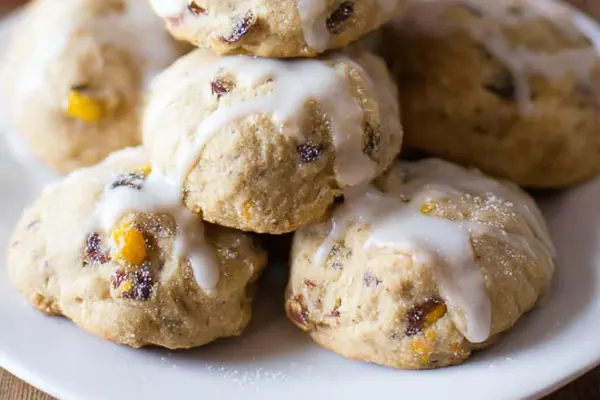
Persimmon Walnut Cookies
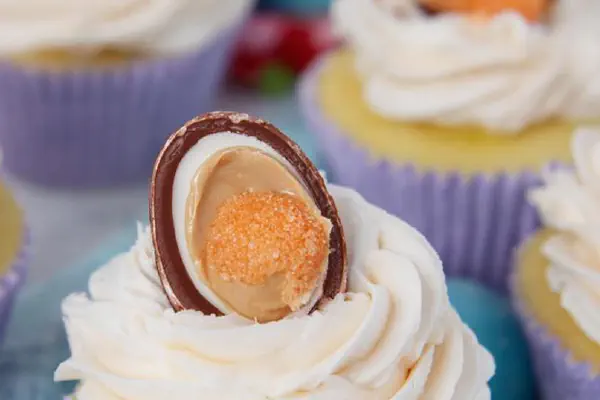
Cadbury-Stuffed Cupcakes
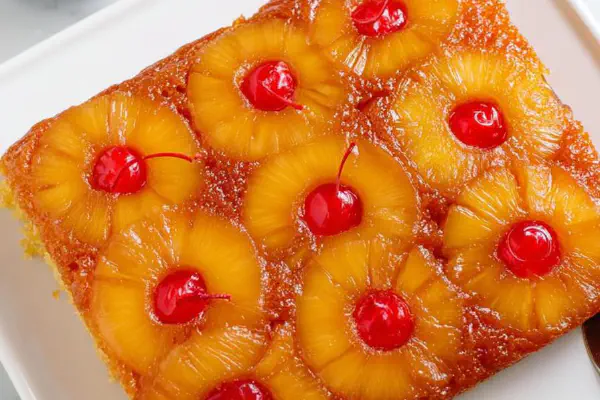
Pineapple Upside-Down Cake Remix
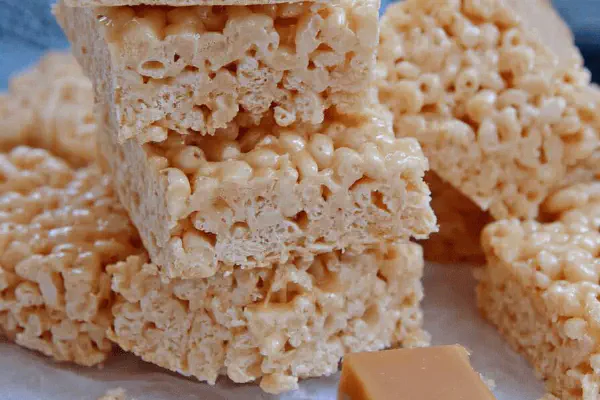
Salted Caramel Crispy Treats
About the ingredients
Butter cold, cubed, essential for flaky crust. Coconut oil works for non-dairy but changes flavor subtly; expect slightly different texture—firmer when chilled. Lemon zest can be swapped out for orange zest for softer citrus notes. Cornstarch thickens juices without separating like flour can sometimes do; arrowroot powder is a good alternative and adds glossiness to filling. Use ripe but firm peaches to avoid overly watery filling. Fresh fruit always better, but frozen can work—thawed and well drained, but expect softer texture. Brown sugar adds moisture and depth; granulated sugar for balanced sweetness and structure. Eggs bind crumbly dough, but beating lightly avoids gluey tough layers. Parchment overhang helps avoid sticking and eases lifting bars intact. Don’t skip spritzing pan; it prevents stubborn adhesion. Wet fingertips is chef’s trick pressing dough for clean crust without gummy fingers or uneven bottom.
Method
Technique Tips
Mixing butter into flour properly determines texture. Large pea-sized butter bits in dough give pockets of flakiness after baking. Too small pieces? Dense crust. Press crust firmly but gently into pan so dough layer is compact and even; wet fingers stop dough from sticking and keep crust tidy. Toss peach filling gently; don’t mash fruit. You want fruit chunks, not puree. Spices and sugar coat peaches making caramelized bubbly filling when baked. Crumble leftover dough over peaches leaving some fruit exposed helps steam escape and crust edges brown unevenly. Crust color is your doneness guide—golden edges, top dries a bit around exposed fruit. Over brown means dryness, under browned is doughy. Let bars cool fully to firm up juices then slice with serrated knife. Rushing cutting warm bars risks fall-apart mess. Parchment lifts bars cleanly; no scraping stuck edges or breaking crust. Store refrigerated to hold shape; a quick warm-up in microwave or oven revives texture but avoid overheating or crust loses crispness. Small adjustments to baking time based on oven variability; visual cues take priority over timer. Keep backup frozen dough or peach filling for quick mid-week assembly.
Chef's Notes
- 💡 Butter cold cubed, must stay that way. Cuts into flour creates flakes. Mix too long, tough outcome. Keep cold, avoid melt. Ensure even texture.
- 💡 Use ripe but firm peaches. Not mushy, avoid overripe fruit. Frozen? Drain well and expect softer bars. Fresh enhances flavor, texture holds better.
- 💡 Listen for crackle when baking. That bubbly sound? Means juices thickening. Visual cues matter. Look for golden crust edges. Cut too soon? Crumble mess.
- 💡 Chill bars before slicing. Warm ones spill out juices, leaving you with an unmanageable treat. Use serrated knife. Downward pressure saves the edges.
- 💡 Parchment paper lifts bars clean, no sticking. Overhang is key. No fighting with your pan. Spritzing helps prevent adhesion, simplicity in cleanup.
Kitchen Wisdom
Why is my crust tough?
Overmixing can lead to dense crust. Keep butter cold. Mix until just crumbly. Golden edges mean done. Crust needs tender touch.
How can I avoid soggy bottoms?
Ensure firm fruits. Don’t skip the chilling step before cutting. Cool in pan, refrigerator helps firm juices.
Can I use frozen peaches?
Yes, thaw and drain. Expect changes in texture. Fresh preferred. Ripe peaches have better flavor and hold shape.
Storage options for leftovers?
Refrigerate to maintain texture. Reheat quickly but avoid sogginess—tap oven for crispness. Cold bars still yummy.
You’ll Love These Too
Explore all →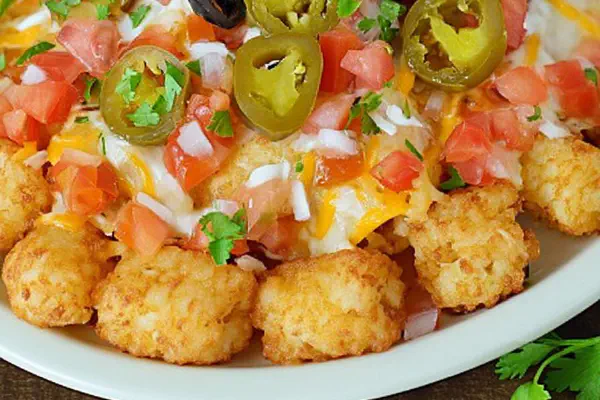
Loaded Crispy Tot Nachos
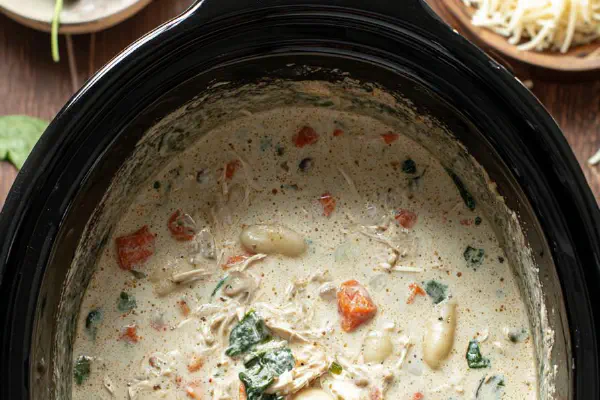
Slow Cooker Chicken Gnocchi Soup
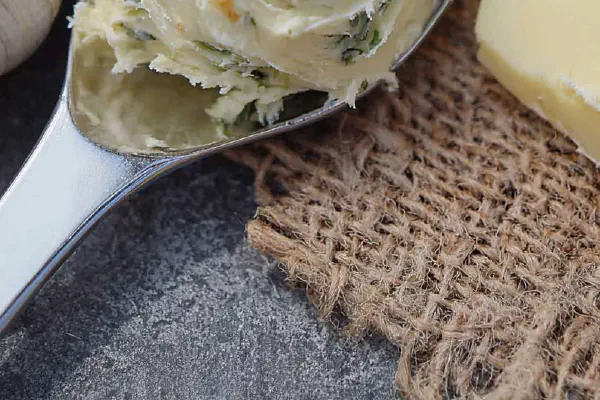
Whiskey-Chive Butter
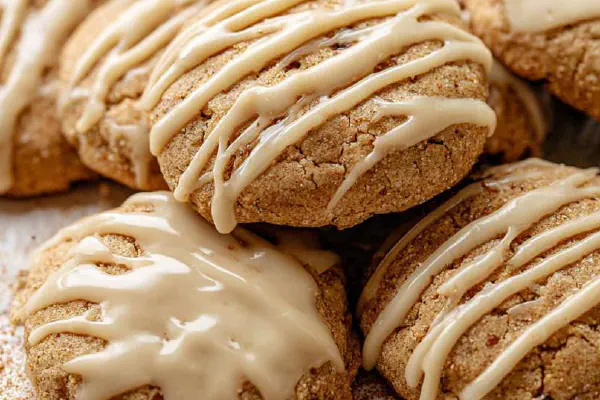
Maple Cinnamon Cookies
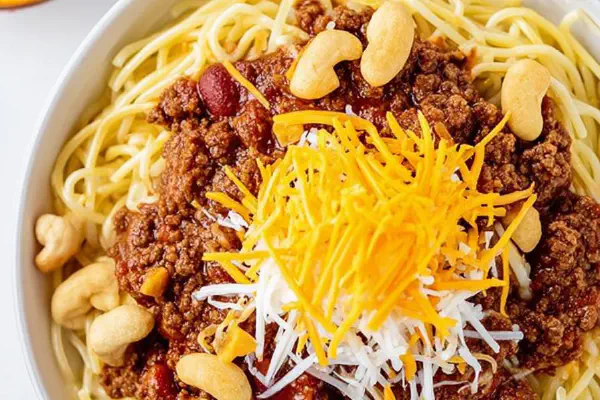
Twisted Cincinnati Chili
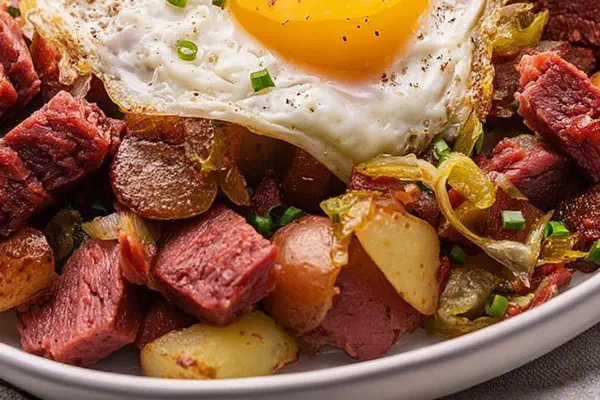
Twisted Corned Beef Hash
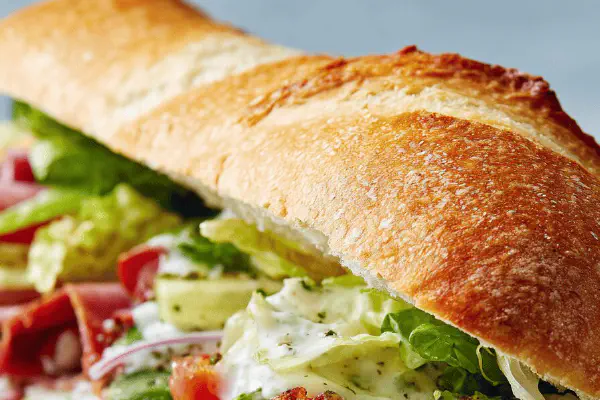
Italian-style subs
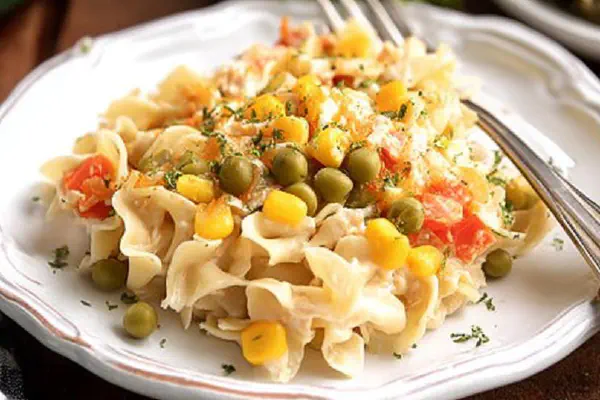
Creamy Chicken Noodle Bake
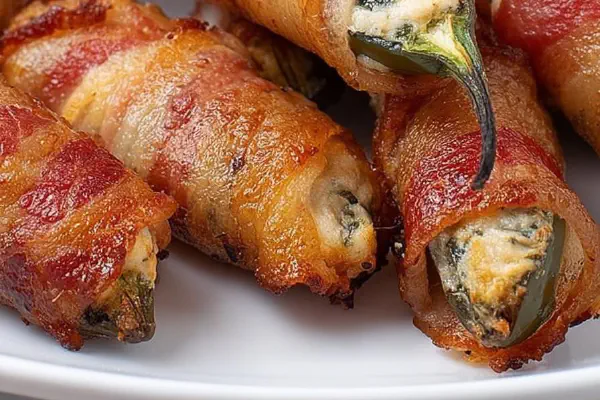
Bacon-Wrapped Jalapeño Poppers
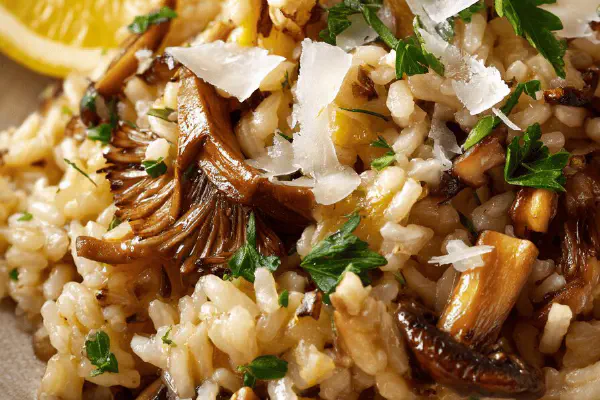
Wild Mushroom Risotto Twist
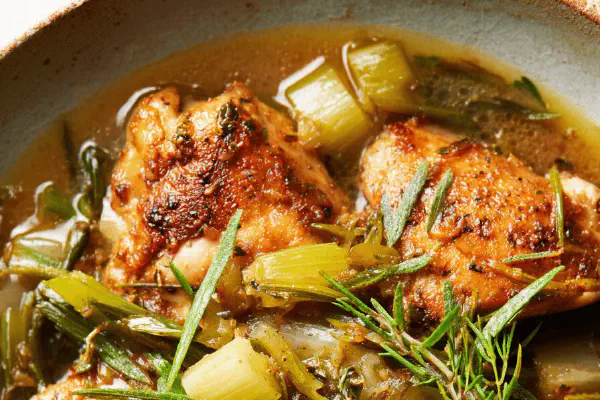
Celery Chicken Pressure Cook
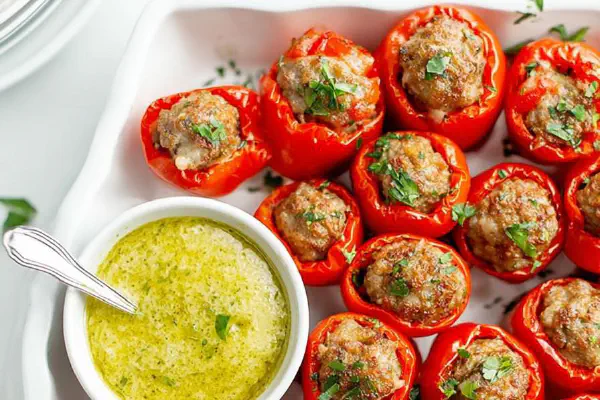
Sausage Stuffed Peppers Twist
Squash Apple Crackers

Pulled Pork Pressure Cooker
Air Fryer Chicken Parmesan Twist
Spiced Okra Fritters
Buttermilk Pancakes Remix
Coconut Cream Pie Twist
Sesame-free Lemon Garlic Hummus
Orange-Dill Maltese Sauce
Sweet-Spice Glazed Salmon
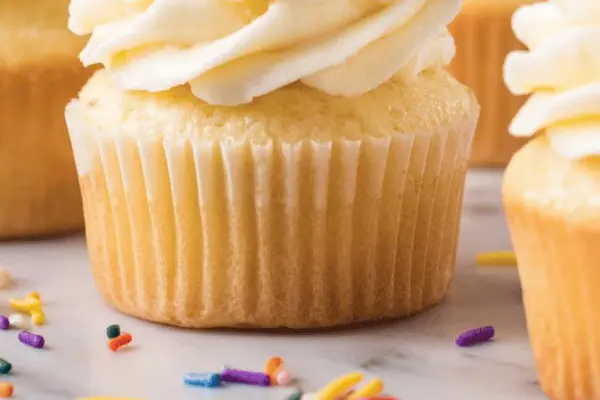
Vanilla Pudding Cupcakes
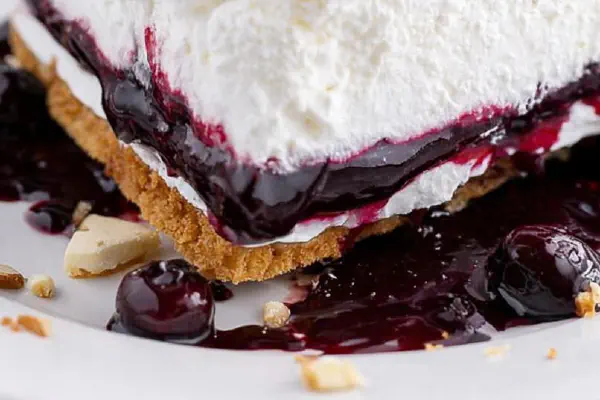
Blueberry Cream Crunch
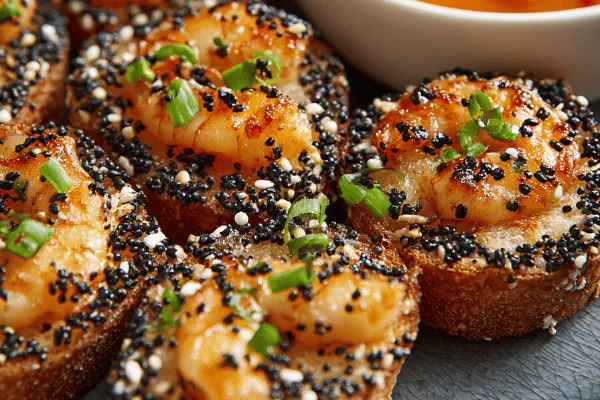
Crunchy shrimp toasts

Stuffed Cabbage Three Cheeses

Chicken Dipper Sauce
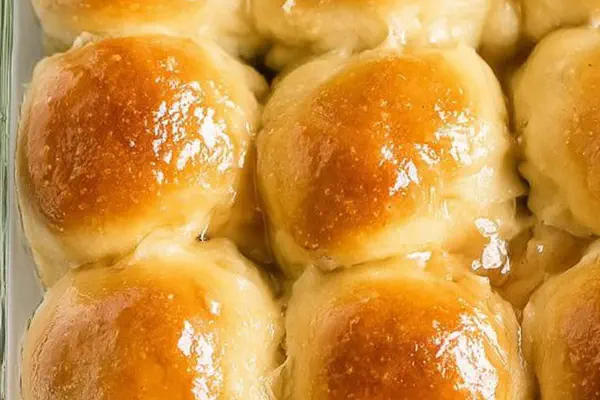
Buttery Dinner Rolls Twist

Oven-Baked Teriyaki Salmon
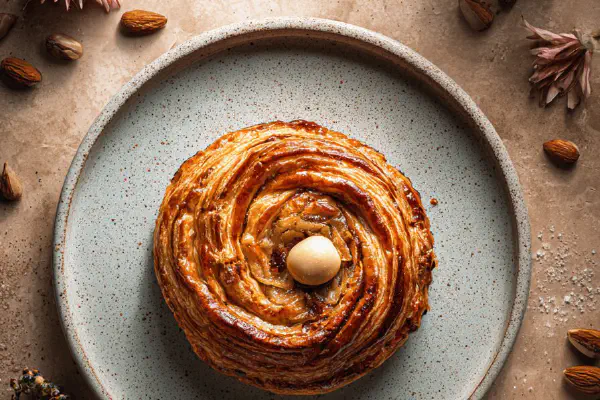
Galette Royale Twist
