Featured Recipe
Peanut Butter Chocolate Bars
By Kate
"
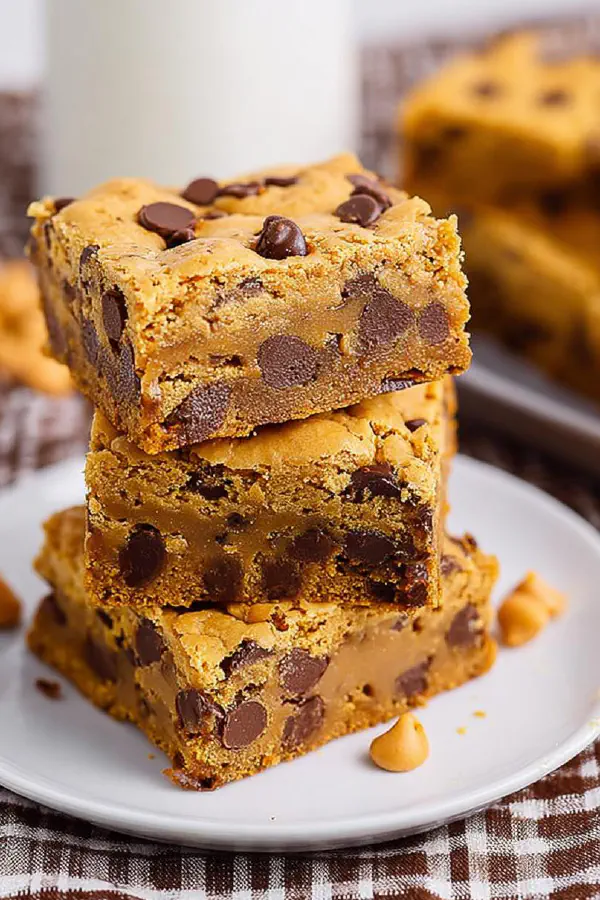
Dense bars blending peanut butter and chocolate chips in a buttery base. Uses a slight twist by swapping some flour with oat flour for texture; maple syrup partially replaces granulated sugar for depth. The mix is pressed—not dropped—into a lined pan for even thickness. Bake until a knife comes out mostly clean but retains crumbs. Cooling fully before slicing ensures bars hold shape. Adjust bake time slightly for chewiness or firmness; aroma darkens, edges set, center soft but not wet. Simple steps but fragile balance; easy to dry out or underbake without attention to sensory cues.
"
Prep:
12 min
Cook:
28 min
Total:
40 min
Serves:
16 bars
dessert
American
bars
baking
Introduction
Peanut butter and chocolate chips. Always a solid combo. But bars need respect; dense textures can dry easily or stay gummy. Timing’s a dance. Smells hit you around 15 minutes in—nutty, buttery, toasted sugar. Edges will look more toasted, center slightly puffy but set. Pressing dough into pan keeps thickness consistent so baking uniform. Flours matter; oat flour gives chew and slight grain, helps with structure versus pure white flour. Maple syrup adds moisture, cuts back need for all sugar; also toasty notes. Chips don’t want overmixing or they’ll melt and lose distinct bites. Cooling is crucial—bars are fragile until fully cool, slice too soon and bars crumble. Using parchment paper sling saves mess, no scraping stuck bits. Simple ingredients, few tricks, but all important if you want bars that hold.
Ingredients
In The Same Category · Sweet Treats
Explore all →
Mini Oreo Cheesecakes Twist
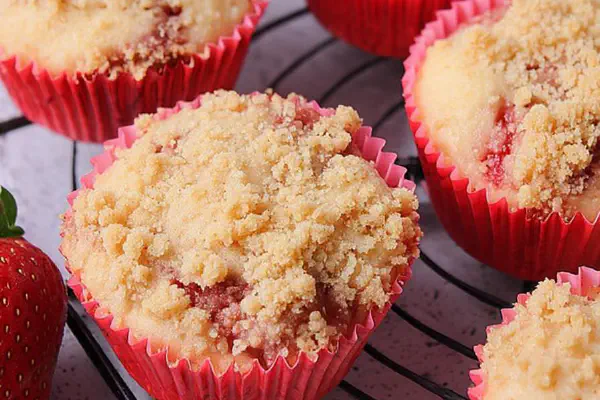
Strawberry Cream Cheese Muffins Revamped
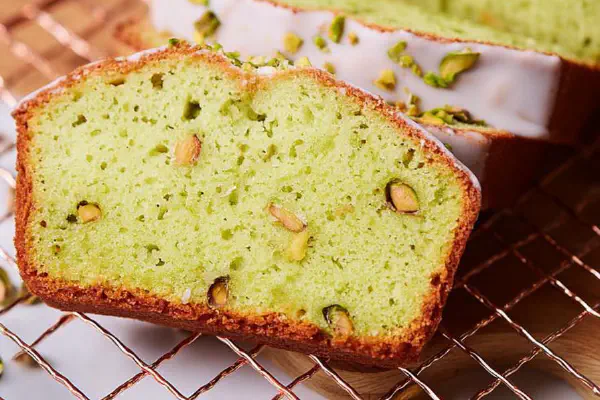
Pistachio Loaf Cake

Colorful Cheesecake Bites
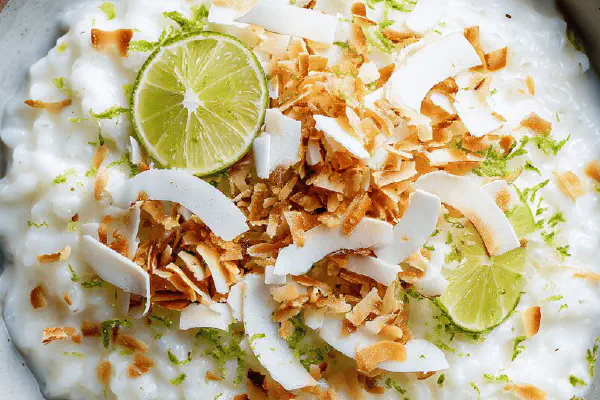
Creamy Coconut Rice Pudding
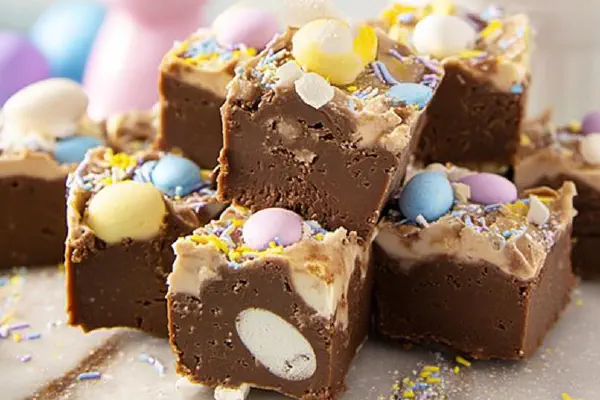
Cadbury Egg Fudge Remix
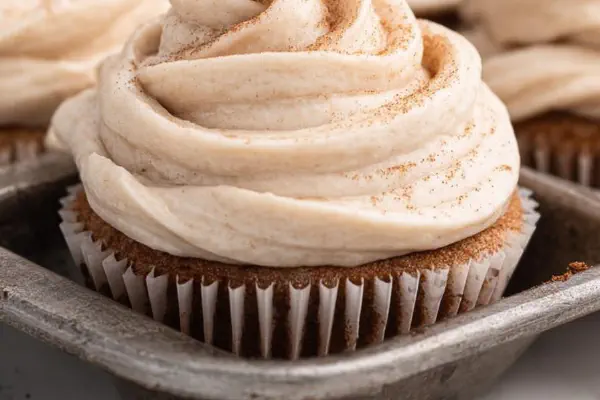
Spiced Cream Cheese Frosting
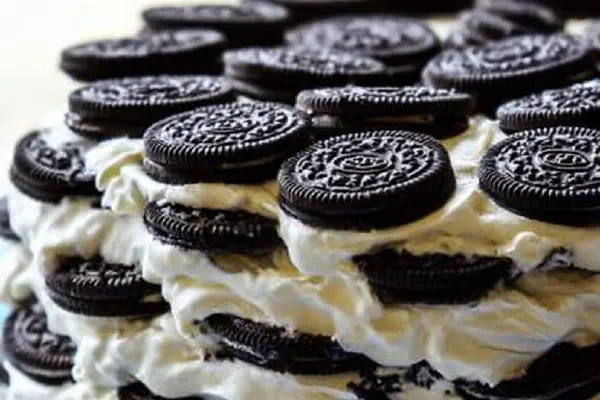
Oreo Cream Freeze Cake
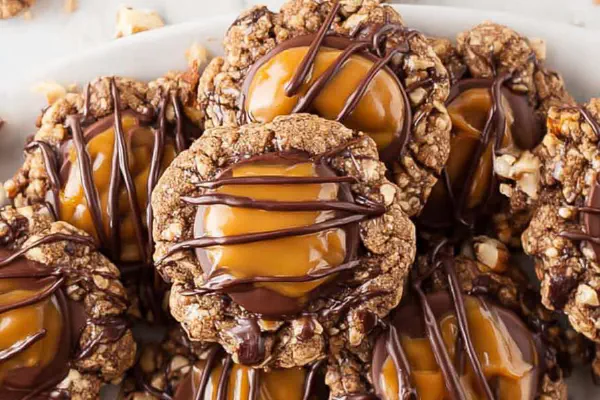
Nutty Caramel Thumbprints
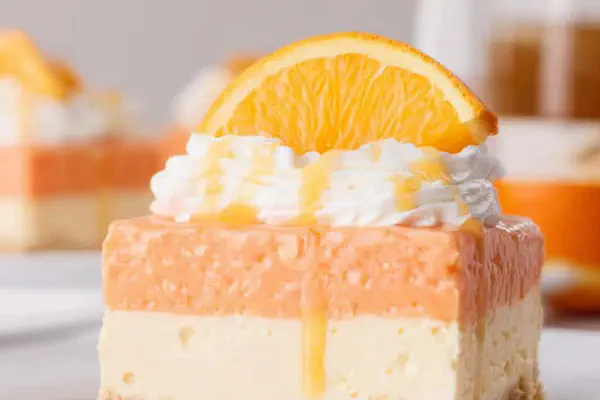
No Bake Citrus Swirl Cheesecake
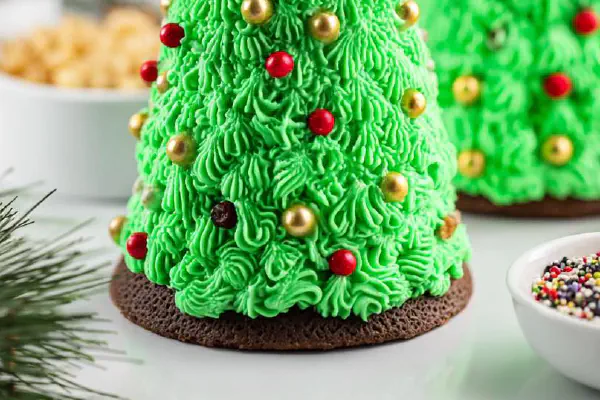
Cone Cake Christmas Trees
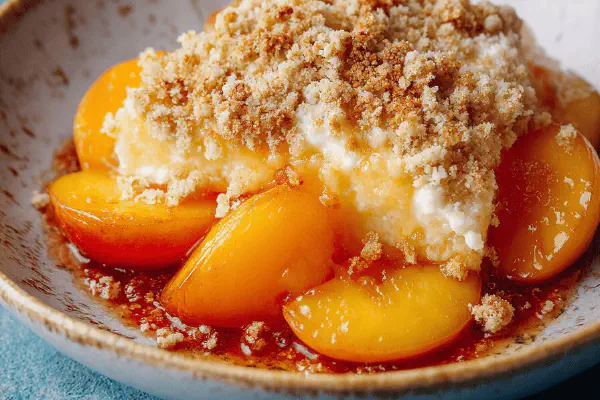
Nectarine Apricot Pouding-Croustade
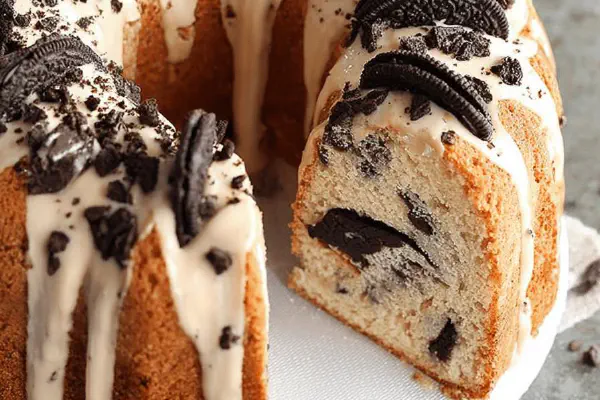
Oreo Cream Cheese Pound Cake
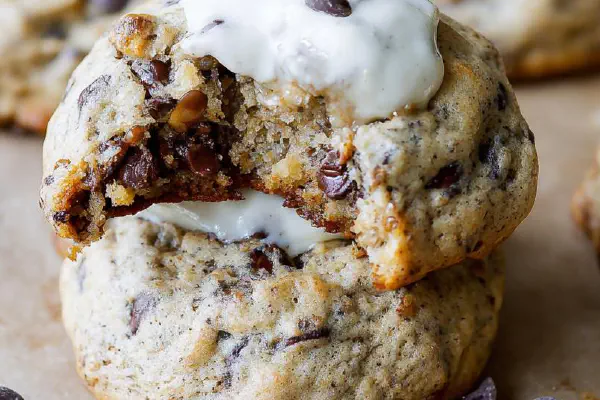
Banana Bread Chocolate Chip Cookies
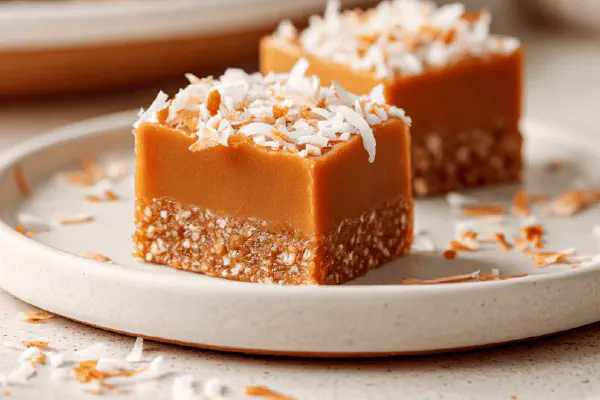
Dairy-Free Maple Cream Candy
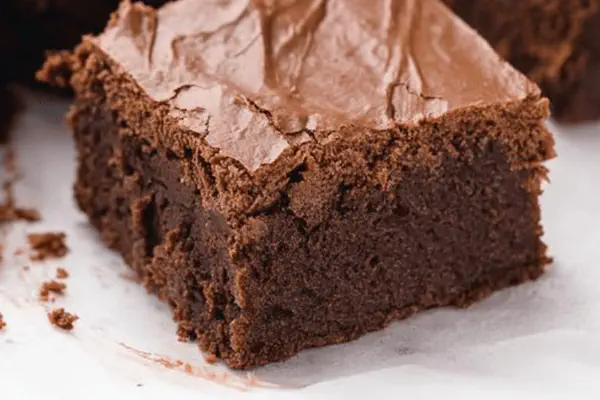
Lunch Lady Brownies Remix
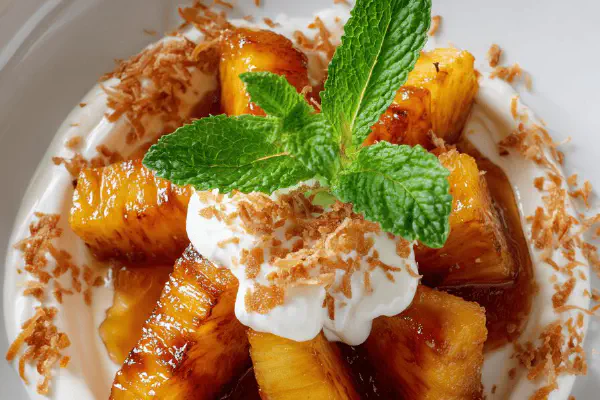
Flamed Pineapple with Rum
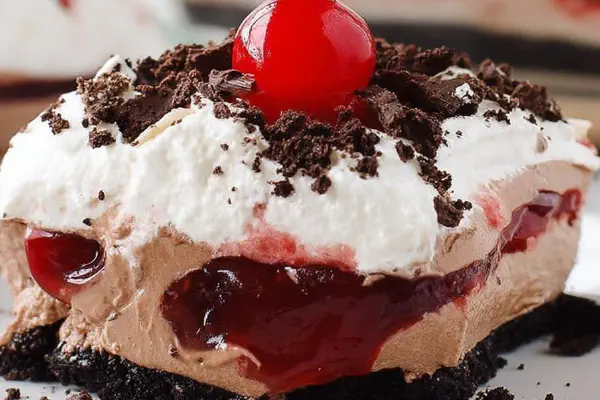
No Bake Chocolate Cherry Lush
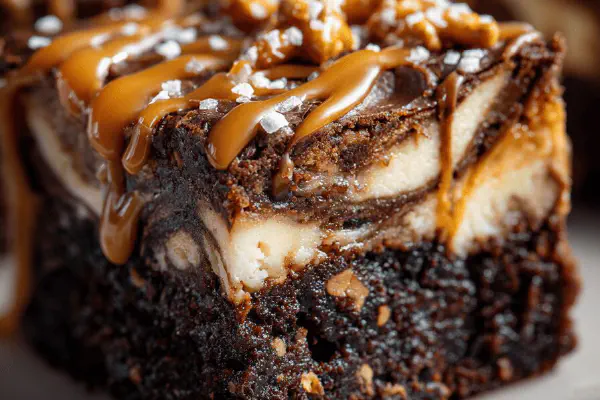
Peanut Butter Swirl Brownies
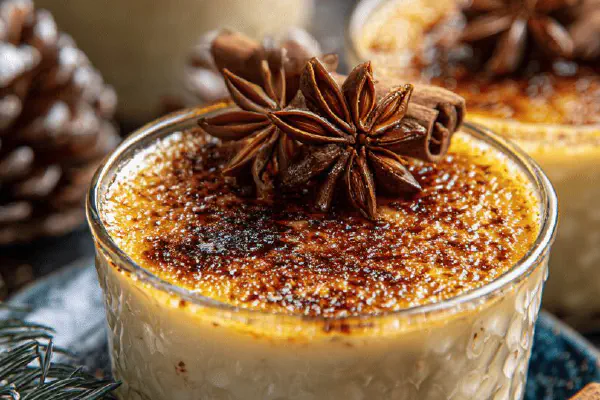
Spiced Rum Eggnog Crème Brûlée
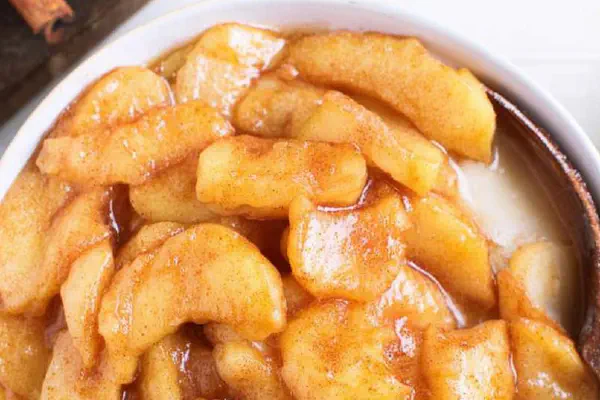
Skillet Cinnamon Pears
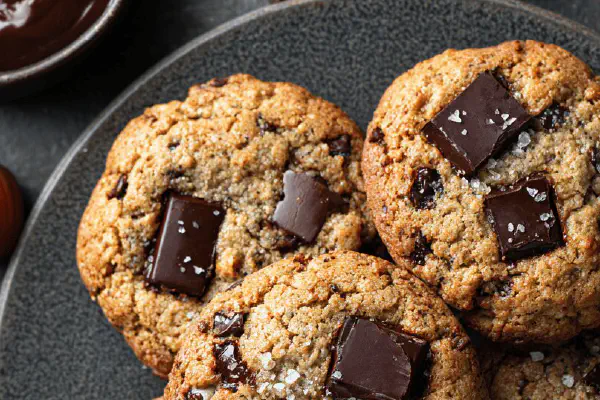
Vegan Hazelnut Chocolate Cookies
Billets with Berries and Coconut

Chocolate Pound Cake Twist

Blueberry Cream Fluff
Vanilla Skillet Cake
Single-Serve Twist Sugar Cookie Dough
Rustic Apple Pie Fill
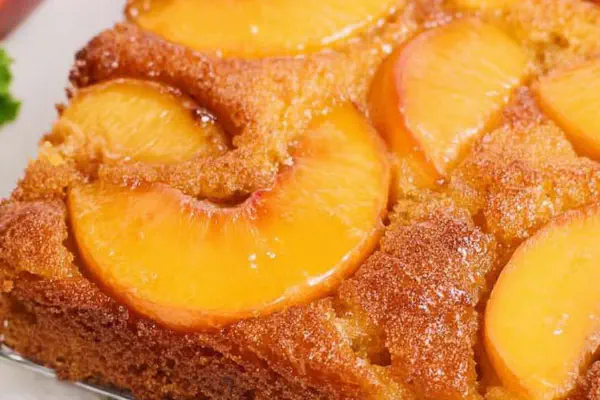
Spiced Peach Upside Cake
About the ingredients
Swapping some all-purpose flour for oat flour adds chew and a subtle toasted aroma. If unavailable, use all-purpose only but bars will be softer and less textured. Maple syrup replaces part of the granulated sugar to deepen sweetness without grit and adds moistness; if omitted use all brown sugar but dough gets stiffer. Peanut butter chips can be swapped for white chocolate chips or chopped roasted peanuts for crunch contrast. Butter should be softened at room temp but not melted; melted butter flattens bars and ruins texture. Eggs at room temp mix in better, especially crucial when creaming with butter and peanut butter. Vanilla is simple aroma lift; don’t skip it. Salt is key to balance sweetness and amplify peanut flavor—don’t reduce.
Method
Technique Tips
Step order matters for texture. Creaming butter and peanut butter traps air, giving volume and preventing dense bars. Adding dry mix slowly helps avoid overmixing, which causes toughness. Folding chips avoids crushing and meltdowns. Using parchment with overhang means you lift bars whole—no stuck bits or breakage. Pressing dough evenly ensures consistent bake; use spatula or lightly oiled fingers but don’t pack too tight or bars get tough. Watch for visual cues over time—edges golden brown, surface just set not cracked. Insert knife to test doneness; want moist crumbs, not wet batter. Baking longer means drier, firmer bars. Cooling completely sets structure; slice warm and bars crumble. Use warming knife trick for clean cuts. Cooling times vary by kitchen humidity and pan material; be adaptable.
Chef's Notes
- 💡 Measure flours accurately; it matters. Too much all-purpose, bars dry out. Oat flour adds texture. If no oat—just all-purpose is fine. Just softer, lighter.
- 💡 Creaming is key; air matters. Beat room temp butter with peanut butter till fluffy but not melted. Otherwise, dense bars. Don't rush this step.
- 💡 Watch edges as they bake. Golden brown, surface set but puffed. If edges darkening fast, center still softifies, could be done. Check with knife for crumb test.
- 💡 Cooling lots matters; warm bars crumble. Use the wire rack. Wait till bars set completely. Lift them out with parchment overhang. Makes slicing better, cleaner.
- 💡 Sharp knife hack; dip in hot water, wipe dry. Cuts through bars cleanly. Prevents messy, crumbling edges. Keeping knife warm eases cutting. Less pressure needed.
Kitchen Wisdom
How can I make these less sweet?
Reduce syrup, brown sugar. Note texture changes; drier bars might result. Tweak to taste carefully.
What's the best way to store these bars?
Airtight container to keep moisture. Room temp for 4 days. Freeze wrapped tightly for longer. Easy to thaw.
My bars turned out too dry, why?
Check bake time; overbaking causes dryness. Next, maybe too much flour mixed in, watch those measurements.
Can I substitute something in the recipe?
Yes, use sunflower butter for nut-free. Almond flour could work in place of oat flour. Texture shift possible, monitor.
You’ll Love These Too
Explore all →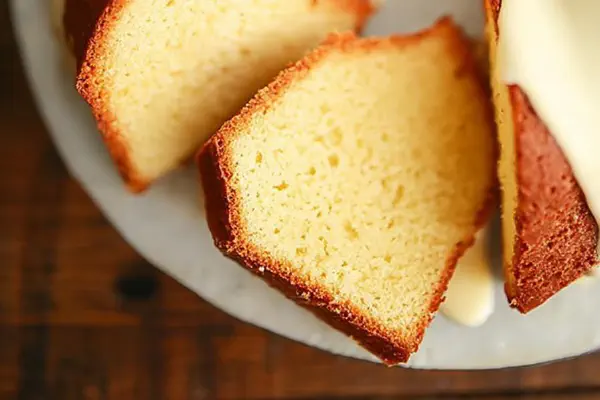
Eggnog Spice Pound Cake
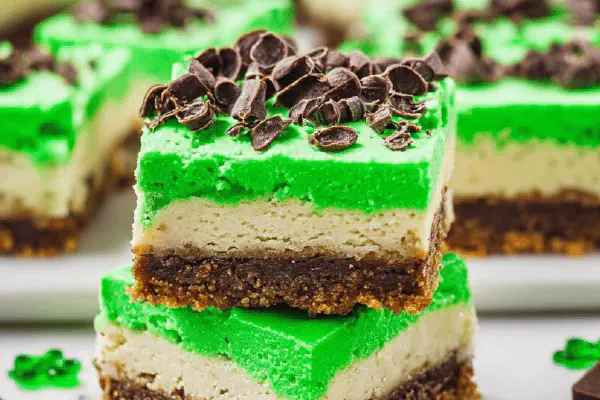
Mint Swirl Cheesecake Bars
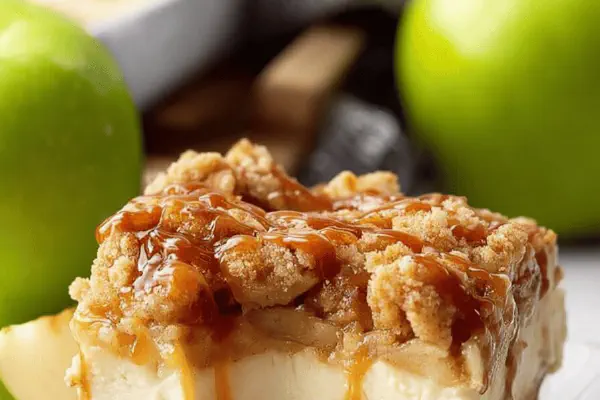
Apple Cream Cheese Bars
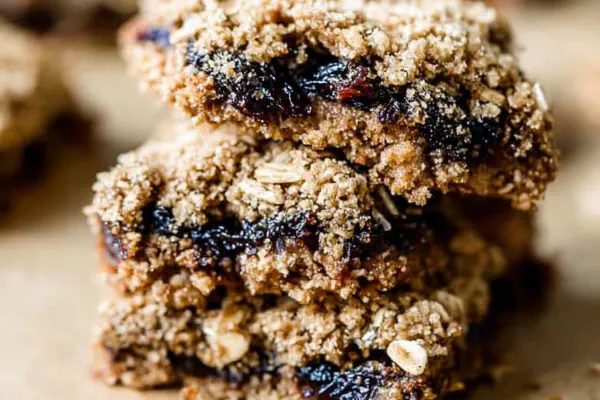
Prune Oatmeal Bars Twist
Vanilla Vodka Extract
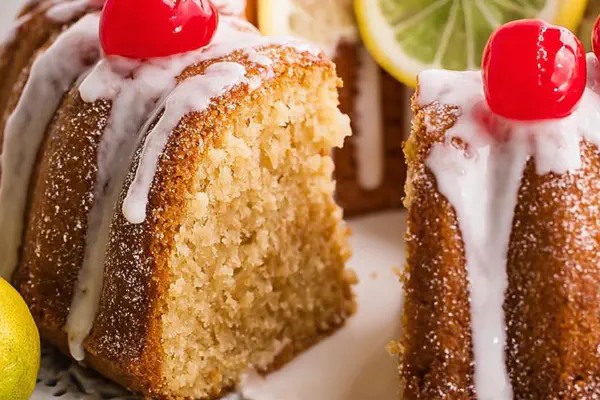
Citrus Spark Pound Cake
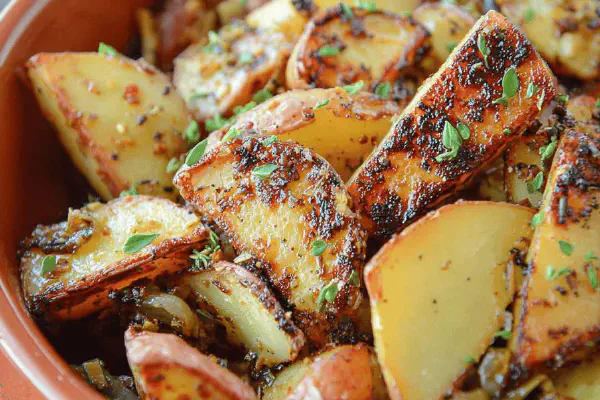
Tangy Roasted Potatoes Twist
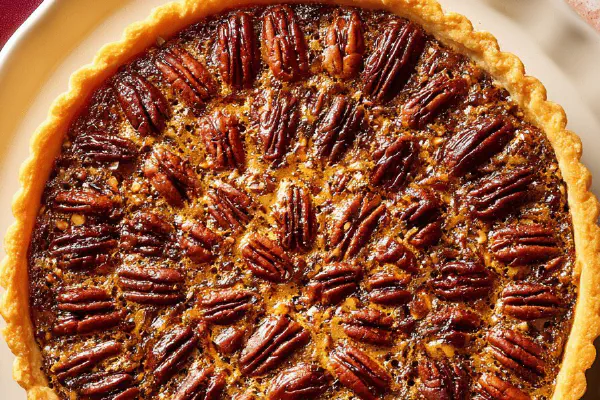
Maple Pecan Tart
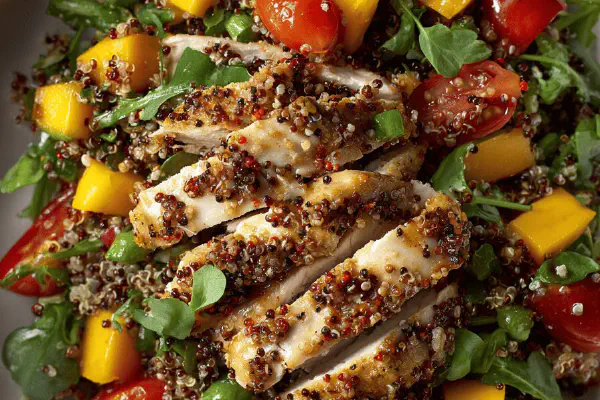
Grilled Chicken Mango Quinoa Salad
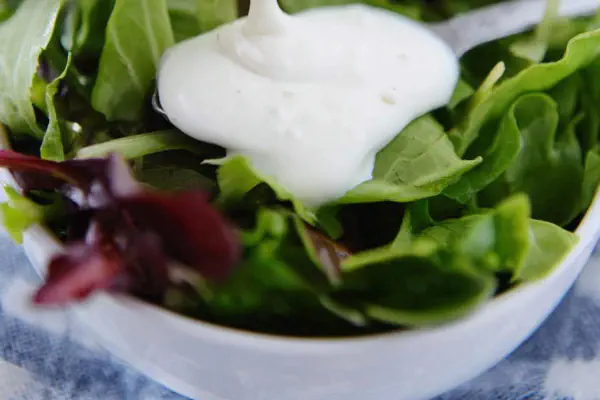
Tangy Blue Cheese Dressing
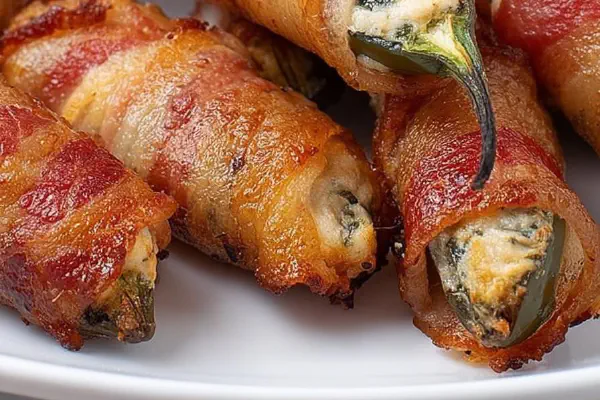
Bacon-Wrapped Jalapeño Poppers
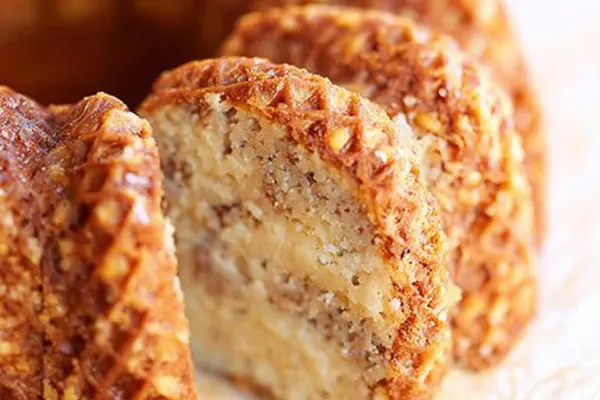
Twisted Vanilla Crunch Cake
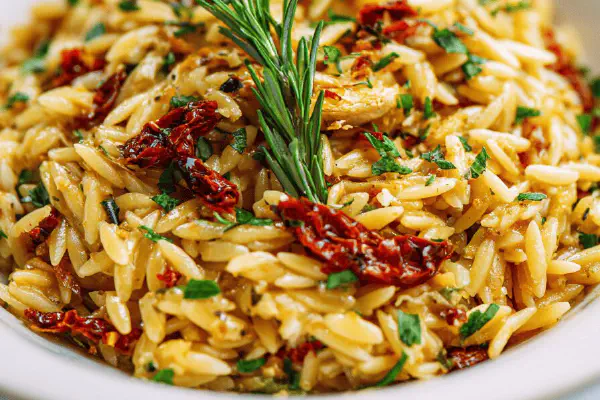
Orzo with sun-dried tomatoes
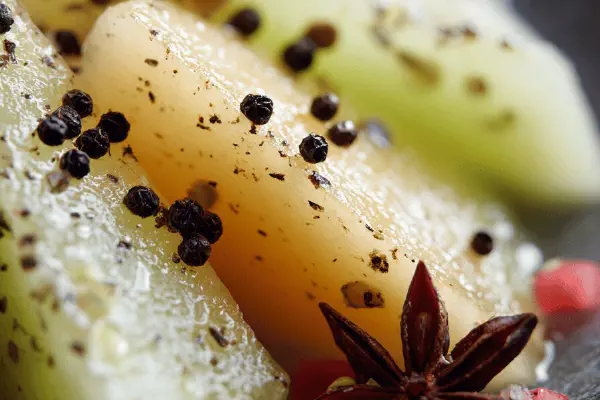
Marinated White Melon Julienne
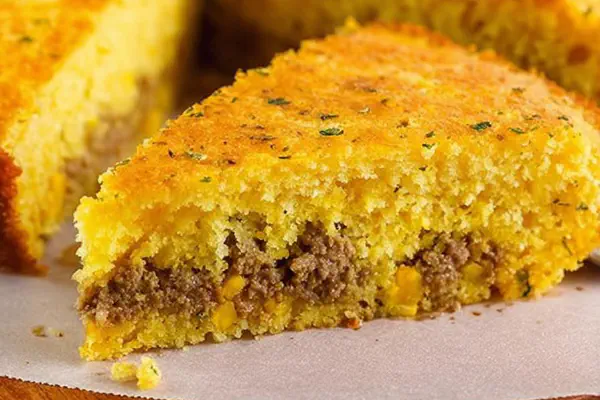
Hearty Tex-Mex Cornbread
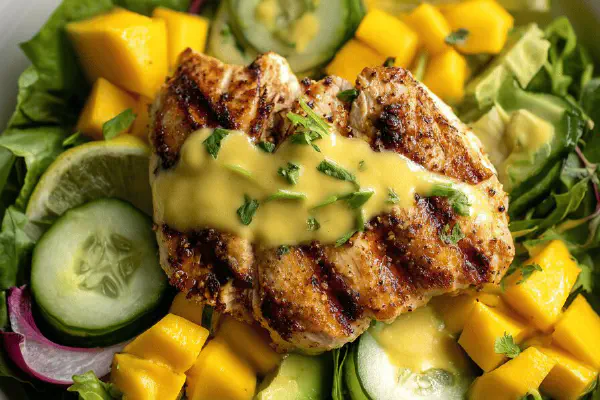
California Chicken Salad Twist
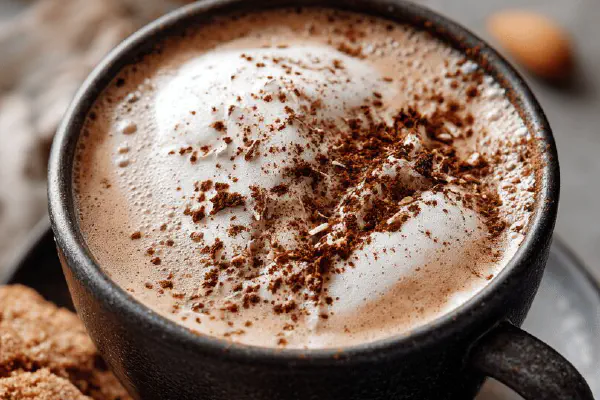
Almond Spiced Hot Chocolate
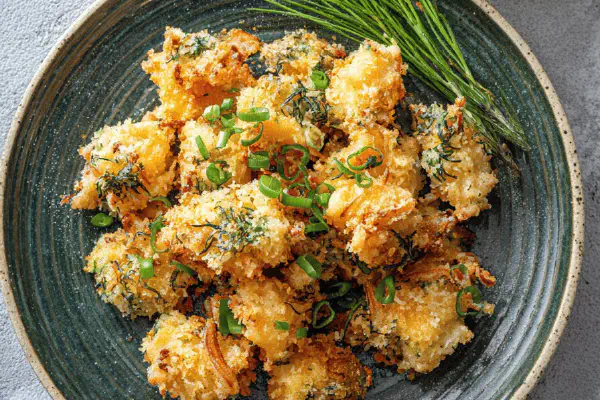
Spicy Crab Fritters
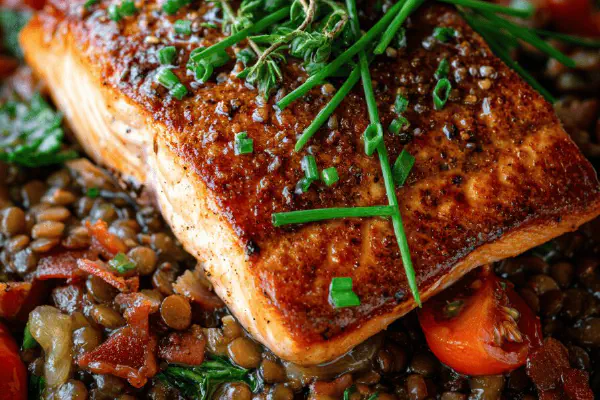
Balsamic Salmon with Lentils
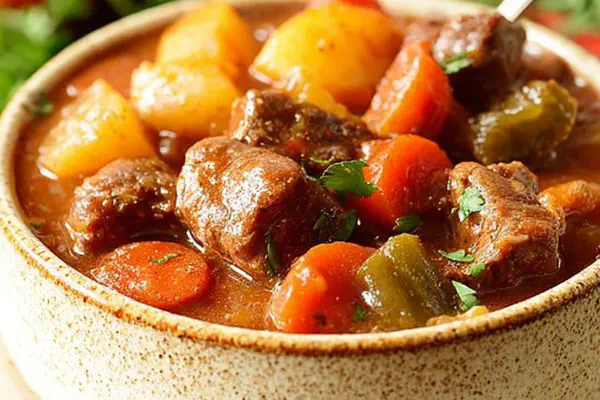
Slow Cooker Creole Beef Stew
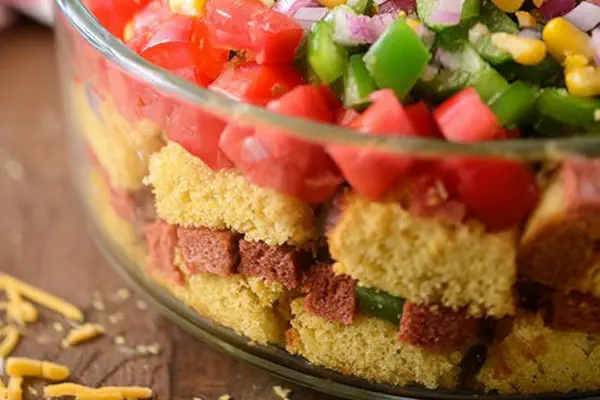
Cornbread Bean Salad
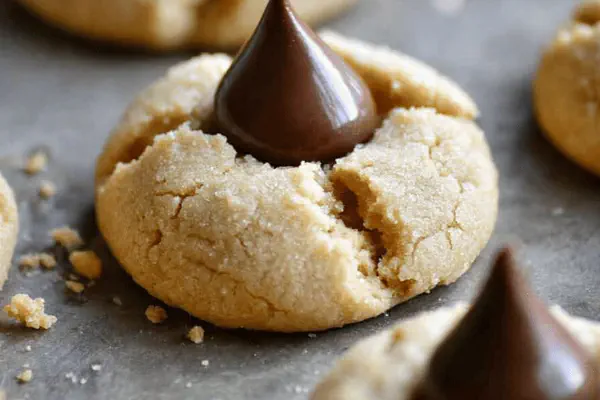
Crunchy Peanut Blossoms
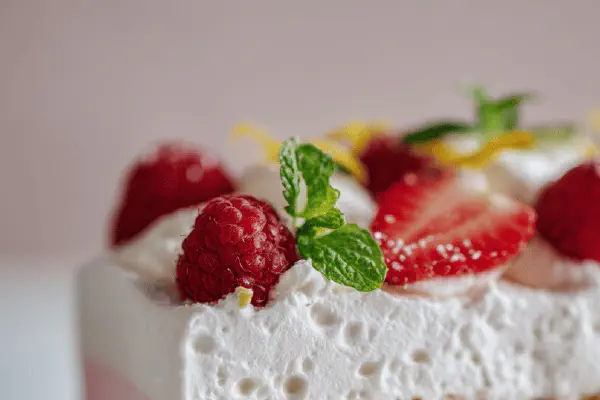
Pistachio Raspberry Ice Cake
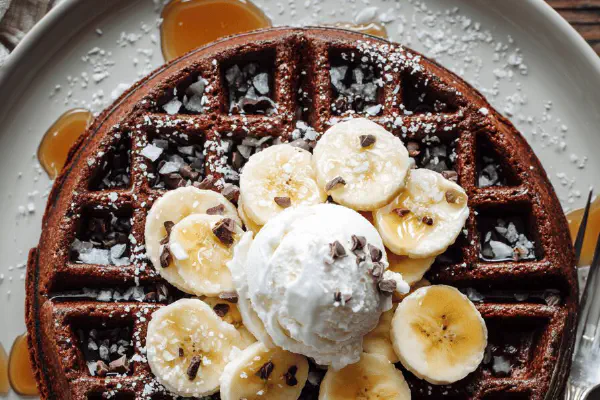
Double Chocolate Waffles Revamped
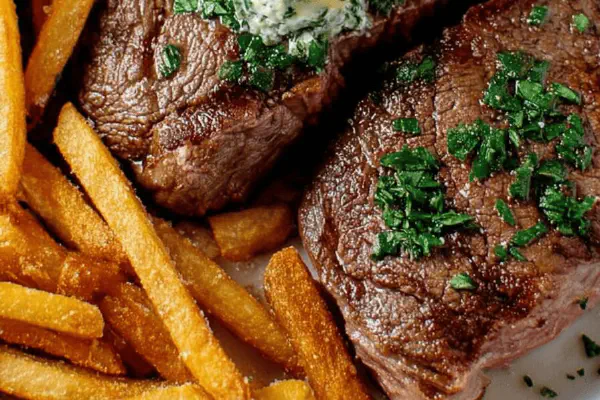
Steak Frites Redux
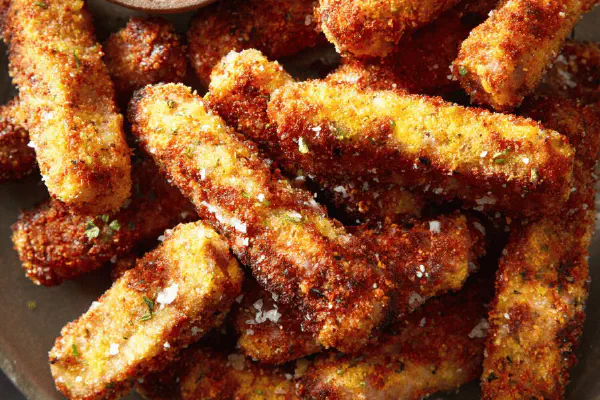
Cornmeal Sausage Sticks
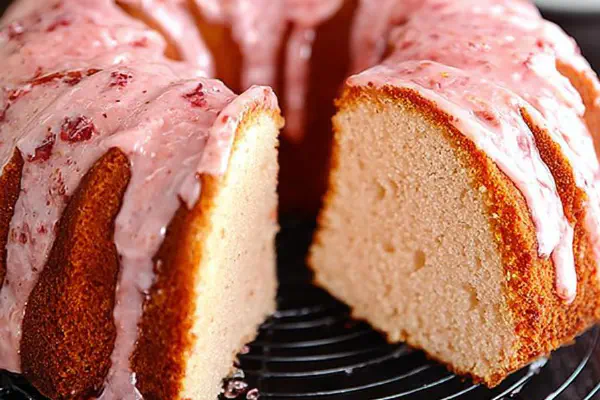
Strawberry Jam Pound Cake Remix
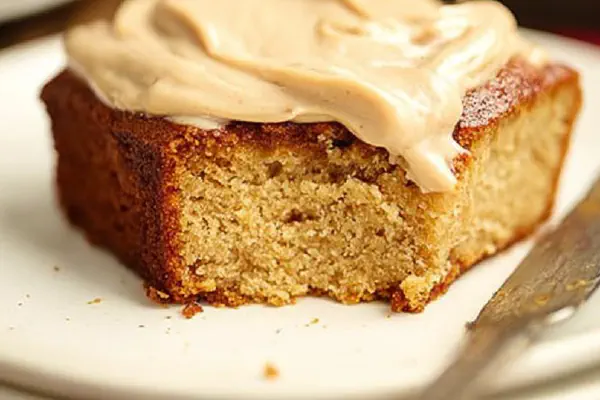
Apple Butter Spice Cake
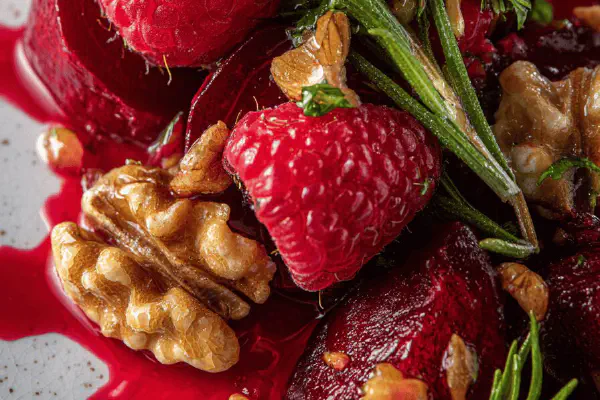
Beets Pickled with Raspberry Twist