Featured Recipe
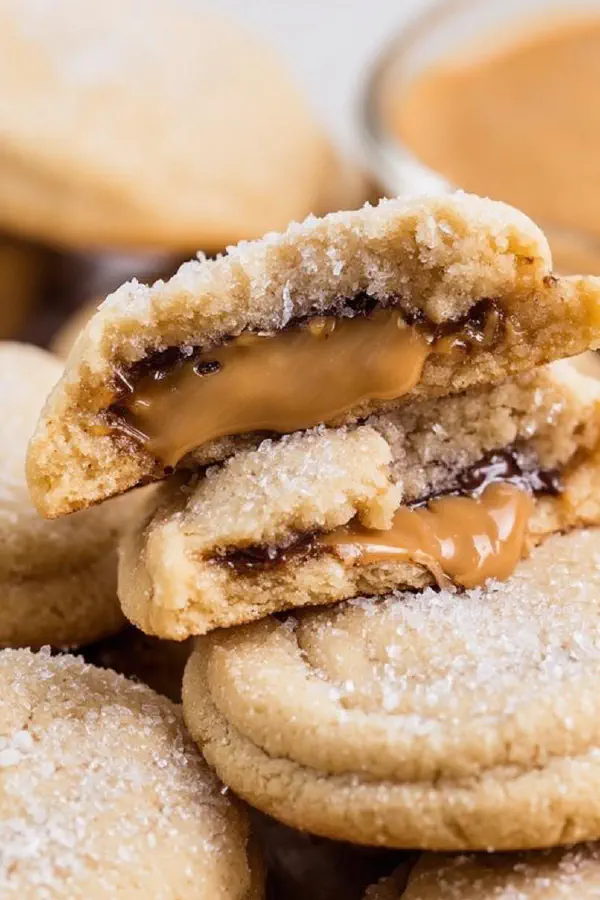
Peanut Butter Lava Cookies
By Kate
"
Uses pie crust rolled thinner for a delicate shell. Peanut butter core seasoned with a pinch of sugar for subtle contrast. Double layers sealed tightly to trap molten filling. Sugar-coating outside adds texture and crunch. Bake just until edges color, watch for bubbles. Key is catching the lava stage peanut butter – hot and liquid inside while crust browns. Cool slightly for safe eating. Substituted almond butter for peanut butter, coconut sugar replaces granulated. Added grated dark chocolate inside for a twist mixing nut and cocoa flavors. Avoid overbaking; crust toughens, filling loses lava quality.
"
Prep:
20 min
Cook:
15 min
Total:
35 min
Serves:
16 servings
dessert
cookies
baking
peanut butter
almond butter
Introduction
That molten center trick takes patience; not just throw dough and butter, you coax it. Pie crust straight from the fridge too cold? Snaps and cracks. Room temp, pliable, rolls smooth. Roll thinner, you get crisp edges but not brittle skin that breaks on bite. Cookie cutter or a jar lid, clean cuts make sealing edges easier. Peanut butter straight from jar sticky, sprinkle sugar on top keeps edges dry right where crust must stick together. Seal tight, fork crimps give grip and better hold when heat makes butter melt and bubbles expand. Toss cookies in sugar before baking—adds crunch and sweet glint, caramelizing just right. Watch oven color cues, edges turning pale gold signals done, bubbles on top mean filling’s molten below. Cool a few minutes, still hot inside, molten peanut butter oozes and makes the bite. Let cool more and it firms up. Almond butter sub gives slightly nuttier, less sweet taste; coconut sugar changes the caramel note and adds a bit of moisture, keeps the filling flowing. Adding grated dark chocolate inside—best little surprise. Melts with butter, gives bittersweet lines in molten center. Photos show perfect browning just starting, no burnt edges. Kitchen smells nutty, sweet, mouth waters before even biting. Remember the seal is king, sloppy work means leaks, burnt sheets, no molten flow. Efficiency: prep next batch while first bakes. Time saved, snacks ready faster. Real kitchens need these tricks—no wasted dough, no dry cookie shells, just gooey, nutty lava bombs.
Ingredients
About the ingredients
Room temperature pie crust is non-negotiable; cold dough snaps and makes pinching edges a chore. Roll slightly thinner than packaging thickness for balance between crisp and sturdy. Peanut butter variants change flavor profile; almond butter adds depth, sunflower butter is allergy safe. Sugar on peanut butter prevents seal failure by keeping crust edges dry. Coconut sugar substitutes granulated for a mellow caramel undertone and slight moisture. Grated dark chocolate is optional but transforms filling by adding molten bittersweet pockets. Flavor balance matters; pinch of salt can cut sweetness, elevate nut profile. Extra flour or crumbly crust? Use a damp cloth over dough to soften before rolling again. Coating in sugar adds crunchy, caramelizing crust exterior making the bite texturally interesting. Seal edges completely, gaps cause molten filling leaks that burn pan.
Method
Preparation
- Preheat oven to 395°F. Bring pie crusts to ambient temp to avoid cracking when rolling. Rolling softer dough aids sealing.
- Unroll one crust on parchment. Using a lightly floured rolling pin, roll it down thinner than package thickness; aim for 1/12th inch. Thin enough for crispness but sturdy enough to hold filling.
- Cut as many 3-inch rounds as possible with cookie cutter or jar rim, keeping scraps to reroll.
- Place 1 tbsp almond butter center on each round. Sprinkle 1/8 teaspoon of coconut sugar and a tiny pinch of salt if preferred. The sugar helps caramelize and adds subtle sweetness without hindering seal.
- Add a small sprinkle (around 1/4 tsp) grated dark chocolate on top – melts inside during bake, adds complexity.
- Top with second crust round, gently seal edges by pressing firmly with fingers all around. Crimp edges using tines of a fork for stronger seal and fancier look. Seal prevents filling leak during baking.
- Lightly toss completed cookies in granulated sugar, coating all sides. Creates a crunchy crust on surface.
- Arrange spaced on parchment-lined baking sheet. Reroll scraps and repeat until dough and filling used up.
- Bake 14-17 minutes. Watch edges for light golden blush and watch for faint bubbling or slight puffing of crust top to judge doneness. Cookies feel firm but not hard when pressed lightly.
- Let cool for at least 3 minutes on the pan. Filling inside will be molten lava temperature – watch out for burns. Cooling firms filling gradually but still warm, gooey center is goal.
- Finish second pie crust batch while first bakes to speed process.
- If dough tears sealing, moist fingers help adhere edges better.
- Too thick crust, filling won’t break through easily; too thin and they leak. Find balance.
- Swap almond butter with cashew or sunflower seed butter for allergy-friendly options.
- Sugar coating can be replaced with cinnamon sugar for aromatic notes.
- Overbaking leads to dry, crumbly edges and hardened filling. Stop baking once light browning shows.
- Watch oven hot spots; rotate baking sheet halfway through baking.
Filling & Assembly
Coating & Baking
Cooling & Serving
Tips & Troubleshooting
Technique Tips
Start with warm dough to prevent cracks on rolling. Roll evenly for uniform baking. Use 3-inch cutter for manageable sized cookies, adjust size if you want more or fewer. Be precise with filling amounts; too much leaks, too little gives dull center. Sprinkle sugar on filling before layering top crust—this dry barrier keeps edges from sticking prematurely. Seal perimeter fully by pinching or fork crimps; do not rush or press unevenly or filling will escape. Toss cookies in sugar right before baking for a crispy sugar crust that caramelizes in heat. Baking done when dough edges turn pale golden and crust top shows faint bubbling, indicating molten inside. Cooling 3-5 minutes essential; molten filling will scorch tongue. Repeat assembling next batch during baking for efficiency. If leaks occur, scrape excess filling off edges before baking on next batch. Avoid oven hot spots by rotating baking sheet midway to ensure even bake. Watch time as every oven differs, visual and tactile cues superior to clocks.
Chef's Notes
- 💡 Key to rolling out crust? Room temp pies. Cold dough, cracks. Take time. Roll thinner than packaging says but firm. 1/12th inch is goal. Too thick? Filling won’t break through. Too thin? It leaks. Balance matters here.
- 💡 Avoid leaks. Sprinkle coconut sugar before filling top crust. Keeps edges dry. Use that dry barrier. Seal edges well. Crimp nicely. Press evenly. Let filling flow, no gaps allowed. Too much pressure? Filling surges out—no bueno!
- 💡 Coating cookies in sugar? Essential for crunch. Creates contrast. Toss right before baking. Caramelizes nicely in heat. Watch for that golden blush on edges. Brown means done but stop before overbaking. That’s dry and crumbly.
- 💡 Grated dark chocolate? Game changer. Adds depth. Bursts with flavor when molten. Just sprinkle a pinch while filling. Do it—worth it. Think about almond butter versus peanut. It’s nuttier, less sweet. Adjust flavor profile.
- 💡 Always prep next batch while the first bakes. Efficiency in the kitchen is key. Don’t waste dough, no time lost. If leaks happen? Scrape excess filling before the next batch hits the oven. Keep it tidy.
Kitchen Wisdom
What if my dough tears?
Use moist fingers to merge edges. It helps stick. Rushing leads to leaks. Take a moment to secure. Patience pays off here.
Can I substitute almond butter?
Absolutely! Cashew, sunflower butter work too. Adjust flavors accordingly. Each brings its own notes, but results remain gooey goodness. Switch it up.
Common baking issue?
Overbaking ruins everything. Watch edges turn light golden. Pull at that moment. If you wait? Dried edges, no molten filling. Better to underbake slightly.
How to store leftovers?
Keep in fridge. Use airtight container. They’ll last a few days. Reheat briefly for that gooey experience. Or freeze; just thaw slowly before baking.