Featured Recipe
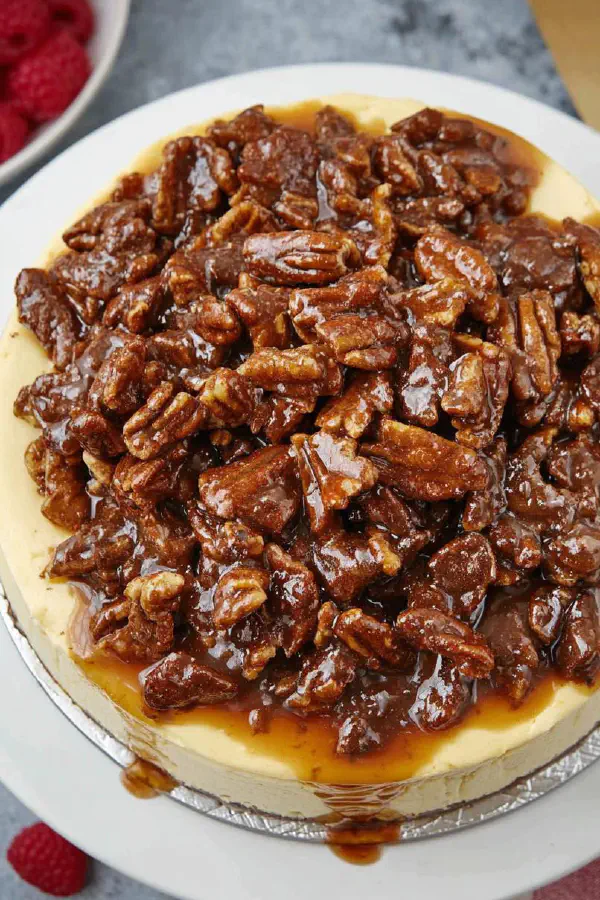
Pecan Pie Cheesecake
By Kate
"
A rich combo of dense cheesecake and gooey pecan pie topping. Graham cracker crust with brown sugar and butter base. Cream cheese whipped light then folded with sour cream, eggs, and dry ingredients. Cheesecake baked in water bath to avoid cracking. Sweet pecan topping made with butter, heavy cream, brown sugar, plus dark chocolate for depth. Salted pecans add crunch. Chill long for best texture. Garnished with caramel sauce and fleur de sel for contrast.
"
Prep:
20 min
Cook:
85 min
Total:
105 min
Serves:
12 servings
cheesecake
pecan
American dessert
holiday baking
sweets
Introduction
Start with a sturdy crust, the base of any good cheesecake. Crumble graham crackers, mix brown sugar and sea salt to balance sweetness with a hint of savory. Melted butter glues crumbs, press tight. Watch browning; too dark means dry crust. Cream cheese whipped fluffy but not whipped to death; a heavy hand here kills texture. Sour cream adds moisture and cutting acidity, while dark brown sugar brings a deeper molasses flavor distinct from typical white sugar. Eggs folded in one by one, no rush; air pockets mean cracks later. Flour only enough to stabilize, vanilla and salt to sharpen. Water bath is your ally against cracks. Tent foil if top burns edges. Cool slowly for cracks avoidance and ultimate creaminess. Topping trick: brown butter replaced with plain for smoother, rounder flavor; caramel sauce laced with chocolate chips, pecans tossed with salt — textural contrasts show skill, not luck. Eat after patience; chilling for hours makes the difference. Caramel drizzle with fleur de sel finish, a final salt kiss. No shortcuts here, but it’s worth every second.
Ingredients
In The Same Category · Sweet Treats
Explore all →
Pistachio Marble Loaf
Caramel Apple Cupcakes Remix
Twisted Fruity Pebble Treats
Chocolate Chip Swirl Bundt Cake
Cornflake Wreath Treats
No-Cook Raspberry Lime Sorbet
Birthday Crumb Delight
Beetroot Cupcakes with Mascarpone Cream
Triple Chocolate Log

Caramel Pecan Cheesecake
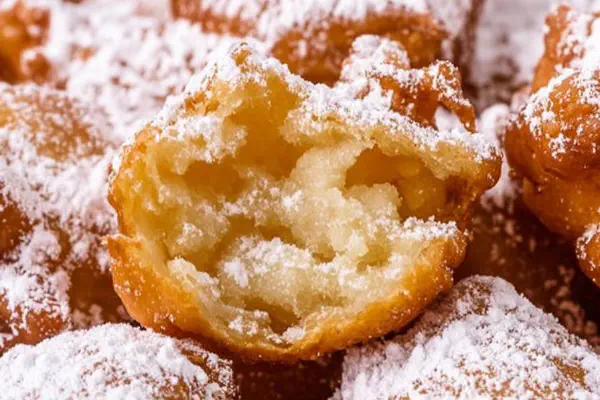
Funnel Cake Pops
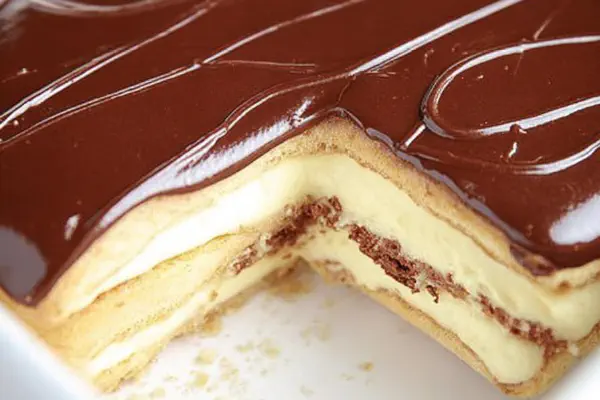
Layered Chocolate Eclair
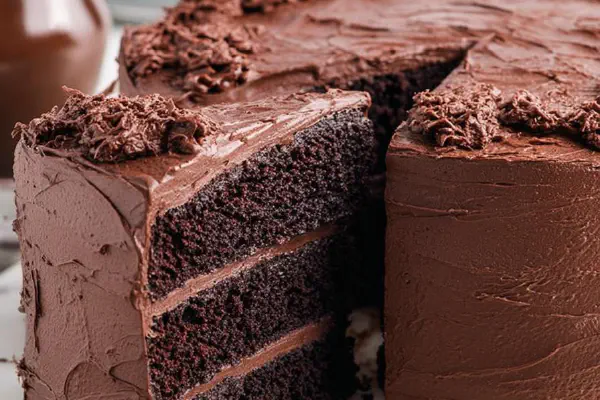
Dark Mocha Fudge Cake
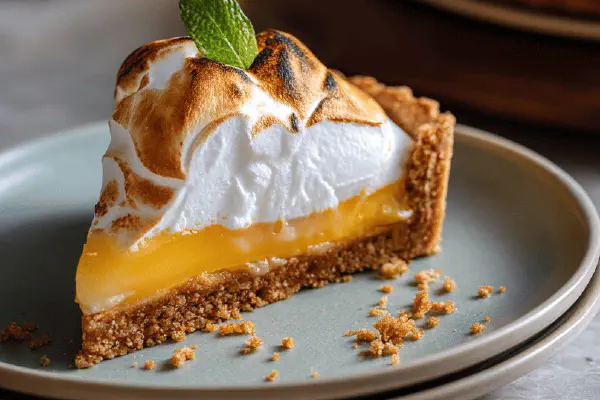
Sea Buckthorn Meringue Tart
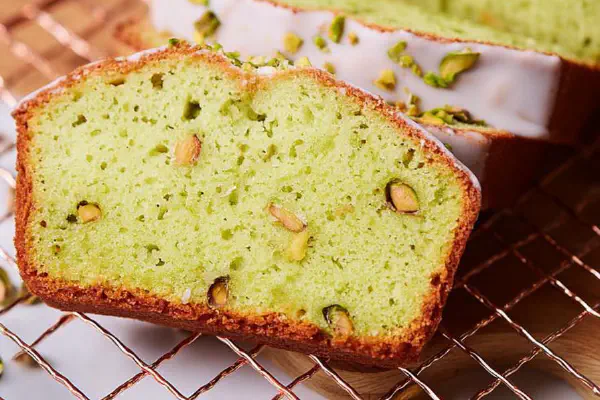
Pistachio Loaf Cake
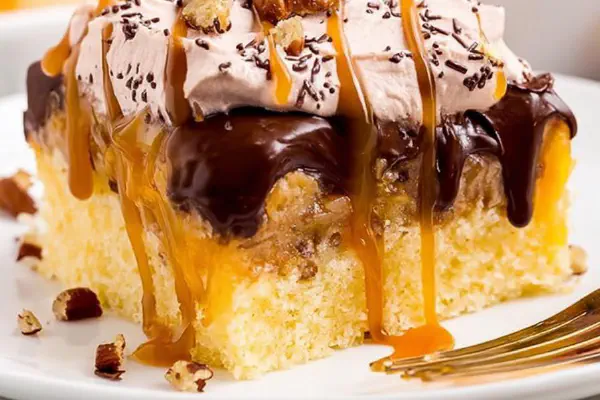
Turtle Poke Cake Twist
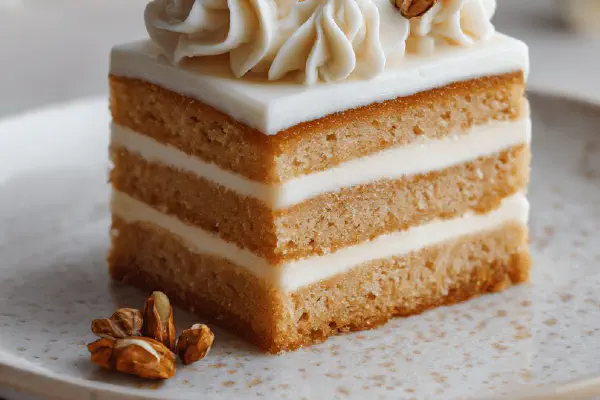
Maple Butter Layer Cake
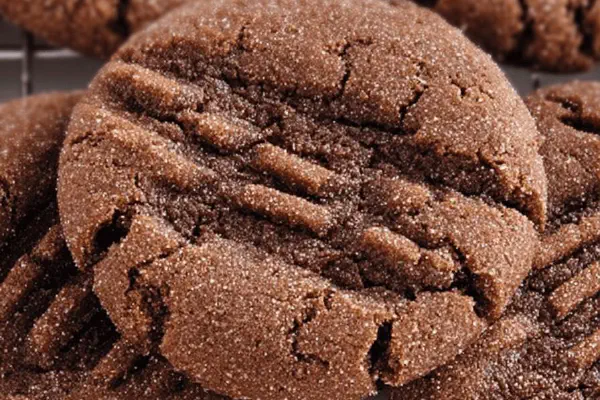
Chocolate Peanut Butter Cookies
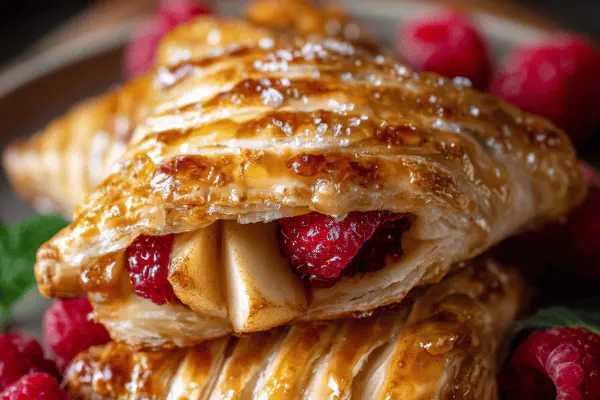
Maple Apple Turnovers
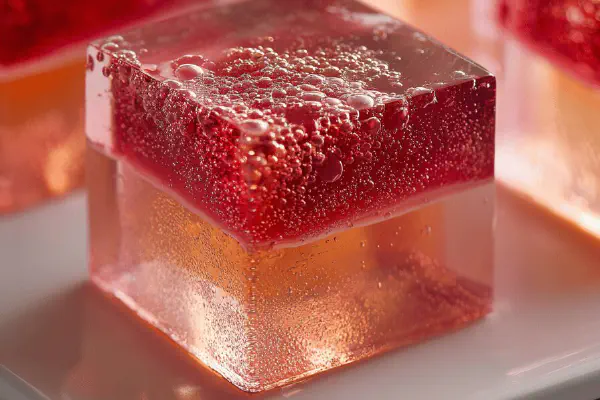
Sparkling Gin Jelly Cubes
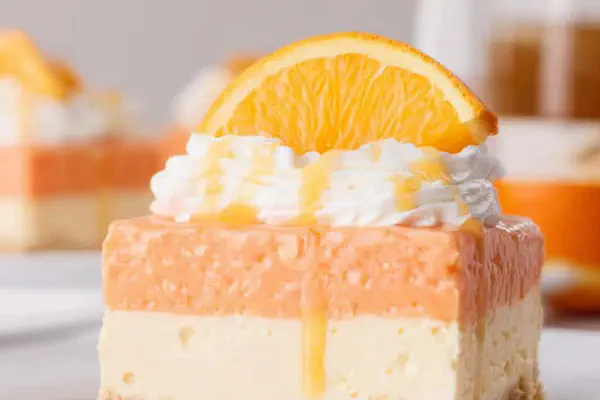
No Bake Citrus Swirl Cheesecake
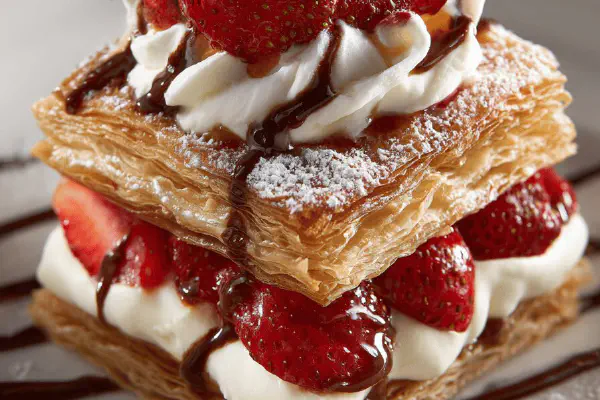
Frozen Strawberry Puff Pastry
Apple Pecan Loaf with Maple Glaze
Peach Apricot Trifle Twist
Yogurt Fruit Squares
Orange Chiffon Cake Twist
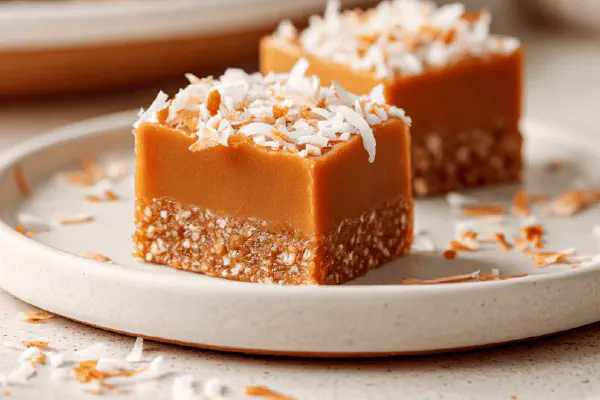
Dairy-Free Maple Cream Candy
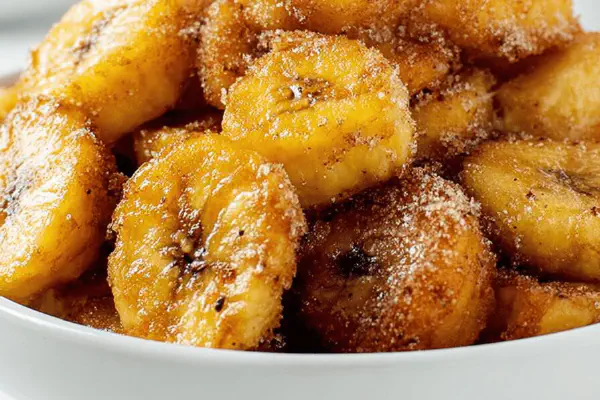
Cinnamon Maple Fried Bananas
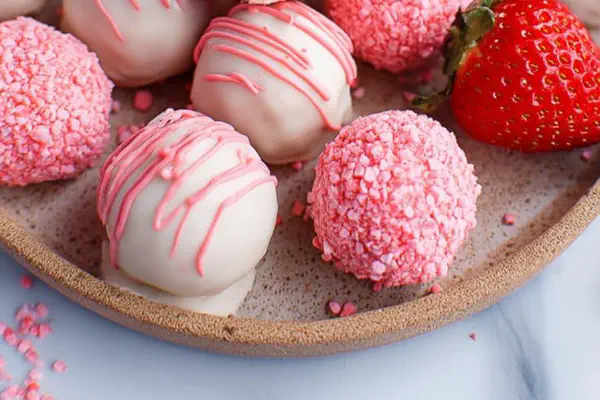
No Bake Strawberry Cheesecake Bites
About the ingredients
Graham crackers can be swapped for digestive biscuits or vanilla wafers if unavailable; different crumbs will alter flavor subtly and require adjustment to butter quantity depending on crumb density. Brown sugar can be light or dark but dark gives more depth. Butter should be unsalted to control overall salinity — pre-salted overwhelms subtle flavors here. Use full-fat cream cheese at room temperature for easy beating; cold ingredients cause lumps and overmixing. Sour cream can be replaced with crème fraîche or Greek yogurt if needed — these affect tang differently; crème fraîche is silkier, yogurt tangier. Dark brown sugar (or even muscovado) adds molasses and moisture; white sugar lacks complexity in cheesecake. Vanilla extract should be pure; imitation products lead to flat flavor. For the pecan topping, lightly toasting pecans before mixing intensifies aroma; keep watch to avoid burning. Heavy cream can be replaced with half-and-half but topping won’t be as rich and thick. Bittersweet chocolate adds bitterness and richness; milk chocolate changes balance toward sweetness.
Method
Technique Tips
Crust pressing is crucial; a loose crust means the cheesecake falls apart on slicing. Use flat-bottomed glass or measuring cup for firm and even press. Baking the crust first removes raw butter flavor and firms base. Avoid overbaking crust or it will dry and crack when water bath steam hits. Cream cheese must be soft, no lumps allowed. Scrape paddle and bowl often to incorporate fully and get uniform texture. Adding eggs slowly ensures even emulsification; too fast or high speed incorporates too much air, leading to spiderweb cracks on top after baking. Water bath creates a moist oven, prevents rapid crust drying and cheesecake cracking. Make sure foil wrap is tight to avoid water ingress; non-waterproof foil causes soggy bottoms and ruined crusts. Slight jiggle in center signals doneness — cheesecake continues to cook while cooling. Opening the oven door slowly stops thermal shock, discourages cracks. Cooling outside oven in open air before refrigeration key to texture and prevents soggy crust. For topping, melting chocolate chips off heat prevents scorching, keeping a smooth, glossy finish. Cooling topping firm enough to spread but still pourable ensures even coverage without running off edges. Finish with caramel sauce drizzled for sweet-salty contrast; fleur de sel brings subtle crunch and pops, balancing sugar-heavy dessert.
Chef's Notes
- 💡 Always use room temperature cream cheese. Cold means lumps. Beat on high until fluffy. No lumps allowed. Scrape bowl often, mix evenly.
- 💡 Crust needs a precise bake. Lightly golden, not burnt, keeps texture right. Cool completely before adding filling. Warm crust ruins the creamy bite.
- 💡 A water bath, key to avoiding cracks. Wrap springform in foil tightly. Prevents leaks. Creates steamy oven. Moist atmosphere makes a softer cake.
- 💡 If edges burn, tent with foil. No tight wraps. Catch drips fast. Stop them ruining cheesecake. Timing matters; watch it closely. Don’t rush.
- 💡 Chilling is essential. After the bake, let it cool slowly. Open oven door just a crack. Prevents sudden cold. Cracks are enemies. Wait hours.
Kitchen Wisdom
How do I prevent cracks in the cheesecake?
Slow cooling is crucial. Water bath helps too. Don’t rush temperature drops.
What can I substitute for sour cream?
Crème fraîche works. Greek yogurt too, but tanginess varies. Choose based on taste.
Common issue with crust?
If it crumbles, pressed too lightly or overbaked. Must be firm. Bake until golden, cool it right.
Storage tips for cheesecake?
Refrigerate tightly covered. Slices can freeze well but chill thoroughly first. Don’t stack; they stick.
You’ll Love These Too
Explore all →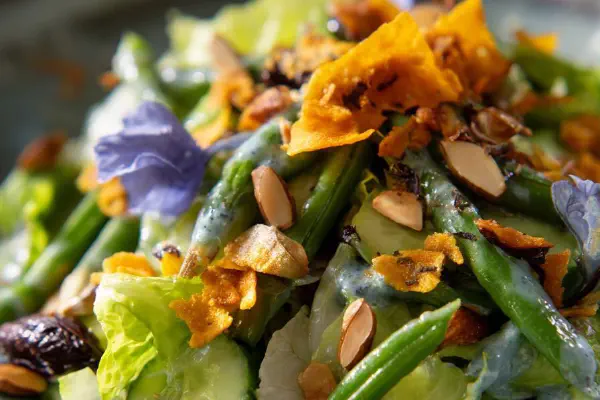
Crunchy Lime Veggie Salad
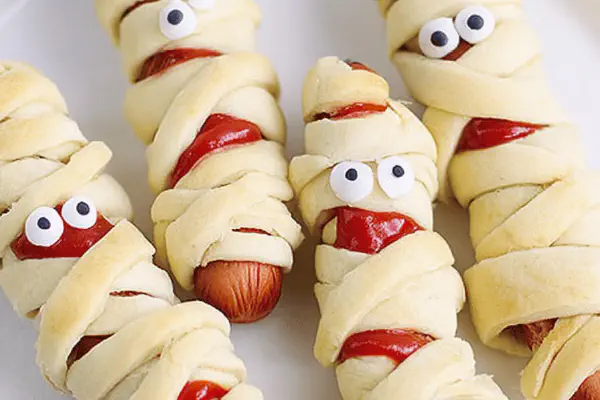
Mummy Dog Wraps
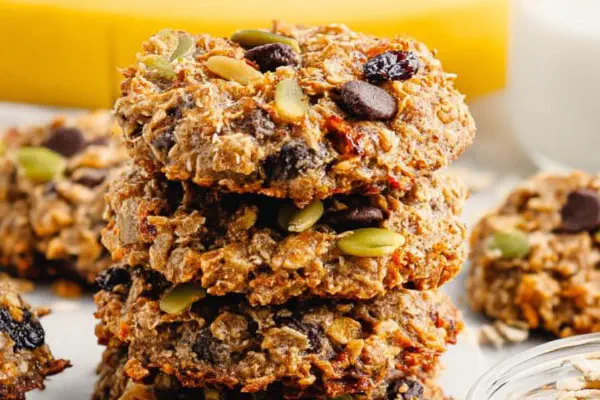
Banana Oat Breakfast Cookies
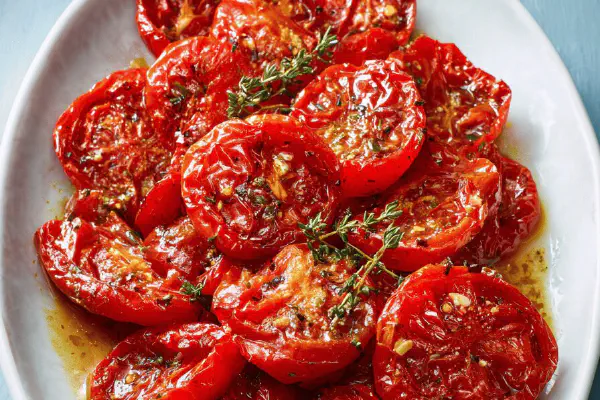
Slow-Roasted Confited Tomatoes
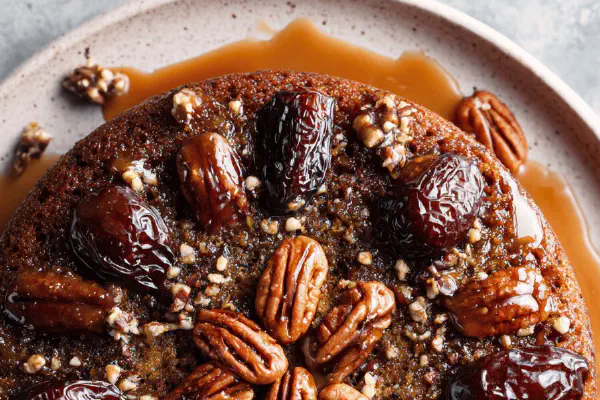
Queen Elizabeth Date Cake Remix
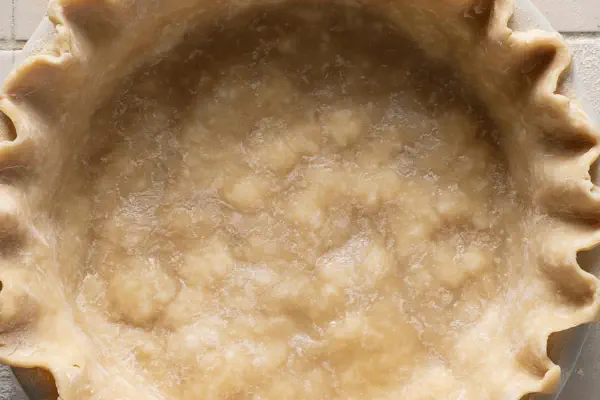
Flaky Butter-Shortening Crust
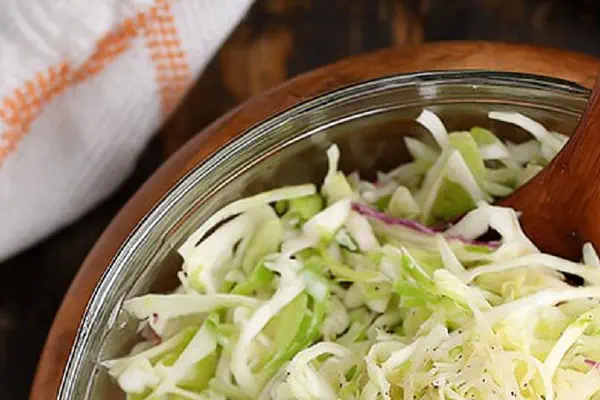
Tangy Vinegar Slaw
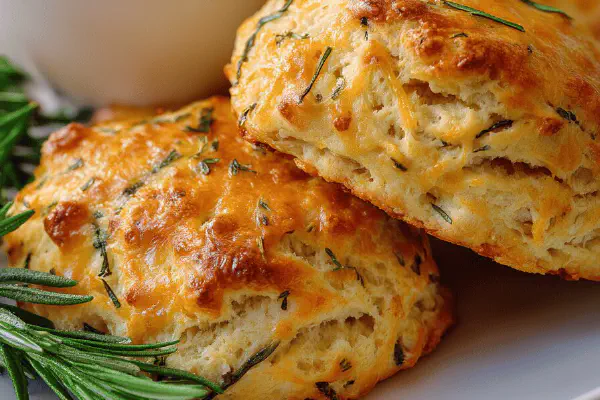
Rustic Savory Scones
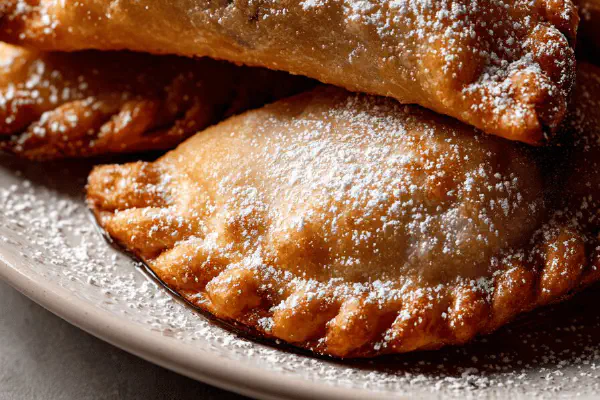
Ricotta Chocolate Sicilian Turnovers
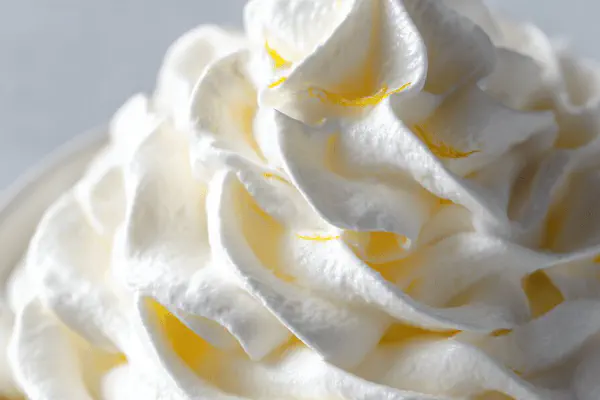
Vegan Whipped Cream Twist
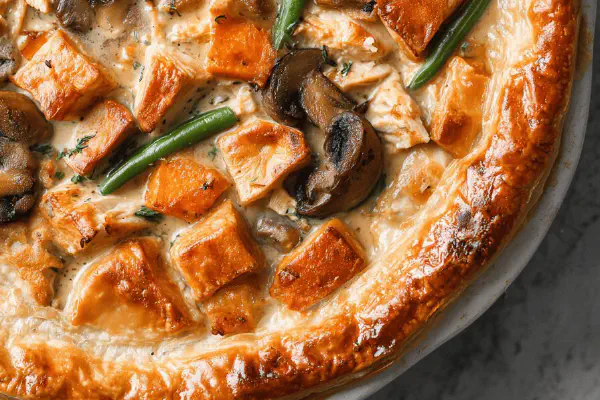
Sweet Potato Chicken Pie
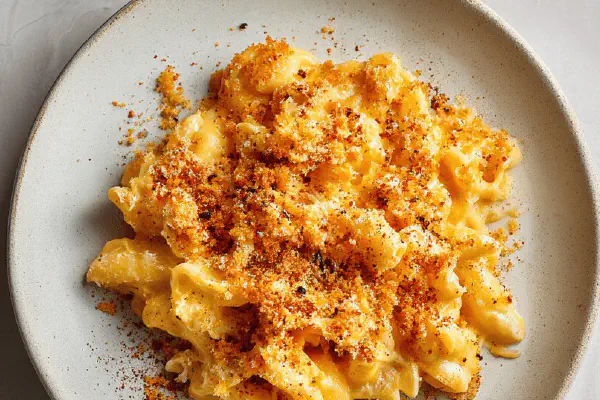
Twist Mac & Cheese
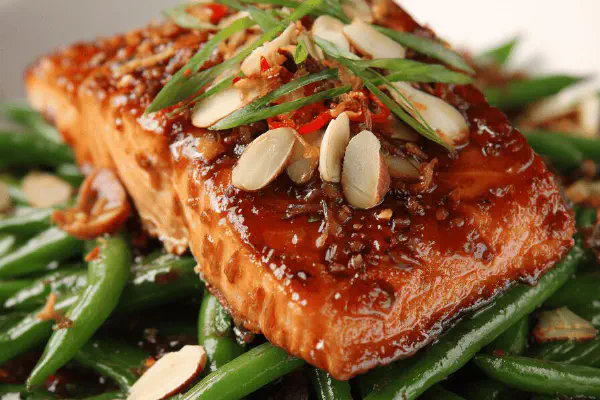
Salmon Teriyaki Twist
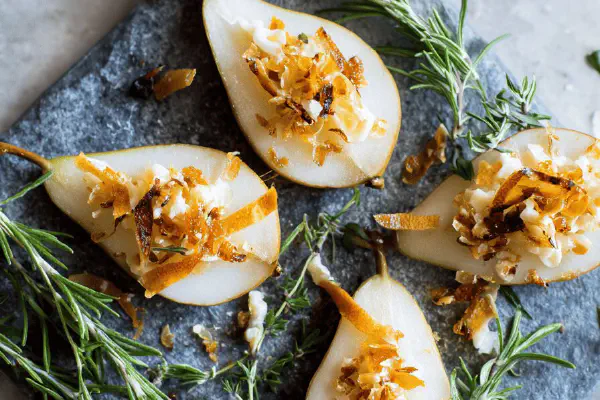
Pear Bites with Aged Cheese
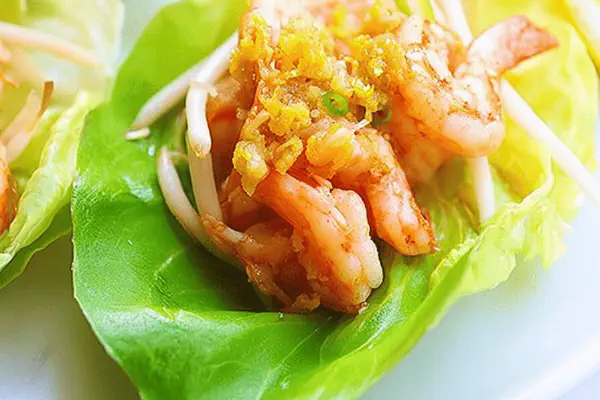
Ginger Shrimp Wraps
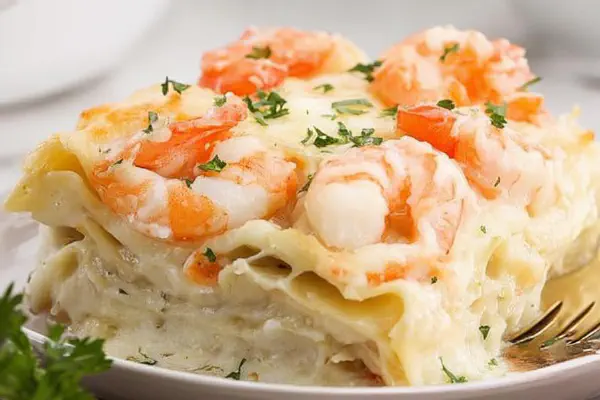
Seafood Lasagna Twist
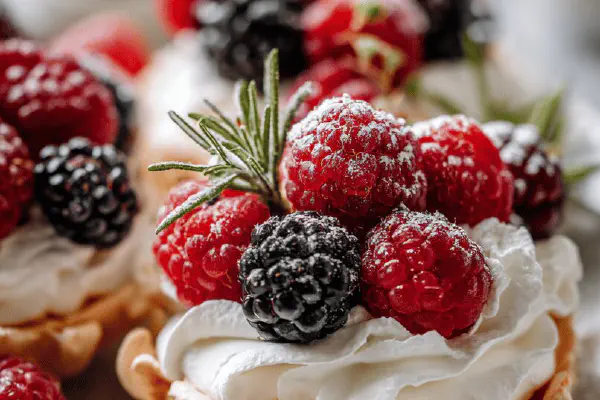
Berry Meringue Nests
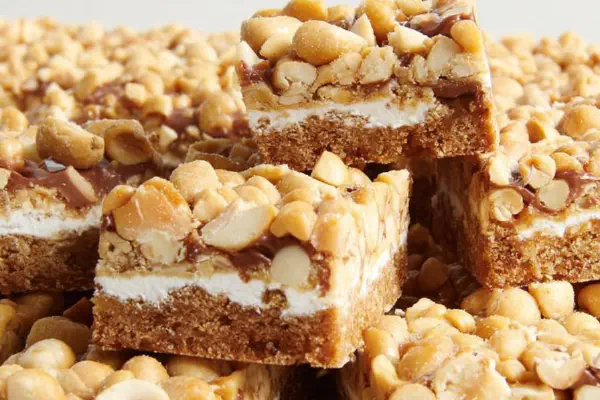
Salted Nut Rice Krispies Bars

Clementine Mint Infused Water
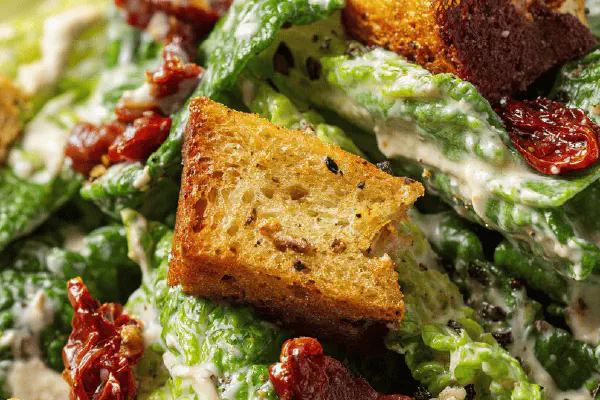
Light Caesar Salad Twist
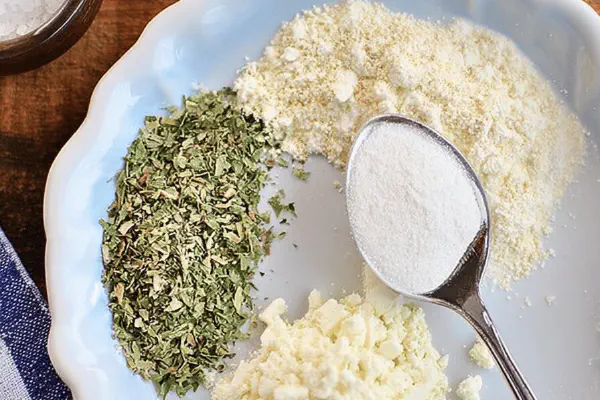
Homemade Ranch Mix Twist
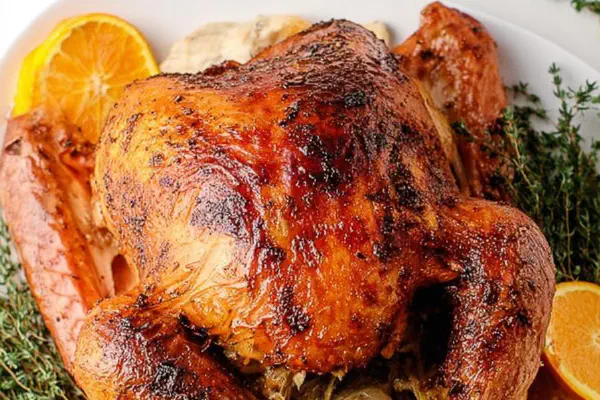
Orange Anise Thyme Turkey
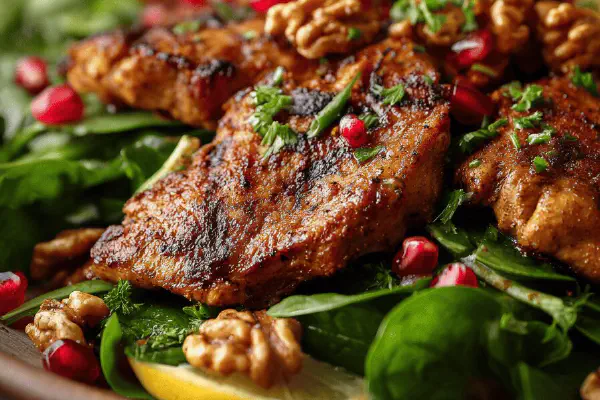
Grilled Chicken Spinach Salad
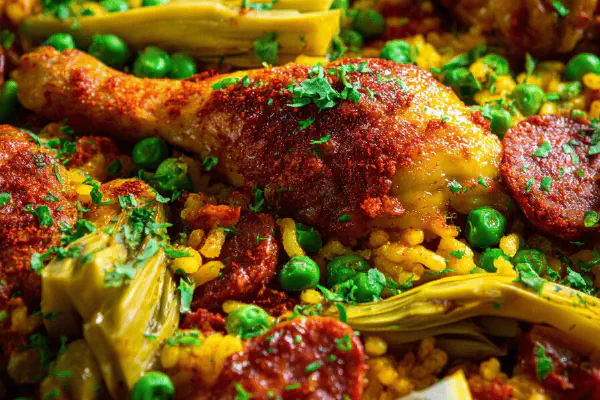
Chicken Chorizo Paella
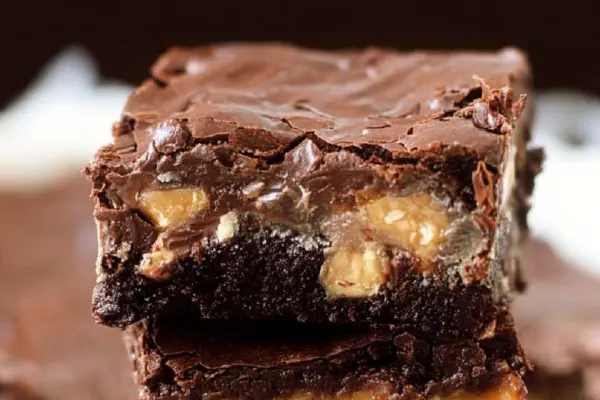
Snickers Caramel Brownies
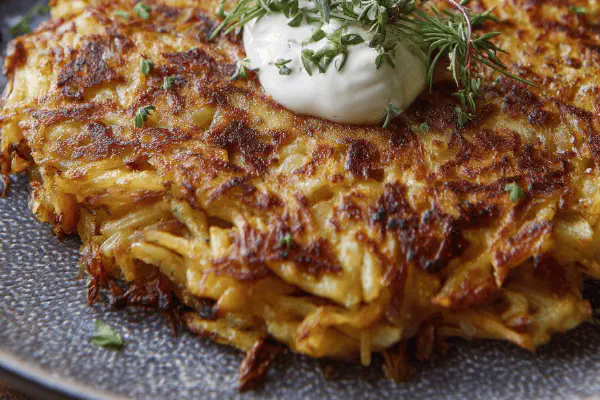
Apple Potato Rösti
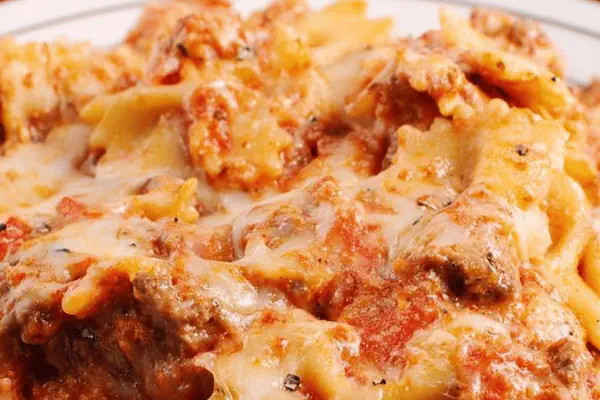
Twisted Bowtie Lasagna
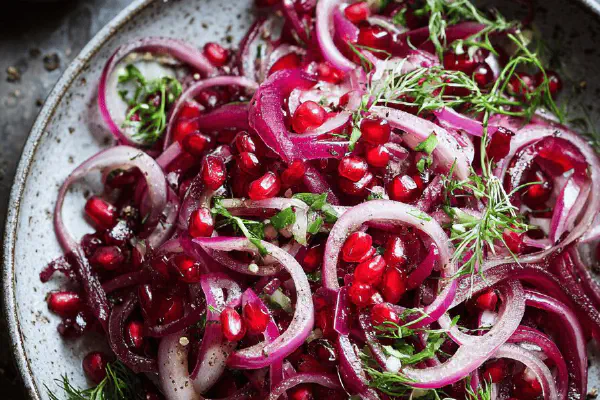
Quick Pickled Red Onion Pomegranate
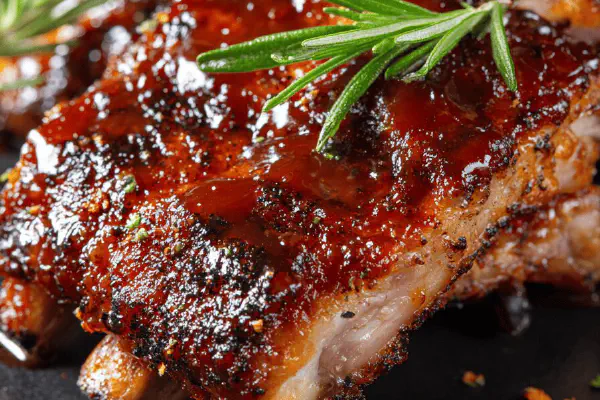
Pressure Cooker BBQ Ribs Twist