Featured Recipe
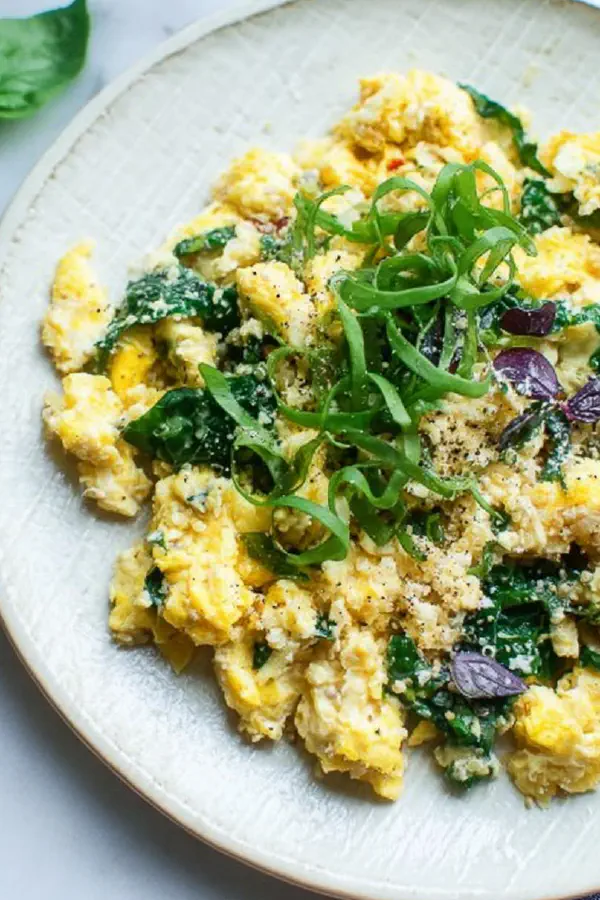
Quinoa Spinach Scramble
By Kate
"
Quick skillet scramble with eggs, kale, feta, and quinoa. Olive oil sautés garlic releasing aroma before adding eggs for a tender set. Greens wilt just as eggs firm up; grain adds chew, salty feta bites contrast the softness. Salt and white pepper round out toward end; optional fresh chives finish. Substitutions possible for kale or cheese, timing cues explained for doneness. Breakfast or anytime fuel. Efficient steps and sensory tips for no-fail scrambling.
"
Prep:
6 min
Cook:
6 min
Total:
12 min
Serves:
1 serving
breakfast
healthy
quick meals
Introduction
Grab eggs, cooked quinoa, kale. Garlic warmed slowly releases sweet aromas, alerts for next step. Eggs beaten smooth, pour with confidence. Wait for familiar egg-set crackle at edge, no rushing. Toss kale in while eggs still soft but forming—watch it transform to deep green and gently wilt, not soggy. Mix in quinoa for textural contrast, nutty chew underneath tender eggs. Feta chunks bite salty surprise—crumbled last to keep shape. Salt, white pepper finish. Fresh chives hold the punch of raw freshness. Keep heat medium. Stay present.
Ingredients
In The Same Category · Morning Favorites
Explore all →
Maple Streusel Coffee Cake
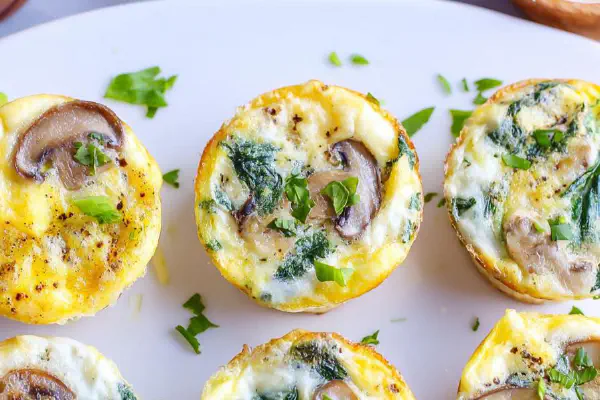
Spinach Mushroom Egg Bites
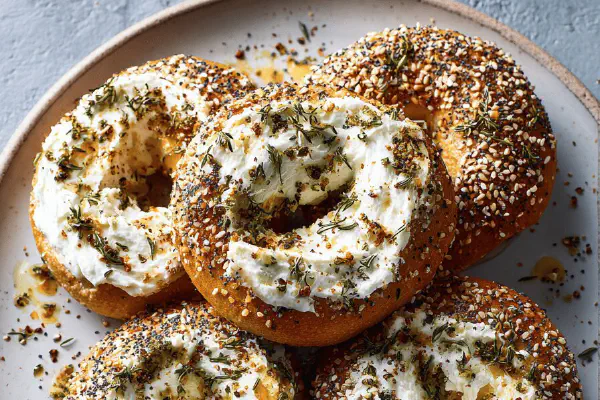
Air Fryer Greek Yogurt Bagels
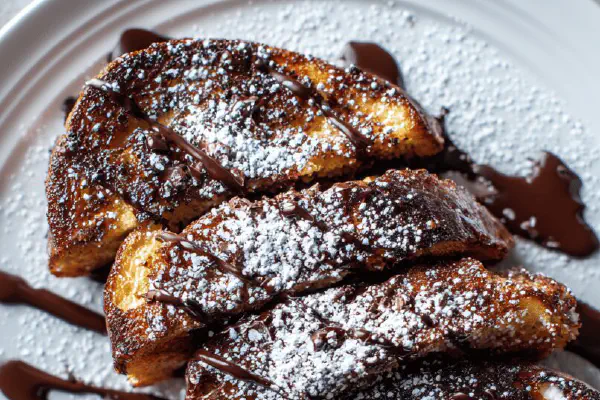
Chocolate Pain Doré
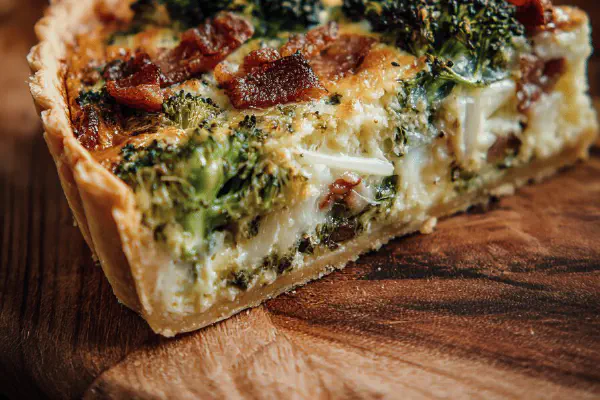
Broccoli Bacon Quiche
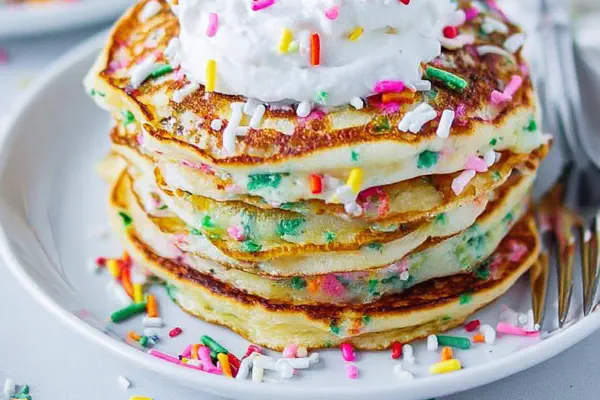
Twist Funfetti Flapjacks
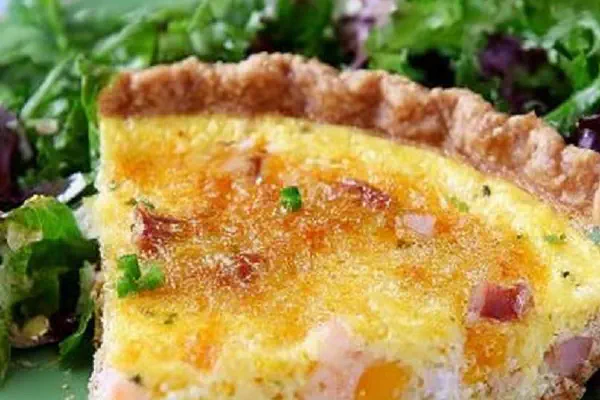
Savory Farmhouse Quiche
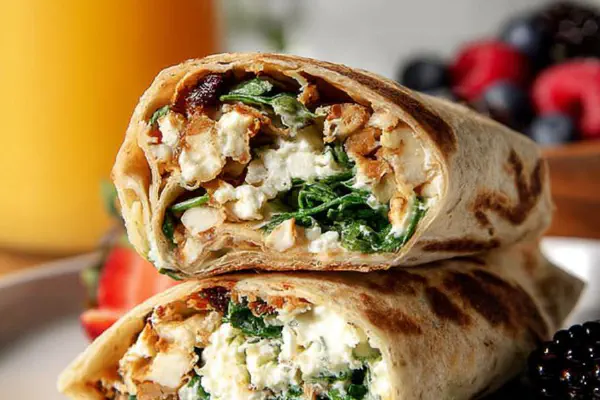
Spinach Feta Egg White Wrap
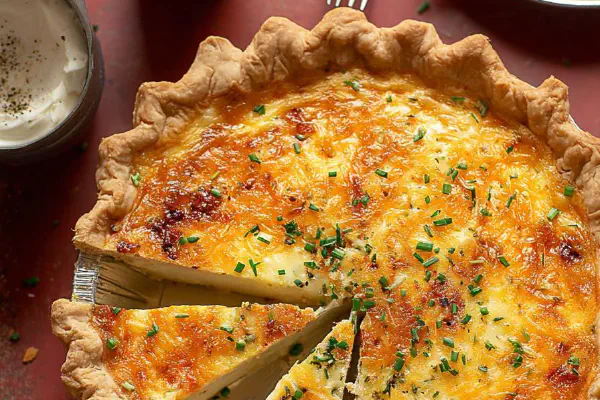
Smoky Ham and Swiss Quiche
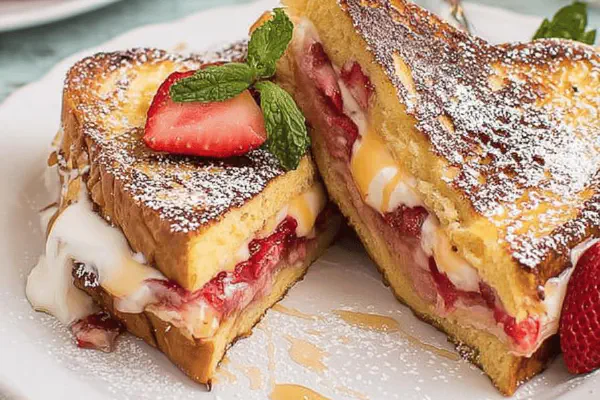
Mascarpone-Stuffed Brioche Toast
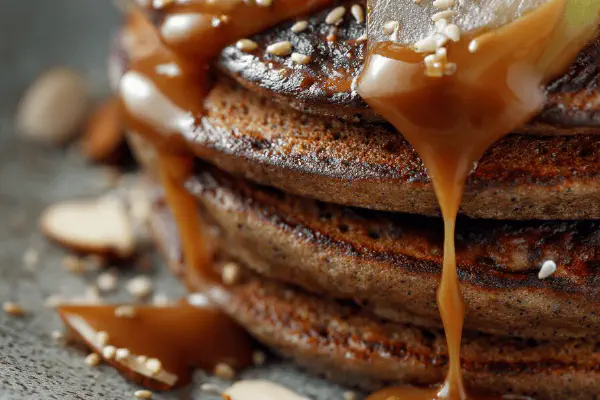
Miso Chocolate Pancakes
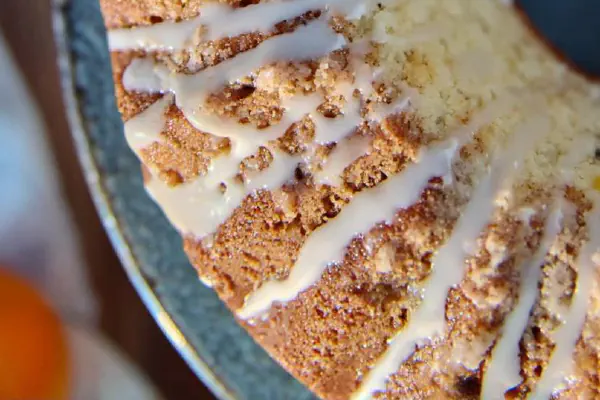
Sour Cream Coffee Cake Remix
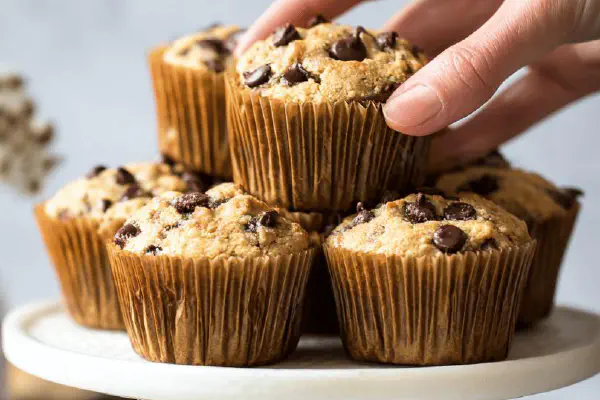
Banana Almond Muffins
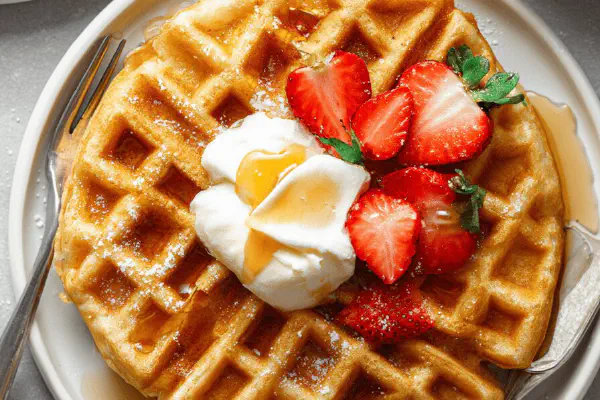
Buttermilk Cornstarch Waffles
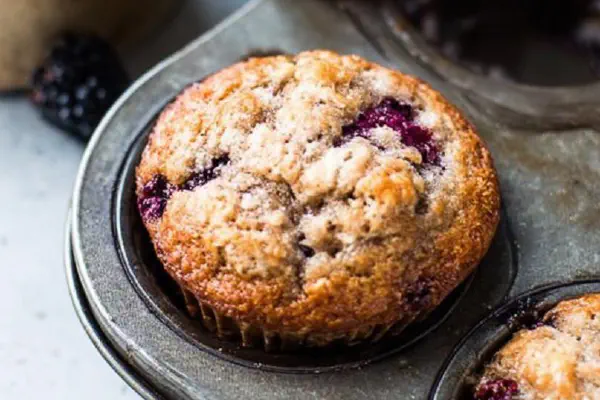
Blackberry Yogurt Muffins
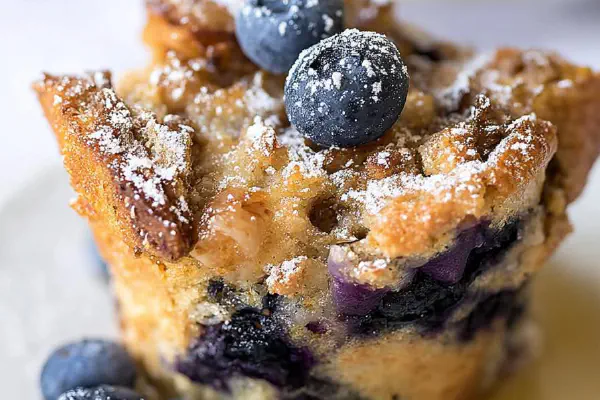
Blueberry French Toast Muffins
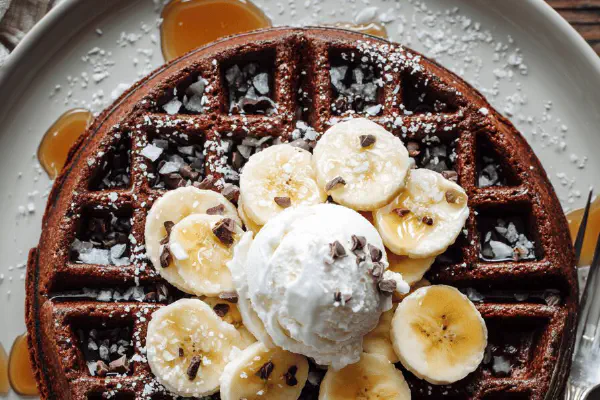
Double Chocolate Waffles Revamped
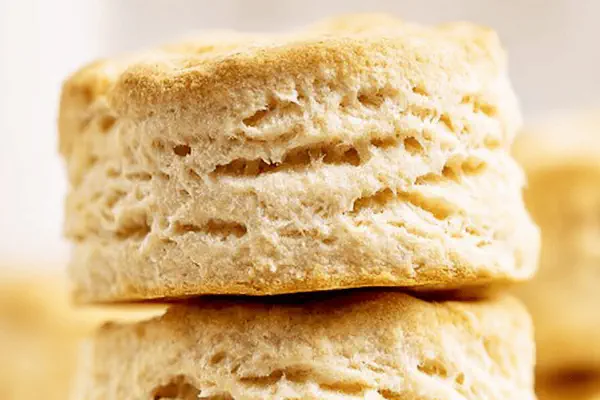
Lard Biscuits Upgrade
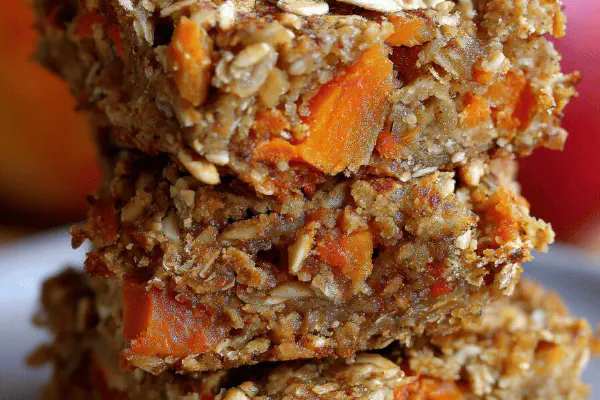
Apple Carrot Breakfast Bars
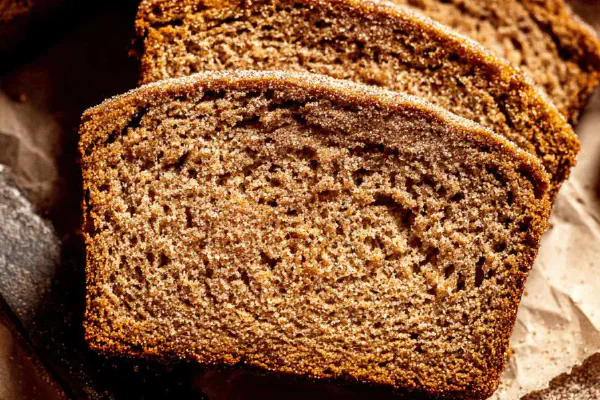
Apple Cider Cinnamon Loaf
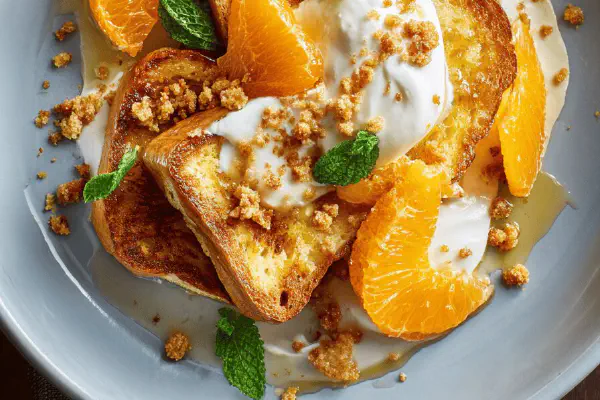
Panettone French Toast Twist
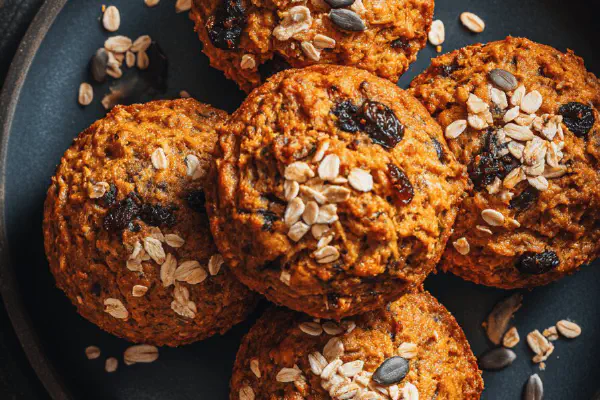
Sweet Potato Breakfast Muffins

Pumpkin Cinnamon Rolls Remix

Ham Broccoli Omelette Twist
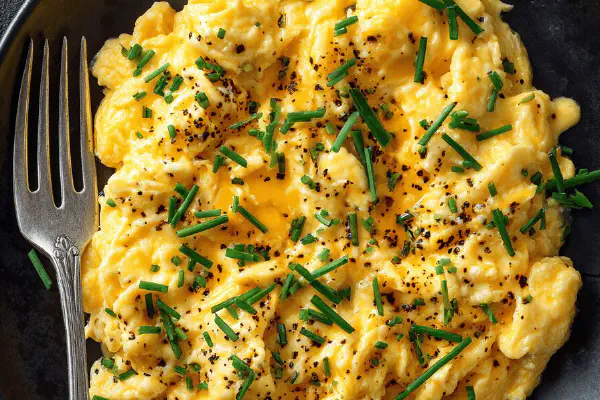
Creamy Soft Scramble
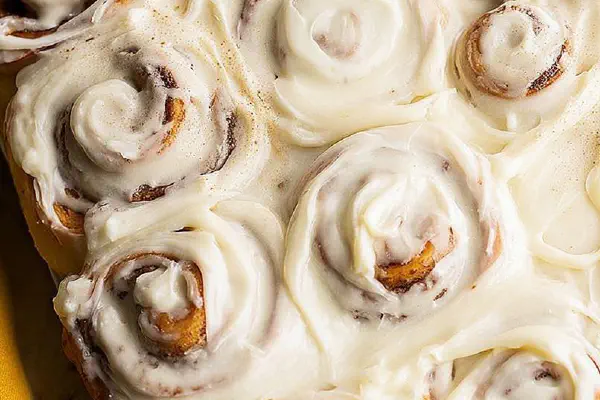
Sheet Pan Cinnamon Rolls Remix
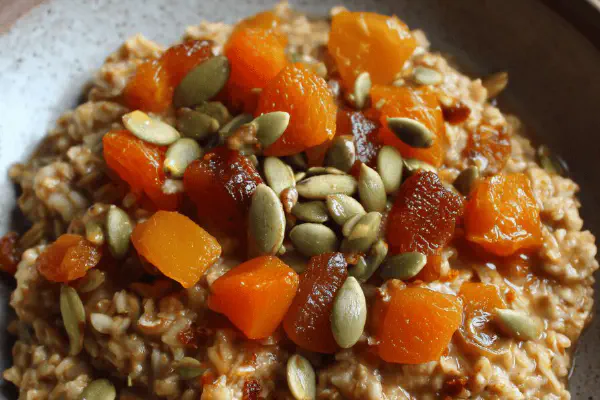
Oatmeal Date Bowl
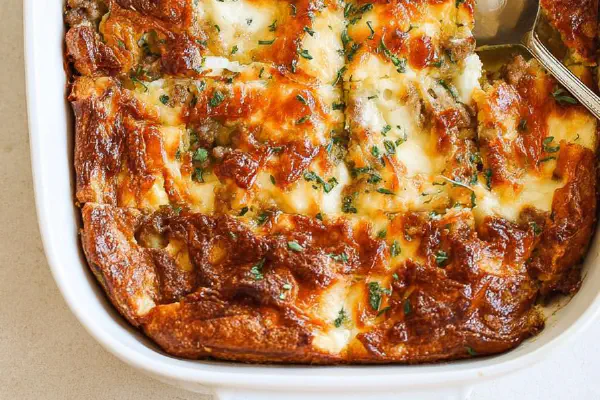
Sausage Croissant Bake
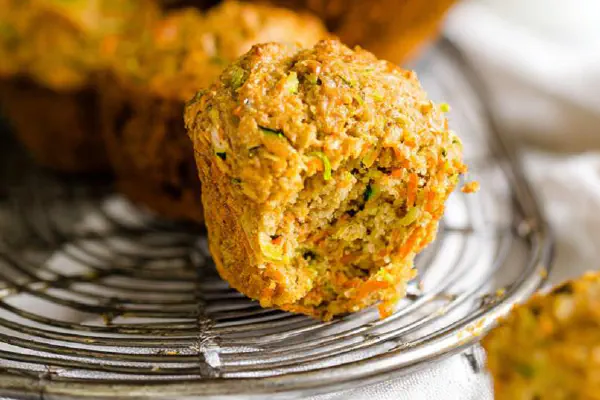
Zucchini Carrot Muffins
About the ingredients
Olive oil gets things rolling, use good quality but not extra virgin for high heat if pan smokes too fast. Garlic matters—fresh minced, not powder. Eggs though basic deserve attention, beaten until homogenous—don’t overbeat or scramble texture gets rubbery. Kale rather than spinach because structure holds well when folded into eggs. Sub dead easy: switch to Swiss chard or even collards if kale not on hand but adjust cook time slightly. Quinoa must be cooked, fluffy not mushy. Leftover quinoa works beautifully here. Feta cheese salty creamy tang finishes dish but goat cheese or mozzarella can swap. Season with white pepper to avoid dark flecks—black pepper is fine if that’s all you have. Herbs optional, chives freshen and lift final dish visually and flavor-wise.
Method
Technique Tips
Heat oil until shimmering—waiting is your first technique marker. Garlic crackling indicates ready stage but watch it carefully—stuck or dark means start over or adjust heat. Pour eggs all at once—don’t stir on pour; edges will start to solidify first, listen and watch. Add kale once eggs start thickening but still loose on top—that subtle timing ensures greens cook without turning rubbery. Folding technique matters: gently lift from sides with spatula; push bottom eggs over ingredients. Fold not stir vigorously or scramble turns tough. Add feta last—it needs warming, not melting. Season when eggs mostly set or tasted; seasoning too early can draw moisture out affecting texture. Step off heat when eggs glisten but no longer liquid. Residual heat finishes cooking gently—stop now to avoid chalky eggs. Final garnish is optional but game changer visually and flavor-wise. Keep pan temperature moderate throughout—high heat scorches or dries eggs; low heat causes sogginess. Timing cues—soft sizzle, tender greens, creamy cheese—all sensory cues calibrated from experience, not watch alone.
Chef's Notes
- 💡 Mediterranean flair. Fresh garlic sizzles; low heat for rich aromas. Golden edges mean it’s time. Patience is crucial. Barking or burnt? Start the garlic over.
- 💡 Eggs need attention. Beat them until smooth, uniform. No overbeating! Texture matters—rubbery eggs ruin everything. Pour them in one go. Watch edges thicken.
- 💡 Kale won't wilt fast. Needs careful timing; add it just before eggs firm up. Lift edges gently. No rough stirring. Want fluff, not clump.
- 💡 Feta isn't for melting. Crumble it last; enhances, adds flavor, creamy tang. Irony of salty bites with tender, fluffy eggs keeps contrast alive.
- 💡 White pepper gives spice without black specks. Season late in cooking so moisture stays in check. Taste before adding more. Control the salt.
Kitchen Wisdom
How to avoid overcooking eggs?
Focus on heat; gentle is best. No high flames; not all eggs will set evenly. Residual heat finishes cooking.
Can I swap kale for something else?
Yes; baby spinach or Swiss chard work. But stir in later. They wilt faster. Watch timing.
What's the best way to store leftovers?
Fridge covered for 2-3 days. Reheat gently to avoid rubbery texture. Microwave works.
Is quinoa necessary?
Not strictly. Any cooked grain works. Rice or farro adds texture. But quinoa keeps it high protein.
You’ll Love These Too
Explore all →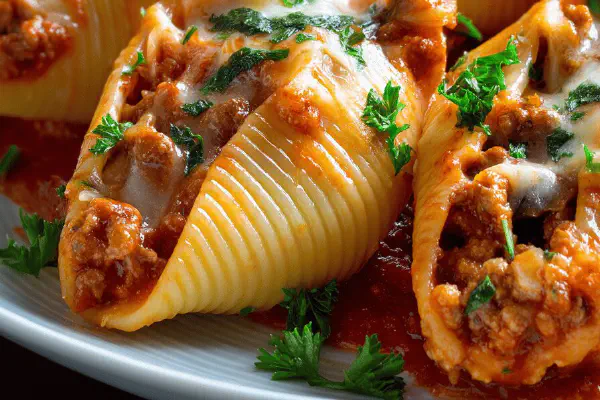
Giant Veal Mushroom Shells

Beef Stroganoff Pressure Cooker
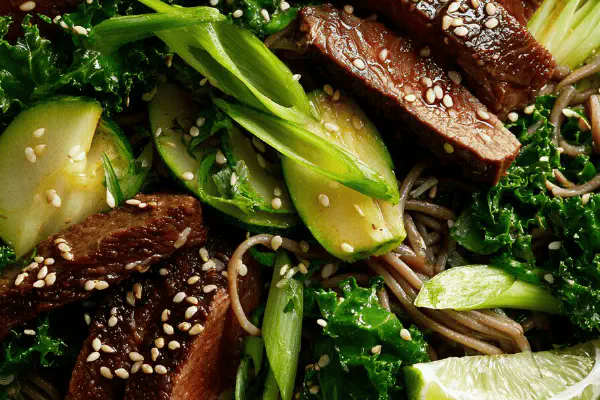
Soba Noodle Beef Salad Air Fryer
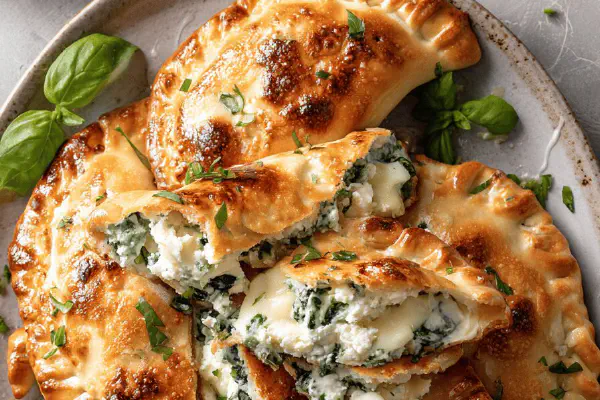
Ricotta Spinach Calzones
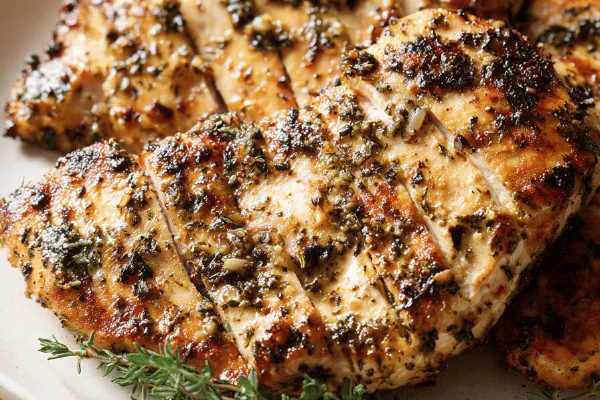
Buttermilk Mustard Marinade
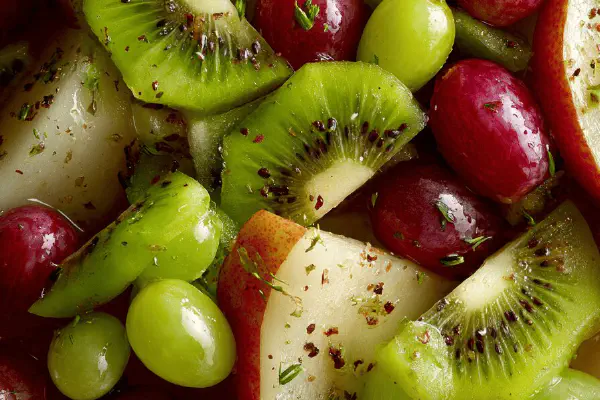
Pear Grape Salad Twist
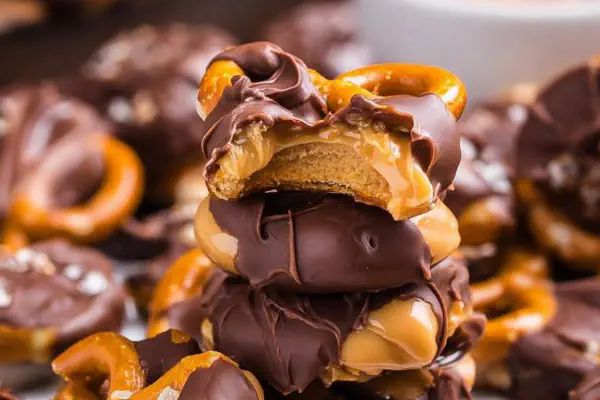
Peanut Butter Pretzel Nuggets
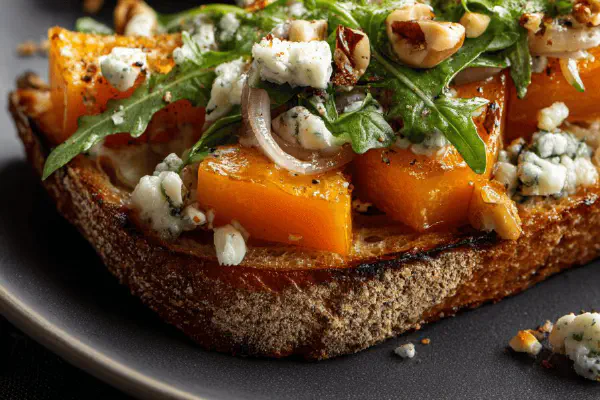
Butternut Tartines Agrodolce
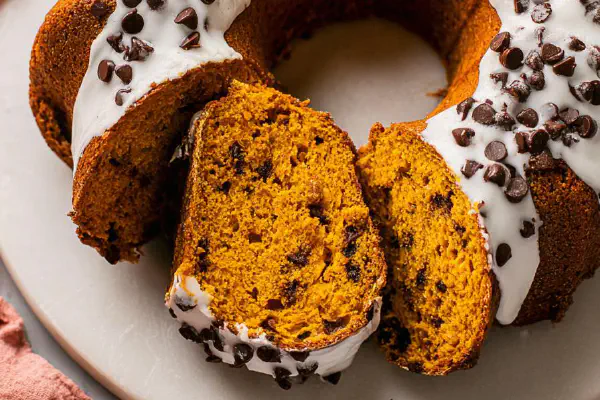
Pumpkin Choc Chip Bundt
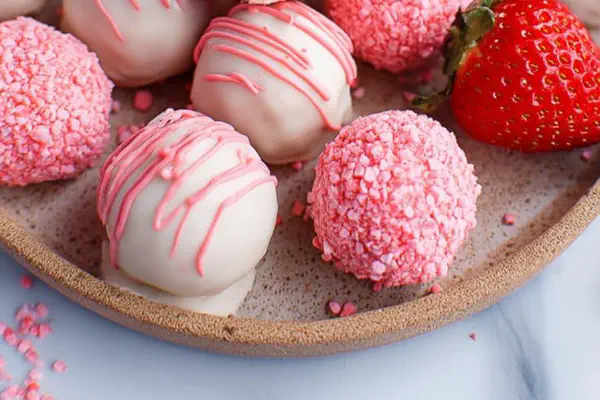
No Bake Strawberry Cheesecake Bites
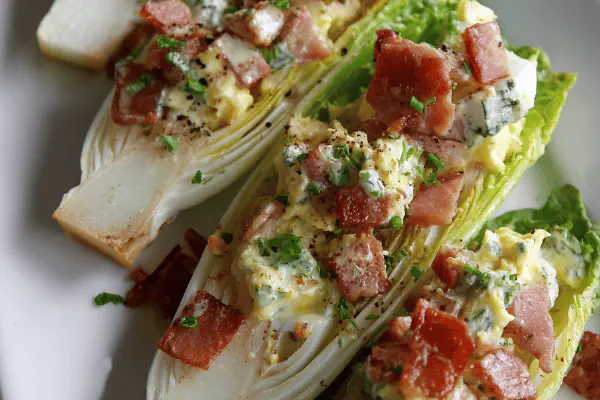
Endives Stuffed Eggs Bacon
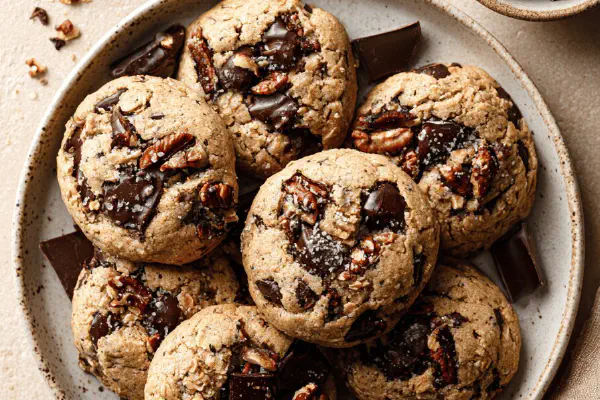
Soft Chocolate Chip Cookies
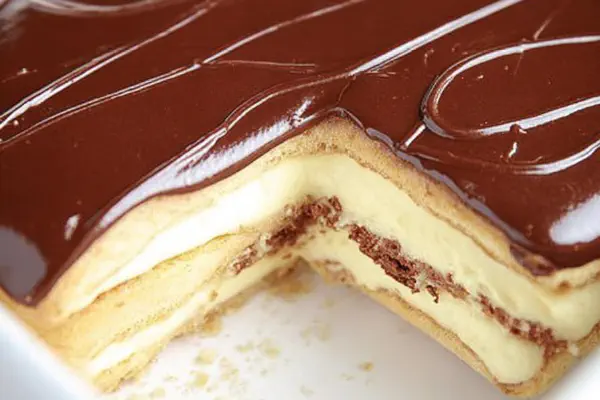
Layered Chocolate Eclair
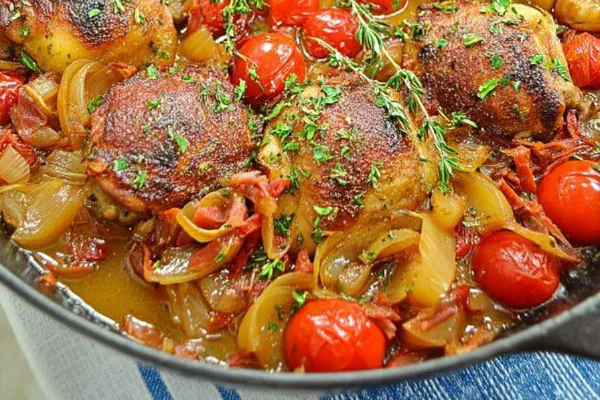
Bacon Braised Chicken Thighs

Rhubarb Hibiscus Spritz
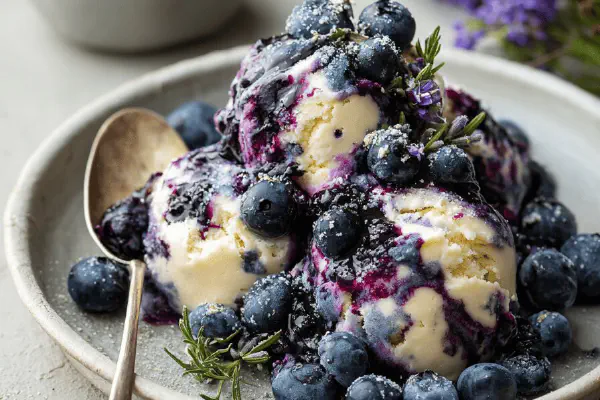
Lavender Wild Blueberry Ice Cream
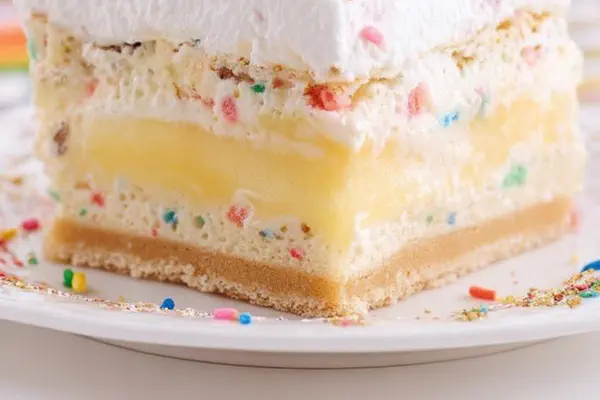
Birthday Crumb Delight
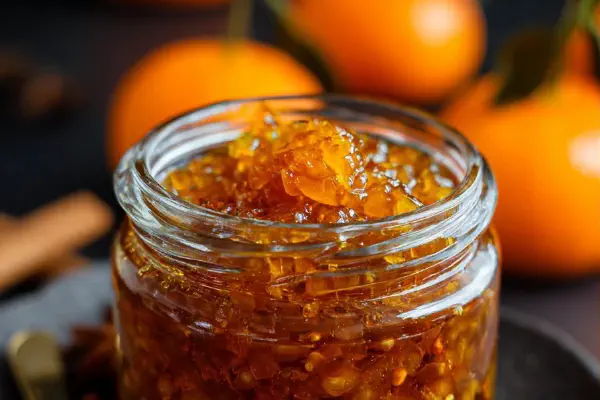
Spiced Clementine Marmalade
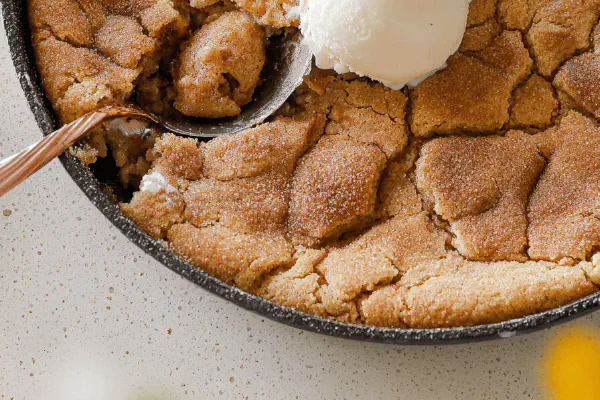
Brown Butter Snickerdoodle Skillet
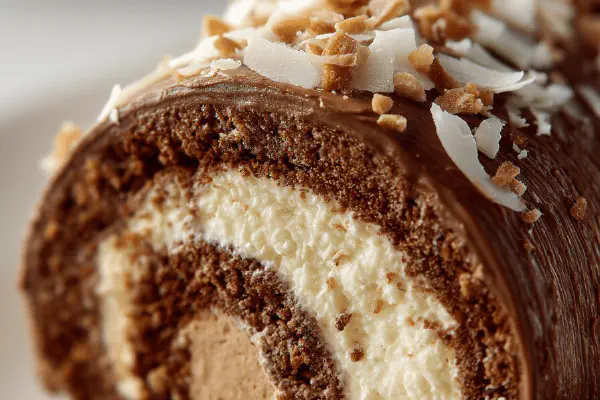
Twisted Red Velvet Log
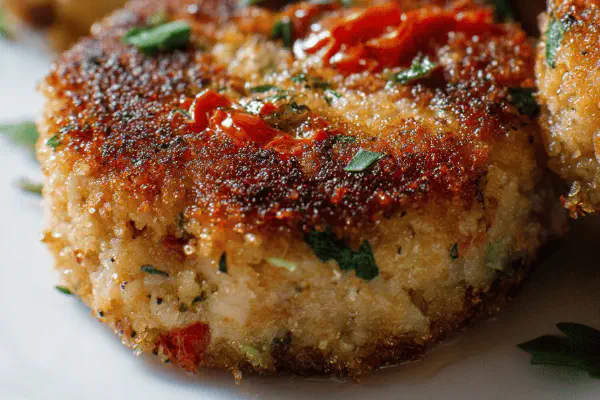
Rice Tuna Tomato Croquettes
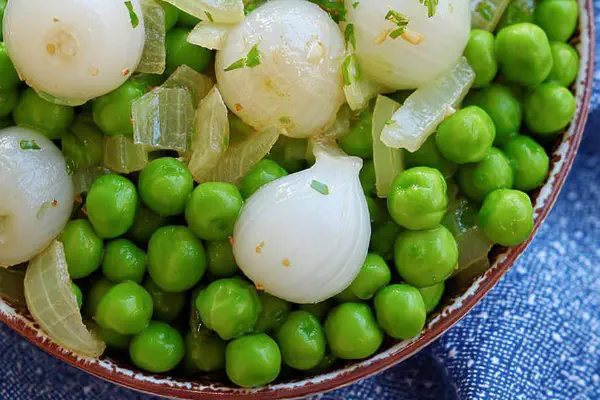
Savory Peas Pearl Onions
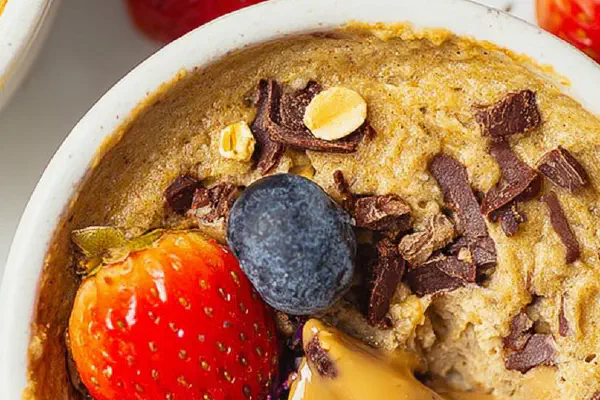
Banana Cocoa Baked Oats

Shrimp Spinach Lasagna
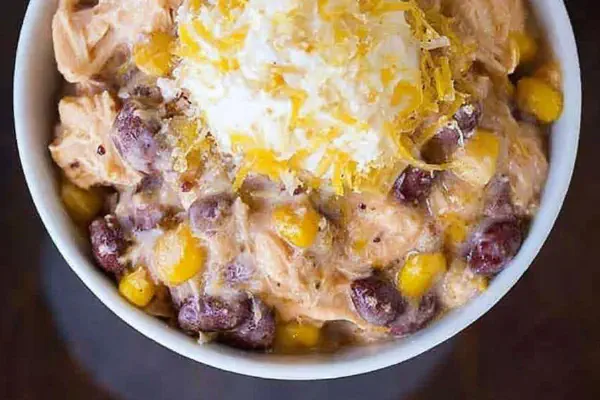
Slow Cooker Chicken Chili
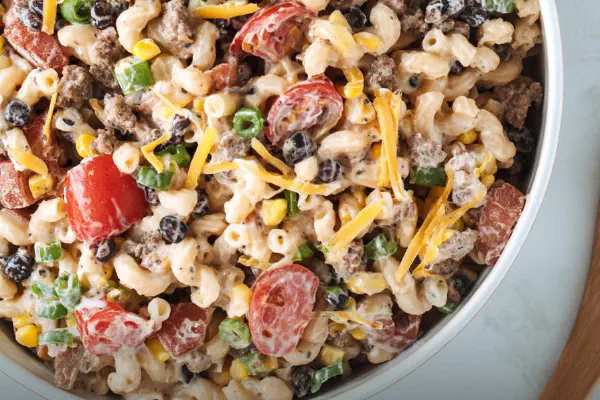
Spiced Cowboy Pasta Salad
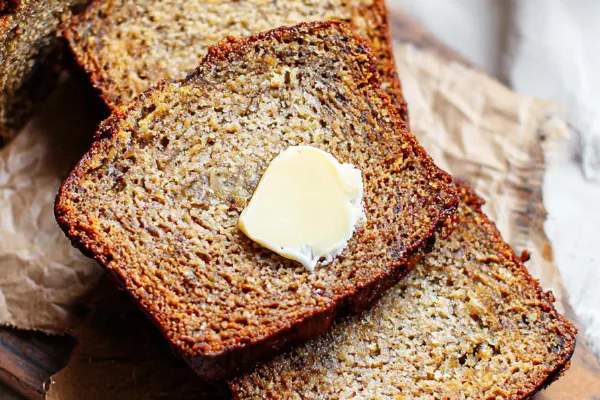
Moist Banana Miso Loaf
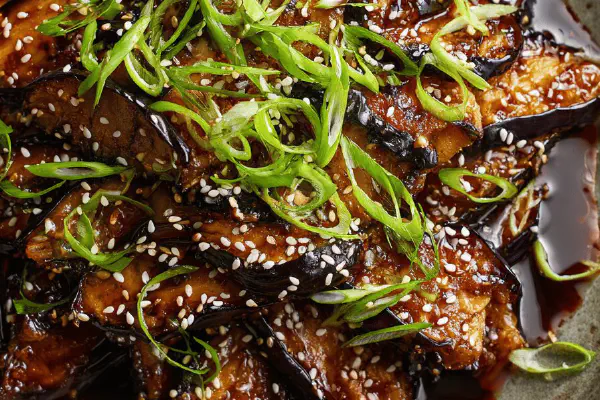
Miso-Glazed Eggplants
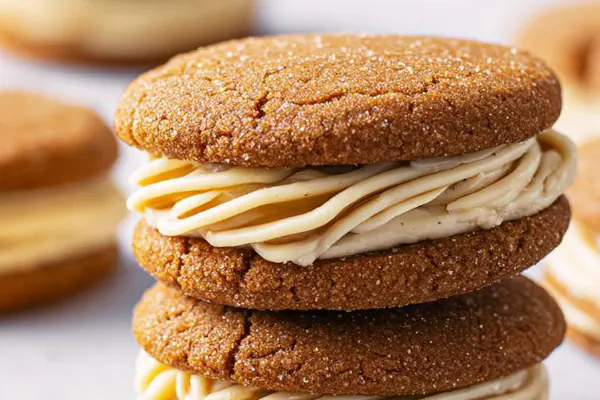
Orange Molasses Cookie Sandwiches