Featured Recipe
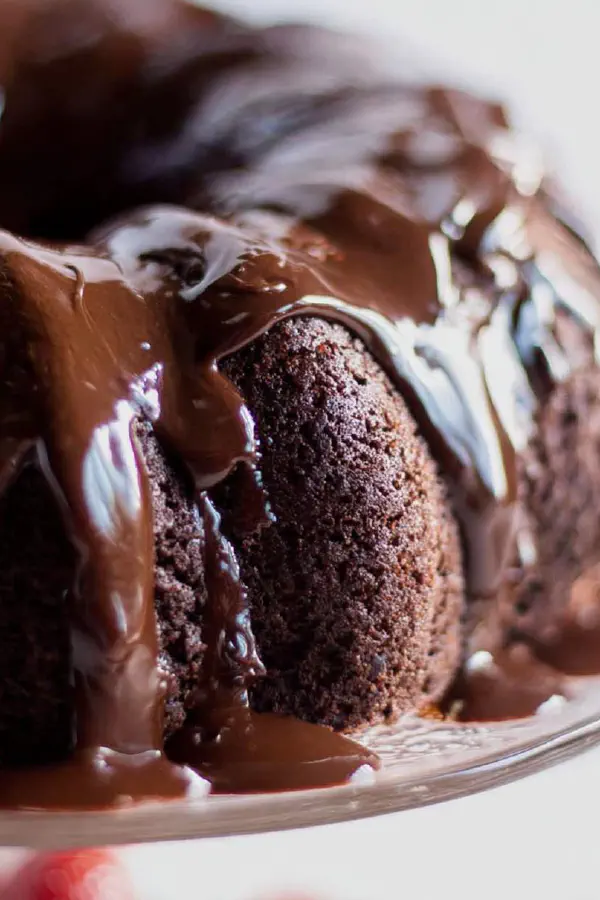
Red Wine Fudge Cake
By Kate
"
Dense chocolate cake rich with red wine, butter, and dark sugars. Cream butter with sugars, add eggs carefully for proper emulsification. Dry ingredients sifted together ensure even rise, folded into wet in stages. Red wine adds acidity and depth. Bake in greased bundt till toothpick test passes, cake springs back to touch. Glossy chocolate glaze with melted bittersweet chocolate, butter, powdered sugar, and a splash of red wine poured on chilled cake. Substitutions include coconut oil for butter and apple cider vinegar for wine. Watch bake color and texture, moisture key to avoid dryness or gumminess.
"
Prep:
15 min
Cook:
50 min
Total:
65 min
Serves:
8 servings
chocolate cake
dessert
baking
wine
Introduction
Dense, rich, and a bit tangy from red wine. Butter creamed properly with sugars gives body, eggs added slowly sustain fluffiness. Mixing dry ingredients separately then folding is not just formality—it regulates gluten development. Red wine cuts through chocolate heaviness with acidity and fruit notes, but if none handy, red grape juice + a splash of vinegar works. Bake time is a guideline, visual cues better—look for spring back and clean toothpick. Don’t rush cooling or stripping from pan or risk cracks or crumbles. The glaze needs gentle melting to avoid seizing chocolate. Fudge meets wine in aroma and flavor, just right for confident bakers.
Ingredients
In The Same Category · Sweet Treats
Explore all →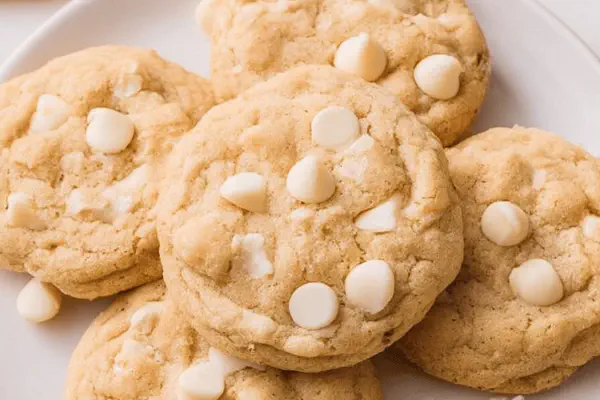
Blondie White Choc Cookies
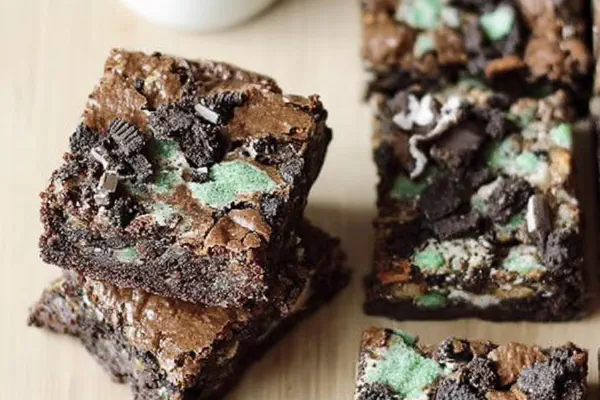
Mint Oreo Brownies Reboot
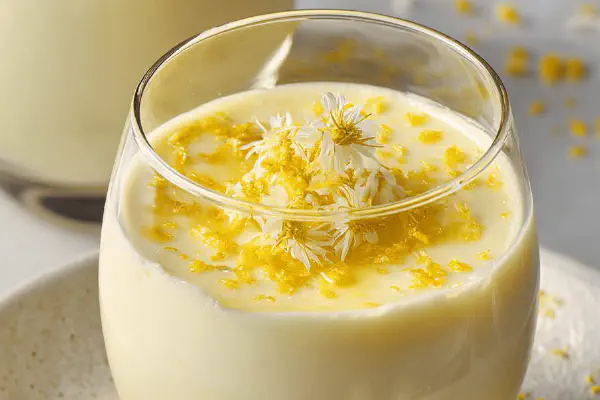
Mascarpone White Chocolate Cream
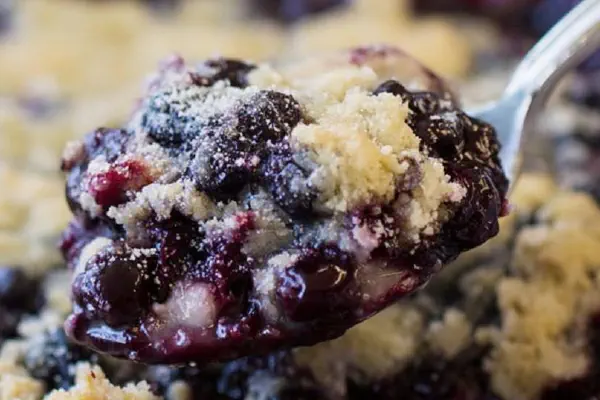
Blueberry Cobbler Twist
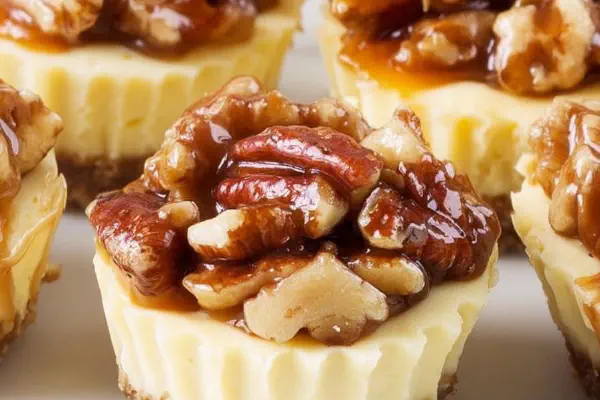
Mini Pecan Cheesecake Bites
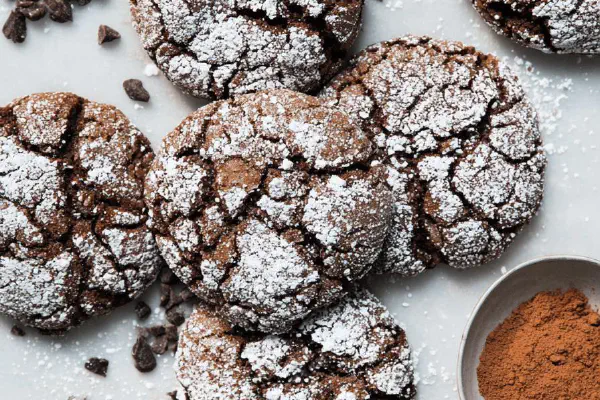
Double Chocolate Crinkle Cookies
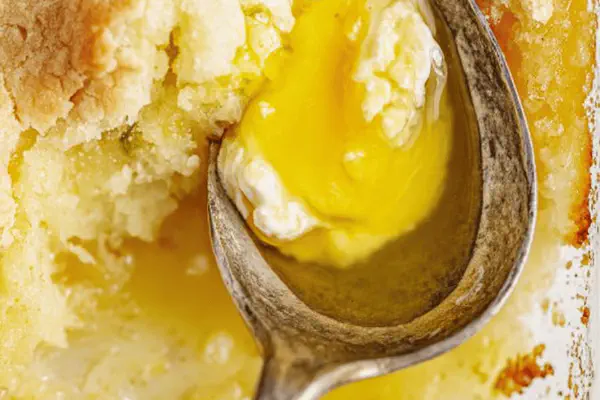
Lemon Cream Cheese Dump Cake
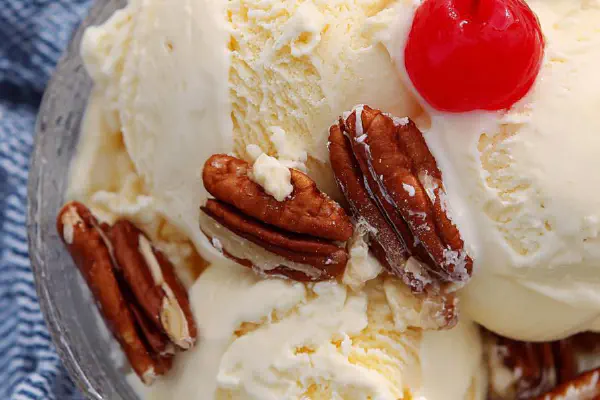
Butter-Infused Ice Cream
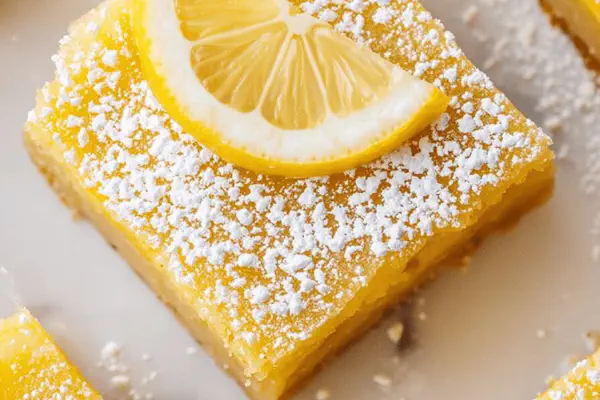
Tangy Citrus Bars

Blueberry Cream Fluff
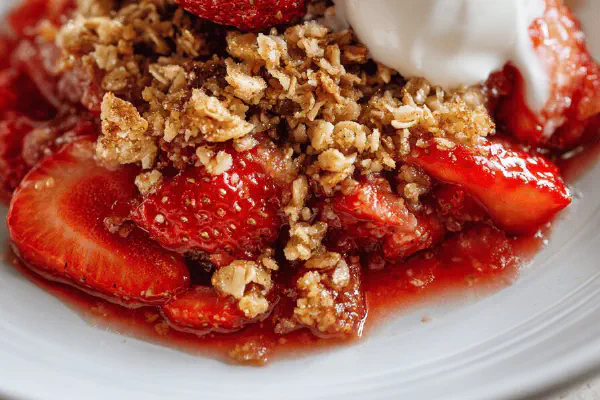
Strawberry Crumble Air Fryer
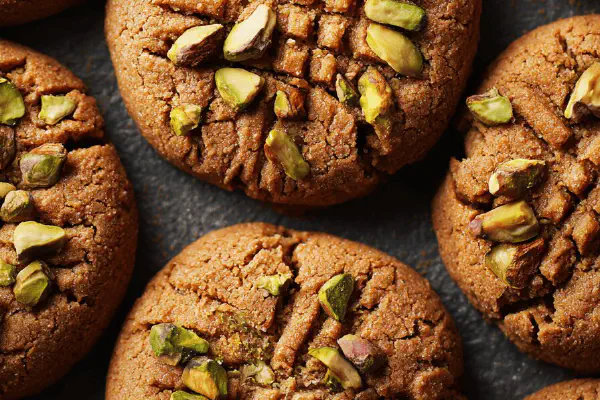
Altered Peanut Cookies
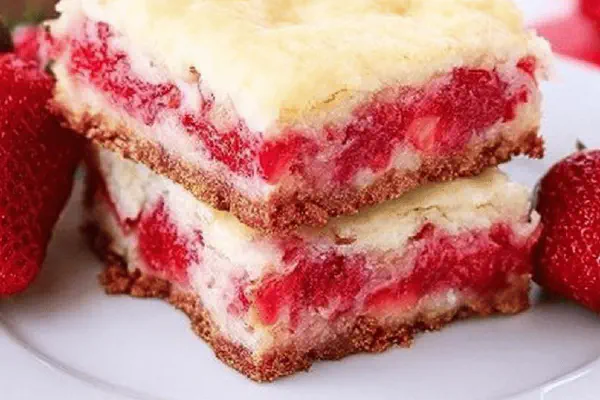
Strawberry Chess Bars Twist
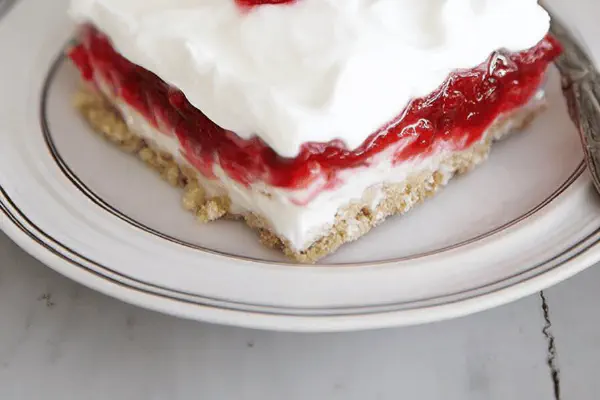
Strawberry Cream Bars
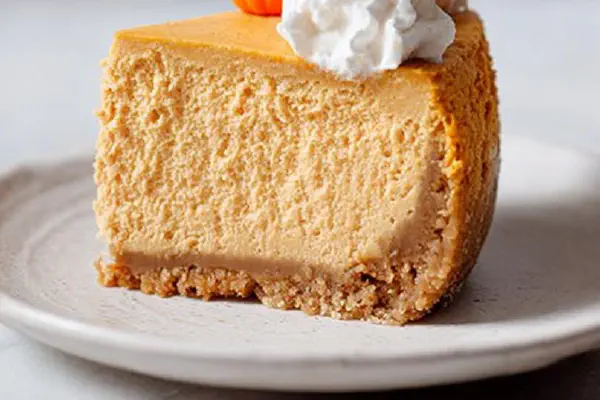
Instant Pot Spiced Pumpkin Cheesecake
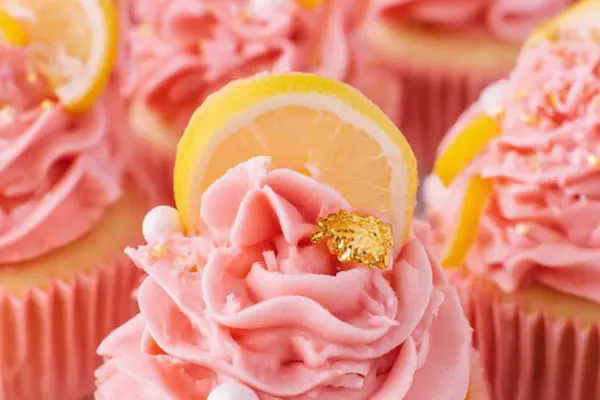
Pink Lemonade Cupcakes Remix
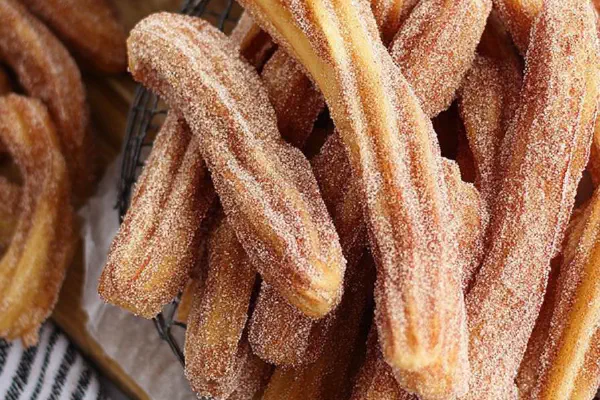
Air Fryer Churros Twist
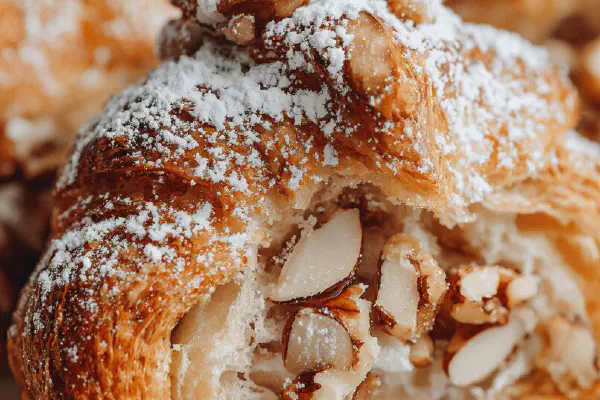
Almond Croissants Twist
Vanilla Bean Buttercream Twist

Citrus-Spiced Strawberry Pie
Twisted Hot Cocoa Bombs
Mint Chocolate Chip Ice Cream Cake
Spiced Peach Upside Cake
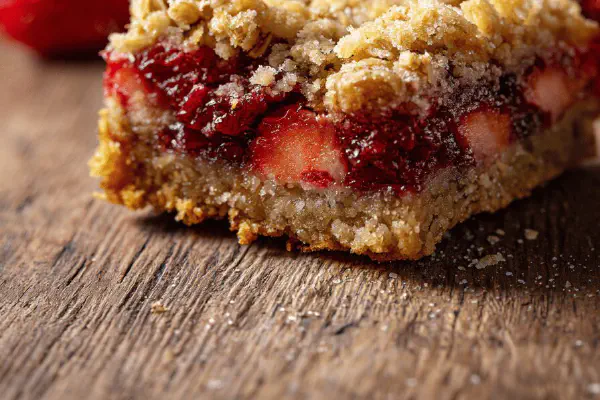
Strawberry Oat Crisps
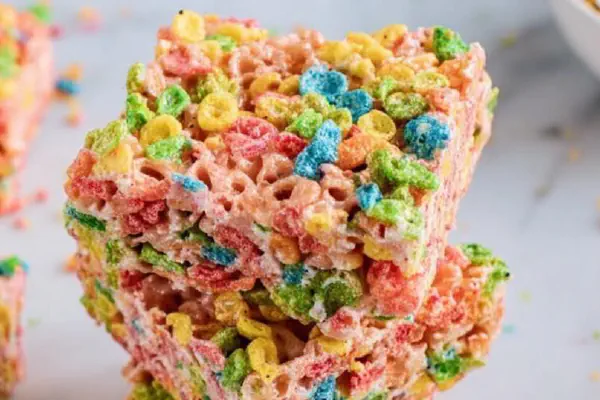
Twisted Fruity Pebble Treats
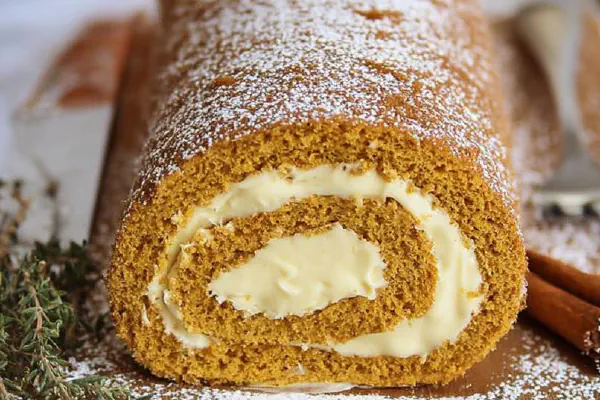
Spiced Pumpkin Jelly Roll
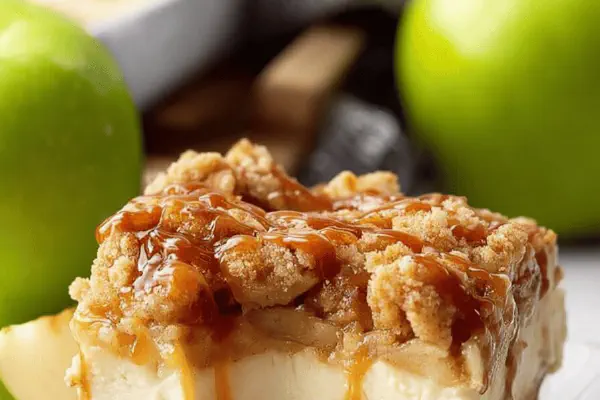
Apple Cream Cheese Bars
Air Fryer Walnut Banana Bread
Twist Pumpkin Coffee Cake
About the ingredients
Butter or coconut oil will provide the fat and tenderness needed. Unrefined sugars (dark brown) add molasses notes, balancing the wine’s acidity. Using cocoa powder with a fine grind ensures a silkier crumb. Baking soda activates with wine acidity, your leavener. Red wine variety matters—dry reds like Cabernet or Merlot are best, sweeter reds muddy flavor. Vinegar and grape juice substitute but adjust sweetness. Vanilla extract boosts overall aroma. When using chocolate chips for glaze, bittersweet or semisweet preferred to avoid too sweetness. Powdered sugar anchors glaze texture against sheer wine addition.
Method
Technique Tips
Preheat and greasing pan first prevents last-minute rushing, which leads to sticking. Creaming butter and sugar is aeration in disguise—don’t skip beating time. Eggs must be added one by one for stable emulsion; if batter curdles, add small amount of dry ingredients to bring together instead of adding all at once. Mixing dry with wet in stages avoids tough cake from gluten overdevelopment. Red wine poured last adds moisture and acidity, adjust amount to batter consistency—too thin batter means more flour needed. Baking times vary but springy surface and clean toothpick are firm indicators. After baking, letting cake rest in pan avoids breaks; inverted removal when slightly warm lessens stickiness. Glaze microwaving must be in short intervals, stirring prevents burning. If glaze thickens too much, wine thins it; add cautiously—too runny glaze runs off cake. Pour while glaze warm and cake fully cool to avoid melting glaze into cake.
Chef's Notes
- 💡 Start with room temp ingredients; eggs, butter need warmth. Cold components lead to curdled batter. Cream butter for fluffiness. Beat it—3 to 4 mins. Don’t bowl rush. Keep it light, keep it airy, that’s your lift.
- 💡 Careful with eggs. Add one at a time. Beat until incorporated, no more—qualified balance. Overmixing = dense cake. Also sift dry ingredients; air helps rise too. Texture smoothens, lumps vanish. Essential.
- 💡 Observation key; watch for the hissing sounds, that’s steam escaping. Check doneness with toothpick near 45 mins. Clean or moist crumbs means done. Key indicators; springy top, edges pulling from sides.
- 💡 Cooling is crucial; 10 mins in the pan. Don't skip that. Too soon—crumble city. For glaze, microwave in intervals. 20 seconds max—stir, prevent burning chocolate. Blend until shiny; consistency matters.
- 💡 Glaze potluck—if too thick, add more wine slowly. Control it; too runny, cake drowns. Poured warm over completely cooled. That’s the balance—heat retains gloss, holds on cake but not too wet.
Kitchen Wisdom
What wine should I use?
Stick to dry reds like Cabernet or Merlot. Sweet ones? They muddy flavors. Or try grape juice—mix in some vinegar.
Cake didn’t rise?
Likely overmixed flour. Gluten development—careful. Sift and fold gently. Also, check baking soda's freshness. Important for lift.
Can I make it ahead?
Yes, it holds well. Cool, wrap tightly. Freeze for longer, defrost overnight. Want that glaze later? Mixture waits in the fridge.
Sticking to pan—what gives?
Nonstick spray—grease generously. If stuck, warm edges slightly with knife. Don't force it; gentle nudges work magic.
You’ll Love These Too
Explore all →
Chocolate Peanut Butter Cookies
Sole Potato Casserole
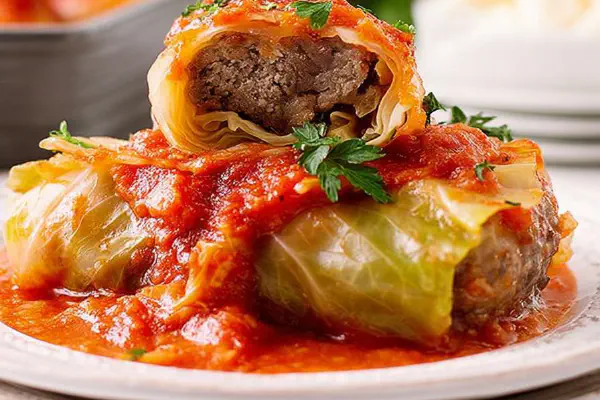
Twisted Cabbage Rolls
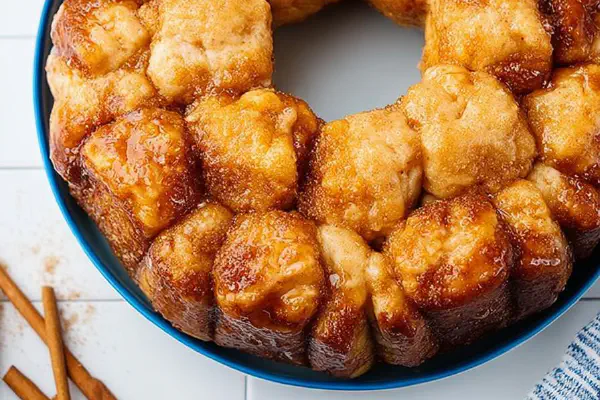
Cinna-Biscuit Monkey Bread
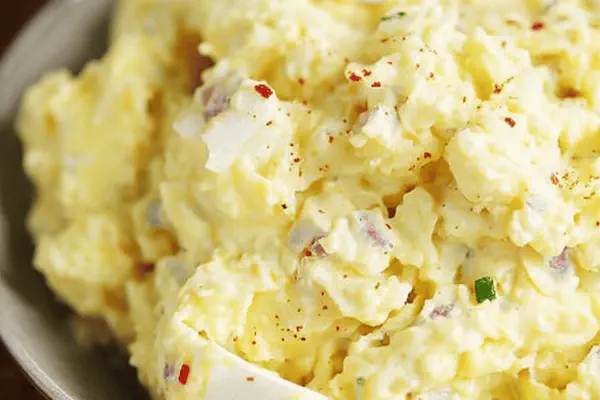
Chunky Tangy Potato Salad
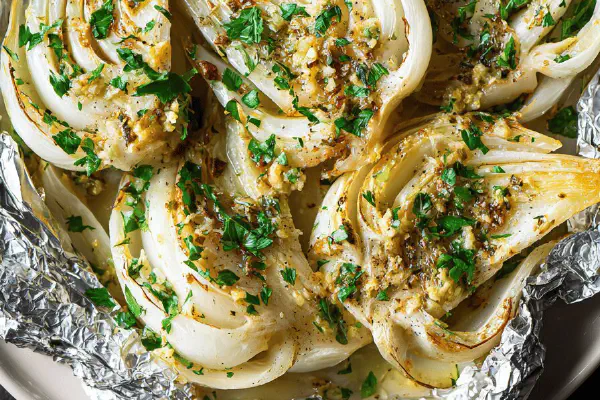
Fennel Papillote with Herb Butter
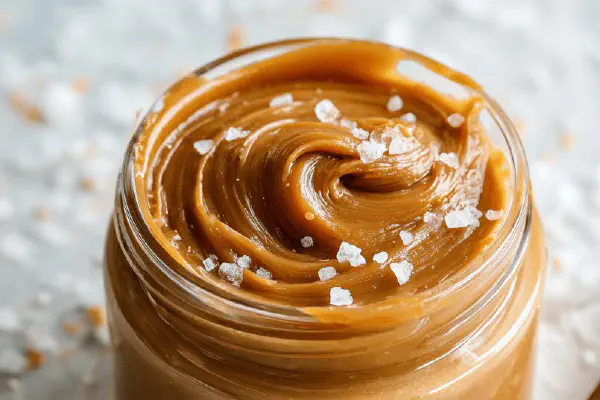
Salted Butter Caramel Spread
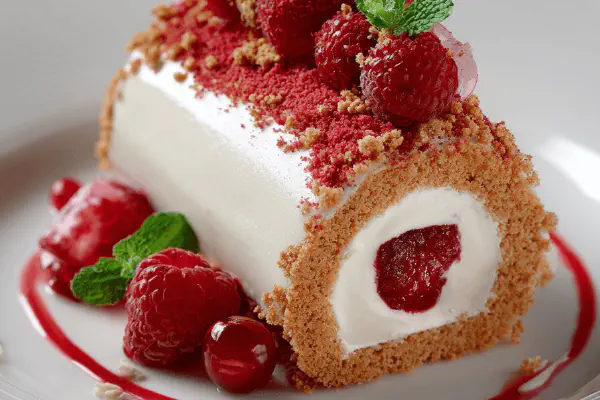
Raspberry White Chocolate Log
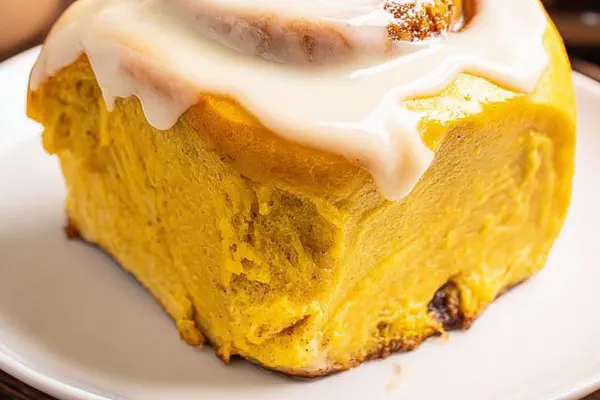
Pumpkin Spice Rolls Remix
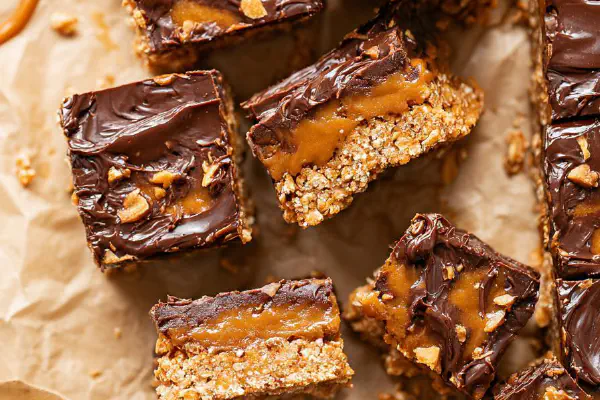
Biscoff Scotcheroos Remix
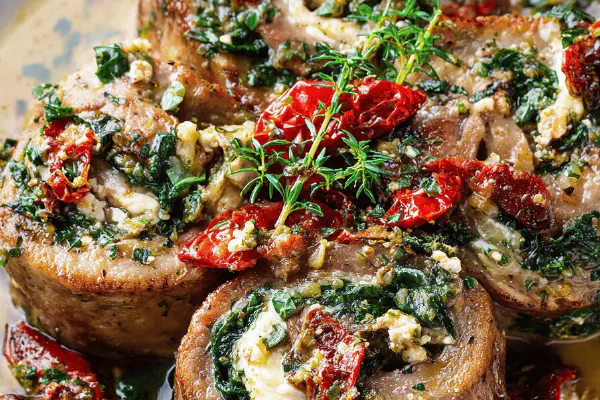
Veal Rolls with Spinach Artichoke
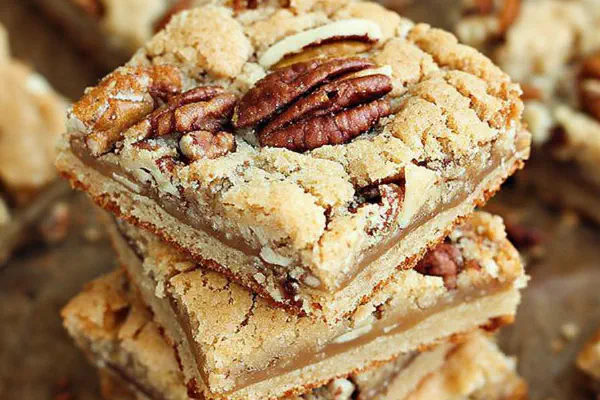
Buttery Pecan Blondies
Double Chocolate Crinkle Cookies
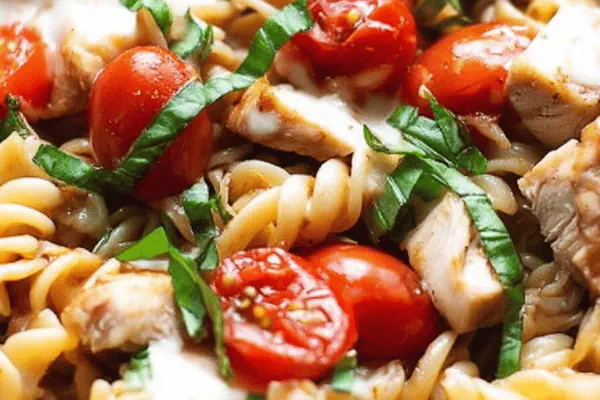
Blistered Tomato Chicken Caprese
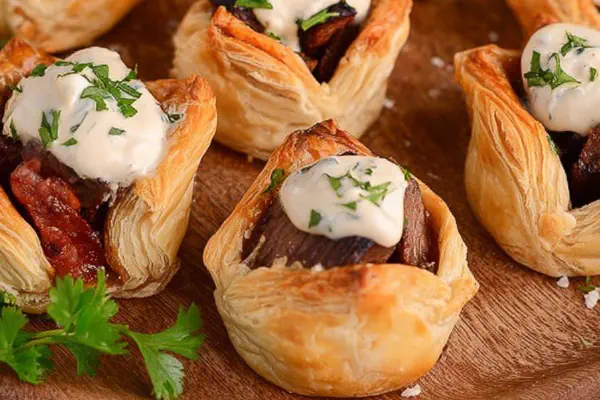
Mini Beef Wellingtons
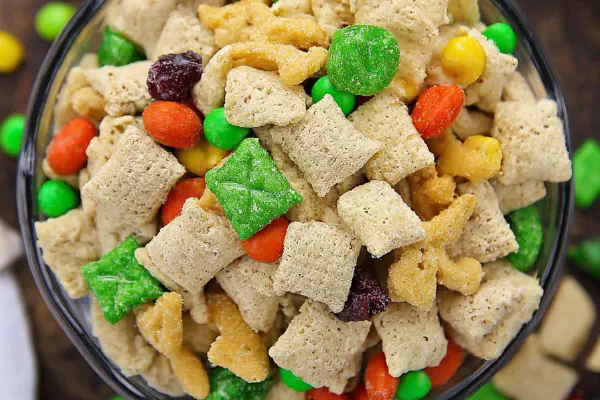
Twisted Peanut Butter Chex
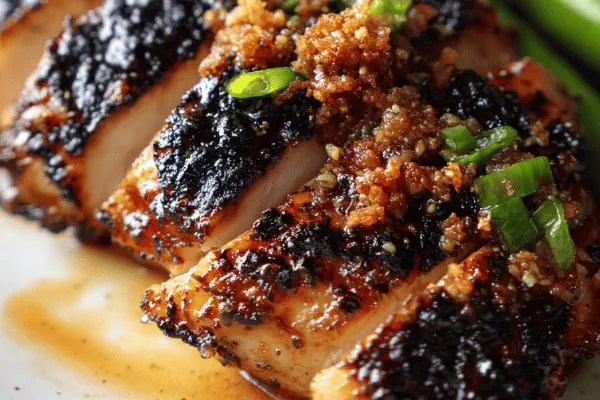
Korean-Style Grilled Chicken Kick
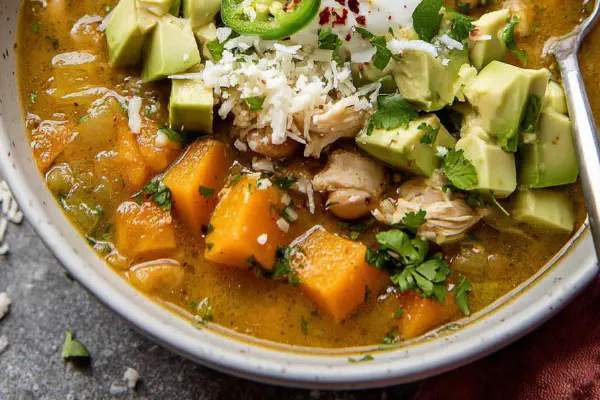
Slow Cooker White Chicken Chili
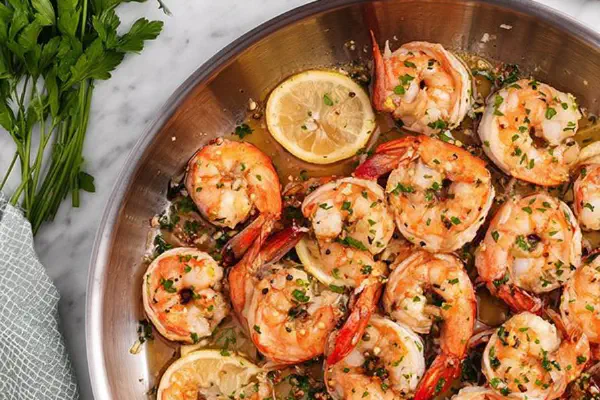
Zesty Garlic Butter Shrimp
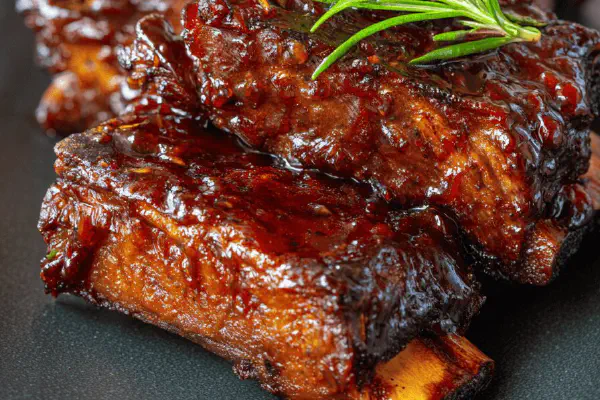
Beef Ribs Cola BBQ
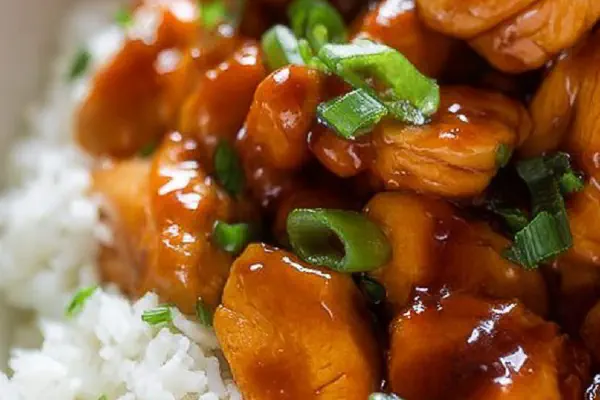
Spicy Honey Chicken Remix
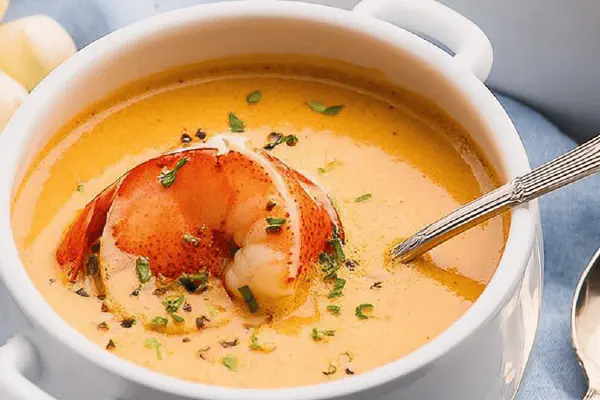
Lobster Bisque Reworked
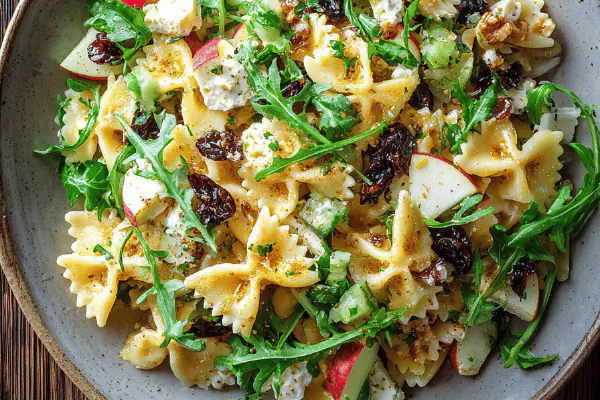
Bowtie Pasta Salad with Apples and Feta
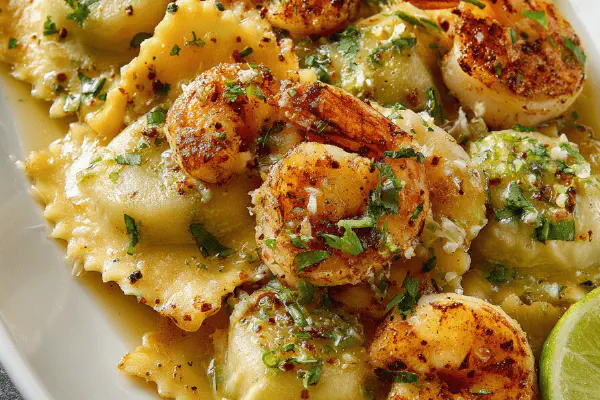
Scallop Shrimp Paprika Ravioli
Strawberry Chess Bars Twist
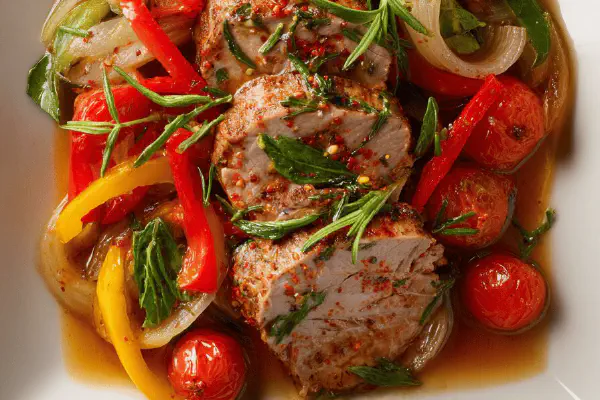
Veal Roast with Peppers and Sage

Stuffed Italian Rolls
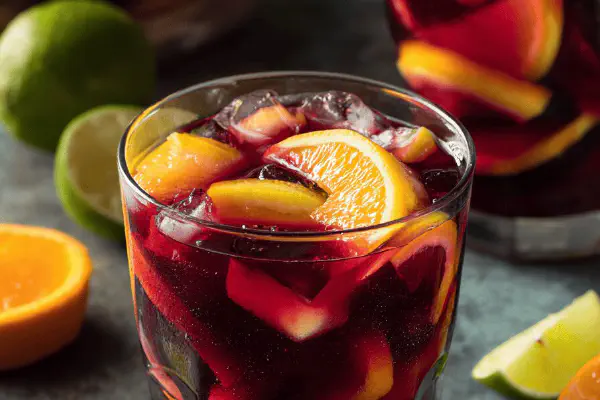
Red Sangria Twist
Pink Lemonade Cupcakes Remix