Featured Recipe
Roasted Savoy Cabbage Wedges
By Kate
"
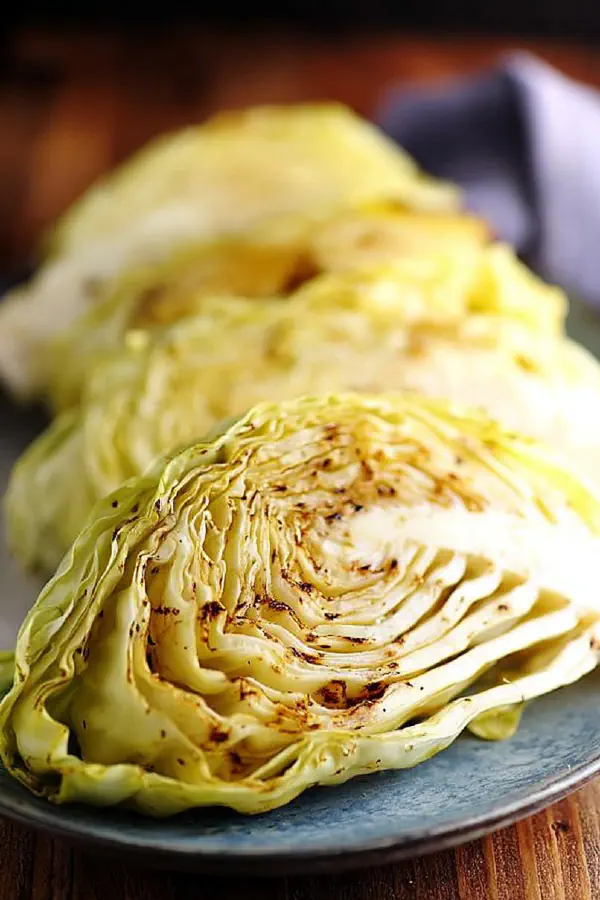
Savoy cabbage cut into thick wedges, roasted high and hot with smoky rendered duck fat or grapeseed oil. Salt and smoked paprika lend a deep savory note. Roast until edges crisp and caramelized, center tender but still firm. Watch for that deep amber browning—that’s flavor. Simple, no-fuss technique with a rustic final texture. Times flexible based on wedge thickness and oven variances. Practical swaps for fats and seasonings offered. Prep and cooking fit busy kitchens and casual meals alike.
"
Prep:
20 min
Cook:
40 min
Total:
60 min
Serves:
6 servings
vegetarian
quick recipes
oven roasting
Introduction
High heat. Sizzle. The sharp sound of cabbage edges crisping, fat bubbling and caramelizing. Savoy’s texture holds up under intense roasting, unlike soggy green heads that wilt too fast. Core intact keeps wedges stable. No limp mush here. Duck fat renders flavor into every fiber—not mandatory but worth the smoky depth. Grapeseed oil steps in if needed, neutral but with a higher smoke point for reliable browning. Smoked paprika sneaks in some earthy warmth, a quiet twist that takes ordinary cabbage beyond plain. Roasting is forgiving but demands attention to color and texture cues. Don’t just watch the clock—watch those edges, smell the toasty aromas, poke to know when tender yet firm. This isn’t delicate veg. It’s robust, rustic and unapologetically straightforward.
Ingredients
In The Same Category · Perfect Sides
Explore all →
Herbed Creamy Potato Salad
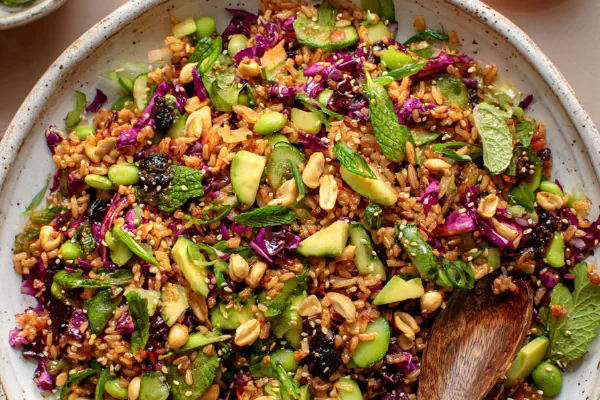
Crunchy Wild Rice Salad

Potato Purée with Goose Fat
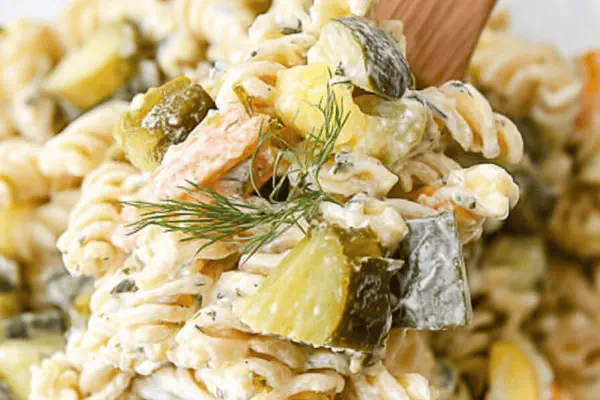
Pickle Pasta Salad Remix
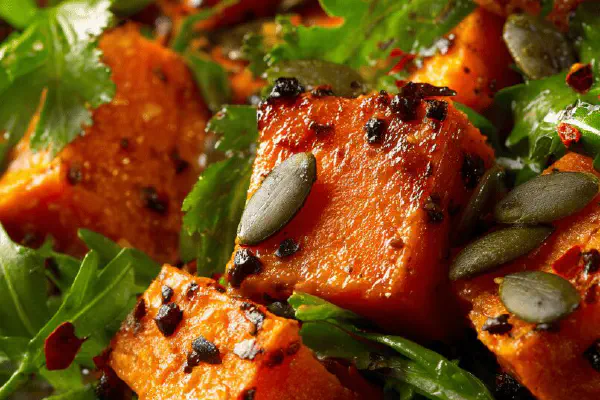
Roasted Sweet Potatoes with Camelina Oil
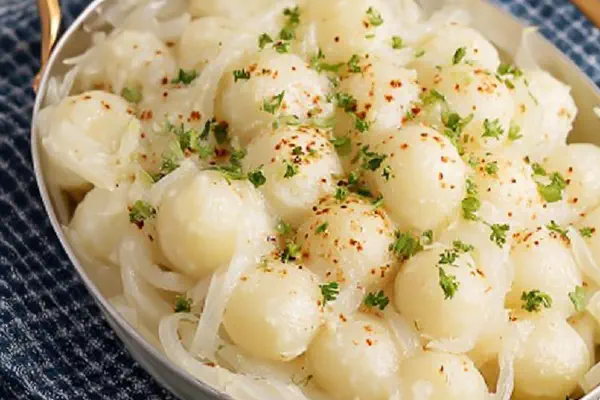
Creamed Pearl Onions Twist
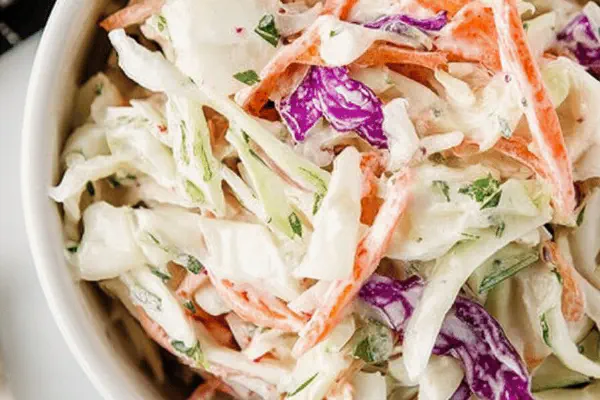
Tangy Creamy Slaw
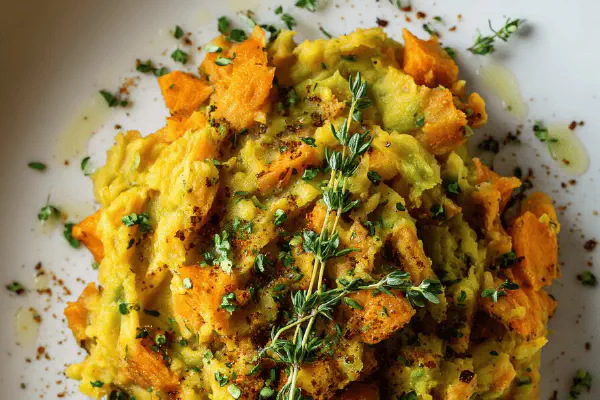
Olive Oil Potato Mash
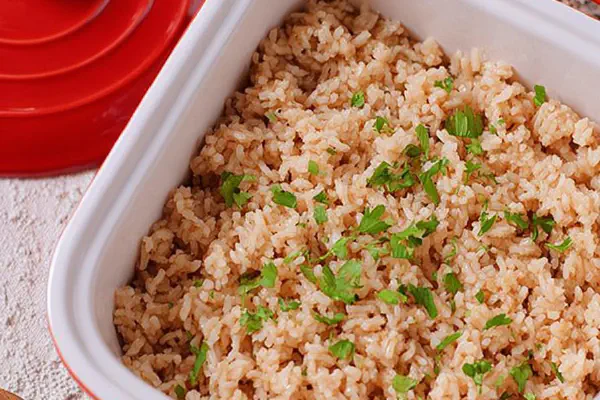
Oven Buttered Rice
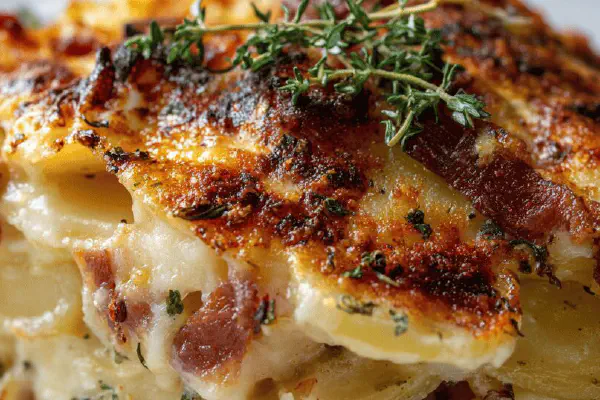
Herbed Potato Bacon Gratin
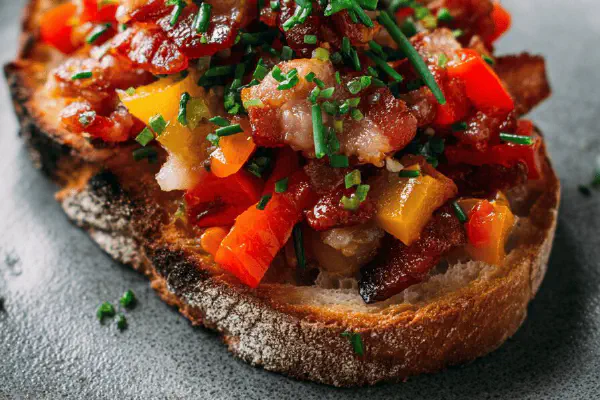
Confited Peppers with Guanciale
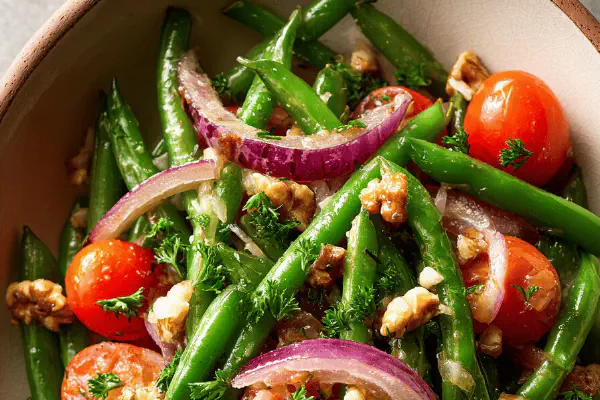
Green Bean Salad with Red Wine Dressing
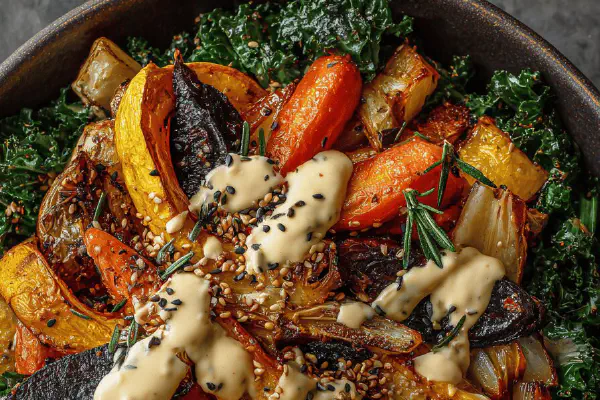
Sesame Rosemary Roasted Veggies
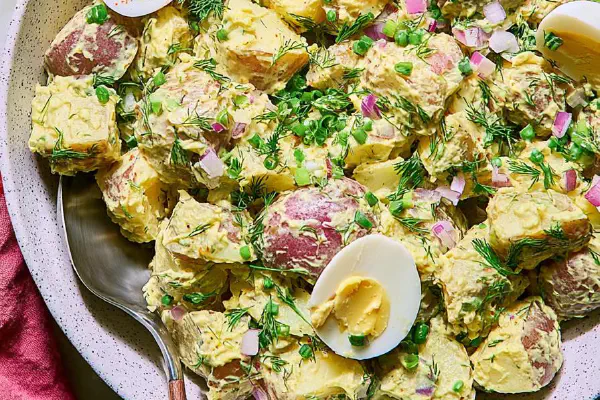
Tangy Herb Potato Salad
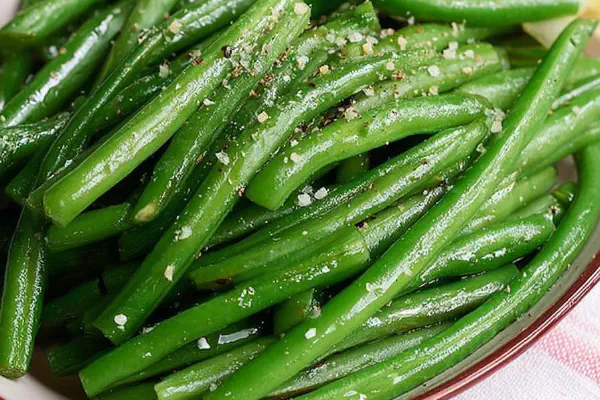
Steamed Snap Beans Twist

Slow Cooker Bacon Cheddar Cornbread
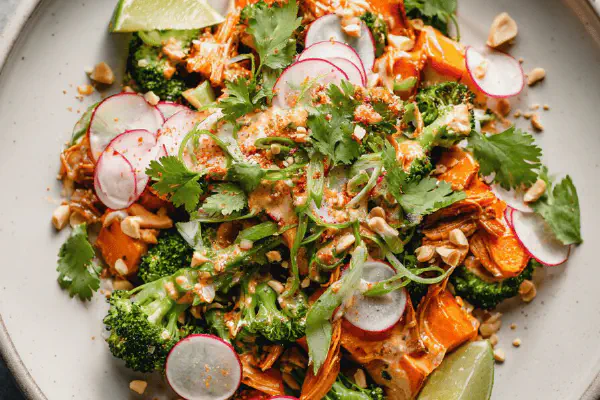
Sweet Potato Broccoli Salad
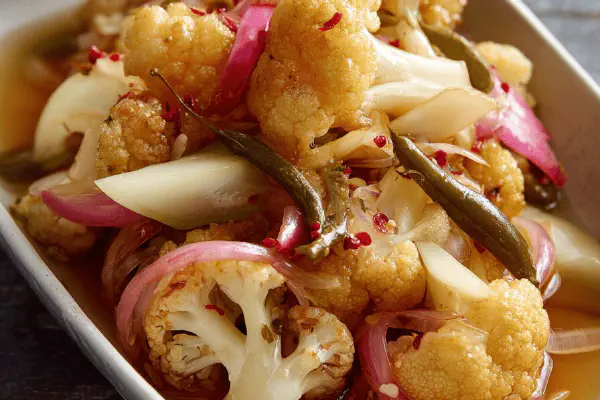
Cauliflower Quick Pickles
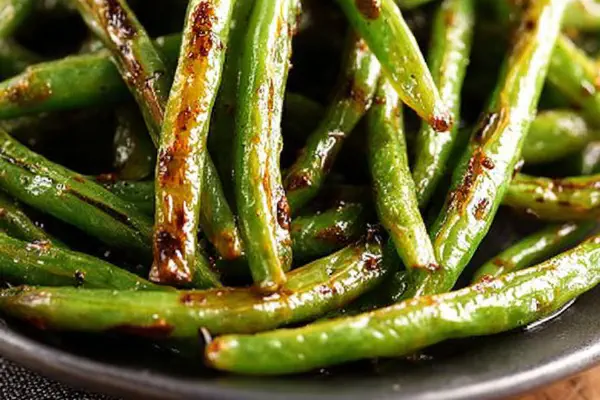
Roasted Spiced Green Beans
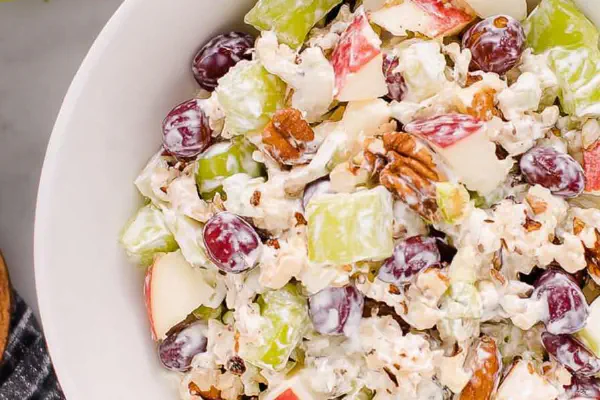
Twisted Waldorf Salad
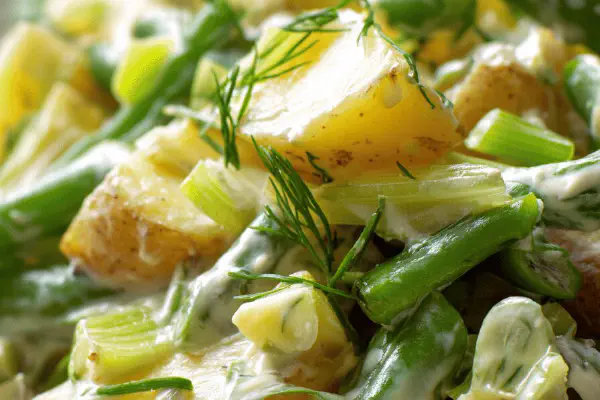
Warm Potato Yellow Bean Salad
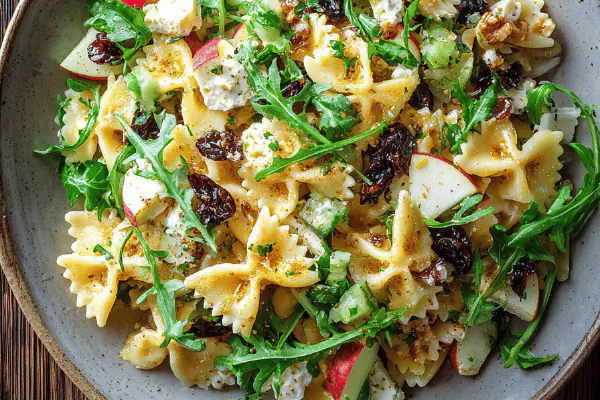
Bowtie Pasta Salad with Apples and Feta
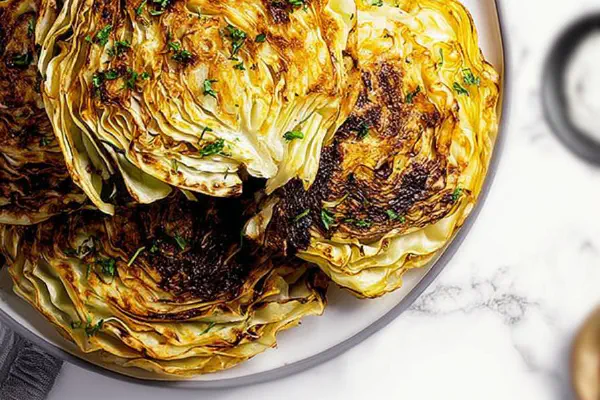
Air Fryer Spiced Cabbage Steaks
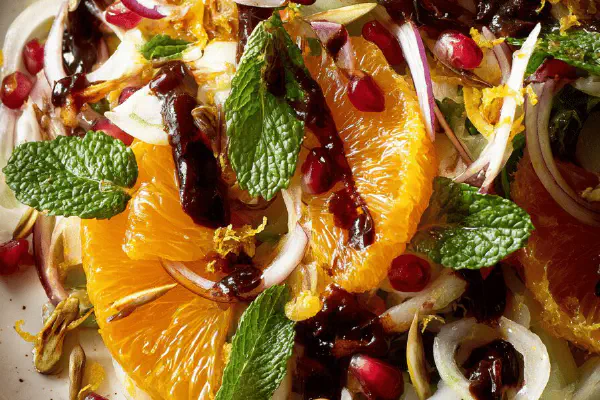
Bitter-Sweet Fennel Orange Salad
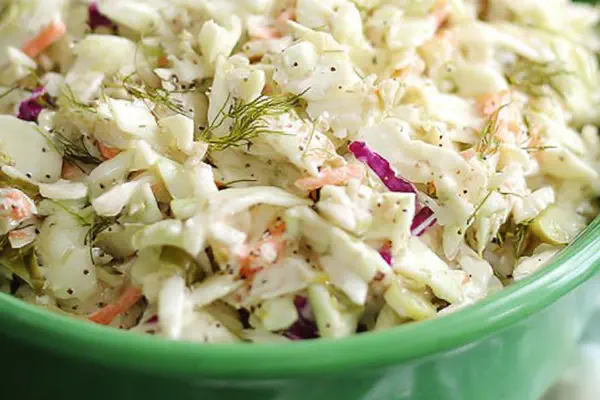
Tangy Herb Slaw
Twisted Hashbrown Bake

Twisted Citrus Ambrosia
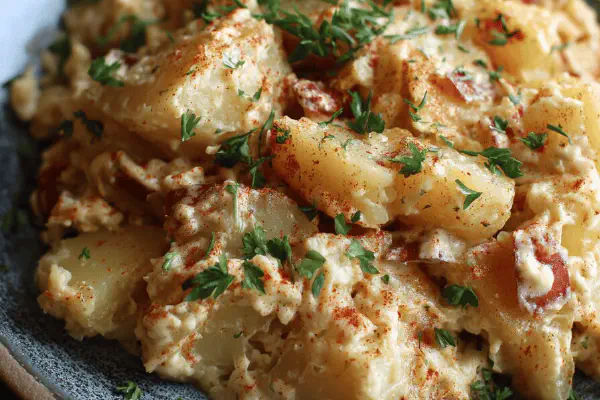
Turnip-Potato Mash Twist

Garlic Soy Cucumber Salad
About the ingredients
Savoy cabbage preferred for its crinkled leaves and sturdier texture but green cabbage works if Savoy unavailable. The key is thick wedges with core intact—keeps structure during roasting. Rendered duck fat adds depth and a faint gamey richness, but any neutral oil with a high smoke point like grapeseed, avocado, or refined sunflower oil will work. Olive oil can burn at these temps—use light versions or lower temp an option. Smoked paprika is optional but elevates flavor beyond simple salt and pepper, adding complexity. Season salt moderately—cabbage absorbs fat and salt well, but too much overwhelms. Black pepper freshly cracked always better. Can add a squeeze of citrus or drizzle of vinegar post-roast to cut richness and bring brightness. Avoid soaking cabbage beforehand; it will steam instead of roast crisp edges.
Method
Technique Tips
Start with a blazing hot oven—crucial for immediate sear on cabbage surfaces. Slice wedges carefully, core keeping wedges together preventing collapse during cooking. Fat aids browning and mouthfeel—if duck fat solid, warm gently until pourable but not hot. Even coating critical for consistent roasting. Smoking paprika adds a secondary layer of flavor but adding it too early risks burning; dust just before roasting. Space wedges apart on trays; overcrowding traps steam, yielding soggy edges. Flip halfway for even caramelization, listen for that satisfying crackle of fat meeting hot metal. Visual indicators key: avoid pale or soggy slices. When edges darken to amber or mahogany brown with bubbling fat glazed surfaces, tenderness tested by fork—need resistance, not crunch. Over-roasting scorches bitterness; under-roasting is limp and flavorless. Remove from oven, let rest briefly for texture to set. Serve these rustic wedges alongside heavier dishes or alone with acidic counters for balance. Watch for common mistake: trimming core too aggressively, wedges fall apart. Also avoid oiling after cutting; oil traps moisture causing steam. Pre-roast oiling seals in flavor and aids crust.
Chef's Notes
- 💡 High heat is key for those crispy, caramelized edges. Preheat oven to 485°F. Don't skip this crucial step. Watch for deep browning—Amber is flavor.
- 💡 Use techniques carefully. Cut cabbage into thick wedges, core kept intact. Core provides structure during roasting. Avoid flimsy, mushy pieces.
- 💡 Duck fat is rich, adds depth, but if unavailable, grapeseed oil works. Focus on oils with high smoke points. Avoid oils that burn easily.
- 💡 Smoked paprika is optional yet beneficial. Adds warmth and complexity. Sprinkle just before roasting to avoid burning. Watch closely.
- 💡 Space wedges on the tray; overcrowding is a no-go. Leads to steaming rather than roasting. Crisp edges matter—watch for that visual cue.
Kitchen Wisdom
How to tell if cabbage is done?
Look for golden brown edges. Poke with a fork—should be tender but have slight resistance. No mush.
Why use duck fat instead of oil?
Duck fat enhances flavor. Rich, gamey note. Oil works in a pinch. Choose neutral, high smoke for best results.
What if my cabbage burns?
Reduce oven temp. Double check placement in oven—could be too close to the heating element. Try flipping cabbage sooner.
Can I store leftovers?
Yes, cool completely, store in airtight container. Refrigerate for up to four days. Reheat in oven for crispy texture.
You’ll Love These Too
Explore all →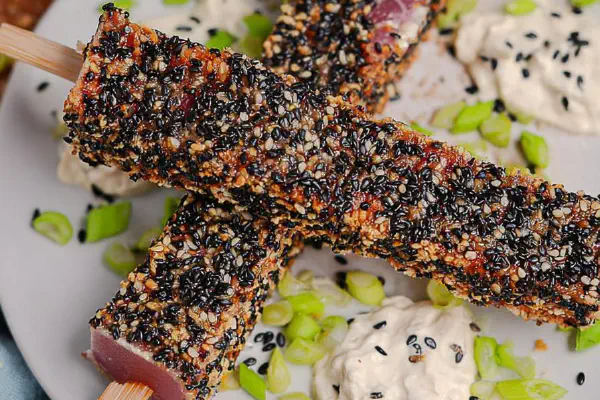
Sesame Crusted Tuna Twist
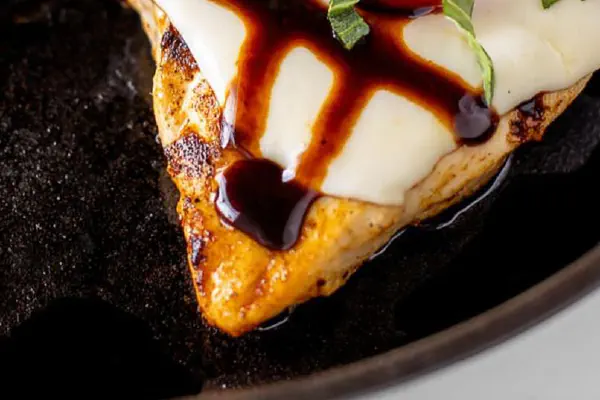
Caprese Chicken Twist
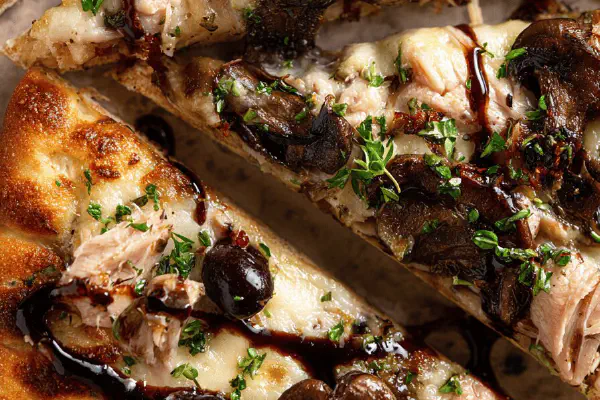
Quick Naan Pizzas Twist
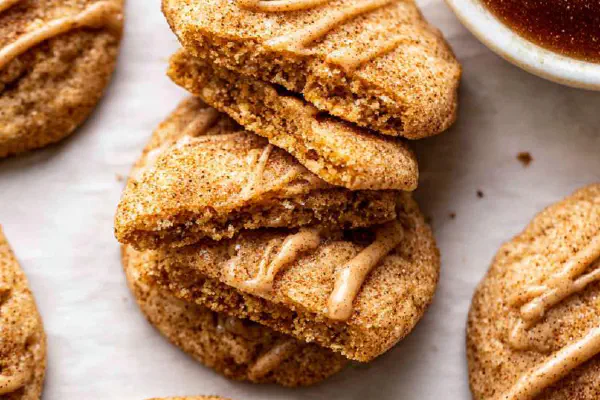
Apple Butter Snickerdoodles
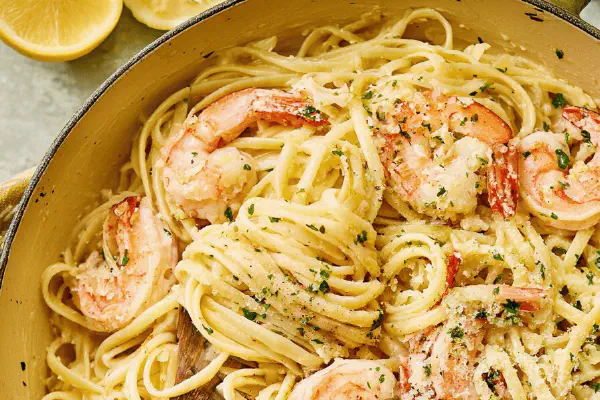
Creamy Shrimp Pasta
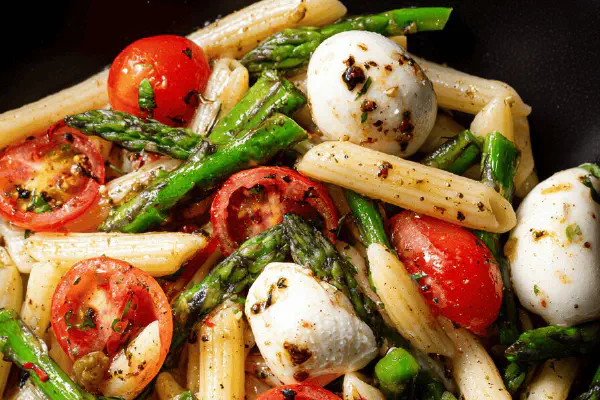
Pasta Salad with Asparagus and Bocconcini
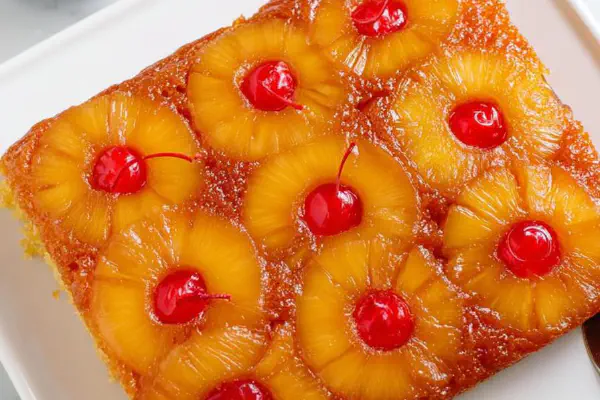
Pineapple Upside-Down Cake Remix
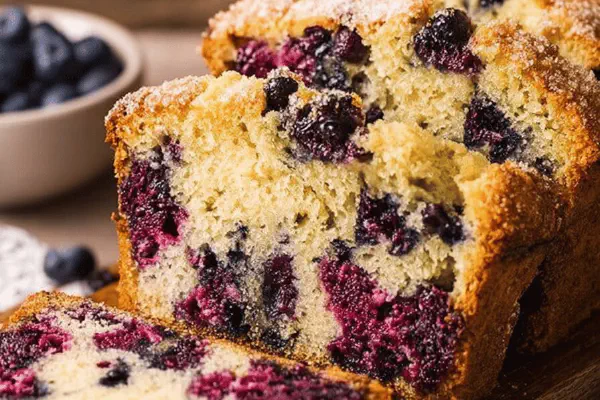
Lemon Blueberry Quick Bread
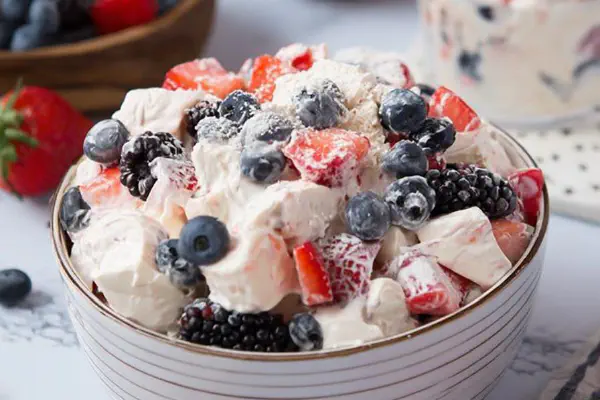
Berry Cream Cheese Relish
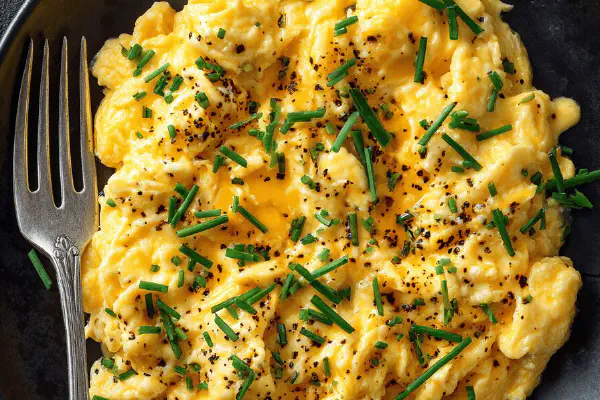
Creamy Soft Scramble
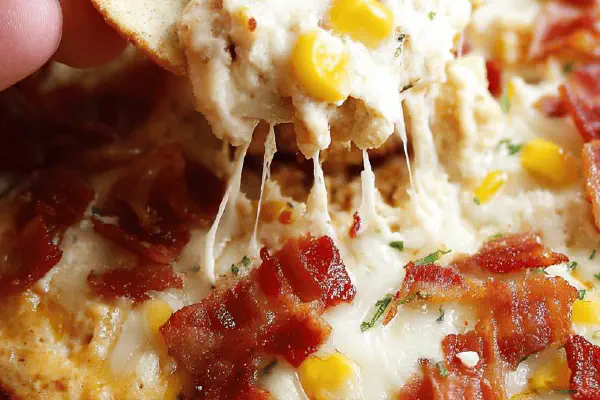
Cheesy Bacon Corn Spread
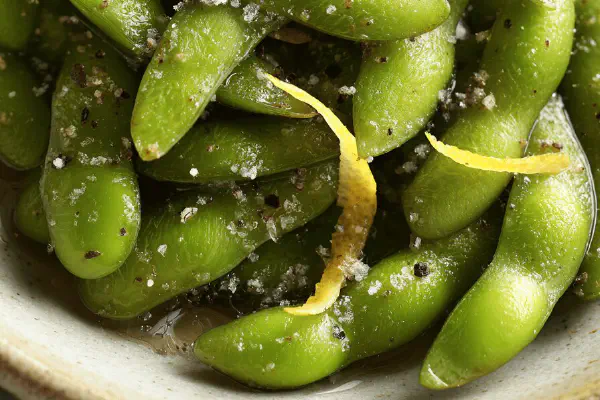
Salty Citrus Edamame
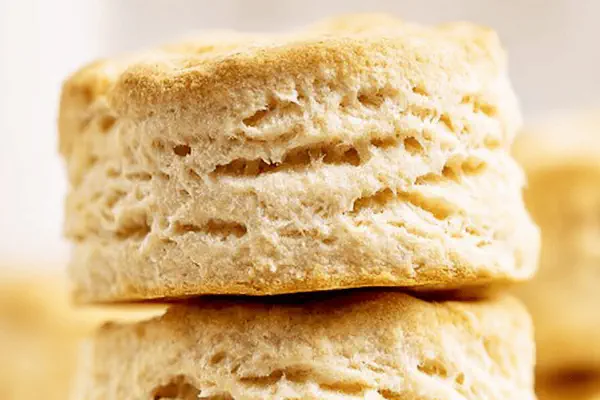
Lard Biscuits Upgrade
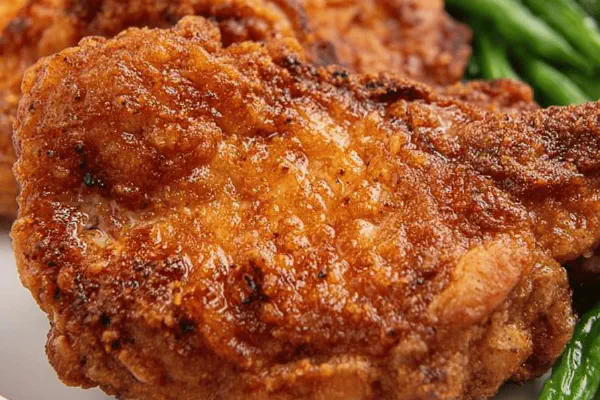
Crispy Fried Pork Chops
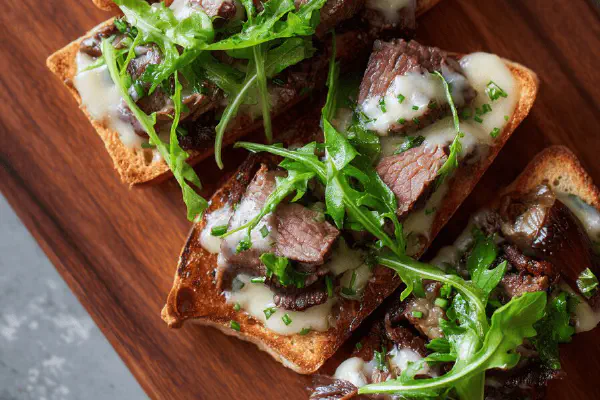
Beef Tartines with Caramelized Leeks
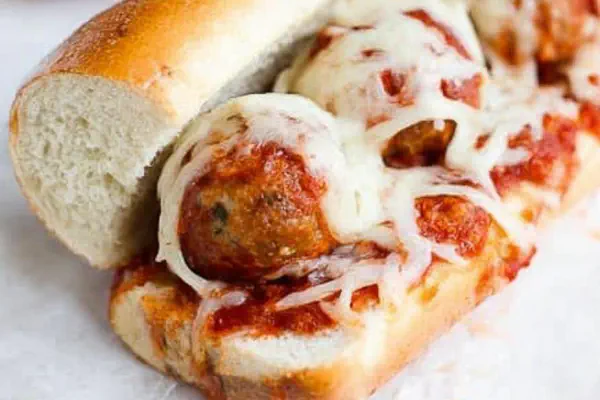
Savory Meatball Subs
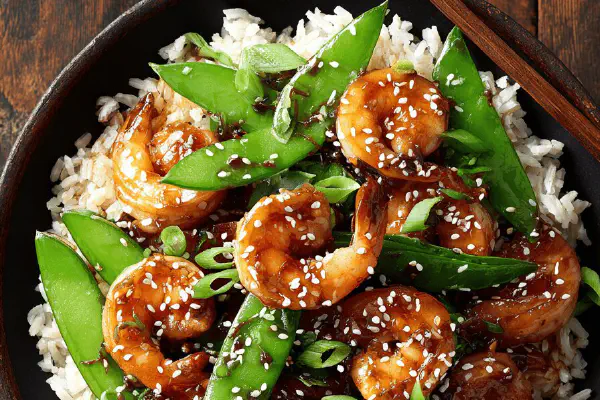
Sesame Shrimp Stir-Fry
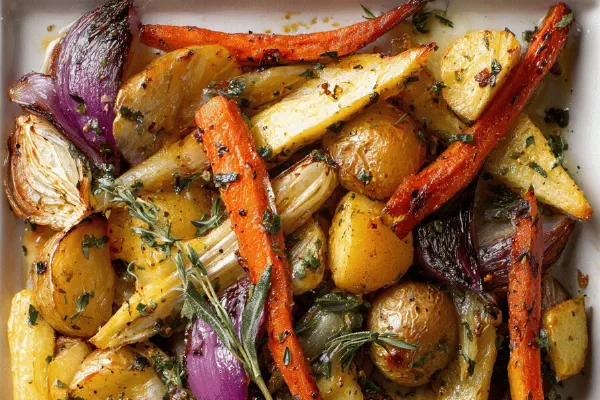
Roasted Root Medley
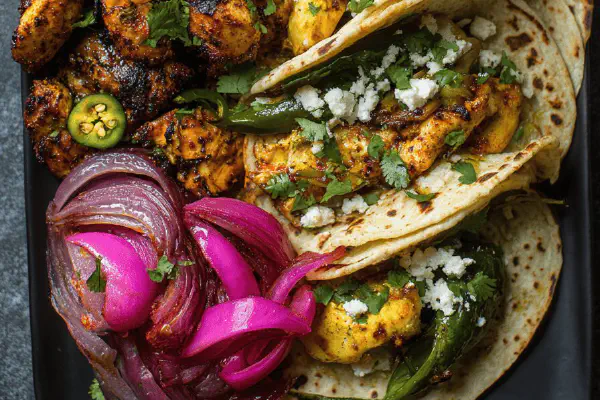
Oven Chicken Fajitas Twist
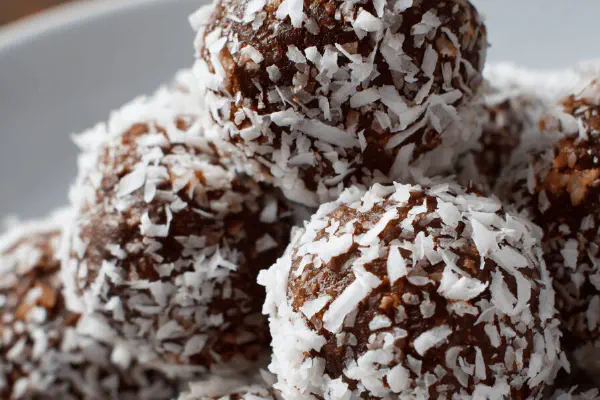
Chocolate Coffee Bites
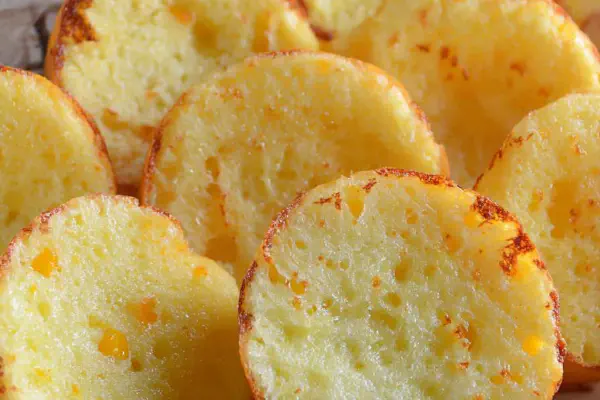
Altered Cheese Puff Bread
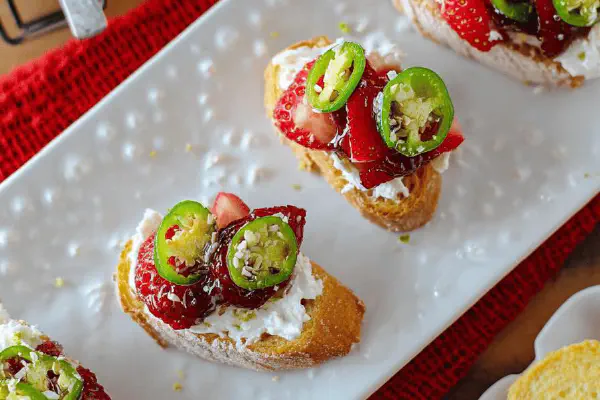
Strawberry Jalapeño Crostini Remix
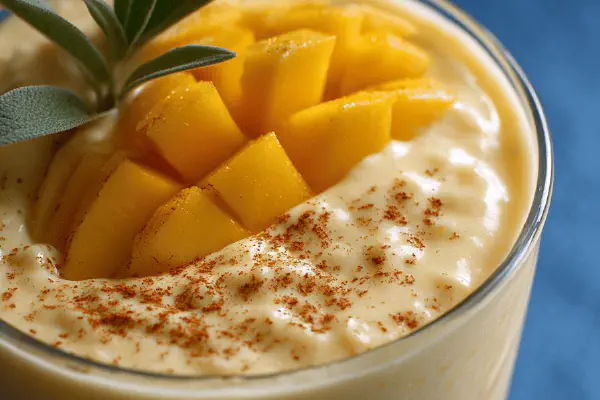
Twist Fruit Shake
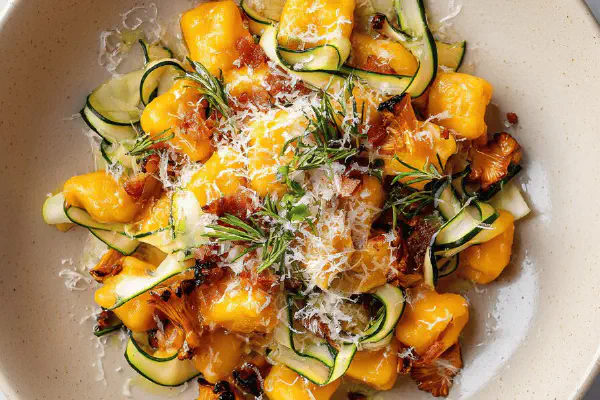
Butternut Gnocchi with Chanterelles
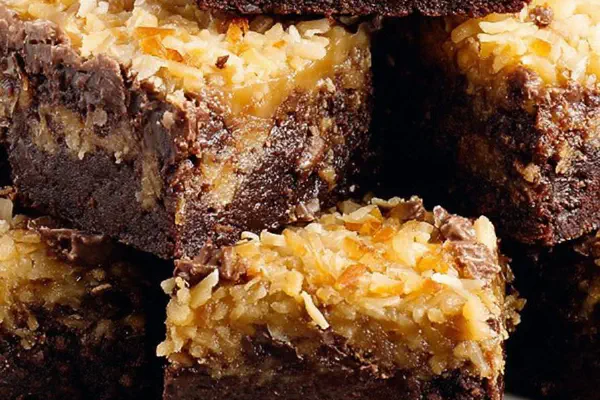
Twisted German Choco Brownies
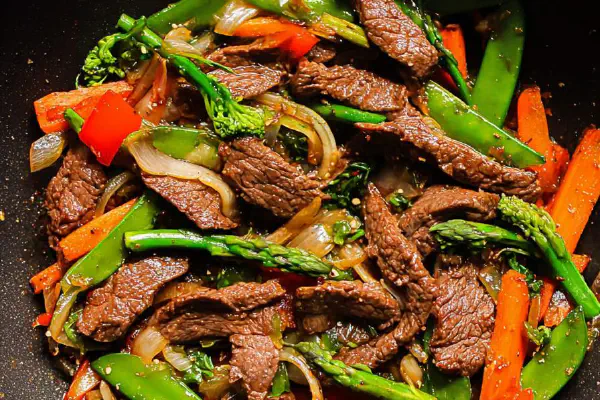
Tender Beef Veggie Stir Fry
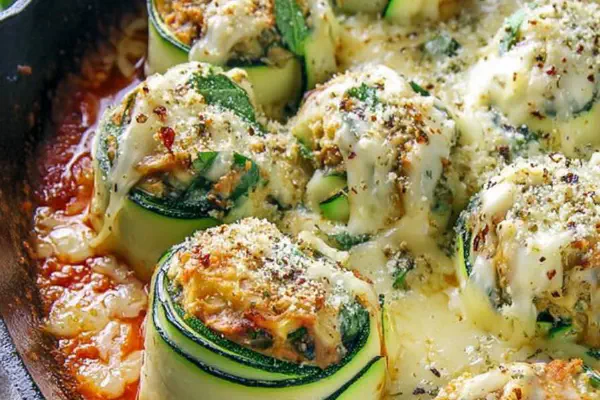
Zucchini Roll Lasagna

Cinnamon Swirl Pancakes
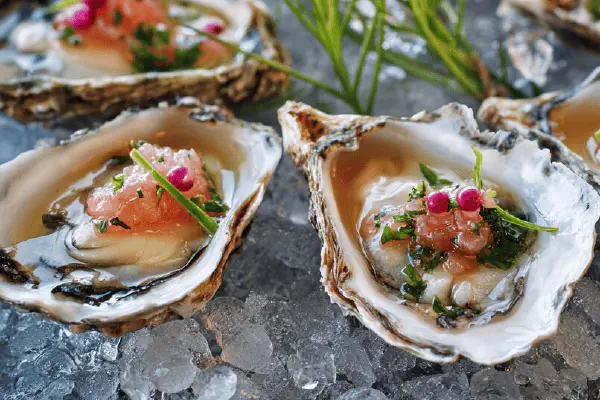
Oysters with Citrus Mignonette