Featured Recipe
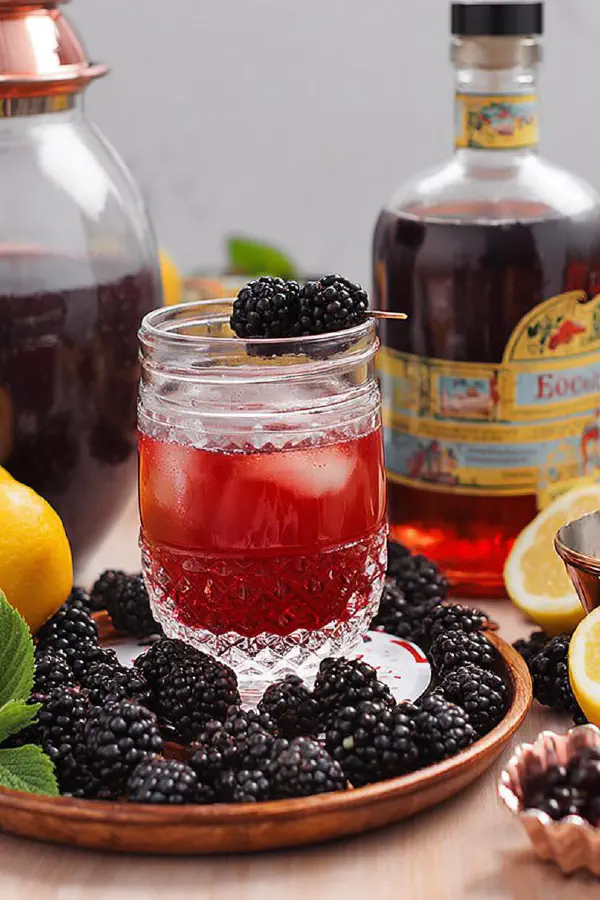
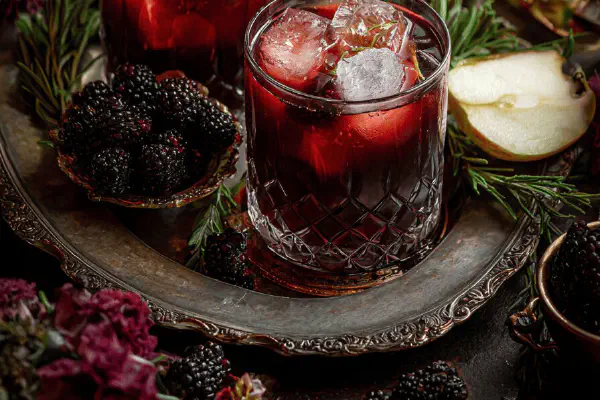
Rustic Blackberry Brandy
By Kate
"
Mash fresh blackberries with brown sugar until fully broken down and granular bits disappear. Pour in aged bourbon instead of brandy for a whiskey twist; swap out blackberries for blackcurrants to brighten the tartness. Seal tight. Let sit in a cool dark corner—shake mid-week to stir sediments and infuse flavors evenly. Strain through cheesecloth when the juice looks deep purple and sediment settles thick on the bottom. Bottle in clean glass jar. Notes on substitutions, timing, and common pitfalls included. Total elapsed infusing time around two weeks with minor flex according to taste.
"
Prep:
15 min
Cook:
0 min
Total:
PTOKM
Serves:
2 servings
craft cocktails
homemade spirits
blackberry brandy
Introduction
Blackberries crushed under pressure, sugar dissolving grain by grain. That pop when you first release juice from fruit cells. Aromas creeping from jar after a couple days, sharp and sweet. Using bourbon in place of brandy brings warmth and oak, blurring lines but giving a mellow depth. Blackcurrants swap tartness for brightness, changing the whole profile if you want something less mellow and more punchy. Patience cooks the infusion, some wait to shock with shaking, others just let gravity carry the mix. Two weeks approx a guideline—your senses decide. Don’t skip the straining—muddled seeds and skins make it gritty, off-balance. The smell is your guide—it should sing fruity and just a bit spicy if you added cinnamon. Keep your tools spotless or risk mold creeping silently in the dark. Not about the clock, but the feel and the look.
Ingredients
In The Same Category · Spirited Drinks
Explore all →
About the ingredients
Fresh seasonal blackberries always outshine frozen, but frozen can work if thawed completely without waterlogging. Brown sugar adds a deeper molasses edge beyond granulated. Honey is a viable alternative but dissolves slower, may require longer crushing and infusing. Bourbon chosen for its vanilla-caramel backbone instead of the neutral profile of brandy, but skip it if you want lighter tones. Cinnamon optional—try star anise or clove for variations but remember strong spices can overwhelm fruit’s natural notes. Use a glass jar; avoid metal which can react with acids. Cleanliness is non-negotiable to prevent off-flavors or mold. If muddling gets tedious, pulse fruit in a blender very briefly, but watch texture to avoid over-pureeing.
Method
===
- In a large sterile mason jar toss blackberries with raw sugar. Use a muddler or sturdy wooden spoon to crush berries thoroughly until sugar seems integrated and juice turns darker. The granular sugar texture should nearly vanish into syrupy pulp — tactile check essential here.
- Pour bourbon over the mashed fruit and sugar. Drop in optional cinnamon stick for subtle spice note. Seal jar tightly. Shake vigorously just enough to blend layers without smashing fruit further.
- Place jar away from sunlight in a cool spot. The infusion develops best in dim environments. Shake jar every 48–72 hours; aim for consistent mixing yet avoid over-agitation that breaks down solids too much and muddies liquid.
- After approximately 13–15 days gauge by color deepening and slight sediment settling at jar bottom. Liquid should be richly purple and smell fragrant but not fermented or vinegary.
- Strain mixture through fine mesh sieve lined with doubled cheesecloth holding back pulp. Press gently with spoon or spatula to extract as much flavor-rich liquid as possible without forcing through solids that cause grit.
- Pour filtered brandy into a clean dry container. Discard pulp or compost it. Store sealed in fridge or cellar. Flavors mellow with storage but drinkable right away.
- If cloudy or off smells develop—discard or restart. Use fresh fruit and keep tools clean to prevent spoilage. If a less sweet profile desired, reduce sugar or swap for honey but expect slower dissolution requiring longer muddling.
Technique Tips
Muddling fully is where many stumble—if sugar grains remain, they won’t dissolve properly, leading to gritty textures. Press firmly but don’t pulverize into puree unless you want a cloudy brandy. The shaking frequency is a balance—too often breaks down solids excessively causing murkiness, too rare and flavors don’t meld evenly. Trust the color change: richer purple signals extraction nearing peak. Straining with cheesecloth doubled prevents seeds slipping through; if you press pulp too hard, risk pushing bitterness or mud. Store in cool dark place to slow fermentation—if left warm too long, it sours. Taste periodically after day 10, deciding when it reaches your preferred flavor intensity.
Chef's Notes
- 💡 Muddling blackberries? Aim for syrupy. Sugar has to dissolve completely. If not, gritty textures emerge. Monitor the fruit. That's key. Use a muddler. Don't over-puree. Avoid mushy. Too much pressure ruins it.
- 💡 Infusion time varies. Each day matters. Watch for color. Rich purple? Good sign. If the aroma shifts to fermented, stop. Tastes change daily. Don’t let fermentation spoil. Monitor closely as it ages.
- 💡 Using blackcurrants? It brightens tartness. Adjust sugar as needed if swapping. Hints of spice? Cinnamon stick brings warmth. Watch how strong spices can overshadow subtle fruit notes. Balance is essential. Adjust according to taste.
- 💡 Straining is crucial. Double cheesecloth traps seeds. If pushed too hard, bitterness spreads. Don't rush this. Filter well, but gently. When cloudy, flavors muddle. Look for clarity in your final product. Patience is essential.
- 💡 Storage matters—a cool dark place is best. Avoid warmth. Slow fermentation extends life. If mold appears, it’s bad news. Fresh tools prevent off-flavors. Always be clean. Hygiene is non-negotiable.
Kitchen Wisdom
How long to infuse?
About two weeks usually. Taste around day 10. Watch color gain. Trust feel over the clock. It’s visual and olfactory cues.
Off odors?
Discard and restart. Fresh fruit is critical. Keep tools sterilized. Sounds tedious, but mold creeps in. Avoid that disaster, go clean.
Want less sweet?
Almost seamless swaps—reduce sugar or try honey. Slower dissolution though. It needs more work. Patience in muddling counts.
How to store?
Fridge extends shelf life. Room temp is riskier. Watch for cloudy textures. New jar? Keep it dark. Monitor flavors often.
You’ll Love These Too
Explore all →
Riesling Peach Glazed Ham Remix
Apple Crumble Cake Twist

Slow Cooker Creamy Mushroom Fiesta Chicken
Pistachio Marble Loaf
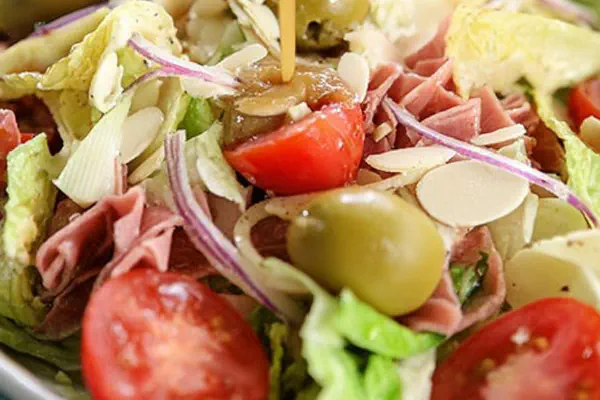
Vintage Salad Remix
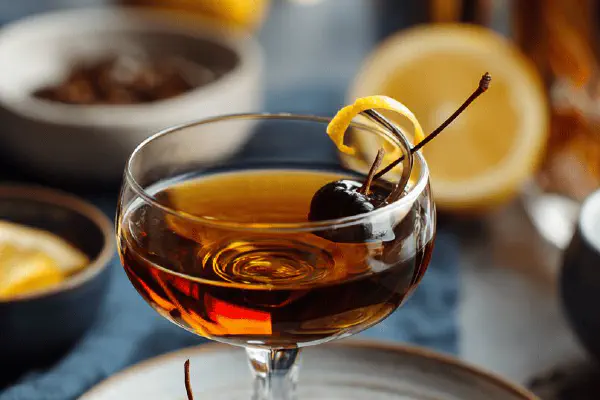
Spiced Rye Manhattan Twist
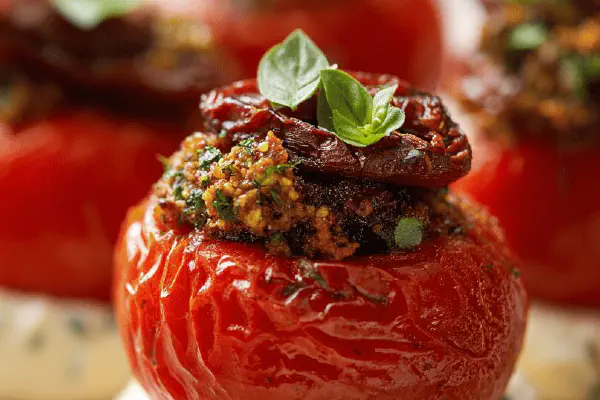
Stuffed Cherry Tomatoes
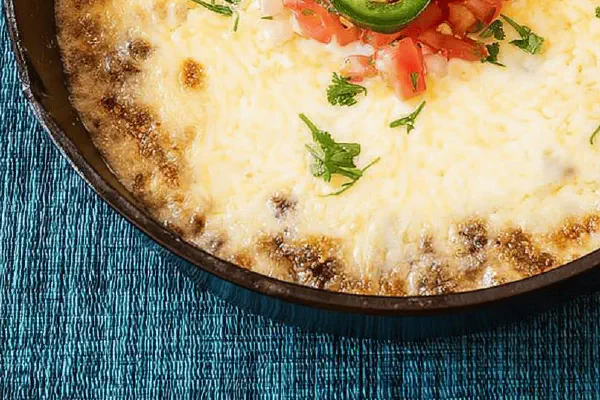
Rustic Queso Fundido Twist
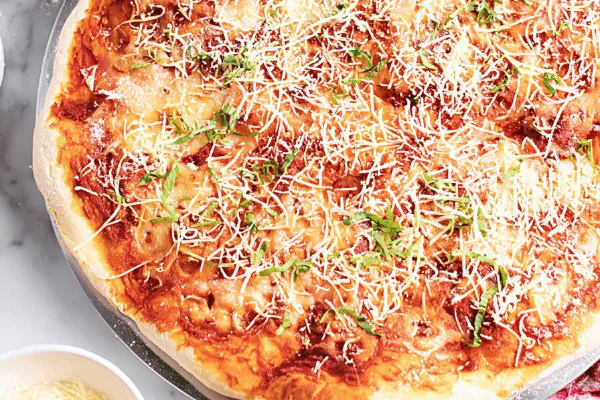
Yogurt Flour Pizza Dough
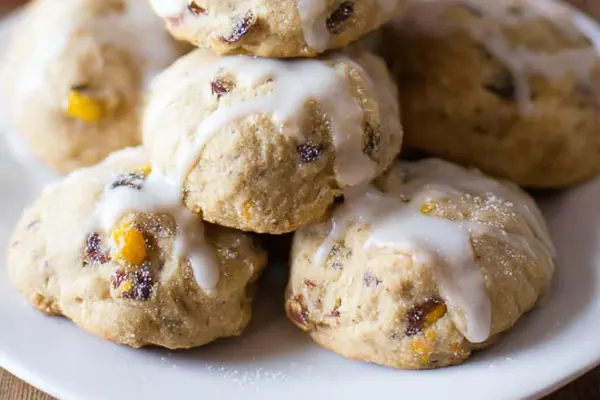
Persimmon Walnut Cookies
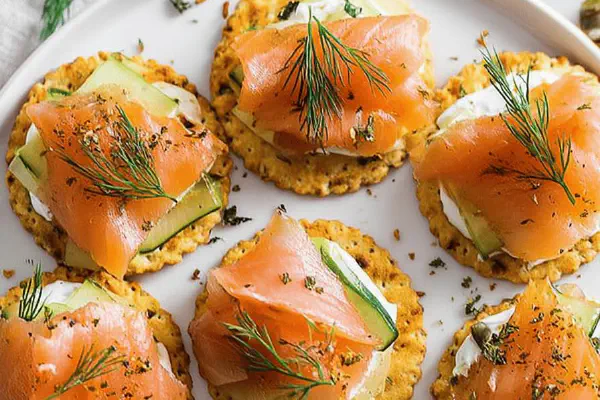
Smoked Salmon Pesto Bites
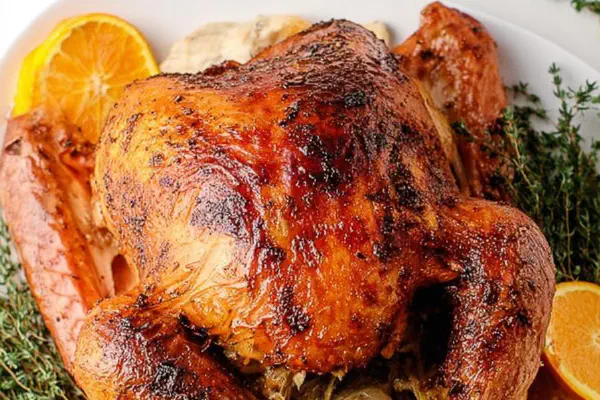
Orange Anise Thyme Turkey

Beef Egg Chilaquiles Remix

Braised Pork Duck Tourtière
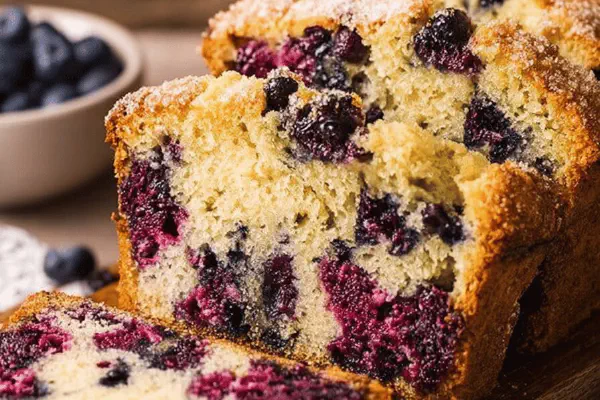
Lemon Blueberry Quick Bread
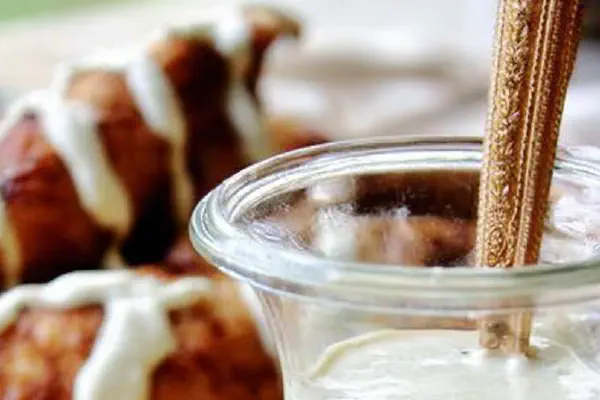
Alabama Tangy White Sauce
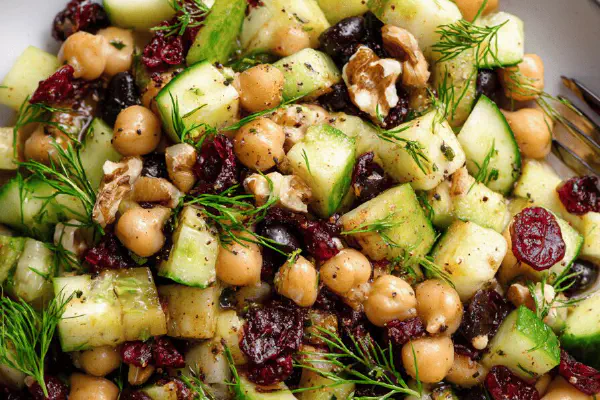
Legume Apple Cranberry Salad
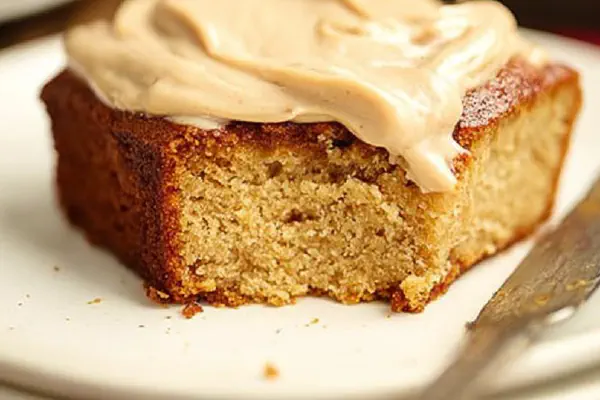
Apple Butter Spice Cake
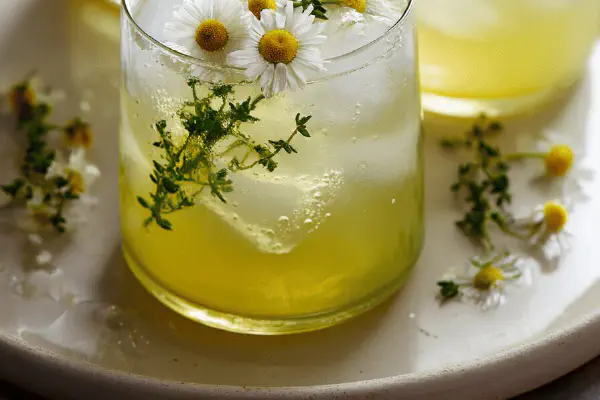
Apple Chamomile Cocktail
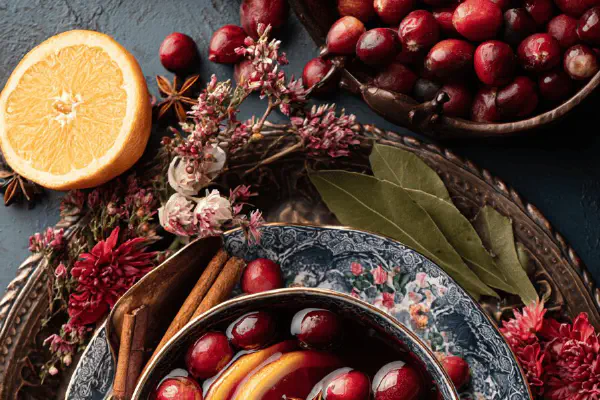
Spiced Hot Cranberry Punch
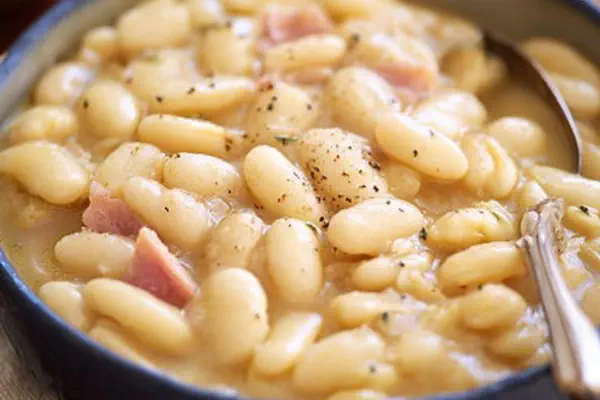
Smoky Lima Beans
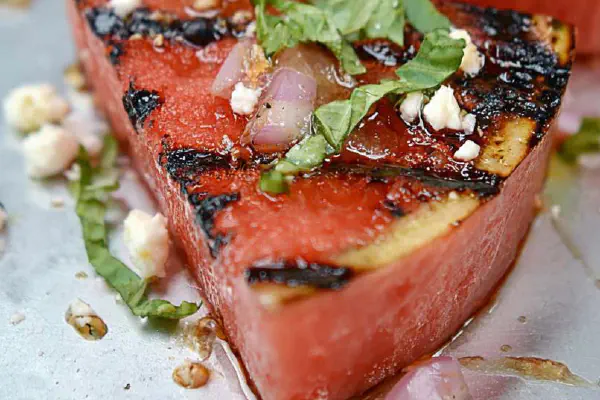
Charred Watermelon Slices
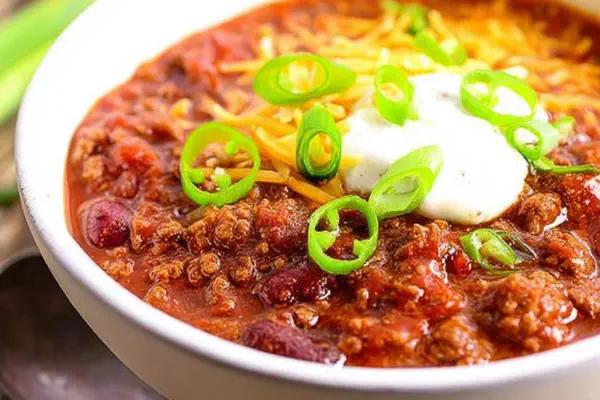
Twisted Quick Chili
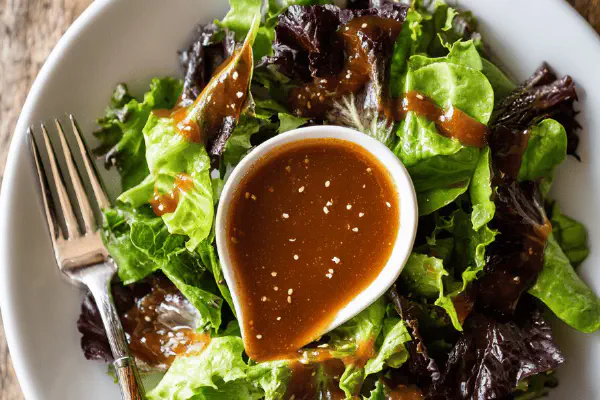
Catalina-Style Vinaigrette
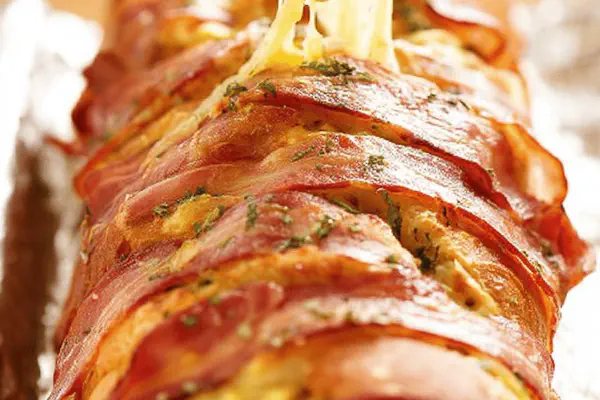
Swiss Bacon Herb Pull-Apart
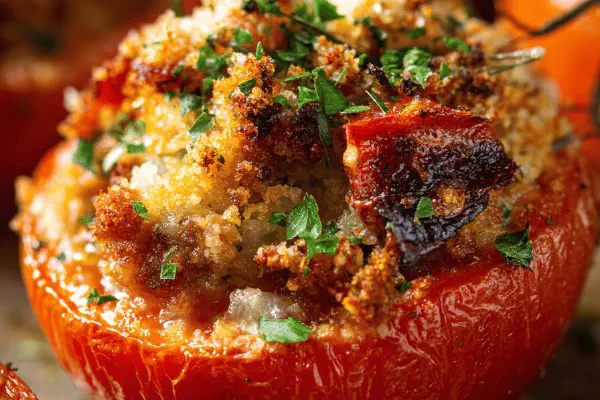
Sausage-Stuffed Roasted Tomatoes
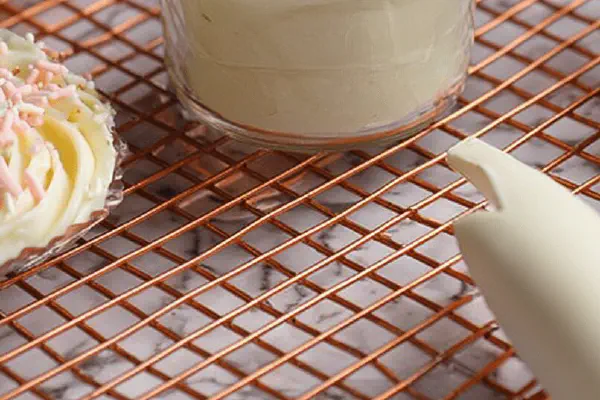
Tangy Cream Cheese Frosting
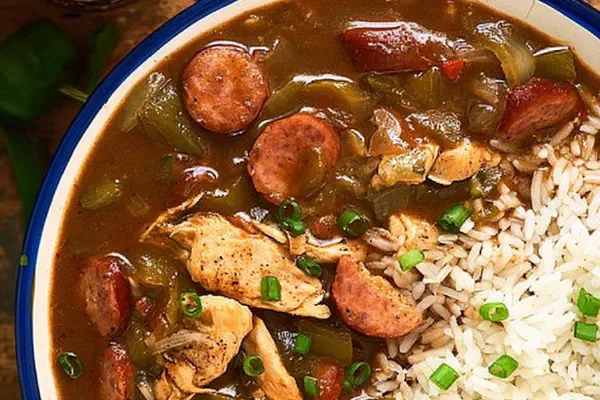
Chicken And Andouille Gumbo
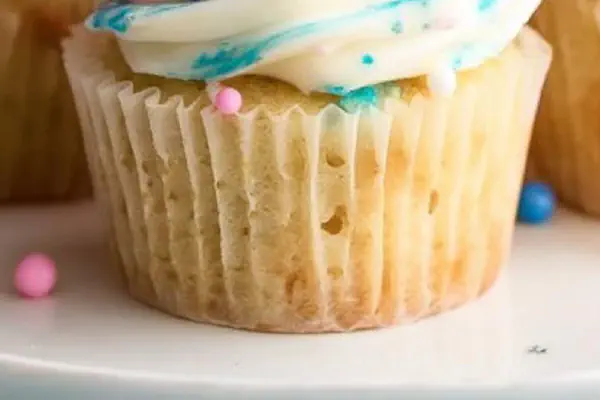
Gender Reveal Cupcakes