Featured Recipe
Rustic Garlicky Tomato Sauce
By Kate
"
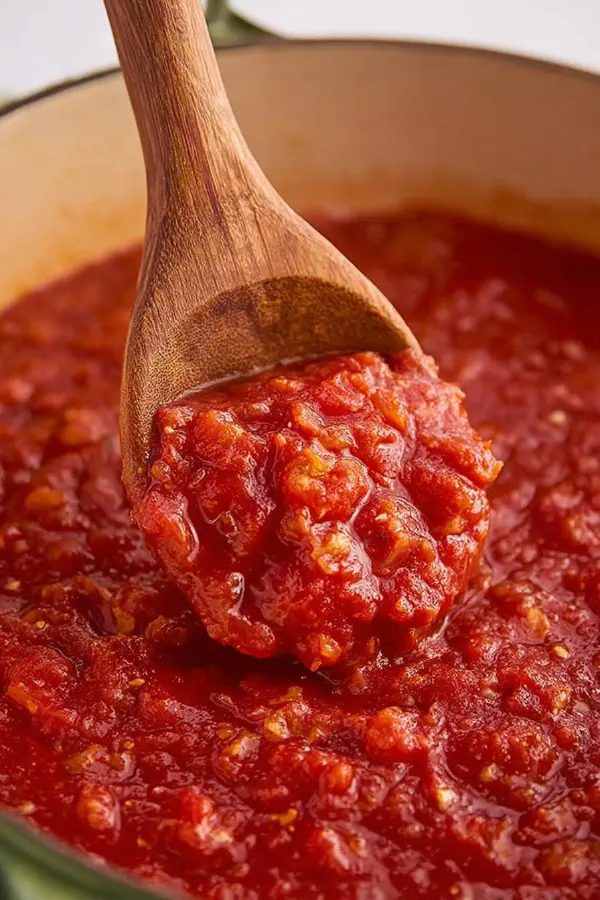
A hands-on robust red sauce with softened onions and gently simmered fire-roasted tomatoes. Staple pantry flavors paired with a touch of fresh oregano and balsamic vinegar for an unexpected depth. Cook low and slow, learning to read the sauce’s texture and aroma, not the clock. Will teach you to spot translucent onions, fragrant garlic, and the tell-tale bubbling edge signaling proper simmer. Adjust salt upfront to balance acidity; no overcooked mush here. Substitutions included for fresh vs canned and dry herbs. Notes on rescuing too-tart or watered-down sauces.
"
Prep:
15 min
Cook:
40 min
Total:
55 min
Serves:
6 servings
Italian
sauce
pasta
vegetarian
comfort food
Introduction
Onions slowly sweated to softness. Garlic hits hot oil releasing punchy aroma, the kind that wakes your taste buds before anything even hits the plate. Not just tomatoes slopped in a pot but a play of textures – fire-roasted crushed alongside diced for bite and complexity. Timing here is a suggestion, not law. Learn when sauce shimmers at the edges, smells sweet yet tangy, and thickens just enough to cling to your pasta fork. This isn’t about watching a clock but tuning in to the kitchen sounds and smells. Real cooks know when it’s done not by a timer but by subtle signals: onions shine translucent, garlic just fragrant, sauce reduces to deep ruby gloss. Small additions of dried oregano ground fresh at the end or a splash of balsamic vinegar keep it balanced. No mush, no bitterness, just the core of what a red sauce can be after years of practice and experimentation. We’ll swap tomatoes, cut salt, switch herbs, and throw in a twist that makes this familiar sauce sing in your kitchen.
Ingredients
About the ingredients
Olive oil is non-negotiable for flavor extraction and better mouthfeel. Onions diced fine but not minced – enough to dissolve slowly but still register in the sauce. If you lack fire-roasted tomatoes, regular crushed plus a teaspoon smoked paprika or chipotle powder works in a pinch. Garlic varies: fresh is best - canned minced or paste shifts texture and flavor profile, use sparingly to avoid overpowering. Salt early to season onions but adjust after simmer to balance acidity now that vinegar or oregano may affect taste. Dried oregano holds flavor longer and brings earthiness; fresh oregano adds brightness but fade quickly, add last few minutes to retain punch. Balsamic vinegar is a secret weapon here, shine without sweetness or added sugar. Skip if you prefer a brighter, fresher sauce. Tomatoes in two cans create layers: crushed for body, diced for texture and bite. Make sure cans have juice intact—thick paste or drained tomatoes will yield a dry sauce.
Method
Technique Tips
Start with oil that’s hot enough to flickle a gentle sizzle when onions hit the pan but not smoking. Low and slow onions soften sugars without burning, key to avoiding bitter bits in final sauce. Work with aromatics carefully: garlic burns fast, so add only after onions are fully softened. Stir constantly as garlic releases its fragrance to prevent scorching. Tomatoes introduced cold may chill oil and slow cooking, so bring to temperature with heat medium, stirring to combine. Simmer uncovered lets sauce reduce and intensify flavor by evaporation; bubbling edges are your cue to adjust heat – too hard bubbles strip too much liquid, too little keeps sauce thin and bland. Taste the sauce post simmer, as salt or acidity might need a tweak. Vinegar is added near the end to avoid sharpness flattening with long heat. Thickness is visual and tactile: coat a spoon and note if it drips off quickly (too thin) or holds (right). Mistakes happen: sauce too thin? Crank heat briefly or add a spoon of tomato paste if on hand. Too acidic? Bicarbonate of soda pinch neutralizes but use cautiously to avoid flavor loss. Resting off heat lets flavors meld, texture settle before use.
Chef's Notes
- 💡 Oil heat? Flick a bit of onion in. If it sizzles but not smoking – perfect heat. Watch the onions: aim for translucent. No browning, flavor gets bitter. It's about softening sugars.
- 💡 Garlic hits hot oil next, fragrant and quick. Stir like a hawk. That garlic aroma? One minute is key. Don't let it burn. Once brown, there's no saving it.
- 💡 Combine fire-roasted crushed tomatoes and diced. Creates body plus textures. Adjust salt early for seasoning. Taste after simmer, acidity can shift quick. Balance it out.
- 💡 Thickness is all visual. Coat spoon, note if it drips fast (too thin). If holding... good. Too thick? Splash of broth or water helps. Simmer down till just right.
- 💡 Too acidic? Balsamic last resort, tames sharpness. Go slow, add a splash, let meld. Avoid adding too early; vinegar can change under long heat.
Kitchen Wisdom
How long should I simmer the sauce?
Simmer uncovered 35-40 minutes. Watch edges bubble gently. That’s the signal for reduction. No one timeline here.
I don't have fire-roasted tomatoes, what can I use instead?
Regular crushed will work. Add a teaspoon of smoked paprika or chipotle. Subtle heat brings depth.
What if my sauce is too tangy?
First, taste for salt balance. Then, splash balsamic vinegar to soften acidity. Avoid sharpness, keeps flavor intact.
Can I store the sauce for later?
Absolutely. Cool it fast; refrigerate max 5 days. Freeze in portions if needed. Thaw slowly, reheat gently.