Featured Recipe
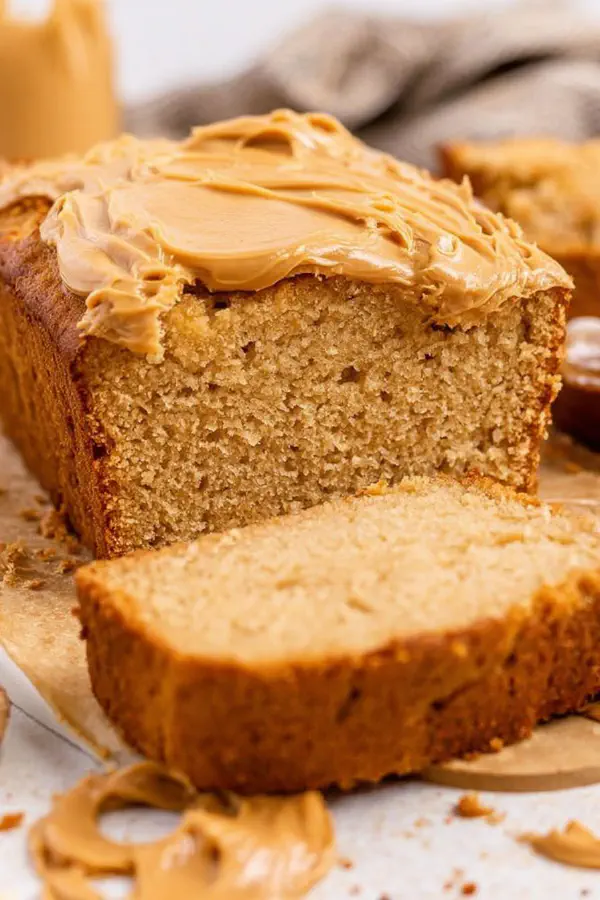
Rustic Peanut Butter Loaf
By Kate
"
Dense, nutty loaf with hearty oats and a hint of maple syrup replacing some sugar. Oats swapped in for a portion of flour to boost texture and fiber. Milk swapped with oat milk for subtle creaminess and dairy-free option. Egg whites add lift while keeping richness balanced. Bake until knife poked in comes out mostly clean, crumbly edges signal doneness. Resting crucial to redistribute moisture before slicing. Parchment keeps crust even and helps release. Whirring egg and wet ingredients first creates aeration; dry added slow prevents clumps. Woodsy peanut aroma fills the kitchen by quarter hour mark. A honey drizzle or sliced apples top well.
"
Prep:
15 min
Cook:
1h 15min
Total:
1h 30min
Serves:
10 servings
bread
baking
snacks
healthy
Introduction
Peanut butter bread, but reworked. No fluff. Straight shooter—dense, rich with texture not too sweet. Maple syrup swaps sugar, gentle sweetness with depth. Oats plus some flour makes crumb interesting, chew not mush. Oat milk helps dairy-free folk and adds creaminess, no curdle risk. Eggs whipped to disperse fat and air, keep loaf from heavy slump. Method matters; layer steps to control mixing power. Temperature of the oven, exact placement, all count. Loaf smells nutty deep in while baking, crust crisping to brown. Break apart warm? Too crumbly. Wait till cool. Slice with serrated to avoid smush. Seasoned baker’s tips tucked in for real kitchens. Reliable on any stove, any tool. Practical plus tricks for common fails and swaps. Forget box mixes, follow this.
Ingredients
In The Same Category · Morning Favorites
Explore all →
Spiced Pumpkin Waffles
Apple Carrot Breakfast Bars
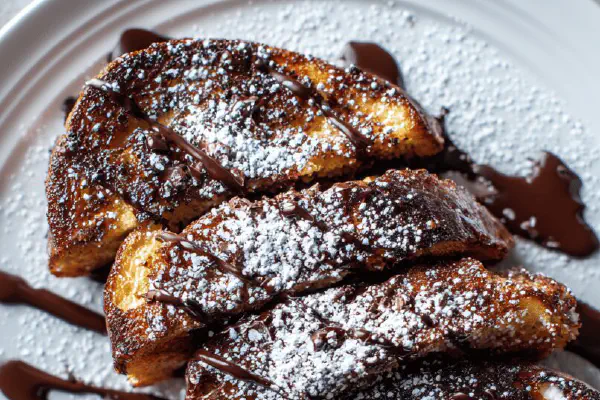
Chocolate Pain Doré
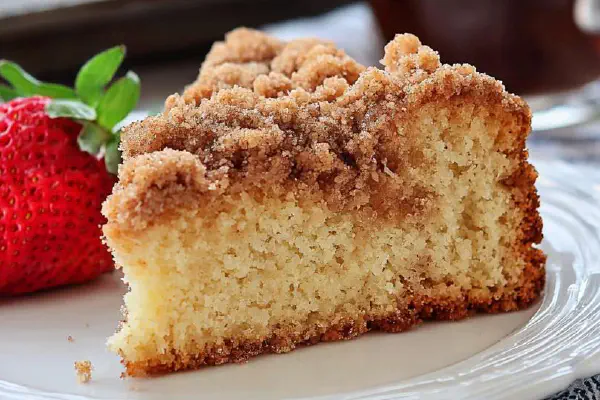
Maple Streusel Coffee Cake

Hearty Morning Flatbread

Gluten-Free Corn Crepes

Panettone French Toast Twist
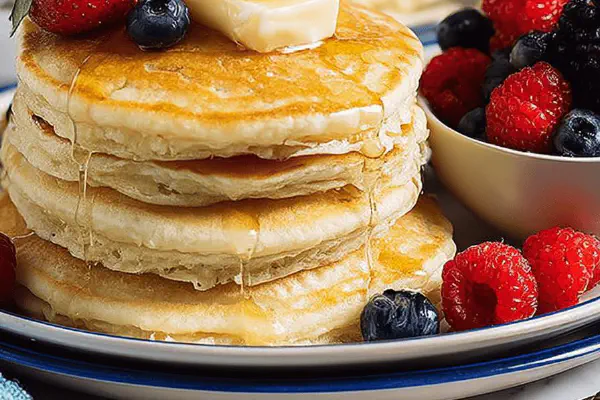
Buttermilk Pancakes Remix
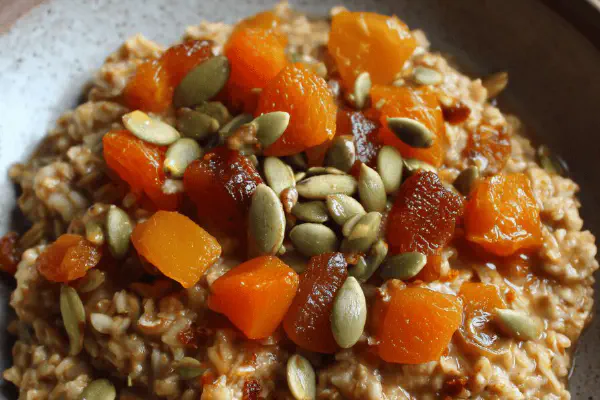
Oatmeal Date Bowl
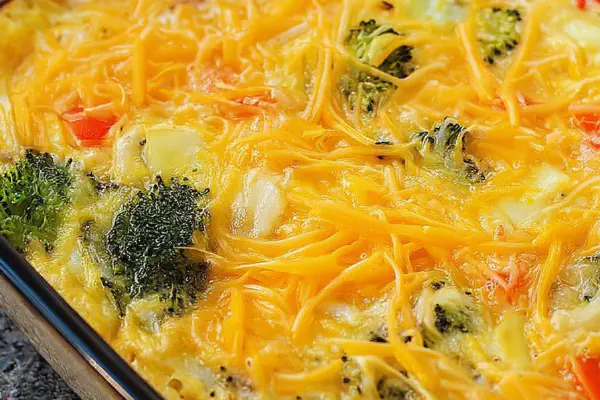
Cheesy Veggie Breakfast Bake

Spinach Mushroom Egg Bites

Hearty Club Breakfast

Mascarpone-Stuffed Brioche Toast
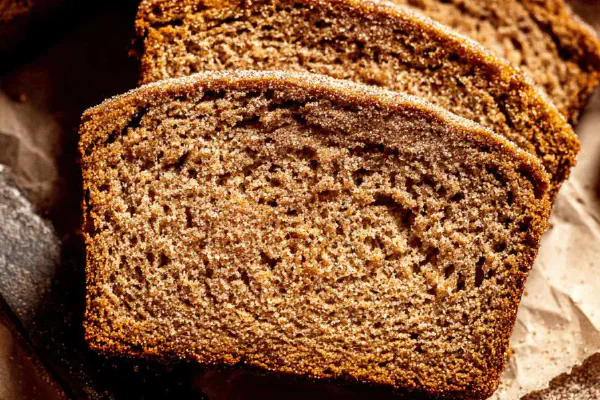
Apple Cider Cinnamon Loaf
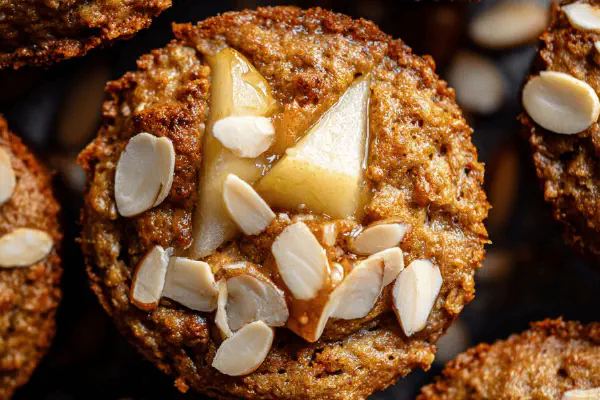
Pear Almond Muffins with Oats
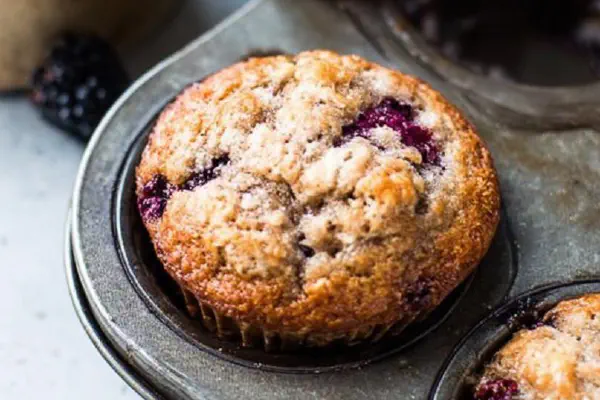
Blackberry Yogurt Muffins

Twist Funfetti Flapjacks

Savory Breakfast Sliders
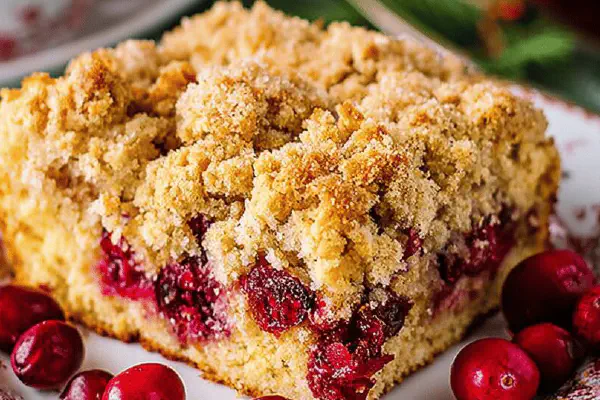
Tart Cranberry Coffee Cake

Buttermilk Cornstarch Waffles
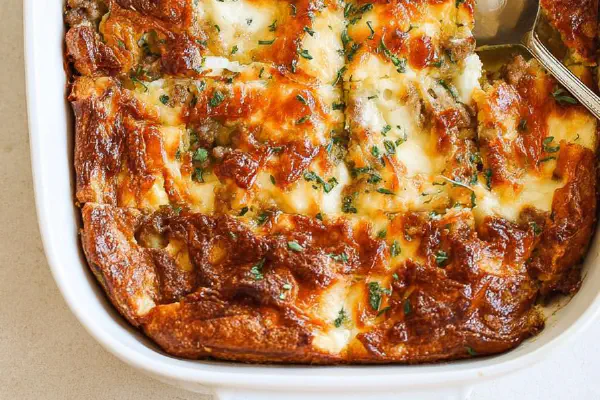
Sausage Croissant Bake

Asparagus Milk Crepes
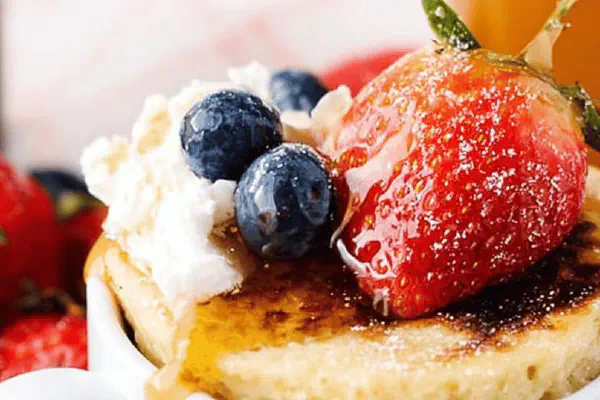
Microwave Mug Pancake Remix
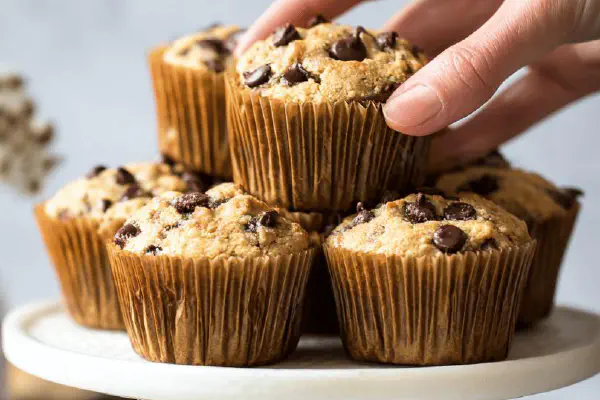
Banana Almond Muffins

Breakfast Egg Cheese Muffins

Creamy Soft Scramble
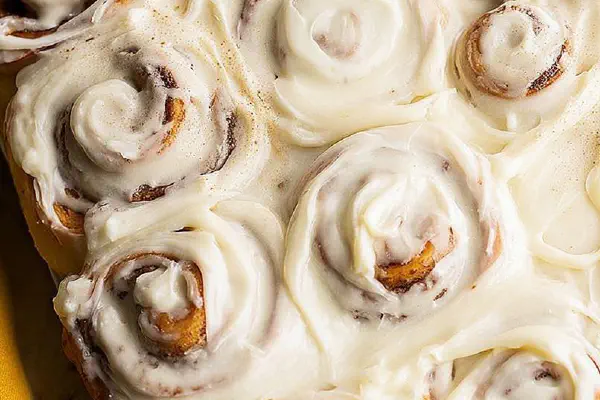
Sheet Pan Cinnamon Rolls Remix
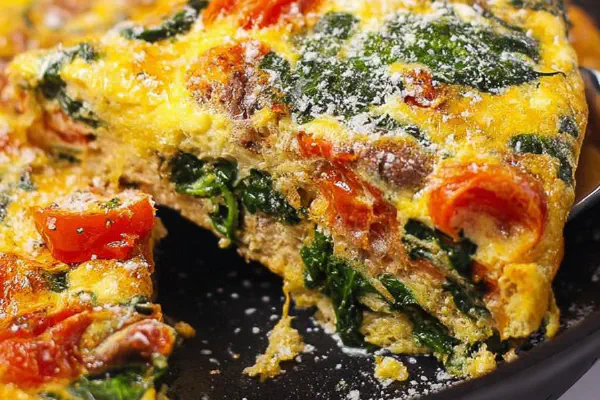
Tomato Spinach Frittata Twist
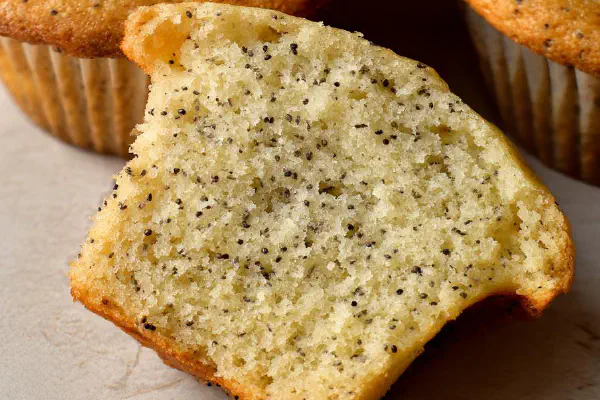
Almond Poppyseed Jumbo Muffins
About the ingredients
Maple syrup is more than sweetener—adds moisture and subtle flavor. Can sub honey or light molasses but texture shifts accordingly. Natural peanut butter preferred, no added sugar or oil for pure nut taste and right fat balance. Oat milk chosen for creaminess without dairy proteins that curdle under heat—swap almond or soy but watch texture. Eggs provide structure but egg white supplemental gives lift, fluff without richness loss. Baking powder activates leavening; fresh essential for rise. Oats not instant; rolled or steel cut better. Flour amount balanced with oats to avoid gummy loaf. Salt accentuates nut flavors. Parchment essential to prevent crust sticking; spray pans poorly reliable.
Method
Preparation
- Slide rack to center. Preheat oven to 345°F. Let it fully come to temp. Nonstick spray on 8×4 loaf pan. Cut parchment to size; loosely fit pan to prevent sticking and crisp edges.
- In a sturdy blender or food processor, combine oat milk, maple syrup, peanut butter, whole eggs, plus egg white for volume. Pulse 1-2 minutes until thick, glossy, and homogeneous. Listen for motor sound to lighten; this step whips in air, critical for texture.
- Dump in flour, rolled oats, baking powder, salt gradually. Short blasts to integrate fully but do not overmix; stops gluten bumps, keeps crumb tender. For low-powered machines, add dry ingredients in small increments.
- Scrape batter carefully into prepared pan. Surface wet, lumpy is fine; don’t smooth aggressively. Slide into oven. Expect around 1 hour 15 minutes, but start checking at 1 hour - test center with toothpick: few moist crumbs are fine, raw batter not. Should spring back lightly to touch.
- Remove from oven. Leave loaf in pan on cooling rack for 10 minutes. This resting period firms structure preventing collapse or cracking when unmolded. After, gently lift out using parchment edges. Cool completely on wire rack before slicing — warm loaf can gum up knife.
- Toast slices for extra crunch and aroma. Consider toppings like creamed honey, sliced pears, or a smear of creamy peanut butter. Store wrapped tightly at room temp up to 3 days or freeze slices individually.
- If batter runs thin, add a tablespoon extra flour or oats to thicken. Low oven temps cause gummy centers; use oven thermometer to verify heat. Over-beating leads to tough crumb; pulse carefully. Peanut butter natural oils can separate in fridge – bring loaf to room temperature before serving to restore moisture and flavor.
- Try almond butter instead of peanut butter for a milder tone. Substitute oat milk with coconut milk for subtle sweetness. Add 1/4 cup chopped roasted peanuts or dark chocolate chunks into batter for texture contrast.
Mix Wet
Add Dry
Bake
Rest & Cool
Serving
Troubleshooting & Tips
Variations
Technique Tips
Start prepping oven and pans early—no waiting after mix. Proper pan prep key; parchment edges let you lift out loaf easily. Blending wet ingredients first avoids streaky batter; helps peanut butter fully incorporate with milk and eggs. Gradual dry addition critical once added all at once can clump or strain processor. Watch motor sound as clue for adequate mixing; too long causes overworked batter and tough bread. Baking time a guide but toothpick test best—moist crumbs better than wet batter. Let loaf rest for 10 minutes in pan to set crumb before removing, else breaks. Cool fully on rack or bread soggy and hard to cut. Slice serrated to score clean edges. Storing wrapped keeps loaf moist; fridge less ideal as fats solidify, making crumb firm. Add-ins folded in last for texture contrast, no extra blending.
Chef's Notes
- 💡 Start mixing wet & dry separately. Helps aerate batter. Blend long enough till smooth, but not too long or dough gets tough. Use toothpick check.
- 💡 If loaf crumbles, let it cool completely. Warm bread sticks to knife. Opt for serrated knife. Clean edges or messy slices. Cool down, patience required.
- 💡 Feeling dry? Oats absorb moisture, add a bit of oat milk or maple syrup. Check batter consistency—should be thick, not runny. Adjust slowly.
- 💡 Use parchment paper to avoid sticking. Cuts down on cleanup. Crisp edges are great, but you want a crust, not burned. Watch closely at end.
- 💡 Egg whites give lift—whip 'em right, volumize without rich heaviness. Blend gently; beating too much—tough texture. Keep an eye on sound while mixing.
Kitchen Wisdom
How to store leftover loaf?
Wrap tightly, keeps for 3 days at room temp. Freezing slices works too, defrost when ready. Not fridge though.
What if batter is too thin?
Add more flour slowly, keep texture thick. Runny means heavy loaf, not fluffy. Adjust until mix feels right.
Why did my bread sink?
Oven temp too low? Or maybe over-mixed. Mix in small bursts; watch mixing sound. Fresh baking powder is key.
Can I swap ingredients?
Sure! Almond butter works for a milder taste. Try coconut milk instead of oat milk for sweetness, but can alter texture.
You’ll Love These Too
Explore all →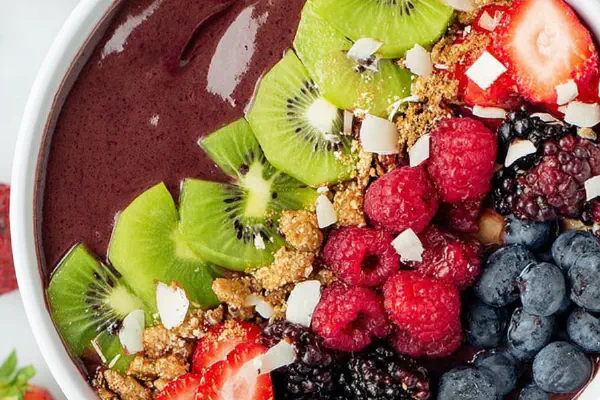
Beet Berry Acai Bowl

Spicy Pickled Jalapeños

Strawberry Rum Shots

Flaxseed Crust Mix
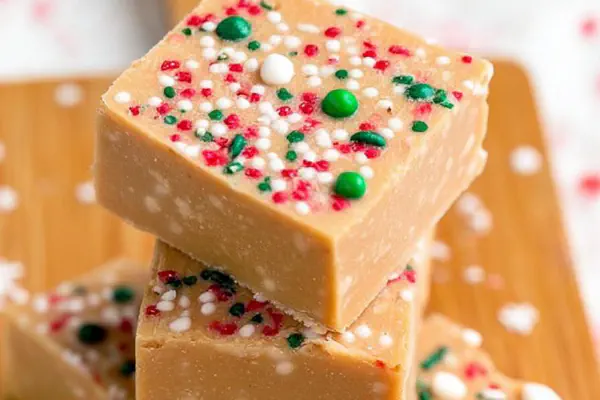
Gingerbread White Fudge Remix
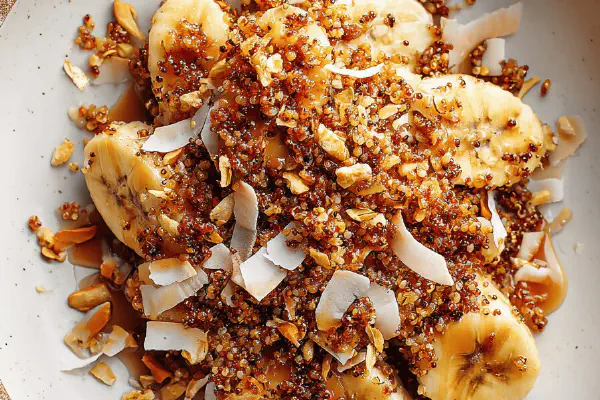
Caramelized Banana Sesame Crunch
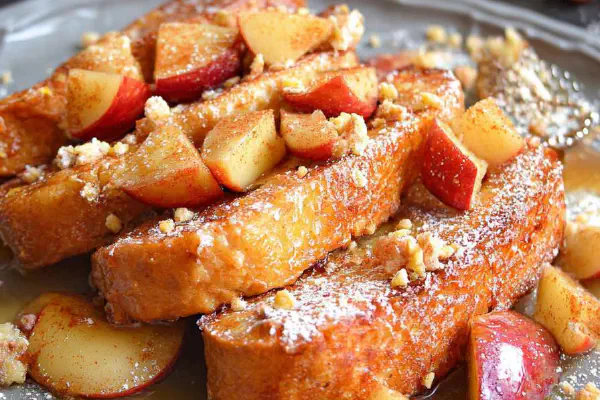
Apple Cinnamon French Toast

Spicy Fish Tacos Twist
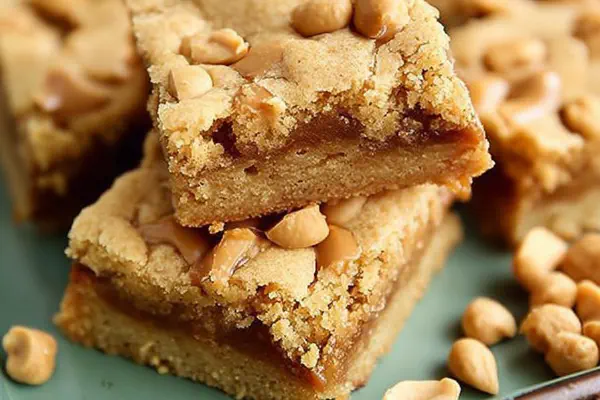
Chunky Peanut Bars
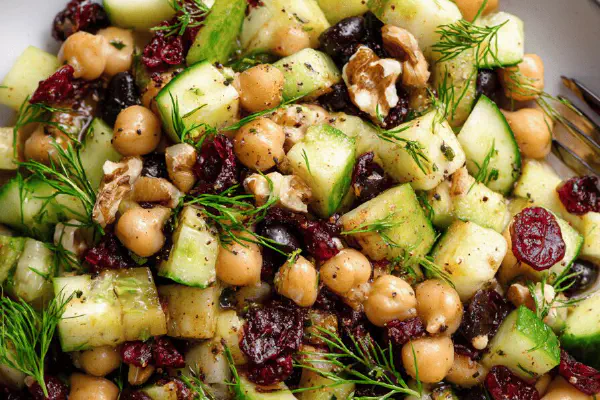
Legume Apple Cranberry Salad

Chicken pot with fall greens

Sun-dried Caprese Burger

Sausage Stuffed Peppers Twist
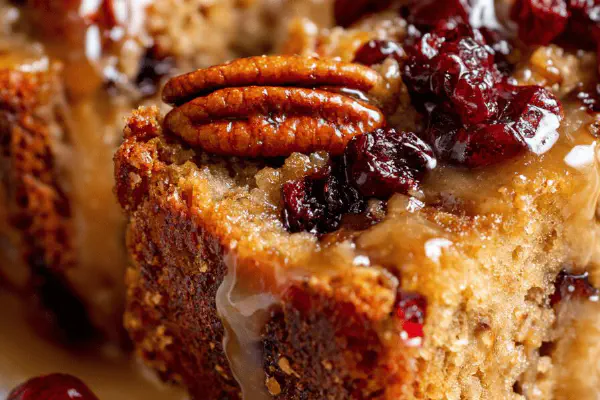
Apple Pecan Loaf with Maple Glaze
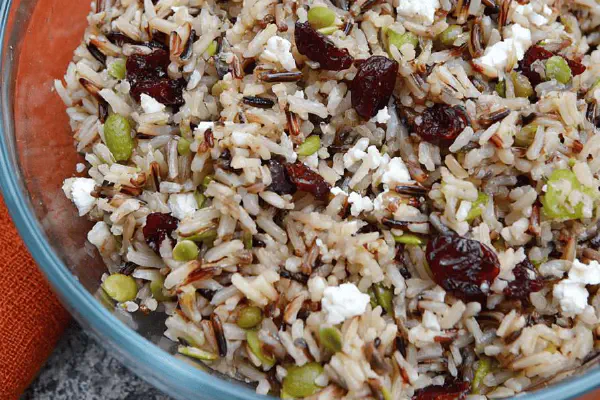
Citrus Wild Grain Mix
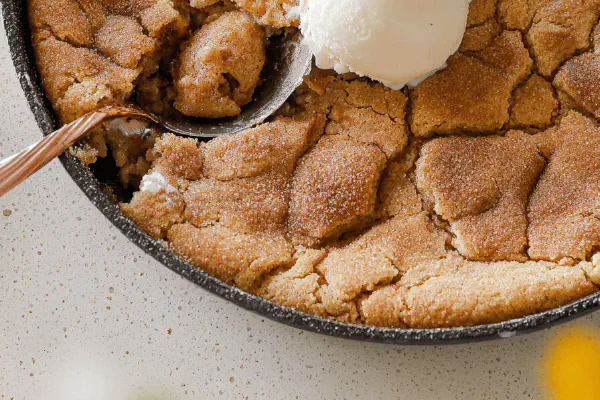
Brown Butter Snickerdoodle Skillet
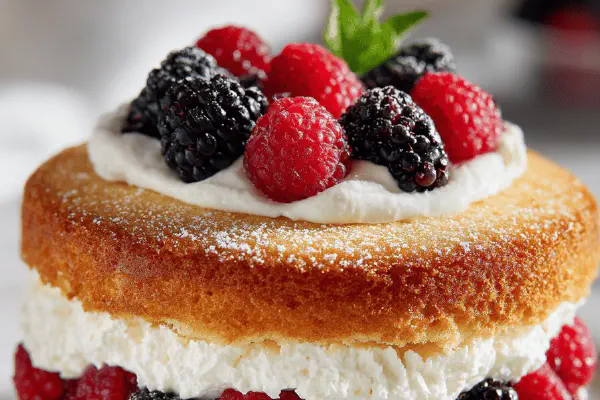
Raspberry Whoopie Pies Twist
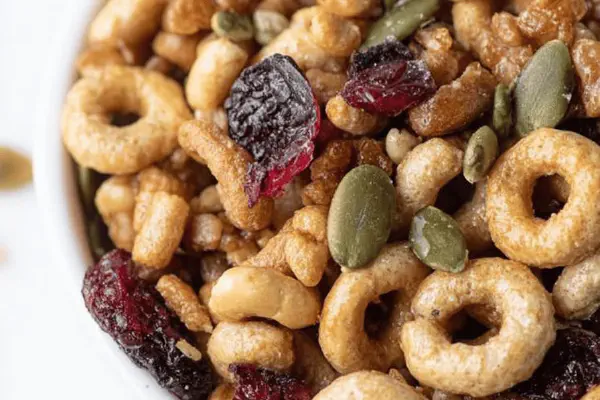
Nutty Berry Trail Mix
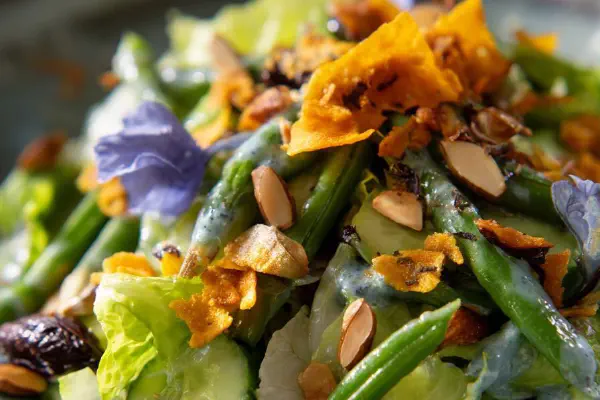
Crunchy Lime Veggie Salad

Grilled Veggie Salad with Goat Cheese

Sausage Rapini Subs
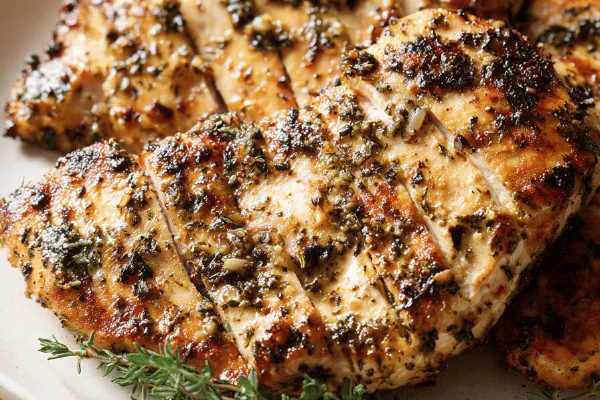
Buttermilk Mustard Marinade
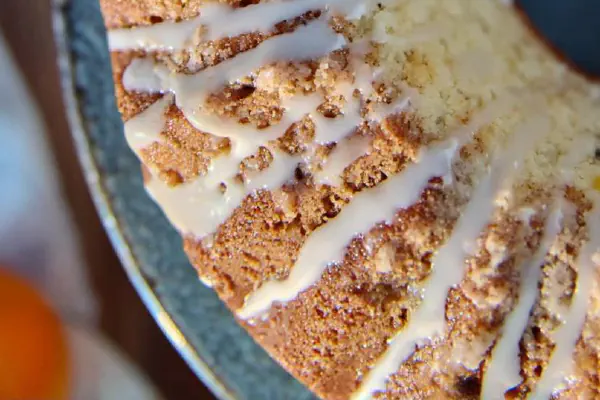
Sour Cream Coffee Cake Remix

Twist Tie-Dye Cookies
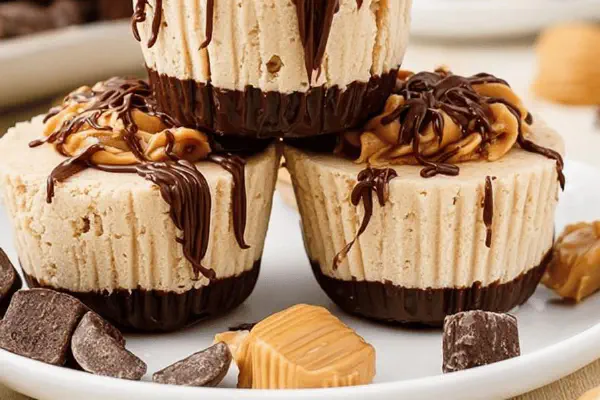
Mini Peanut Butter Cheesecakes

Chocolate Ganache Bites
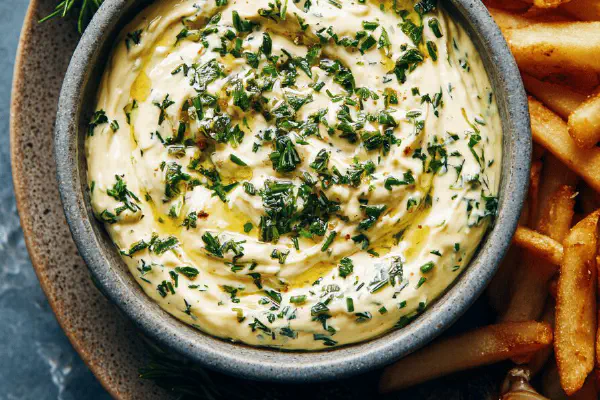
Garlic Herb Aioli

Pork Chops Sweet-Sour Sauce

Crunchy Mozzarella Sticks
