Featured Recipe
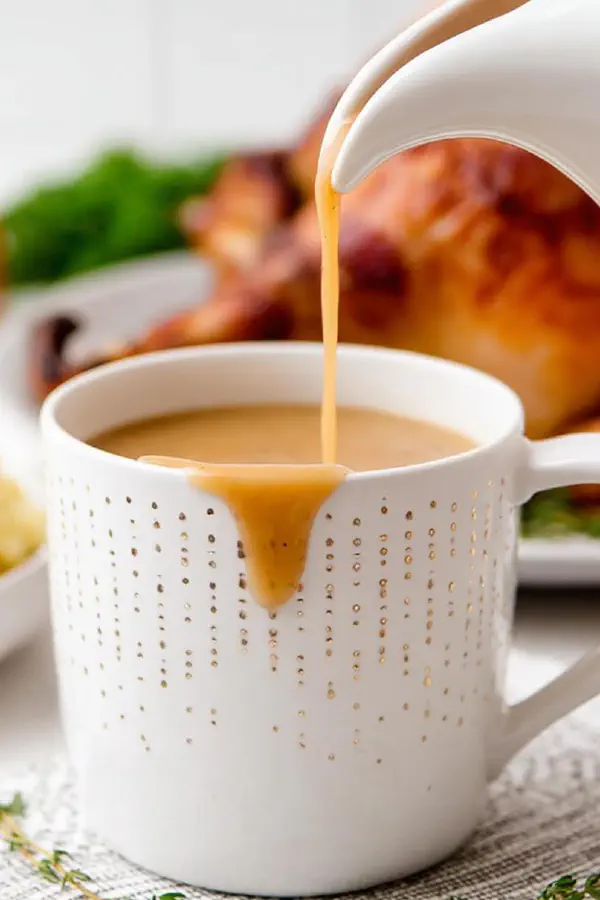
Rustic Turkey Gravy
By Kate
"
Butter melted, flour whisked into a roux browning lightly for nuttiness. Slowly whisk in turkey broth and pan drippings—thickening gradually, aroma deepening. Salt and black pepper added cautiously to balance, not overpower. Optional thyme or sage for layers of flavor. Heating carefully until consistency just right—thick enough to coat, loose enough to drizzle. Adjust with broth or cornstarch slurry for fixes. Common hiccups? Too thin add slurry or reduce. Too thick whisk in broth. Salty? Dilute with water or unsalted broth. Always taste, tweak, no shortcuts. Use stock or broth substitutions, tips for drippings. Classic technique, reliable results every time.
"
Prep:
7 min
Cook:
13 min
Total:
20 min
Serves:
8 servings
gravy
thanksgiving
sauces
turkey
comfort food
Introduction
Gravy not just about pouring. Technique counts. Butter melts, flour dusts. Color changes show progress—watch roux like a hawk. Browning roux? Critical step. Raw flour taste wrecks dish. Slowly whisk liquids to dodge lumps—patience pays off. Pan drippings add depth—but salty traps lurk. Add salt cautiously, taste repeatedly. Optional herbs give complexity without fuss. Texture tricks—too thin? Slurry help. Too thick? Broth rescue. Sounds—soft bubbling hints close to finish. Visual cues—smooth sheen on spoon back. Kitchen smells fill room. Experience teaches these signs. Know your gravy. Kitchen failures happen; backup plans key. Classic recipe noodled on for years—here’s what works.
Ingredients
In The Same Category · Flavor Boosters
Explore all →
Cola BBQ Sauce Remix

Lobster Oil Twist
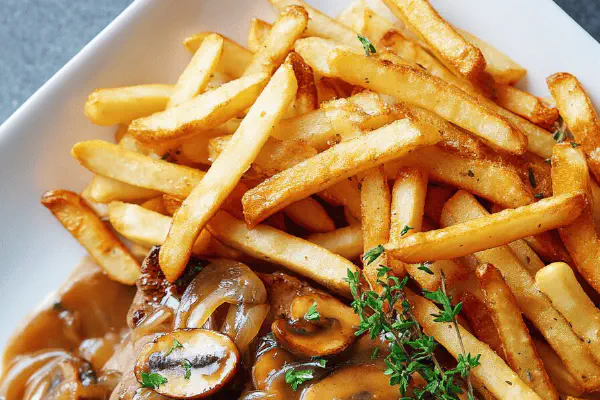
Quick Brown Gravy Twist
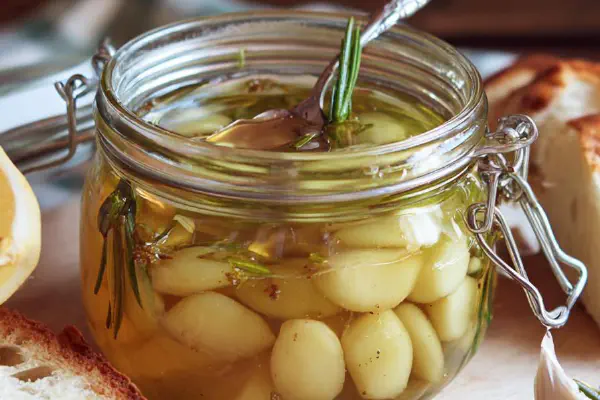
Slow-Roasted Garlic & Herb Oil
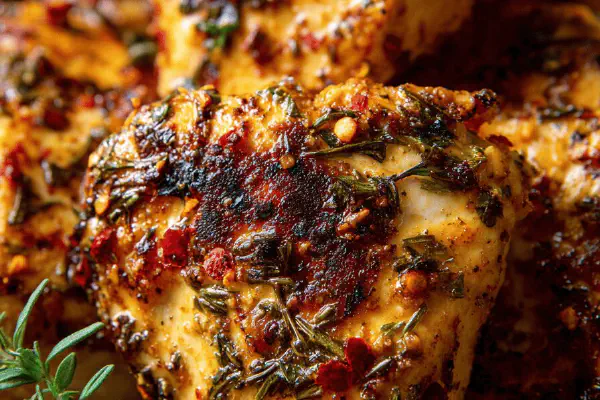
Twisted Shish Taouk Marinade
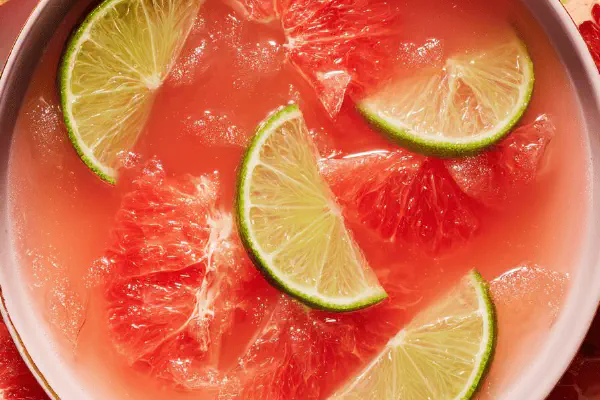
Grapefruit Ginger Syrup Twist
Pumpkin Spice Caramel Syrup
Quick Pickled Jalapeños
Custom Poultry Blend
Smoky Citrus Fajita Rub
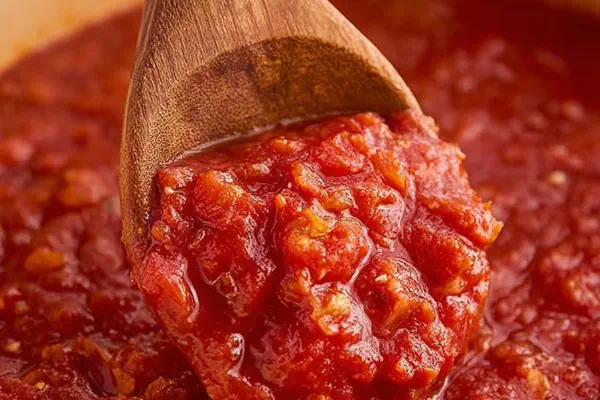
Rustic Garlicky Tomato Sauce
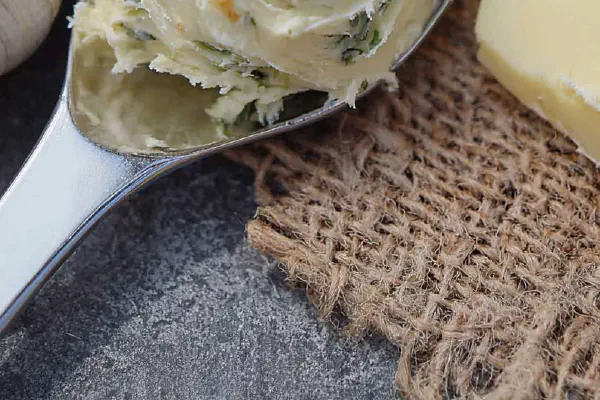
Whiskey-Chive Butter
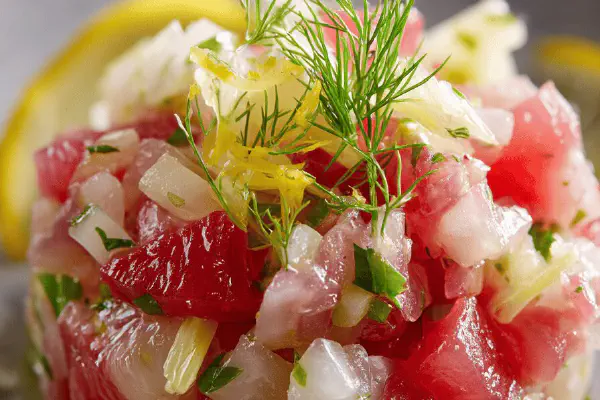
Vodka Orange Fennel Mignonette
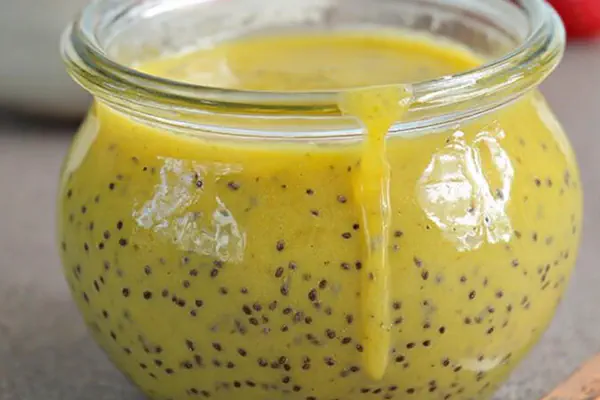
Tangy Poppy Seed Drizzle
Vietnamese Fondue Sauces Remix
Maple Beer Aioli

Vanilla Vodka Extract
Garlic Herb Aioli
Zesty Coriander Sauce

Citrus Syrup Remix

Garlic Citrus Emulsion
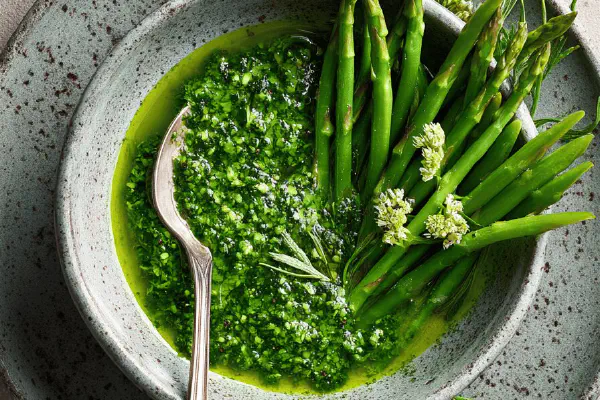
Spicy Herb Coriander Sauce
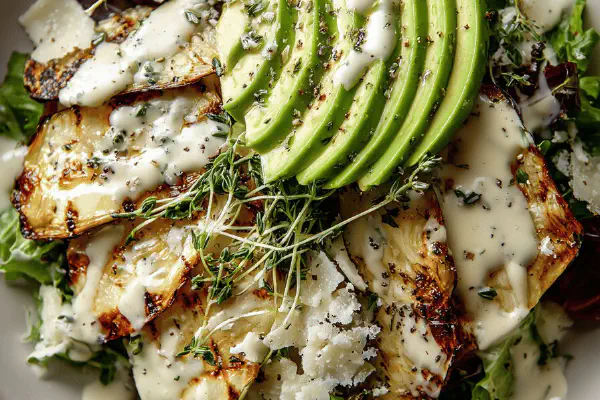
Parmesan Herb Vinaigrette
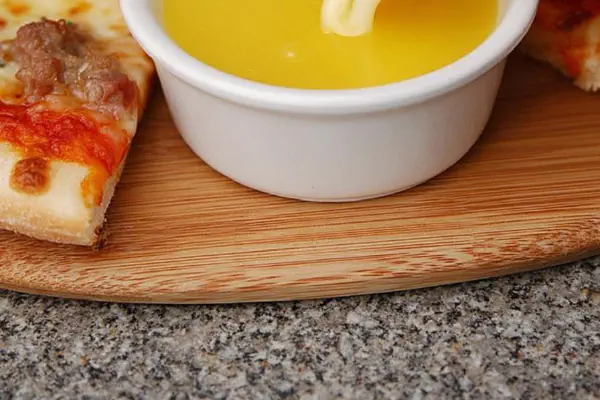
Garlic Butter Sauce Twist
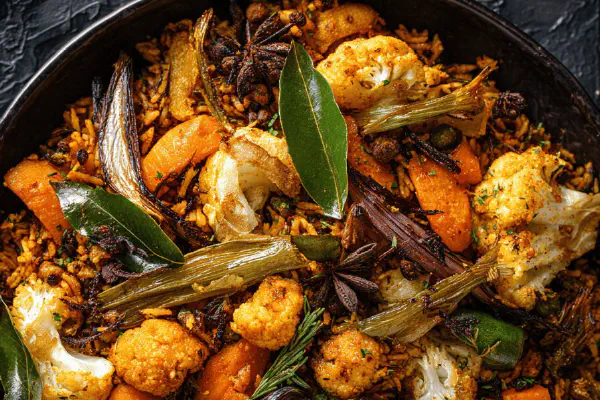
Caribbean Spice Blend Remix
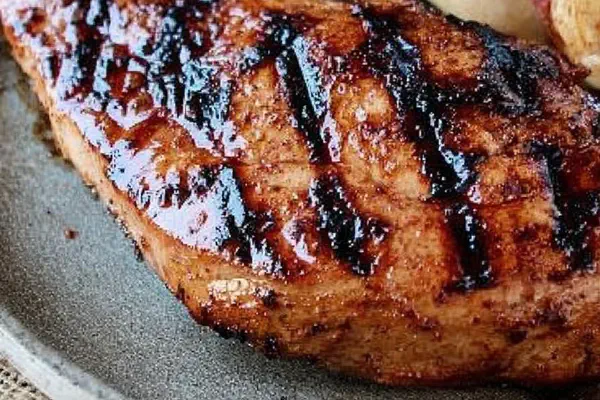
Savory Citrus Herb Marinade
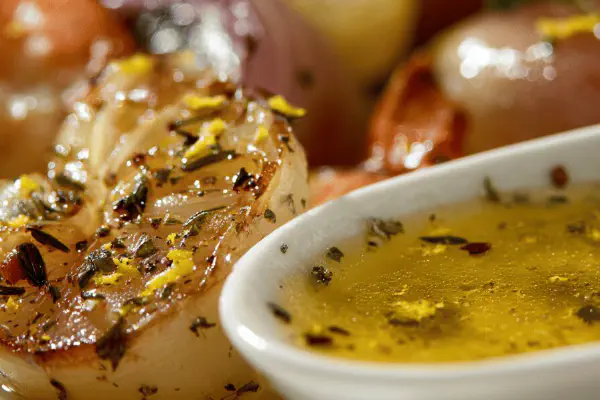
Twisted Beurre Blanc
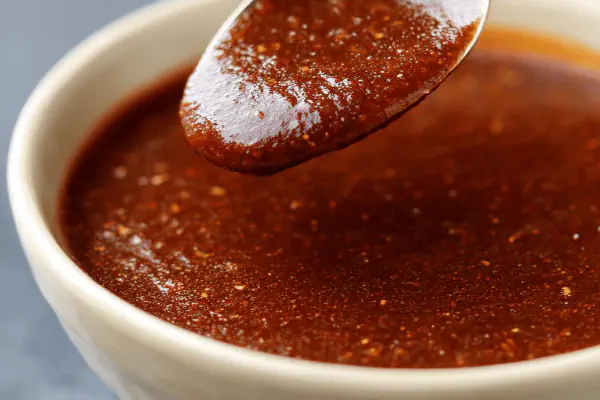
Smoky Kentucky BBQ Sauce
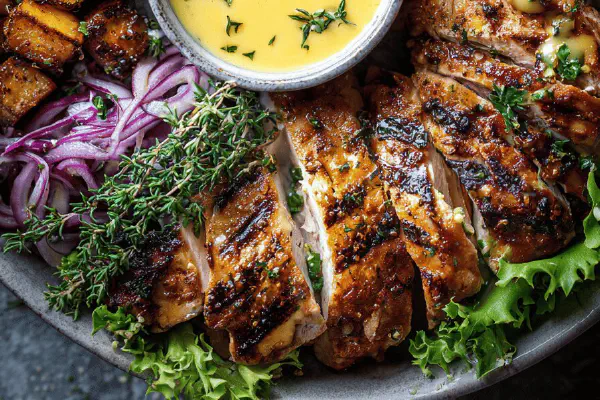
Mustard Maple Vinaigrette
About the ingredients
Butter can be salted if unsalted not at hand; reduce added salt accordingly. Flour all-purpose best, but whole wheat adds nuttiness—expect darker color and more robust flavor. Broth choice impacts gravy character—turkey pan drippings prized, but chicken or beef broth fine stand-ins if needed. Low-sodium preferred due to salt adjustments. Dried herbs optional but recommended for dimension—thyme classic addition; garlic powder adds subtle warmth without overpowering. Measuring liquids precisely less crucial than watching thickening progress—adjust visually and texturally. Cornstarch slurry reliable fix for thin gravy—mix cold, add slowly, whisk hard or risk lumps. Stock or broth temperature straight from fridge slows thickening—best if warmed slightly before adding. Keep extras of broth on hand for last-minute corrections. If pan drippings heavily fatty, skim excess for cleaner gravy.
Method
Technique Tips
Melting butter first controls fat and flavor base; overheating burns it, ruining subtlety. Whisking flour immediately prevents clumps and ensures uniform roux, which adds body and flavor depth. Watching color shift from pale to light gold is key—dark brown leads to bitterness, pale leaves raw taste. Adding broth slowly while whisking avoids grainy lumps—do not dump all liquid at once. Turbulent whisking creates emulsification, smooth consistency. Salt added gradually prevents oversalting—a little goes long way especially with drippings. Herbs folded in mid-heat release aromas without tough bits in final product. Heating on medium-low after liquid addition refines texture without scorching. Testing thickness by spoon coating best tactile guide. Cornstarch slurry serves as emergency thickener—add carefully, no clumps. If gravy breaks (fat separates), warm gently and whisk vigorously to recombine. When done, gravy should shimmer slightly, pour smoothly, cling modestly to carved meat. Serve immediately, or hold warm gently to avoid skin formation.
Chef's Notes
- 💡 Watch for butter melting. Break down each step. It foams, then nutty aroma. Then add flour. Whisk constantly, avoid lumps. Color matters. Golden hue builds flavor.
- 💡 Seasoning is key. Salt adds depth but can overpower. Pan drippings usually salty. Ease in, taste often. Adjust slowly. Balance is vital for rich taste without overwhelm.
- 💡 Cornstarch for thin gravy? Mix one teaspoon with cold water. Gradual add. Whisk hard until thickened. Don’t rush. Avoid clumps. Always keep broth handy for adjustments.
- 💡 Texture troubles? If grainy, strain it out. Too thick? Broth splash in—whisk it. If too thin, slurry works, but watch for lumps. Patience counts. Visual cues guide.
- 💡 When done, surface shimmers. Spoon coats well but flows. Watch for smoothness. Serve immediately or keep warm. No heat means skin forms. Focus on texture.
Kitchen Wisdom
How to fix a salty gravy?
Add water or unsalted broth. Dilute slowly. Avoid big changes. Don’t ruin the base. Taste often during adjustments.
What can I substitute for turkey drippings?
Use beef or chicken broth. Skip added salt if broth salty. Flavor varies but works. Watch from there.
How do I store leftover gravy?
Fridge for up to four days. Freezer? Months. Reheat slowly. Whisk well. Adjust consistency after thawing. Keep it simple.
Trouble with lumps?
Strain out lumps first. Then whisk harder during gravy cooking. If roux not smooth, fix immediately. Keep whisking. It's all about consistency.
You’ll Love These Too
Explore all →
Buffalo Chicken Wonton Cups
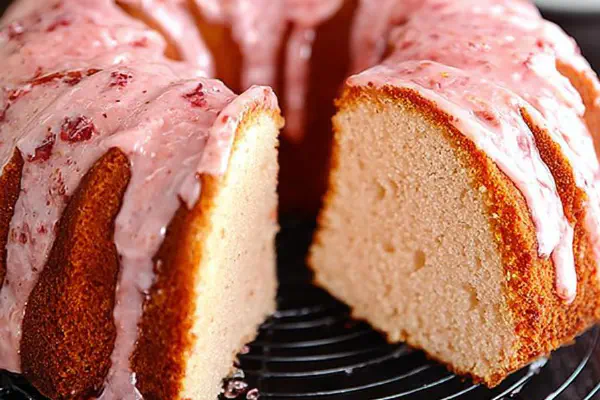
Strawberry Jam Pound Cake Remix
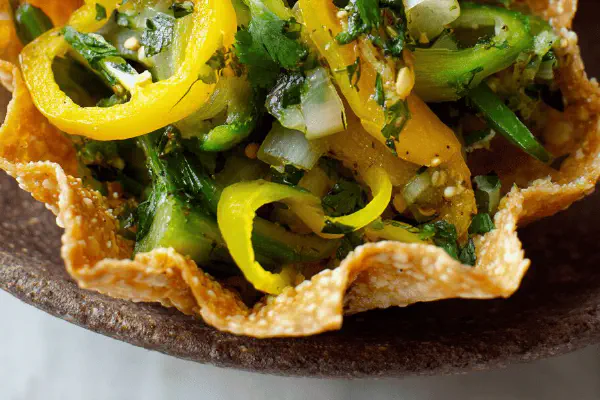
Cactus Salad with Tortilla Bowls
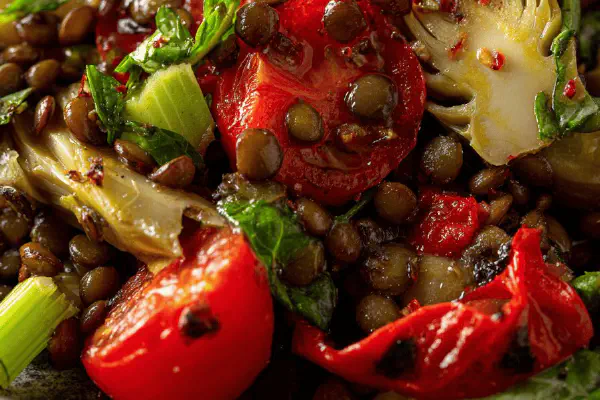
Lentil Veggie Salad Twist

Loaded Crispy Tot Nachos
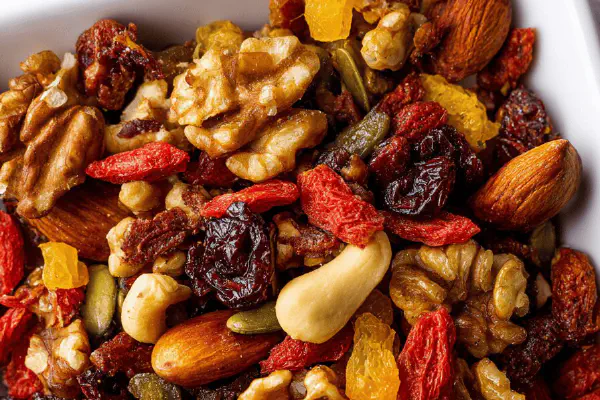
Trail Mix Remix
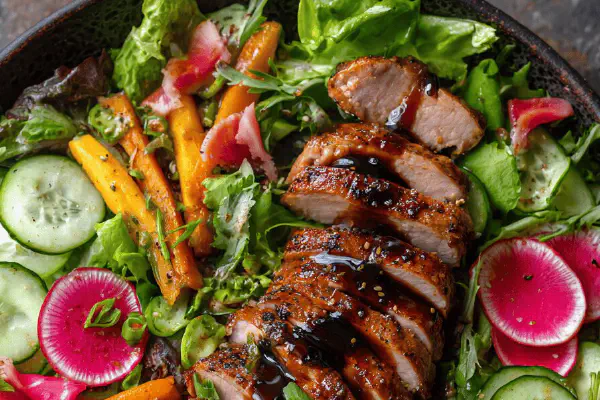
Glazed Pork Salad
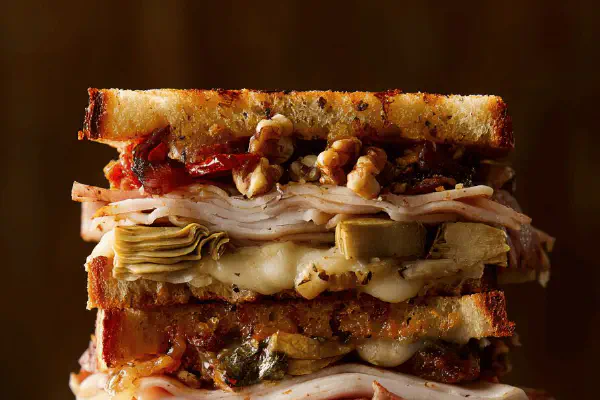
Hearty Layered Sandwich
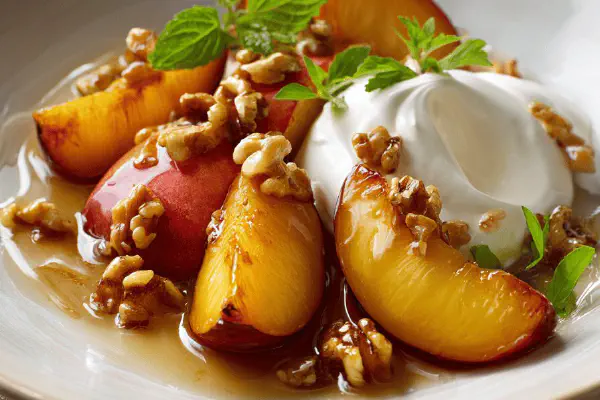
Caramelized Peaches Maple Chantilly

Festive Layered Dunkaroo Dip
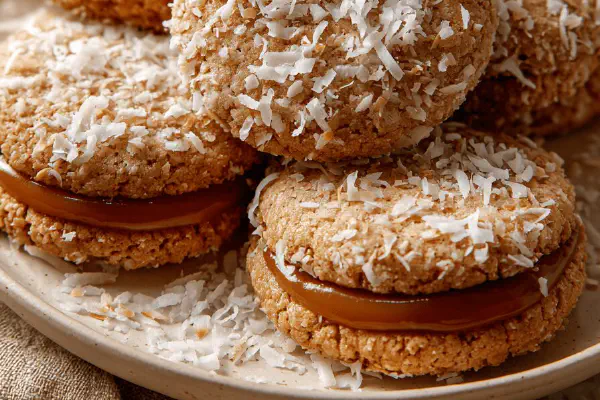
Soft Dulce de Leche Sandwiches

Crispy Caesar Salad
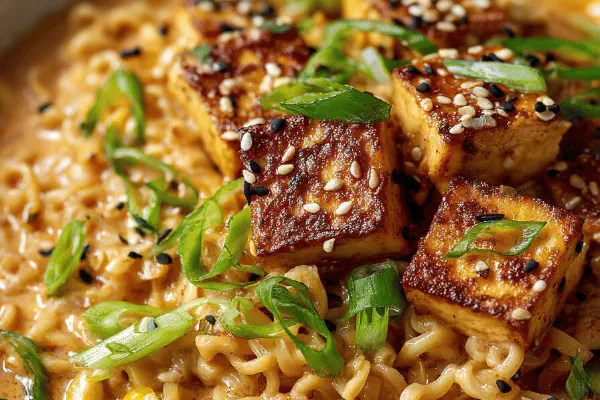
Creamy Red Curry Ramen
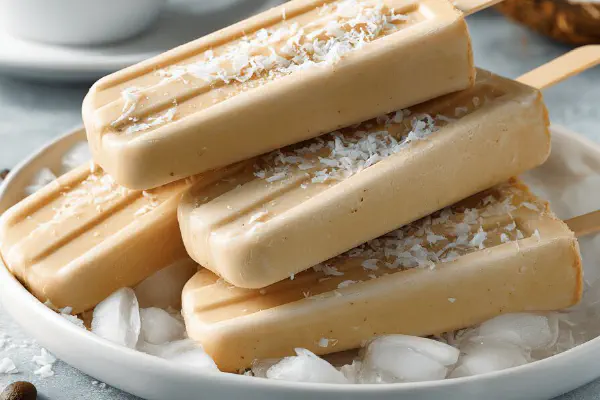
Chilled White Chocolate Coffee
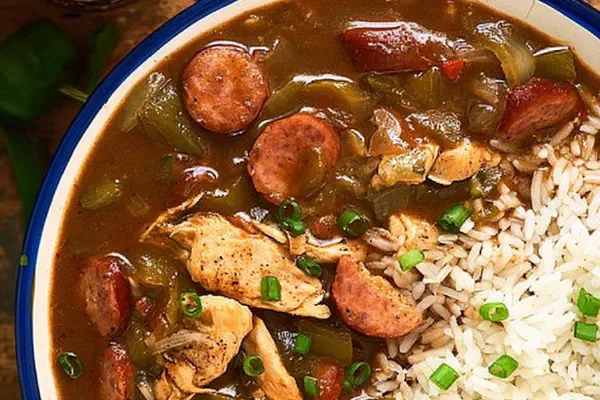
Chicken And Andouille Gumbo
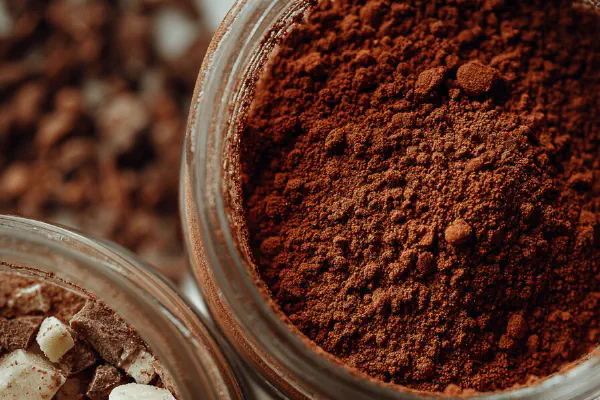
Winter Cocoa Mix

Smoky Chipotle Chicken Nachos
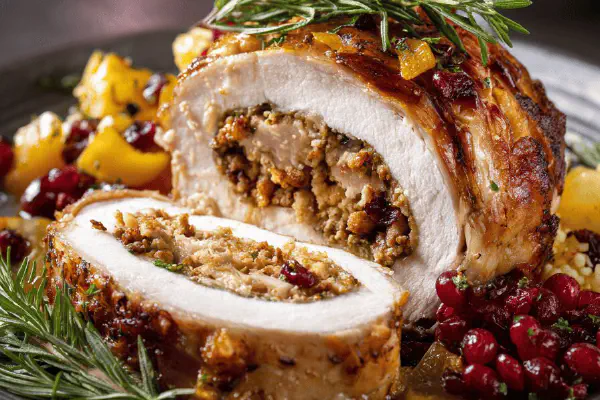
Holiday Turkey Roast
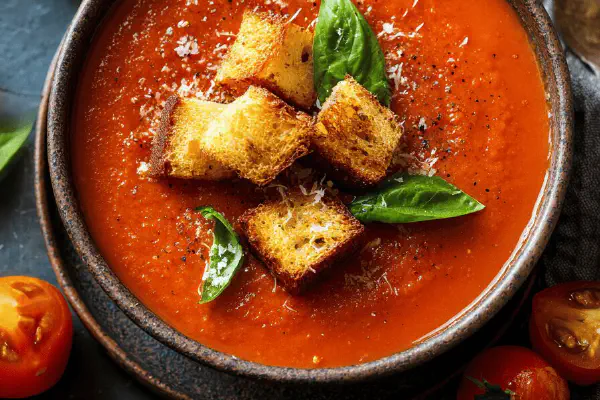
Roasted Tomato Soup with Croissant Croutons

No Bake Citrus Swirl Cheesecake
Amish Sugar Cookies Remix
Flourless PB Chocolate Chip Cookies
Altered Peanut Cookies
Rustic Garlic Potato Purée
Twisted Bread Pudding

Braised Pork Duck Tourtière
Triple Cheese Parmesan Fondue Bites
Crispy Spicy Fried Pickles
Pumpkin Spice Rolls Remix