Featured Recipe
Sausage Wrapped Eggs
By Kate
"
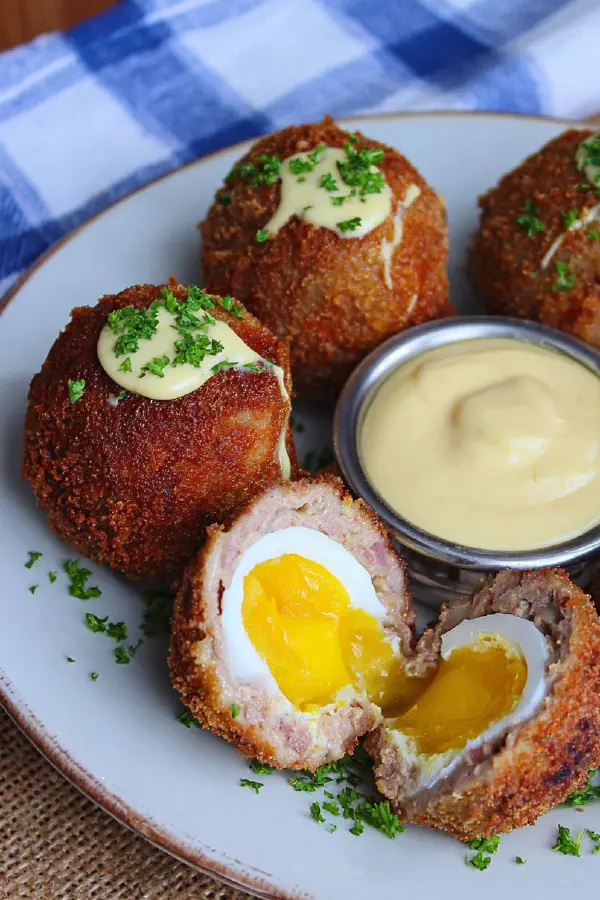
Hard boiled eggs cloaked in a spiced pork mixture, crumb coated, then shallow fried until a crunchy crust forms. The mustard folded into the meat adds a subtle tang, while Parmesan in the crumbs offers an unexpectedly sharp note. The method involves layering flour, egg wash, and a mix of breadcrumbs with cheese for a balanced crust. Oil temperature plays a critical role to avoid undercooked centers or scorched shells. Ideal for brunch or picnic fare. Variations include swapping pork sausage for chicken or vegetarian sausage, and adding herbs or spices for complexity.
"
Prep:
12 min
Cook:
15 min
Total:
27 min
Serves:
6 servings
brunch
snack
finger food
pub food
easy recipe
Introduction
Sausage wrapped eggs, a classic pub snack, takes a few tricks to nail. Not just rolling meat around an egg, but understanding how the layers bind, crisp, and cook matters. Start with cold boiled eggs, carefully dried—wet shells sabotage breading. Mustard isn’t just there for flavor; it binds pork fat fat to meat and elevates depth. Oil temperature desperately important. Test constantly with a thermometer; you want a moderate sizzle, not a roar or a hiss. Too hot, the crust blackens and yolk stays raw. Too cool, egg bleeds grease, crust soggy. Texture is everything. Crackly crust hugging a juicy meaty layer with a soft fully set yolk inside. Tricks like rolling twice in flour and egg ensures exterior stays on during frying, while Parmesan-type cheese inside crunchy crumbs ups umami. Practical variations exist. Chicken sausage keeps it leaner. Swap mustard for horseradish for zip. Keep warm with oven resting, not by frying on and off—that kills crust. This method was hardened by trial, error, and taste buds that won’t settle.
Ingredients
In The Same Category · Morning Favorites
Explore all →
Spinach Mushroom Egg Bites
Rustic Peanut Butter Loaf

Pumpkin Cinnamon Rolls Remix
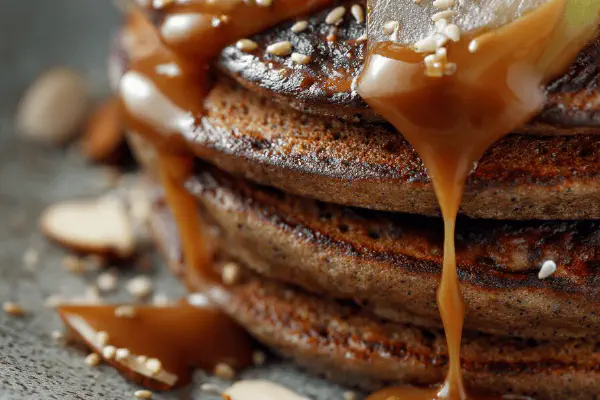
Miso Chocolate Pancakes
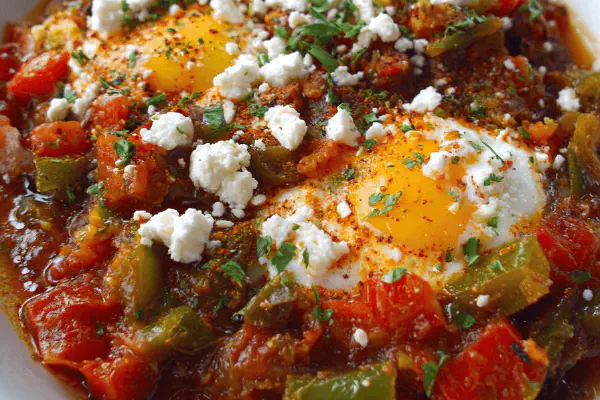
Hearty Veggie Egg Ragout
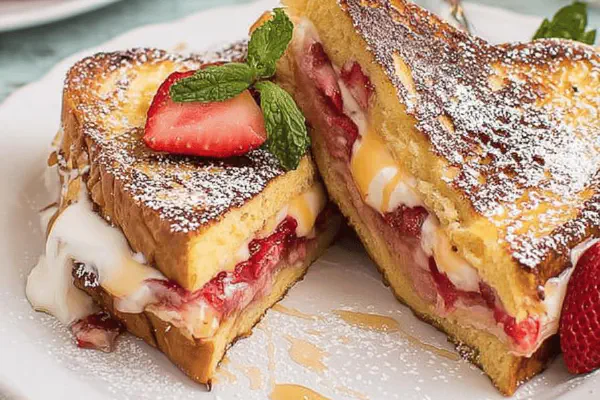
Mascarpone-Stuffed Brioche Toast
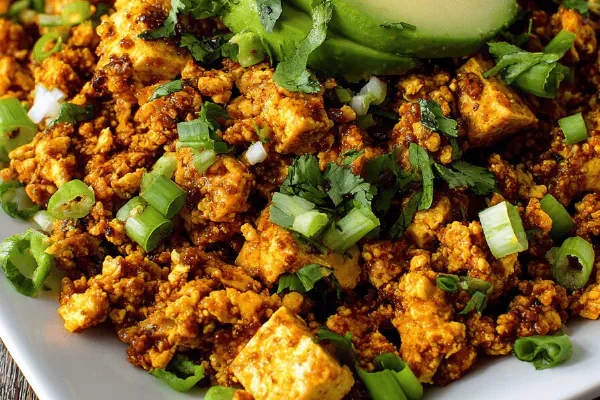
Spiced Mexican Tofu Scramble
Blueberry Pancake Mix
Corn Muffin Variation
Freezer-Friendly Egg Muffin Sandwiches
Air Fryer Greek Yogurt Bagels

Eggless Citrus Waffles
Microwave Mug Pancake Remix
Spinach Bacon Benedict
Apple Cider Cinnamon Loaf
Egg Tostadas with Black Beans
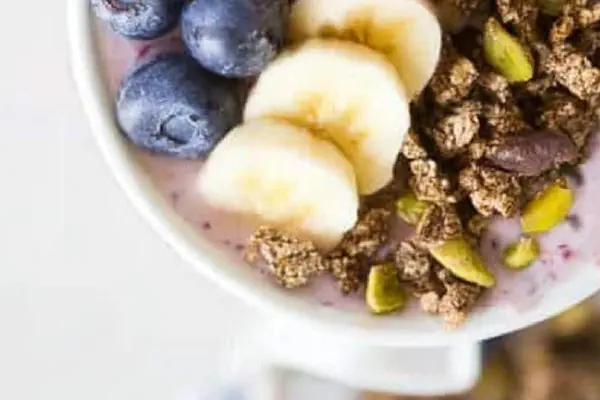
Banana Berry Smoothie Bowl
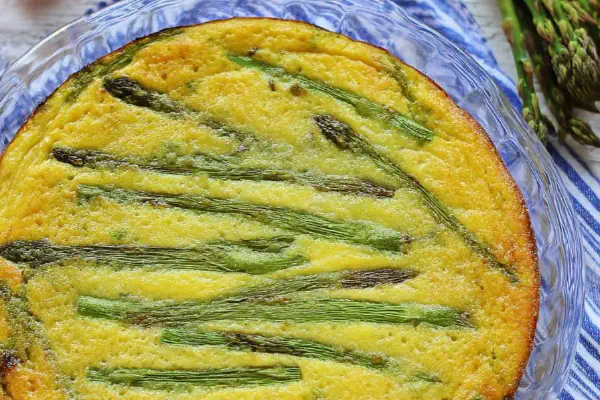
Swiss Asparagus Quiche Twist
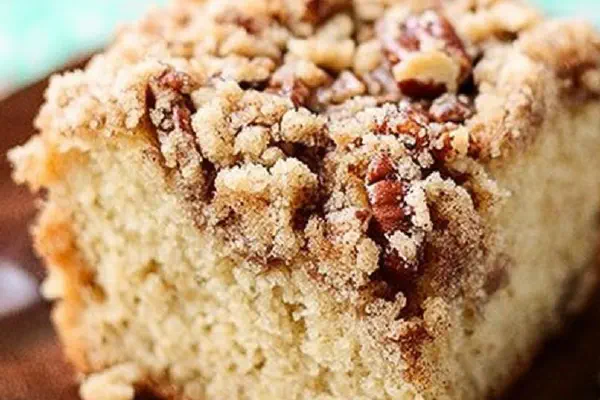
Buttermilk Pecan Coffee Cake
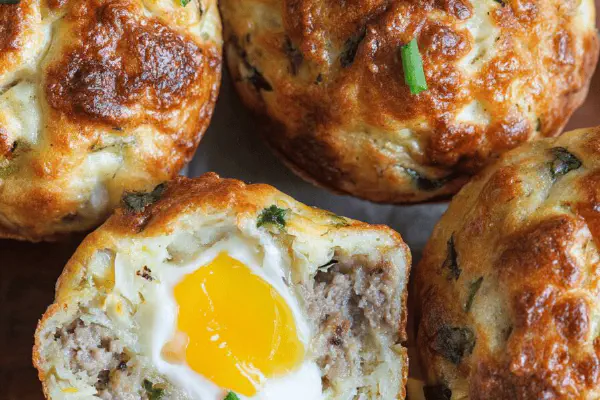
Breakfast Egg Cheese Muffins

Lemon Raspberry Scones
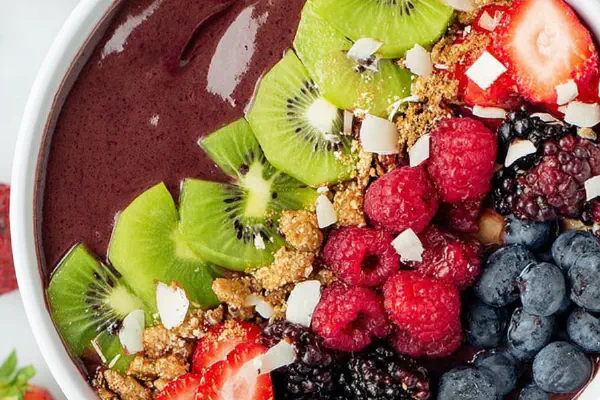
Beet Berry Acai Bowl
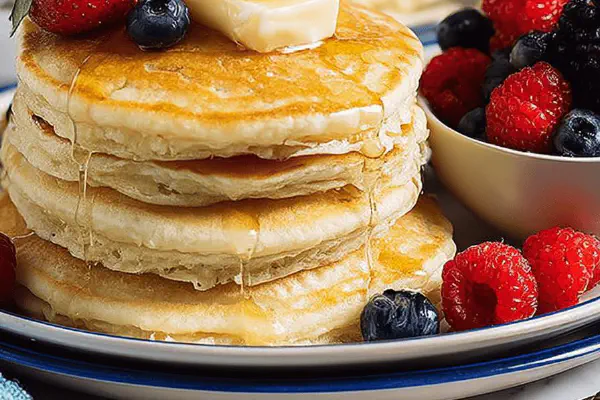
Buttermilk Pancakes Remix
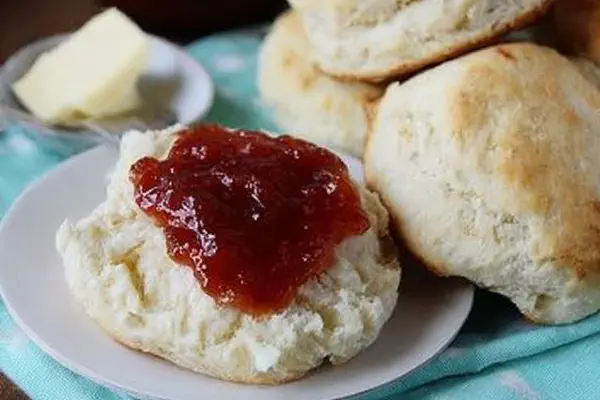
No Cutter Buttermilk Biscuits
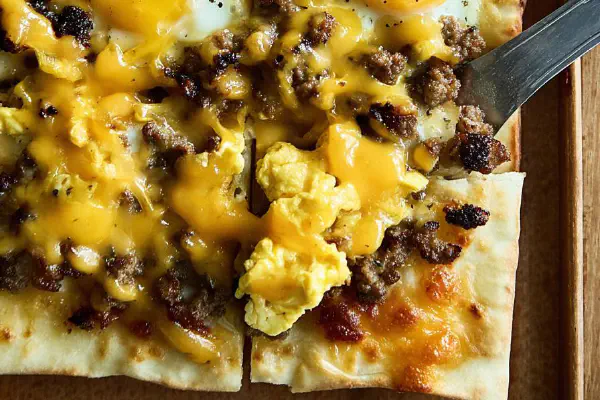
Hearty Morning Flatbread
Eggless Sweet Corn Waffles
Tart Cranberry Coffee Cake
Blueberry Butter Waffles

Panettone French Toast Twist
About the ingredients
Ground pork is the classic choice but feel free to reach for spicy breakfast sausage or bulk seasoned pork shoulder mix. Mustard anchors flavor and fat cohesion; if missing Dijon, whole grain mustard or even a spoon of prepared horseradish works. Salt balances sweetness from sausage and rounds flavor notes. Breadcrumbs mixed with Pecorino Romano or Parmesan adds sharpness and salt; fresh grated cheese works best over pre-packaged powder. Use beaten eggs fresh from fridge, not room temp, to keep breading cohesive. Flour dries egg surface so egg wash sticks better; skip this and coating falls off mid-fry. Use neutral oils with high smoke points like canola or peanut oil for frying. Avoid olive oil, it smokes too fast. Always test oil temperature often—too hot means ruined batch; too cool, greasy results. Hard boiled eggs peeled and dried thoroughly pre-wrap to avoid slipping coatings. Parchment paper or silicone mats in work area prevent sticking but keep it manageable so fingers don’t get clammy.
Method
Blending and wrapping
- In a sturdy bowl, mix pork sausage, mustard, salt, and pepper until homogenous but not overworked. Overmixing toughens the texture.
- Set up station with flour in one shallow dish, beaten eggs in another, and seasoned breadcrumbs mixed with Pecorino Romano in a third. Pecorino adds sharper tang compared to Parmesan; timing shifts slightly due to crumb moisture absorption.
- Shell the hard boiled eggs carefully, pat dry to remove moisture which hampers coating adhesion. Divide sausage meat into 6 portions roughly the size of a golf ball. Flatten each into a thin patty.
- Dust each egg lightly with flour first to give the sausage something to grip. Encase each egg by wrapping flattened sausage around it, sealing edges as needed. If the sausage is sticky, wet your hands slightly to smooth seams.
- After wrapping, roll each egg once more in flour (some falls off, but this primes the egg for the egg wash), dunk in the beaten eggs ensuring full coverage, then roll thoroughly in the Pecorino breadcrumb mixture pressing gently to adhere crust.
- Use a heavy sided frying pan; heat 2 inches of vegetable oil to a controlled 290 to 310 degrees Fahrenheit. This range prevents rapid burning and helps cook evenly. Always verify with a reliable deep fry thermometer. Too hot, crust scorches; too cool, greasy and greasy eggs.
- Drop 2 to 3 eggs at a time carefully to avoid splatter. Use tongs or slotted spoon gently lowering; listen for steady gentle crackle of oil indicating correct temp.
- Roll and turn eggs consistently every 90 seconds or so. The crust will transition from pale to rich golden brown—this visual cue governs readiness. Total fry time around 8 to 10 minutes but don’t rush by color and oil shimmering.
- Drain on paper towels briefly to catch oil but don’t let sit long or crust will soften. Transfer to a warm oven set to about 200 degrees Fahrenheit to keep tempered without further cooking.
- Slice on a sharp serrated knife. Look for firm white and creamy soft yolk. If yolk is chalky or firm, eggs were overcooked initially.
- Substitute chicken or turkey sausage for pork to lighten flavor profile; double check seasoning levels as poultry is often blander. For vegetarian options, try herbed plant-based sausage alternative, but fry times and temperatures may differ.
- Storage: cooled Scotch eggs store wrapped in fridge up to 3 days; reheat in oven to regain crispness—not microwave, or crust muddles.
- If breadcrumb coating slips or falls off during frying, likely due to moisture on sausage or egg surface. Pat dry and handle minimally.
Frying fundamentals
Serving tips and alternatives
Technique Tips
Start by mixing the sausage with mustard and seasoning gently; overmix and texture becomes dense. Set up three dredging stations: flour, eggs, crumbs mixed with cheese to build complex crispy crust. Dry eggs fully then wrap with flattened sausage. Double dust with flour before dipping in egg wash—this layering prevents crust shedding while frying. Heat 2 inches of vegetable oil in a heavy pan; use a digital thermometer constantly. Oil temp between 290 and 310°F works best. Lower no more than 2-3 eggs at once; roll them regularly so all sides brown evenly and crust develops evenly. Listen for gentle sizzling noise, watch for fading bubbles as moisture escapes crust but oil should not bubble aggressively. About 8-10 minutes but rely more on crust color and feel than clock. Remove to paper towels and roast in oven at 200°F to hold warm and keep crust crisp. Serve sliced with robust mustard or acid punch like a vinegary chutney. Cleanup tip: oil left after cooking carotene will darken quickly but can be strained and saved if cooled and stored properly.
Chef's Notes
- 💡 Employer high smoke point oils: canola or peanut. Avoid olive oil; it smokes too quick. Temperature control crucial. Too hot? Scorched crust. Too cool? Greasy.
- 💡 When wrapping eggs, moisture off surfaces key. Pat dry boiled eggs. Flour adds traction to sausage. Helps grip. Sticky hands? Slightly wet them—smooth wrapping.
- 💡 Pecorino Romano packs a punch—sharp and tangy. Try Parmesan if you want milder taste. Cheese in crumbs needs to be freshly grated; pre-packaged not great.
- 💡 Test oil temperature constantly. Ideal: 290 to 310 degrees. Too low, eggs absorb grease. Too high, crust burns but yolk stays raw. Listen—steady crackle means good.
- 💡 Egg wash layer critical; not just for sticking crumbs. Double dusting with flour before egg wash prevents shedding during frying. Remember, layer matters!
Kitchen Wisdom
What if wrapping falls off during frying?
Likely moisture issue. Pat dry eggs, handle gently. Keep surfaces dry for better adhesion.
Can I make these healthier?
Swap sausage for chicken or plant-based alternatives. Adjust seasoning to suit blandness of poultry. Fry times may change.
How long can leftovers last?
Up to 3 days wrapped, refrigerated. Reheat in oven to crisp back up. Not good in microwave—crust gets soggy.
What if I want more flavor?
Spruce up sausage with herbs or spices before wrapping. Mustard substitutes like horseradish can add zing. Play with flavors.
You’ll Love These Too
Explore all →
Spiced Red Pepper Chicken Soup
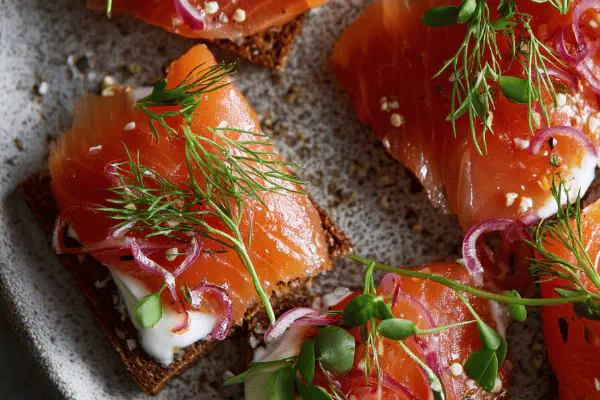
Maple-Spiced Salmon Gravlax
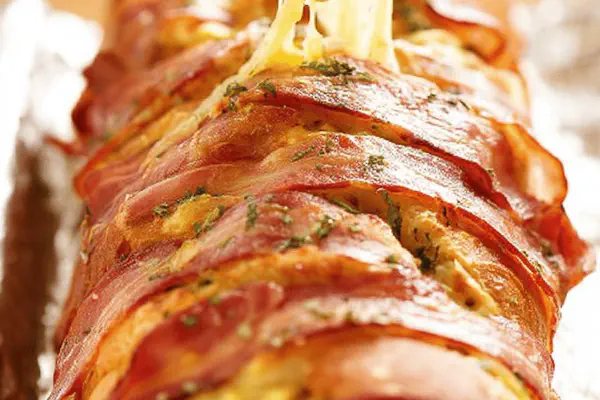
Swiss Bacon Herb Pull-Apart
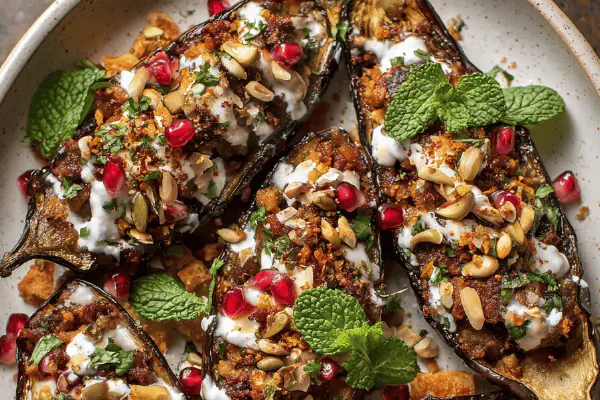
Damascus Lamb-Stuffed Aubergines
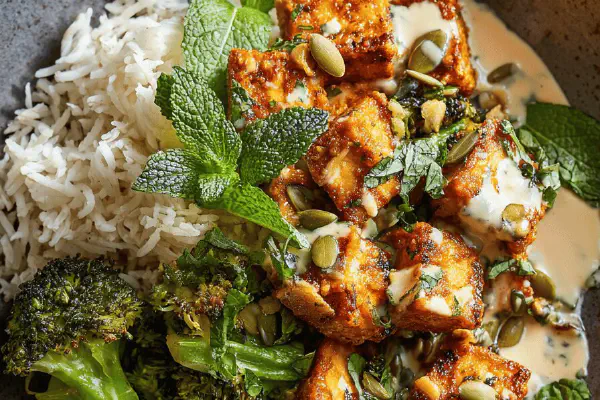
Crispy Air Fryer Tofu Satay
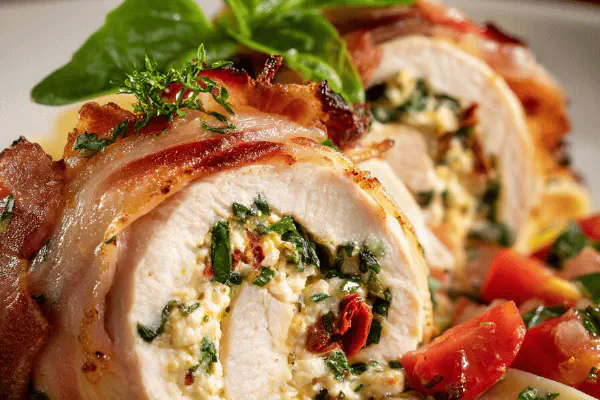
Stuffed Chicken Rolls with Sun-Dried Ricotta

Witch Hat Cupcake Cones
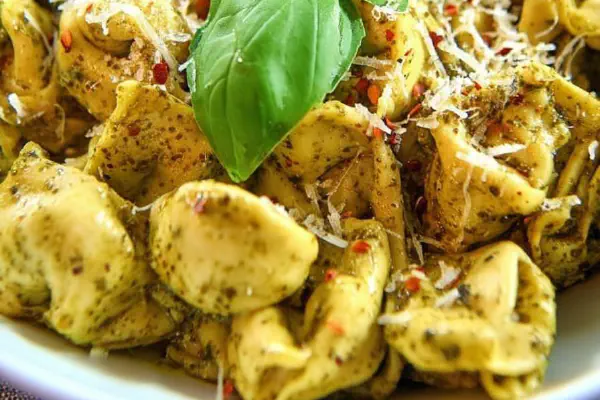
Spinach Ricotta Tortellini Pesto
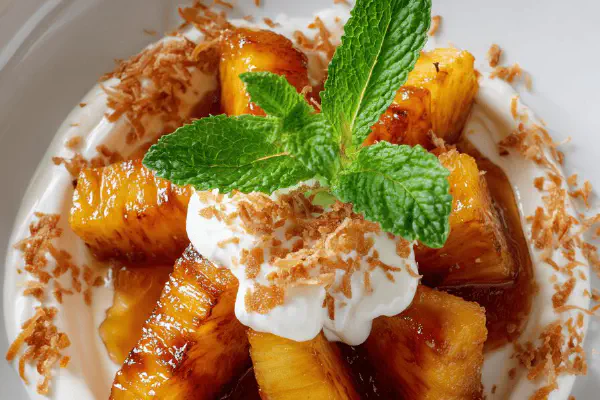
Flamed Pineapple with Rum
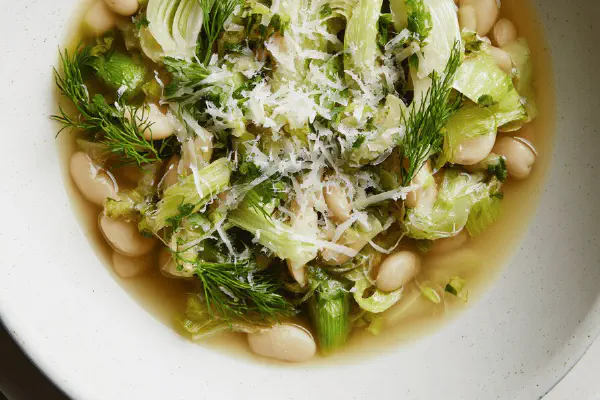
White Minestrone Twist
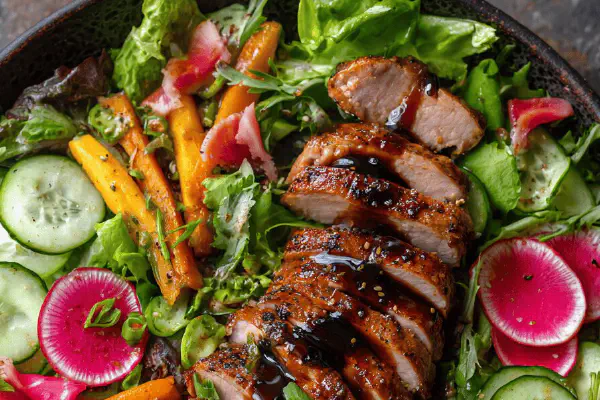
Glazed Pork Salad
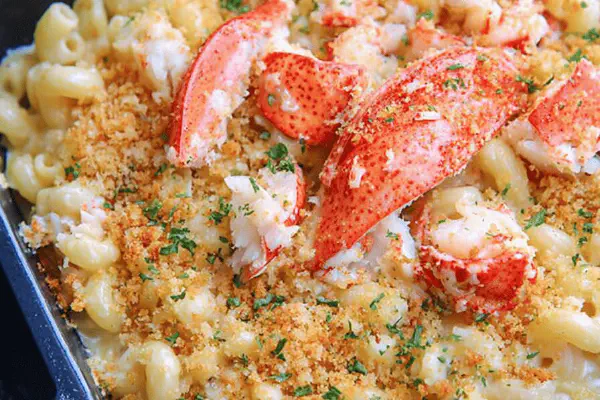
Lobster Mac Cheese
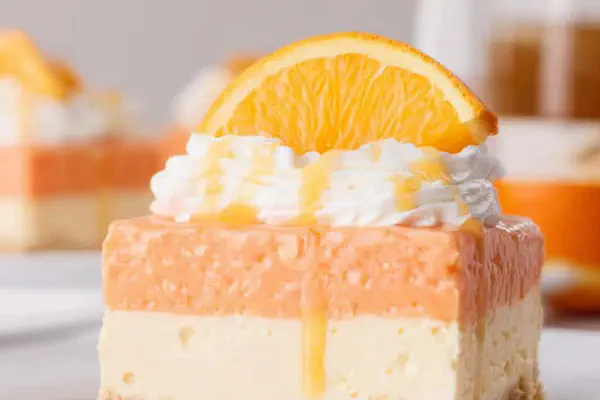
No Bake Citrus Swirl Cheesecake
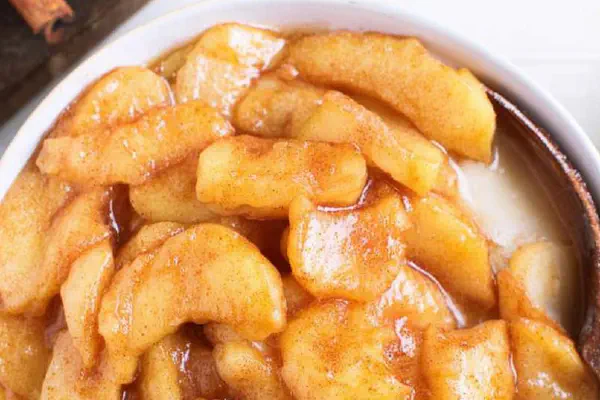
Skillet Cinnamon Pears
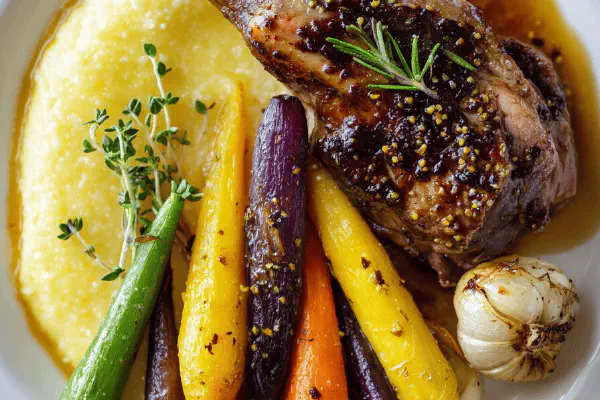
Roast Lamb Leg with Buckwheat Honey and Golden Carrots
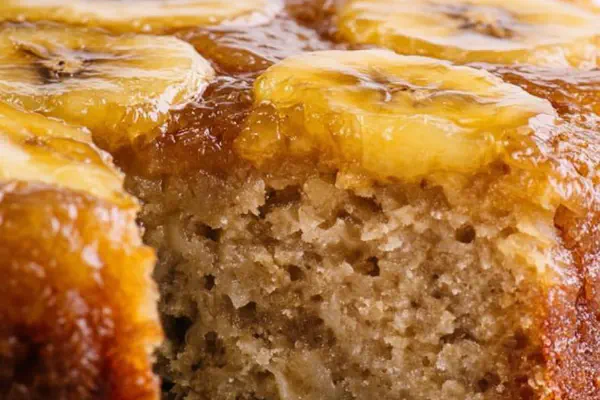
Banana Upside-Down Cake
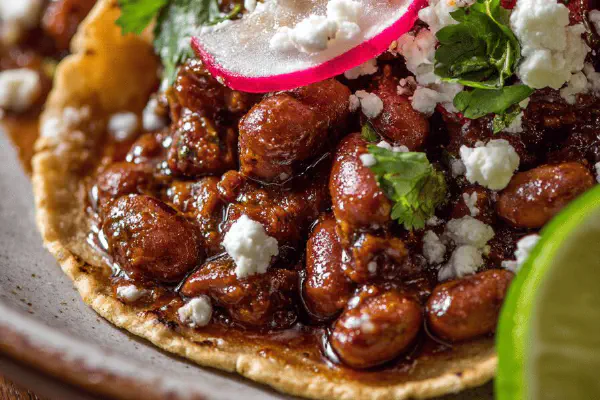
Smoky Red Bean Tacos
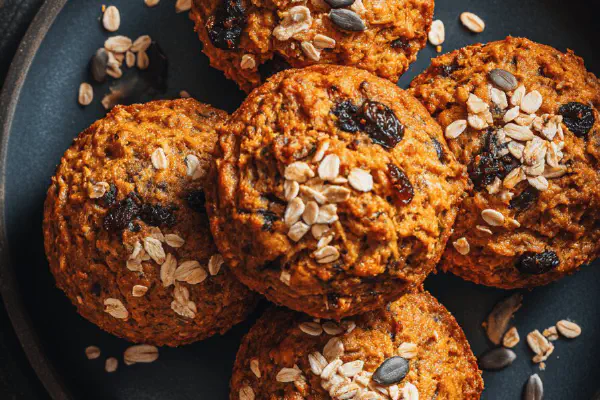
Sweet Potato Breakfast Muffins
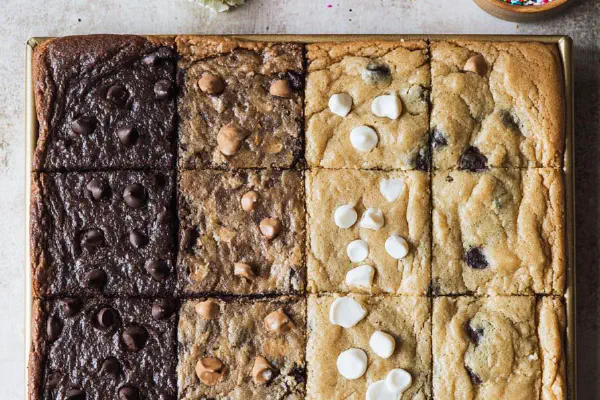
Sheet Pan Mix Cookies
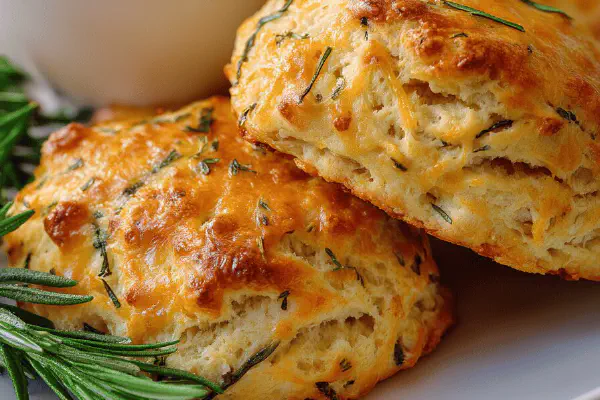
Rustic Savory Scones
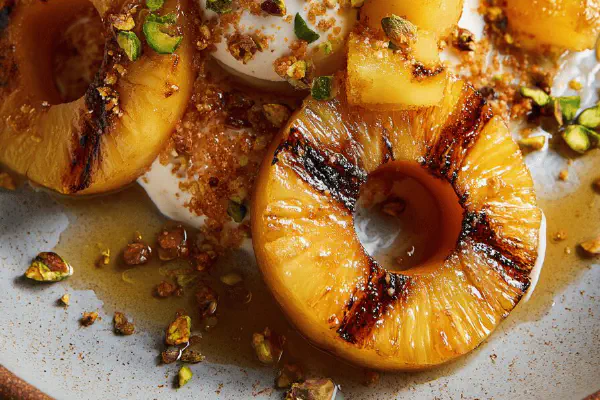
Grilled Pineapple and Donuts with Spiked Rum Syrup
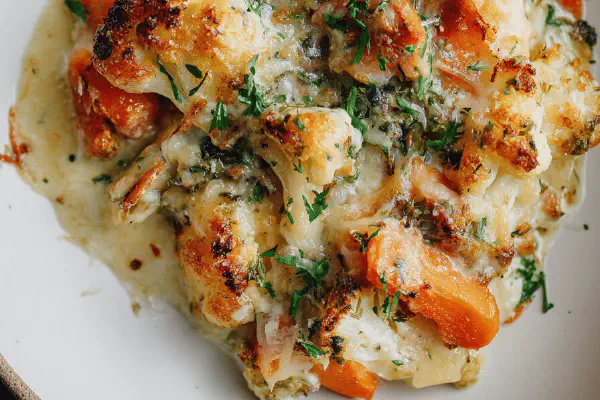
Twist Cauliflower Gratin
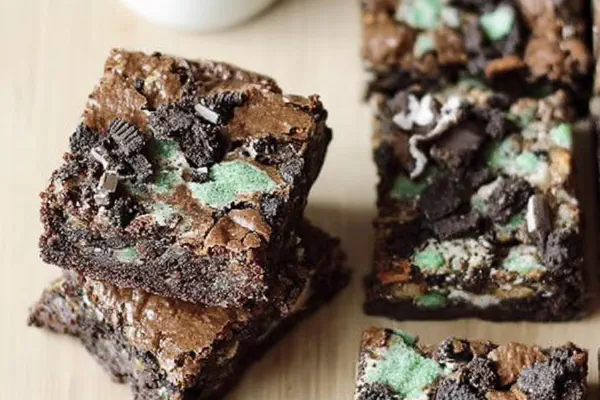
Mint Oreo Brownies Reboot
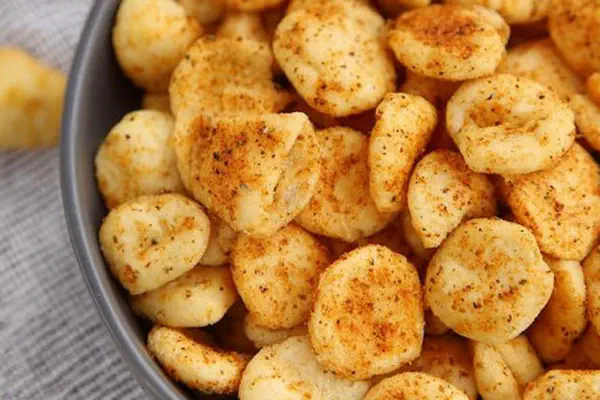
Spiced Herb Oyster Crackers
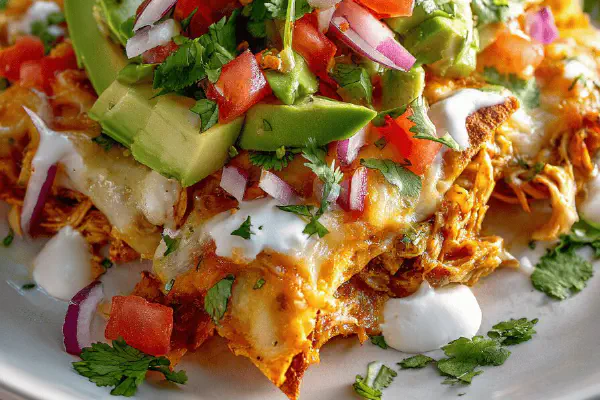
Turkey Chilaquiles Twist
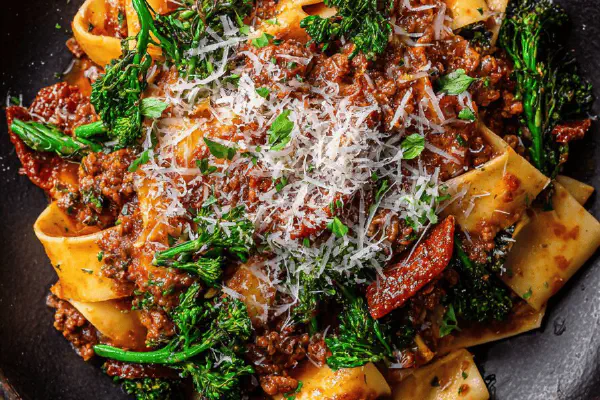
Red Wine Pappardelles with Meat Sauce

Citrus Honey Rice
Fondue Chinoise Stir-Fry
Melty S'mores Skillet