
Featured Recipe
Savory Chicken Cheesesteak

By Kate
"
Roasted chicken strips coated in Italian herbs, layered with sautéed bell peppers, onions, and mushrooms, all stuffed in buttered, toasted deli rolls. Cheese melts into pockets of warmth under the broiler. Easy swaps: chicken thighs for breast, provolone for mozzarella. Aroma of garlic and caramelized veggies hits before the first bite. Butter browns just right on bread edges. Cooking times flexible—watch color and texture. Bold flavor, satisfying heft. Simple but layered. Good for weeknights or casual guests.
"
Prep:
20 min
Cook:
30 min
Total:
50 min
Serves:
4 servings
chicken
sandwich
comfort food
weeknight meals
Introduction
Start with sturdy rolls; soggy buns kill sandwiches every time. Butter is your ally here, it crisps and adds flavor, not just greases. Slice chicken thighs thin for quick cooking and juiciness—breasts dry out fast if overcooked. Italian seasoning, salt, pepper—simple but crucial. Don’t skimp on heat control; burning butter or garlic ruins layers of flavor fast. Veggies need to soften and sweat, not char or stay raw. Staggered layering with cheese lets flavors mingle and melts cheese right between juicy bites. Broiling finishes with a quick scorch and cheese melt—watch closely, broilers vary. Swap mushrooms for zucchini or spinach if you want. Bell peppers can be all one color or mixed; adjust sweetness and texture. Olive oil and butter together, classic combo for richness and smoke point. Toasting bread first builds a moisture barrier to avoid soggy sandwiches. Serve hot; cooling kills texture and flavor pops. Make extra veggies—the filling reheats well. Missing broiler? Use a hot pan lid with cheese or microwave briefly, but expect difference. Meaty, layered, efficient, forgiving technique.
Ingredients
In The Same Category · Hearty Mains
Explore all →
Souvlaki Brochettes Twist

Creole Tater Tot Bake
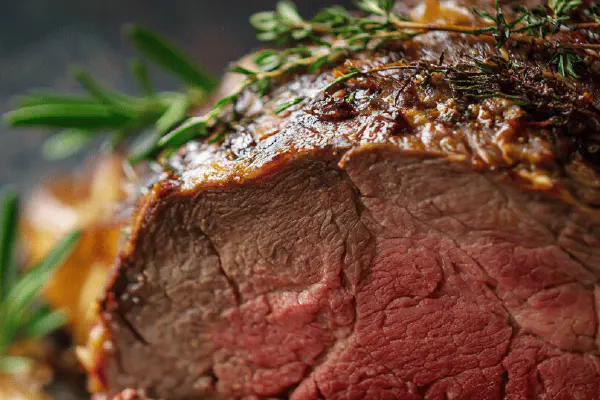
Slow-Roasted Beef Twist
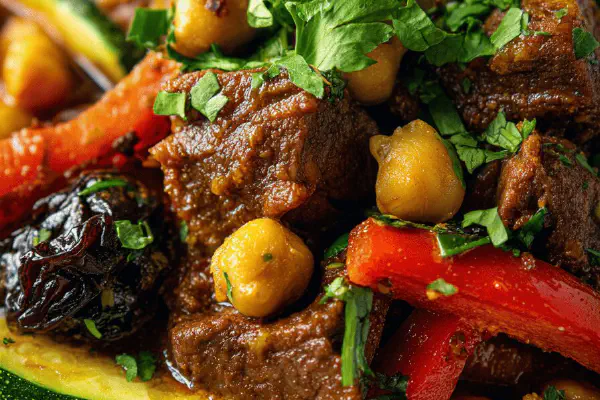
Beef Stew with Prunes Slow Cooker
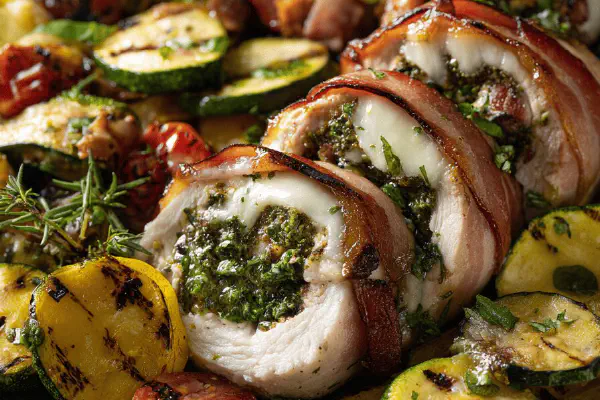
Chicken Roulades Sundried Tomato Parmesan
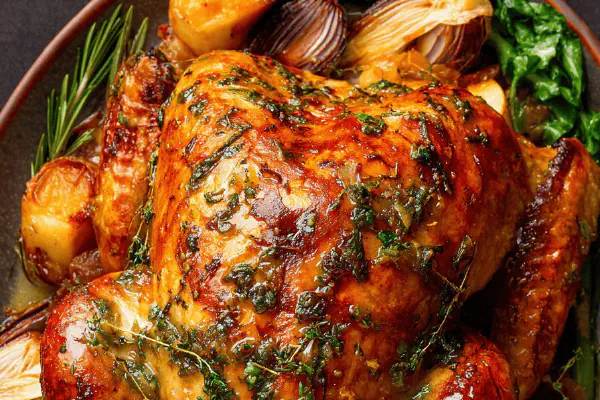
Roast Turkey Apple Glaze

Maple Pineapple Ham
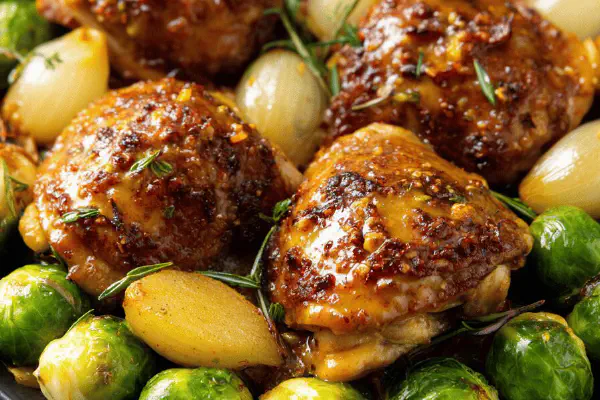
Honey Mustard Chicken Thighs
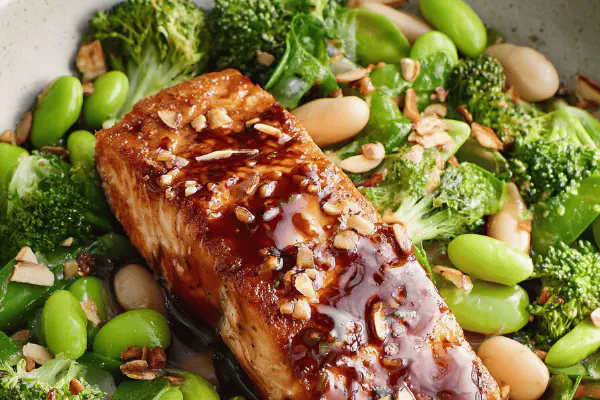
Maple-Glazed Salmon with Warm Bean Broccoli Salad

Pork loin tartines with pineapple chutney

Stuffed Shells with Spinach Ricotta

Crunchy Herb Chicken Strips

Zesty Beef Frito Pie

Miso Ginger Chicken Twist
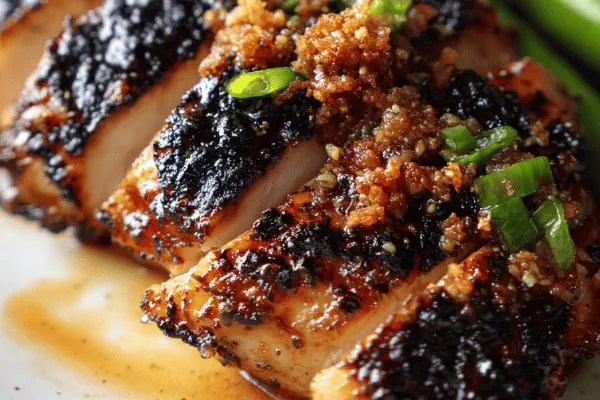
Korean-Style Grilled Chicken Kick
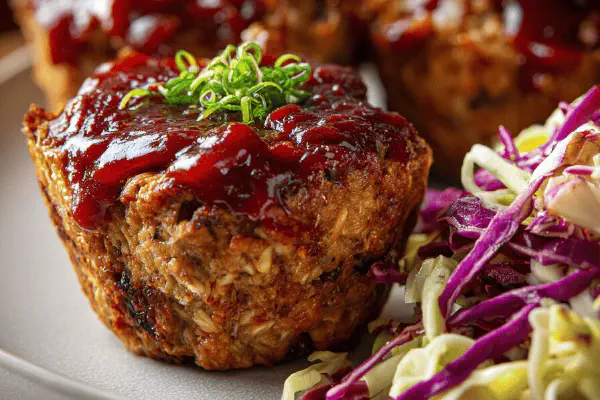
Tofu-Veal Meat Pockets BBQ
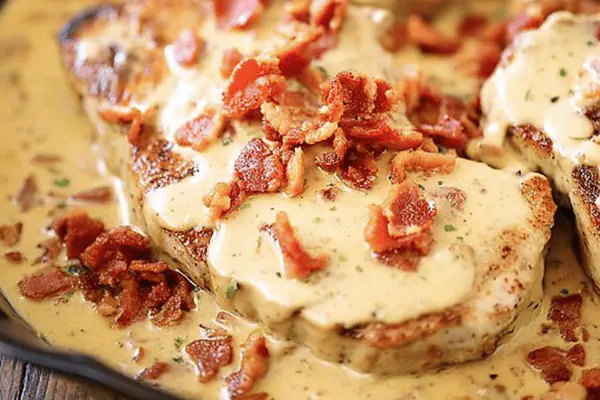
Pork Chops with Creamy Bacon Sauce
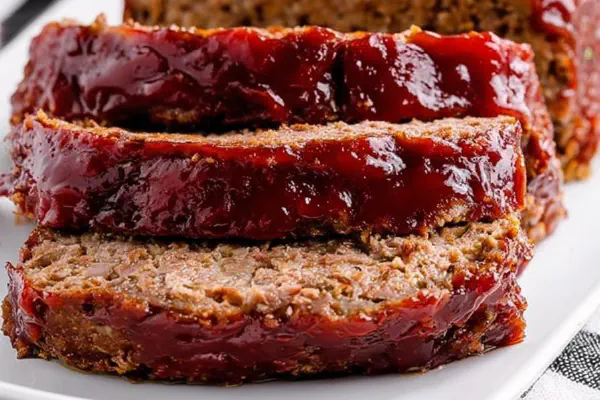
Air Fryer Meatloaf Remix
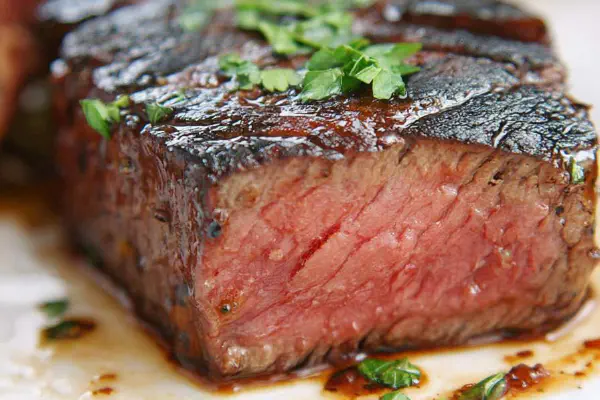
Zesty Garlic-Lime Steak Marinade
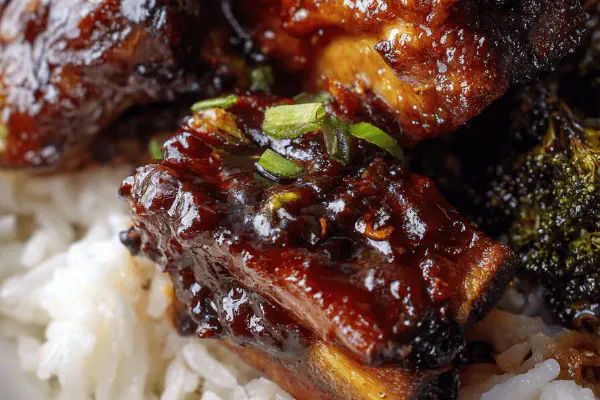
Caramelized Pork Ribs Greens
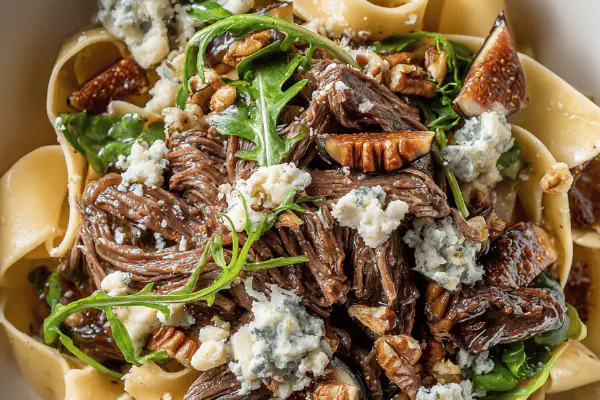
Braised Beef Pappardelles
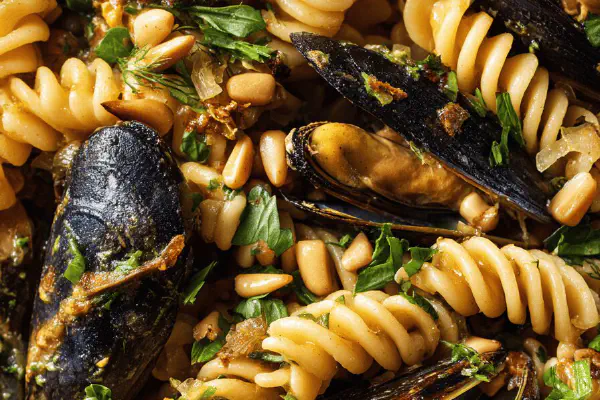
Curried Mussels Fusilli
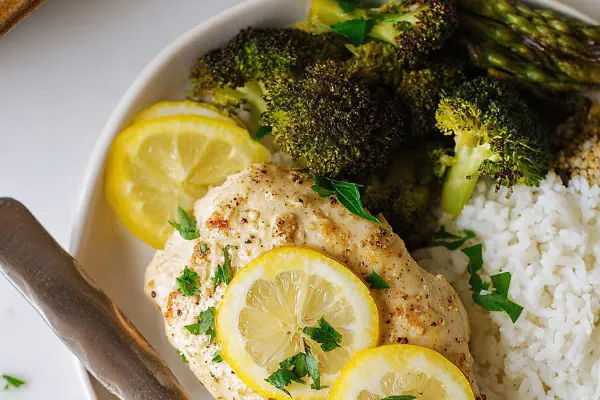
Lemon Greek Yogurt Chicken

Sun-dried Caprese Burger
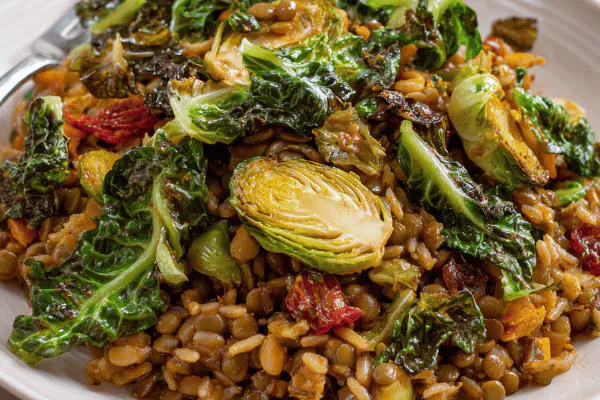
Lentil Rice with Roasted Brussels Leaves
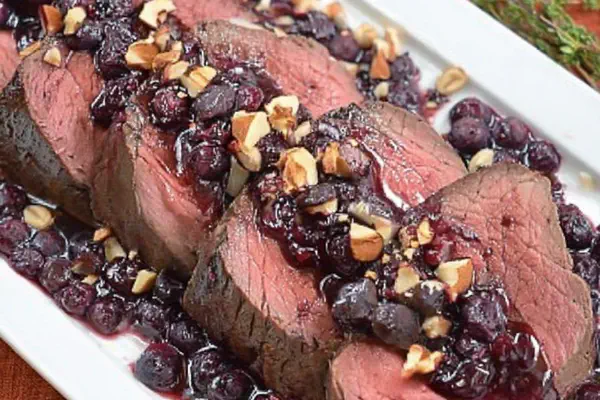
Reverse Sear Tenderloin
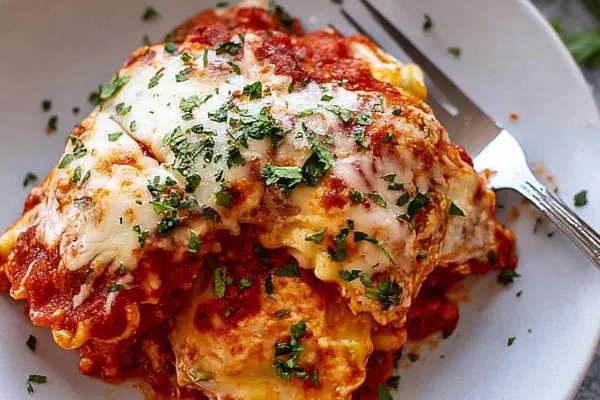
Turkey Ravioli Bake
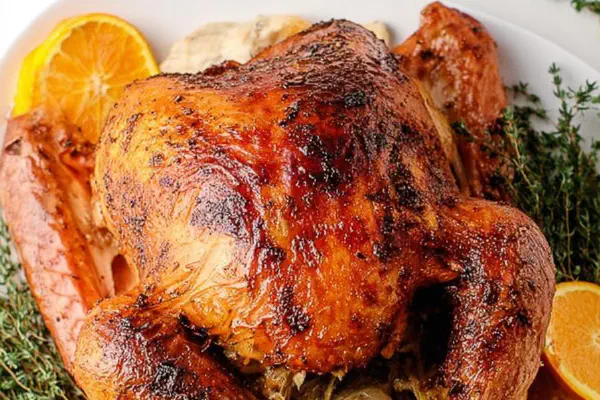
Orange Anise Thyme Turkey

Creamy Sausage Spinach Pasta
About the ingredients
Deli rolls with sturdy crumb work best—avoid soft buns that turn mushy. Butter is vital for crispness inside the rolls; softened butter spreads evenly without tearing bread. Swap chicken thighs for breasts if preferred but slice thinner and watch cooking time to avoid dryness. Provolone gives mild melt and flavor; mozzarella or fontina are good alternatives but change the sharpness slightly. Fresh garlic adds zest—garlic powder won’t provide the same aroma or texture. Bell peppers bring sweetness and crunch; yellow adds color brightness over original green/red. Mushrooms add earthiness and moisture; cremini are richer than button mushrooms and hold up well to sautéing. Extra virgin olive oil adds fruitiness and hue and combines well with butter for flavor depth and better frying temp. Kosher salt gives cleaner saltiness without overpowering. Use freshly cracked pepper for more punch than pre-ground. Italian seasoning is a simple herb blend; you can split into separate oregano and basil if preferred. Butter and oil balance temp and flavor. Skip one for pure oil for healthier but less flavor. Temperature matters—oil-then-butter gives higher heat without burning butter’s milk solids too fast. Knife sharp enough to slice rolls without mangling keeps the sandwich assembly neat.
Method
Technique Tips
Broiler heat varies wildly—watch bread and cheese closely. Toast rolls until golden edges just crisp; avoid overly dark bread—giant chewy crust ruins sandwich experience. Use tactile cues when cutting rolls—V-shaped slice inside without slicing through the base creates cavity for filling without structural collapse. Tossing chicken with seasoning ensures even flavor distribution; don’t overdry chicken pieces by crowding skillet—cook in batches if needed. Chicken thighs tolerate slightly higher heat and stay moist; overcooked breasts will be stringy and dry. Saute vegetables until softened with translucent onions signaling flavor base—don’t rush or brown too aggressively unless you want caramel notes. Garlic added later to avoid burning, which turns bitter. Mushrooms cook down and release moisture, stirring often prevents uneven cooking. Combining chicken and veggies off heat keeps mixture warm and evenly coated with any pan fond. Layer cheese between fillings helps heat distribute and creates gooey pockets rather than all cheese on top which can burn quickly under broiler. Broil sandwiches close to heating element but keep door slightly open if possible to monitor. If no broiler, cover skillet with lid when melting cheese or use oven at high heat. Serve immediately, sandwiches lose crisp texture as fillings steam and bread softens. Leftovers reheat best wrapped in foil under low oven heat to maintain texture without drying out.
Chef's Notes
- 💡 Choose sturdy rolls; soft ones get mushy. Lightly butter inside with softened product. Toast until golden edges appear. Watch closely.
- 💡 Slice chicken thin, thighs stay juicy. Cook in batches if skillet crowded; don’t dry out. Watch for color. Juices run clear.
- 💡 Skip burning butter or garlic, keep heat moderate. Garlic added later to prevent bitterness. Veggies need to sweat without charring.
- 💡 Layer cheese between filling; traps melt. Over toasting on top only hardens; split, keep gooey pockets. Broil just until golden brown.
- 💡 Add more veggies for bulk, extra flavor. Zucchini works well. Not a fan of mushrooms? Switch to spinach. Build texture.
Kitchen Wisdom
How to avoid soggy sandwiches?
Toast rolls before adding filling. Generous butter helps too. Moisture barrier crucial.
What if chicken is dry?
Slice thinner next time. Cook with care. Thighs will help, skip breasts if overcooked.
Can I use different cheese?
Yes. Provolone melts nice; mozzarella is good too. Different flavors change overall taste.
Storing leftovers?
Wrap in foil, low oven keeps texture. Skillet reheating helps. Microwaves make things soft, not crisp.
You’ll Love These Too
Explore all →
Million Dollar Chicken Bake
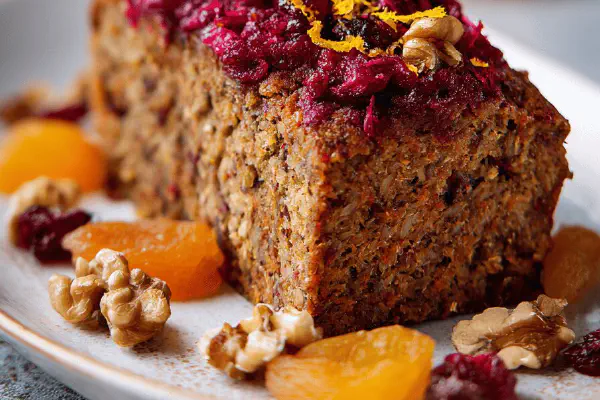
Spiced Beet Cake with Orange Zest
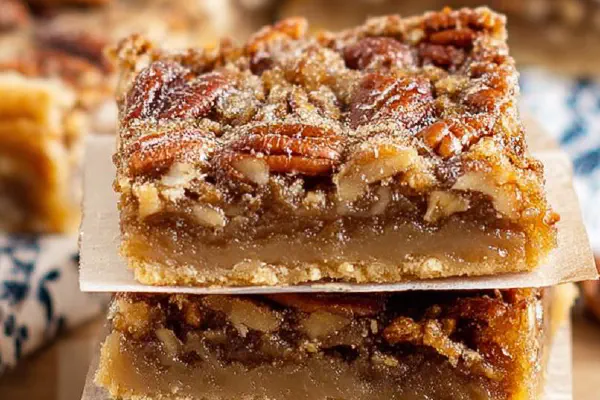
Altered Pecan Pie Bars

Stuffed Fire Rockets

Coconut Cream Pie Remix

Spicy Blooming Onion

Banana Upside-Down Cake

Curried Lentil Cauliflower Shrimp Soup
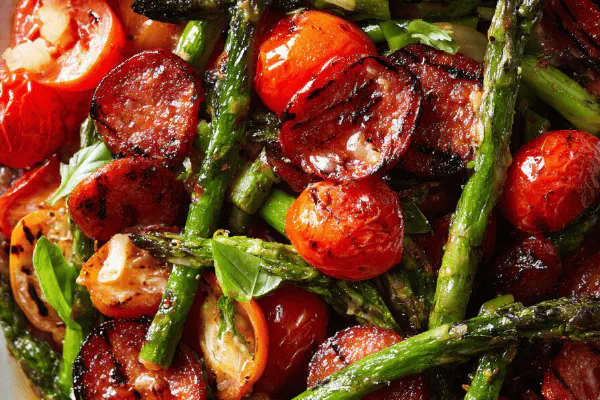
Warm Asparagus Chorizo Salad

Creamy Shrimp Grits

Horseradish Deviled Eggs Remix

Slow Cooker White Chicken Chili

Sablé Tart Crust with Lemon Zest
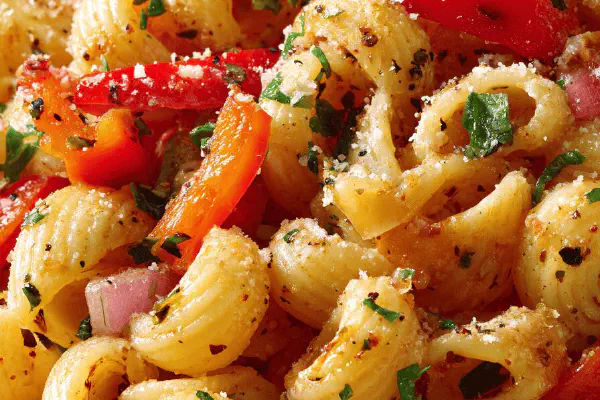
Pasta Salad with Pepperonata Twist

Pea Ravioli Broth

Twisted Negroni

Labneh with Za'atar Twist

Sheet Pan Holiday Cookies

Apple Chamomile Cocktail

Blueberry Butter Waffles

Rustic Plum Jam

Frozen Citrus Tequila Slush

Miso Chocolate Pancakes

Spiced Carrot Cheesecake Bars
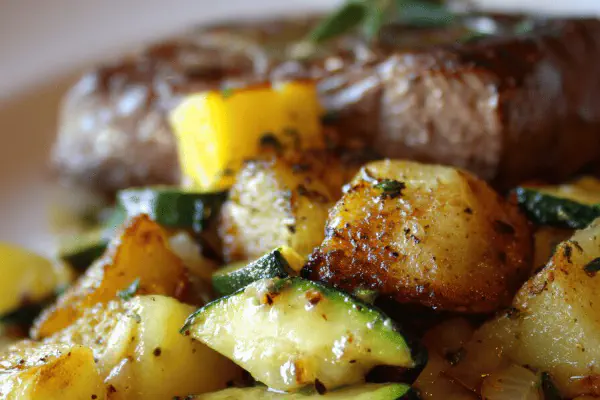
Beef Steak with Crispy Potato Zucchini

Teriyaki Steak Bites Twist

Chunky Buckeye Bites
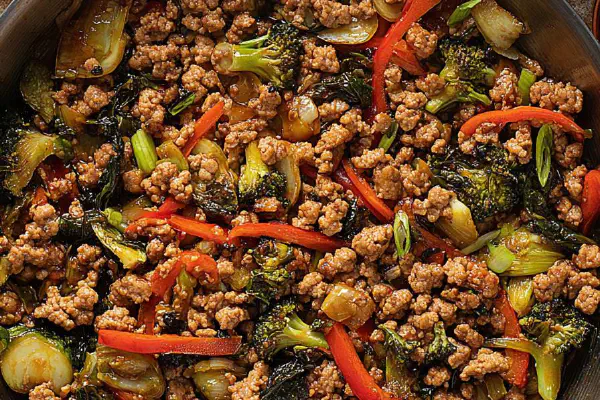
Ground Pork Stir Fry with Broccoli

Frozen Treat Cookie Bars
