Featured Recipe
Savory Citrus Herb Marinade
By Kate
"
A punchy citrus-herb marinade that’s simple but gets the job done. Uses olive oil swapped for avocado oil, apple cider vinegar replacing the usual white vinegar. A touch of smoked paprika and fresh rosemary bring an unexpected edge. Shake it up, coat the protein well. Marinate from 25 minutes to about 12 hours depending on target texture. Watch for color shifts and slight tackiness on meat surface, a cue for readiness. Balance acidity and fat to avoid mushiness or dry edges. Works well on chicken, pork, veggies. Adapt easily to leftovers or grill nights.
"
Prep:
11 min
Cook:
0 min
Total:
11 min
Serves:
4 servings
marinade
citrus
herbs
grilling
meal prep
Introduction
Starts sharp, green oily notes hitting the nose as you shake. Some think marinade equals mere coating, but layering acid, fat, sweeteners, and aromatics right is where the work begins. The oil carries fat-soluble flavors deep, vinegar cuts through protein fibers leaving space for herbs and spices to settle in. Honey here—not too sweet but enough to balance harsh edges. Garlic never robs the limelight but sets a firm base. A pinch of smoked paprika adds a smoky note without fire, rosemary snaps fresh pine notes in the background. A basic recipe, reworked and sharpened. Efficiency is key—prep everything at once, shake jar, refrigerate, then track color and texture of the protein surface. Not timed strictly by the clock, but by feel and sight. Over-marinating ruins texture; under-marinating wastes potential. Works straight from fridge or pulled 15 minutes before cooking. You’ll know when it’s ready. Can’t have a one-size-fits-all with proteins and veg shapes—so learn to eyeball your surface gloss and firmness. Perfect for weeknight grilling or meal prep that smells like it took longer than 10 minutes.
Ingredients
In The Same Category · Flavor Boosters
Explore all →
Balsamic Cherry Ham Glaze
Mustard Maple Vinaigrette
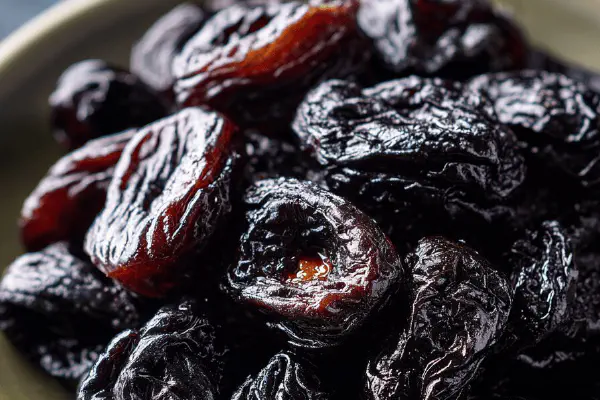
Tangy Balsamic Prunes
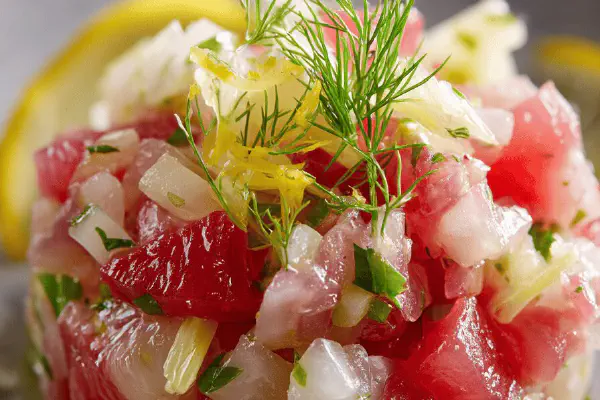
Vodka Orange Fennel Mignonette
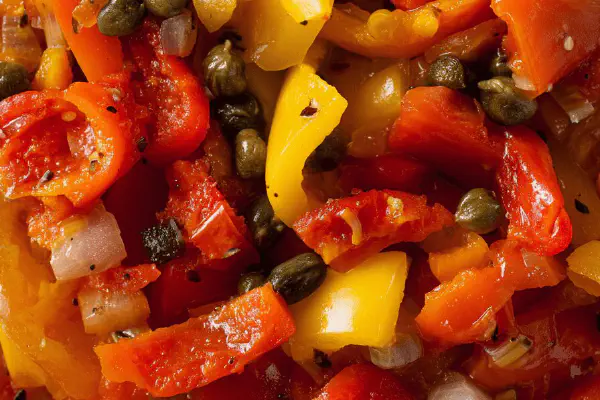
Twisted Peppers Mix
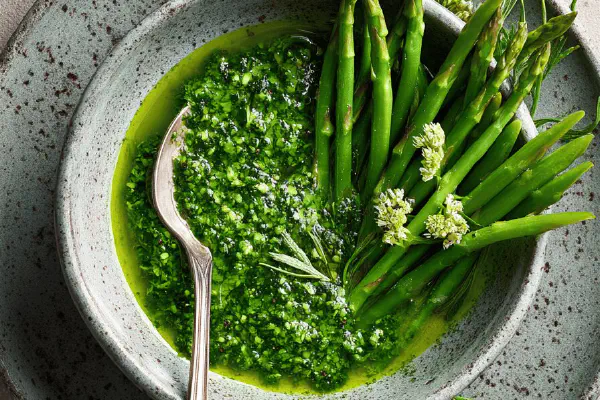
Spicy Herb Coriander Sauce

Red Berry Syrup Twist
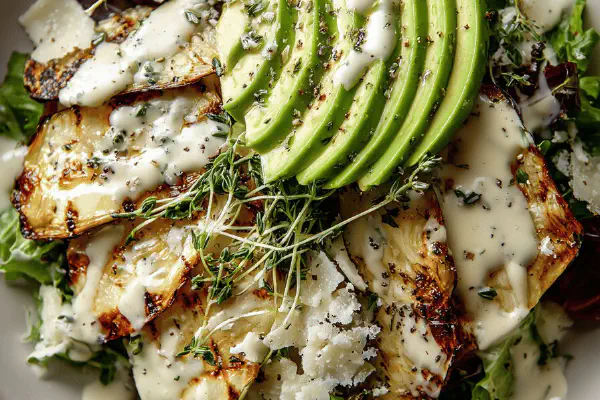
Parmesan Herb Vinaigrette
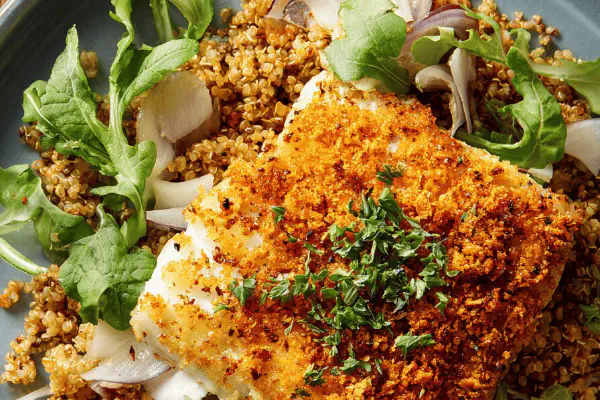
Flaxseed Crust Mix
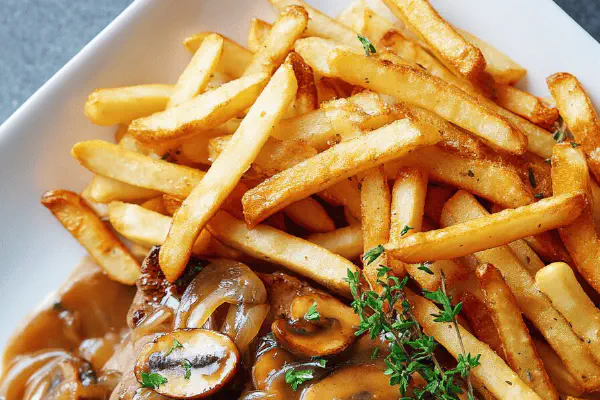
Quick Brown Gravy Twist

Cilantro-Lime Vierge Sauce
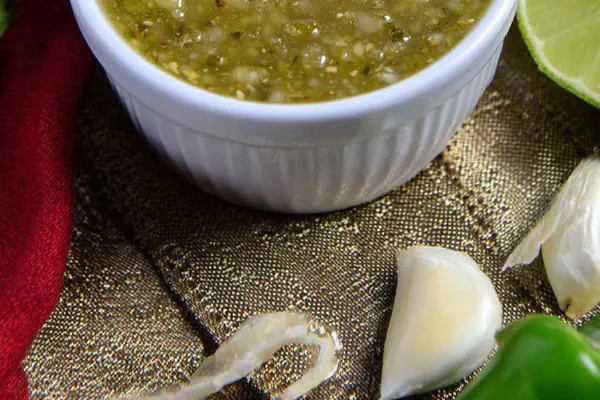
Zesty Charred Tomatillo Salsa
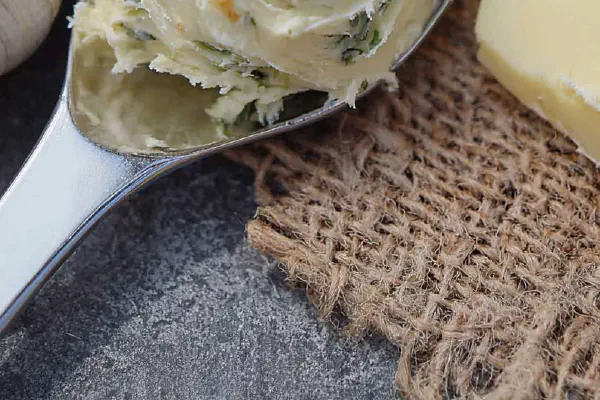
Whiskey-Chive Butter
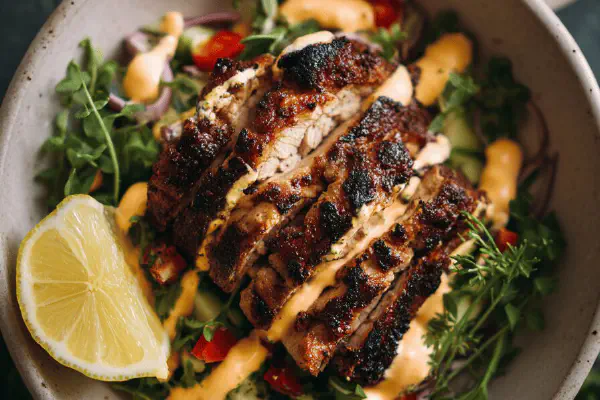
Spicy Aioli Twist
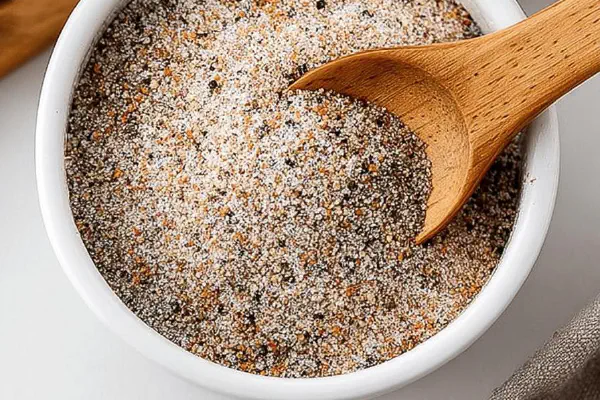
Steakhouse Bold Rub

Alabama Tangy White Sauce

Grapefruit Ginger Syrup Twist
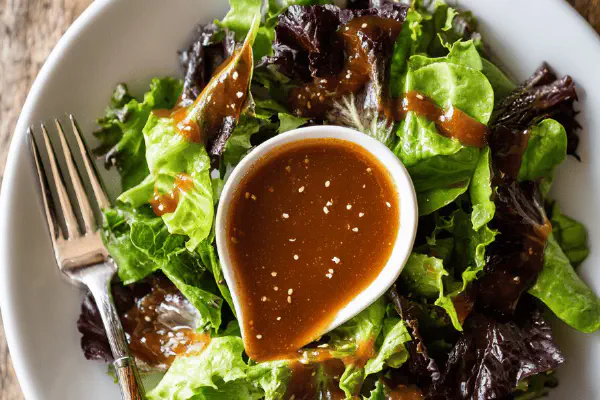
Catalina-Style Vinaigrette
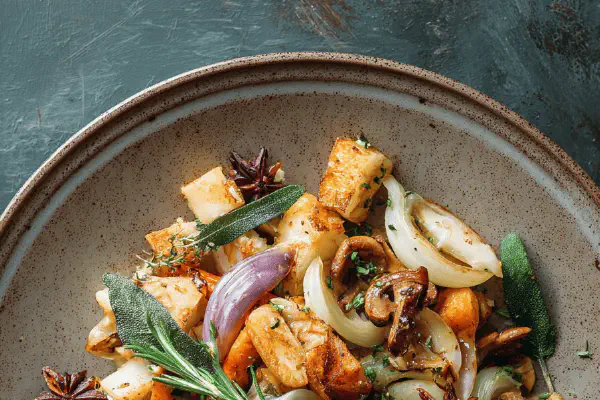
Brown Butter Herb Infusion
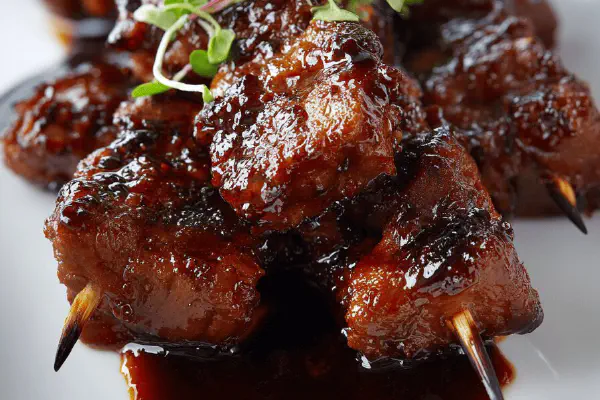
Japanese Pork Yakitori Glaze
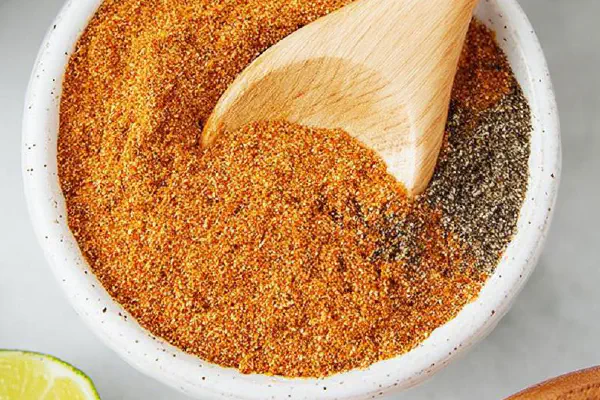
Smoky Chipotle Taco Rub
Custom Poultry Blend
Zesty Coriander Sauce
Twisted Shish Taouk Marinade

Vanilla Vodka Extract
Roasted Pumpkin Purée
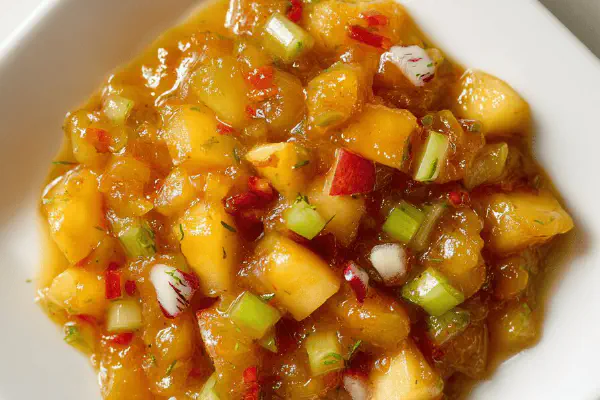
Fruity Sea Buckthorn Chutney
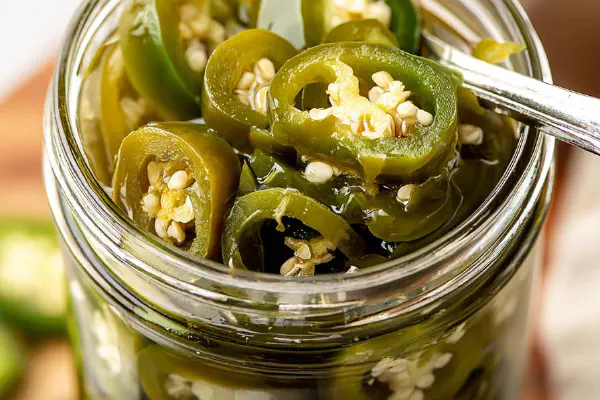
Quick Pickled Jalapeños
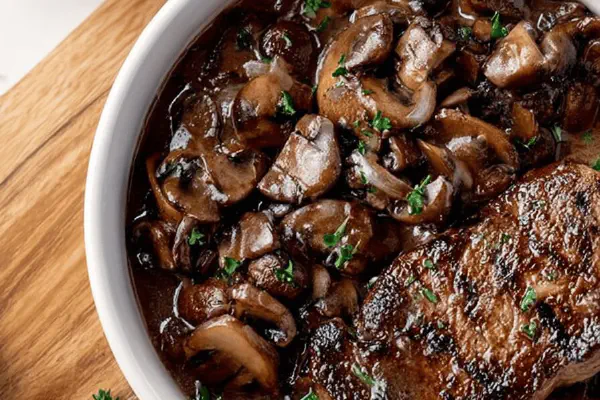
Red Wine Mushroom Sauce
About the ingredients
Avocado oil offers higher smoke point and neutral flavor compared to olive oil, useful if you plan to grill or pan-sear aggressively. Apple cider vinegar provides complexity with fruity but mellow sharpness, eliminating harshness typical in white vinegar. Fresh lemon juice brightens top notes but can also increase acid breakdown depending on marinating times. Honey isn’t just for sweetness—it helps emulsify, improves texture by balancing acid’s bite. Garlic flavor must be controlled; raw garlic infuses sharpness but too long makes it bitter and overwhelming. Smoked paprika used instead of plain paprika to add depth without heat. Rosemary gives piney aromas but keep chopped fine to avoid woody bits. Kosher salt assists in flavor penetration and moisture retention, coarse salt may unevenly extract water causing dry or rubbery spots. Black pepper fresh ground gives subtle heat without overpowering. Swap rosemary with thyme or oregano depending on your protein or veg pairing but know the aromatic footprint shifts drastically.
Method
Technique Tips
Use a jar with a tight-fitting lid—shaking emulsifies the oil and vinegar to ensure even distribution. Layering liquids first helps the dry ingredients mix efficiently later. Avoid crushing garlic fully to limit intenser raw flavor; stop mincing finely instead. Shake length depends on your jar size but aim for liquid thickening to visually confirm emulsion. Marinating time needs adjustment per protein thickness—thin chicken breasts need less time than pork chops or root vegetables. Avoid exceeding 12 hours; acid will over-tenderize making texture mushy and unpleasant. Look for meat or veg surfaces clinging slightly to marinade—not dripping or pooling liquid, which indicates too wet or short marinating. Before cooking, pat dry excess marinade to help searing over steaming and prevent flareups. Watch smaller herbs in cooking as they can burn quickly, move off direct heat as needed. Always taste your marinade raw before adding protein to check seasoning balance. Experiment swapping acids and sweeteners but keep fat constant for moisture and flavor delivery.
Chef's Notes
- 💡 Layering oil and vinegar first matters. Helps emulsifying. Faster mixing for acids and sweeteners. Use a tight jar. Shake til it thickens. Visual cues are key.
- 💡 Control garlic flavor; chop finely, don’t crush. Raw garlic is potent. Over-marinating compounds the flavor. Watch time closely, texture matters.
- 💡 Vinegar's acidity can make cuts mushy if too long. Check surfaces. Glisten means it's ready. Pooling is bad. Less time for thin cuts, adjust as needed.
- 💡 When cooking, discard excess marinade or pat off. Helps browning, reduces flare-ups. Watch rosemary; browns quicker. Remove sooner to avoid bitterness.
- 💡 Experiment with herbs, switch rosemary for thyme. Changes game completely. Citrus zest is a nice swap for fresh zing. Always taste before adding protein.
Kitchen Wisdom
How long to marinate?
Depends on protein. Chicken breasts less time—20 to 25 min. Pork chops, denser cuts, go longer. Color and glossome key.
What if it's too acidic?
Balance it. Add oil or honey. Neutralize flavors. Adjust the acid ratio. Keep textures in check, too.
Can I store leftovers?
Sure, refrigerate in airtight container. Up to a week. Use for veggies too, flavors deepen over time. Don't freeze.
What if I run out of avocado oil?
Olive oil might work but has a lower smoke point. Use grapeseed for high heat. Adjust flavor slightly.
You’ll Love These Too
Explore all →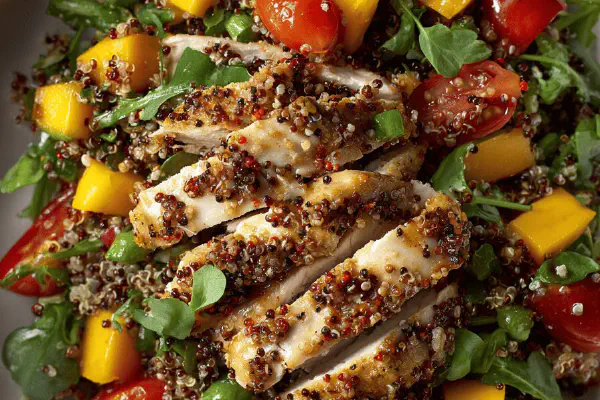
Grilled Chicken Mango Quinoa Salad

Pulled Pork Pressure Cooker
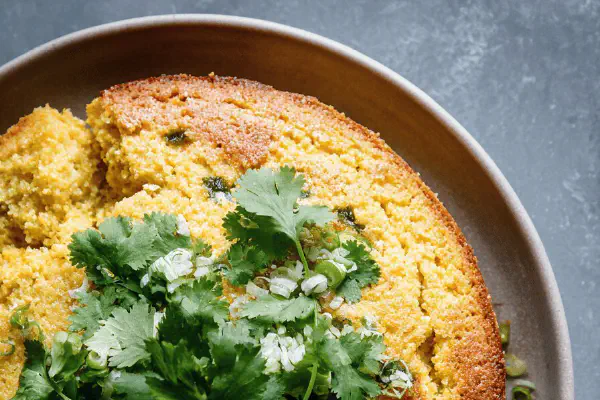
Twisted Cornbread Classic
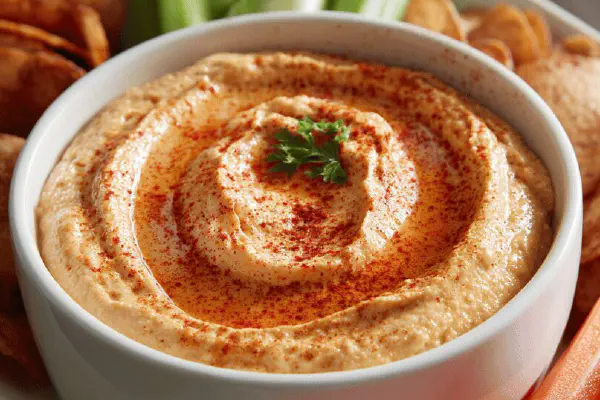
Spicy Creamy Orange Dip
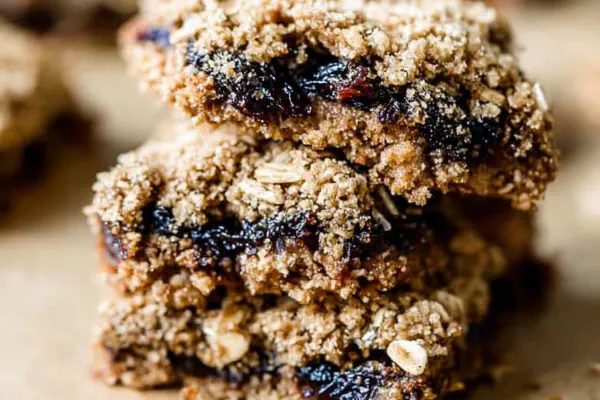
Prune Oatmeal Bars Twist

Mint White Chocolate Martini

Cherry Raspberry Tart Trifle
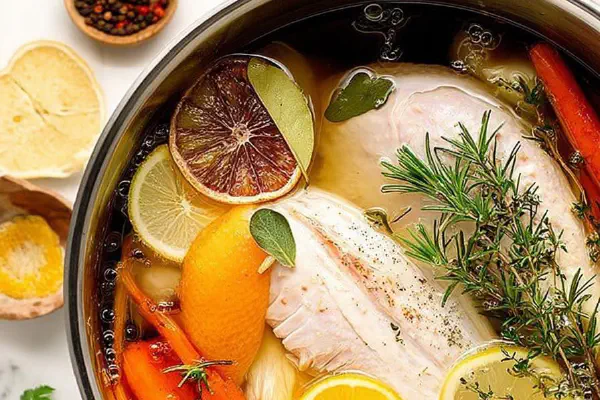
Basic Turkey Brine Twist

Brownie Cookie Mashup
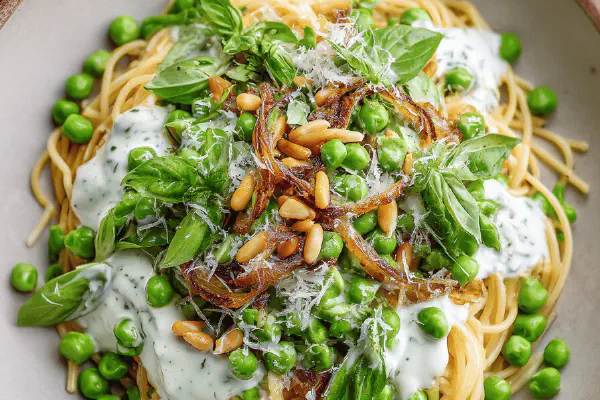
Spaghettis petits pois basilic twist
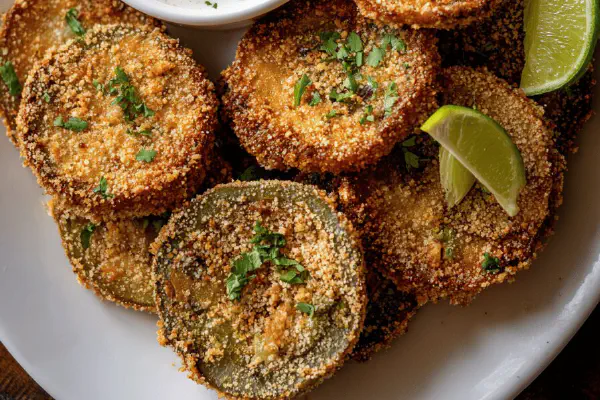
Crispy Green Tomatoes with Smoky Dip
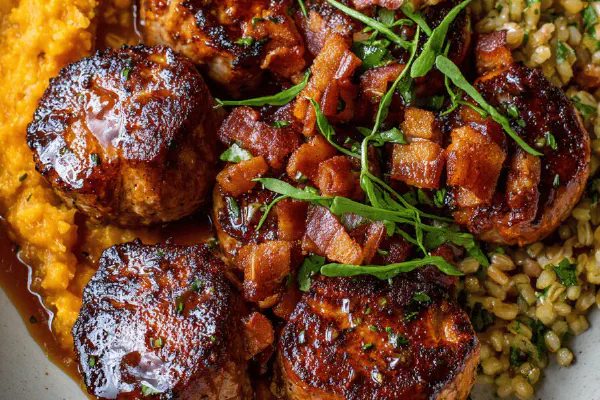
Maple-Glazed Pork Medallions
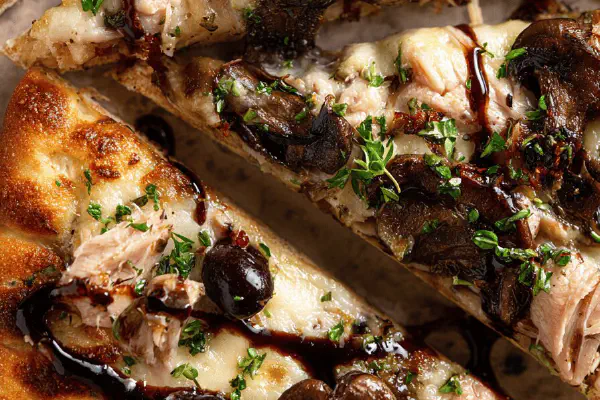
Quick Naan Pizzas Twist
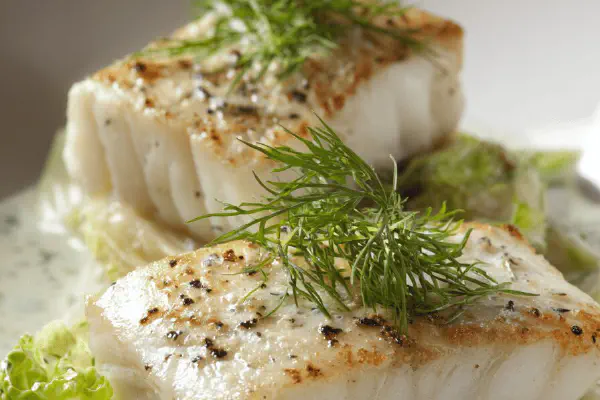
Halibut Vodka Horseradish
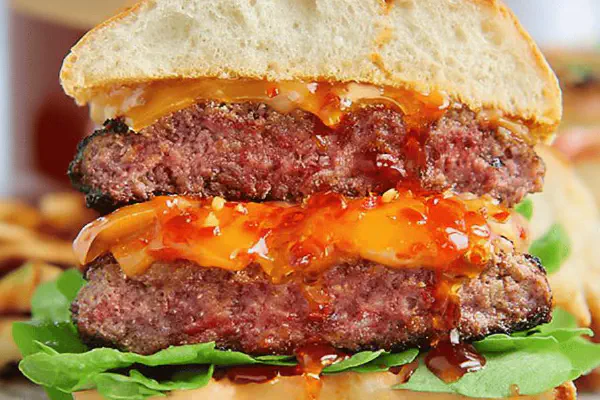
Spicy Honey Smash Burgers

Cauliflower Cream Verrines
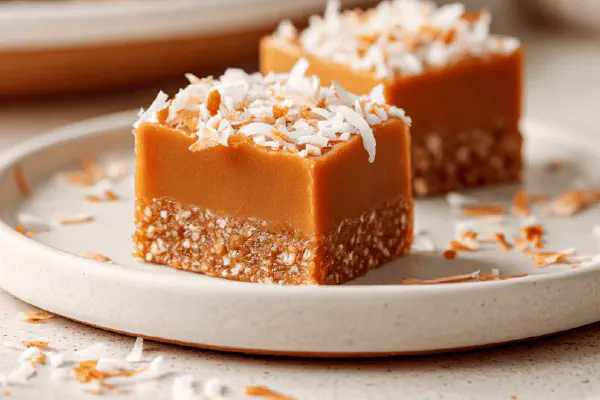
Dairy-Free Maple Cream Candy
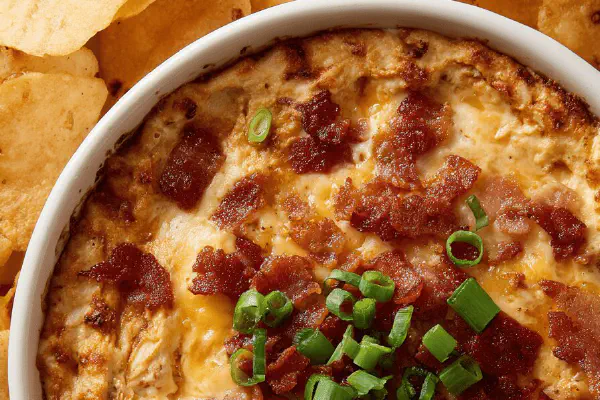
Smoky Cheddar Bacon Dip
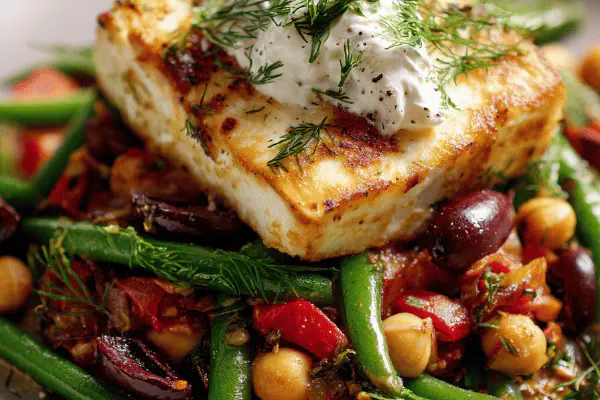
Silky Tofu Tomato Vegetables
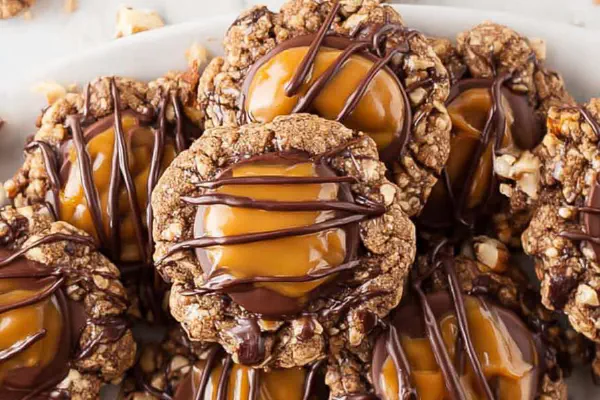
Nutty Caramel Thumbprints
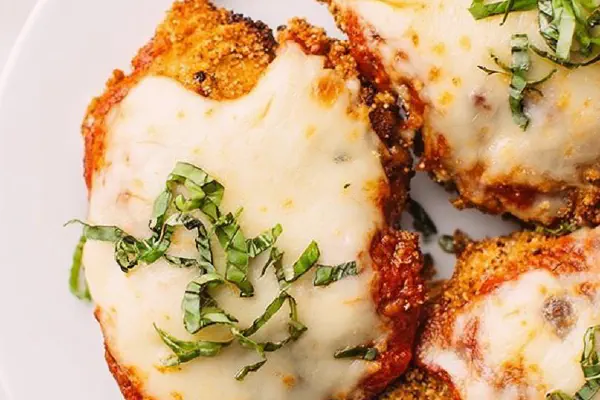
Air Fryer Chicken Parmesan Twist

Holiday Candy Blondie Bars
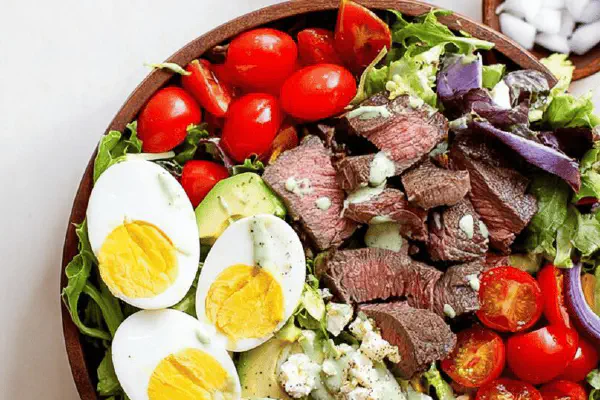
Flank Steak Cobb Salad with Avocado Dressing
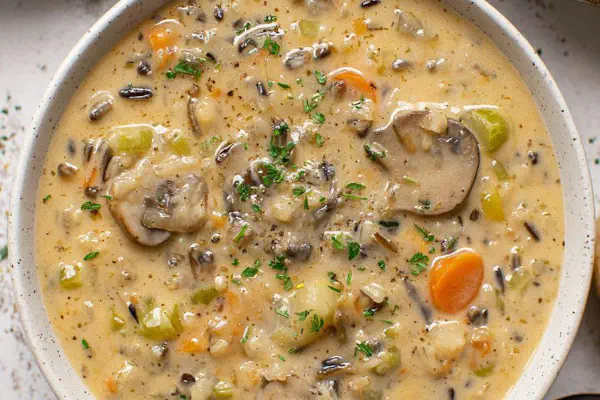
Velvety Wild Grain Soup
No Bake Cherry Cheesecake Bars
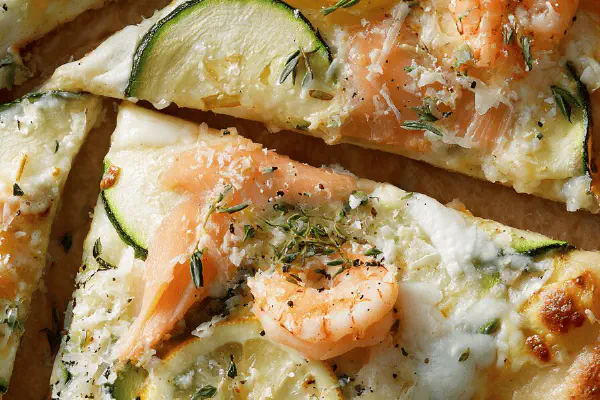
White pizza zucchini trout shrimp
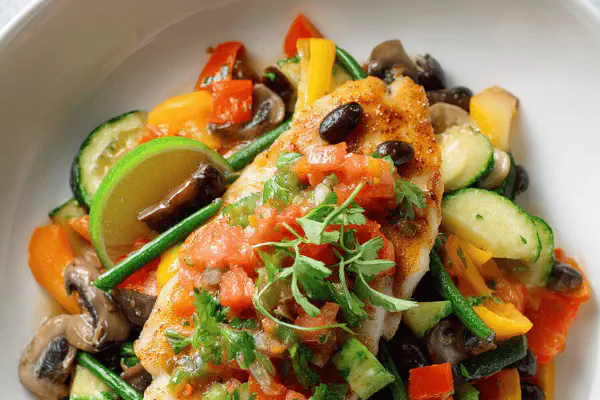
Tilapia & Veggie Stir-Fry
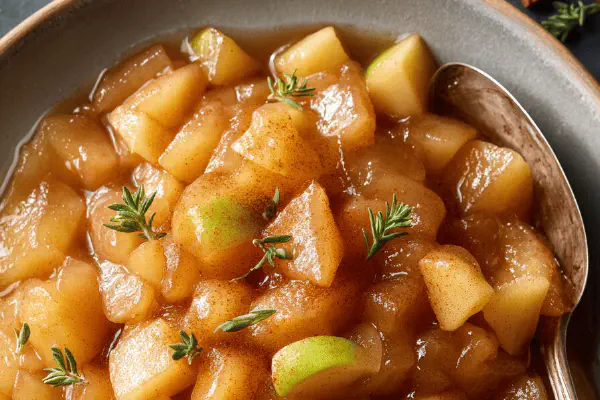
Autocuiseur Apple Compote
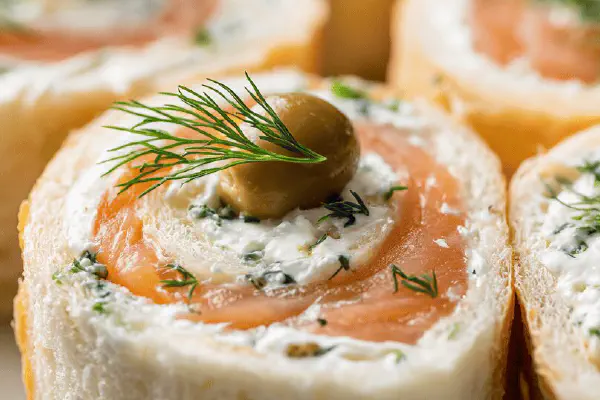
Smoked Salmon Pinwheel Rolls