Featured Recipe
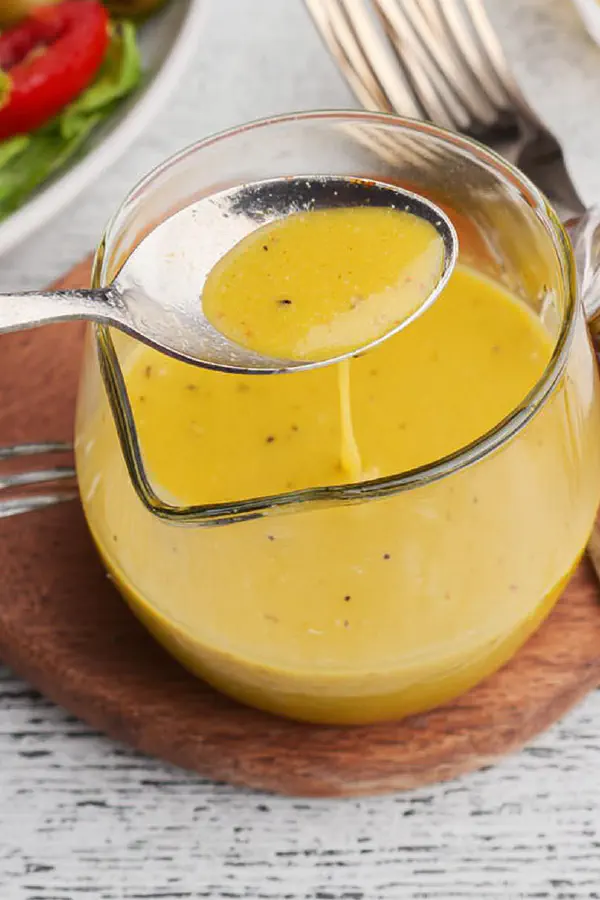
Savory Olive Vinaigrette
By Kate
"
An olive brine based salad dressing using sherry vinegar and capers replacing white wine vinegar and garlic. Olive oil slowly whisked in to emulsify. Adds complexity with fresh thyme instead of rosemary. Sharp and tangy, perfect to wake up any leafy green. Balanced saltiness with a touch from capers. Use blender or small food processor—pulse to keep herb texture. Best over crisp salads but versatile enough for roasted veggies. Adapt quantities to volume but keep acid to oil ratio right. Olive brine and capers add depth; swap with pickle juice if needed.
"
Prep:
6 min
Cook:
0 min
Total:
6 min
Serves:
1 serving
vegan
salad dressing
Mediterranean cuisine
Introduction
Start with olive brine—forgotten gem—salty, savory, gives depth. Swap typical white wine vinegar for sherry vinegar—adds nutty notes and brings brightness without sharp edge. Capers instead garlic here; their briny punch feels fresh yet restrained. Fresh thyme replaces rosemary for a lighter herbal touch—more subtle, less piney, blends smoother with lemon zest. Blend just enough to break down herbs and shallot. Coarse bits help dispersing flavor later. Emulsifying olive oil by slow drizzle is where magic happens—gets creamy, never greasy. Use sharp fresh lemon juice but measure cautiously—too much acid kills balance. Serve on green leaves or crunchy veggies, won’t disappoint. Keep it cold; flavors settle better.
Ingredients
In The Same Category · Flavor Boosters
Explore all →
Maple Beer Aioli
Orange-Dill Maltese Sauce
Mushroom Garlic Butter
Cilantro Lime Ranch Remix
Roasted Pumpkin Purée
Custom Poultry Blend
Japanese Pork Yakitori Glaze
Twisted Beurre Blanc
Flaxseed Crust Mix
Tangy Poppy Seed Drizzle
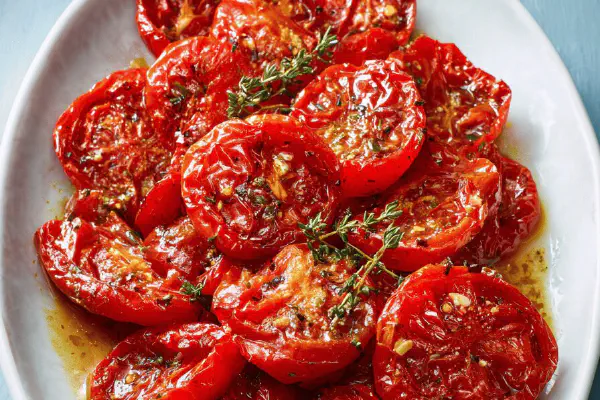
Slow-Roasted Confited Tomatoes
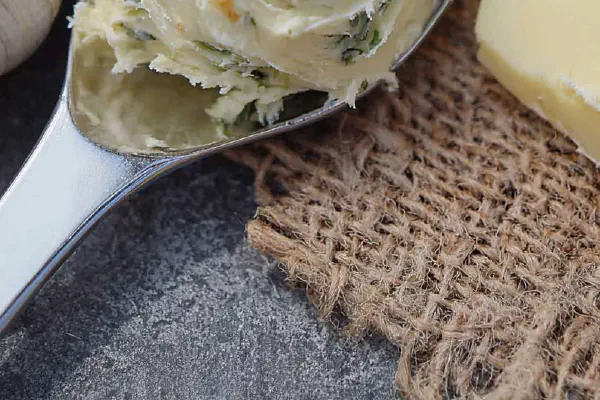
Whiskey-Chive Butter
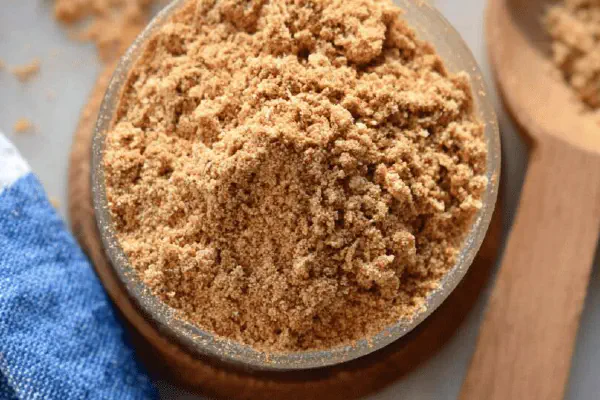
Smoky Citrus Fajita Rub
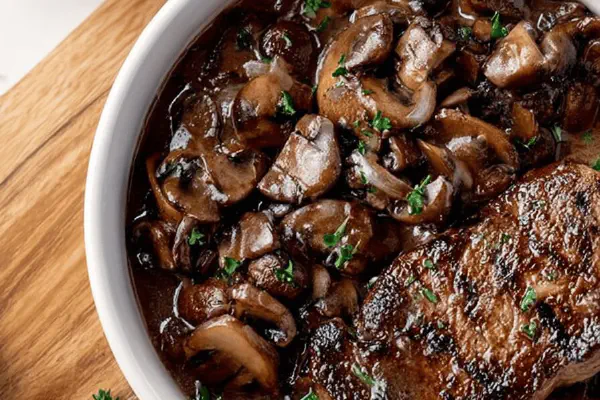
Red Wine Mushroom Sauce

Chicken Dipper Sauce
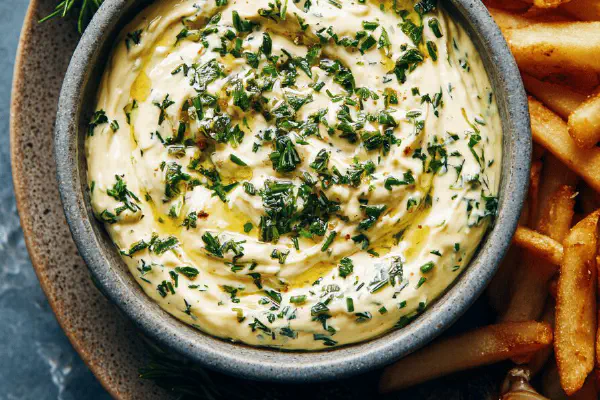
Garlic Herb Aioli
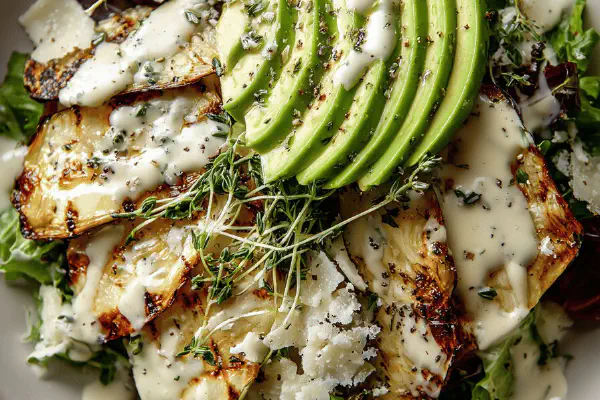
Parmesan Herb Vinaigrette
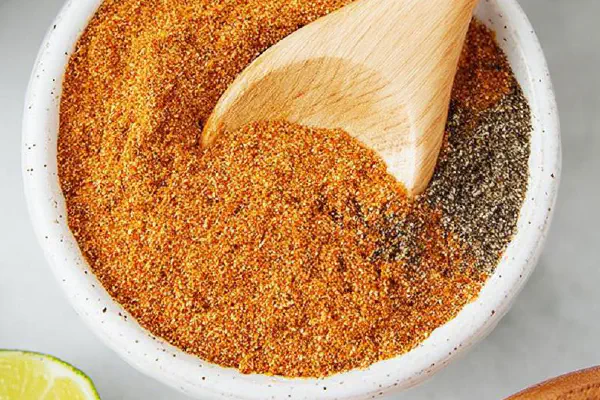
Smoky Chipotle Taco Rub
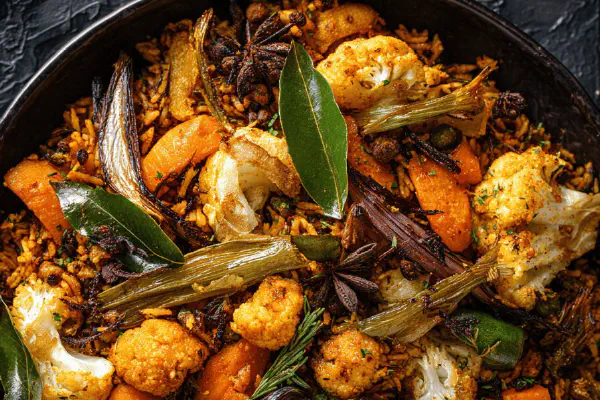
Caribbean Spice Blend Remix
Custom Pumpkin Pie Spice

Cilantro-Lime Vierge Sauce
Vietnamese Fondue Sauces Remix
Steakhouse Bold Rub

Alabama Tangy White Sauce
Twisted Shish Taouk Marinade

Lobster Oil Twist
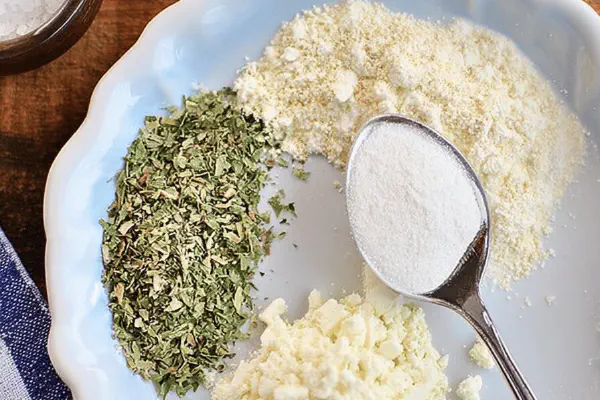
Homemade Ranch Mix Twist

Avocado Yogurt Green Goddess Dressing
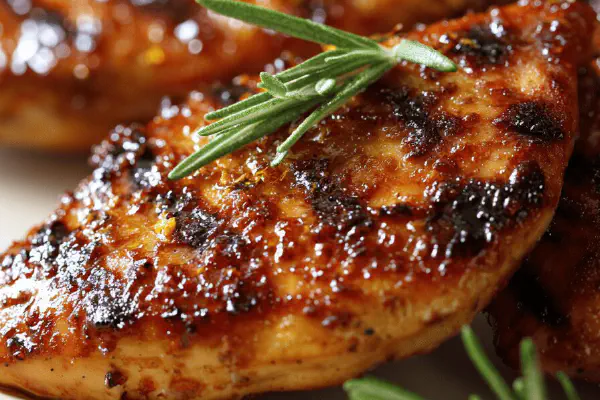
Orange Chili BBQ Marinade
About the ingredients
Use olive brine from quality canned olives—not just any brine; some are too salty or vinegary so sample first. If you lack sherry vinegar, red wine vinegar works; reduce lemon juice slightly to avoid excess tartness. Capers give salt and tang; pickled green beans or chopped pickles might replace if stuck. Replace fresh thyme with oregano if unavailable but use less since oregano stronger. Olive oil quality shows here—extra virgin preferred; cheaper oils ruin texture and taste. Fresh lemon juice essential; bottled juices lack vitality and fresh aroma. Shallots avoid harshness of raw onions but taste test before blending; old shallots bitter. Salt is just seasoning enhancer; adjust based on olive brine saltiness. Pepper freshly cracked, never preground, for pop.
Method
Technique Tips
Pulse blender briefly; overprocessing releases bitterness from herbs and shallot. Watch breaks in texture—small flakes remain, just enough to spread flavor without bruising leaves too much. Adding oil slowly while blender runs forces emulsification—tiny oil droplets suspended in vinegar mix. Start drizzle with very fine thread; rushing leads to slipping breakdown—separation occurs. Stop once mixture thickens, glossy, and holds together. Refrigerate after prep if not using—flavors meld but oil may harden slightly, whip again before serving. Same steps apply if swapping olive oil for avocado oil for smoother, less peppery note. Don’t over-salt initially; olives and capers are salty. Tasting throughout essential—prep evolves. Simple, fast, but precise timing key. If blender or food processor not available, whisk combined liquids vigorously while drizzling oil, but texture differs. Keep cold for best shelf life and freshest bite.
Chef's Notes
- 💡 Use high-quality olive brine. Just a few olives can bring saltiness, flavor depth. Change up brine if it’s too strong. Sample first—taste matters.
- 💡 Sub sherry vinegar with red wine vinegar. Adjust acidity levels, less lemon juice perhaps. Balancing act here. Avoid excess tartness.
- 💡 Fresh thyme has gentler flavor than rosemary. Use oregano if thyme's not available. Oregano’s stronger, so cut back but keep herbal notes.
- 💡 Pulse short bursts only when blending. Coarse bits of thyme, shallots remain. Releases flavors but avoids bitterness from overprocessing—textural hints.
- 💡 Slowly drizzle olive oil during blending to emulsify. Creates creamy texture without grease. Thin stream crucial, avoid rushing—emulsification magic.
Kitchen Wisdom
How long will vinaigrette last?
Store in fridge; lasts 24 hours. Quality dips after that. Flavor melds during storage but oil solidifies. Just re-whip.
Can I swap ingredients?
Yes. Use pickle juice instead of olive brine. Swap oil for avocado oil, different notes. Vinegar substitutes also work.
What if dressing separates?
Try blending again; emulsification isn’t permanent. Re-whisk if too oily or runny. Can add a bit more oil or vinegar.
How to use leftovers?
Drizzle on roasted veggies, use for marinating proteins. Works well with grains or as a dip. Lots of versatility.
You’ll Love These Too
Explore all →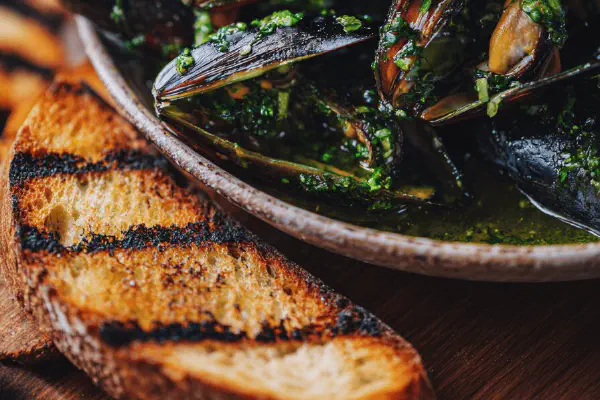
Grilled Mussels Salsa Verde Twist

Meatball Stromboli Twist
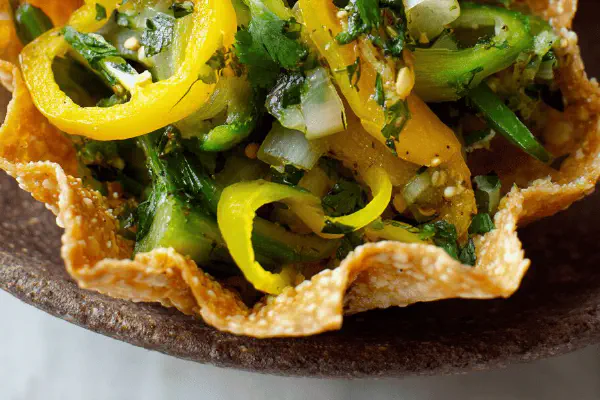
Cactus Salad with Tortilla Bowls

Twisted Sweet Potato Pie
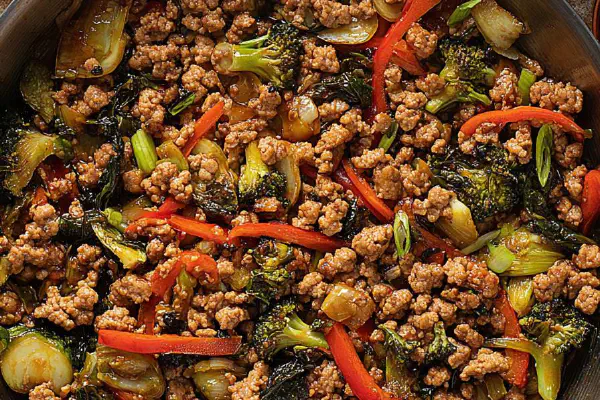
Ground Pork Stir Fry with Broccoli
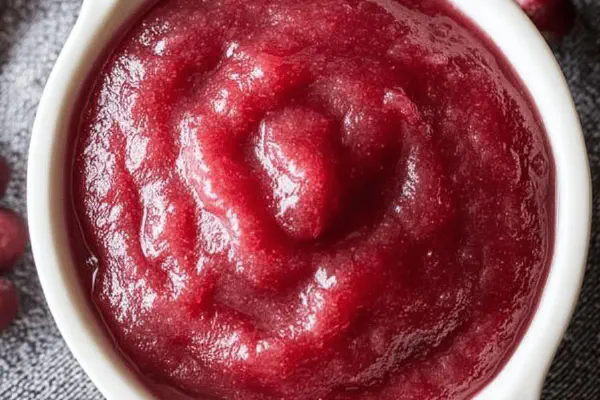
Spiced Cranberry-Apple Sauce
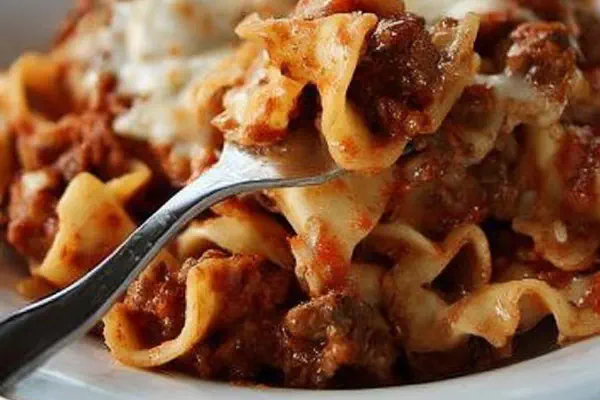
Creamy Beef Lasagna Bake

Sheet Pan Cinnamon Rolls Remix

Milk Chocolate Panna Cotta
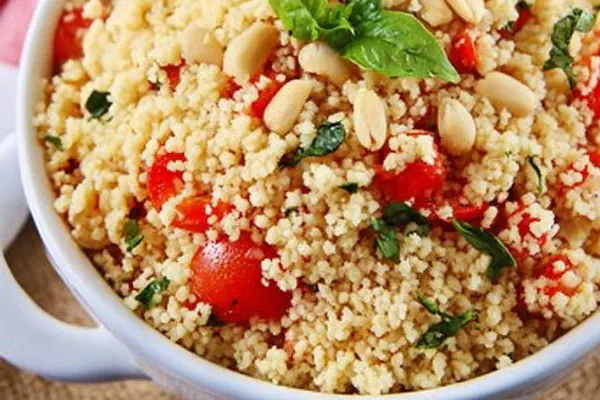
Savory Tomato Couscous

Strawberry Foldover Tart

Dark Mocha Fudge Cake
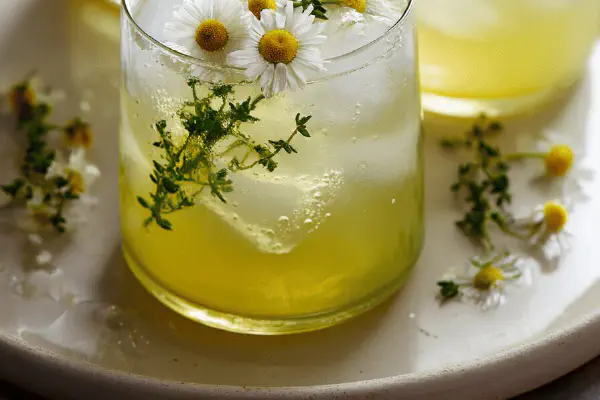
Apple Chamomile Cocktail
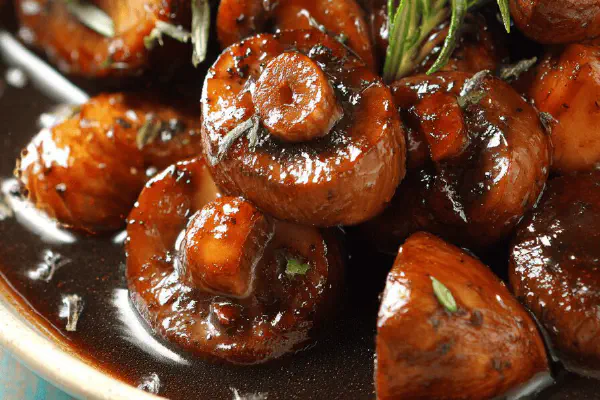
Vegetable Demi-Glace Twist
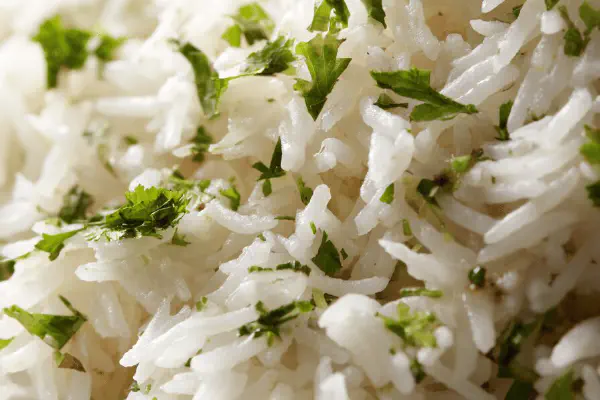
Microwave Basmati Rice
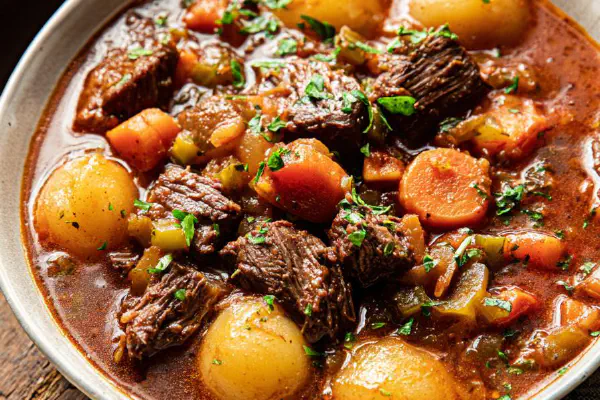
Slow Cooker Rustic Beef Stew
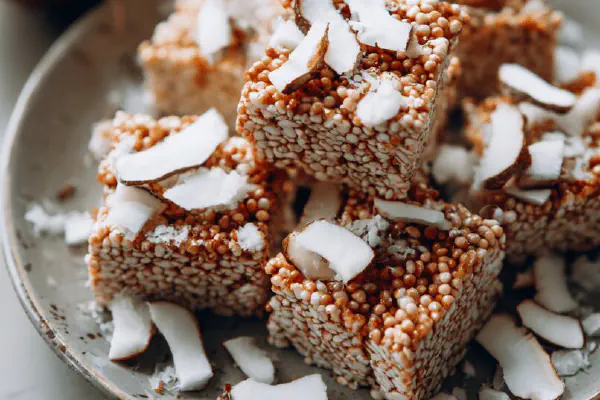
Marshmallow Rice Crispy Bars Twist
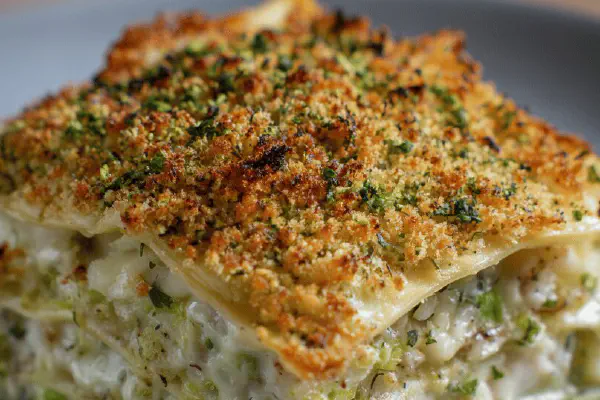
Pea Fish Lasagne Twist
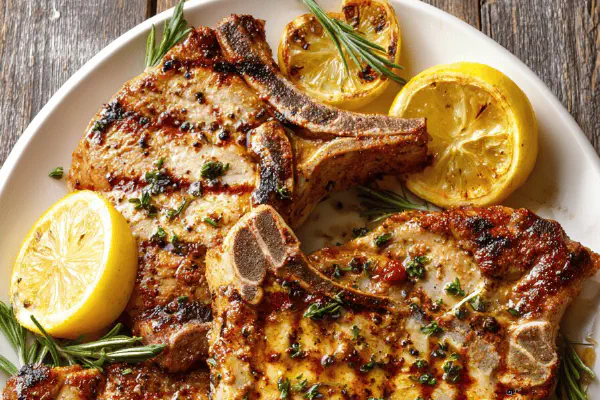
Buttermilk Pork Chops
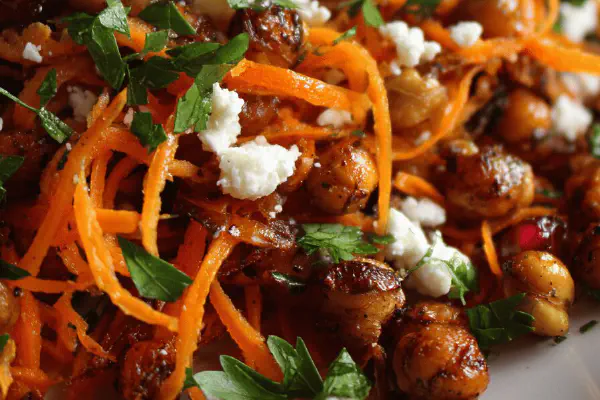
Carrot Chickpea Salad Twist

Honeydew Cucumber Punch Remix

Cabbage Chorizo Slaw Remix

Holiday Candy Blondie Bars
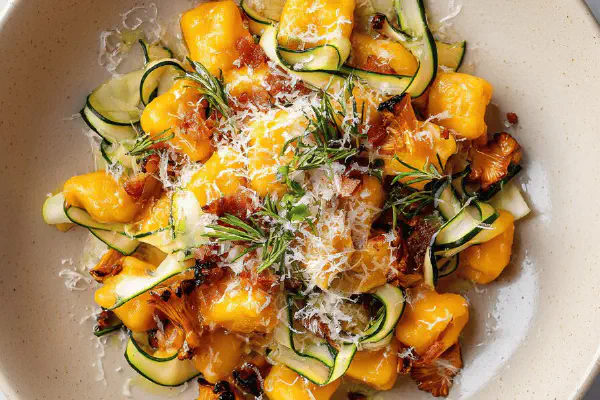
Butternut Gnocchi with Chanterelles

No Bake Citrus Swirl Cheesecake
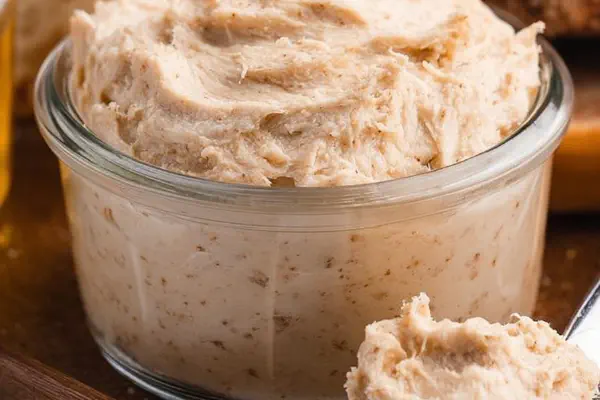
Honey Cinnamon Butter Twist
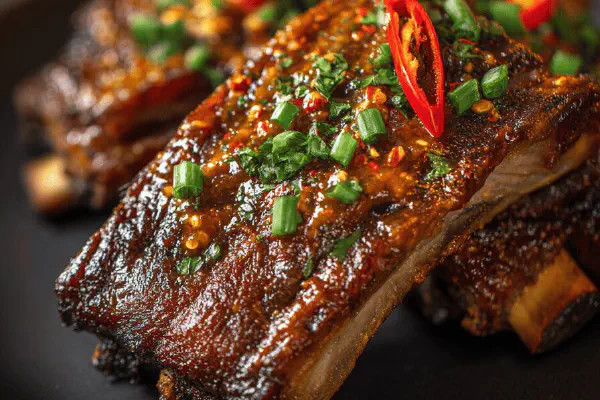
Tex-Mex Pork Ribs Remixed
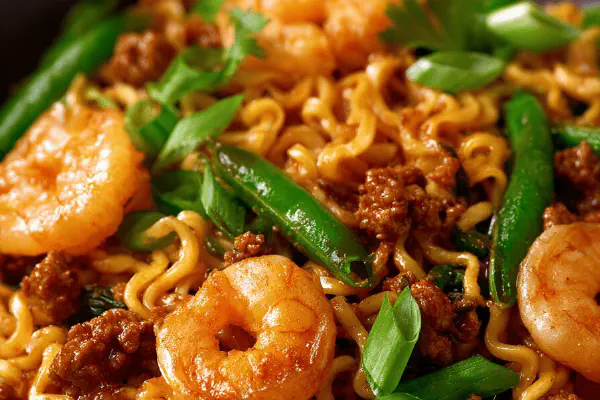
Spicy Pork Shrimp Ramen
Twisted Shish Taouk Marinade