Featured Recipe
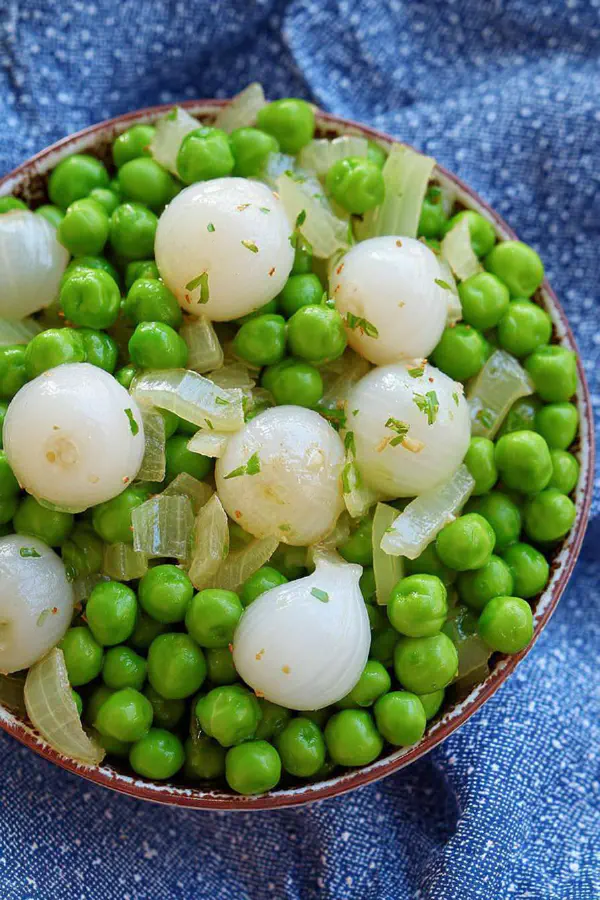
Savory Peas Pearl Onions
By Kate
"
Frozen peas and pearl onions cooked slowly in butter with seasoned salt and smoked paprika for a slight smoky edge. Pearl onions add sweetness, peas bring freshness. Gentle heat melts butter, veggies soften without mush. Listen for subtle sizzle, smell sweet caramelizing edges. Stir often but gently to prevent burning or sticking. Serve hot, vibrant green with translucent pearl onions. A simple side that can pivot easily—swap pearl onions for shallots, use garlic butter for depth. Adjust seasoning as you go. Timing depends on thaw and soften cues. Practical, no fuss.
"
Prep:
5 min
Cook:
20 min
Total:
25 min
Serves:
4 servings
vegetable sides
easy cooking
quick meals
Introduction
Quick side starting from frozen. No rinsing necessary if frozen right. Butter’s key here—not just flavor but helps even cooking and texture control. Seasoned salt—not plain salt. Gives a rounded background note. Smoked paprika—subtle earthiness. Not smoky campfire heavy, but enough to shift the profile. Pearl onions worth the effort. If fresh, peel by blanching briefly and plunging in ice water—that technique saves time later. Frozen? Great too, but keep an eye on texture so they don’t turn soggy. Voice of experience: cooking peas takes patience. Want them tender but not life-sapped mush. Warm gently, stir, taste frequently. Every stove is a little different, trust your eyes, ears, nose. Butter will foam, veggies will slowly soften, a gentle steam will rise. That’s when you know. Timing ain’t strict, it’s about the moment.
Ingredients
About the ingredients
Changing pearl onions to shallots works if you want an onion flavor with a touch more bite. Avoid yellow onions here—they overpower, get bitter when cooked slow. Butter—unsalted recommended for seasoning control. Olive oil or ghee can replace, but ghee adds nuttiness while olive oil makes it lighter, less creamy. Seasoned salt is a blend—if not handy, mix kosher salt with garlic powder and a pinch of cayenne. Smoke paprika is optional but gives that subtle warmth; sweet paprika also works but loses spice. If using fresh peas, adjust cooking time down by a few minutes since they cook faster. Frozen ones hold cooking time steady but can add water—so watch liquid buildup at bottom. Stirring frequency matters—too little, burn; too much, break peas down. Balance is key. Covering traps steam, cooks evenly. Don’t seal airtight; you want some moisture release to avoid sogginess.
Method
===
- Melt butter in a heavy-bottom saucepan over low heat. Use gentle heat to avoid burning butter solids; you want foam but no browning.
- Add frozen pearl onions first. Stir occasionally to coat with butter. The onions soften slower than peas. Look for slight translucency and juicy softness—peel back a layer with a fork to check. This takes about 10-12 minutes.
- When onions are halfway tender, add frozen peas. They thaw fast but need warming through. The peas will turn a brighter green and emit a fresh, sweet aroma.
- Sprinkle seasoned salt, smoked paprika, and black pepper evenly. Stir to combine flavors. The smoked paprika adds a subtle warmth and depth without overpowering.
- Cover the pan loosely. Maintain very low heat to steam the vegetables gently. Avoid high heat, which toughens peas and shrinks onions.
- Cook covered, stirring every 3 minutes. Check the peas and onions for tenderness. You want peas soft but with a slight bite (al dente), and onions creamy but intact.
- Total cook: about 17-22 minutes, depending on stovetop and pan.
- Once done, remove cover and let steam escape for a minute. Stir to distribute melted butter coating all veggies.
- Serve immediately to retain warmth and texture. Peas should be glossy, onions shiny and tender.
- If pearl onions aren’t available, swap with shallots sliced thick. For butter substitute, olive oil adds fruitier notes but loses richness.
- If peas or onions turn mushy, heat was too high—next time lower the temp sooner and stir more frequently.
- Frozen peas sometimes carry excess ice crystals. Pat dry or quickly thaw then drain to avoid watery outcome.
- Leftovers reheat with a splash of broth or butter on low heat to avoid drying out or clumping.
Technique Tips
Start by melting butter low to control heat gently—no rushing or browning. Add pearl onions first because they take longer. You want to see translucent edges, maybe hear a subtle popping from peeling skins releasing moisture. Peas come next since they just need warming and softening—too long and they get grainy. Season halfway through to ensure even flavor blend—a late salt can pull moisture out too fast. Covering traps steam but don’t seal tight; check often to avoid overcooking. Listen for soft simmer sound, smell sweetness rising. Stir carefully to keep peas intact; using wooden spoon helps prevent pressing veggies into mush. Timing is a guide, but trust visual and textural cues. When peas brighten up green and onions yield softly with a gentle poke, you’re done. Remove cover to dry off excess steam, keeping texture firm. Serve hot immediately. Any leftovers? Reheat gently, add moisture if dry. Frozen peas can water out; drain before cooking if needed. No pearl onions? Shallots thin-sliced are a good swap but add last minute so they don’t vanish into sauce.
Chef's Notes
- 💡 Start low. Melt butter gently. Watch for foam, no browning. Brown butter adds bitterness. Use heavy pan for even heat distribution. Keep a close eye. Stir cautiously. Avoid mushy texture.
- 💡 Frozen peas may hold ice crystals. Pat them or briefly thaw before cooking. Drain excess water. This avoids a soupy mess. Adjust cook time, too. Peas cook fast. Minimize water release.
- 💡 Seasoned salt is key here. If unavailable, mix kosher salt and garlic powder. Adjust to taste. Watch out for burning; too much heat here toughens vegetables. Aim for gentle simmer sound—this means steam rising.
- 💡 Swap shallots for pearl onions, adds bite but alters sweetness. If you want less richness, try olive oil. For nuttiness, ghee works too, but won't be creamy. Monitor texture closely to avoid sogginess.
- 💡 Timing's flexible. Always check for visual cues. Onions should be translucent, peas bright green. Avoid overcooking. Trust your senses—smell sweetness, listen for gentle sizzling. Adjust temp as needed.
Kitchen Wisdom
What if my peas turn mushy?
Too high heat; next time lower it sooner. Stir more often. You want al dente—soft without losing shape.
Can I store leftovers?
Yes. Refrigerate in airtight container. Reheat slowly, add a splash of broth or butter. Avoid drying out; keep moist.
What’s a good substitute for pearl onions?
Shallots are fine—increase flavor but less sweetness. Yellow onions? No—too bitter when cooked slow.
Why is my dish watery?
Frozen peas often hold water. Thaw or pat dry before cooking. Drain excess moisture during or after cooking.