Featured Recipe
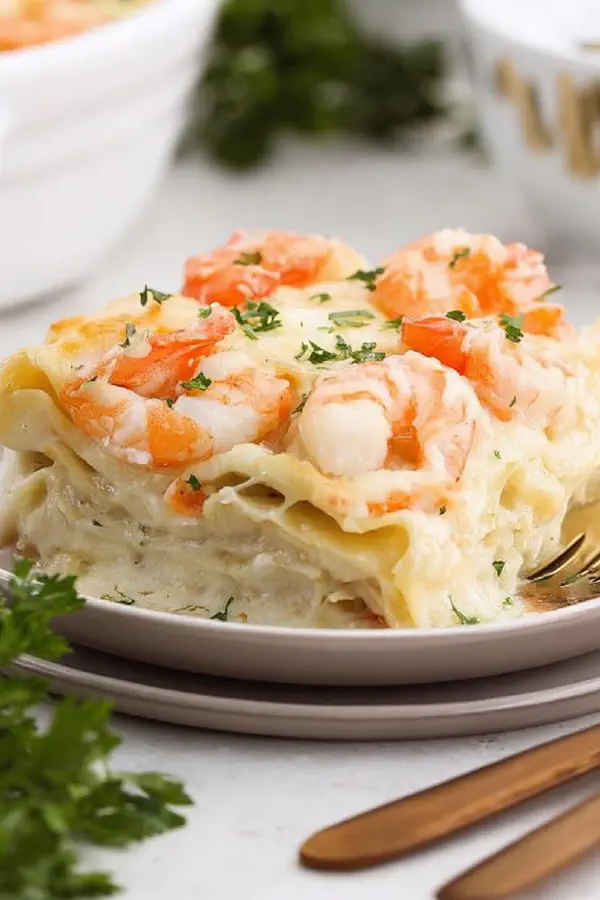
Seafood Lasagna Twist
By Kate
"
Layered pasta with shrimp, crab, and a creamy white sauce made with a wine-milk blend and spiked ricotta mix. Butter, garlic, and flour start the sauce base, thickened by simmering before layering with noodles and seafood. Baked until bubbly, cheese melts golden brown. Serves twelve. Calories four hundred three per serving. Protein rich, balanced carbs, substantial fats. Practical swaps for crab, wine, or cheese included. Cooking times and steps tweaked for clarity and sensory cues. Keeps texture firm, flavors bright, cheese layers distinct.
"
Prep:
25 min
Cook:
55 min
Total:
1h 20min
Serves:
12 servings
seafood
lasagna
pasta
dinner
cooking
Introduction
Lasagna usually means tomato and beef, but switching to seafood changes texture and flavor profile dramatically. Shrimp and crab are delicate—overcooking turns them rubbery, so layering matters. Cream sauce is backbone here—not too thick, not thin—locks in moisture while keeping pasta layers distinct. Garlic-butter roux-base sauce thickened with flour, slowly incorporating vermouth and milk. Vermouth chosen for its dry profile and subtle botanicals; sherry works too if you prefer warmer, nutty notes. Ricotta enriched with egg and pecorino punch adds chew and tang—a necessary anchor to seafood’s subtle sweetness. Don’t skip lemon juice in cheese mix, brightens and balances cream. Cheese layers puff and brown slowly in oven heated slightly below standard lasagna temp. Resting is non-negotiable—helps set layers so you don’t lose everything on the first cut.
Ingredients
In The Same Category · Hearty Mains
Explore all →
Pork Tenderloin Espelette
Beef Zucchini Meatballs Tahini

Warm Tuna Broccoli Pasta
Ginger Tea Brined Pork Chops
Shrimp and Spiced Sausage Couscous
Pea Fish Lasagne Twist
Beer Maple Glazed Salmon
Braised Beef Red Wine
Pork Medallions Clementine Glaze
Cauliflower Ham Egg Gratin
Quick Spiced Fish Stew
Crunchy Pork Cucumber Rice Salad
Pan-Seared BBQ Pork Chops & Loaded Potato Salad
Cheesy Biscuit Chicken Pot Pie
Chicken Roulades Autumn Veg

Twice-Dipped Fried Chicken
Hearty Chicken Chili Soup
Dual Meat Chili Pressure Cooked
Grilled Swordfish Spaghetti Squash
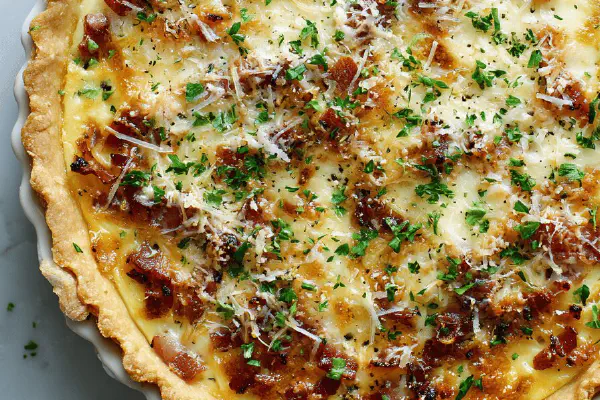
Alsatian Flambé Tart Twist
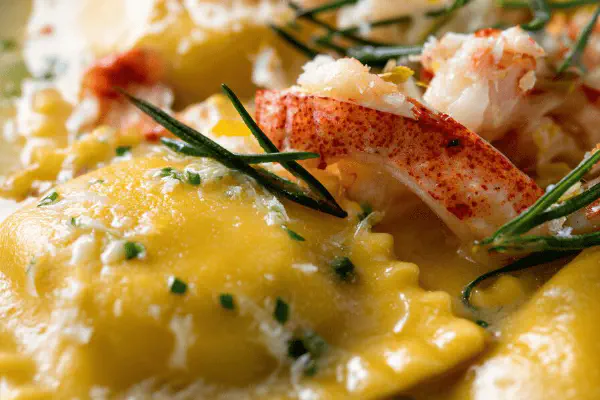
Lobster Ravioli with Citrus Butter
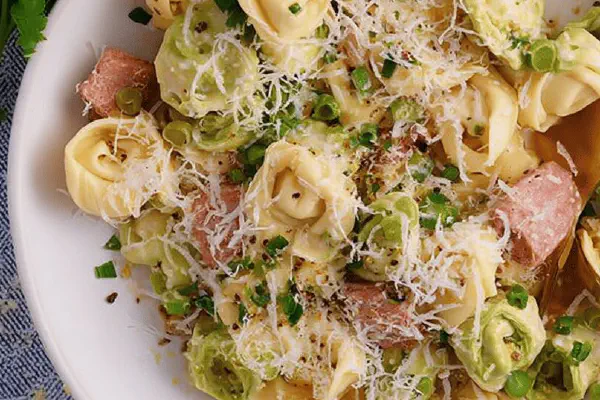
Creamy Tortellini Ham
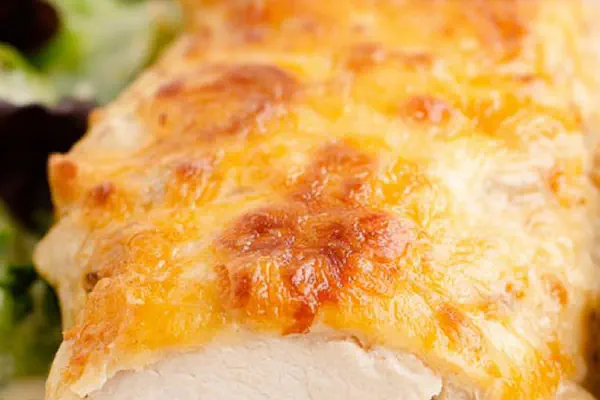
Garlic Cream Cheese Chicken
Pork Stew with Yukon Gold
Salmon Lentil Bed
Chicken Papaya Stir-Fry
Spicy Honey Chicken Remix
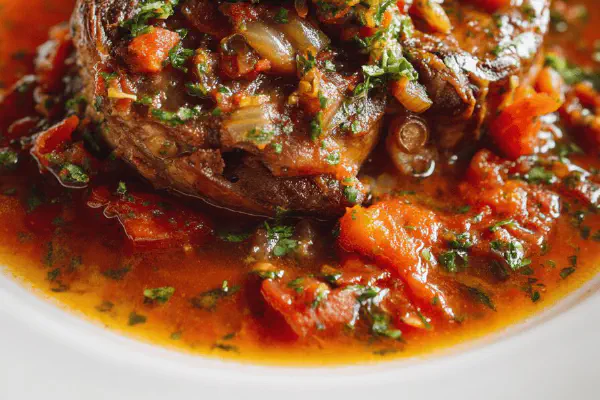
Osso Buco Adapted
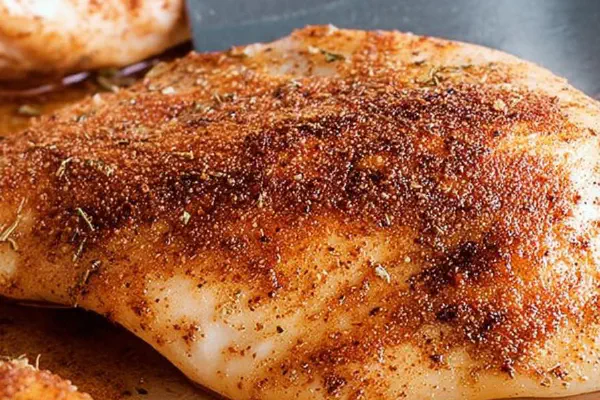
Spicy Oven-Baked Chicken
About the ingredients
Lasagna noodles can be no-boil varieties to save time but texture won’t be exactly the same; boil fresh if you care about bite. Butter is unsalted so you control salt levels precisely—salt lightly during roux and cheese mixing, then adjust final seasoning last minute. Garlic must be fresh; powdered won’t deliver same aroma or intensity. Flour should be all-purpose for thickening; whole wheat or gluten-free flours change texture and cooking times. White vermouth or dry sherry adds subtle complexity—omit if unavailable and increase milk by ½ cup but lose aroma nuance. Ricotta is best fresh whole milk type, ricotta salata or part-skim yield different moisture and salt balance—adjust egg accordingly. Oregano replaced traditional basil to shift herbaceous note and fit crab and shrimp better. Pecorino Romano swapped for parmesan for more bite and salt, but use parmesan if pecorino is too strong for your palate. Mozzarella’s low-moisture one recommended to avoid watery lasagna; shredded by hand gives better melt. Parsley is more than garnish—adds aroma and texture lift, substitute with chives or basil if you want different herb punch.
Method
Technique Tips
Salt boiling water well to season noodles from inside out. Overcooked pasta is mushy; undercooked pasta tough, aim for al dente plus a minute or two padding. The garlic-butter roux is foundation—too dark will taste bitter; use aroma and color, not strict timing only. Adding alcohol first helps dissolve browned bits; whisk constantly for no lumps. Milk at room temp prevents sauce shocks and curdling. Sauce thickness is key; spoon test is best indicator—too thick, add splash milk; too loose, cook longer with whisking. Ricotta mix consistency matters; lemon juice cuts richness. Layering order important for heat and moisture distribution—don’t overload any one layer. Spreading cheese evenly with fork tines encourages browning and air pockets—that’s more texture. Baking time varies on oven; look for visual cues: bubbling sides, well-browned cheese spots, and aroma development. Letting lasagna rest locks layers, cools dish to handle, and finishes melting cheese properly. Patience here beats rushing cuts for neater plates and flavor.
Chef's Notes
- 💡 Use no-boil noodles for ease but texture varies; boil fresh for al dente bite. Don't skip chilling under cold water. Prevent sticking. Salt water generously; it flavors noodles from within. Overcooked noodles are mushy. Under-cooked, tough. Balance matters.
- 💡 Observe garlic carefully; too much heat causes bitterness. Uniform golden color is key. Build roux gradually while whisking—any lumps ruin sauce’s smoothness. Vermouth adds depth; alternate with sherry for different notes; skip if absent, boost milk quantity.
- 💡 Layering is crucial. Don’t overload on one layer; spread ingredients evenly for proper cooking and flavor melding. Use fork tines to fluff mozzarella for better melt and browning. Cheese should rarely sit flat—mixing texture gives visual appeal.
- 💡 Resting time after baking is essential; cutting straight away leads to runny layers—wait to firm up. Watch for bubbling edges and golden spots on cheese before removing. Patience pays off—better flavor integration always results.
- 💡 Herbs make a difference; replace parsley with chives or basil for different fresh notes. Adjust cheese based on personal taste; pecorino brings strong flavor; parmesan's milder. Keep textures in mind while selecting—grated or shredded affects melt.
Kitchen Wisdom
What's the best way to avoid soggy lasagna?
Layer wisely; let noodles cool; don't overload sauce. Balance moisture; too much means heavy layers. Crusty top helps too and air pockets retain texture.
How do I store leftovers?
Let cool completely at room temp; refrigerate. Best consumed within 3-4 days. Alternatively, freeze portions. Thaw in fridge first; reheat low and slow to maintain layers.
Can I substitute seafood?
Yes, use white fish or scallops if preferred. Adjust cooking time accordingly; seafood cooks differently. Keep layering method for balance. Texture will shift but flavors still shine.
Why is my sauce lumpy?
Improper whisking or adding milk too quickly can cause clumps. Ensure roux is smooth before liquids enter. A gentle hand makes a difference; whisking prevents sticking.
You’ll Love These Too
Explore all →
Mango Pitahaya Tart
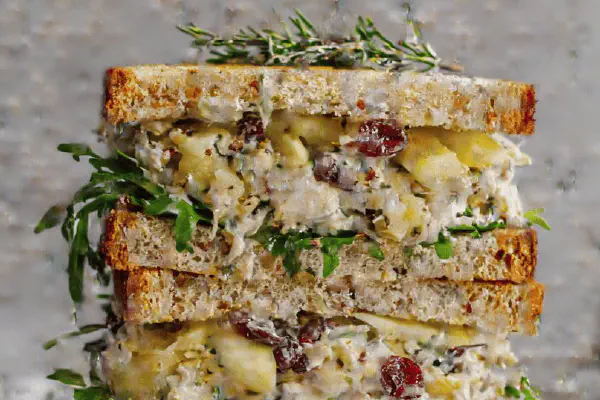
Chicken Cheese Apple Sandwich

Chorizo Pecan Melt

Drunken Panettone Twist

Lobster Oil Twist
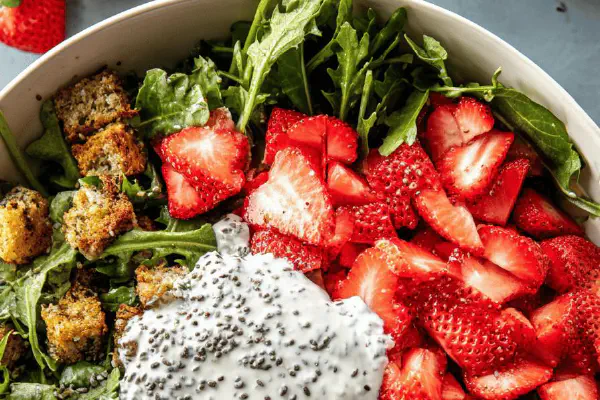
Strawberry Poppyseed Salad
Country Spag It Up
Beet Berry Acai Bowl

Peach-Verveine Kir

Spiced Maple Popcorn Mix
Warm Blue Cheese Salad
Chocolate Brioche Buns
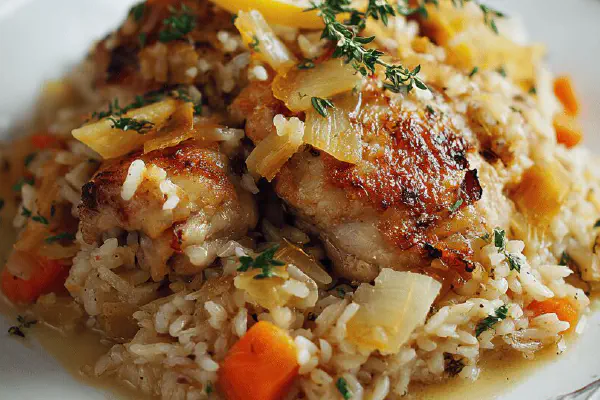
One-Pot Chicken Brown Rice Fennel
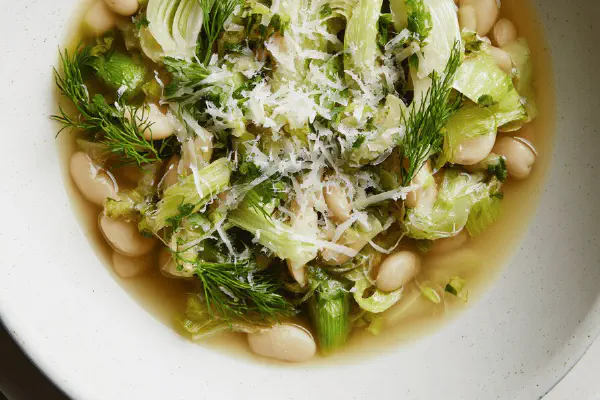
White Minestrone Twist
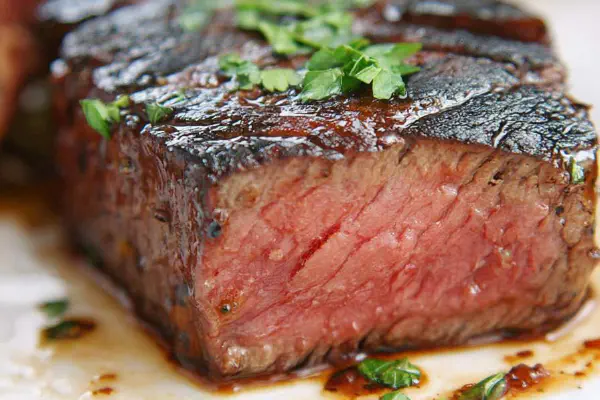
Zesty Garlic-Lime Steak Marinade
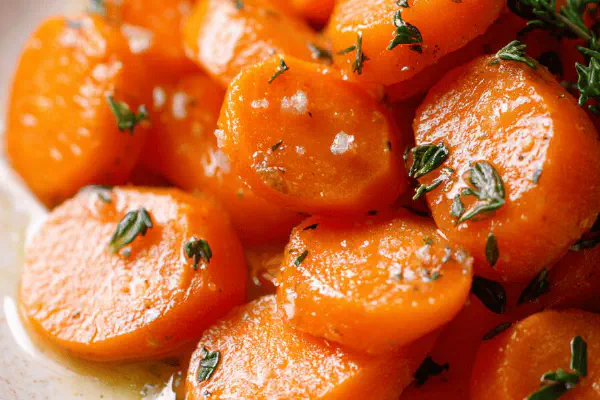
Buttered Carrots with Thyme
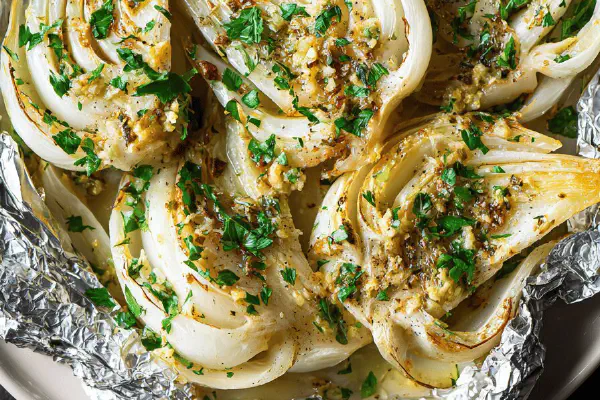
Fennel Papillote with Herb Butter

Twist Tie-Dye Cookies
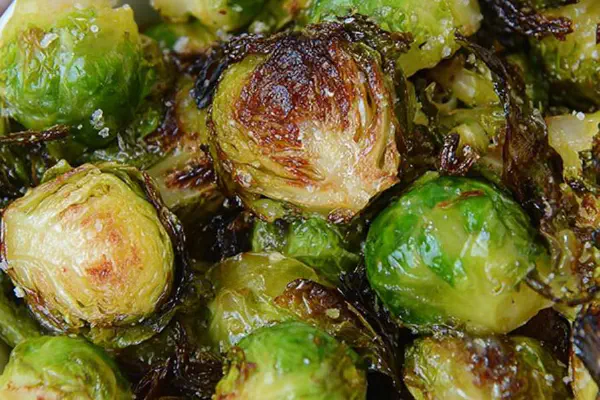
Crispy Garlic Brussels
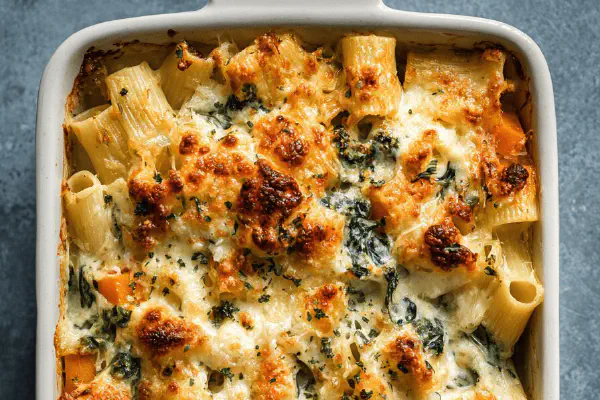
Leek Squash Rigatoni Gratin
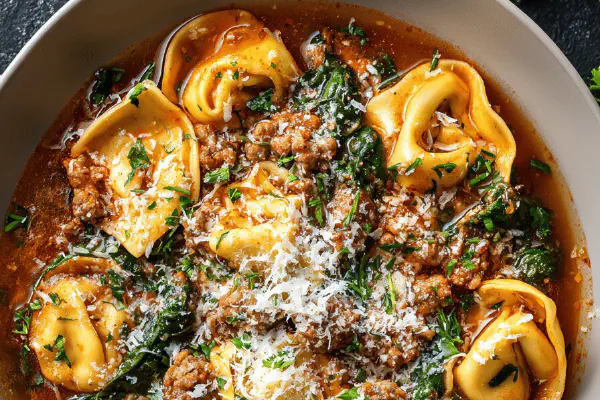
Sausage Tortellini Soup

Spiked Eggnog Cookies
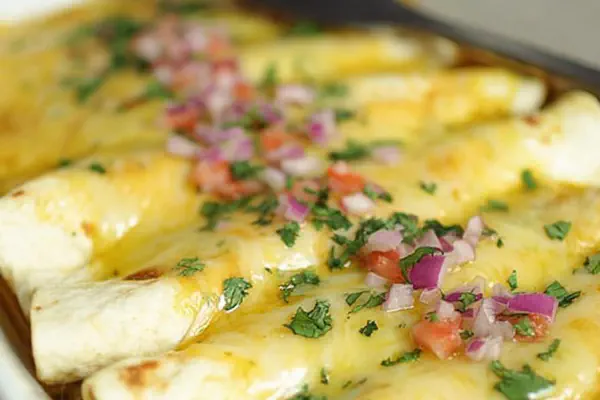
Creamy Chicken Enchiladas Twist
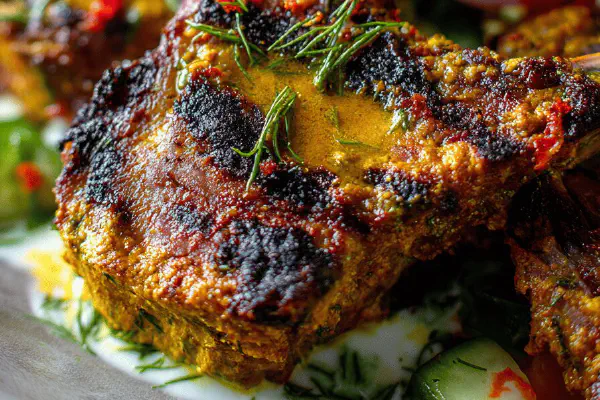
Lamb Chops with Curry and Melon Raitha
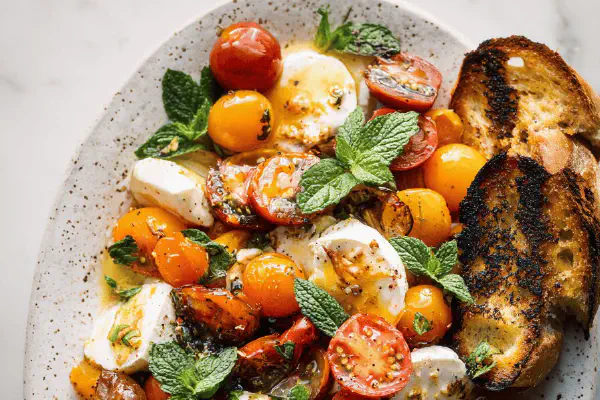
Silken Tofu Caprese Twist
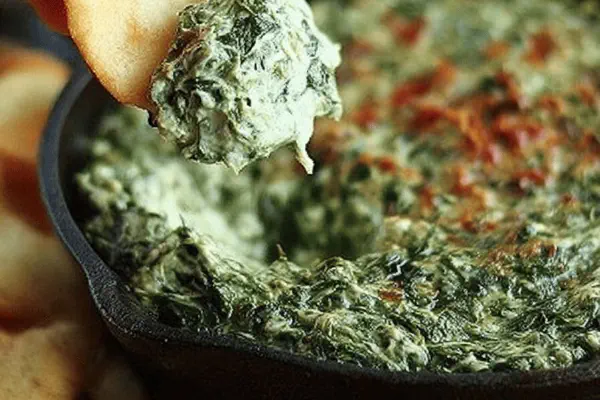
Twisted Turnip Green Dip
Papillote Trio Onions

Egg Tostadas with Black Beans
Braised Beef Parmentier with Oka