Featured Recipe
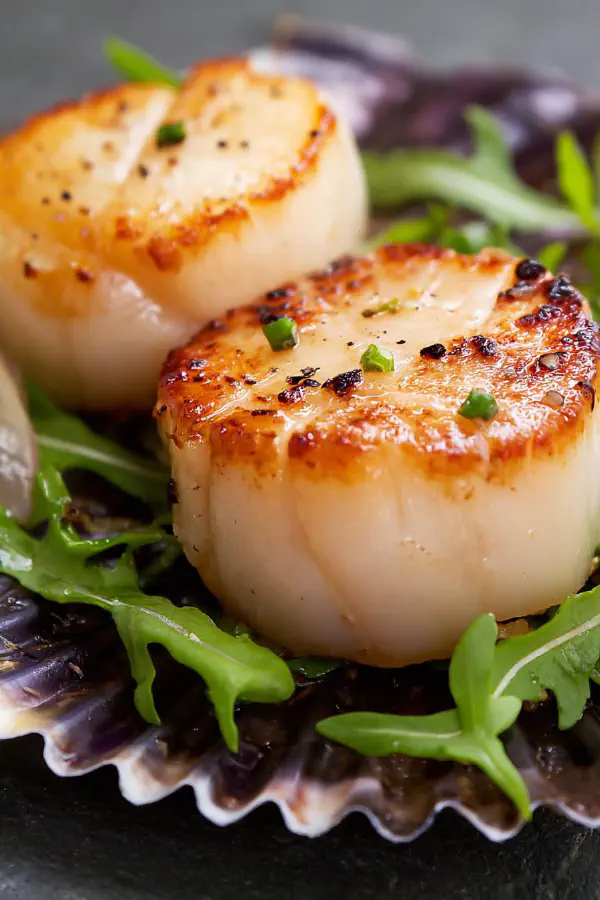
Seared Scallops Twist
By Kate
"
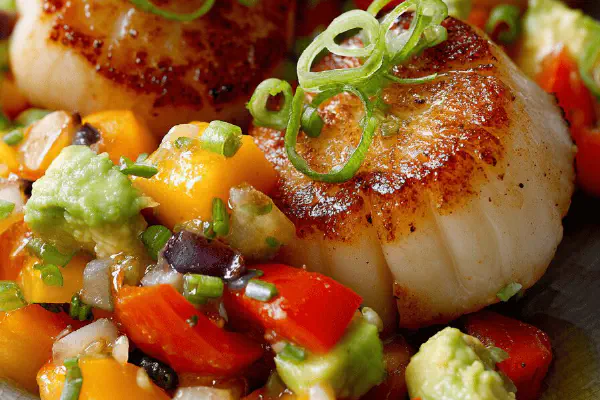
Using a solid heavy skillet, heat over high flame till it shimmers and just starts smoking. Season diver or bay scallops with flaky sea salt and cracked black pepper. Place in pan without crowding. Don’t poke or fuss—wait for crisp golden crust. Flip using tongs, quick, gentle. Cook till same crust forms. Pull off heat, rest briefly in pan to carryover warmth. Subtle almond oil replaces canola for nuttier aroma. Lemon zest and chili flakes added post-sear for bite. Key: listen for sizzle, watch for color shift, feel scallops firm but springy. Avoid overcooking or steaming. Serve fast—shellfish lose magic as they cool.
"
Prep:
7 min
Cook:
6 min
Total:
13 min
Serves:
2 servings
seafood
scallops
quick meals
dinner
Introduction
Fat crackles. Oil shimmers. You want crust, not sweat. Scallops are delicate — overcook and chewiness sets in fast; undercook and it’s slimy. That’s why pan choice matters—heavy cast iron or thick-bottomed stainless steel to keep heat steady. Almond oil replaces canola here to add slight nuttiness and tolerate high temps without smokiness. Other oils work but adjust flame accordingly. Salt pulls moisture away so scallop surface crisps instead of steams. Using flaky salt is not optional—coarse grain adds bursts of flavor and crunch. Nothing worse than mushy scallop mishaps. Spacing is everything—no scapegoating counts. That sizzle sound? Trust it. Visual clues like golden mahogany crust tell when to flip. Slack at flipping and you lose that sought after texture and aroma. Then, toss some lemon zest and chili flakes while hot—the residual heat wakes up scallops without risking toughness. Resting in pan keeps them warm if plating delays pop up but no longer than 4 minutes! Get ready. Lots of lessons to tuck away. Scallops don’t lie. It’s about precise timing, feel and knowing how to read pan and scallops’ body language.
Ingredients
About the ingredients
Scallops must be dry. Pat thoroughly before seasoning or oil and pan heat can’t form that prized crust. Almond oil here for heat resistance and almond’s subtle perfume; grapeseed and avocado oil are good substitutes for high smoke tolerance. Avoid butter in the pan during searing because it burns fast and spoils sear. Instead toss it in after to brush scallops lightly if richness desired. Sea salt flakes provide bigger flavor punches compared to table salt. Coarse black pepper freshly cracked is essential for fresh bite. Chili flakes and fresh lemon zest at finishing heighten flavor without risking overcooking. Scallop size uniformity aids timing predictability. Large diver scallops take a bit longer, small bay scallops less. Season close to cooking time to avoid moisture drawing. Don’t skip drying layer or oil measure — those two critical to crust.
Method
Heat and prep
- Heat a heavy cast iron or carbon steel pan over high flame. Wait till oil shimmers and just begins to smoke. Almond oil recommended for subtle aroma but grapeseed or avocado oil works. Avoid pooling oil; just enough to coat pan bottom thinly.
- Pat scallops dry with paper towels. Season each side with flaky sea salt and cracked pepper. Too wet and pan steams; no crust.
- Arrange scallops spaced out in hot pan. Crowding traps steam and kills sear. Listen for lively sizzle immediately.
- DO NOT flip or touch scallops for 1 1/2 to 2 1/2 minutes. The crust will form and release naturally. Peek underneath gently—mahogany crust is the goal, not dark burnt spots.
- Flip scallops quickly but carefully with tongs or spatula. Cook opposite side same time till crust forms again. Total cook time varies but usually 3-4 minutes depending on scallop size.
- Remove pan from burner. Scatter lemon zest and chili flakes over scallops while hot. Residual heat will release oils and flavors without overcooking the shellfish.
- Let scallops rest in pan off heat for no more than 4 minutes if plating delay is needed. Make sure residual pan heat isn’t too high to avoid carryover cooking.
- Serve immediately. Scallops toughen quickly when cooling or reheated.
- If scallops stick, pan or scallops not dry enough or pan wasn’t hot enough. Pat dry, preheat longer next time.
- No almond oil? Use grapeseed, avocado, or light olive oil. Butter added post-sear adds richness but burns fast, so off heat.
- Overcrowding leads to steaming, pale scallops; space them generously.
- If crust forms too quickly and burns, lower heat slightly; key is balance of hot surface and oxidation timing.
- Keep scallops the same size for even cooking and ease of timing.
Seasoning and spacing
Searing process
Finishing
Tips & Troubleshooting
Technique Tips
High heat is king. Preheat pan long enough so oil shimmers and nearly smoke. A single drop of water should screech and evaporate instantly on contact—that’s your signal. Introduce scallops quietly, spaced to prevent steaming. Listen as sizzle hisses—if not audible, pan too cool or oil insufficient. Wait at least 1 1/2 minutes, resist urge to poke. The crust forms gradually, release from pan only when ready; if sticky, leave a moment longer. Flip briskly but gently, same timing applies. Scallops firm to touch but still bounce slightly when done. Remove immediately. Don’t rush flipping and avoid crowding to keep cooking uniform and crisp. Adding lemon zest and chili flakes after cooking allows gentle flavor lift without heat damage. If plating delay unavoidable, rest scallops off heat but in pan max 4 min; avoid carryover cooking. Watch for tough texture—a sign of overcooking or poor heat control. Pan temperature and surface dryness trump exact time. Practice watching, feeling scallops—not clock—builds skill and confidence. It’s about hearing the sizzling story unfolding beneath your hands.
Chef's Notes
- 💡 Scallops must be super dry. Pat them until no moisture remains. Wet scallops bake instead of searing. Not what you want.
- 💡 Use a heavy skillet. Heavy pans hold heat well. Cast iron or thick stainless steel best. Preheat properly until oil shimmers.
- 💡 Spacing is crucial. Crowding leads to steam. You want that crisp crust. Arrange scallops with space; no touching!
- 💡 Flaky sea salt is key. Coarse granules stand out. Adds intense flavor. Avoid regular table salt for this; wrong texture.
- 💡 Cook time varies. Listen for sizzle, watch crust color. Flip when mahogany forms. Feel scallops; they should bounce but be firm.
Kitchen Wisdom
Why are my scallops stuck to the pan?
Too much moisture in scallops or not hot enough pan. Pat dry and preheat longer next time.
Can I use a different oil?
Sure. Grapeseed or avocado oil works. Both handle heat well. Just lower temperature if you see smoke.
What if my scallops overcook?
First off too high heat likely. Next time, control temperature better. Lower heat if crust forms too fast.
How should I store leftovers?
Refrigerate in airtight container. Consume within a day or two. Avoid reheating. Makes them tough.