Featured Recipe
Sesame Crusted Tuna Twist
By Kate
"
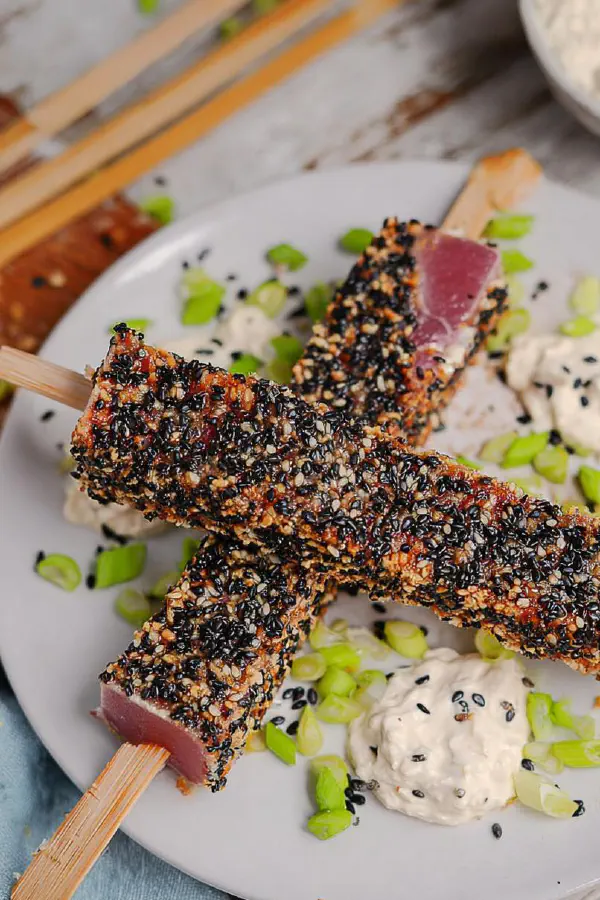
Seared tuna with a crunchy sesame coating, swapped yellow sesame seeds for hulled hemp seeds and black sesame for poppy seeds. Tuna steaks coated in the seeds, pan seared to preference. Wasabi cream sauce whipped with Greek yogurt replaces heavy cream for a tangier finish. Adjust searing times based on thickness and visual cues. Resting is key to retain juices. Aromas shift from nutty sesame to fresh heat from wasabi. Textures contrast between crunchy crust and tender, slightly translucent center. Useful tips on substitution and doneness monitoring included.
"
Prep:
7 min
Cook:
10 min
Total:
17 min
Serves:
2 servings
Main Course
Seafood
Quick Recipes
Introduction
Searing tuna with a crust isn’t complicated but demands respect. The key? A coating that crisps up fast without suffocating the fish’s natural texture. Yellow sesame shifts out; hulled hemp seeds bring nuttiness and a little oil content, which browns well. Black sesame is replaced with poppy seeds to add crunch and a hint of earthy flavor. Swapping the heavy cream in the wasabi sauce for thick Greek yogurt cuts fat yet holds body and tang, raising the flavor profile. Watch the pan’s heat carefully. Too hot, seeds burn. Too cool, no crust forms. This dish is about balancing tactile cues — the sizzle, the crust’s firmness, the tuna’s resistance to touch. Resting is non-negotiable — the juices need to settle. It’s simple, but a wrong move and the fish becomes chalky or the crust soggy. I’ll walk you through what to watch for so you nail it every time.
Ingredients
In The Same Category · Fresh Catch
Explore all →
Herbed Trout Soup
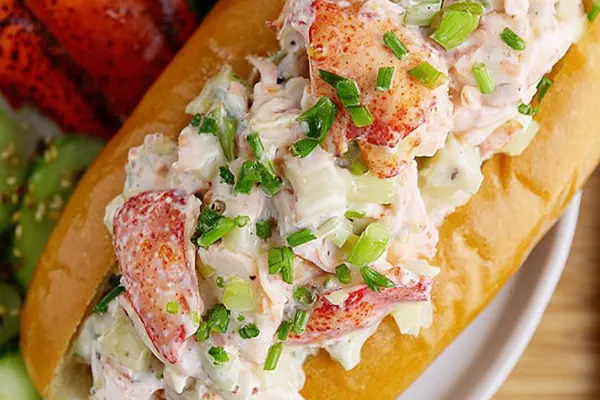
Chilled Lobster Roll Remix
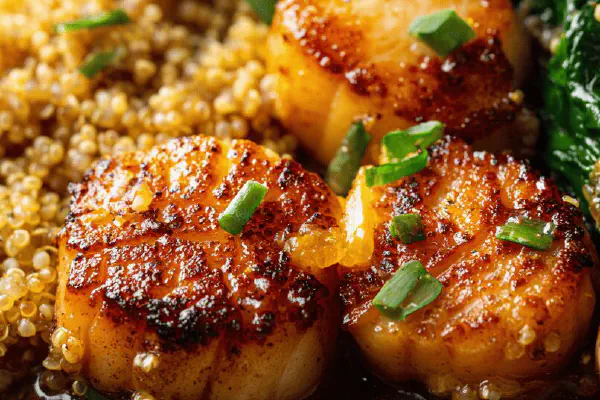
Giant Scallops Lemon Ginger

Fish Fajitas Remix

Sicilian Style Walleye Clams
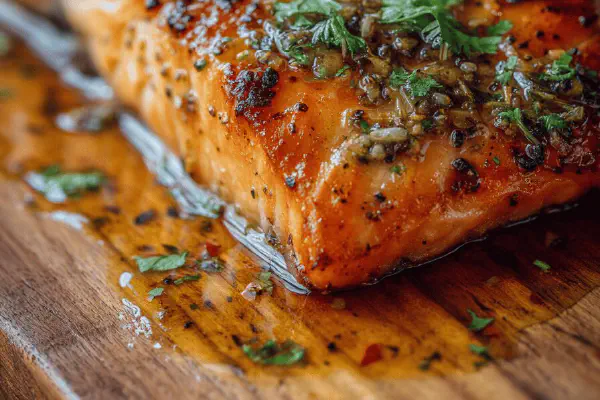
Honey Balsamic Salmon Board
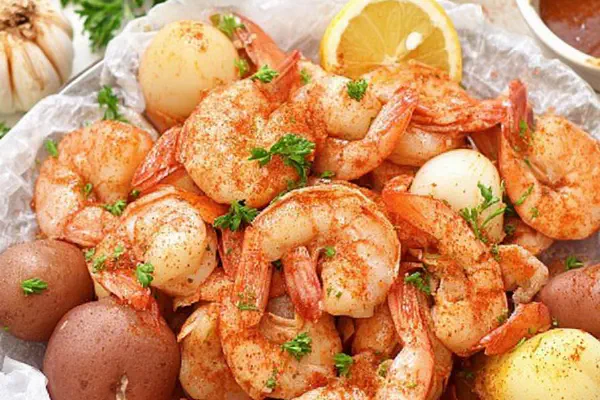
Brew-Steamed Shrimp and Potatoes
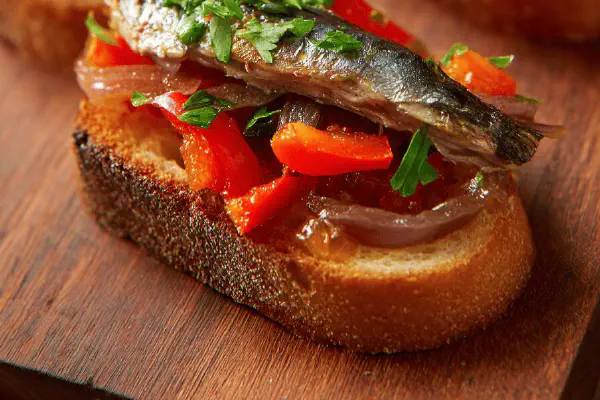
Grilled Sardine Tartines
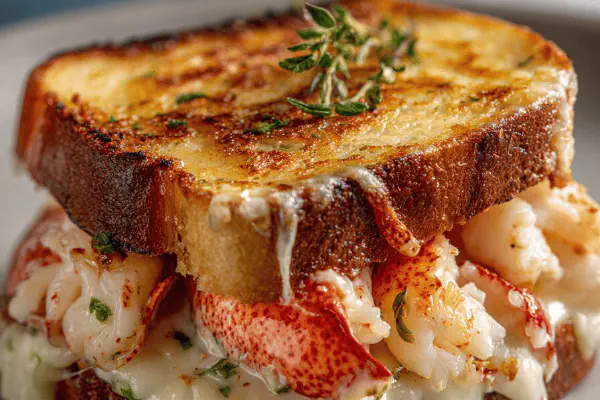
Lobster Croque-Monsieur Twist
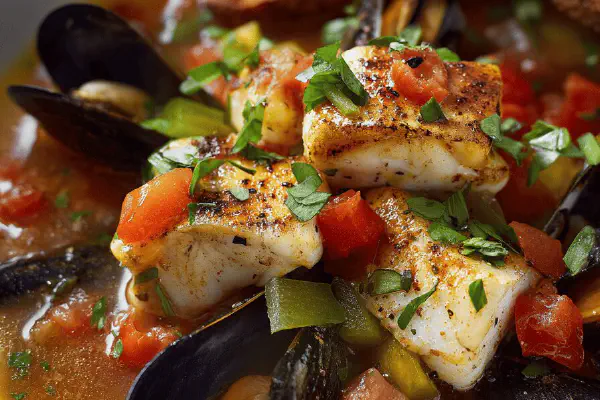
Fish broth remake
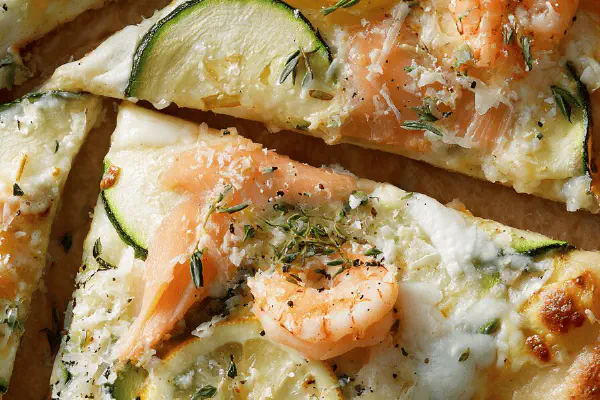
White pizza zucchini trout shrimp
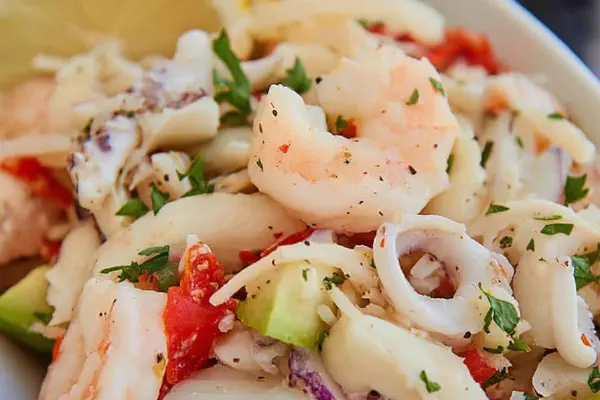
Zesty Italian Seafood Salad
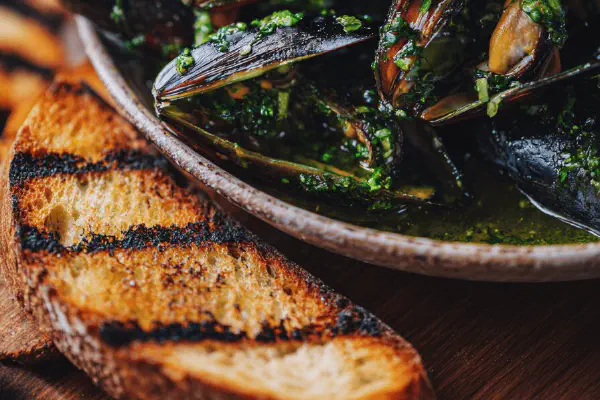
Grilled Mussels Salsa Verde Twist
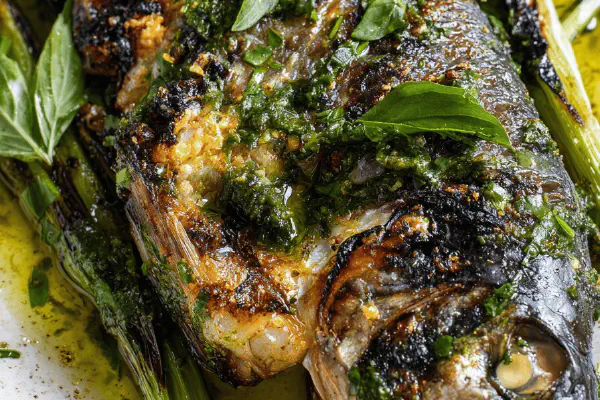
Grilled Whole Trout Twist
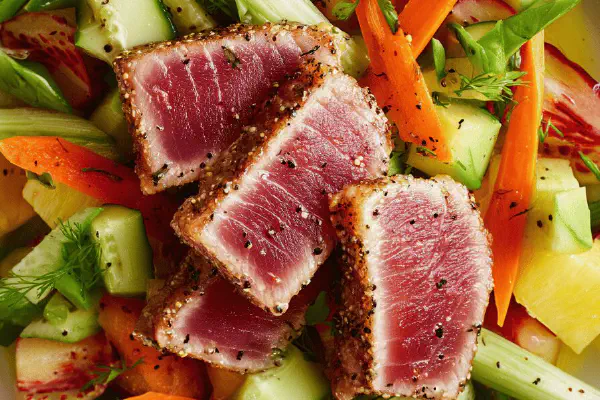
Sweet and Tangy Tuna Salad
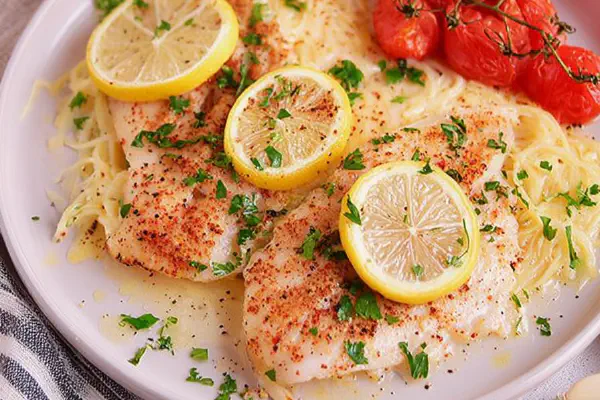
Baked Citrus Tilapia
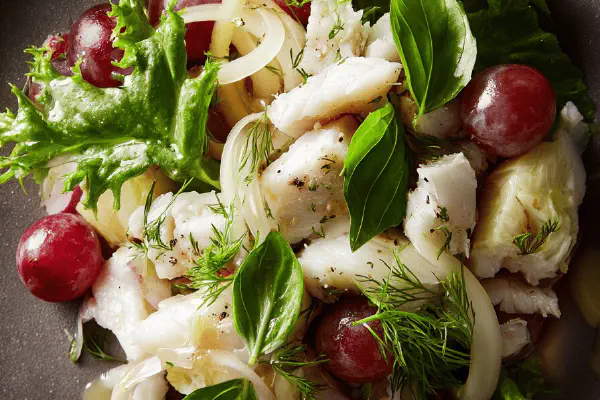
Warm Fennel Grape Fish Salad
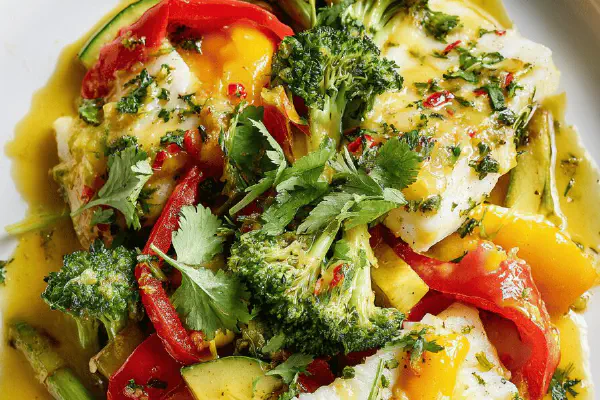
Fish Packets with Curry Dressing

Lobster Asparagus Salad
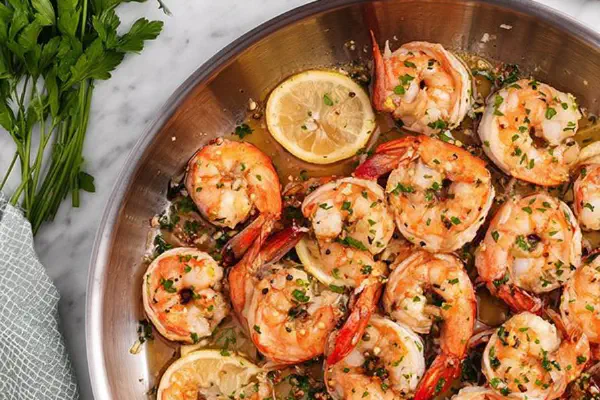
Zesty Garlic Butter Shrimp
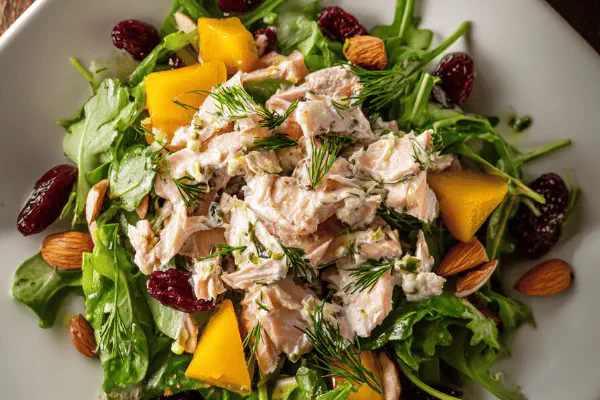
Rocket Salad with Trout and Golden Beets
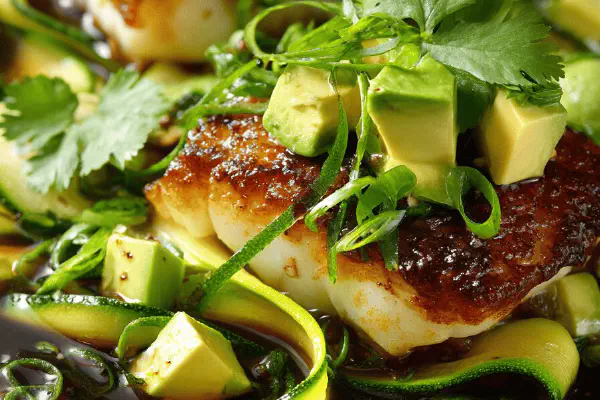
Pan-Seared Cod Ginger Zucchini
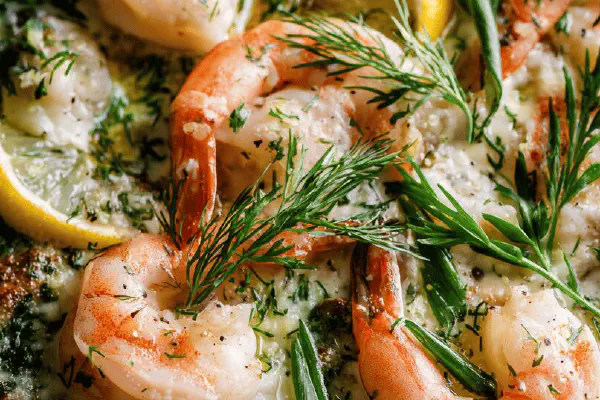
Herbed Seafood Pizza
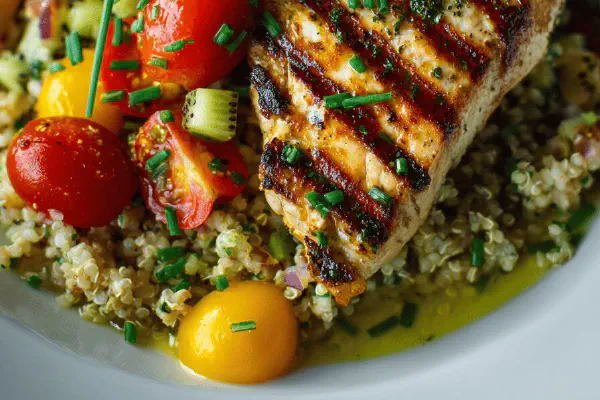
Grilled Swordfish Kiwi Salsa

Coconut Lemongrass Broth
Cajun-Spiced Salmon Veggies
Tilapia & Veggie Stir-Fry
Sardines in Spicy Tomato
Dill Scallops with Pickled Cucumber
About the ingredients
Hulled hemp seeds replace yellow sesame here for their quick toasting and subtle nutty oil content, which turns beautifully crisp. Poppy seeds swap black sesame to add crunch and a slightly different earthy aroma. You can always use traditional sesame seeds but expect a different flavor and browning behavior. Vegetable oil is chosen for its high smoke point; grapeseed oil works great if you want a neutral clean flavor. In the sauce, heavy cream is replaced with Greek yogurt — much easier to whip in this context if chilled well, plus healthier and tangier. Wasabi powder provides punch without the heat spike of fresh wasabi. Adjust salt to taste but keep it light to let wasabi shine. If you try fresh wasabi, grate it finely and reduce yogurt slightly to keep the sauce thick. Always chill the sauce before serving to let flavors meld and stabilize texture.
Method
For the Tuna
- Scatter the hulled hemp seeds and poppy seeds on a wide, shallow plate. Press both sides of the tuna steaks firmly into the seeds; this builds your crust. The sheen from the tuna helps adherence. No oil needed on fish here.
- Heat vegetable oil over medium heat in a skillet. It should shimmer but not smoke. Drop the tuna in. Listen for a steady sizzle, a sign the crust will crisp without burning. Sear 3-6 minutes total, flipping once gently with tongs. Thickness matters: 1-inch thick sticks to lower time around 3 minutes per side. Look for a golden crust with a tactile firm—but still giving—center. Avoid well done; dry, chalky.
- Lift the tuna, place on a warm plate. Rest 4-5 minutes, juices redistribute. Cut into thick slices, crosswise, to reveal a moist pink center with the nutty crust hugging edges.
- In a chilled bowl, stir Greek yogurt with wasabi powder and sea salt. Whisk briskly to blend but not turn runny. Chill till needed. This sauce has a tang and a kick without collapse, lighter than cream but still rich.
- Dollop sauce atop tuna or on the side for dipping. Serve immediately. Fresh green garnish like sliced scallions or microgreens work well, adds brightness.
- Cleanup note: If seeds stick to pan, soak immediately in hot water to loosen. Scrape residues carefully to preserve skillet surface.
Wasabi Yogurt Sauce
To Serve
Technique Tips
Coating the tuna properly is critical — press the seeds firmly to ensure they stick. Use a shallow dish for even coverage; don’t rush or the seeds fall off mid frying. Heating the pan just right takes watching. Start medium heat, look for a shimmering surface, then add oil, which should ripple but not smoke. When the fish hits the pan, the seed crust should produce a steady sizzle, not a roar. That crackling sound tells you the crust is setting. Turn the tuna carefully once the crust feels firm—gentle tongs or a fish spatula work. Touch test: the fish should resist slightly when you press the surface but still feel springy inside—don’t rely on time alone. Resting is vital to avoid all liquid pouring out on the first cut; 4-5 minutes is enough. The sauce shouldn’t be over mixed or it loses structure, keep a light hand. Hold in fridge until service, stir briefly to re-incorporate top separation. Serve immediately for best textural contrast between hot crust and cool creamy sauce.
Chef's Notes
- 💡 Watch for sizzle. If the sound of the tuna hitting the pan is sharp, not a dull thud, you're on track. Kicking the heat too high burns seeds quickly. Medium heat, shimmering oil. Press the seeds firmly on both sides of the tuna to ensure they stick well. Use a shallow dish for an even coat. Avoid pressing too hard; just right.
- 💡 Pay attention to the crust's color. Pops of nutty brown signal readiness but keep an eye on the thickness of your steak; thicker cuts need more time. Flipping gently prevents losing the crust. A good flip rarely reverts back. It's about the crunch and the tender center that’s still holding its shape.
- 💡 Resting is crucial. Let the tuna sit for 4-5 minutes to keep juices in check. Cutting too soon means you lose moisture. A warm plate helps too; don’t rush this part. Have a sharp knife. Slices should reveal a juicy, slightly pink interior. Color means done.
- 💡 For the wasabi yogurt, keep it chill. The tanginess cuts through richness nicely. If it seems loose, whisk lightly. If using fresh wasabi, adjust yogurt. Reduce a bit for thickness – that prevents a runny topping. This sauce should balance, so taste as you mix.
- 💡 Cleanup can be tricky. Seeds sticking to the pan—soak immediately in hot water. Scrape gently, preserve the surface. Oil splatter? Keep a lid handy for half cover. Safety first!
- 💡 faq
Kitchen Wisdom
How to know when tuna is done?
Look for a golden-brown crust and a slight firm yet springy center. The more you cook, the less translucent it gets. Visual cues matter more than time.
What if I can't find hulled hemp seeds?
Swap for toasted sesame seeds or sunflower seeds if on hand. Different flavor but still crispy. Just keep an eye on the burn.
Common issue with crust?
If it falls apart, tried in too cool oil. Must be shimmering. Patience on prep counts; loose seeds aren’t golden yet. Gently press onto fish. Proper heat sets it better.
How long can I store leftovers?
Up to two days in the fridge. But yogurt sauce could break down. Store separately if possible. Soggy crust isn’t ideal. Reheat gently in a skillet.
You’ll Love These Too
Explore all →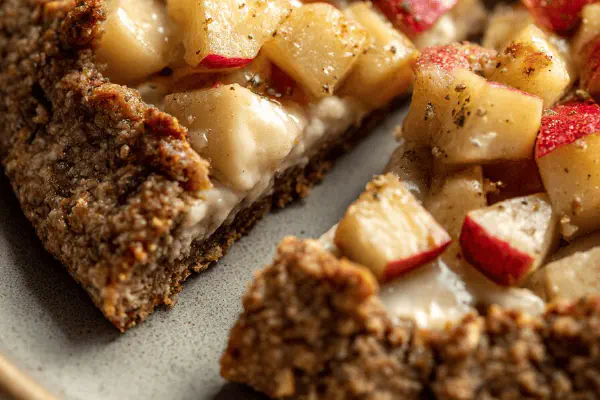
Apple Almond Galettes
Savory Citrus Herb Marinade
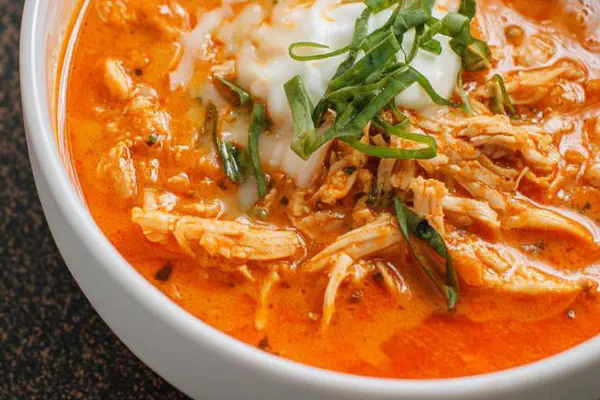
Spiced Red Pepper Chicken Soup
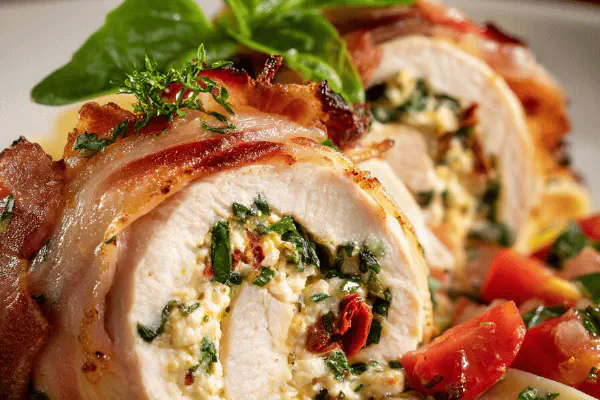
Stuffed Chicken Rolls with Sun-Dried Ricotta
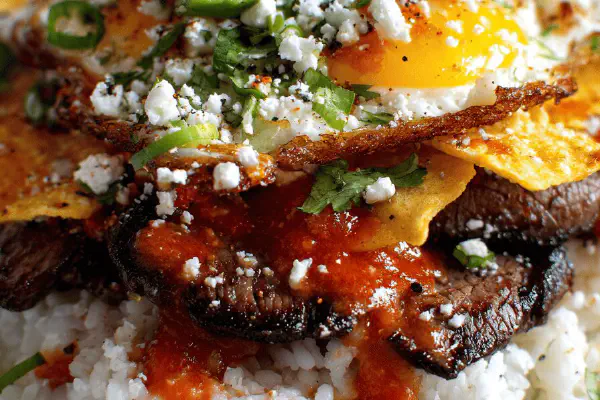
Beef Egg Chilaquiles Remix

Vanilla Reduced Fat Cake with Citrus Twist
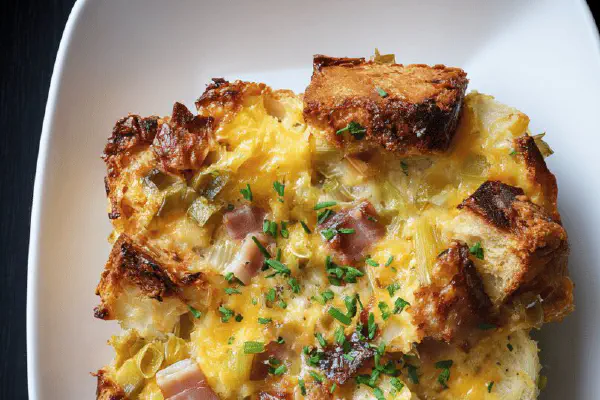
Leek Ham Cheddar Strata

Banana Choco Muffins
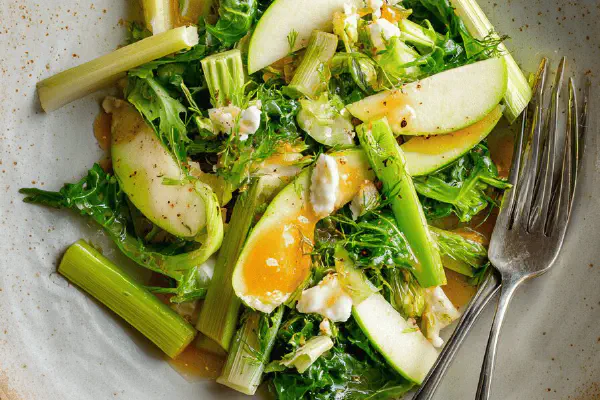
Leek and Celery Vinaigrette Salad

Southwestern Chicken Bake
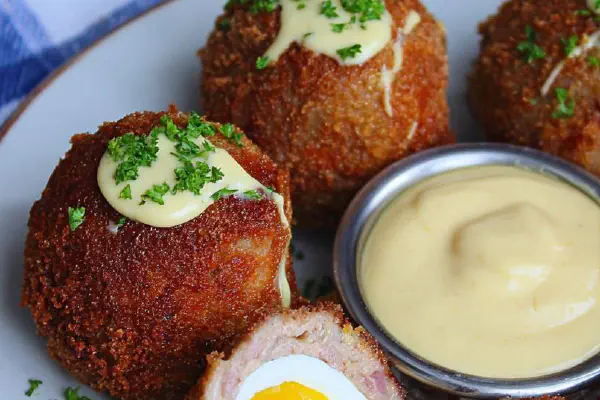
Sausage Wrapped Eggs
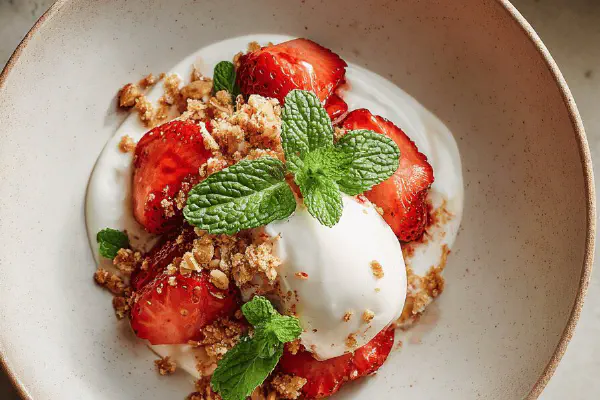
Roasted Strawberry Eton Mess
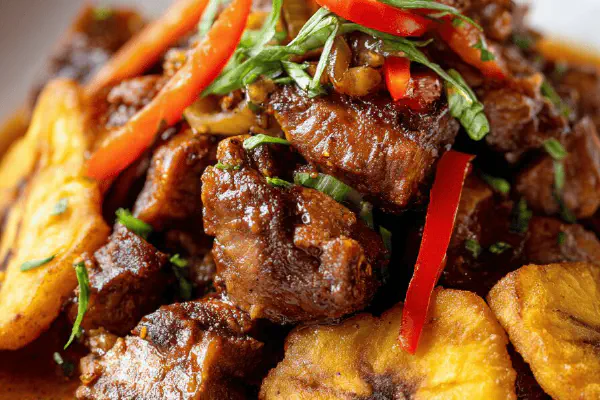
Twisted Griot du Agrikol
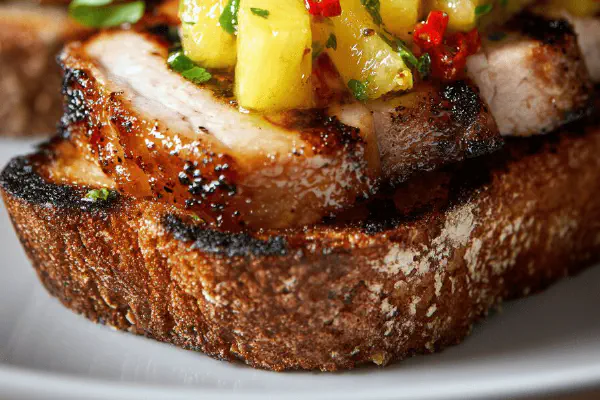
Pork loin tartines with pineapple chutney
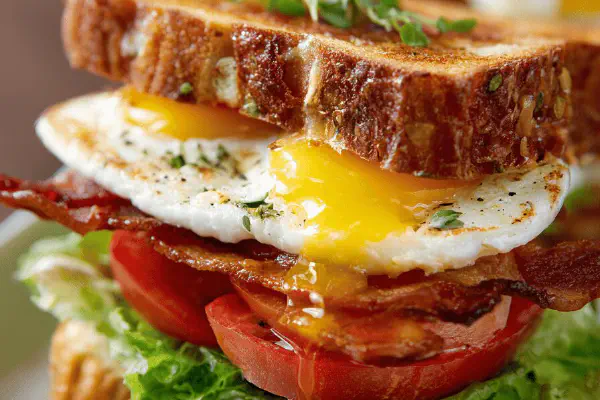
Hearty Club Breakfast

Twisted Frito Pie

Citrus Cured Salmon Twist

Chocolate-Dipped Nutty Butter Cookies
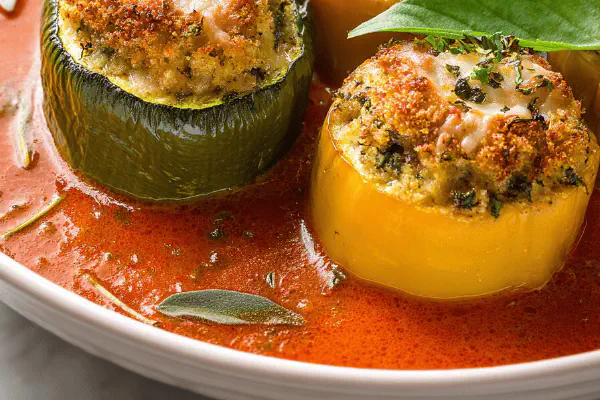
Stuffed Vegetables Parmesan

Peppermint Candy Cookies
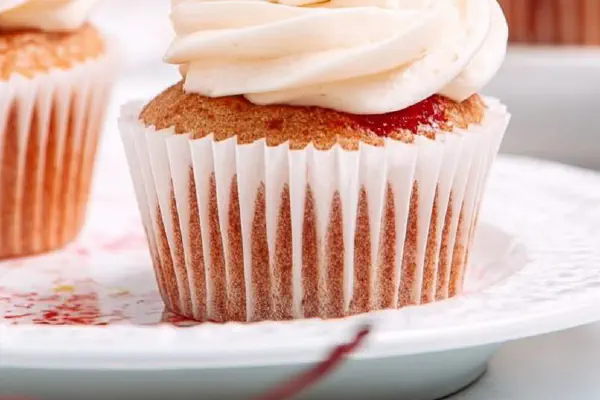
Cherry Almond Cupcakes
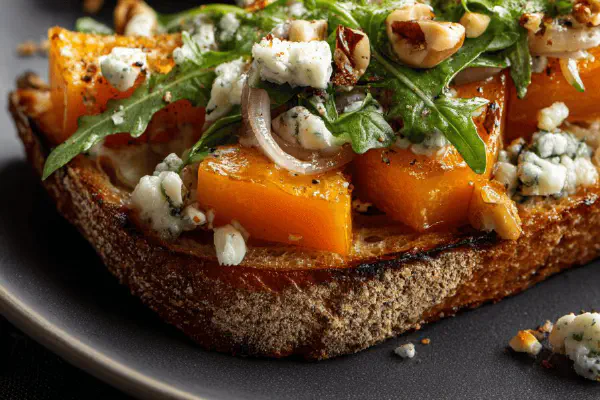
Butternut Tartines Agrodolce
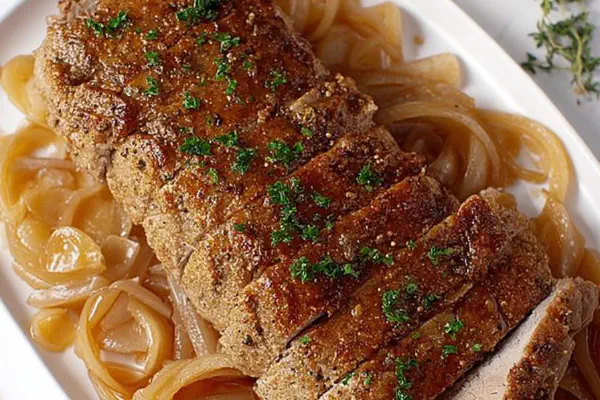
Slow Cooker Pork Roast Twist
Green Beans with Bacon Twist
Smoky Citrus Chicken Skewers

Twice-Dipped Fried Chicken
Seared Scallops Twist
Maple Tart with Whipped Cream
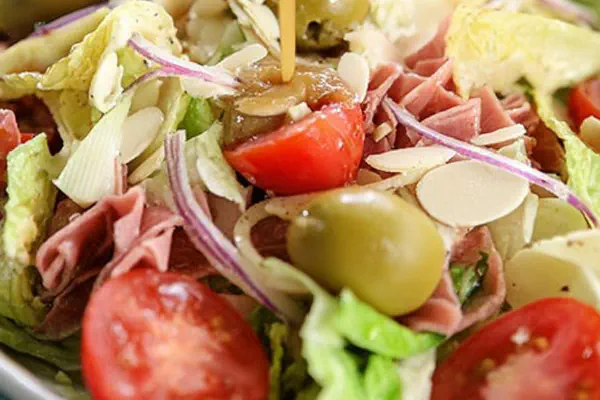
Vintage Salad Remix