Featured Recipe
Sheet Pan Cinnamon Rolls Remix
By Kate
"
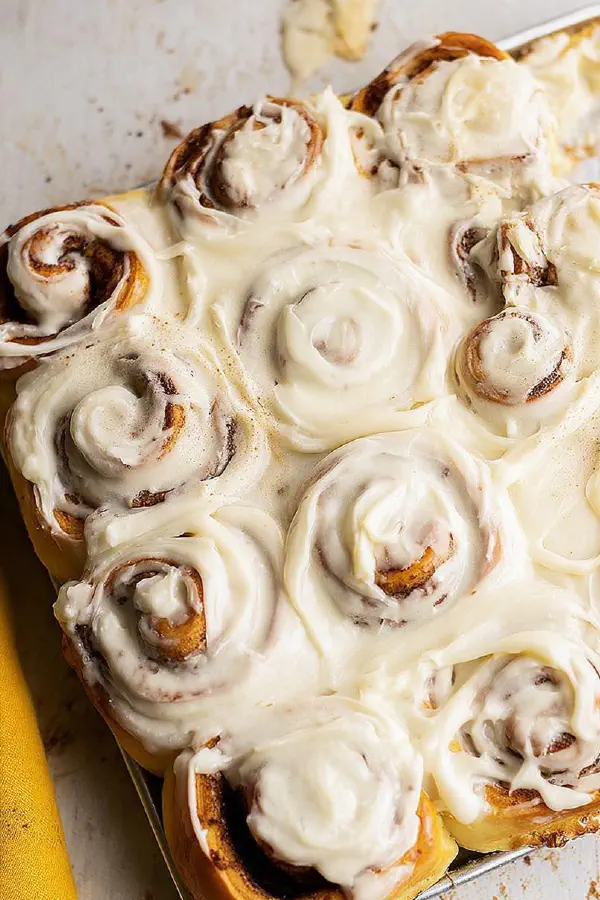
Yeast wakes up in warm milk and sugar until foamy. Butter, eggs, sugar, and salt join the party in the mixer with yeast liquid before flour thickens the dough. Knead 12-16 minutes till stretchy, tacky but not sticky. First rise doubled, then punch down. Roll dough into rectangle, spread spiced brown sugar butter, slice into strips, roll tight. Gooey bottom made with softened butter and brown sugar layer. Second rise under foil or overnight refrigerated rise. Option for warmed cream poured over rolls pre-bake. Bake 24-32 minutes to golden, internal near 195°F. Cream cheese frosting spreads warm rolls for best bite. Swap buttermilk for milk, cardamom for cinnamon, add orange zest twist. Adjust for kitchen heat variations. Practical, workable, flavorful method for about 18-20 rolls.
"
Prep:
25 min
Cook:
30 min
Total:
Serves:
18-20 rolls
baking
breakfast
dessert
yeast rolls
Introduction
Start with yeast waking in slightly warm buttermilk and sugar — look for that foamy cap, no bubbles, no lift later. Butter and eggs build richness, bread flour: the backbone. Kneading hands-on or stand mixer with dough hook, expect 12-16 minutes of beating to get that perfect stretchy tacky ball, not sticky mess. This is gluten fighting for structure. After rising till doubled, punch gently to keep air. Roll out with care, spread fragrant spice blend: I swapped cinnamon for cardamom for an earthy twist, orange zest for brightness. Roll tight strips, place not too close. Let them rise again – timing flexes with kitchen temps and mood. Optional cream bath pre-bake adds luxury moisture. Bake till golden and crackly, check visually and with thermometer. Finish with tangy cream cheese frosting; spread while rolls still warm for sweet melt. Leftovers chill fine, warming revives that fresh-baked softness.
Ingredients
About the ingredients
Buttermilk replaced warm milk to add tenderness and subtle tang, activating yeast gently. Cardamom swapped for cinnamon to layer flavor, but cinnamon remains classic and reliable. Orange zest optional but cuts richness, adds fresh note. Brown sugar type shifted to dark for deeper molasses flavor – light brown works in pinch. Bread flour crucial for structure; all-purpose flour will weaken dough, leading to flatter rolls. Lukewarm liquids critical—too hot kills yeast; too cold stalls rise. Butter divided for dough fat and buttery filling. Cream optional but builds a tender, moist crumb. For sticky dough, flour increments prevent dryness. Rolling pin and surface lightly floured to avoid tough crusts from excess flour. When rising under plastic wrap, spray oil on wrap to avoid sticking dough tops. Baking pan oily and sugared creates caramel bottoms, a texture delight. Toothpicks for overnight proof stop cling. Rest dough if it resists rolling—gluten relaxes with time.
Method
Bloom yeast
- Warm buttermilk should feel like a warm handshake, about 100 degrees. Stir yeast, 1/4 cup sugar, and buttermilk in a bowl. Mix gently so yeast doesn’t drown. Wait 10 minutes to see a foamy dome. If nothing bubbles, toss yeast and try again with fresh yeast or higher temp liquid.
- Add melted butter, remaining 1/2 cup sugar, eggs, yolks, and salt into stand mixer bowl with yeast mix. Whisk lightly to combine. Switch to paddle or sturdy spoon and add bread flour incrementally. Expect a dreadfully shaggy, sticky blob. This mess signals gluten’s waiting to work.
- Swap to dough hook. Knead on medium speed 12-16 minutes. Feel dough’s transformation: from shaggy to elastic and soft, barely sticky but not slapping the bowl. Overly sticky? Pinch in a tablespoon of flour at a time, knead 2 minutes between. Under-kneaded dough = lumpy rolls; over-kneading gets tough.
- Light coat of oil or baking spray on big bowl to prevent dough sticking. Plop ball inside, cover with oiled plastic wrap (so dough won't cling), then a warm, damp towel. Leave counter or warm spot 1 1/2 to 2 hours, until double-sized. Poke dough with finger, if indentation holds, rise’s done. Don’t rush.
- Use an 18×13 half sheet pan or your vessel. Spread softened butter evenly over bottom, then sprinkle with light brown sugar. This combo caramelizes under dough for richest roll bottoms. Keep it even — clumps mean burnt sugar spots.
- Punch dough—don’t annihilate the air pockets—turn onto floured board. Split in half with bench scraper. Easier portions to roll and manage. Flour your rolling pin and surface well but keep flour minimal to avoid tough crust.
- Roll one half into about a 12×14 inch rectangle, roughly 1/4 inch thick. Dough fights back? Let it rest 10 minutes, cover damp towel, then roll. The goal: even rectangle, no thin patches. Thick edges will slow even setting.
- Slather softened butter closely but leave a 1/2 inch border all around. Mix dark brown sugar, cardamom (or cinnamon), salt, and orange zest if you like zing. Sprinkle evenly over butter, press gently to adhere without tearing dough.
- Mark strips every 1 1/4 inches with a ruler, then slice with a pizza cutter. About 10-12 strips per half. Roll each tightly from edge toward the border, pinch ends to seal swirl. Arrange rolls spaced slightly inside pan edges for rise room and spill control.
- Do same for second dough half; fill rest of pan or use second pan. Cover loosely with foil and rise 30-55 minutes until nearly double. Or poke with toothpicks and refrigerate overnight loosely wrapped in plastic. Temperature dictates timing—warmer kitchen accelerates.
- Warm heavy cream to lukewarm if using. After rise, drizzle cream over rolls before baking. Adds moisture, richer bite. Skip if none on hand – rolls remain tasty but slightly less tender.
- Heat oven to 350°F. Sound cues: hear gentle crackle at edges after 20 minutes. Visual: golden browning on tops, edges caramelized but not burnt. Test internal temp about 190-195°F. Tent foil if browning too fast. Keep foil on oven floor to catch drips; sugar can bubble over.
- Beat cream cheese and butter till creamy with electric mixer. Add powdered sugar and vanilla, beat to spreadable consistency. If too stiff, add teaspoon milk. Spread immediately over hot rolls for melt effect, or wait if prefer thick layer.
- Rolls best warm, melting frosting, pillowy tender inside. Store leftovers in airtight container in fridge up to 5 days, reheat gently to revive moisture.
Mix dough
Knead
First rise
Prep pan gooey layer
Divide dough
Roll dough
Fill it up
Cut and roll
Repeat and rise
Optional cream soak
Bake
Make frosting
Serve
Technique Tips
Yeast activation is the first bell—no foam, no party. Mixing combines fats, eggs, sugar for dough flavor, texture complexity. Flour gradually slows stickiness but under-kneading kills stretch; over-kneading toughens. Watch dough change visibly in your mixer; consistency a better guide than clock. Rise till doubled; poke test good for proof rather than strict timers. Punching down keeps air bubbles but equalizes temp. Roll to even thickness to assure consistent baking and filling distribution. Butter and sugar swirl needs pressing in, yet careful—don’t rip dough. Slice cleanly with pizza cutter for tight seams; gaps cause dough gaps or uneven baking. Leave room in pan for rise and slip; avoid sticky pan edges trap. Second rise flexible timing balanced by temp and dough feel. Cream option seals moisture but skips no harm. Bake by sight and touch: golden top, crackly edges, warm scent rising. Internal temp 190-195°F signals perfect doneness. Avoid overdrying by tenting foil if brown too fast. Frosting blends cream cheese’s tang and butter’s richness; powdered sugar ensures spreadability. Serve warm; leftovers keep to fridge, revive with gentle heat—microwave 10-15 seconds with damp paper towel for softness return.
Chef's Notes
- 💡 Ensure yeast activates, bubbly foam means party time. If bubbles fail, toss and retry with fresh yeast at the right warmth. 100-110°F matters.
- 💡 Knead dough longer. Aim for a stretchy, smooth feel. If sticky, add flour bit by bit. Dough should feel soft but not cling – this is key.
- 💡 Rising time varies. Warm kitchen speeds it up. Poke the dough. If dimple stays, it's ready. Don't rush. Timing is as important as techniques.
- 💡 Long rolls if corners resist. Let dough rest under a damp towel. Then roll again. Thickness should be even across whole surface, avoid thin areas.
- 💡 Optional cream dunk pre-bake. Adds moisture for richer texture. If not using cream, rolls still good. Bake till golden brown, smell tells when ready.
Kitchen Wisdom
Why did my rolls turn out flat?
Check dough rise. Too short means dense rolls. Make sure puffy before shaping. Timing shifts with kitchen heat.
Can I swap buttermilk?
Yes, use regular milk or plant milk. Watch the warmth. Not too hot; yeast can't thrive in extremes.
What to do if dough is too sticky?
Gradually add flour while mixing. Knead well to find balance. A touch of flour at a time.
How to store leftovers?
Airtight container in fridge. Up to 5 days. Reheat gently for softness. A damp paper towel helps.