Featured Recipe
Sheet Pan Steak Fajitas
By Kate
"
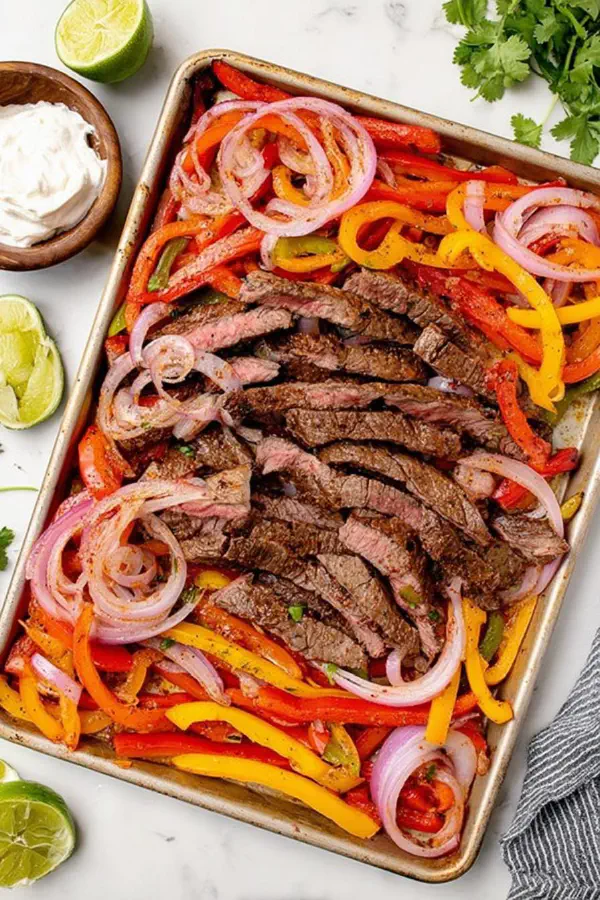
Flank steak and crisp bell peppers roasted together on one pan for easy fajitas. Lime zest adds bright punch. Jalapeño swapped with serrano for sharper heat. Smoked paprika and cumin kick up spice profile. Roasting cuts down on stovetop mess. Visual cues guide timing; edges of peppers caramelize, steak browns but stays juicy. Resting meat avoids dryness. Flour tortillas warmed before layering with ranchero sauce and fresh garnishes. Essential tweaks and substitutions included to salvage common pitfalls like overcooking or bland seasoning.
"
Prep:
12 min
Cook:
20 min
Total:
32 min
Serves:
4 servings
steak
one pan
fajitas
Mexican cuisine
easy cooking
Introduction
Flank steak fajitas done on one pan. No standing over stove juggling multiple skillets. Toss sliced steak and veggies, roast together. Result? Juicy steak, blistered peppers, all mingling aromas of garlic and citrus zest. Serrano swaps jalapeño for more focused heat. Smoked paprika and ground cumin punch up flavor over standard fajita powders. The smell roasting peppers, sweet onions mingling with steak fat. Watch for visual clues: steak crusting but still soft, edges of peppers caramelizing to golden char. Rest meat for tender slices. Then stack warm flour tortillas, drizzle bold ranchero sauce, add fresh cilantro or avocado chunk for creamy crunch. No expensiveness, no fuss. Practical, straightforward control for any weekend or quick dinner. Common problems addressed—overcooked steak, soggy peppers, bland zing. If you like spicy, serrano is your friend but adjust for sensitivity. Efficiency is key; minimal cleanup, maximum flavor. The technique of rubbing dry spices on meat and oil keeps surface primed for browning while vegetables roast perfectly. Resting meat is crucial; don’t underestimate this step. These fajitas don’t just land on your plate—they hit with a punch and texture contrast that keeps you coming back.
Ingredients
In The Same Category · Hearty Mains
Explore all →
Turkey Stew with Sweet Potatoes and Peppers
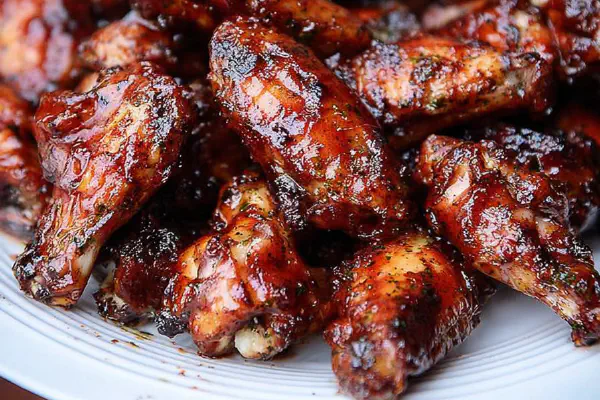
Spiced Smoked Hickory Wings
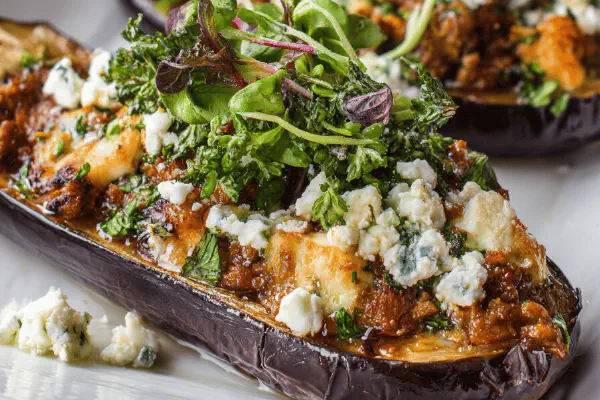
Lamb-Stuffed Eggplants Twist
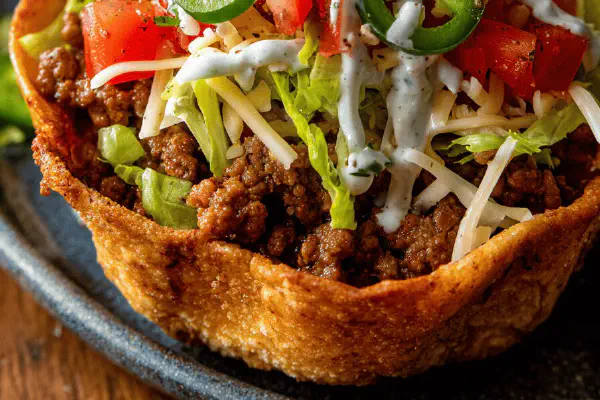
Spiced Beef Tortilla Salad
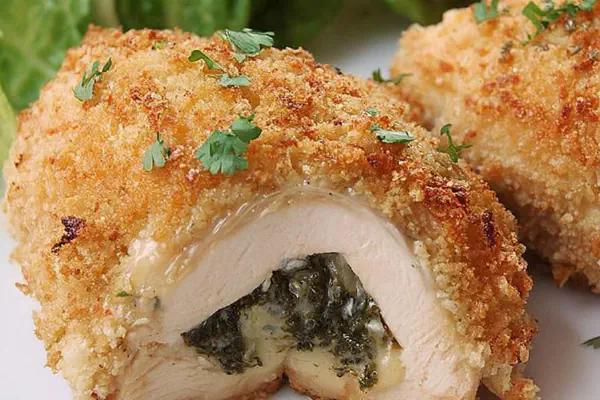
Twist Chicken Kiev
Leek Squash Rigatoni Gratin
Oven BBQ Chicken Twist
Crispy Oven-Finished Fried Cube Steak
Lamb Chops with Mint Gremolata
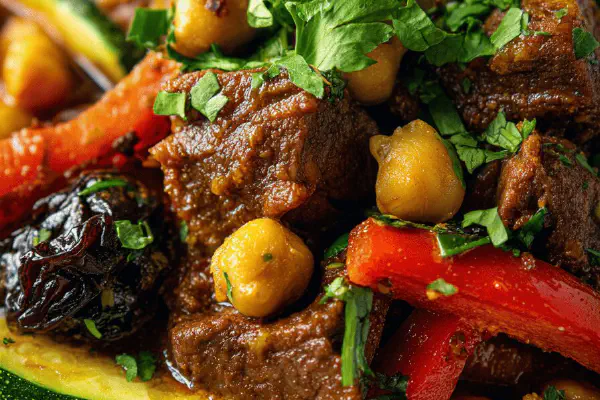
Beef Stew with Prunes Slow Cooker
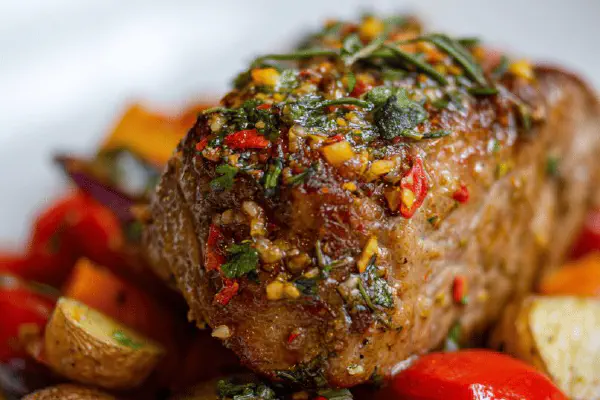
Veal Roast with Peppers Sage Lemon
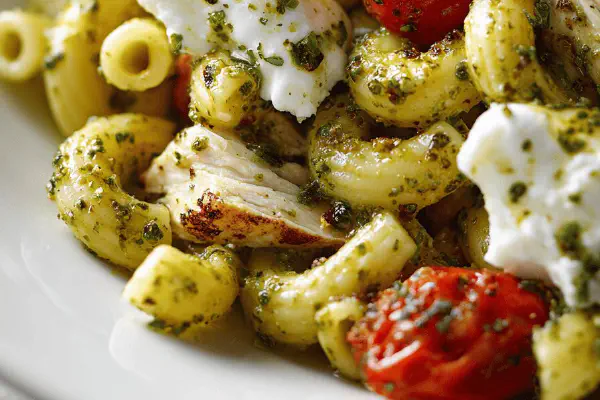
Chicken Pesto Macaroni
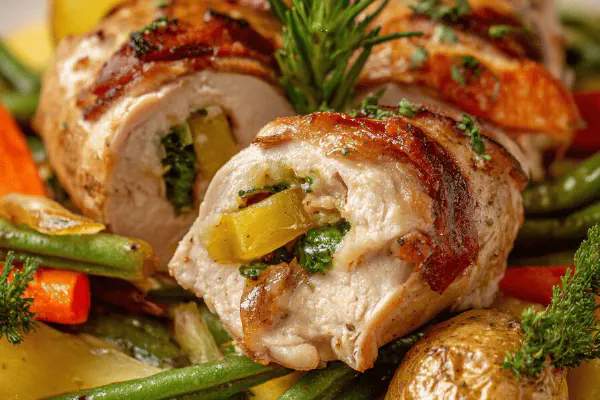
Chicken Roulades Autumn Veg
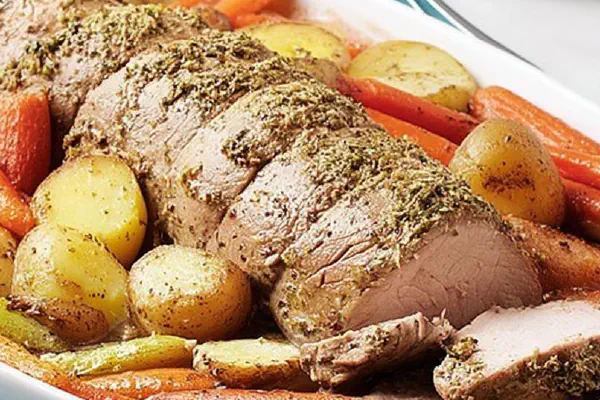
One-Pan Garlic Herb Pork
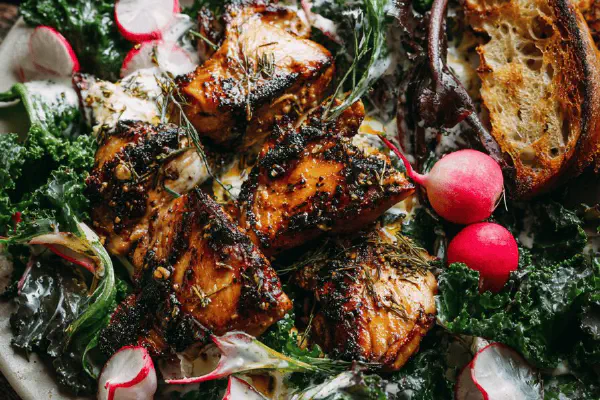
Grilled Kale Chicken Salad
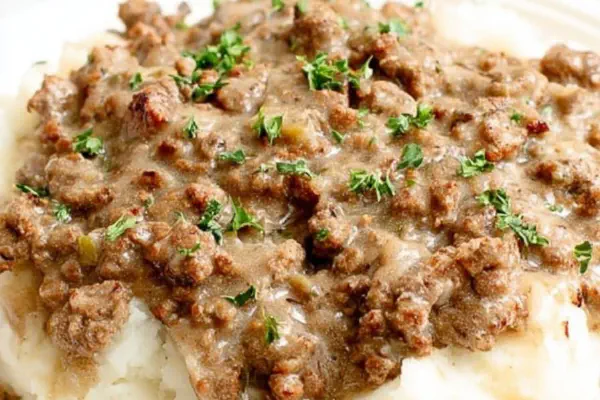
Hearty Beef Gravy Twist
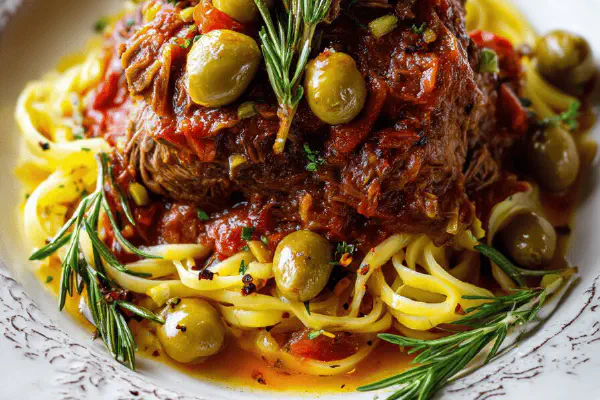
Linguines Lamb Ragout
Veal Roast with Peppers and Sage
Creamy Shrimp Pasta
Green Bean Tot Casserole
Creamy Marsala Chicken Pasta
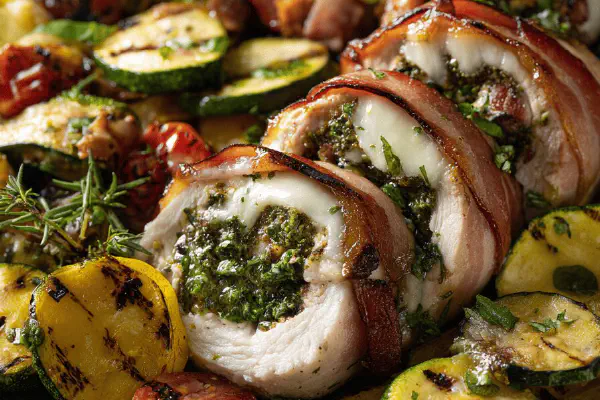
Chicken Roulades Sundried Tomato Parmesan
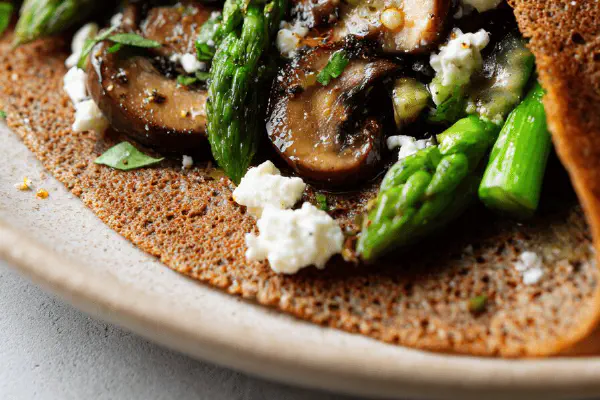
Buckwheat Crepes with Asparagus
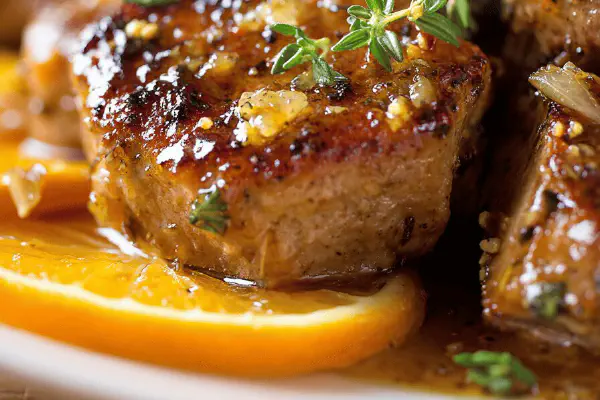
Pork Medallions Clementine Glaze
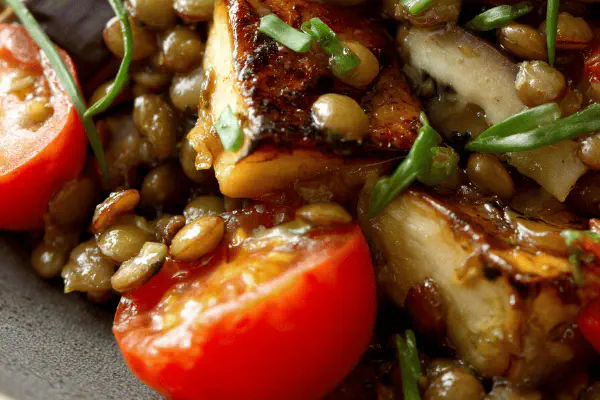
Lentil Salad with Veggies
Pork Smash Burgers Twist
One-Pot Chicken Brown Rice Fennel
Pork Filets Apple-Onion Stuffed
Pressure Cooker BBQ Ribs Twist
About the ingredients
Flank steak chosen for lean meat with strong beef flavor; substitutes like skirt steak work but beware different thickness affects cooking time. Bell peppers add sweetness and color—using assorted colors increases visual appeal. White onion sharpens aroma; swap with red onion for mild sweetness. Serrano pepper replaces jalapeño for crisper, hotter bite; omit or reduce if you prefer less heat. Garlic cloves smashed and roasted bring mellow depth; fresh minced garlic will burn if added too early. Lime zest over juice boosts brightness without excess moisture. Smoked paprika brings smoky depth but can be swapped for sweet paprika plus pinch chipotle powder. Vegetable oil used for high smoke point; olive oil can cause burning on high heat roasting. Kosher salt and black pepper basic seasoning for salt balance and mild heat. Flour tortillas warmed before assembling to avoid cracking, softer bite. Ranchero sauce provides a chunky, spicy finish; salsa verde or pico de gallo fine alternatives. Garnishes like cilantro, sliced avocado, or sour cream add layers of freshness, fat, and cooling sensations. These swaps and notes help you make adjustments based on pantry, tolerance, or taste preference.
Method
Steak and veg prep
- Preheat oven to 375F. Line large rimmed sheet pan with foil or parchment for easy cleanup. Why foil over naked pan? Prevents burning sugars and reduces scrap time later.
- Slice peppers and onions thin so they cook evenly and soften without becoming mushy. Serrano adds sharper heat than jalapeño, more bite.
- Pat flank steak dry to ensure good browning. Toss veggies and steak on pan with smashed garlic cloves and lime zest grated right over everything. Zest over juice—bright oils kick flavor without watering down ingredients.
- Mix smoked paprika, cumin, kosher salt, pepper, and vegetable oil. Sprinkle over steak and veggies. Toss carefully with tongs or hands, coating evenly but not bruising peppers. Coating fat is key to caramelization and flavor development.
- Place pan in oven center rack. Look for glossy edges on peppers, slight charring spots—not just color, but scent. Meat should color brown but remain springy to touch; squeeze gently to check doneness. Adjust cook time as needed. Expect about 18 to 20 minutes. Too long means dry steak.
- Remove pan, tent steak loosely with foil and let rest 7 minutes. Resting redistributes juices; skip this and you lose maximum tenderness.
- Slice steak thin across the grain. Divide steak and roasted vegetables evenly among warmed tortillas. Spoon ranchero sauce over top. Add garnishes if using for layered flavor and texture contrast.
- Serve immediately. If tortillas cool, they stiffen and tear.
- No smoked paprika? Substitute with regular paprika and add a pinch chipotle powder if you like. Serrano too hot? Use milder green chilies or omit entirely.
- If steak looks gray instead of browning, likely crowded pan or wet steak. Dry meat thoroughly and space ingredients out.
- No oven? Sear steak separately on stovetop for better crust and roast veggies in oven or toss in skillet last few minutes. One pan convenience always sacrifices some caramelization control.
- Flour tortillas carbonize at high temp—warm briefly on skillet or microwave.
- Ranchero sauce thick or thin? Adjust prior to topping so it doesn’t soak through tortilla.
Season and toss
Roast and read cues
Rest and assemble
Troubleshooting and tips
Technique Tips
Preheat oven hotter than original recipe for more intense roasting and caramelization but watch closely to avoid burning. Lining pan with foil or parchment speeds cleanup and prevents burning sugars from sticking. Toss ingredients gently to coat evenly without bruising tender pepper slices. Even distribution helps roast evenly and prevents crowding—important. Watch cooking by smell and color; peppers should blister, onions soften, steak develop deep brown crust but remain succulent. Rest steak for 7 minutes—key step for juicy slices or chew worsens. Slice across grain for tenderness. Tortillas need warming immediately before assembly to stay pliable. Layer steak, roasted veggies, and sauce while components warm for best texture and flavor. If running low on time, sear steak first for crust and then toss pan in oven for vegetables to finish roasting. Keeping track of visual and tactile doneness beats timers—learn to trust senses. Common problems addressed like limp veggies due to overcrowding or damp steaks that steam rather than roast. Technique focused, practical, no fluff. Efficiency tricks include prepping all ingredients first, choosing easy cleanup sheets, and seasoning while prepping to save extra steps.
Chef's Notes
- 💡 Preheat oven hotter. More serious roasting, caramelization. Watch for burning. Focus on smells and colors, means good flavor tips.
- 💡 Slice veggies thin, even cooking. Avoid mushiness. Keep an eye, peppers blister, onion softens. Adjust as needed for visual cues.
- 💡 Pat steak dry. Not too wet. Essential for browning. Drier meat equals better crust. Space ingredients out, air helps roasting.
- 💡 Use vegetable oil for high heat. Olive oil can burn. Adjust for smoke points. If pan overcrowded, no caramelization, results suffer.
- 💡 Rest meat after cooking. Juices need time to redistribute. Snagging tenderness means letting it sit. Slice against the grain for better chew.
Kitchen Wisdom
How to avoid overcooking steak?
Watch visual cues. Brown crust, bouncy feel. If gray, too crowded or wet. Adjust cook time.
What if I don’t have smoked paprika?
Use regular paprika, pinch chipotle for depth. Swap works; try adding in other spices.
Can I use a different cut of steak?
Yes, skirt steak works too. Just adjust times. Thickness changes things—watch for doneness.
How to store leftovers?
Keep in airtight container, fridge. Good for 3-4 days. Can freeze too but will change texture. Reheat gently.
You’ll Love These Too
Explore all →
No-Bake Butterscotch Crunch

Shrimp Spinach Lasagna
Vanilla Bean Ice Cream Twist
Pimento Cheese Sausage Balls Twist

Vanilla Skillet Cake
Grilled Sardine Tartines

Cone Cake Christmas Trees
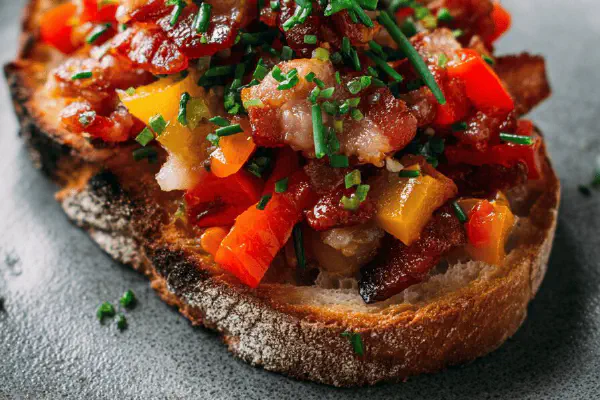
Confited Peppers with Guanciale
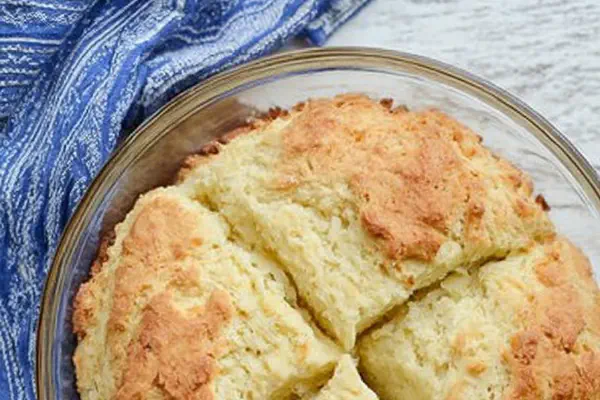
No-Yeast Potato Bread
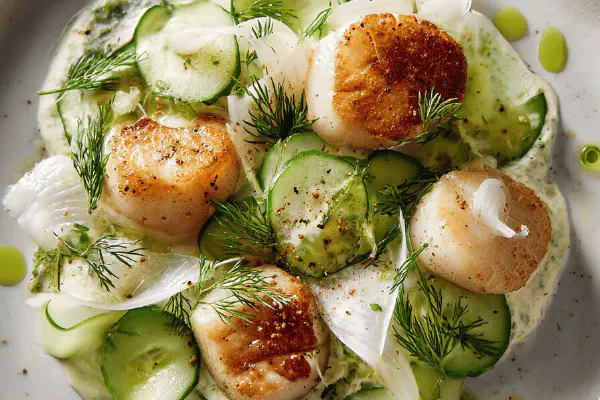
Dill Scallops with Pickled Cucumber
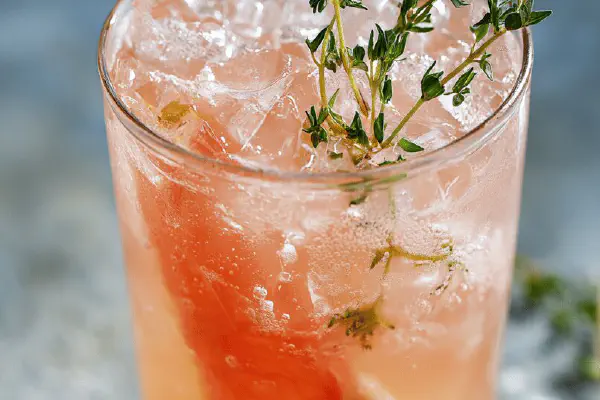
Citrus Gin Fizz Twist
Confetti Yogurt Dip
Winter Cocoa Mix
Barley Fennel Tomato Salad
Olive Oil Potato Mash
Spicy Butter Buffalo Sauce
Plum Crumble Bars
Lunch Lady Brownies Remix

Rosy Cider Chicken
Crunchy Herb Chicken Strips
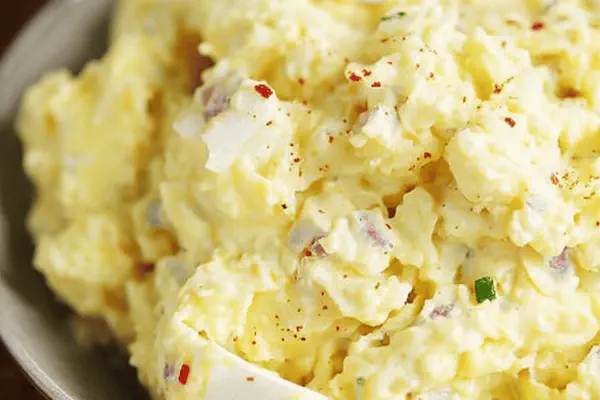
Chunky Tangy Potato Salad
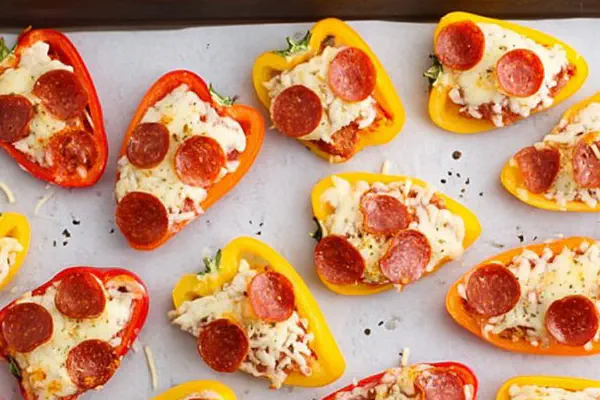
Mini Pepper Pizzas Revamp
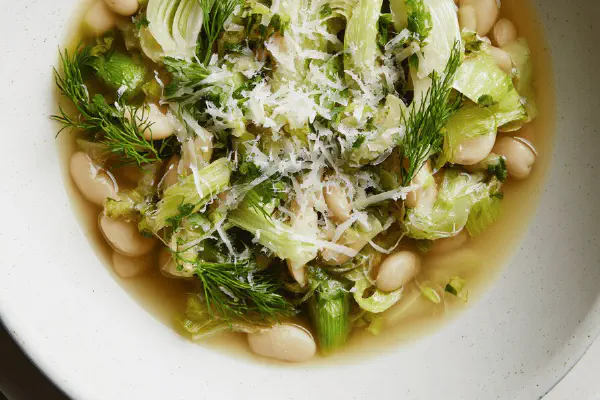
White Minestrone Twist
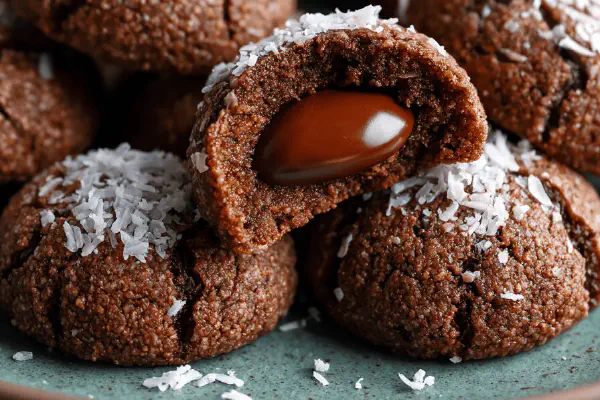
Cocoa Coconut Cookies
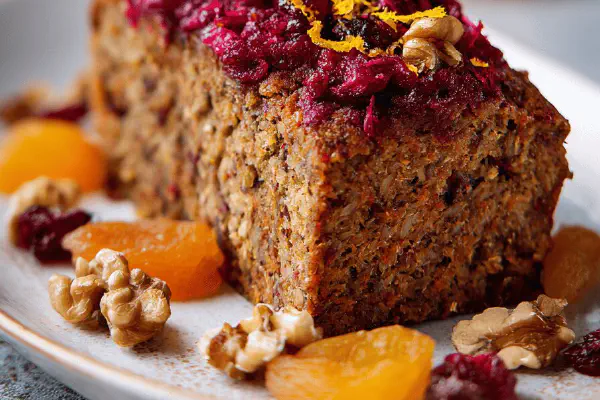
Spiced Beet Cake with Orange Zest
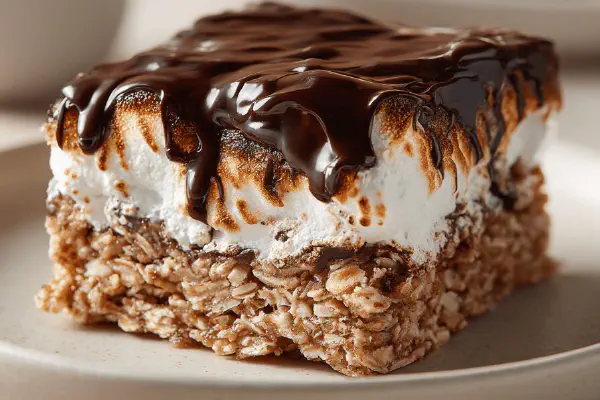
Maple Marshmallow Chocolate Bars

Cilantro-Lime Vierge Sauce
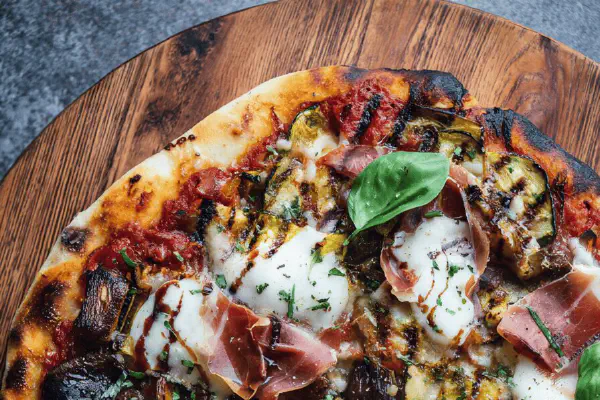
Grilled Veg & Prosciutto Pizza
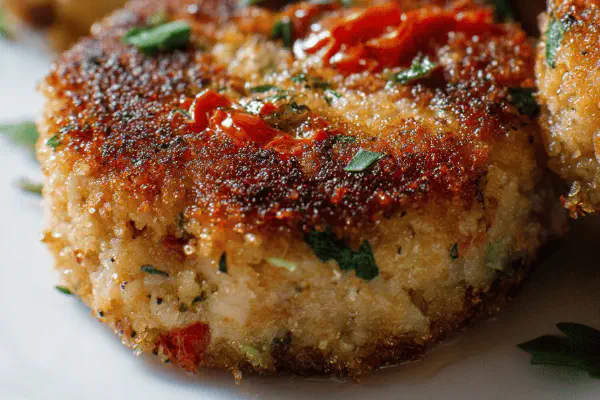
Rice Tuna Tomato Croquettes