Featured Recipe
Skillet Cinnamon Pears
By Kate
"
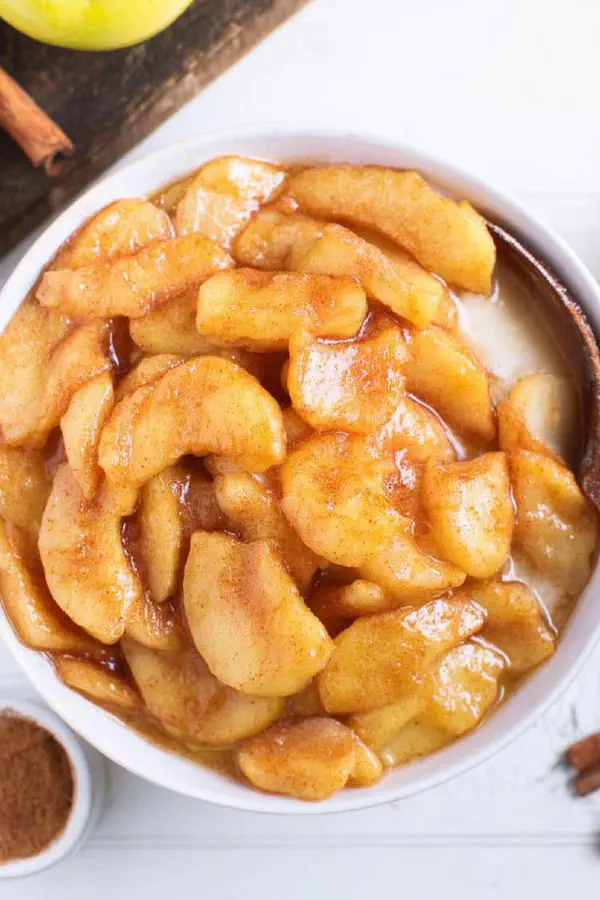
Slices of pear tossed in lemon juice to prevent browning. Sautéed in melted ghee for a rich base. Brown sugar and nutmeg add warmth and caramelization, while arrowroot powder thickens the sauce without lumps. Finished with a splash of bourbon for depth and a pinch of sea salt to balance sweetness. Quick, tactile, and aromatic. Visual cues dictate doneness—not the clock. Flexible swaps for ghee and arrowroot explained. Stepwise, sensory-focused with a chef’s eye for texture and flavor chemistry.
"
Prep:
25 min
Cook:
12 min
Total:
37 min
Serves:
6 servings
dessert
fruit recipes
skillet meals
quick recipes
Introduction
Pears over apples? Sometimes. Less acidic, silkier flesh that cooks down to a buttery softness without falling apart immediately. Tossing slices in lemon juice before the pan stops oxidation and preserves structure—don’t skip or you lose that desirable bite. Ghee for cooking; butter burns fast when sugar’s involved—ghee holds up, brings nuttiness. Brown sugar and warming nutmeg add layers beyond plain cinnamon, creating depth in the caramel syrup that forms on the pears. Don’t just time—watch textures. Pears should soften but keep shape. Sauce should thicken, cling. Not puddle in pan. This is about feel and smell. Bourbon optional but worth it if you want smoky richness. Four simple ingredients that turn humble fruit into something savory enough for a dinner side yet sweet enough for dessert.
Ingredients
About the ingredients
Substitutions—ghee can be swapped for coconut oil for a dairy-free option, but expect a distinct coconut aroma that changes profile. Arrowroot powder is preferred for thickening, producing a glossy finish without cloudiness; cornstarch works but can dull sauce clarity and requires gradual incorporation to prevent lumps. Brown sugar may be swapped for coconut sugar to reduce sweetness and add subtle molasses notes. Lemon juice can be fresh or bottled but fresh adds brightness; lime juice substitutes fine. Pears vary in water content and sweetness depending on variety—Bartletts soften faster, d’Anjou hold shape more. Adjust cook time accordingly. The optional bourbon adds complexity but can be omitted if avoiding alcohol; substitute vanilla extract if you want warmth without booze.
Method
Preparation
- Toss sliced pears in a bowl with fresh lemon juice. This staves off browning and keeps edges firm. Don’t skip this unless you want mushy gray pear slices. Use lime juice if lemon’s out.
- Heat ghee over medium heat in a skillet. Ghee withstands heat better than butter—less burning, better aroma. Melt fully until you smell a slight nuttiness, about 2 minutes.
- Add pears. Spread evenly in single layer. Listen: gentle sizzling means skillet temperature is right. If nothing, raise heat slightly.
- Sauté pears stirring occasionally until edges start to soften but hold shape, about 7 minutes. Look for a glistening surface and faint browning spots along edges.
- Sprinkle brown sugar, nutmeg, and sea salt over pears, stir to combine. Sugar will begin melting and bubbling into golden syrup. This caramelization builds complex flavor and sticky, luscious sauce.
- Mix arrowroot powder with water until dissolved. Pour slowly into pan, stirring constantly to avoid clumps.
- Turn heat to low. Simmer until sauce thickens noticeably, about 3-4 minutes. You want a glossy, clingy coating on pears, not runny drips when you tilt the pan.
- Finish with a splash of bourbon, stir for 30 seconds to blend and cook alcohol off. Adds depth and warmth. Skip if none on hand.
- Serve immediately while warm. Can complement pork chops, pancakes, or dollop over vanilla ice cream.
- Leftover sauce thickens in fridge; reheat gently with a splash of water.
Cooking
Serving
Technique Tips
Techniques matter here— toss fruit in acid immediately after cutting to halt enzymatic browning and keep texture tight. Melt ghee fully before adding pears to ensure even cooking. Use moderate heat; too high scorches sugar quickly and ruins sauce. Stir occasionally but don’t pulverize the fruit—leave some surface intact to retain bite. When adding thickener slurry, mix thoroughly outside pan then add slowly while stirring to avoid lumps—common mistake that ruins appearance and texture. Simmer until the sauce clings when you tilt the pan: glossy veil, not watery mess. The bourbon after thickening minimizes alcohol burn-off time but maximizes flavor integration. Serve hot, sauce will firm on cooling. Reheat gently with liquid—maintains that sauce shine and unpacks flavor again.
Chef's Notes
- 💡 Use ripe pears, but not overripe. They’ll hold shape while cooking. ‘Bartletts are great—soften but stay intact. D'Anjou firmer, cook longer.'
- 💡 Don’t skip the lemon juice. Keeps pears fresh. Even a splash prevents browning. Use lime if lemon not on hand. Color matters too.
- 💡 Wanna swap ghee? Coconut oil works. Just know it brings its own sweetness, distinct flavor. Will change the final dish characteristic.
- 💡 For arrowroot, cornstarch can sub. But be careful! Mix outside and pour slow. Avoid lumps ruining your sauce. Clarity essential.
- 💡 Finish with bourbon if you can. Adds complexity. If no bourbon, vanilla extract works okay. Still, can’t quite match depth.
Kitchen Wisdom
What pan to use?
Nonstick skillet recommended. Avoid high sides. Allows for even cooking. Ghee browns better in wide surface.
How to know when done?
Visual cues are key. Look for glistening, softened edges. Not mushy. Sauce coats. Don’t just go by time.
Can I make ahead?
Sure. But sauce thickens in fridge. Reheat slowly with water. Keeps texture. Control consistency before serving.
What to do with leftovers?
Store in airtight. Can last few days. Reheat gently like before. Texture matters; keep glossy finish.