Featured Recipe
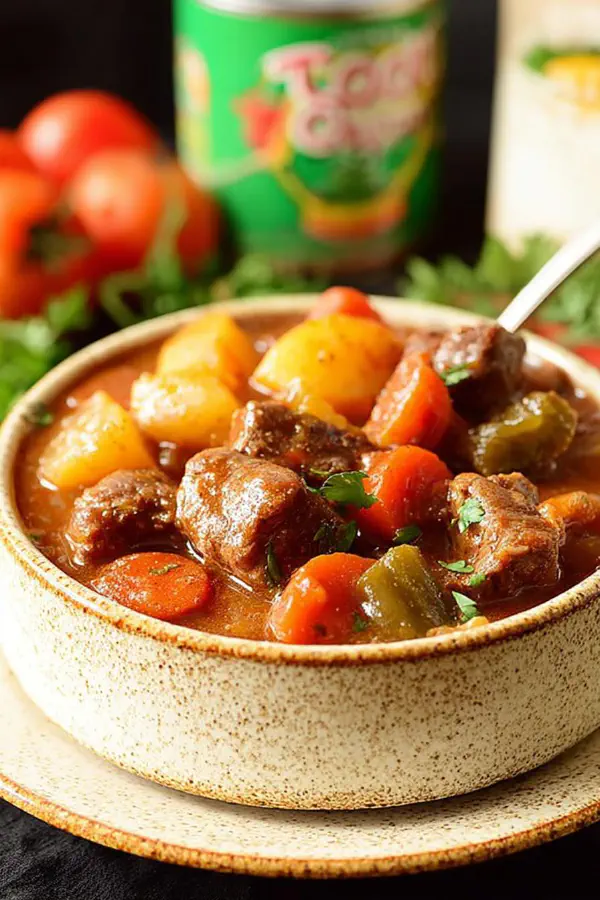
Slow Cooker Creole Beef Stew
By Kate
"
Beef chunks dusted in spicy herbal Creole seasoning and floured for crust, browned in oil ’til sizzle hits that rich deep brown, then piled over cubed sweet potatoes, vibrant veggies, and canned fire-roasted tomatoes in the crock. Beef broth mixed with instant gravy powder over it all to thicken while slow simmering low and long. Carrots soften, celery dims crunch, onions turn gold-opaque, and bell peppers wilt into the mix. Take note of browning color; not burnt but deeply caramelized. Onion scent blooming early means time to add liquids. Serve when potatoes pierce easily, sauce thick enough to coat. Augmented with chili powder instead of creole, rutabaga swaps for potatoes, and Worcestershire adds an umami punch. Cook closer to 6 ½ hours if crock’s hot. Gets better if rested an hour after off. Hearty, rustic. Not fussy.
"
Prep:
25 min
Cook:
6h 30min
Total:
6h 55min
Serves:
8 servings
stew
beef
slow cooker
Cajun
comfort food
Introduction
Forget precise spices measured to a gram. Salt, heat, umami — this stew rests on good beef and layering slow caramelization in the beginning. Dusting beef in dried chili instead of Creole seasoning offers a smoky backbone with spice you control better. Flour stabilizes exterior protecting meat from drying, especially with long cook times. Browning beef right seals in flavor and texture, coaxing nutty notes from the pan before moisture sinks in for slow tenderizing. Root veggies underneath act as natural buffer to crock heat zones, absorbing liquid and releasing back sweetness. Tomatoes add acid and moisture, balancing richness. A splash of Worcestershire pulls it all toward savory depth. The crockpot isn’t magic; it’s chemistry controlled. Learn to watch, not just time. When rutabagas are tender but still hold shape – the stew speaks readiness. Highlight broth thickness and color, smell garlic-vegetable sweetness blooming, hear the quiet simmer. Too spicy? Cut chili powder next go with paprika or sweet smoked pepper. Tight on time? Sear beef in advance, refrigerate overnight. Toss everything early morning, come home to an aromatic, hearty meal that needs nothing else but a loaf of crusty bread. No over-stirring; no guessing.
Ingredients
In The Same Category · Hearty Mains
Explore all →
Orange Anise Thyme Turkey
Chicken Fricassee Twist
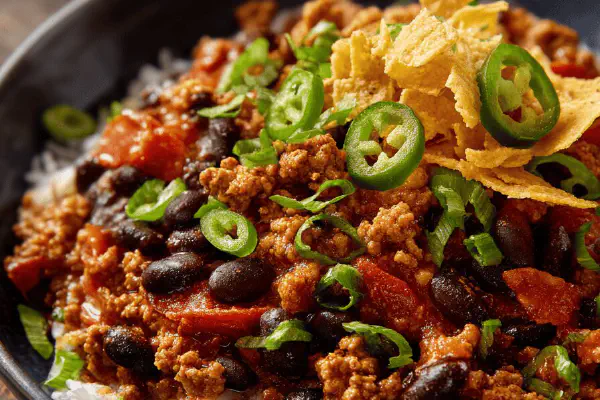
Beer Chili Twist
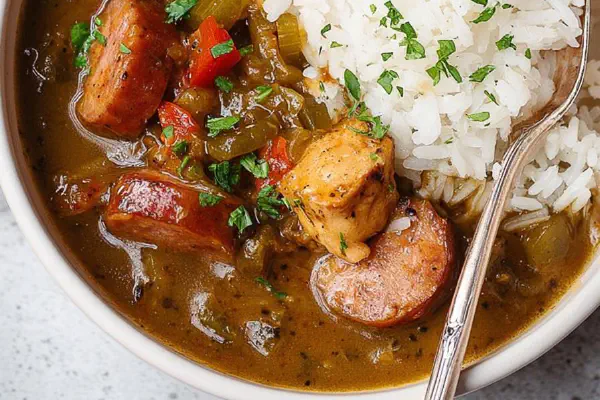
Smoky Chicken And Andouille Gumbo
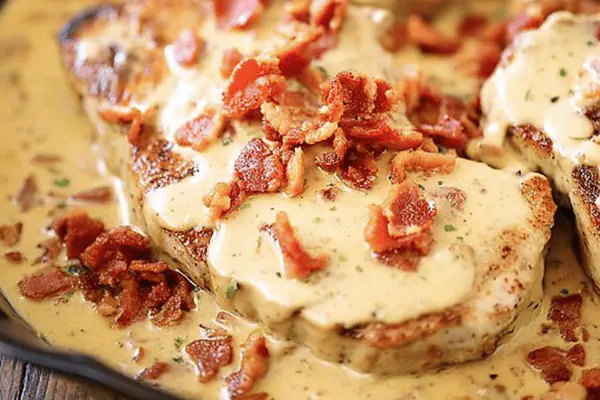
Pork Chops with Creamy Bacon Sauce
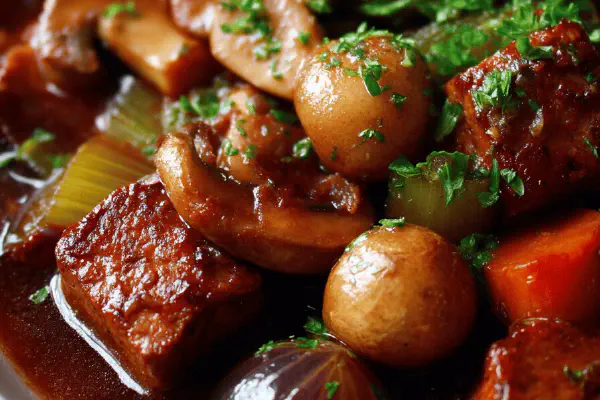
Red Wine Seitan Stew
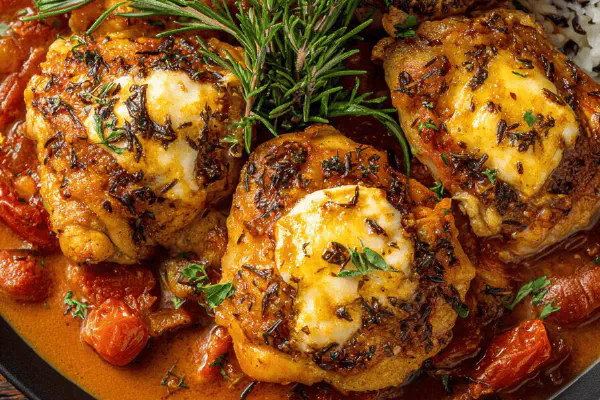
Tomato-Grilled Braised Chicken
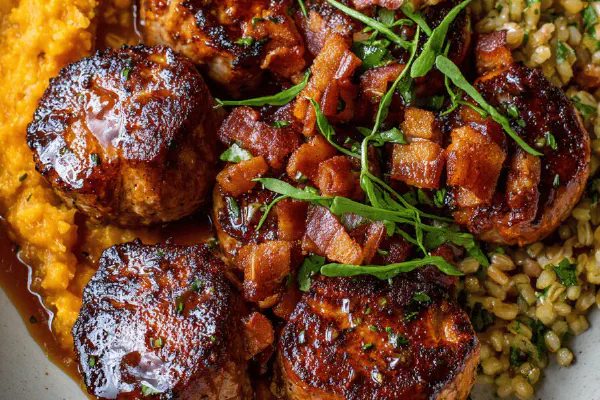
Maple-Glazed Pork Medallions
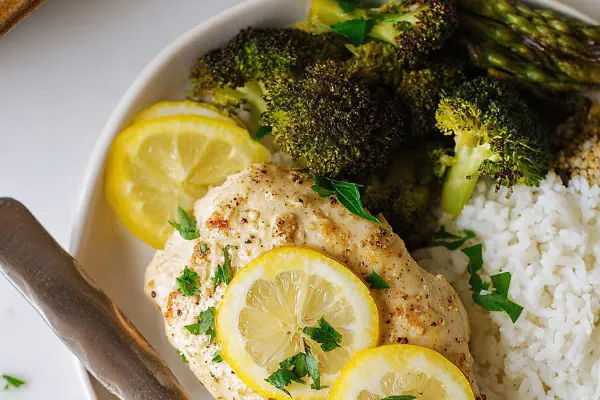
Lemon Greek Yogurt Chicken
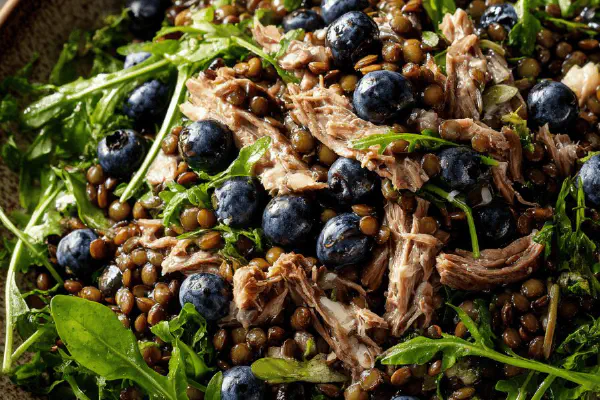
Lentil Salad Duck Blueberry
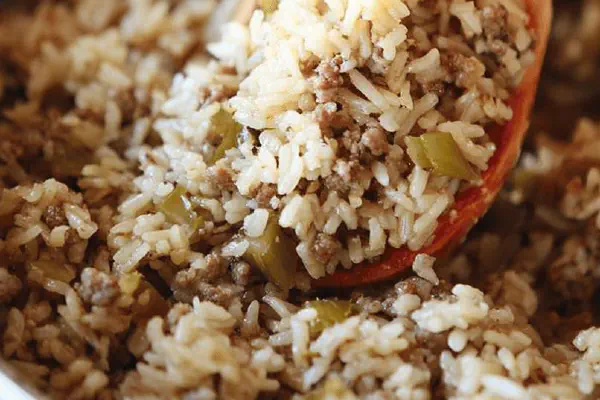
Hearty Spiced Dirty Rice
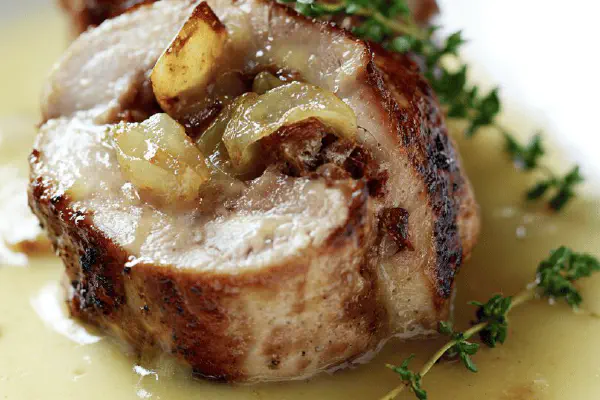
Pork Filets Apple-Onion Stuffed
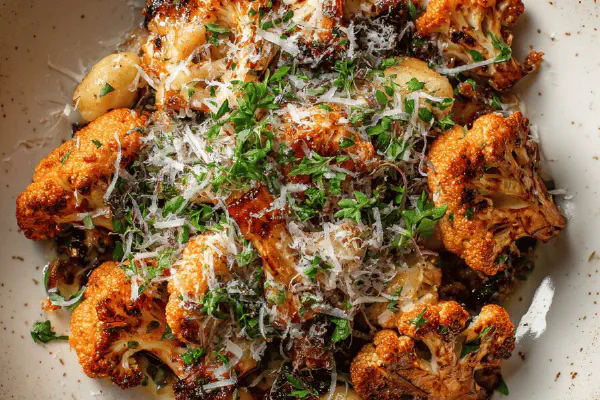
Caramelized Cauliflower Gnocchi

Savory Chicken Cheesesteak
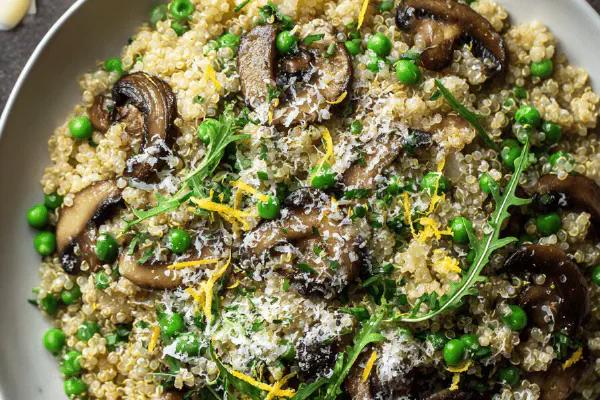
Quinoa Quinotto with Peas and Shiitakes
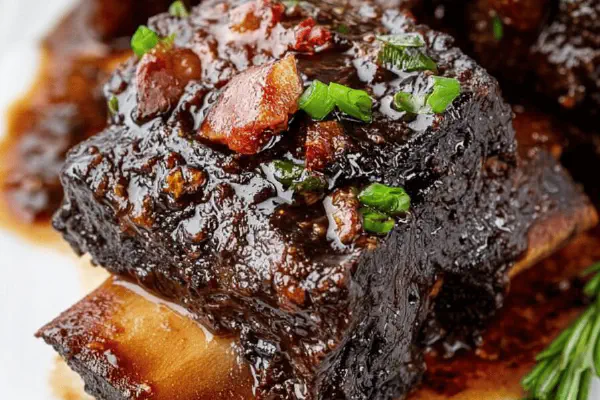
Honey Ginger Braised Ribs
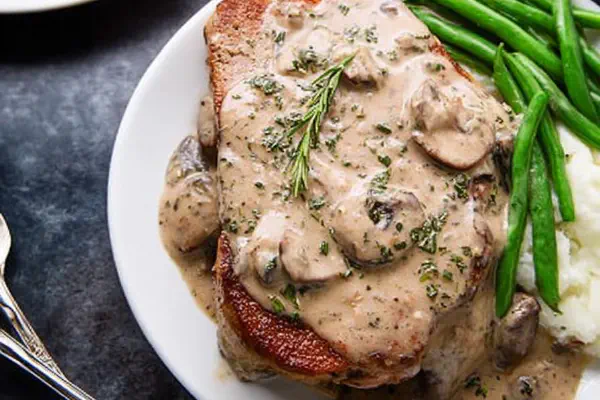
Creamy Slow Cooker Pork Chops

Grilled Swordfish Spaghetti Squash
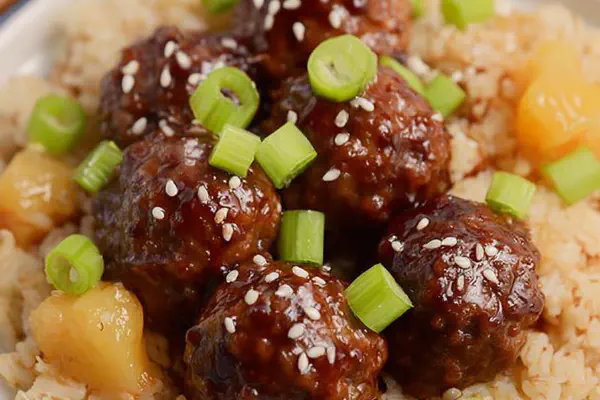
Tangy Teriyaki Meatballs

Green Bean Tot Casserole

Spicy Shrimp Pizza Twist
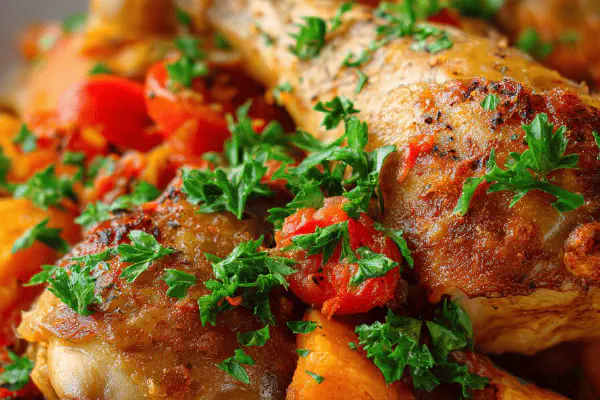
Chicken Drumsticks Lentils
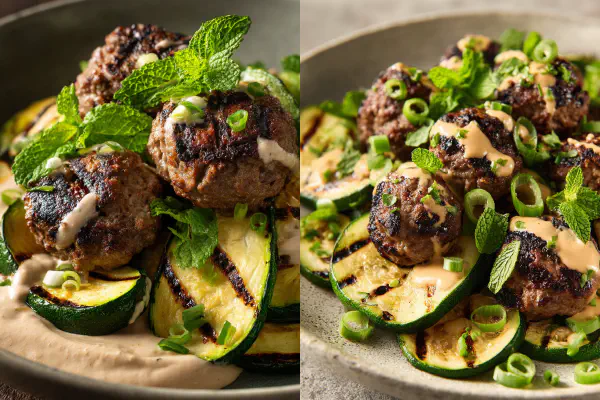
Beef Zucchini Meatballs Tahini

Spicy Korean Grilled Chicken
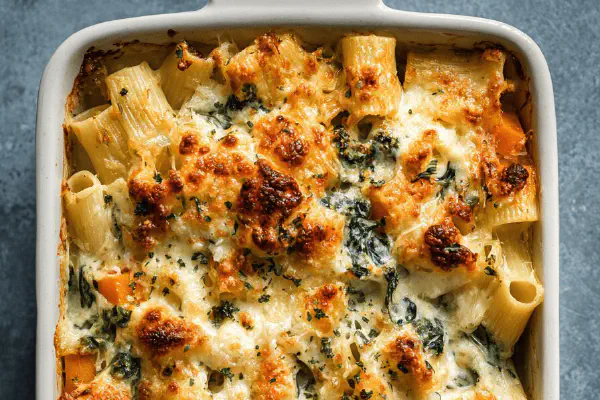
Leek Squash Rigatoni Gratin
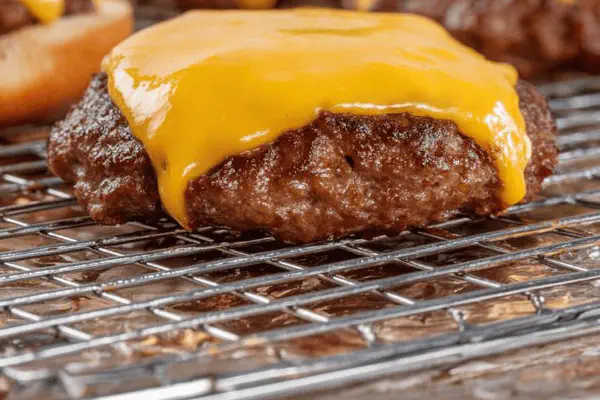
Oven-Baked Beef Patties

Twisted Frito Pie
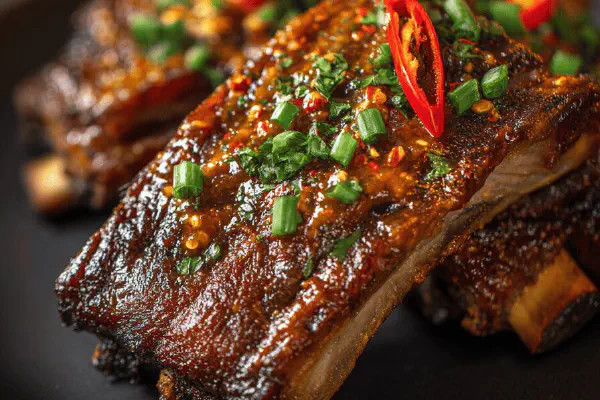
Tex-Mex Pork Ribs Remixed
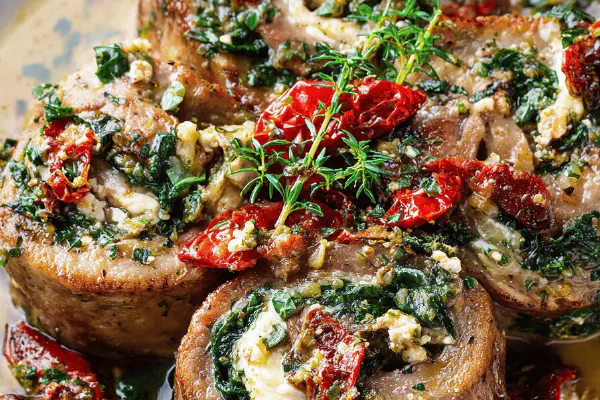
Veal Rolls with Spinach Artichoke
About the ingredients
Use firm beef chunks with some marbling; chuck cut is best for slow cook tenderness but brisket or short ribs work too. If you can’t find rutabaga, sweet or red potatoes offer sweetness and body; avoid waxy types which get mushy. Chili powder blends are commonly milder than Creole mix; add cayenne for more heat if you like. Worcestershire sauce adds background umami and a subtle tang - if unavailable, soy sauce or fish sauce can substitute in smaller amounts but alter flavor slightly. Garlic powder can also replace fresh minced for speed but expect less punch. Nonstick spray on the crock bottom prevents caramelizing vegetables from sticking and burning - critical if your slow cooker has hot spots. Remember, layering matters — denser veggies at bottom get direct heat, so reverse layering disrupts cooking times. Easy mistake is overcrowding pan when browning beef, which steams and ruins that crust essential for flavor base. Tossing beef in a thin layer of flour not only thickens sauce later but helps sear color develop evenly. Keeping vegetables raw avoids overcooking mush but expect some softening during long cook; adjust sizes accordingly.
Method
Brown Beef and Prep Vegetables
- Sprinkle beef cubes evenly with chili powder. Toss to coat well. Shake flour over meat, toss again ensuring each piece gets a light dusting; creates crust, locks juices during sear. Pour oil into heavy skillet over medium-high heat. It should shimmer, not smoke immediately. Add half beef, spread flat to avoid crowding - crowding steams meat instead of browning. Listen for crackle- that’s Maillard happening. Turn after 4-5 minutes when edges develop deep chestnut color and release easily from pan. Remove browned beef to plate. Repeat with remaining beef.
- Spray crock bottom with nonstick spray; prevents root veggies from sticking and scorching. Spread rutabaga cubes evenly. They take longer to cook than carrots – bottom placement means they get enough heat. Add beef atop rutabagas, then layer carrot pieces, celery slices, diced onion, minced garlic, and bell pepper on top. Avoid stirring now to preserve layers of flavor and texture. Pour fire-roasted tomatoes with juices gently over vegetables. You want visual balance of acid and sweetness.
- In a bowl, whisk beef broth, gravy packet, and Worcestershire sauce until smooth with no lumps. Pour evenly across top without disturbing layers. Lid on tight prevents evaporation; moisture crucial for tenderness and flavor concentration. Set cooker to low and leave undisturbed for 6 ½ to 7 hours. Slower heat breaks down connective tissue in beef, releasing gelatin, thickening broth naturally. Check at 6 hours by piercing rutabaga with a fork. If it slides easily but holds shape, done. If still firm, cook another 20 minutes, but avoid stirring. Let stew rest 30 minutes shut off to thicken further.
- Use slotted spoon to lift beef and veggies, let excess broth drip back. Sauce should be glossy, somewhat thickened from gravy and cooking down juices. If too thin, mash few veggies to thicken or simmer uncovered 10 minutes on stove after slow cooker stage. Keeps well for 3 days refrigerated; flavors bloom with rest. Reheat gently to avoid toughening beef. Freeze in portions for quick future meals.
Layer Ingredients in Slow Cooker
Make Sauce and Cook
Serving and Leftover Tips
Technique Tips
The secret lies in patient attention during the browning stage. Avoid flipping too often; let beef develop a brown crust — this Maillard reaction enriches flavor and seals juices. Don’t rush by crowding pan. Use a heavy bottom skillet or dutch oven for even heat distribution. When layering vegetables and meat, arrange by density — rutabaga or starchy veggies on bottom to ensure even cooking. Avoid stirring after adding liquids; flavor builds with layers intact. Whisk gravy mix well with broth until completely dissolved to avoid lumps. Pour gently over food to prevent mixing layers. Let slow cooker run undisturbed, but test doneness around 6 hours by piercing roots with fork; should be tender but not falling apart. Resting stew after cooking thickens sauce through cooling gelatinization. If sauce too thin, remove lid last half hour or transfer to pot and reduce on stove. Don’t skimp on browning or seasoning; the flavor relies heavily on that initial step. If stew tastes flat, a splash of acid like vinegar or lemon juice brightens at the end. For faster cook, set on high but cut to 3 ½ hours and check frequently. Avoid opening lid unnecessarily; heat loss increases cook time. Consider doubling batch and freezing portions — tastes improve next day.
Chef's Notes
- 💡 Layering matters — rutabaga or similar starchy veggies should sit bottom, denser heat. Use fresh, firm beef. Browning creates complex flavors. Always avoid overcrowding. Use a hot skillet.
- 💡 Don’t rush browning meat — let it develop that crust. Maillard reaction needs time. Open pan, avoid flipping. Essential step. Color and aroma moments much richer. Waiting is key.
- 💡 Worried about sticky veggies? Nonstick spray on crock? Vital step. Prevents burning. Tomatos add moisture, great balance! Check done time but resist stirring — flavors stay intact.
- 💡 If rutabagas are firm? Cook longer — test with fork. Check after 6 hours for tenderness but maintain shape. A thicker stew is ideal; let sit before serving.
- 💡 Want thicker sauce? Mash some cooked veggies or simmer uncovered later. Leftovers? They’re better! Flavors bloom over time. Store for three days at least in fridge.
Kitchen Wisdom
How can I adjust spice level?
Reduce chili powder. Substitute with paprika for milder flavor. Consider cayenne for heat if needed. Balance is everything.
Why is my beef tough?
Check cooking time; it needs long, low heat to tenderize. Maintaining temperature helps. Still tough? Check beef cut quality; marbling affects it.
Can I use other veggies?
Yes, potatoes work but avoid waxy types. Carrots or parsnips too. Balance flavors but keep cooking times in mind, adjust sizes.
What's the best way to store leftovers?
Store in fridge for up to three days. Freeze portions for longer. Be careful reheating — gentle heat preserves texture.
You’ll Love These Too
Explore all →
Beef Stroganoff Pressure Cooker

Chocolate Oreo Protein Ice Cream Remix
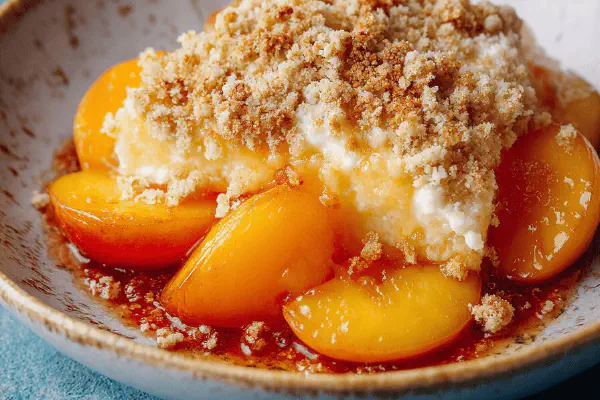
Nectarine Apricot Pouding-Croustade
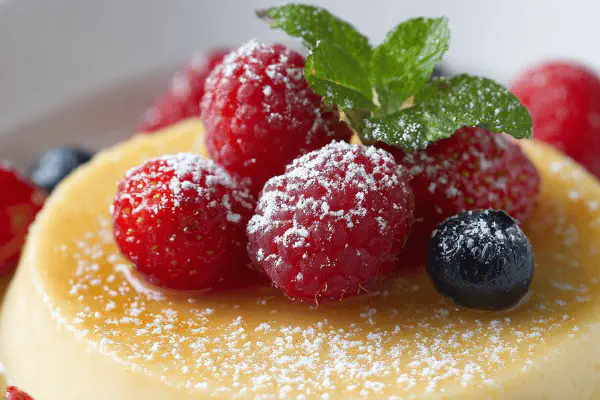
Vanilla Custard with a Twist
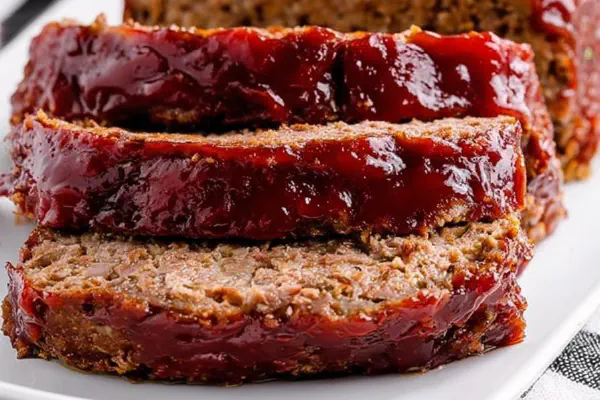
Air Fryer Meatloaf Remix
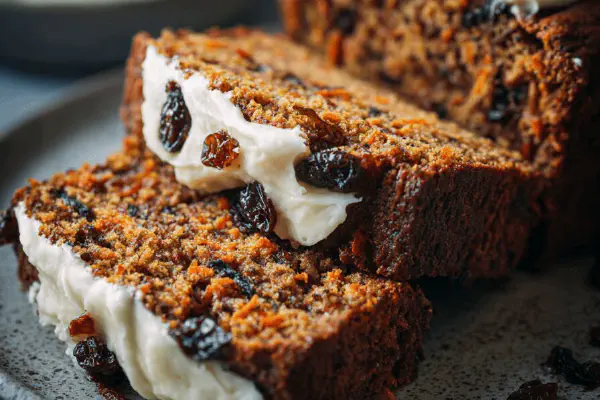
Carrot Cranberry Loaf
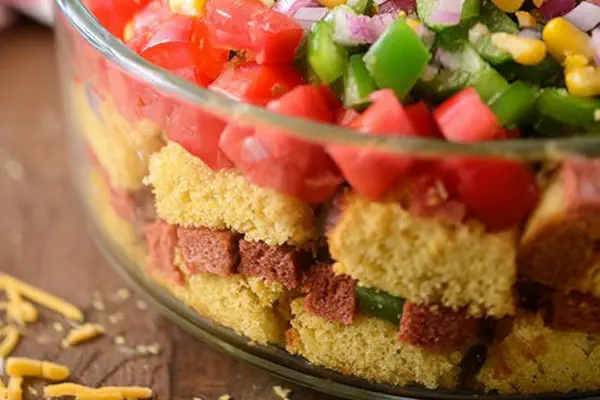
Cornbread Bean Salad

Cucumber Basil Martini

Apple Streusel Cheesecake

Pumpkin Cinnamon Rolls Remix
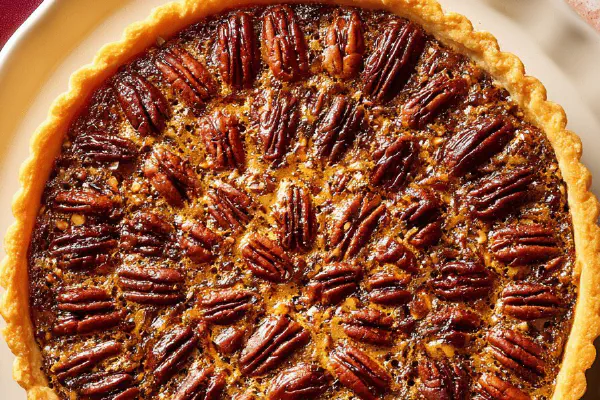
Maple Pecan Tart
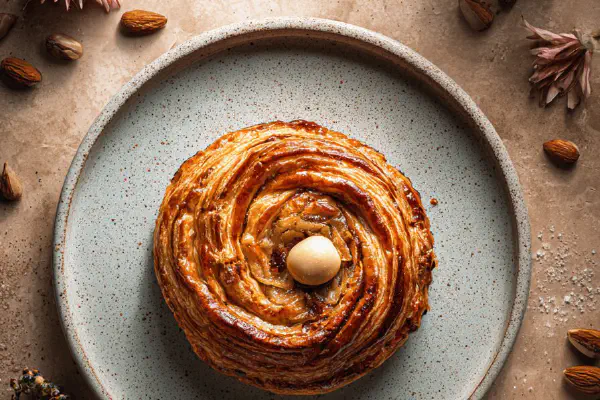
Galette Royale Twist
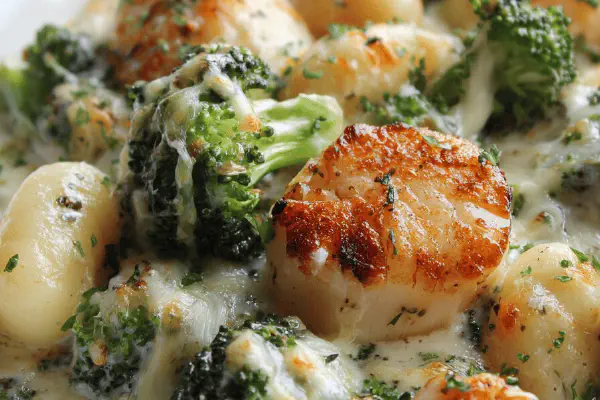
Broccoli Scallop Gnocchi
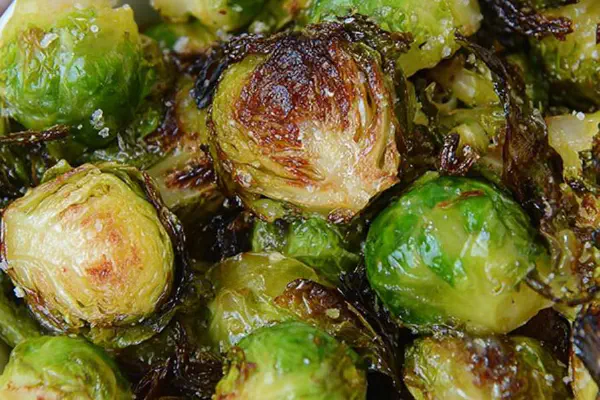
Crispy Garlic Brussels
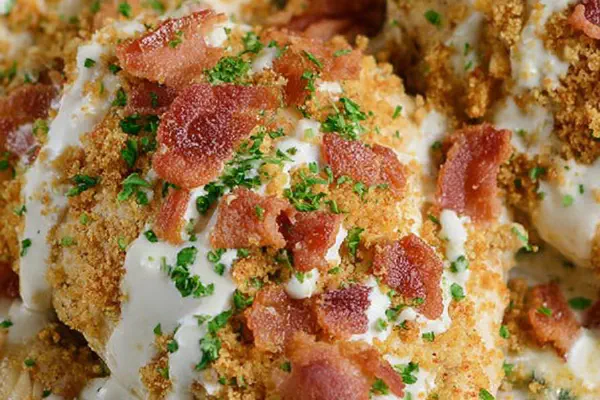
Bacon Ranch Chicken Twist

Cheesy Biscuit Chicken Pot Pie

Deviled Egg Pasta Salad

Twisted Margarita
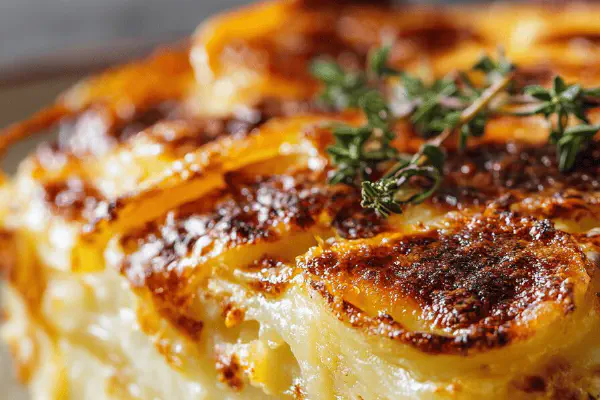
Potato Gratin with Onion Melt
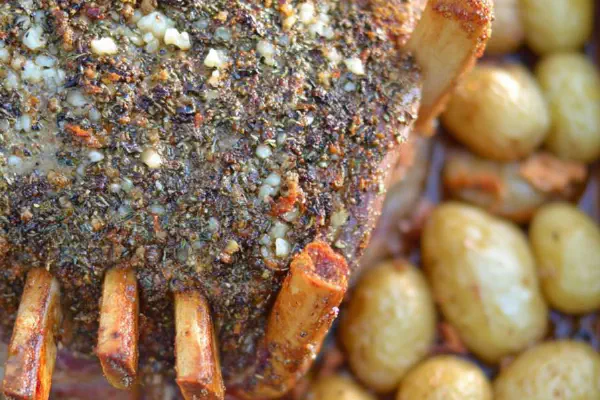
Spiced Crown Pork Roast
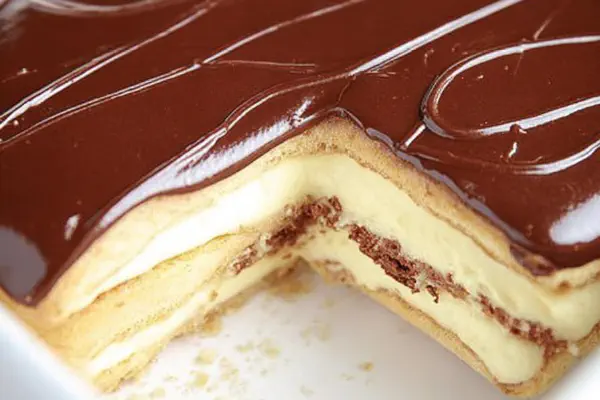
Layered Chocolate Eclair
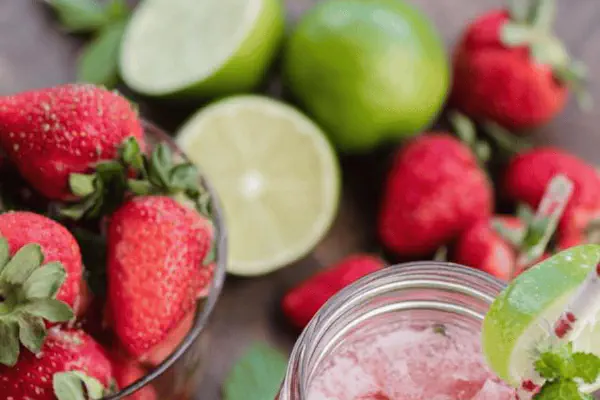
Berry Basil Kombucha Fizz

Chunky Caramel Chocolate Cookies
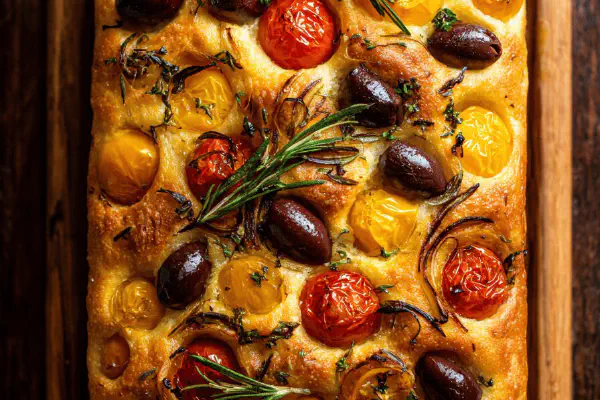
Cherry Tomato Focaccia
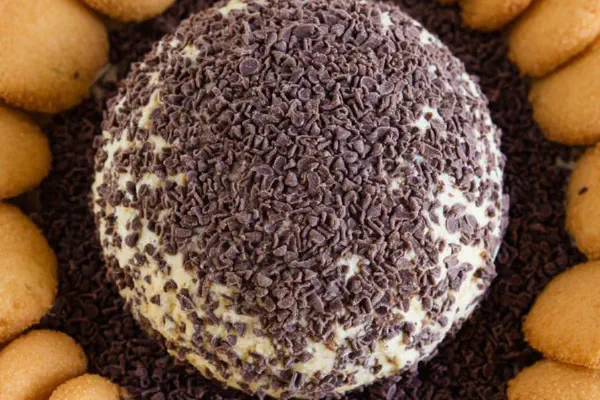
Chocolate Chip Cheeseball Remix
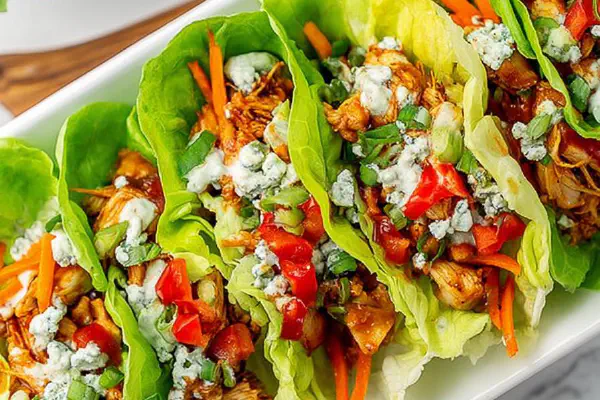
Smoky Citrus Chicken Skewers
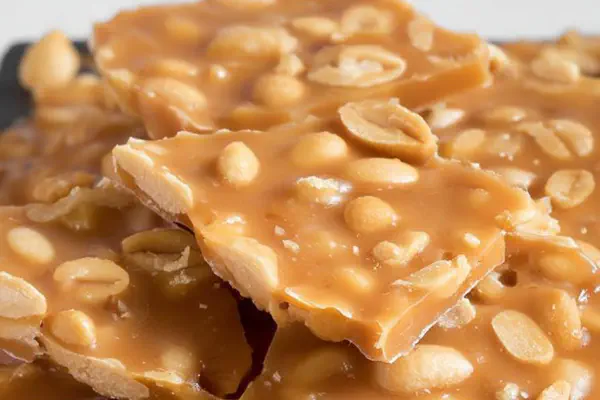
Nutty Caramel Brittle

Maple Bourbon Apple Twist

One-Pan Tomato Gnocchi