Featured Recipe
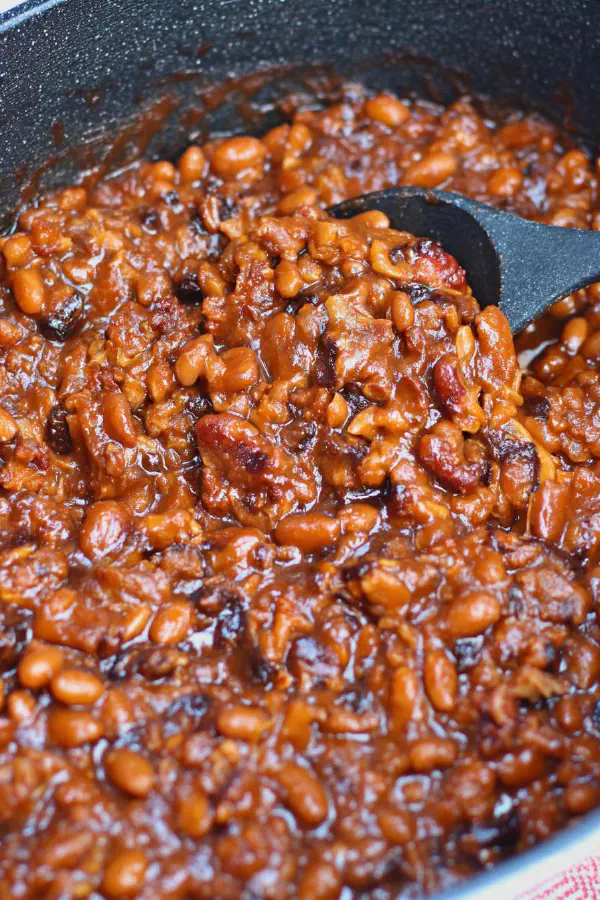
Smoky BBQ Beans Mashup
By Kate
"
Southwestern inspired baked beans with smoky ham hocks and navy plus kidney beans. Brown sugar and molasses twist ups sweetness, fresh chipotle replaces jalapeno’s bite. Onion and Dijon mustard bring depth. Slow-simmered for a thick, rich texture with crispy pancetta stirred at the end. Can swap ham for smoked sausage or turkey bacon. Controlled heat coaxing flavors out, not burning. Cast iron perfect for even cooking and flavor layering. Emphasis on watching aroma, texture shifts, and timing for right consistency without falling apart.
"
Prep:
15 min
Cook:
35 min
Total:
50 min
Serves:
8 portions
beans
BBQ
Southwestern
pancetta
simmer
Introduction
Smoke, sweetness, a little heat. Layers building carefully — not thrown together. Pancetta renders its fat slowly, crackling, turning golden, skin crisp but tender inside. Chipotle’s smoky aroma cuts through the brown sugar’s candy notes. Beans soak it all up — navy and kidney, hearty, firm yet yielding, pushing back against softening. Mustard adds zing where you won’t expect it. Ham hocks thrown in, simmered low, infuse background meatiness — a slow flavor drop. Watch surface gloss, texture shift — thickens with stirring, not dries out. You don’t just cook these beans; you coax them into being. A pan thick with flavor and texture, ready to serve with no fluff.
Ingredients
In The Same Category · Comfort Bowls
Explore all →
Ginger Chicken Fried Rice
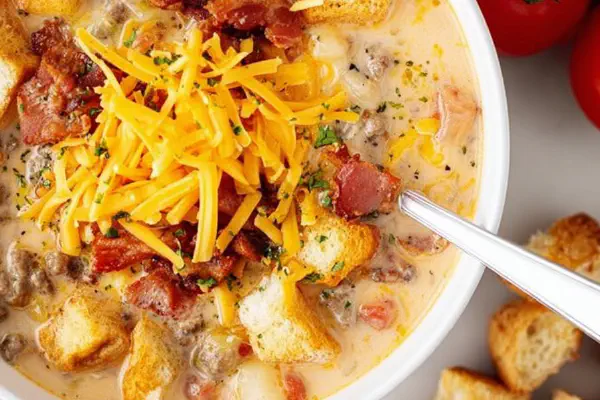
Smoky Burger Chowder
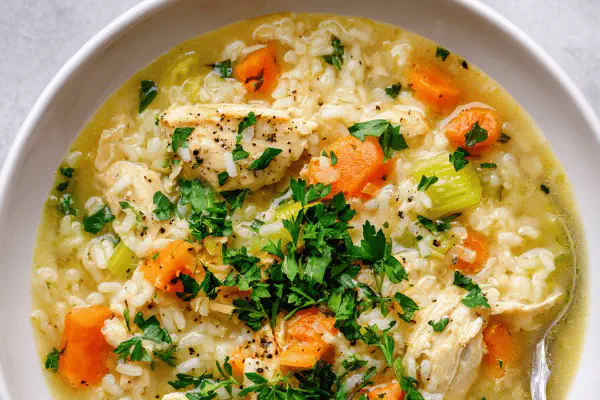
Chicken Lemon Rice Soup
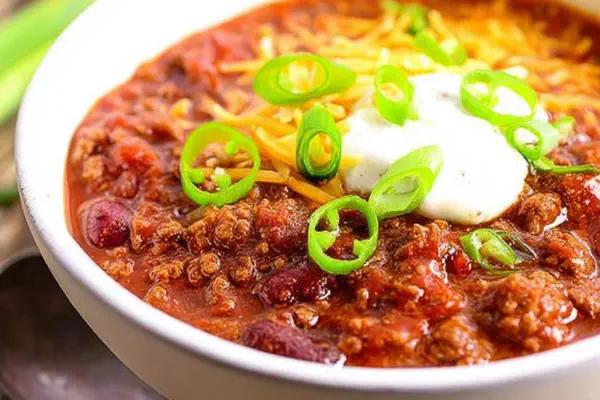
Twisted Quick Chili
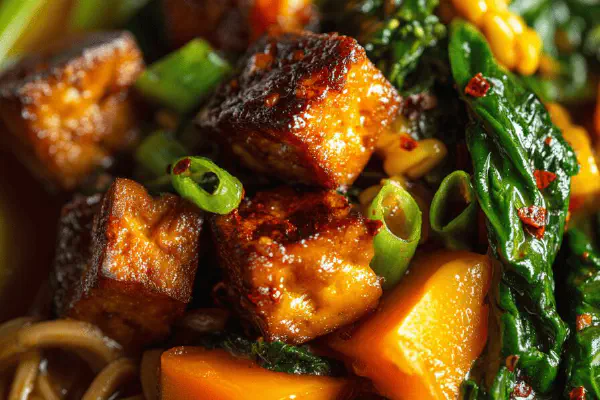
Noodle Soup with Kabocha and Tempeh
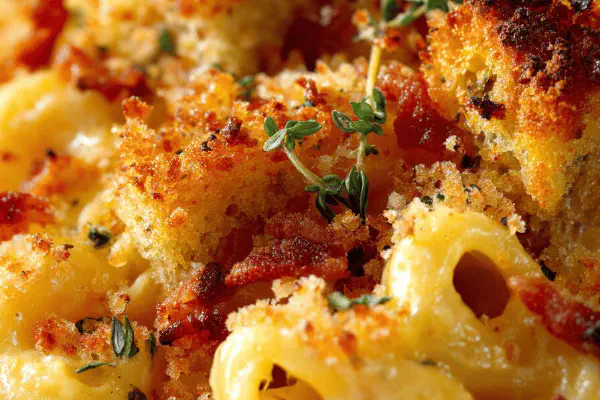
Cheesy Mac Bacon Crunch
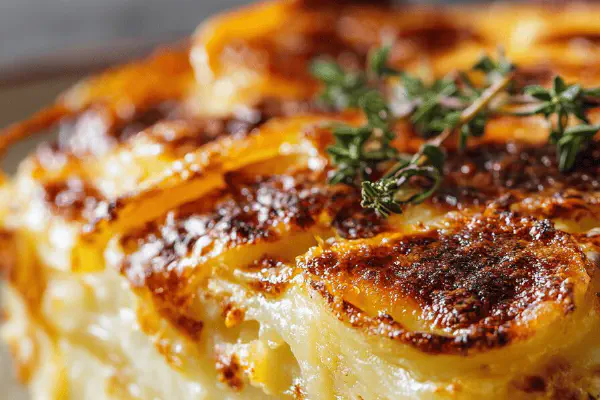
Potato Gratin with Onion Melt
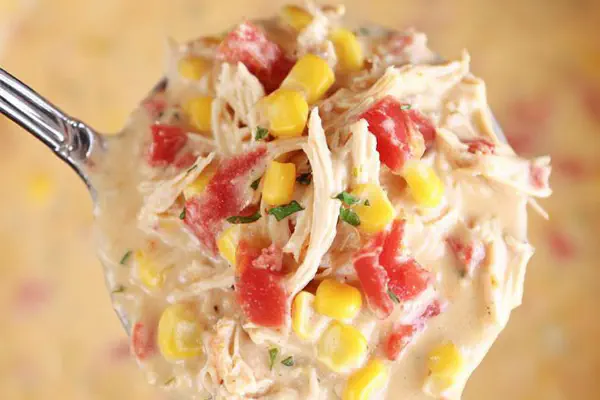
Chunky Chicken Corn Chowder

Sausage Shepherds Pie
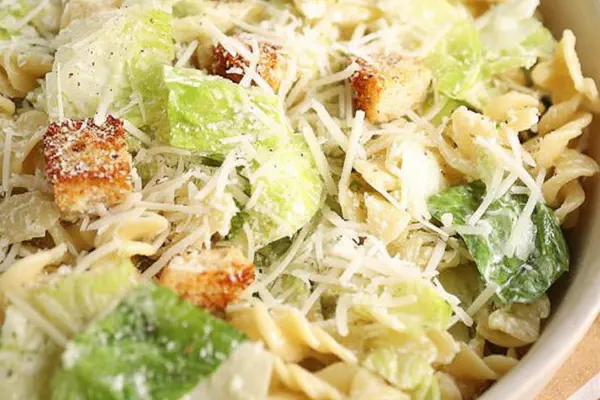
Twisted Pasta Caesar Salad
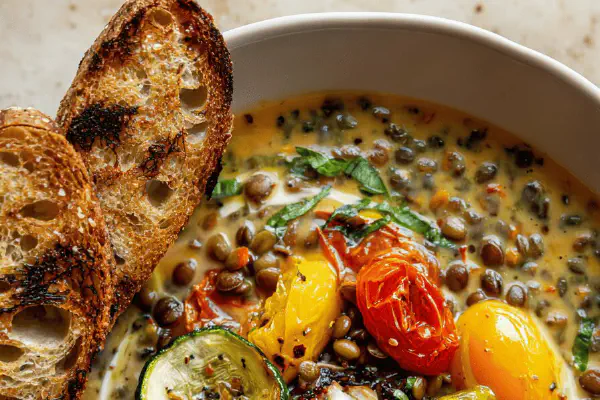
Lentil Cream with Roasted Veggies
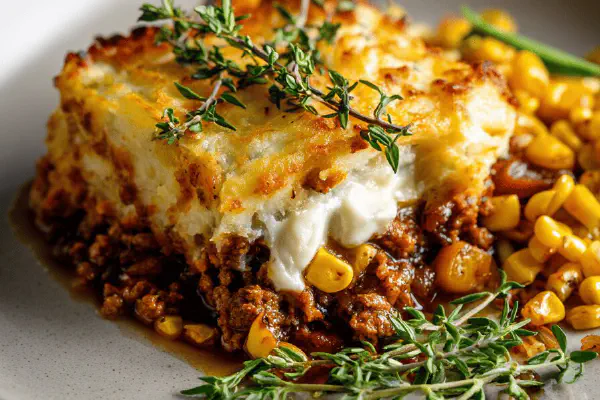
Cheesy Rustic Shepherd's Pie
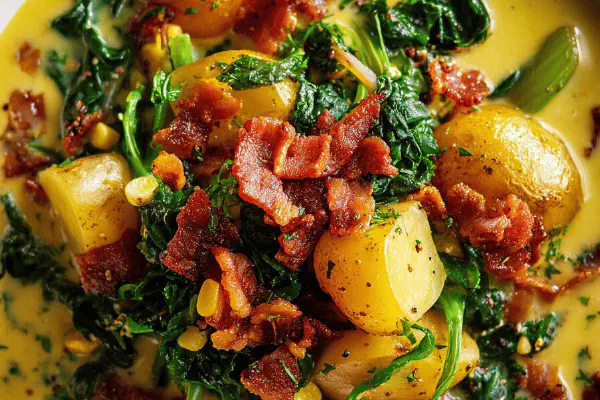
Potato Leek Corn Soup
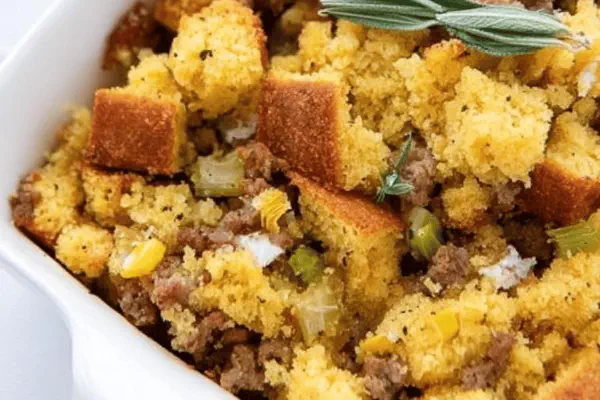
Cornbread Sausage Stuffing
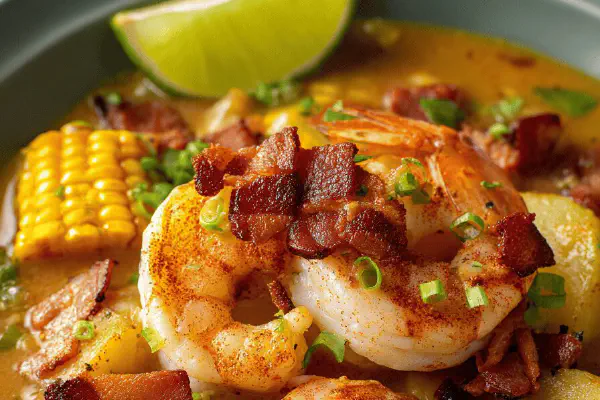
Shrimp Corn Chowder
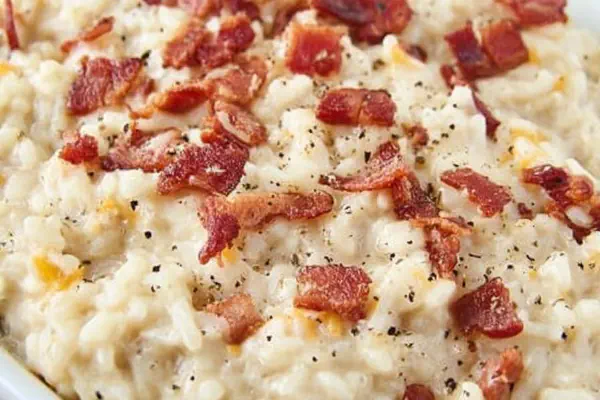
Creamy Bacon Cheese Rice
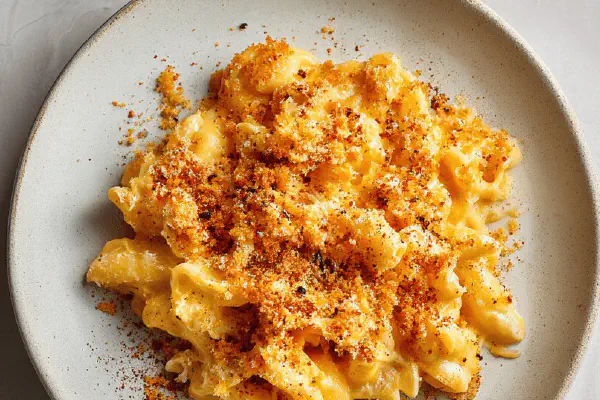
Twist Mac & Cheese
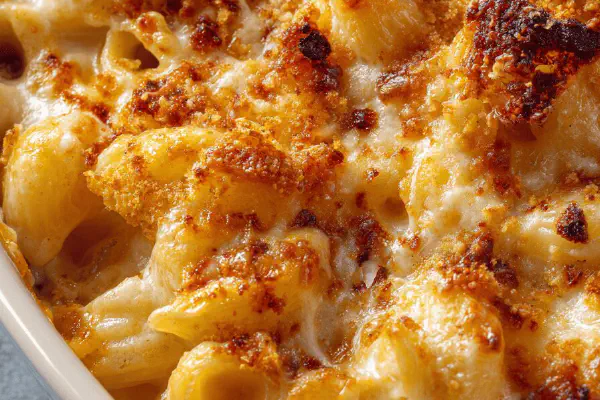
Cheesy Macaroni Bake
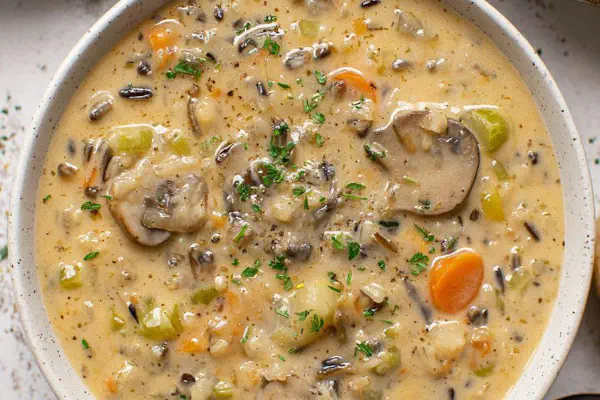
Velvety Wild Grain Soup
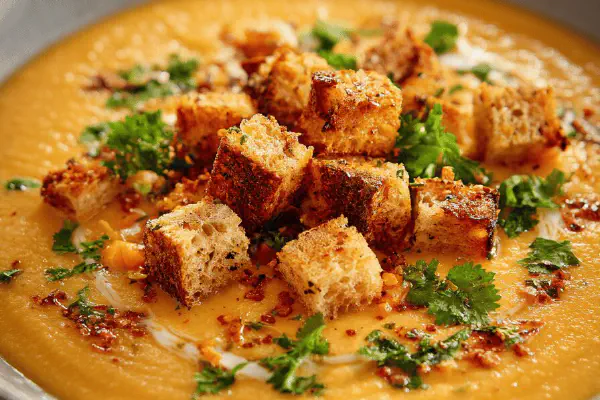
Cauliflower Ginger Curry Velouté
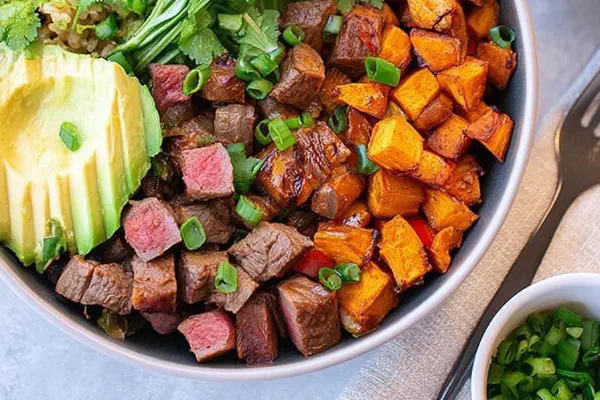
Spiced Steak Sweet Bowl
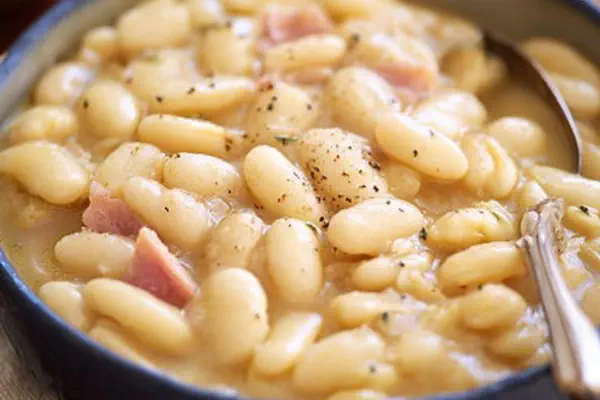
Smoky Lima Beans
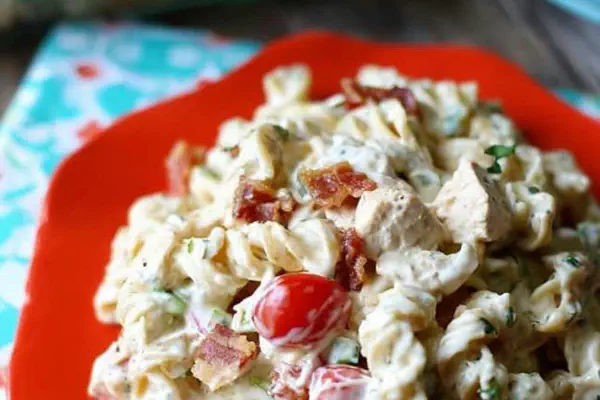
Chicken Bacon Ranch Salad
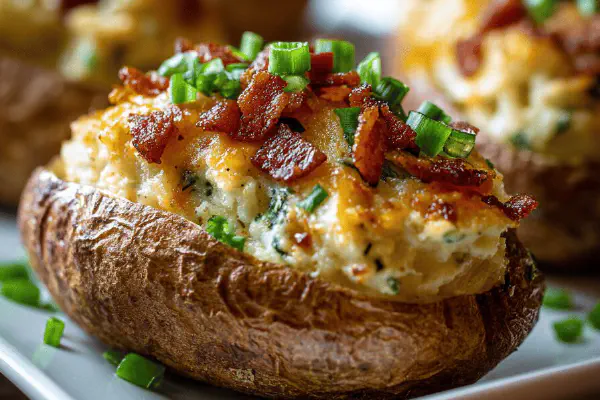
Loaded Stuffed Potatoes
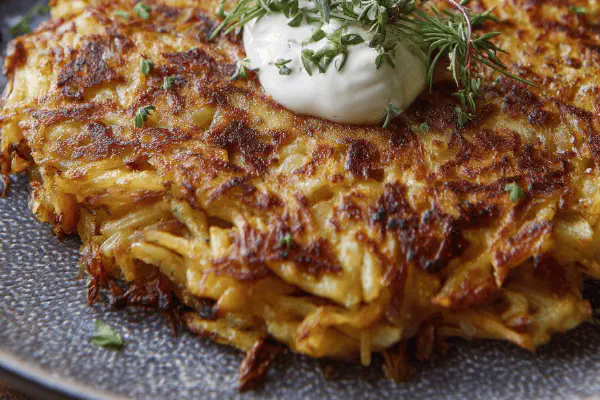
Apple Potato Rösti
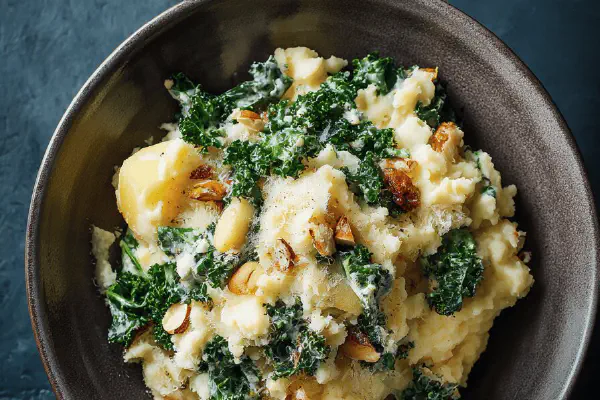
Twisted Colcannon Mash

Zesty Chicken Citrus Soup
Homemade Chicken Vol-au-Vent
Pasta Salad with Pesto Burrata
About the ingredients
Pancetta or turkey bacon provides rendered fat—the foundation for flavor and texture. Substitutes like smoked pork sausage or thick-cut bacon work but affect final smokiness. Two kinds of beans add depth and texture; navy for creaminess, kidney for bite. Use dried beans soaked overnight for best control; canned beans save time but watch softness. Chipotle pepper (fresh or powder) replaces jalapeno’s sharpness and brings a smokier heat. Brown sugar and molasses balance acidity in BBQ sauce, which you can swap for a homemade blend if needed. Dijon mustard cuts sweetness, adds tang. Ham hocks bring meaty depth but can be skipped or swapped with smoked turkey leg for less fat.
Method
Technique Tips
Bacon renders slowly—key to crisp, flavorful bits without bitterness. Avoid high heat at start to prevent tough or burned bacon. When onions turn translucent, smell should be sweet but sharp—signals flavor base set. Stir beans often in simmer to avoid sticking and clumping; watch thickness rise through sheen and reduction, not just time. Ham hocks add collagen and aroma; remove bones after 20 minutes to prevent bitterness but let juice stay. Adding crisp bacon last tempers textural monotony and releases fresh fat. Tasting often is crucial—notes shift with each phase. Adjust heat down immediately on any sign of popping or hard boil, as high heat crushes texture. No cast iron? Use heavy skillet but monitor temperature closely for even cooking.
Chef's Notes
- 💡 Watch the pancetta closely. Sizzle at medium heat. Render fat slowly for crispy bits. Too high, risk burning. Texture shifts matter. Cool slightly before chopping.
- 💡 Use a cast iron skillet. Even heat distribution—key for flavors developing. If no cast iron, stick to heavy stainless. Monitor closely, prevent sticking.
- 💡 For beans, dried options need soaking overnight. Canned save time. Use drained at the end but watch mushiness. Adjust cooking time based on bean type.
- 💡 Adjust heat carefully. Soft simmer, rolling bubbles only. Listen for crackles, not harsh pops. Burnt bits ruin texture. Watch gloss as sauce thickens.
- 💡 Taste often. Balance sweetness and heat. If too sweet, more mustard; if not smoky enough, add chipotle. Layer flavors as you go. Don’t rush it.
Kitchen Wisdom
What's the best way to swap ingredients?
Pancetta is key for flavor. Turkey bacon works. Smoked sausage does too for depth. Adjust cooking time.
What to do if beans get mushy?
Don't stir too much. Canned beans? Add last 10 minutes. Keep an eye on texture. Change simmer rate.
Can I store leftovers?
Yes, refrigerate up to 5 days. Freeze in portions for later use. Reheat gently; don’t scorch. Add a splash of broth.
How to tell if beans are done?
Watch them closely. Look for gloss from sauce. Texture should be firm, but soft enough to yield gently when pressed.
You’ll Love These Too
Explore all →
Winter Cocoa Mix
Zesty Italian Seafood Salad
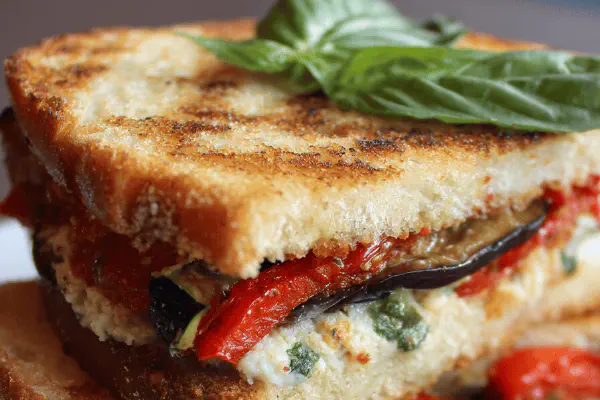
Grilled Veggie Parmesan Spread Sandwiches

Tropical Citrus Vodka Punch
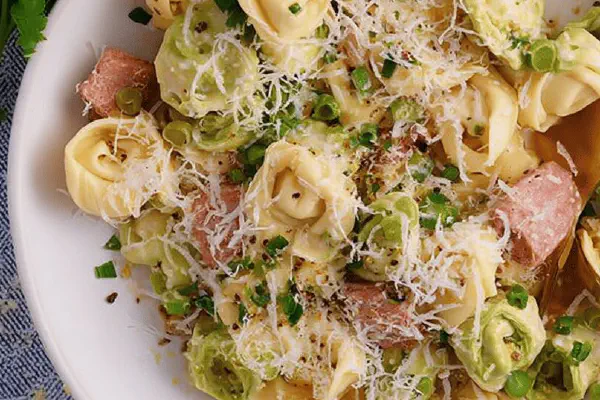
Creamy Tortellini Ham
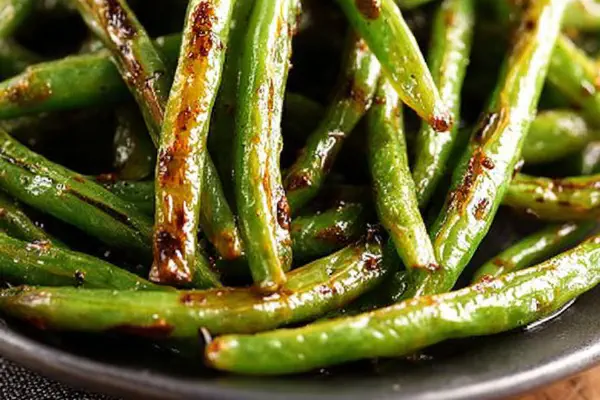
Roasted Spiced Green Beans

Orange Ginger Infused Water
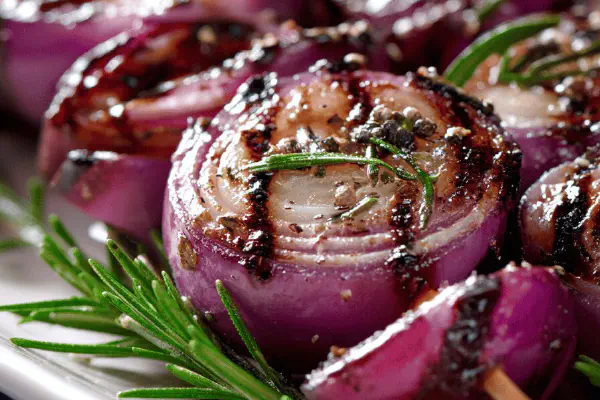
Charred Red Onion Skewers
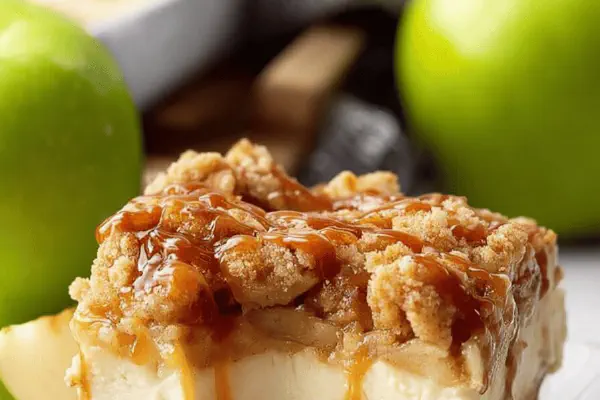
Apple Cream Cheese Bars
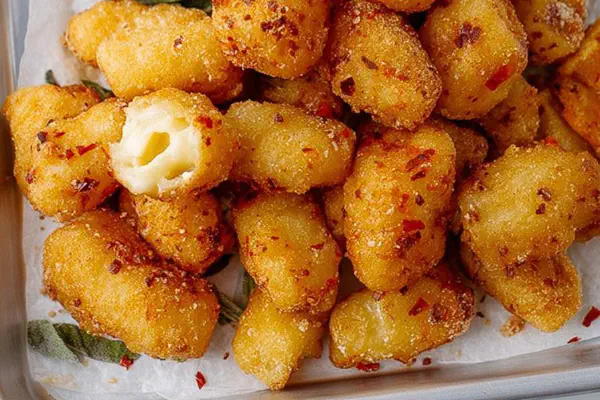
Beer Battered Cheese Curds
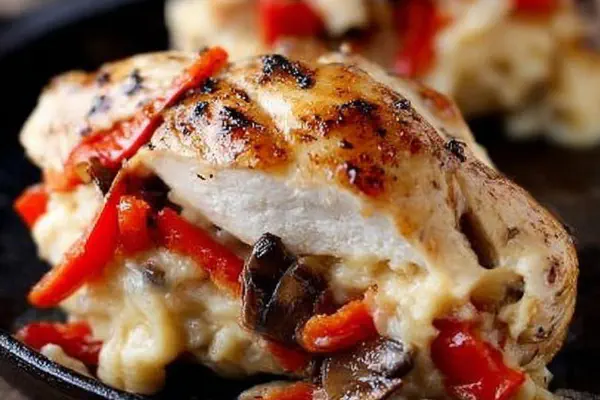
Cheesy Stuffed Chicken Reworked
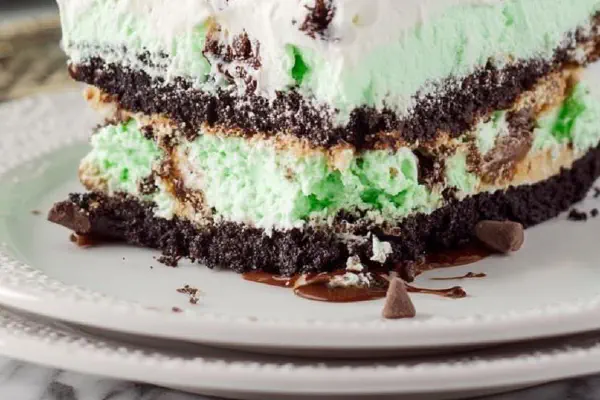
Mint Chocolate Chip Ice Cream Cake
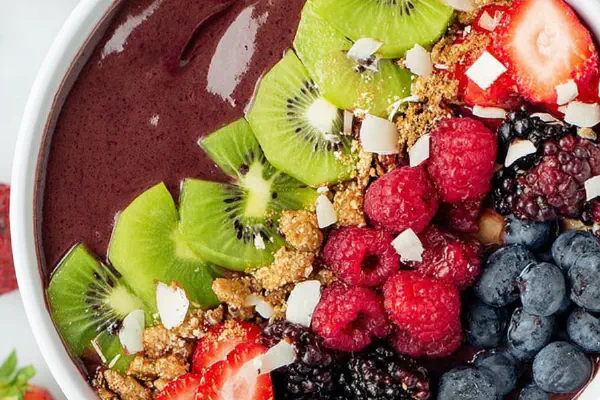
Beet Berry Acai Bowl

Cadbury-Stuffed Cupcakes
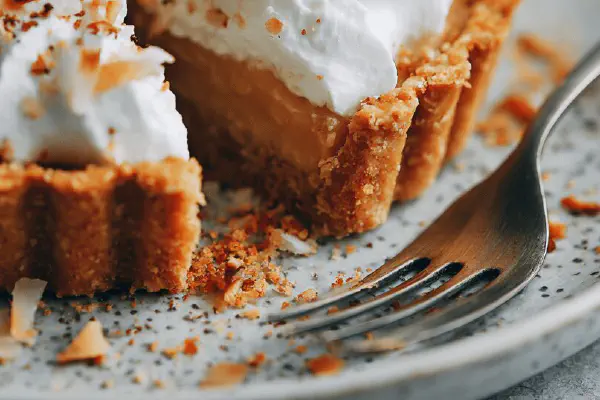
Coconut Cream Tart

Cadbury Egg Fudge Remix
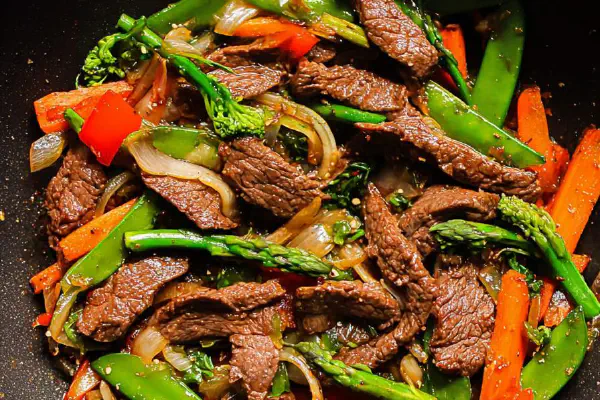
Tender Beef Veggie Stir Fry
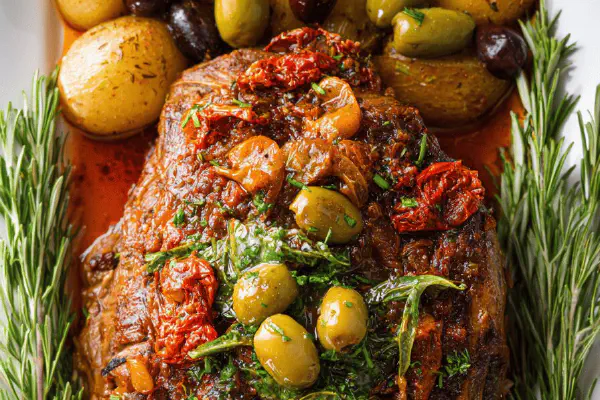
Greek-Style Veal Roast

Vegan Hazelnut Chocolate Cookies
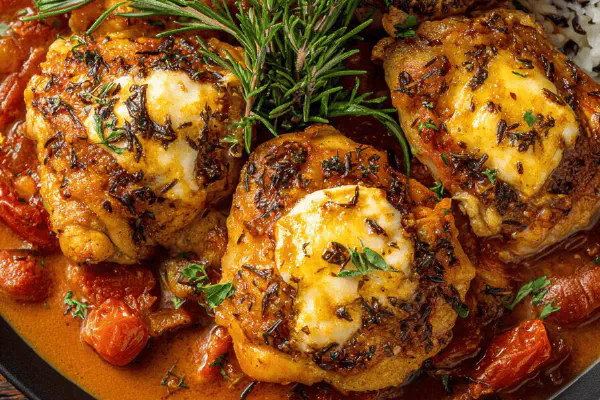
Tomato-Grilled Braised Chicken
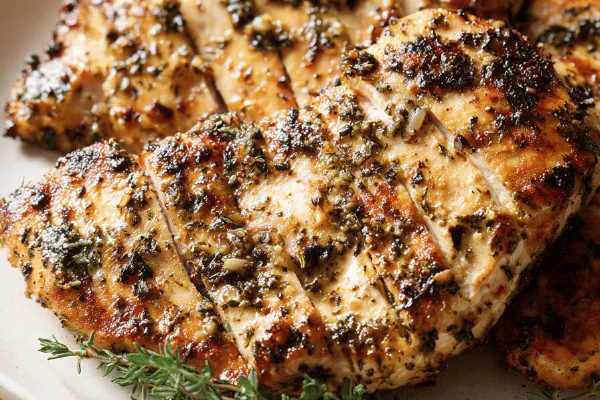
Buttermilk Mustard Marinade
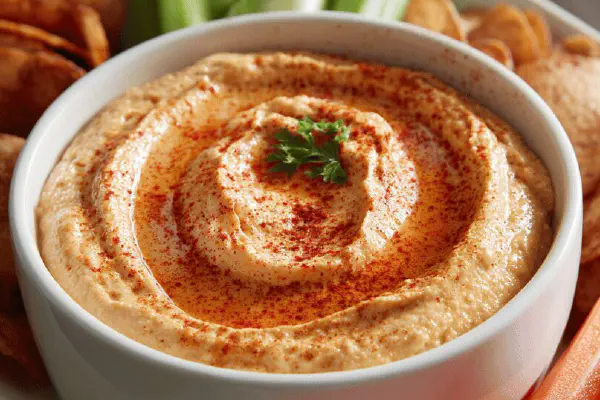
Spicy Creamy Orange Dip

Vanilla Reduced Fat Cake with Citrus Twist
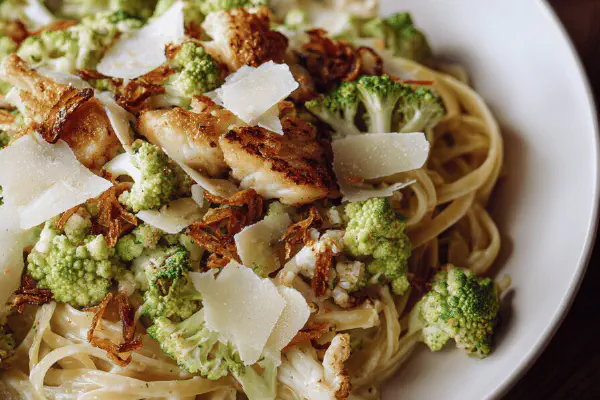
Garlic Cream Linguines Twist
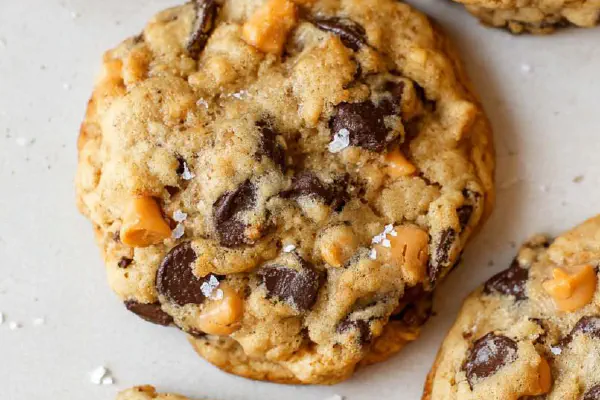
Brown Butter Oat Cookies
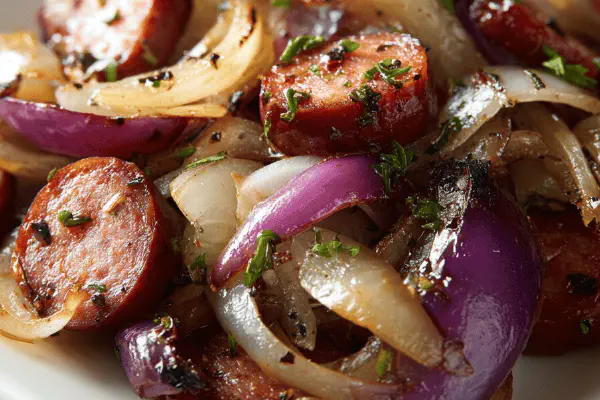
Sautéed Onions and Spicy Sausage
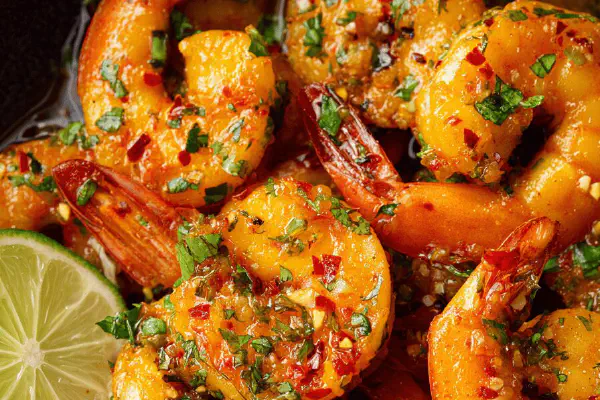
Spicy Citrus Shrimp
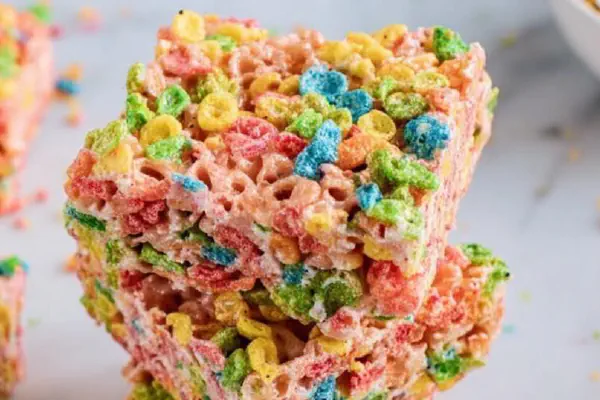
Twisted Fruity Pebble Treats

Tart Citrus Cream Pie