Featured Recipe
Smoky Cajun Black-eyed Peas
By Kate
"
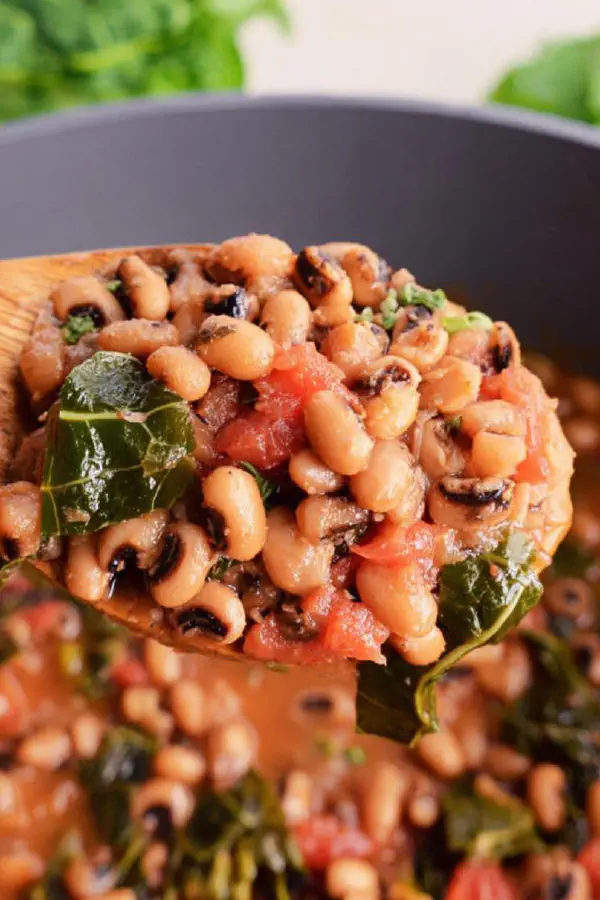
Black-eyed peas simmered low with smoky bacon and fresh collard greens in savory chicken broth and diced fire-roasted tomatoes. A splash of apple cider vinegar wakes it up. Slow cooks till the peas soften while greens wilt into tender ribbons. Bay leaf and thyme deepen flavor. Simple pantry swaps included. Made with less broth for thicker finish. Slightly longer simmering to meld components.
"
Prep:
15 min
Cook:
50 min
Total:
65 min
Serves:
10 servings
Southern
comfort food
beans
healthy
one pot
Introduction
Black-eyed peas have that hearty, earthy vibe essential for winter sitting. Old Southern trick: slow sweat onions and garlic with smoky bacon fat releases enough fat to season the beans right. No shortcuts here. Collards swap for kale because easier to cook, less bitter, no toughness. Watch temps closely. Low simmer is king—too hot and you’ll mash peas, too cool and they linger firm. You want tender skins but not falling apart. Adding fire-roasted tomatoes ups flavor complexity without extra sweetness. A final splash of vinegar wakes the whole pot up with bright acid balance. Texture matters. Don’t drown peas in broth. Use slotted spoon to control portions. Bread optional, but I’d never skip it. Timing flexible if you know stages; keep smelling garlic, bacon, and herbs, seeing leaves soften. Few things beat that slow-simmer aroma filling kitchen. This ain’t just beans and greens; it’s layered flavor layering patience and technique. So get acquainted with bubbling hints and slow stirs, kitchen sounds and smells telling you when meat fat rendered enough, when greens turn satiny, when broth thickens just right. You cook the smells and textures, not minutes alone.
Ingredients
In The Same Category · Comfort Bowls
Explore all →
Spiced Red Pepper Chicken Soup
Chicken Lemon Rice Soup
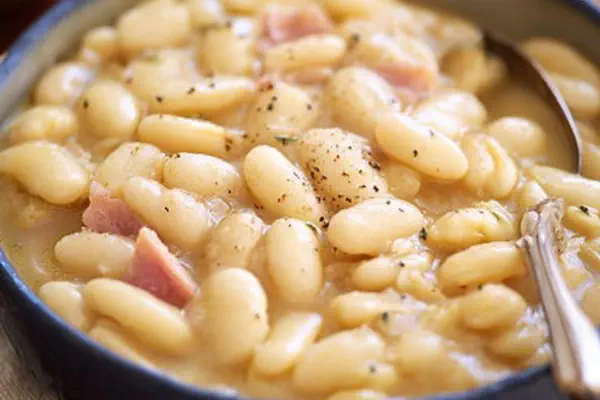
Smoky Lima Beans
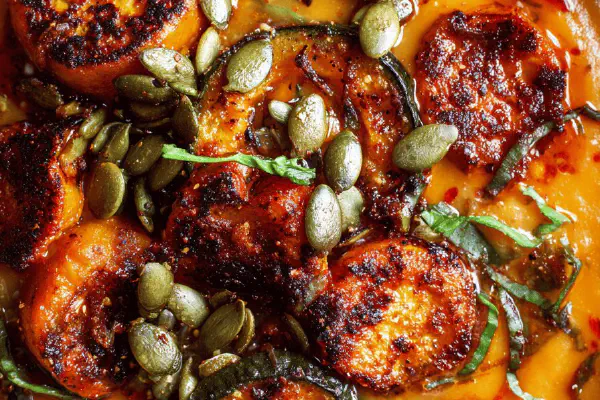
Roasted Spiced Squash Soup
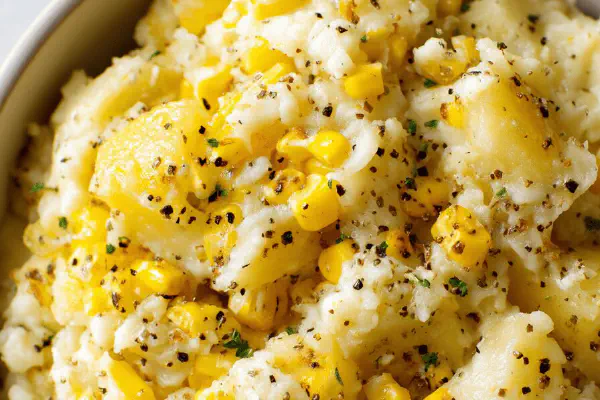
Corn Potato Mash Twist
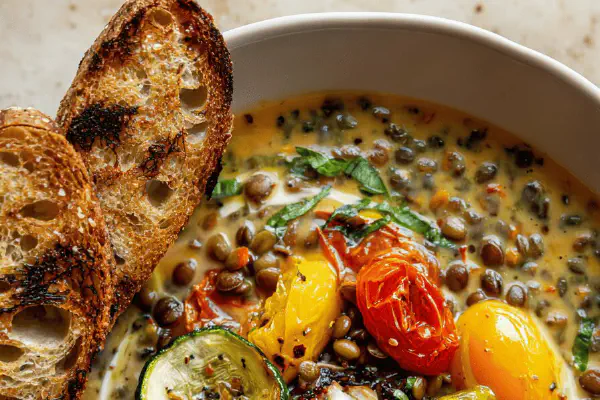
Lentil Cream with Roasted Veggies
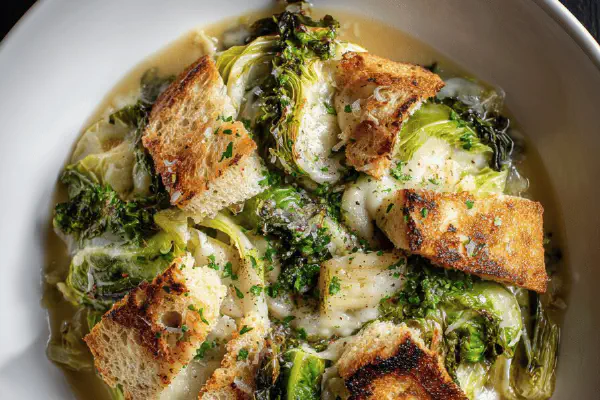
Country Cabbage Soup Twist
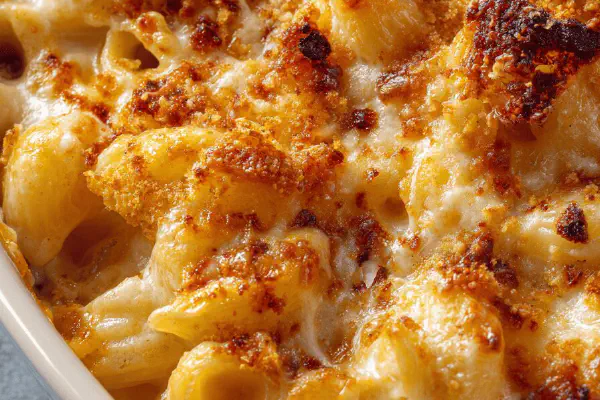
Cheesy Macaroni Bake
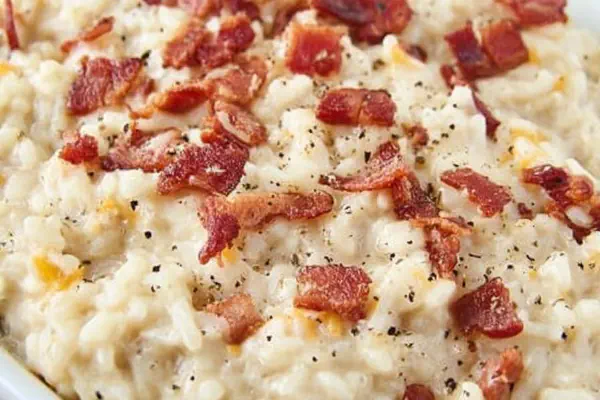
Creamy Bacon Cheese Rice
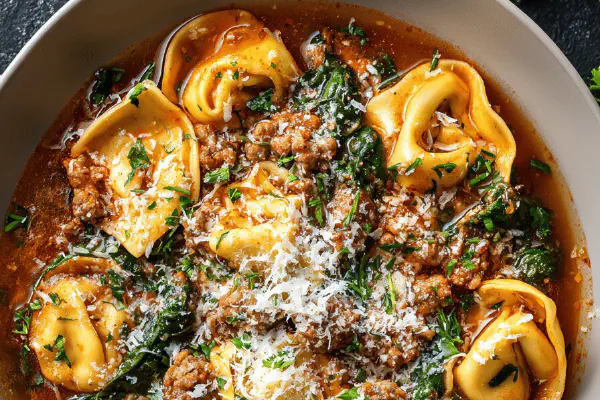
Sausage Tortellini Soup
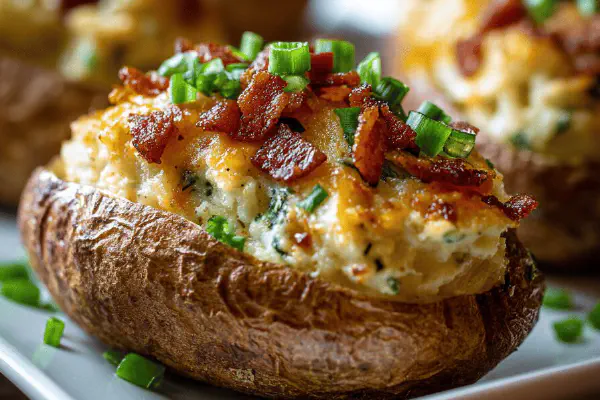
Loaded Stuffed Potatoes
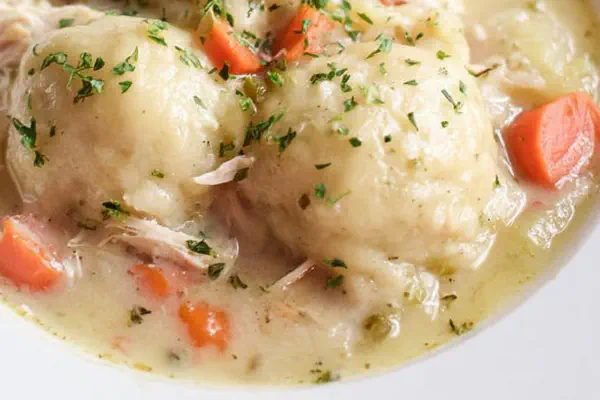
Chicken Dumpling Stew
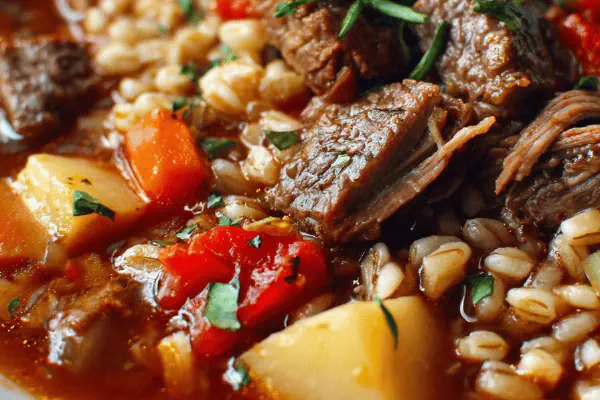
Beef Barley Pressure Soup
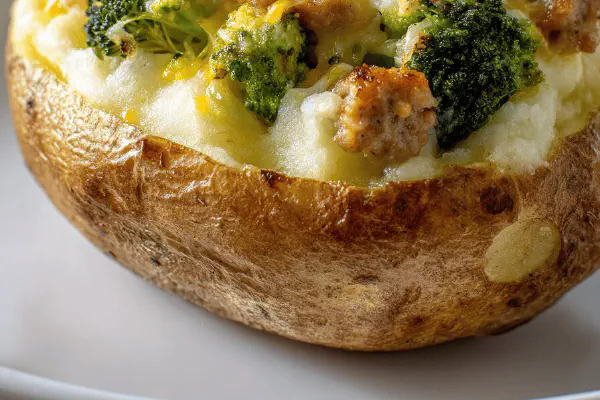
Broccoli Sausage Stuffed Potatoes
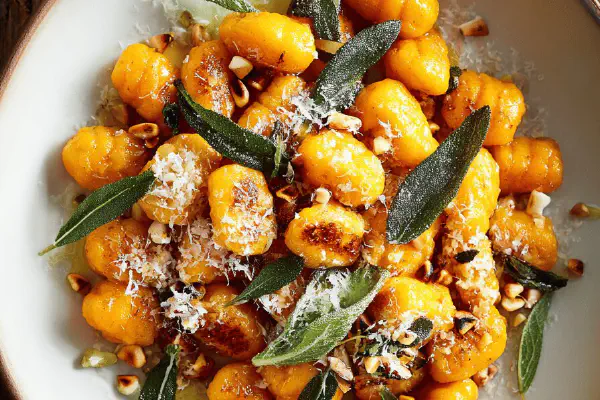
Gluten-Free Gnocchi Sage Butter
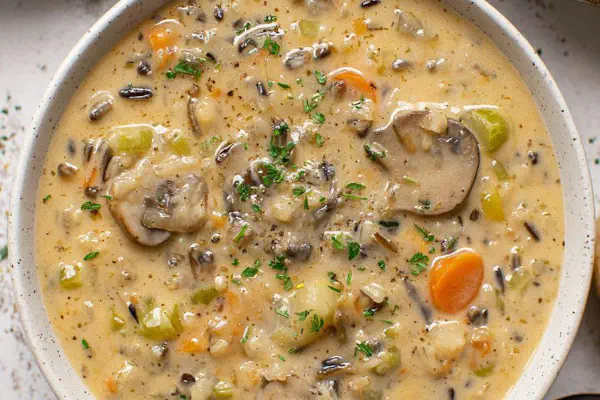
Velvety Wild Grain Soup
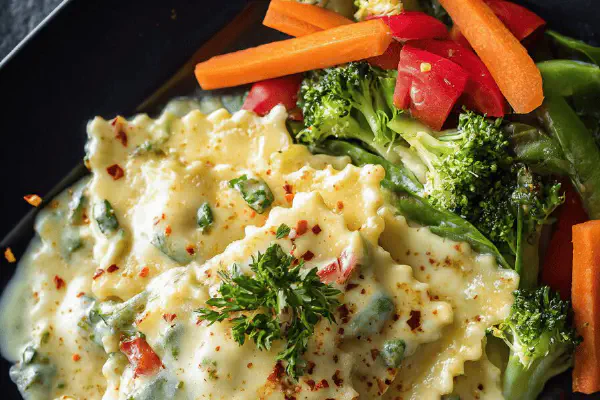
Smoky Cheese Sauce

Smoky Burger Chowder
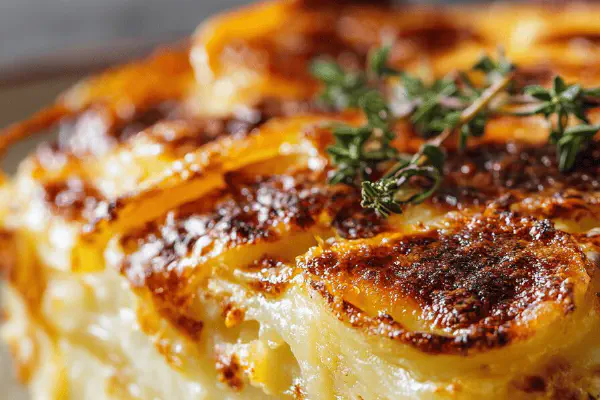
Potato Gratin with Onion Melt
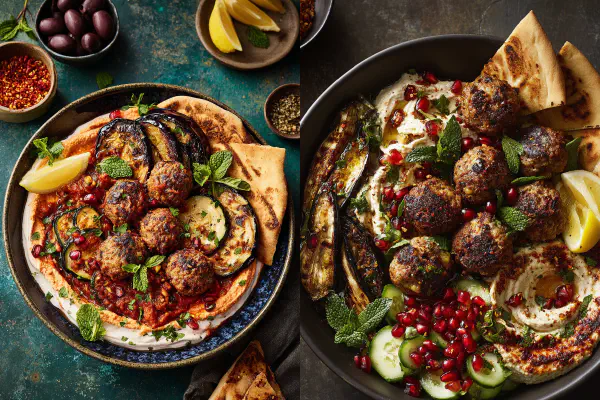
Chicken Bowls with Roasted Eggplant Sumac Pitas
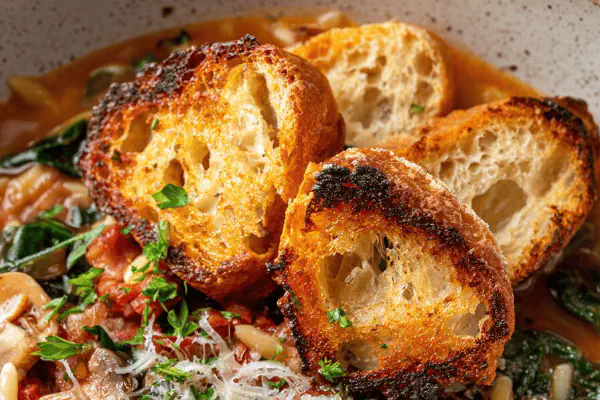
Swiss Chard & Orzo Soup
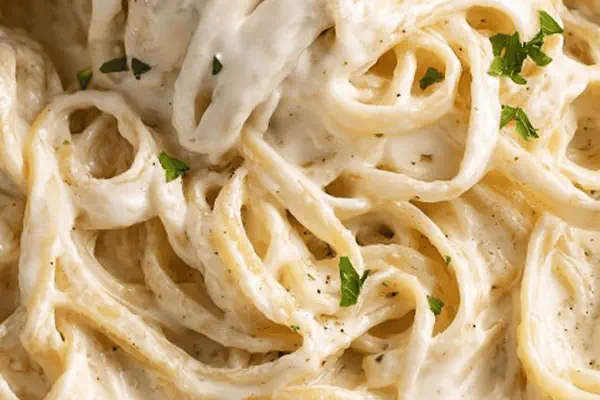
Copycat Olive Garden Alfredo
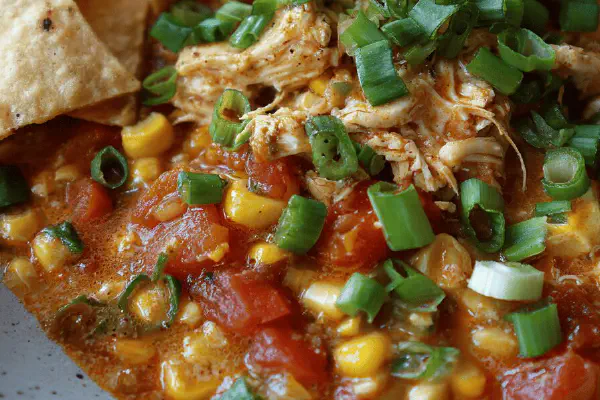
Spicy Chicken Tomato Corn Soup
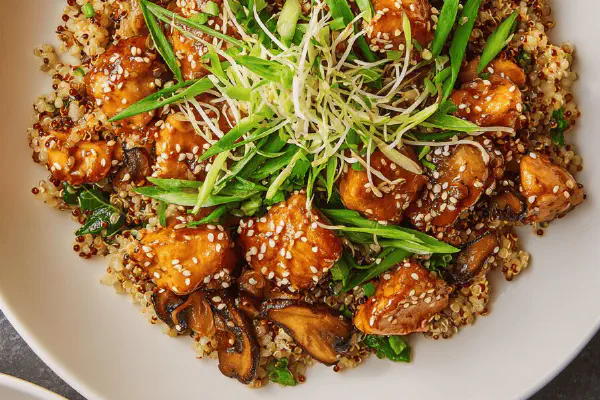
Ginger Chicken Fried Rice
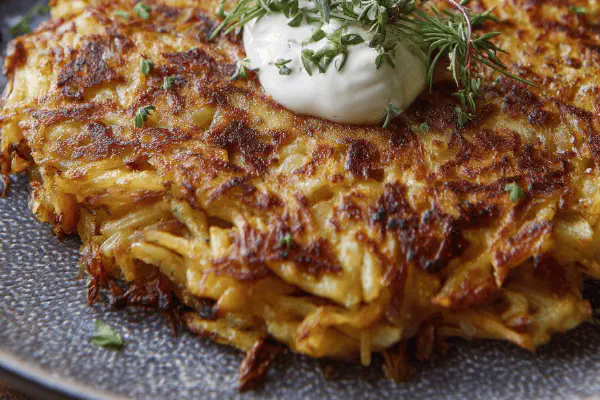
Apple Potato Rösti
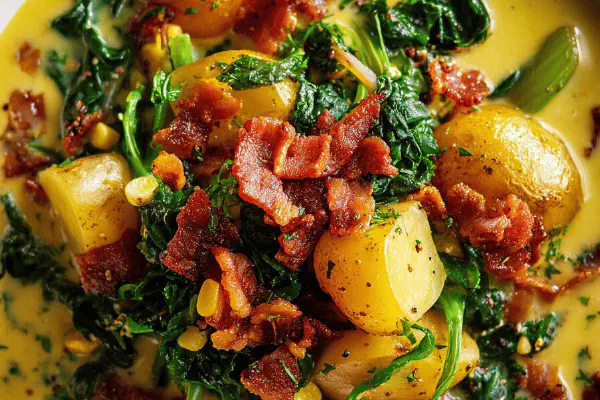
Potato Leek Corn Soup
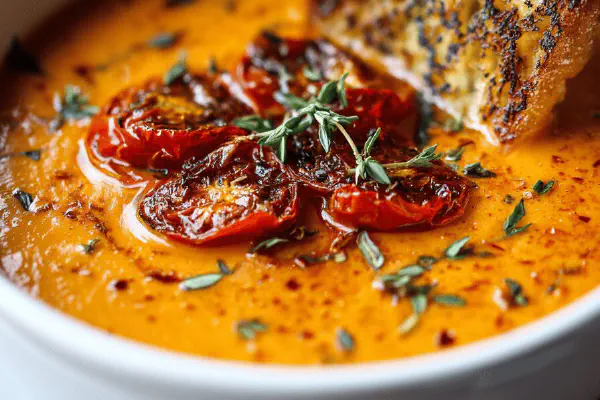
Roasted Tomato Garlic Soup

Slow Cooker Chicken Chili

Twisted Baked Rigatoni
About the ingredients
Oil choice matters for flavor and heat tolerance—I suggest avocado here, freer on high heat and neutral enough not to mask bacon. If you don’t have smoked turkey bacon, regular bacon or pancetta works but reduce added salt; turkey bacon adds depth without salt overload. Stewed tomatoes replaced with fire-roasted for smoky undertone and slight char, offering more complexity. Kale swaps for collard greens if you want faster cooking and a milder taste; both work; tougher collards take longer to soften. Chicken stock better than broth concentrated cube or water—adds body without extra sodium. Bay leaf and thyme classic aromatics; dried thyme needed for that minty herbal hint. Salt and pepper adjustable—start lower if using regular bacon. Vinegar should be apple cider for gentle acidity, but white balsamic works in pinch. If vinegar not your thing, a squeeze of lemon juice after cooking also lifts flavors beautifully.
Method
Technique Tips
Start with medium heat sweat on onions until translucent—this builds flavor layers. Don’t rush—onions burning or browning means bitterness. Add garlic and bacon last so garlic doesn’t overcook and sour. Render bacon fat at medium heat, low enough to keep fat clear but hot enough for sizzle. When you add broth, scrape bottom hard—those browned bits hold deep flavor. Avoid full boil after adding beans; preserve peas’ integrity by low simmer—not more than occasional small bubbles breaking surface. Stir every dozen minutes minimum—beans settle and stick easily; scraping prevents scorch. Peas soften slowly; skins become tender but holding shape means pearly texture, not mush. About 45-50 minutes. If liquid reduces too much, add broth little by little. When done, remove bay leaf to avoid vegetal bitterness. Vinegar added off heat—cuts raw bite and sharpens whole pot. Stir gently to incorporate. Final tasting step essential: flavors and seasoning should balance—vinegar will brighten but not overpower. Using slotted spoon for serving lets you control moisture level—some like it soupy, some thick. Store leftovers tightly covered in fridge, reheat gently to avoid drying out peas or toughening greens.
Chef's Notes
- 💡 Avocado oil gives high heat tolerance. Must sweat onions till they’re translucent; burning means bitter bites. Garlic’s key too; add it after bacon.
- 💡 Simmer low carefully. Too high, you'll mush peas. Broken skins ruin texture. Use wooden spoon; scrape to avoid sticking. Stir every 12 minutes.
- 💡 Substituting turkey bacon? Adjust salt level down. Regular bacon equals more saltiness added. Fire-roasted tomatoes intensify flavors without extra acidity.
- 💡 Kale instead of collards speeds up cooking. Tough collards? They take longer to soften. Toss torn kale in last moments for quick wilt.
- 💡 Vinegar’s important; swirl in after heat. It brightens flavors. Prefer lemon juice? Squeeze a bit at the end. Both add that needed lift.
Kitchen Wisdom
What's the best way to store leftovers?
Fridge is best. Tightly cover. Reheat gently though. Too hot, peas toughen. Greens wilt more.
How to adjust for thicker consistency?
Less broth up front. Add more gradually if it gets too dry. Stirring ensures peas don’t stick.
Can I use dried black-eyed peas?
Sure, but soak overnight. Cooking time increases. Adjust based on texture you want; careful watching.
What to serve with it?
Crusty bread works well. Over rice is nice too; make it a hearty meal. Leftovers fit like a charm.
You’ll Love These Too
Explore all →
Orange Chiffon Cake Twist
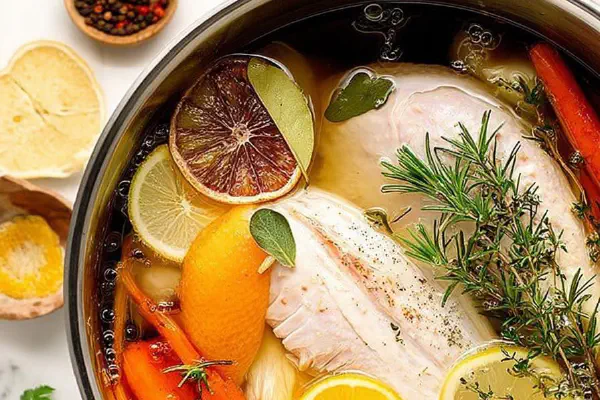
Basic Turkey Brine Twist
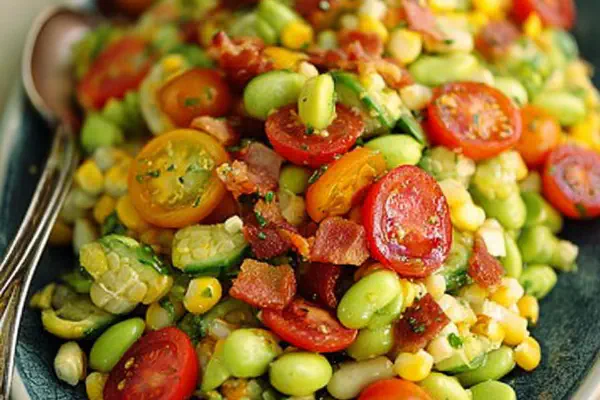
Summer Succotash Remix

Cake Mix Brownies Twist
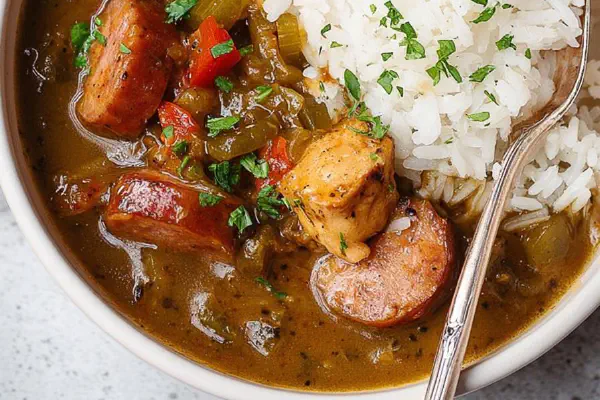
Smoky Chicken And Andouille Gumbo
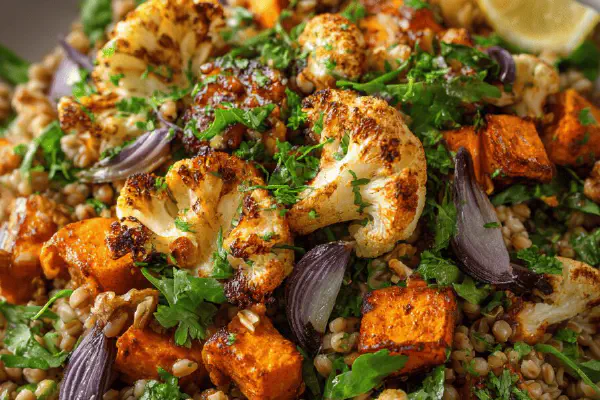
Barley Cauliflower Sweet Potato Salad

Chocolate Marshmallow Cookies

Cheddar Bacon Ranch Biscuits
Confetti Sheet Cake Remix
Stuffed Veal Balls with Gruyere
Chickpea Apple Salad

Citrus Spark Pound Cake
Twisted Guacamole Dip
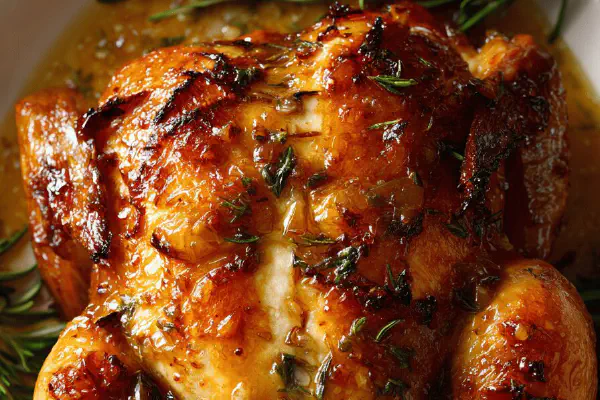
Roast Chicken with Apricot Glaze
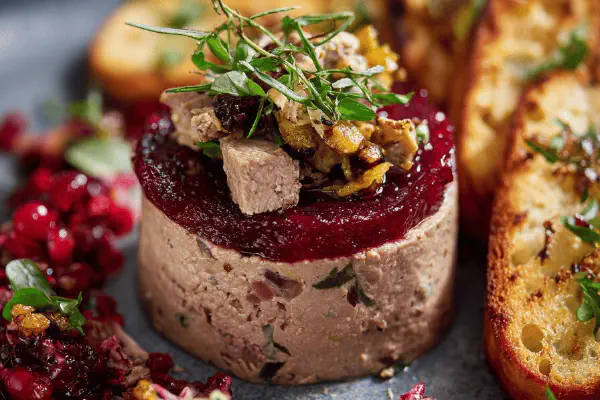
Chicken Liver Mousse Terrine
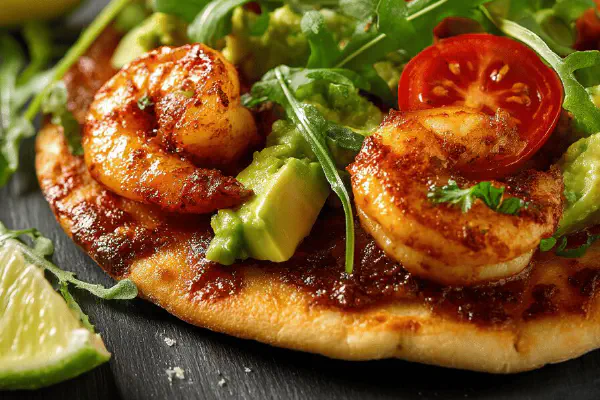
Spicy Shrimp Avocado Flatbread
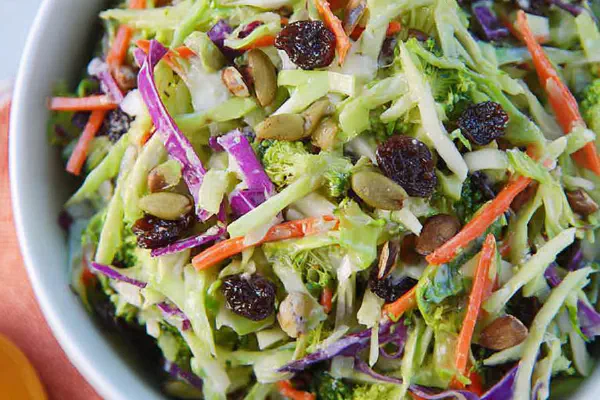
Crunchy Broccoli Slaw Remix

Rustic Turkey Gravy
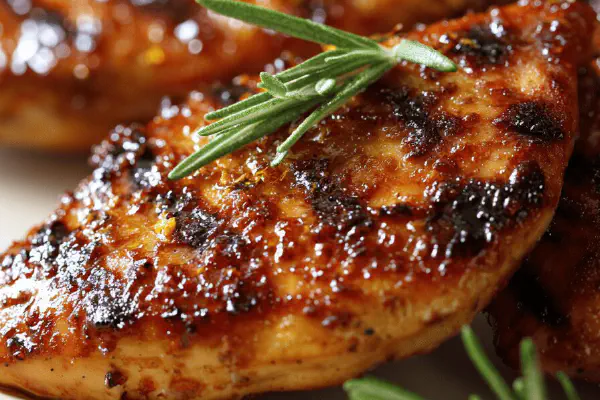
Orange Chili BBQ Marinade
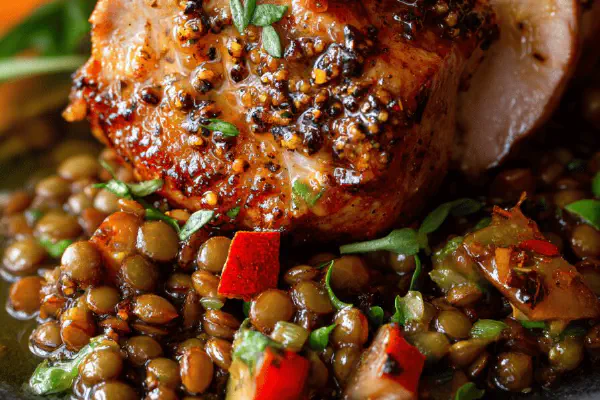
Pork Tenderloin Espelette
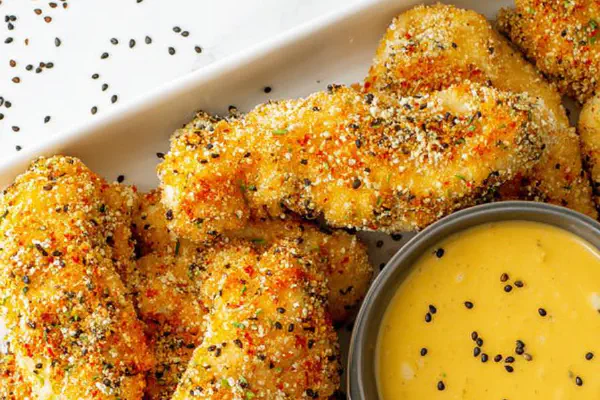
Crunchy Herb Chicken Strips
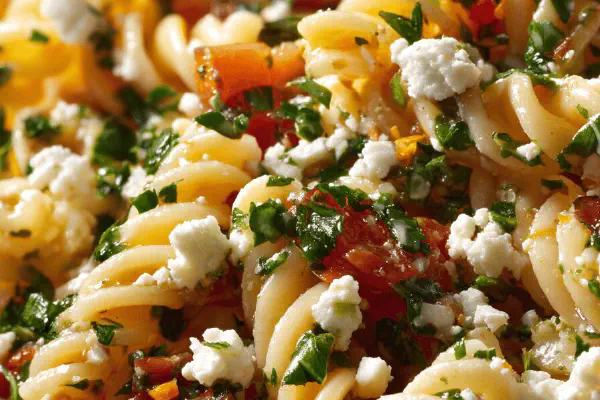
Pasta Salad with Zesty Gremolata
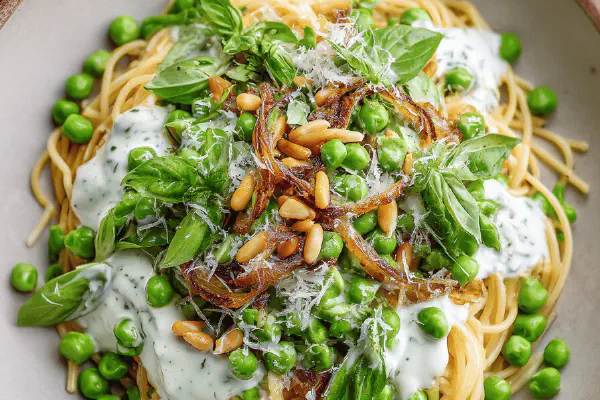
Spaghettis petits pois basilic twist
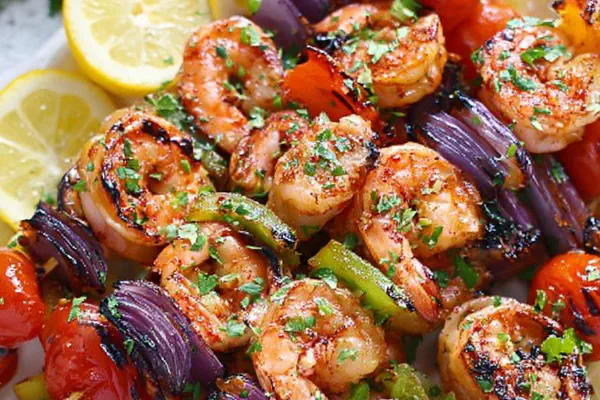
Garlic Shrimp Skewers Twist
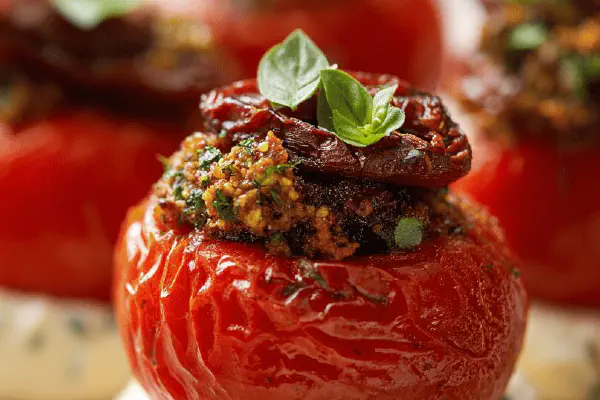
Stuffed Cherry Tomatoes
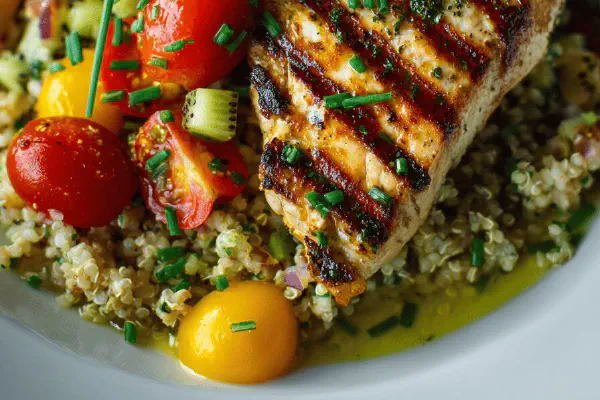
Grilled Swordfish Kiwi Salsa
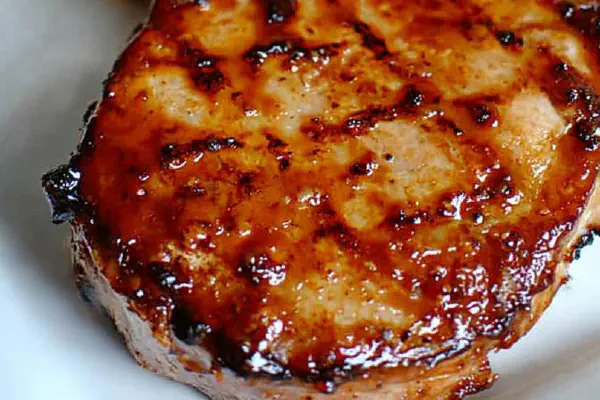
Pan-Seared BBQ Pork Chops & Loaded Potato Salad

Peppermint White Hot Cocoa
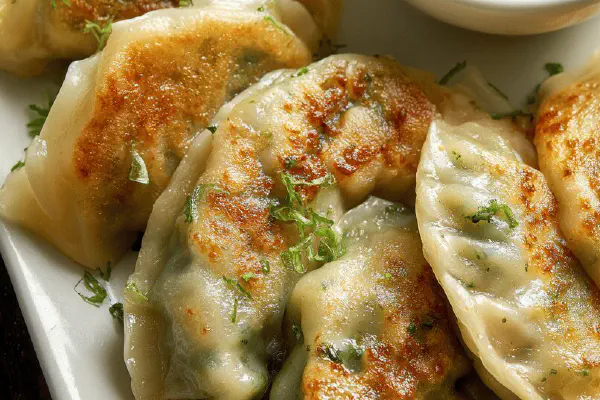
Translucent Dim Sum Dough