Featured Recipe
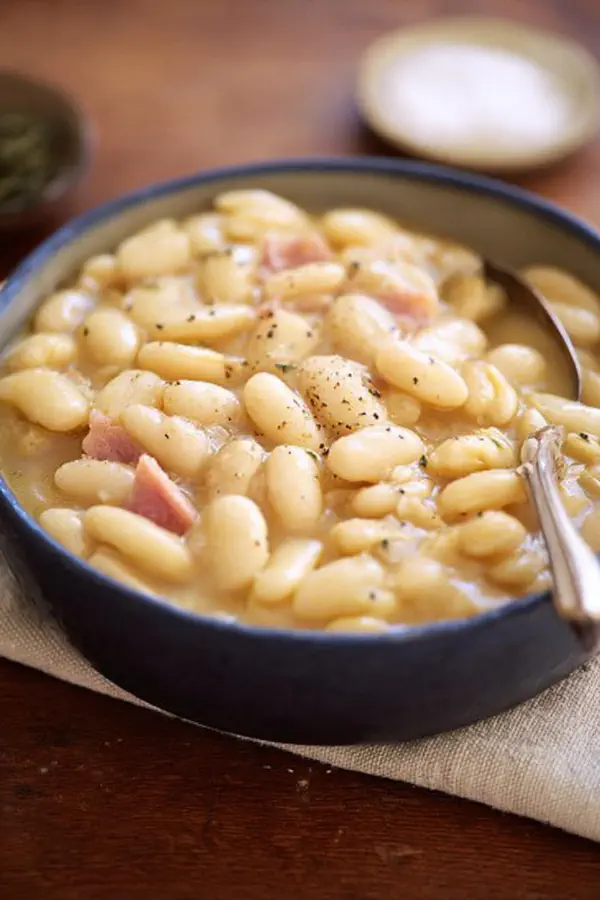
Smoky Lima Beans
By Kate
"
Slow simmered lima beans with smoky pork shoulder for deep flavor. Start by washing beans thoroughly, removing debris—don’t skip this step or you’ll get grit. Use pork shoulder instead of ham hock for a meatier punch; smoked turkey leg works well too. Season early with kosher salt to bring beans alive. Cook beans gently; bubbling too hard breaks skins. Beans should be tender but hold shape, not mush. Stir occasionally but not too much—if you want broth, stir more. Adjust heat to keep slow bubbles. Add black pepper late, pull meat off bone for texture. Can finish with hot sauce or fresh herbs to brighten heavy flavor.
"
Prep:
15 min
Cook:
2h 10min
Total:
2h 25min
Serves:
10 servings
beans
southern
slow cooking
Introduction
Lima beans slow-cooked with smoky pork shoulder, simmered low and slow until tender but not mushy. Start by carefully rinsing beans, removing stray stones and shriveled bits—you want clean beans for an even cook. Use smoked pork shoulder instead of ham hock—adds more meat, richer flavor. Water quantity is key; keep beans just covered so they cook evenly but don’t dry out on top. Salt at start to firm skins and season the beans, but add some at end for fine tuning. Gentle simmer keeps skins intact. Stirring changes texture; more stirring breaks skins and thickens broth. Pull pork meat from bone after cooking for a rustic texture. Serve as is or brighten with hot sauce or fresh herbs to cut the richness. Avoid aggressive boiling or you get split beans and cloudy broth. This method plays with timing and technique over strict stopwatch style—trust visual and tactile cues. Important to adjust heat and liquid through cooking depending on your pot setup. Slow cooker works too, but check for doneness early and add water carefully so heat doesn’t drop too much. Tried and true approach for a classic southern bean experience, but swapping smoking pork for turkey leg lets you take a different smoky path with similar payoff.
Ingredients
In The Same Category · Comfort Bowls
Explore all →
Carrot Ginger Potage

Italian Wedding Soup Remix

Gratin Oyster Soup Twist

Creamy Shrimp Grits
Sausage Tortellini Soup
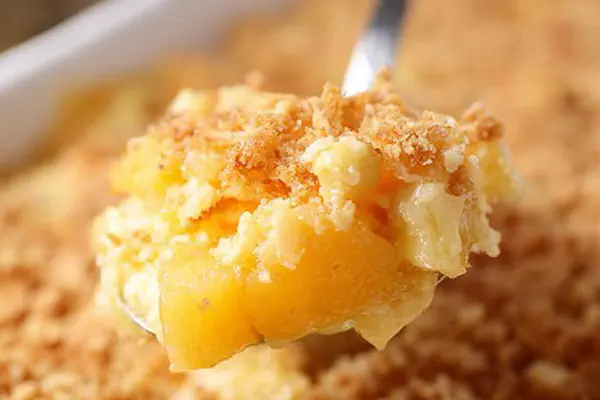
Pineapple Cheddar Bake

Chicken Bacon Ranch Salad
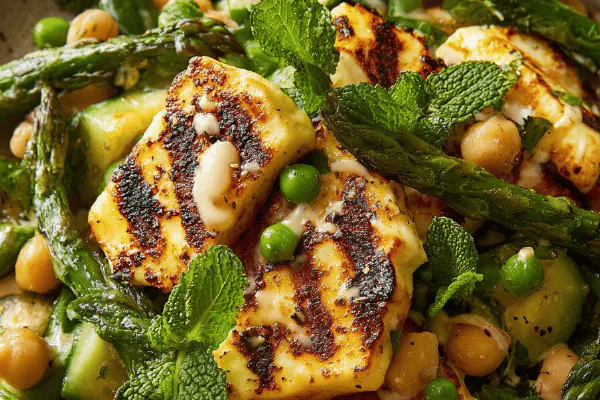
Grilled Halloumi Chickpea Salad

Sausage Shepherds Pie

Twisted Tater Tot Nachos

Roasted Parsnip Onion Soup

Chunky Chicken Corn Chowder

Slow Cooker Chicken Chili
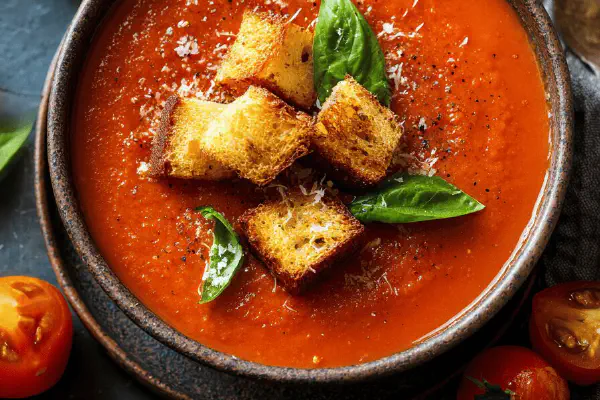
Roasted Tomato Soup with Croissant Croutons

Ginger Chicken Fried Rice

Copycat Olive Garden Alfredo
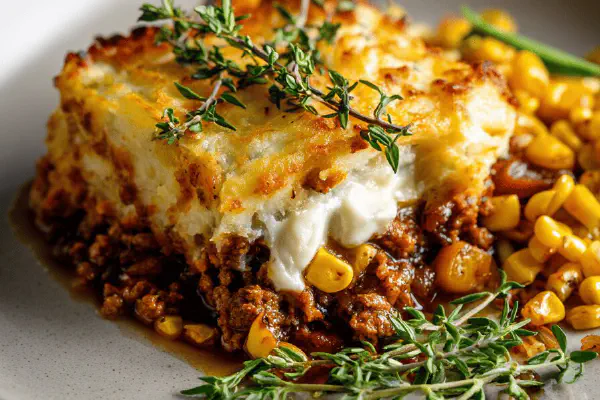
Cheesy Rustic Shepherd's Pie

Chicken Lemon Rice Soup

Broccoli Sausage Stuffed Potatoes

Pasta Salad with Pesto Burrata
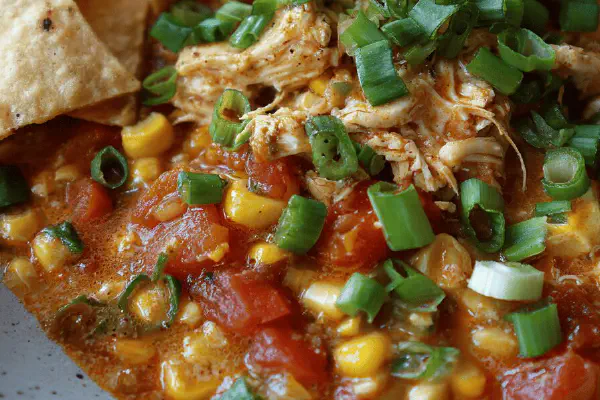
Spicy Chicken Tomato Corn Soup
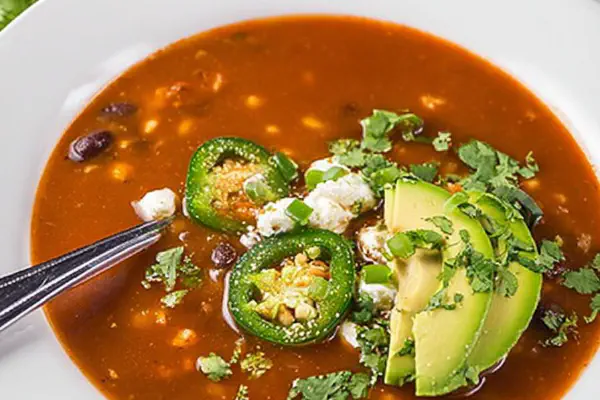
Smoky Black Bean Chile Soup

Corn Potato Mash Twist

Slow Cooker Creamy Mushroom Fiesta Chicken
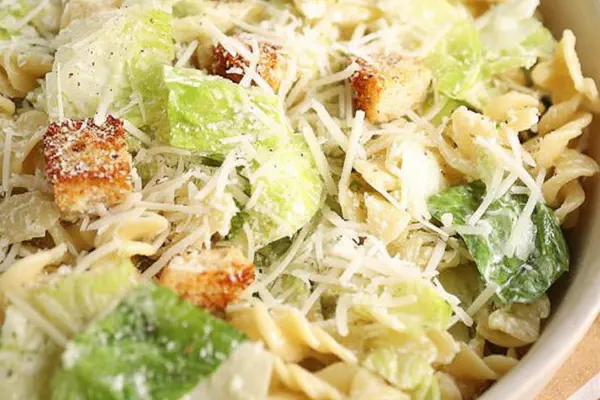
Twisted Pasta Caesar Salad

Slow Cooker Mac and Cheese Remix

Potato Gratin with Onion Melt

Spiced Butternut Squash Soup

Loaded Stuffed Potatoes
About the ingredients
Dried lima beans need sorting and rinsing to avoid gritty bites. Use smoked pork shoulder for more robust, meaty flavor than ham hocks; alternatively, smoked turkey leg adds a lighter smokiness and leaner protein option. Water amount is crucial—enough to keep beans submerged at all times, or you’ll end up with dried spots and unevenly cooked beans. Salt early for bean skins to stay firm and flavor to penetrate; too late salt can cause beans to take longer to soften. Black pepper late in cooking to maintain punch without bitterness. Heat management is essential; beans need gentle bubbles not violent boiling to keep skins intact. Stirring frequency controls texture—minimal to retain whole beans, frequent to create thicker broth. If broth reduces too much, add hot water to avoid interrupting cooking temperature. Common issues include splitting beans from rapid boil, tough skins without early salt, or bland broth from undersalting. Use hot water when topping up to keep consistent cooking temp. Pork shoulder also provides collagen and fat that enrich broth, a slow cook extracts maximum flavor from connective tissue and fat, unlike lean ham hocks which lack that rich mouthfeel. The meat can be shredded back in to give body to the dish. Finished beans taste smoky, substantial, filling, with creamy texture and slightly smoky undertone depending on protein used. Adding fresh herbs or dry heat spice at end cuts richness nicely.
Method
Stove Method
- Rinse lima beans in cold water twice. Pick out stone bits or shriveled beans — gritty mouthfuls ruin the experience. Place beans in a large heavy-bottomed pot or Dutch oven. Add smoked pork shoulder and 8 cups water. Sprinkle half the salt now; salt at the start firms bean skins and seasons the liquid evenly.
- Heat to a full rolling boil, splash of noise and steam—spit and bubbles. Reduce heat until beans jiggle gently with occasional bubbles—too furious and skins burst, broth goes cloudy. After about 20 minutes, turn heat lower to a modest simmer. Cover tightly but leave a tiny crack to vent steam slowly. Too much steam’s disaster; too little, beans dry out.
- Simmer 1 hour 40 minutes—check texture after 1 hour 30. Beans should soften but resist mashing when pressed between fingers or forks. Keep beans submerged by adding hot water if needed, barely cover to avoid drying on top.
- Break the pork shoulder meat from bone when cool enough. Toss shredded meat back into pot. Stir less if you want firm beans; stir more or gently mash a few beans on sides of pot for thicker broth. Add remaining salt and pepper now. Stir occasionally if broth behaves bitter or dry. Poke beans, taste liquid for seasoning. Adjust salt or add a pinch of cayenne if you want kick.
- Place beans, pork shoulder, water, and half salt into a 6-quart slow cooker. Cover tightly. Cook on high 4 hours 30 minutes or low 7 hours 30 minutes—check softness at 4 hours on high or 7 hours on low. Beans should be tender but intact—overcooking turns beans to glue.
- Add more hot water during cooking if liquid reduces below beans. Remove pork meat after cooking, shred, return meat to cooker. Season with pepper and remaining salt to taste.
- Stir gently. If broth feels thin, push some beans against the side with the back of a spoon, let them break down to thicken.
- Serve with chopped fresh parsley or oregano to cut richness if desired.
Slow Cooker Method
Technique Tips
Sorting beans before cooking can’t be overstated—sharp stones pop teeth; wash twice and inspect. Use a heavy pot or Dutch oven for even heat distribution; prevents hot spots that split beans. Bring beans and smoked meat up to boil first—vigorous bubbles tell you when protein locks in flavor. Once boiling, lower heat to maintain slow jittery bubbles; rapid boiling scraps bean skins apart and creates cloudy broth. Cover pot tightly but allow a tiny vent—prevents drying and too much evaporation. Check beans starting 90 minutes in; you want firm but tender beans that yield under gentle press. If bottom seems dry, top with hot water—not cold or cooking stalls. Stir ring of beans at pot edge gently if broth too thin, rupturing a few beans thickens broth naturally. Pull smoked pork meat from bone after cooling, return shredded pieces to pot for rich texture contrast. If using slow cooker, early check-ins prevent overcook; beans dry out if low liquid or insufficient heat. Add hot water carefully during slow cooking to maintain even temperature. Season again near end with salt and pepper, taste frequently for perfect seasoning. If spices early, heat dulls them. Use cayenne or smoked paprika at finish if you want smoky heat punch. Finished dish should smell meaty, smoky, earthy, with beans creamy yet holding shape—not gluey or grainy. Serve hot. Leftovers thicken more; thin with hot water if reheating. Keep bean skins intact by constant low simmer rather than wait and boil hard at end—even texture means nothing ruptured for best mouthfeel and presentation.
Chef's Notes
- 💡 Rinse beans well. Twice. Look for stones. Grit ruins experience. Firm skins matter—salt early for even seasoning. Skins hold shape longer, that’s key.
- 💡 Gentle simmer only. Not violent boiling. Too fast? Skins split. Broth turns cloudy. Watch for jiggle, not rolling. Keep a crack in the lid for steam.
- 💡 Check texture after 90 minutes. Firm but tender. If too dry, add hot water. Avoid cold—it stalls cooking. Stirring? Minimal for whole beans. More for broth.
- 💡 Pork shoulder adds collagen, depth. Shred and return to pot for rustic feel. No hock? Use turkey leg for lighter taste. Adjust salt before serving.
- 💡 Taste often—adjust seasoning. Black pepper last for punch, remains vibrant. Cayenne at finish for heat. Broth can thicken naturally by breaking some beans.
Kitchen Wisdom
How long to cook beans?
Depends on method. 2 hours max on stove. Slow cooker? High for 4.5 hours. Low at 7.5 hours. Dashboard cooking limits to check.
Overcooked beans issue?
Yes, turns to mush. Liquid reduces too much? Add hot water during cooking. Check often for doneness—timing is crucial.
Storing leftovers?
Refrigerate up to 5 days. Freeze too, in batches. Reheat with hot water—thinning helps keep texture. Resting thickens flavors.
Foul taste?
Check beans—old or damaged beans might be culprit. Salt too late can make beans tough. Fresh herbs at the end can brighten the mix.
You’ll Love These Too
Explore all →
Zesty Chicken Citrus Soup

Grapefruit Ginger Syrup Twist

Holiday Red Velvet Layered Dessert

Stuffed Chicken Rolls with Sun-Dried Ricotta
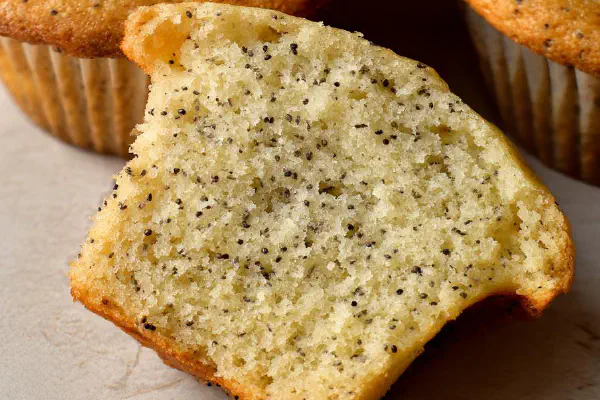
Almond Poppyseed Jumbo Muffins
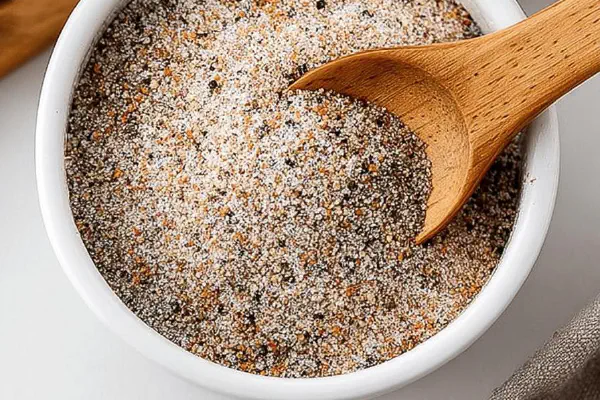
Steakhouse Bold Rub

Maple Streusel Coffee Cake

Vietnamese Grilled Chicken
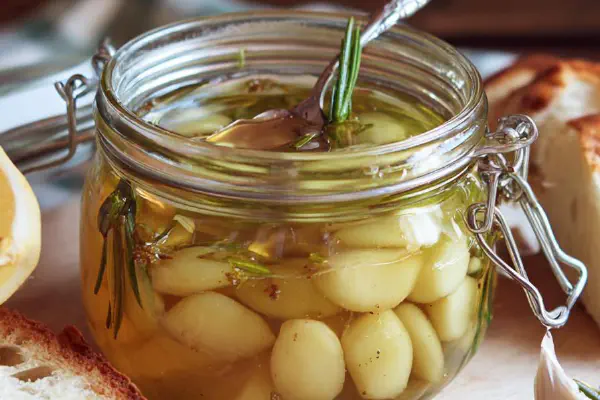
Slow-Roasted Garlic & Herb Oil
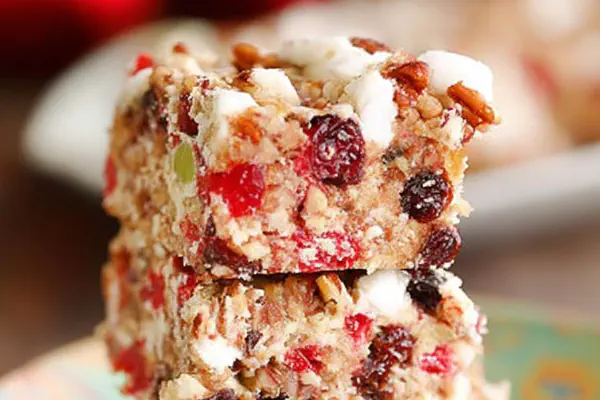
No-Bake Holiday Bars

Savory Breakfast Sliders

Tandoori Spice Mix Remix

Crispy Caesar Salad

Air Fryer Cinnamon Rolls Twist

Rustic Creole Sloppy Joes
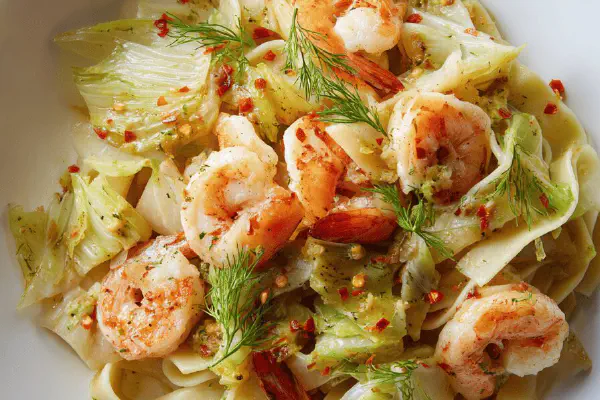
Shrimp Fennel Tagliatelle

Caramelized Bread Pudding with Spiced Rum Sauce
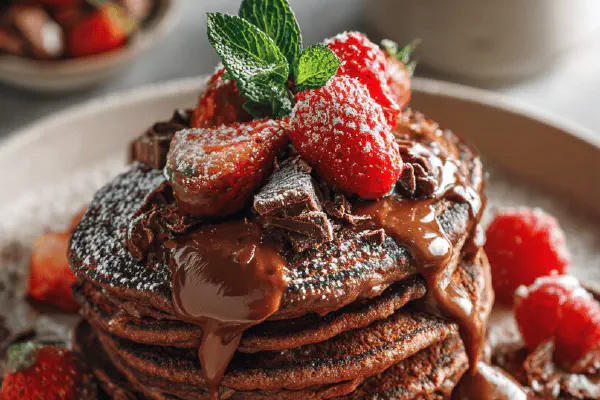
Double Chocolate Pancakes Twist
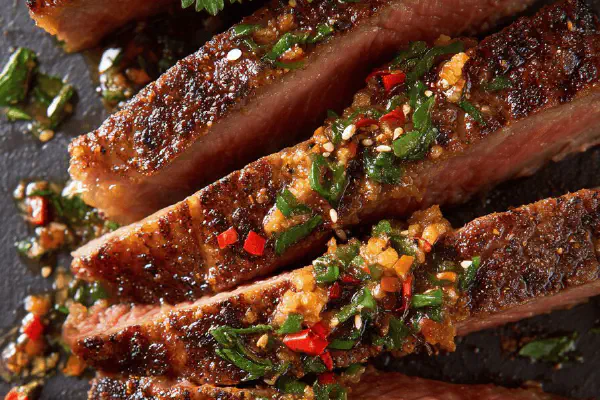
Spiced Beef Steaks
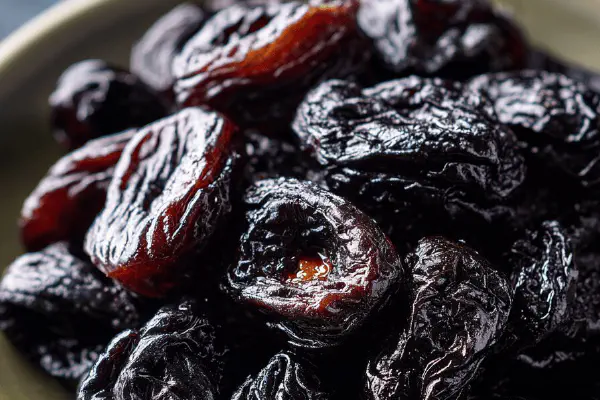
Tangy Balsamic Prunes
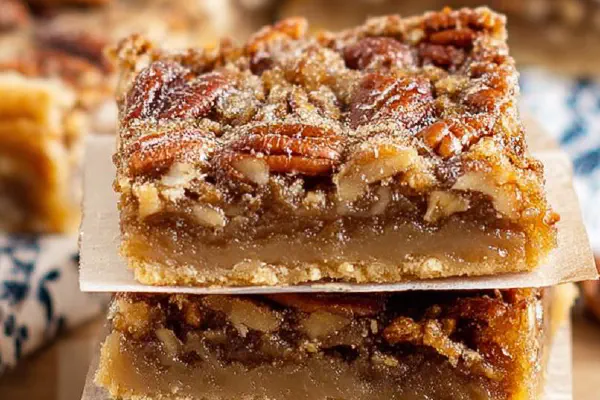
Altered Pecan Pie Bars

Mini Peanut Butter Cheesecakes

Maple Pineapple Ham
Silky Chocolate Cream Pie

Spiced Pita Chips with Smoky Twist
Silverware Pocket Fold

Chewy Spiced Molasses Cookies
Salted Butter Caramel Spread

Rustic Turkey Gravy