Featured Recipe
Smoky Maple Bacon Beans
By Kate
"
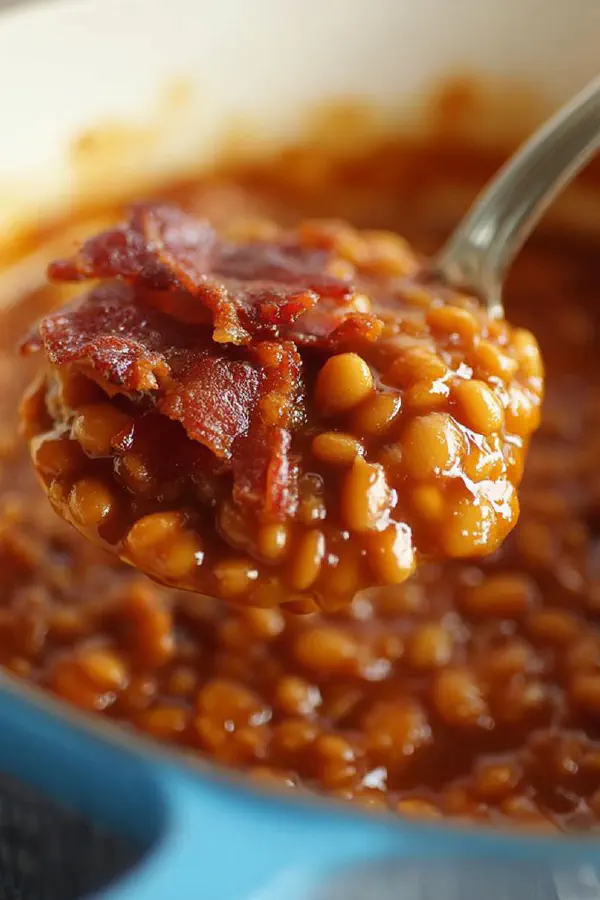
Baked beans with a smoky, sweet edge. Crisped bacon renders fat to cook onions gently, building flavor layers. Swap pork and beans for a mix of black and navy beans; maple syrup replaces brown sugar, adding a subtle, woody sweetness. Mustard switched from yellow to spicy brown for a tangy kick. Slow oven bake deepens aromas, thickens sauce to cling to beans. Simple, reliable technique focusing on texture and timing cues over strict minutes. Layers of texture and taste. Ideal for potlucks or a hearty side.
"
Prep:
25 min
Cook:
50 min
Total:
1h 15min
Serves:
10 servings
baked beans
southern cooking
potluck dishes
comfort food
Introduction
Baked beans reveal their soul through patience and layering basics. Start with fat and crispy pork belly cuts — bacon is king here. Renders sweet fat with savory crunch that coats beans. Swap brown sugar for maple syrup to add warmth without overly cloying sweetness. Mix black beans with pork and beans for texture variation and earthier flavor. Onions need slow softening not burning to unlock natural sugars. Garlic added too early charred; too late, sharp and raw. Mustard spice swap injects brightness and bite; vinegar cuts richness. Bake slow, bubble, caramelize edges. Watch bubbles, not clock. Texture the goal, taste loud and balanced. All about controlled heat and mindful progression. Add heat or swap beans as you please, but keep the bacon fat, details in fat management win every time.
Ingredients
In The Same Category · Perfect Sides
Explore all →
Green Bean Salad with Red Wine Dressing

Citrus Honey Rice

Cheesy Yellow Squash Biscuits
Oven Buttered Rice
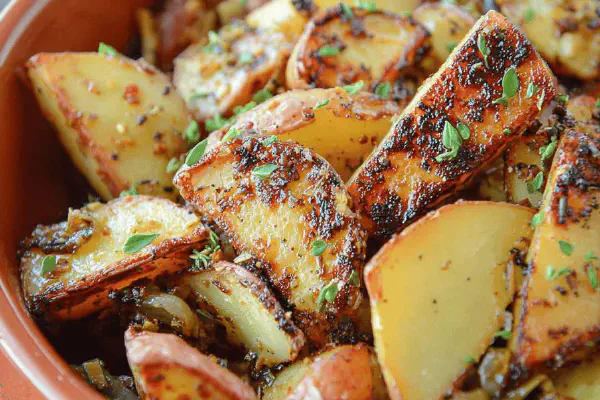
Tangy Roasted Potatoes Twist
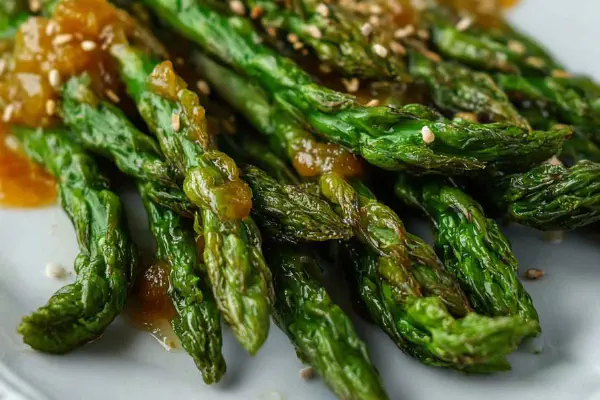
Roasted Asparagus Miso Glaze
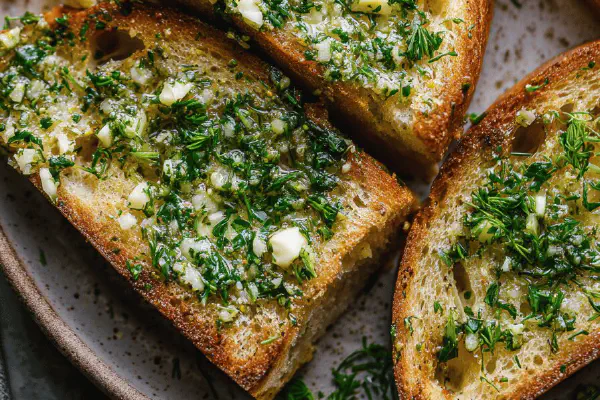
Garlic Herb Butter Toast

Honey Lime Glazed Carrots
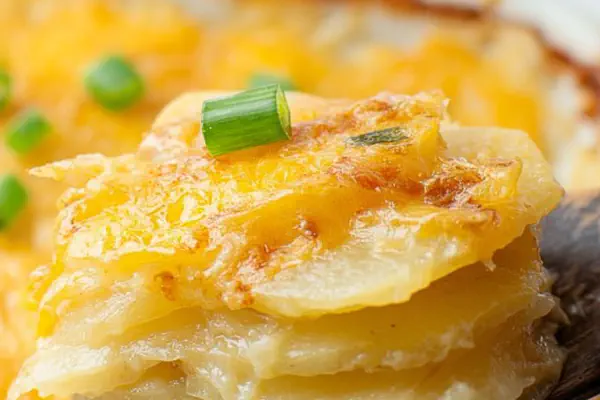
Creamy Twice-Cheese Potatoes
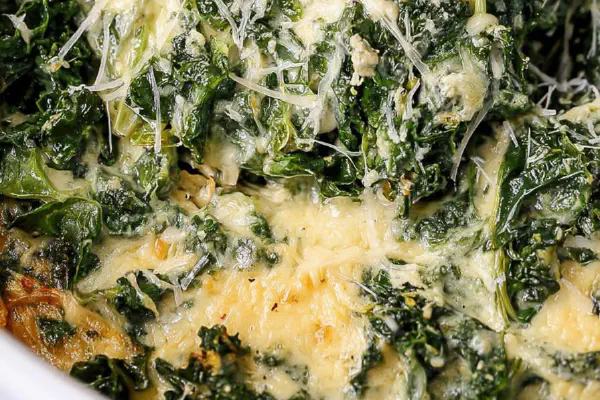
Creamy Kale Gratin Twist
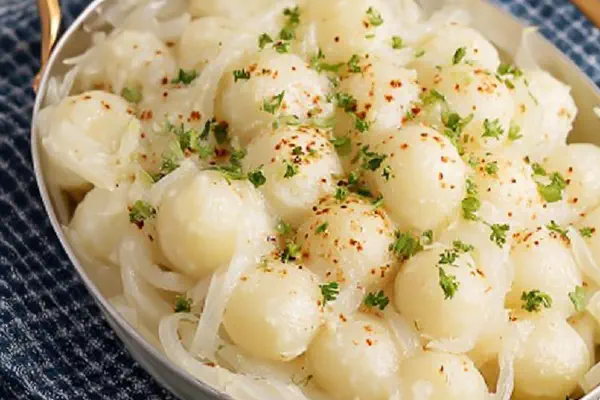
Creamed Pearl Onions Twist
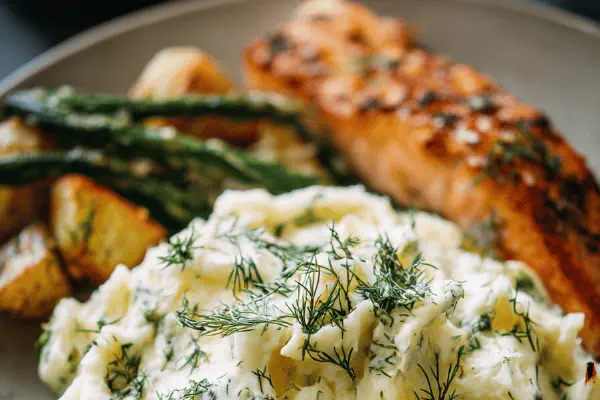
Buttermilk Chive Potato Mash
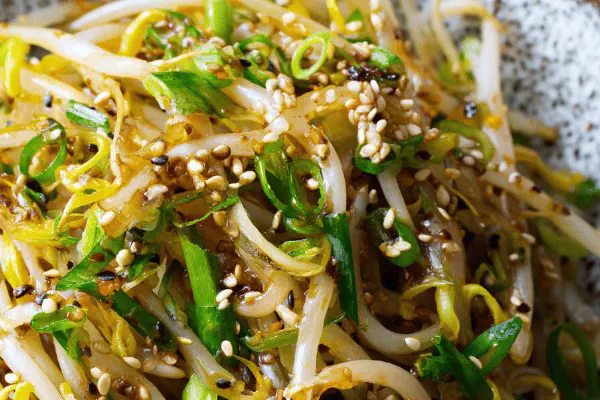
Quick Pickled Bean Sprouts
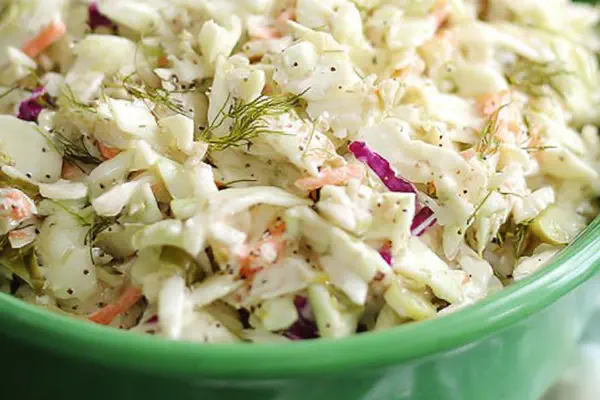
Tangy Herb Slaw
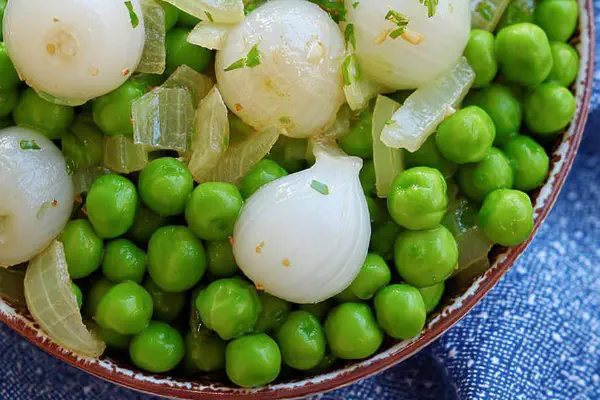
Savory Peas Pearl Onions
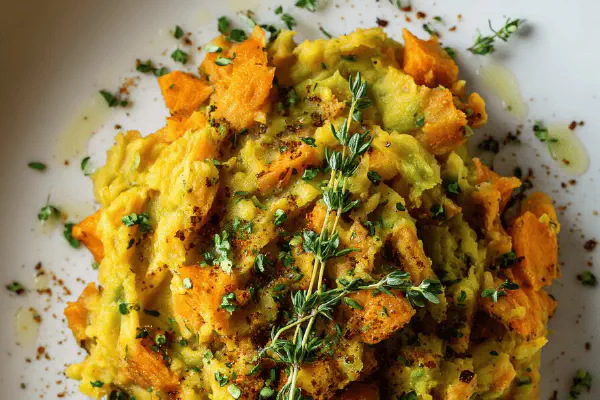
Olive Oil Potato Mash
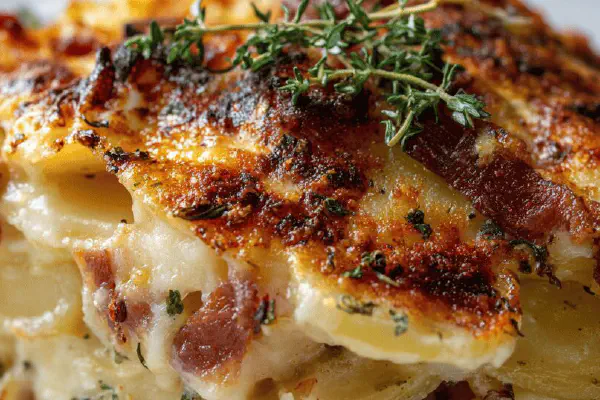
Herbed Potato Bacon Gratin
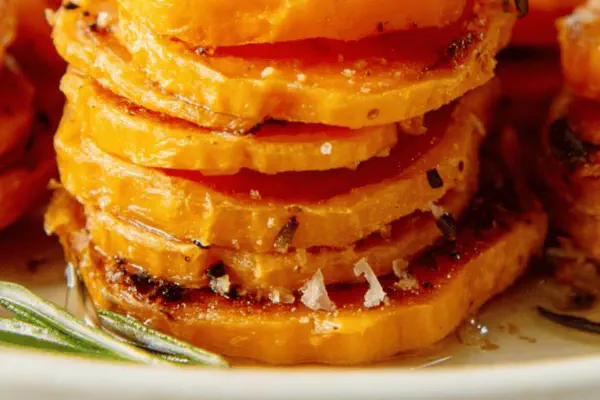
Savory Sweet Potato Stacks
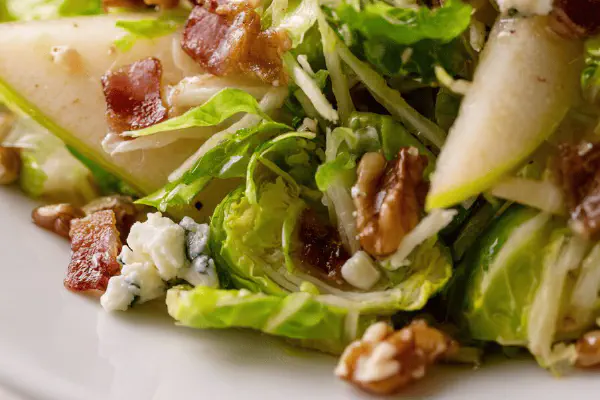
Brussels Sprout Salad with Maple Bacon Dressing
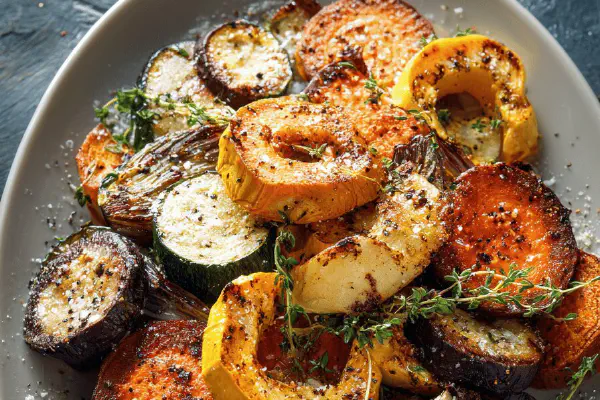
Garlic Roasted Veg Trio
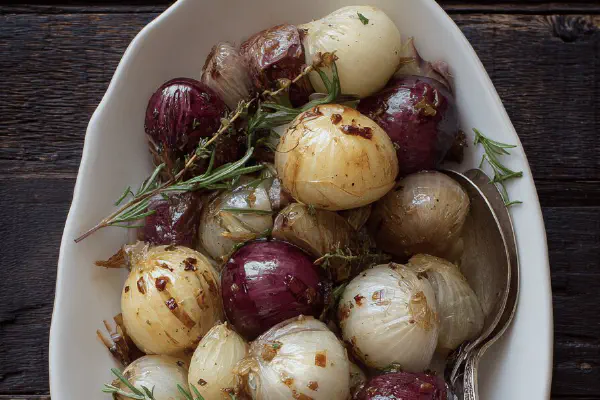
Papillote Trio Onions
Asparagus Gochujang Glaze
Fennel Papillote with Herb Butter
Twisted Hashbrown Bake
Creamy Potato Gratin
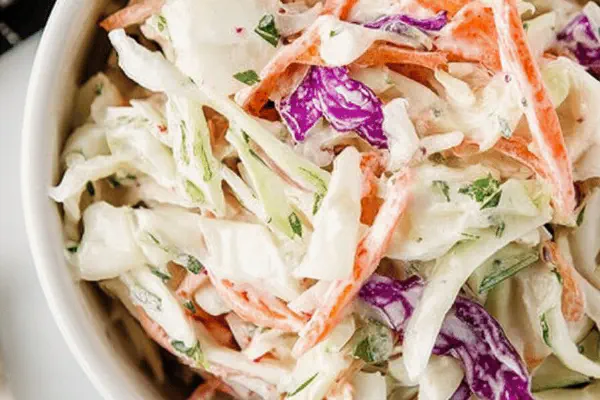
Tangy Creamy Slaw
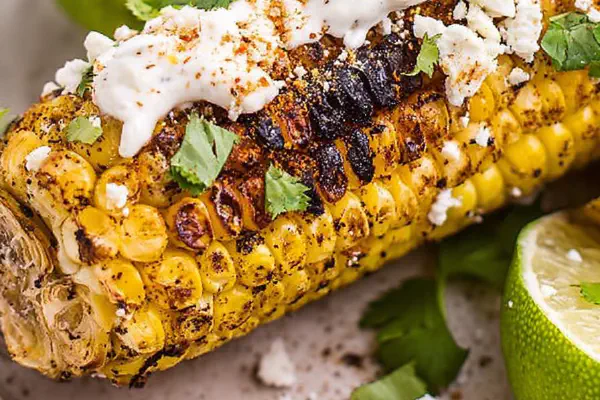
Grilled Mexican Street Corn Remix
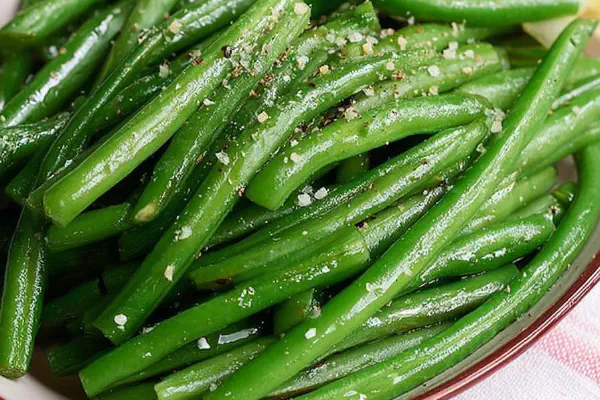
Steamed Snap Beans Twist
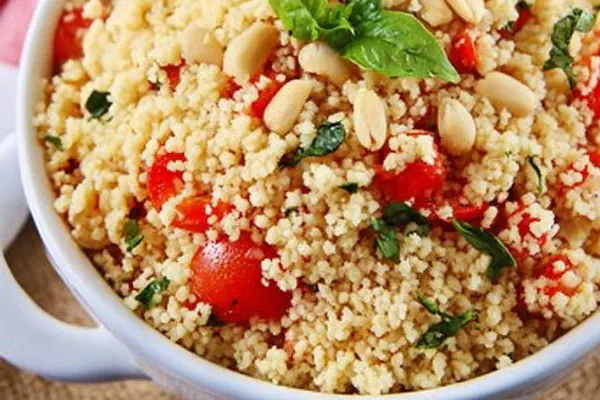
Savory Tomato Couscous
About the ingredients
Bacon choice matters. Thick-cut yields richer, better rendered fat; use center-cut if too fatty. If bacon not available, smoked ham hock or pancetta can substitute but alter cooking times. Onions — yellow or sweet, no shortcuts with pre-chopped store onions; fresh chopped better flavor and texture. Beans — black beans add a dense contrast; navy or great northern can be used but change mouthfeel. Maple syrup plays well against sweetness and smoke; brown sugar can replace but reduce by a tablespoon for balance. Mustard — spicy brown preferred for subtle heat, dijon a fine alternative; avoid yellow mustard’s mildness. Vinegar acidity you can swap: white vinegar too sharp, use less. Worcestershire sauce imparts umami; soy sauce works in pinch but make it lighter on salt. Garlic: fresh minced, no jarred substitutes for best aroma. The balance between sweet, tangy, smoky is delicate — taste early and adjust before baking.
Method
Prepping bacon and aromatics
- Medium heat. Add bacon to a large oven-safe dutch oven. Listen to the staff sizzle, some pops. Cook until deep mahogany color, fat rendered but not burnt. Use a slotted spoon. Drain on paper towels. Leave about 2 1/2 tablespoons bacon fat in pot. Fat amount critical here; too little and onions stick, too much and beans get greasy.
- Add onions to bacon fat. Medium medium medium. Stir every minute or so. Watch them soften, edges turning translucent and just starting to color. About 6 minutes. Stir in garlic. Smell it, that sharp raw garlic scent softens fast. Cook one minute. Stir constantly now. Prevent garlic burning; that will ruin depth. Timing here is fluid; look for softened onions, bright aroma from garlic.
- Dump in pork and beans, black beans, ketchup, Worcestershire, mustard, vinegar, and maple syrup. Stir well. Sauce will thicken a bit from sugar and mustard. Don't overmix at first or mash beans. Season black pepper now. Taste a spoonful. Adjust vinegar or syrup balance if too tart or sweet. Let it come together on stove for 2-3 minutes; sauce will thicken slightly, coating beans nicely.
- Sprinkle crisp bacon evenly on top. No stirring now; bacon needs to stay distinct and crispy-ish. Place uncovered in preheated 340°F oven (reduce temperature 10 degrees for slower cook, deeper flavor). Bake 50, but watch the bubbles. Bubbles at edges; sauce thick, glossy, and starting to caramelize? Good. Pull then.
- Serve warm. Beans should be thick but saucy. Bacon delivers crunchy texture contrast. If sauce too thin, leave uncovered in oven 5-10 extra minutes, watching carefully. Too dry? Add splash water or broth next batch.
- If you want more heat, add 1/4 teaspoon cayenne in step 3.
- For stovetop-only version, simmer the assembled bean mixture on low, stirring every few minutes until thickened, about 20-25 minutes.
Sweat onions, build base
Add beans sauce and flavorings
Top with bacon, bake
Technique Tips
Rendering bacon fat properly is step one; don’t rush or burn. Slotted spoon removes bacon crisps but leaves fat behind — critical for onion base to soften without sticking or burning. Onions should be translucent with hints of golden edges before garlic; garlic sizzles but never browns. Adding beans with their sauce last keeps integrity; break beans too much and texture turns mushy. Mix gently but thoroughly. Baking uncovered concentrates flavors and thickens sauce via evaporation; cover and you’ll get watery beans. Bubbles around edges show correct doneness — not just time. Crisp bacon topping isn’t mixed in but scattered on top to preserve texture and flavor punch. If sauce thickens too much during baking, tent with foil last 10 minutes. Adjust vinegar or sweetness before baking because they intensify. Use a heavy dutch oven for even heat retention and distribution to prevent burning. If in doubt, stir beans once halfway through baking gently, but don’t disrupt crust forming on top.
Chef's Notes
- 💡 Render bacon fat slow. Not too much heat. Listen to sizzle, look for color. Crisp but not burnt. Too little fat? Onions stick. Too much? Beans greasy.
- 💡 Onions need time. Medium heat. Stir often. Watch for translucence, slight golden edges. Garlic last minute. Burned garlic is bitter.
- 💡 Beans mixture needs care. Add beans gently. Stir to combine but no mashing. Thicker sauce means more flavor. Taste and adjust dynamics before baking.
- 💡 Baking is key, uncovered. Evaporation thickens the sauce. Look for bubble action, edges getting caramelized. Temperature matters; follow it for depth.
- 💡 Add cayenne if you want heat. Once sauce balanced, consider texture of beans. Don't rush, patience brings together the best.
Kitchen Wisdom
How do I store leftovers?
Fridge works for a few days. Freeze for longer — use airtight container. Portion it for use later.
What if mixture is too thick?
Add a splash of water or broth during baking. Stir gently but keep texture. Don't lose the crust.
Can I use different beans?
Swap navy or great northern for pork. Black beans stay great. Mix and match textures as desired.
How do I fix burnt garlic?
If garlic burnt, start fresh. Onions first, then garlic later. Avoid charred bits ruining flavor.
You’ll Love These Too
Explore all →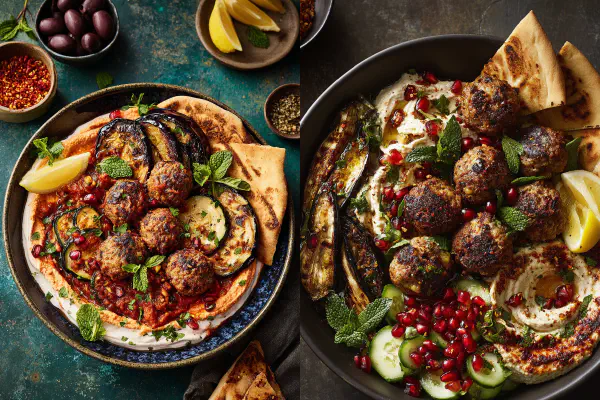
Chicken Bowls with Roasted Eggplant Sumac Pitas
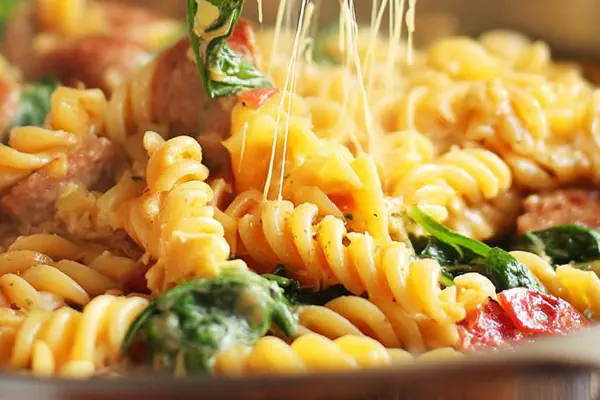
Creamy Sausage Spinach Pasta
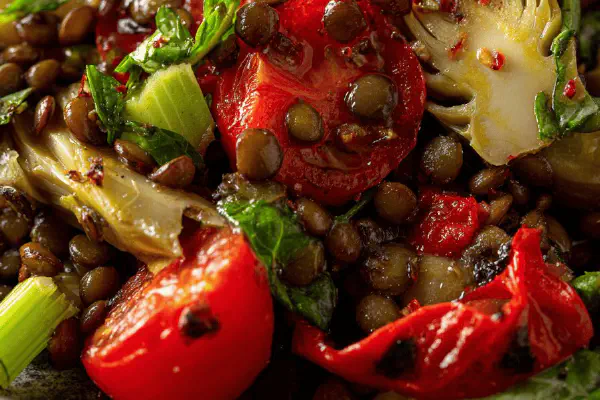
Lentil Veggie Salad Twist
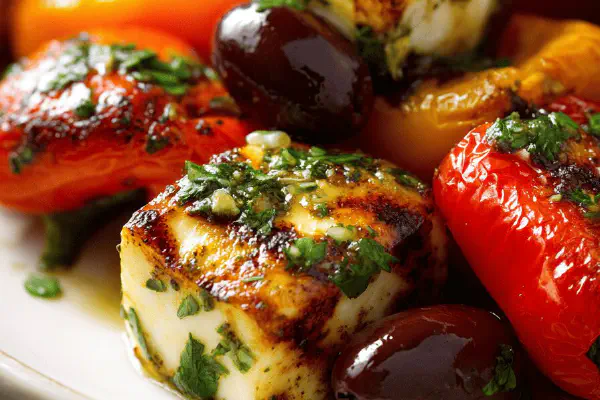
Stuffed Mini Peppers

Tricolor Shooters Twist
Carrot Cake Cheesecake Hybrid

California Chicken Salad Twist
Chorizo Cream Cheese Dip

Mango Pitahaya Tart
Spiced Carrot Cake Bars
Country Spag It Up

Loaded Stuffed Potatoes
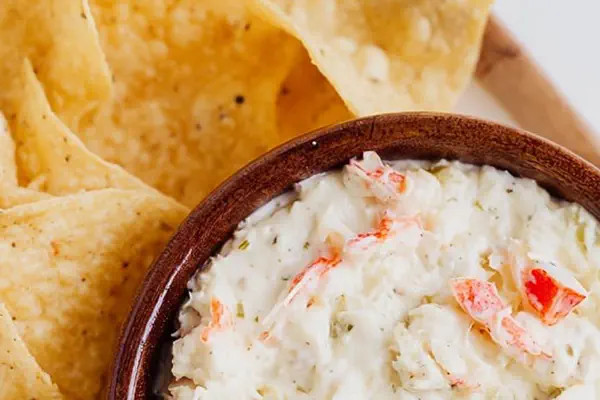
Creamy Crab Spinach Dip

Chicken Dumpling Stew
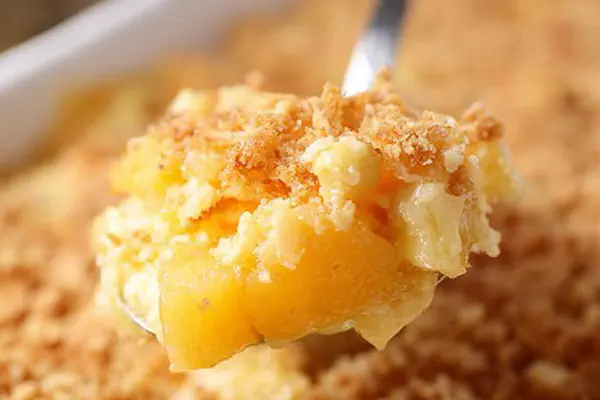
Pineapple Cheddar Bake
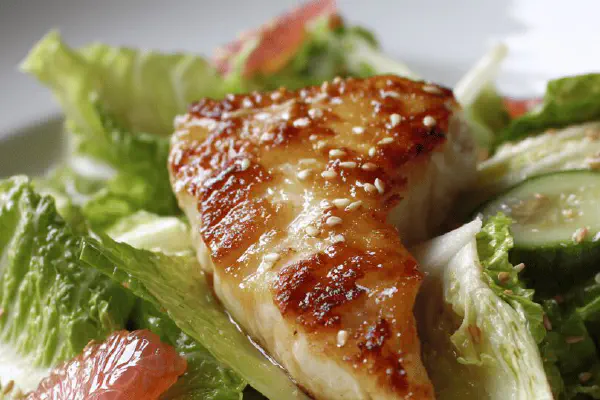
Citrus Tilapia Salad
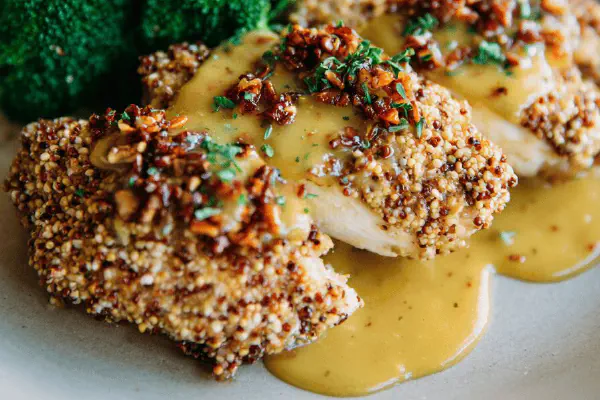
Pine Nut Crusted Chicken
Tangy Balsamic Prunes
Chocolate Pain Doré
Pork Mango Pepper Salad
Smoky Gouda Pecan Bites

Honey Mango White Sangria
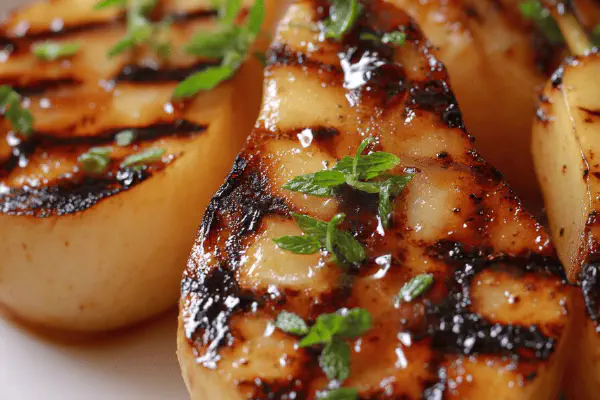
Grilled Pears with Maple Lime Glaze
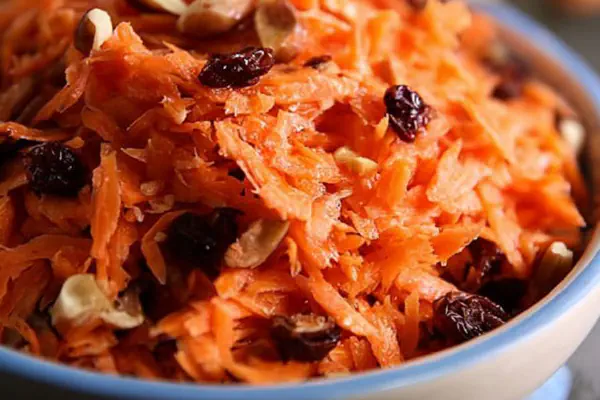
Carrot Cranberry Salad Remix

Curried Lentil Cauliflower Shrimp Soup

Pumpkin Pecan Bites

Almond Slice and Bake Cookies
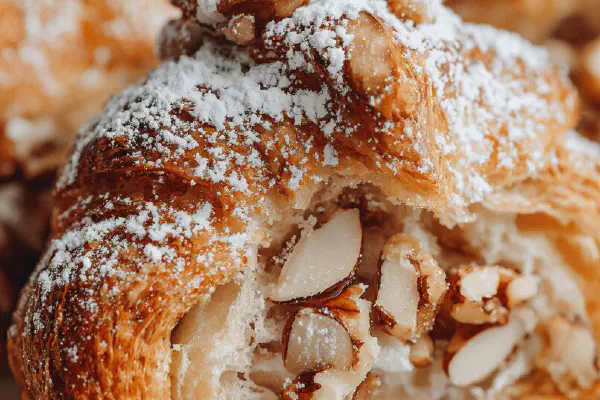
Almond Croissants Twist

Orange Chiffon Cake Twist
