Featured Recipe
Soft Chewy Sugar Cookies

By Kate
"
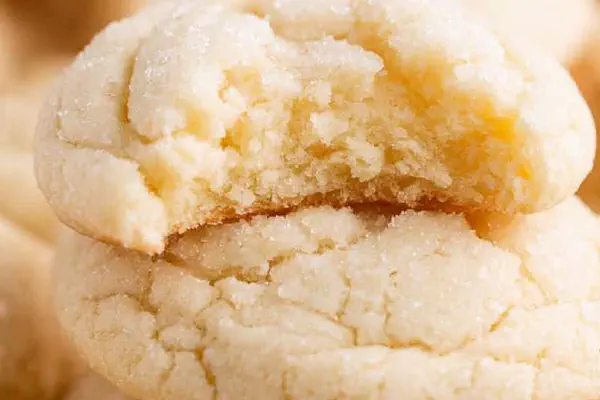
Chewy sugar cookies with a tender crumb, retaining bite and flavor. Uses tapioca starch instead of cornstarch for chew. Brown sugar replaces some granulated, adding moisture and depth. Orange zest gives a subtle brightness. Dough chills to control spread, sugar coating adds mild crunch. Mix flour, tapioca starch, baking powder, salt. Beat butter with sugars then eggs and vanilla. Incorporate dry slow for texture. Chill dough, scoop, roll in sugar. Bake until edges turn faint gold. Cool on tray for structure. Substitute: coconut oil for butter keeps dairy-free, baking powder for soda if unavailable.
"
Prep:
15 min
Cook:
10 min
Total:
Serves:
26 cookies
cookies
desserts
baking
sugar cookies
Introduction
Bite into cookies that yield chew without getting cakey or crumbly. Essential swap here—tapioca starch stands in for cornstarch, pulling moisture and chew from within. Brown sugar slides in for part of granulated, bringing moisture that makes cookies tender yet firm. Orange zest adds subtle lift, cutting some sweetness with zestiness. Sugar coat the dough balls to add crunch contrast. Chilling dough not an option? Expect flatter cookies but still tasty. Resting dough lets butter solidify, trumping runny, thin disks. Watch edges for light gold—signs cookies are baked not overbaked. Cool on the tray first to keep shape. These subtle shifts tweak texture and flavor for true chewy but buttery sugar hits.
Ingredients
About the ingredients
Tapioca starch varies from cornstarch in chewiness impact—grab the right starch or risk dry cookies. If you want even more chew, leave out tapioca but expect slight textural change. Brown sugar adds moisture and caramel notes otherwise missing in pure granulated. Orange zest is the twist—the oils release aroma and flavor, balancing sweetness. Butter is non-negotiable here, but swap coconut oil for dairy-free or softened shortening for a slightly different bite. Baking powder replaces soda to avoid metallic taste if baking soda is out. Granulated sugar reserved serves to coat, adding texture crunch while the dough’s brown sugars keep inside moist. No bagged zest? Whole nutmeg grated fine works too.
Method
Technique Tips
Mixing dry ingredients separately avoids overmixing flour into butter, preventing tough cookies. Beat butter and sugars just long enough to lighten; overbeating melts butter too much, spreading dough. Beat eggs and flavor slowly, never rushing or curdling. Low speed incorporates flour gently, preserving tenderness. Don’t skip scraping the bowl edges during mixing; flour pockets lead to inconsistent dough texture. Roll dough balls evenly and coat with sugar for crisp exterior. Rest dough at least 45 minutes—too warm butter causes runaway spreading. Baking at lower temperature than usual slows edges’ browning, keeping centers soft. Look for edges to blush gold and centers firm up without cracks. Cool a few minutes on tray—hot cookies break apart easily when moved. Repeat with chilled dough batches, ensuring oven temp steady.
Chef's Notes
- 💡 Chill dough for at least 45 minutes; crucial to control spread. Soft butter means flat cookies. Don't rush this step.
- 💡 Use tapioca starch, not cornstarch. Chewiness matters. Too little moisture and you risk dry cookies. Adjust based on flour used.
- 💡 Reserve some granulated sugar for rolling. It makes a crunchy exterior. It contrasts the soft chewy inside. Key for texture.
- 💡 Center should look set but soft. Edges just faint gold. Don't overbake. Keep an eye on the oven; every oven behaves differently.
- 💡 Want dairy-free? Coconut oil works just fine. But texture will shift a bit. Palm shortening can also be a backup.
- 💡 Add a little nutmeg if no orange zest on hand. It offers a different twist and can complement the sugars nicely.
Kitchen Wisdom
How do I store leftover cookies?
Store in airtight container. Keep in a cool place. Can freeze too. Wrap well, prevent freezer burn.
What if dough is too sticky?
Add more flour gradually. Too much wetness leads to a mess. Aim for soft but manageable.
Cookies spread too much while baking?
Dough might be too warm. Chilling is non-negotiable. Or, reduce butter a tad next time.
What can I sub for orange zest?
Try lemon zest or even lime zest. Whole nutmeg grated works too. Explore flavor options.