Featured Recipe
Spiced Cream Cheese Frosting
By Kate
"
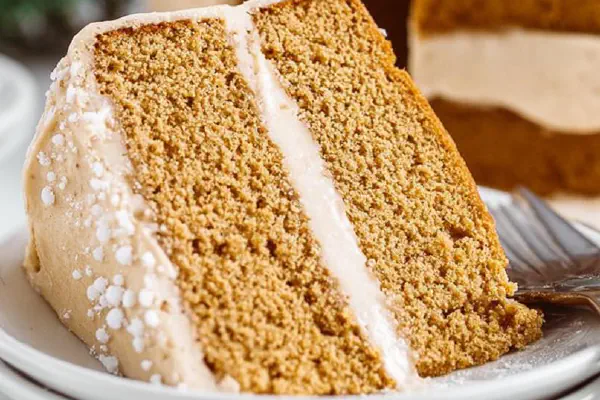
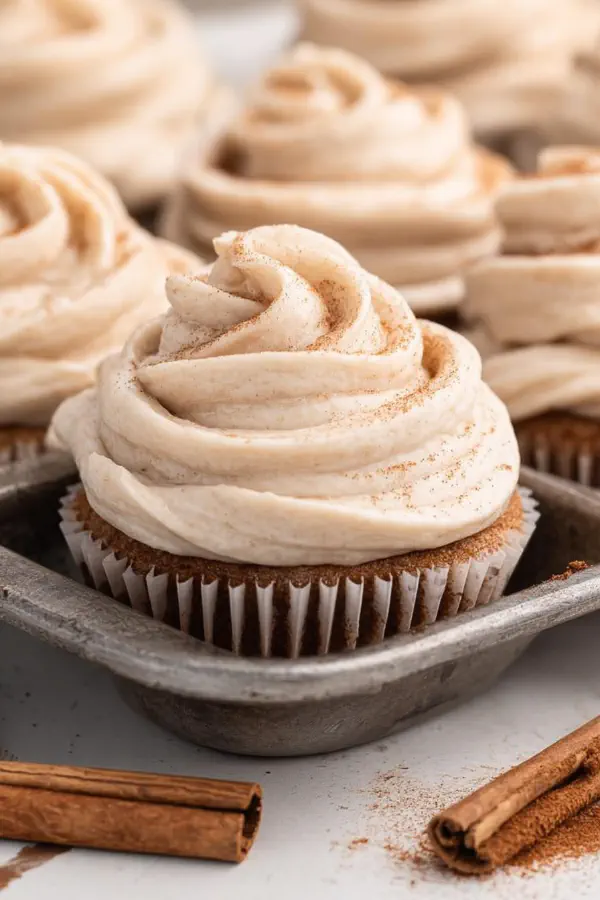
Butter and cream cheese whipped till pale and airy. Heavy cream added for softness. Cinnamon swapped with cardamom for a fresh twist. Maple syrup replaces vanilla extract, lending warmth and complexity. Powdered sugar stirred in gradually, smoothing the mixture into rich, fluffy frosting. Watch changes in texture, color hints, aroma bursts—signs you’re close to the ideal consistency. A reliable go-to for cakes or cupcakes, balanced sweetness, creamy fat, and that unexpected spice note. Adjust sugar or cream for thickness. Common pitfalls include overmixing or adding sugar too fast—resulting in gritty or loose texture. A versatile spread, easy to tweak without losing stability or flavor punch.
"
Prep:
13 min
Cook:
0 min
Total:
13 min
Serves:
24 servings
dessert
frosting
cream cheese
spiced
cakes
Introduction
Start with softened butter and cream cheese—key fats that define texture here. You want them yielding without melting, not cold rock-hard lumps. Whisking air in creates that lightness—think fluffy clouds, pale shades. Stop right before it collapses. Heavy cream chills the emulsion while loosening the density. Swapping vanilla for maple syrup ups flavor complexity; cardamom cuts sweet with soft spice punch, a trick to upgrade plain cinnamon. This isn’t just sweetness; it’s layered richness. Little changes tweak how your frosting behaves on cakes—you feel it when spreading or piping. Get familiar with how sugar folds in; patience avoids gritty pitfalls.
Ingredients
About the ingredients
Butter and cream cheese softer than room temperature won’t blend well; if cold, beat longer or warm slightly, but beware melting. Powdered sugar must be sifted to avoid lumps—no shortcuts here. Maple syrup offers more depth than vanilla extract; can substitute honey or agave if needed. Cardamom is strong; measure carefully or mix with cinnamon for milder spice. Heavy cream controls consistency; swap with half-and-half but expect slight texture differences. Unsalted butter preferred for control over salt—you can add pinch if using salted. Avoid over-beating sugars which causes graininess or runny texture. Prepare ingredients ahead to ease mixing process.
Method
Technique Tips
Whisking cream cheese and butter incorporates air, critical for fluffy texture—don’t just mix, whisk deliberately. Mixing till pale is your visual cue. After fats, adding liquid slowly is crucial to avoid breaking mixture texture. Use medium speed; too fast can cause splatter or air bubbles collapsing. Powdered sugar must fold in gradually; dumping all at once causes coarse, grainy texture. Mixing too long once sugar’s added breaks glossiness. Test consistency regularly with spatula; it tells the story better than clock. Refrigerate leftover frosting; warming it before reuse ensures spreadability. If too soft after warming, re-whisk briefly. This method locks in ideal mouthfeel without chemical stabilizers.
Chef's Notes
- 💡 Measure cream cheese and butter correctly. Softened but not melted. Whisk on high. Look for pale texture, fluffy—no lumps. Key to great frosting. Overmixing ruins the structure.
- 💡 Heavy cream helps with texture. Don’t rush adding it. Maple syrup adds warmth. Don’t skip the cardamom. Strong spice—balance it with cinnamon if needed.
- 💡 Add powdered sugar slowly. Half cup at a time. Mix well in between. Too fast? Gritty texture happens—patience counts. Reflect on consistency after each addition.
- 💡 Final test: consistency check. Should spread easily but hold shape. Grainy texture means mix longer; consider sifting powdered sugar before. Small adjustments can change everything.
- 💡 Store frosting well. Should cover tightly in fridge. If too soft after refrigeration? Warm slightly. Mix again lightly. Creamy spread returns. Know your tools.
Kitchen Wisdom
How to fix grainy texture?
Mix longer or sift powdered sugar first. Ensure blending smooths it out—the sugar mix is crucial.
Can I substitute ingredients?
Yes, honey or agave can replace maple. Half-and-half works instead of heavy cream, slight texture change. Adjust carefully.
What if frosting too runny?
Add powdered sugar gradually. If too thick? Extra cream helps. Mix just till right—frosting is touchy.
How to store leftover frosting?
Keep in airtight container in fridge. Before using, warm to room temp. Mix briefly. Ensures spreadability.