Featured Recipe
Spiced Pumpkin Jelly Roll
By Kate
"
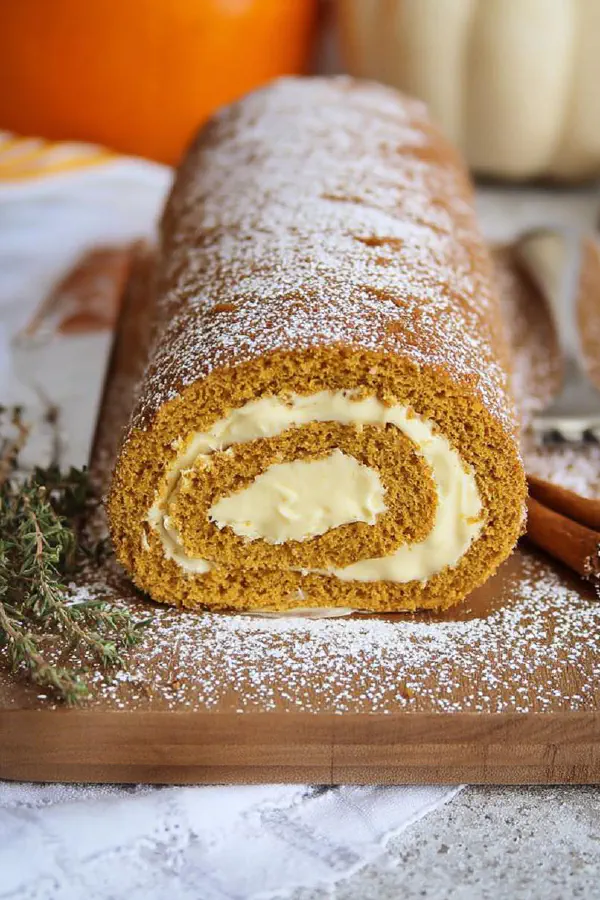
A moist spiced pumpkin sponge wrapped with tangy cream cheese frosting and dusted with pumpkin pie spice and powdered sugar. Uses pumpkin puree, basic pantry staples, and a whipped cream cheese vanilla frosting variation. Focus on tactile cues to avoid drying out the cake. The batter blends wet and dry separately to maintain structure. Rolling the cake while warm prevents cracks. Chilling firms it up for neat slicing.
"
Prep:
20 min
Cook:
17 min
Total:
37 min
Serves:
8 servings
pumpkin
roll cake
cream cheese
autumn
Introduction
Pumpkin and sponge cakes—tricky to balance moistness and structure. Liquid pumpkin gives deep color, tender crumb but often soggy if mishandled. Air bubbles from whipped eggs critical for springy texture. Salt sharpens flavors against sweet earthiness of pumpkin pie spice mix. Rolling while hot prevents cracks like a flexed plastic sheet. The frosting must be stable enough not to ooze out but soft enough to spread thin. Essential to chill fully before slicing. Scaled back sugar for less cloying finish. Dust spice just before serving for fresh scent and visual appeal. No frills, just technique and timing to nail it.
Ingredients
In The Same Category · Sweet Treats
Explore all →
Twisted Nut-Free Beignets

Almond Paris-Brest Twist
Orange Coconut Mokas

Holiday Candy Blondie Bars
Fudge Popcorn Sundaes

Cinnamon Maple Fried Bananas
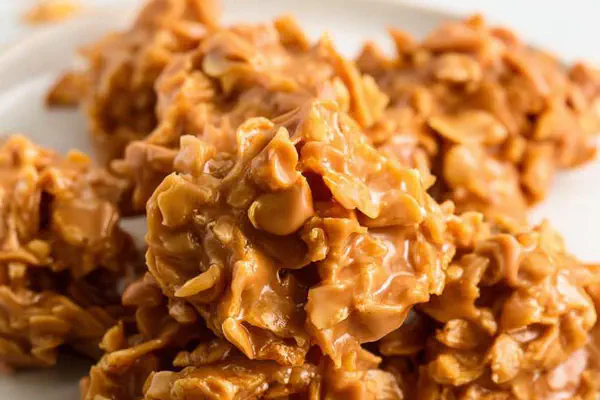
No-Bake Butterscotch Crunch

Mini Ganache Tangerine Tarts
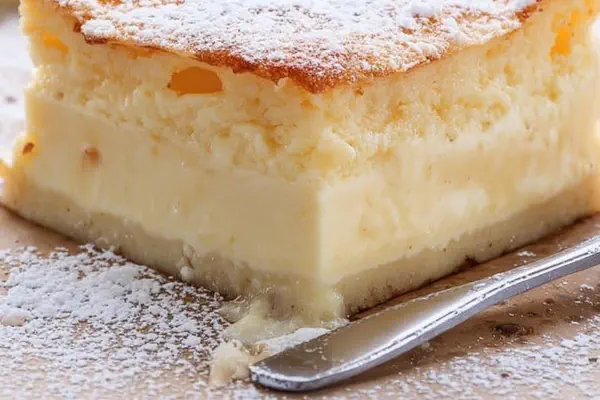
Twisted Magic Custard Cake
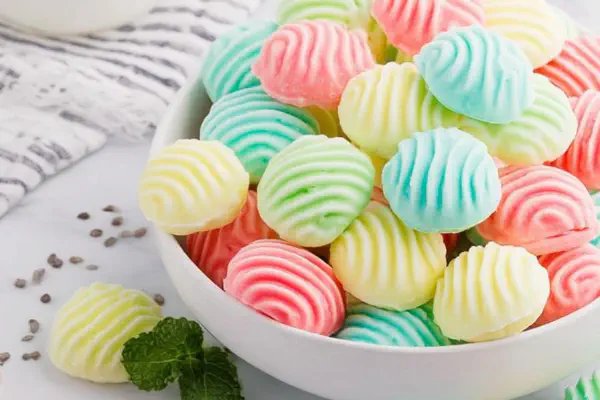
Cream Cheese Peppermint Mints

Vanilla Almond Cake GF
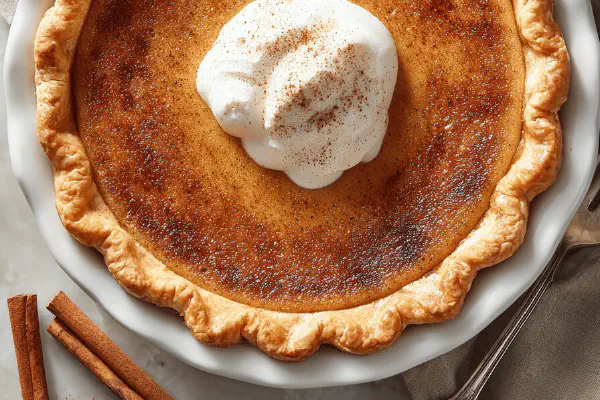
Maple Sugar Pie Twist
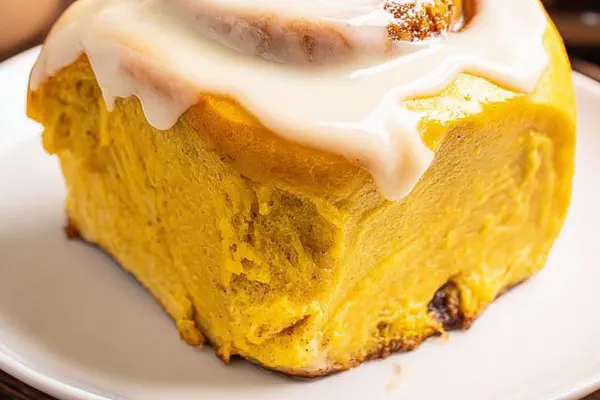
Pumpkin Spice Rolls Remix
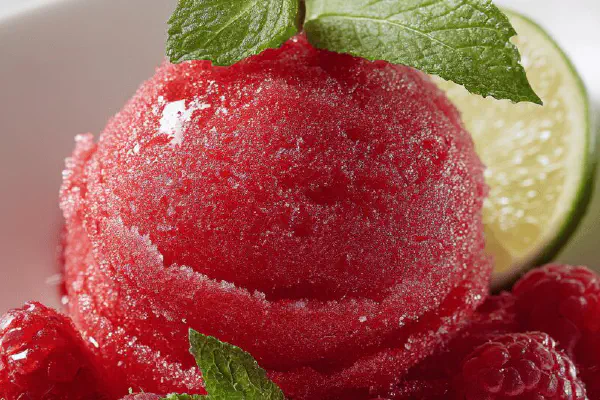
No-Cook Raspberry Lime Sorbet
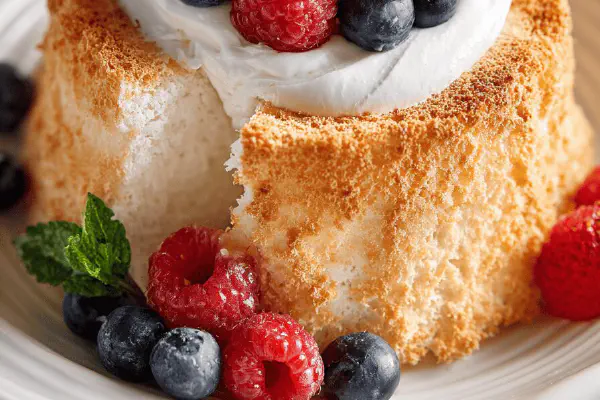
Angel Food Cake Remix
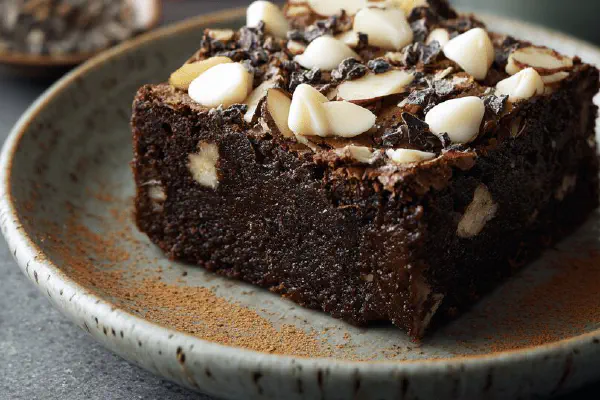
Microwave Brownie Mug Twist

Sheet Pan Holiday Cookies

Peach Crumble Bars

Birthday Crumb Delight
Altered Peanut Cookies
Apple Crumble Cake Twist
Upside-Down Cinnamon Brioche
Carrot Cranberry Loaf
Tangy Cream Cheese Frosting
Cherry Almond Cupcakes

Pear Upside-down Cakes Spiced Caramel

Cherry Almond Popovers

Lemon Chiffon Cake Remix
Spiced Molasses Cake
About the ingredients
Flour type matters; all-purpose is standard, but for lighter cakes use cake flour—reduce the flour amount by 2 tablespoons per cup to prevent dryness. Substitute fine table salt if coarse kosher unavailable; use less (half the amount) as table salt is denser. Pumpkin pie spice readily available or combine cinnamon, nutmeg, ginger, and clove. Pumpkin purée can be canned or homemade—homemade often wetter, adjust flour by slightly adding 1–2 teaspoons extra. Sugar can be substituted partially or fully with brown for richer flavor, but expect darker crumb and slightly softer texture. Cream cheese frosting requires proper room temperature ingredients to avoid lumpy or runny consistency; cold cream cheese scraps are a common blunder. Can add zest of orange or orange liqueur to frosting for twist.
Method
Technique Tips
Oven temps vary; use tactile cues to check doneness rather than clock alone. Finger test: light springy rebound but no dents—means sponge set yet moist. Overbaking yields dry, fragile cake prone to cracking on roll. Removing edges with knife immediately after baking prevents sticking and tearing later. Rolling warm cake with towel traps moisture and avoids cracks, but delay risks breakage. The frosting layer controls mouthfeel—too thin results in dry bites, too thick spills out and makes rolling impossible. Chill rolled cake properly; soft cake prosthetics slices clean. Dusting spice mixed with powdered sugar keeps the surface fresh and fragrant—do not do early or cake absorbs moisture and becomes soggy. If cake breaks during rolling, patch with leftover frosting or repurpose pieces in trifle or parfaits. Use serrated knife for slicing—saw gently to avoid squashing.
Chef's Notes
- 💡 Moisture control key for sponge. Don’t overmix batter. Warm cake prevent tearing when rolling. Cracks happen if cooled too long. Watch edges for moisture.
- 💡 Try keeping eggs at room temp; they whip air better. Rolled cake cools faster in towel. If baking unevenly, rotate pan halfway. Check for doneness through tactile cues.
- 💡 Use parchment or silicone mat; avoid sticking. If cake does tear, patch with frosting. Thin layer on filling is best, thick would squeeze out.
- 💡 Reduce sugar if too sweet. For richer flavor, use brown sugar. Hints of orange zest in frosting? Yes. Always sift powdered sugar—eliminate lumps.
- 💡 Serrated knife is your friend. Clean cuts keep cake moist. Dust spices just before serving; sogginess if done too soon.
Kitchen Wisdom
Can I make this ahead?
Yes, roll and chill overnight. Slice when ready. Just dust spices before serving to keep surface fresh.
Tips for rolling without cracks?
Roll tight but gentle. Warm cake is flexible. Don’t let it cool long. Practice makes it better.
Frosting too soft, what to do?
Chill it! If too runny, add more powdered sugar gradually. Texture matters; seek spreadable consistency.
Leftovers needed storing how?
Wrap tightly in fridge; will last 3 days max. Avoid drying by covering well. Don’t freeze; texture changes.
You’ll Love These Too
Explore all →
Sour Cream Coffee Cake Remix
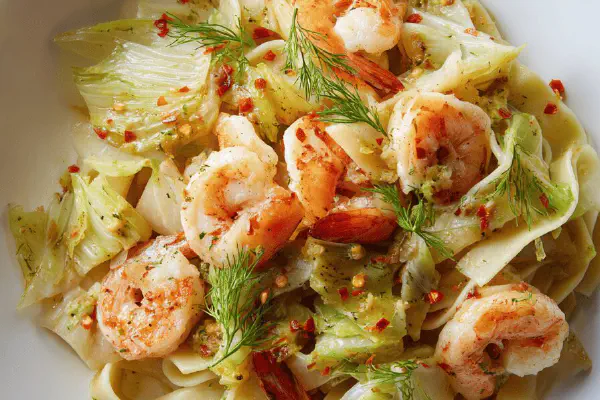
Shrimp Fennel Tagliatelle

Oysters with Citrus Mignonette
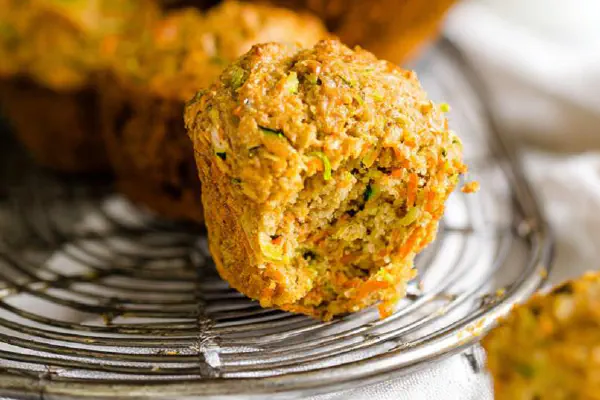
Zucchini Carrot Muffins
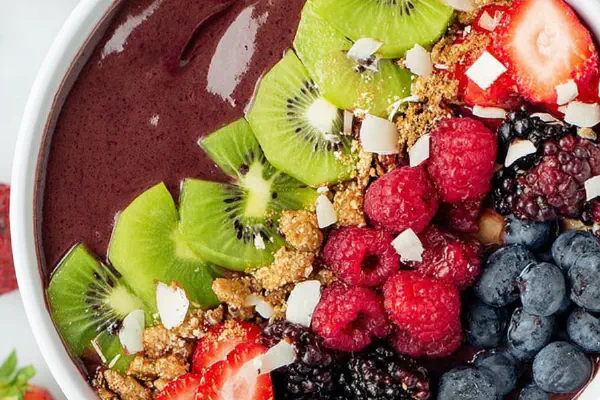
Beet Berry Acai Bowl

Pork Chops and Lemon-Rosemary Fries

Fish Fajitas Remix
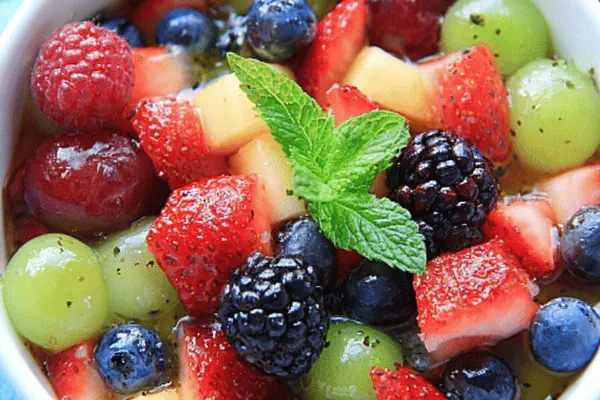
Citrus Fruit Medley
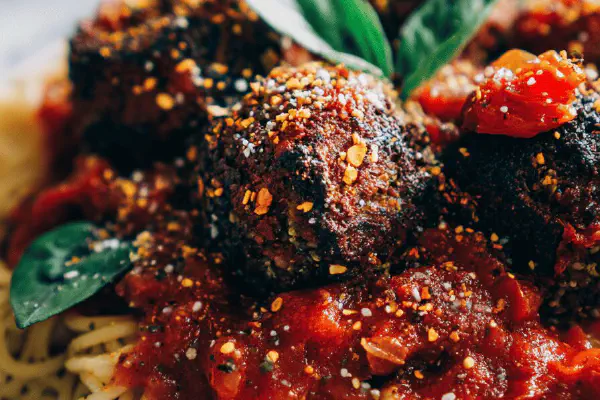
Eggplant Meatball Spaghetti
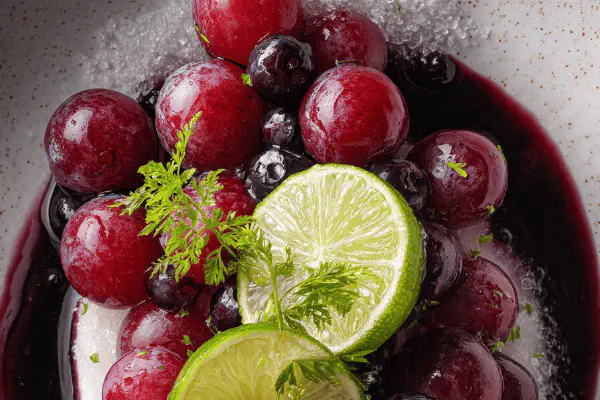
Concord Grape Jelly Twist

Roasted Spiced Green Beans

Pumpkin Cream Cheese Frosting Upgrade

Golden Perch with Caramelized Onion Mushroom Sauce
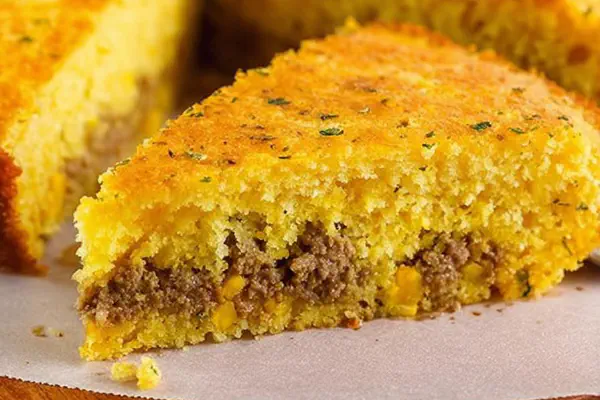
Hearty Tex-Mex Cornbread

Twisted Bloody Caesar

Cherry Cheesecake Cones Remix
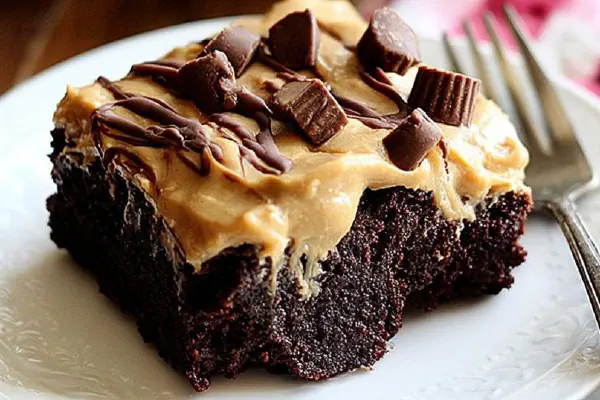
Chocolate Peanut Butter Poke Cake Deluxe

Hearty Veggie Egg Ragout

Spiced Cowboy Pasta Salad

Peppermint Candy Cookies

Red Curry Tofu Stir-Fry
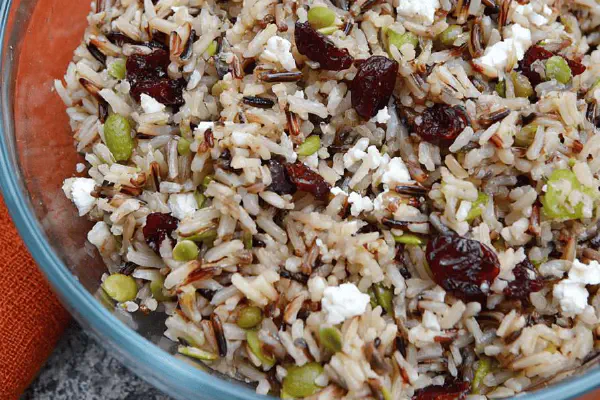
Citrus Wild Grain Mix
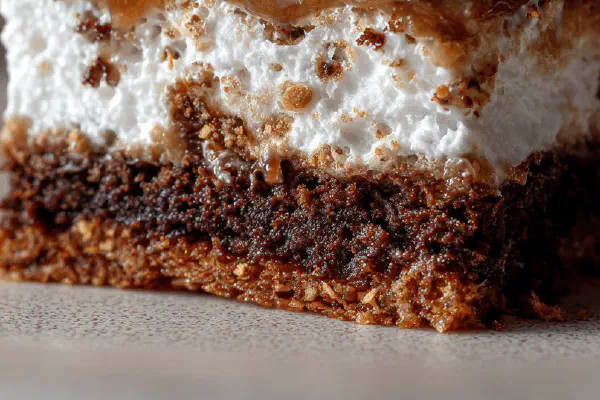
Chocolate Almond Caramel Crunch
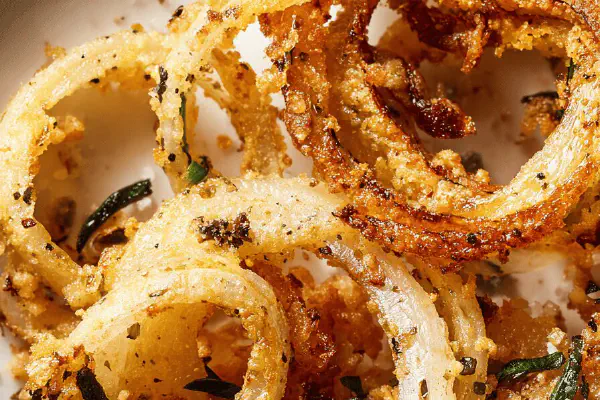
Crispy French Shallots with Semolina
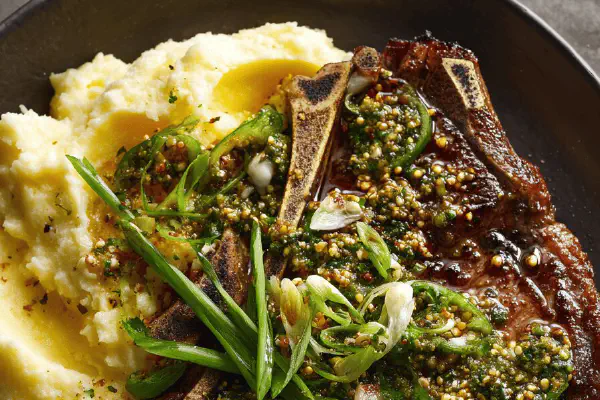
Spiced Marinated T-Bones
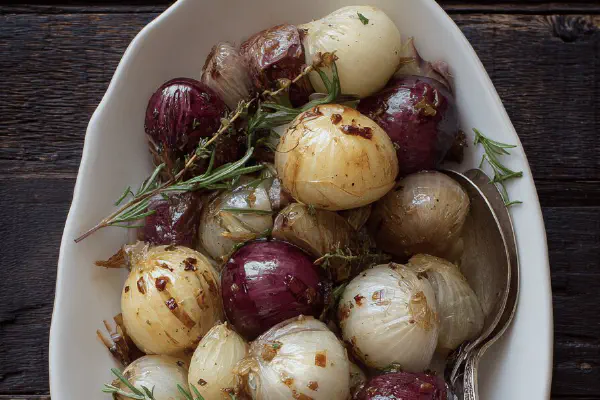
Papillote Trio Onions
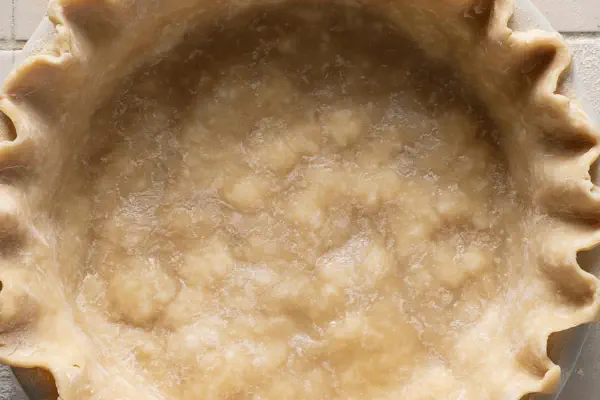
Flaky Butter-Shortening Crust
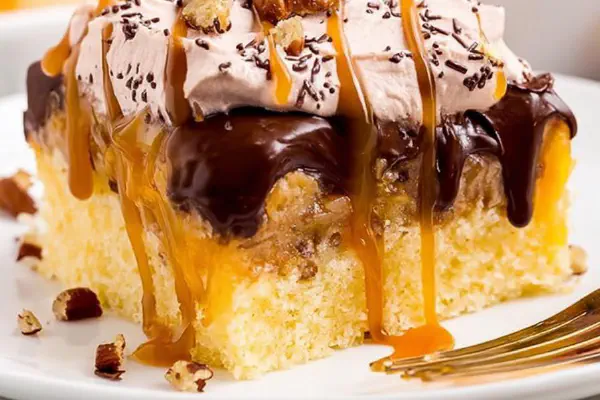
Turtle Poke Cake Twist

Smoky Chipotle Chicken Nachos