Featured Recipe
Spicy Blooming Onion
By Kate
"
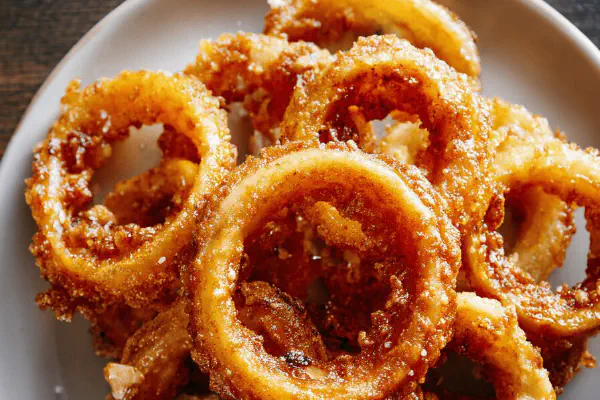
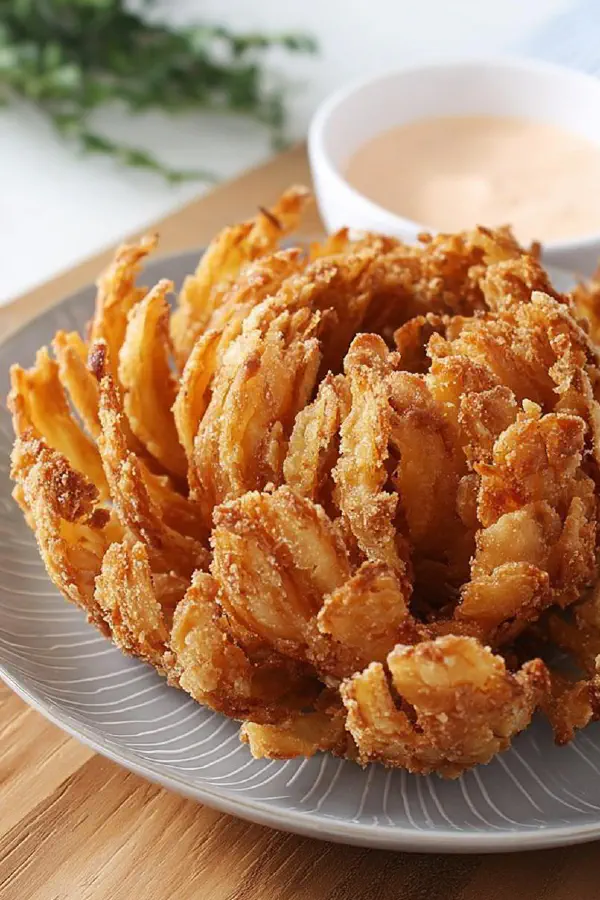
A crispy, well-breaded onion sliced into petals that bloom open, battered in a spicy seasoned flour and egg wash, then deep-fried until golden. Uses less cayenne but adds smoked paprika and garlic powder for extra depth. Ice water soak crucial for petal separation. Dredging in flour then egg wash twice locks the coating. Fried at steady 350 degrees, flipping halfway for even color and texture. Crunchy exterior, tender cooked onion inside. Serve hot with a tangy chipotle mayo dip or a ranch blend. Hands-on cutting technique key, oil temp control mandatory, and thorough drying prevents soggy breading.
"
Prep:
20 min
Cook:
20 min
Total:
40 min
Serves:
4 servings
American
snack
appetizer
fried food
Introduction
Forget limp fried onion towers. Start with a firm yellow onion, fresh not watery. Cutting technique matters—a sharp knife, even spacing, 16 petals to fully bloom but stay connected at the root; avoid overcutting lest it falls apart in oil. Ice bath chills and separates petals tightly. The breading isn’t just flour plus egg—spices layered inside each stage build complexity no plain batter can mimic. Double dredge traps crispy layers. Fry hot but steady 350 to finish cooking inside without burning the coating; turn onion gently when edges crisp and the scent of toasted spices fills the air. Dab off excess flour before dipping in oil to avoid burnt bits. Crunch sound upon biting signals done right. Serve piping hot, not cold, with a dipped sauce for balance. Keep extra oil and flour on hand for patchups if petals break. Kitchen hacks? Use seltzer water in batter for lift. Pancaked petals? Ice soak missed. Overbrowned bits? Lower temp. This is about the details, not heroics.
Ingredients
About the ingredients
Substitute onion varieties cautiously; yellow onion best for sturdy petals and mild onion flavor. Sweet onions soggy too quickly. Club soda or seltzer water lends lightness to the batter; soda water replaces all or part of liquid for crunch. Swap whole milk for buttermilk or yogurt-thinned water for tang, though batter thickens differently. Smoked paprika introduces a subtle smoky undertone, replace with regular paprika plus a pinch of chipotle powder for heat and complexity. Garlic powder over fresh garlic keeps batter smooth and prevents burning. Cumin and oregano bring earthiness, thyme rounds herbal edge. Flour must be all-purpose; low protein flour fails to develop the crunch. Eggs and milk create binding moisture; extra water lightens batter viscosity. Oil choice influences smoke point; peanut offers a neutral, high temp option, vegetable oil fine too. Cleanup easier with high smoke point oil that doesn’t burn spots. Filter oil if reusing.
Method
Technique Tips
Dicing at root end first ensures petals hold; cut too close and petals detach, ruining the bloom effect. Ice water soak crucial; it relaxes cellular structure, makes petals easier to separate and crispify. Pat fully dry after soaking—wet causes breading to slip off and oil spatters. Flour mix applied liberally into petals fills gaps, capturing batter. Tap excess, do not skip. Wet batter coats the flour base which acts as a glue. Return to flour for double coat—think armor layers. Refrigerating coating firms and stabilizes breading—don’t skip. Heat oil to 400 then drop to 350 after gently lowering the onion; steadiness prevents oil temperature crashing and absorbs less oil. Turn onion halfway. Look for uniform golden brown color. Remove promptly and drain; excess oil ruins crisp edges. Use wire skimmer or strong tongs carefully to avoid tearing onion. Don’t crowd pot; fry one onion at a time for best heat control.
Chef's Notes
- 💡 Blanch onion briefly; creates tender, non-floppy petals. Ice soak crucial for separation. Keep slices neat. Rinsing helps remove bitterness.
- 💡 Use all-purpose flour. Substitutes may falter on crunch. Low protein equals more moisture absorption. Standard flour traps flavor crisply.
- 💡 Temperature control vital; oil at 350 degrees cooks onion perfectly. Drop too low and the coating absorbs oil. High heat prevents sogginess.
- 💡 Double dredging is not optional; first layer binds batter. Scrape excess flour before dipping. Failing this creates a lifeless, greasy mess.
- 💡 Serve hot, not lukewarm. Crispiness fades fast; serve immediately. Pair with tangy chipotle mayo or even ranch dressing for dips.
Kitchen Wisdom
What's the best onion?
Yellow onion works best. Strong flavor, sturdy structure. Sweet onions are soggy, lose shape.
How to store leftovers?
Ideally don’t. Best hot, fresh. Otherwise keep in airtight container. Crispness fades quickly next day.
Why does coating fall off?
Likely wet onion after ice soak. Pat dry thoroughly. Flour binding essential for crispy finish.
Can you reuse frying oil?
Yes, filter after cooling. Good practice. High smoke point oil holds better; easier cleanup.