Featured Recipe
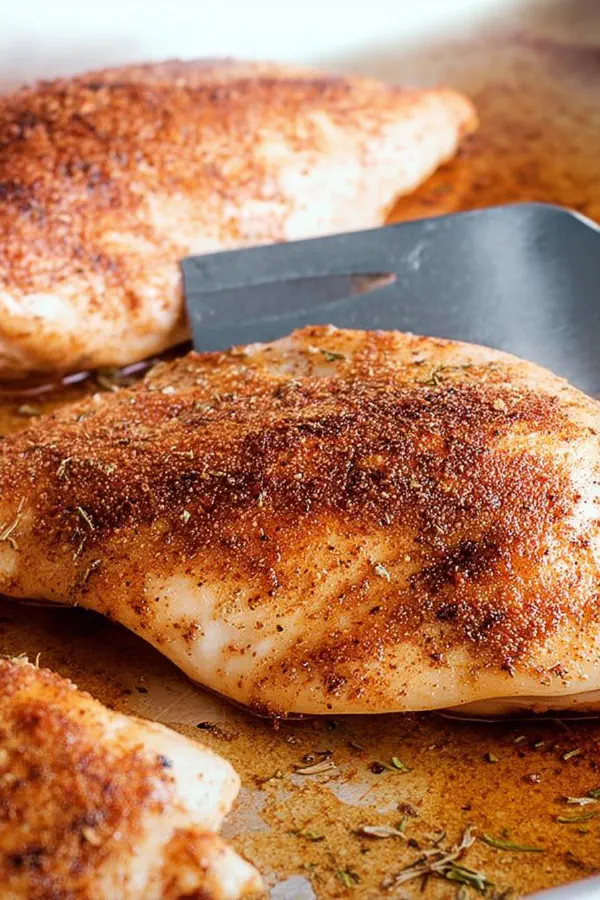
Spicy Oven-Baked Chicken
By Kate
"
Chicken breasts baked at a high temperature for even cooking and a browned finish, seasoned with garlic, smoked paprika, salt, and black pepper. Pounding chicken ensures uniform thickness. Olive oil coats the meat for moisture retention. Broiling at the end develops color and texture. Internal temp around 165°F signals doneness. Simple seasoning but swap smoked paprika for cayenne and add onion powder for depth. Time adjusted slightly for oven heat variations.
"
Prep:
7 min
Cook:
22 min
Total:
29 min
Serves:
4 servings
chicken
baked
spicy
American
easy
Introduction
Flat, juicy chicken breasts straight from the oven. No fuss, no mystery. Pound those thick spots to cook evenly—rescue dry edges and raw middles. Olive oil coats the meat surface, locking in moisture and helping the rub stick. Garlic powder carries savory notes; smoked paprika turns the spice into a smoky kiss without burning your mouth. Broiling last four minutes forms a crisp exterior, almost crackling with aroma. Key here: watch and listen for sizzle to get that color just right, nudge a little too long and bitterness rises. Oven temperatures can vary, so rely on feel and look instead of rigid minutes. Resting chicken? Non-negotiable for juicy, tender bites. Quick and convincing, no time wasted.
Ingredients
In The Same Category · Hearty Mains
Explore all →
French Bread Chicken Pizza
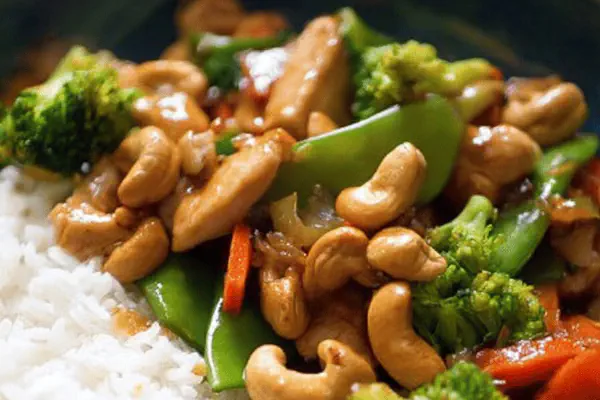
Cashew Chicken Stir-Fry Remix
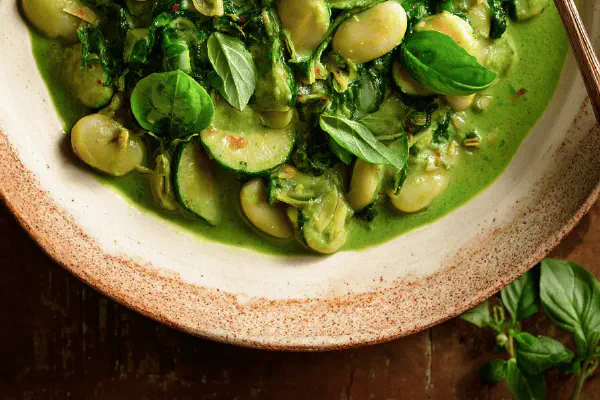
Lima Beans Green Coconut Sauce
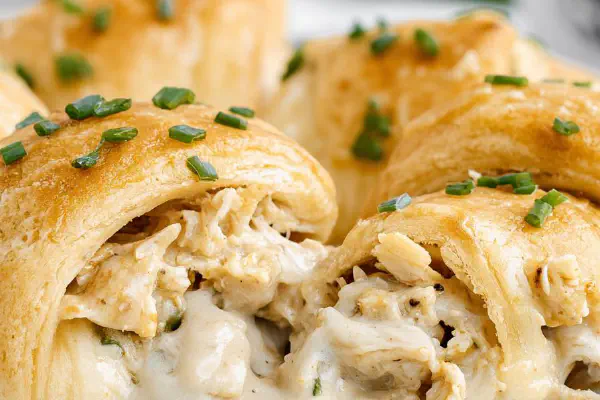
Chicken Crescent Pockets
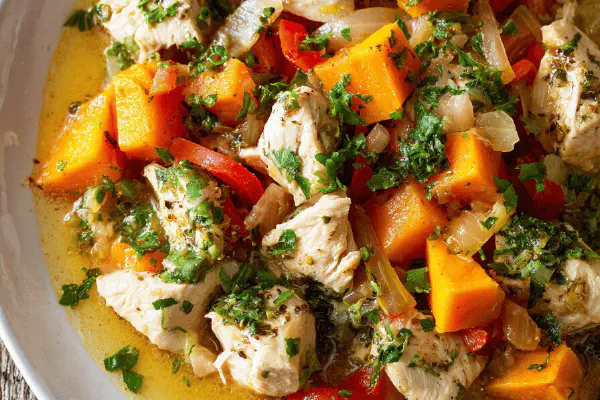
Turkey Stew with Sweet Potatoes and Peppers
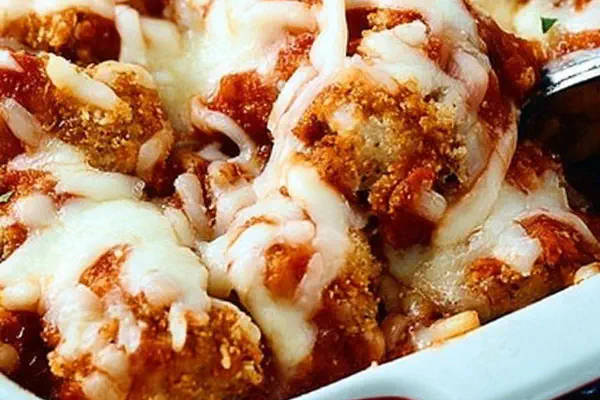
Chicken Parmesan Pasta Bake
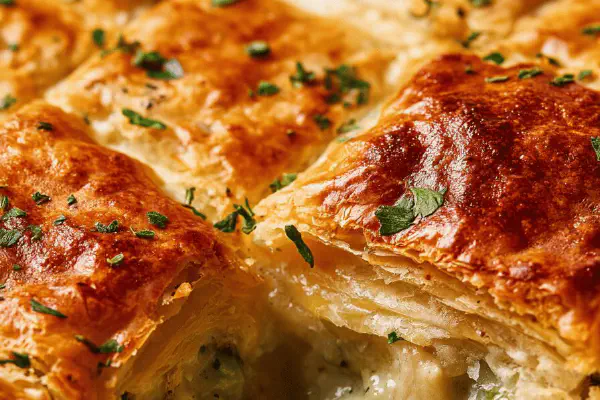
Chicken Veggie Pot Pie
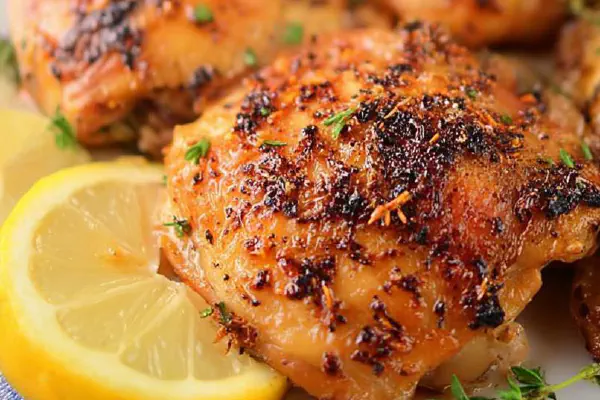
Zesty Baked Chicken Thighs
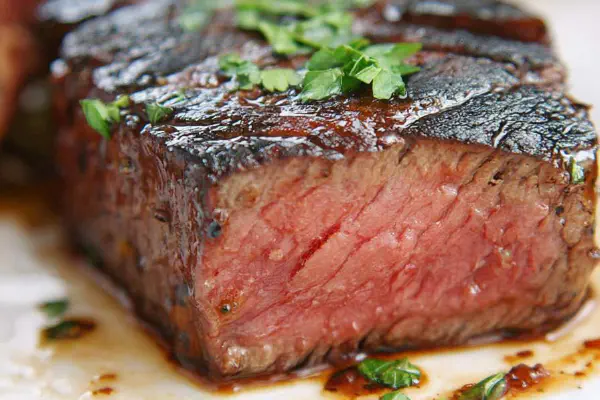
Zesty Garlic-Lime Steak Marinade
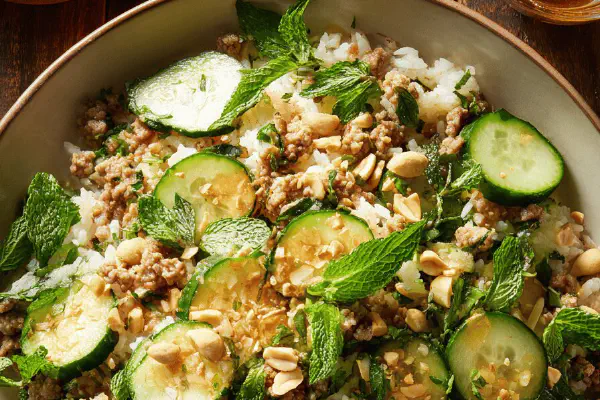
Crunchy Pork Cucumber Rice Salad
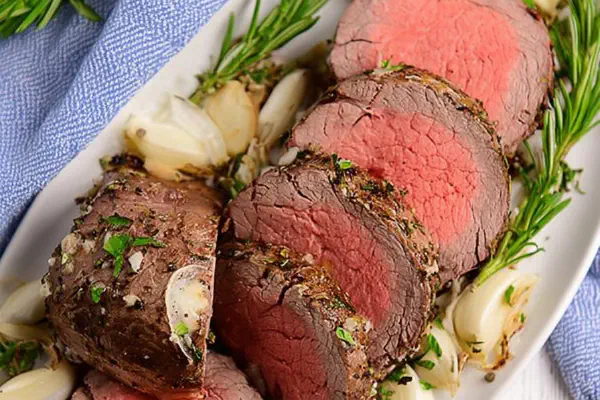
Herb Garlic Beef Tenderloin
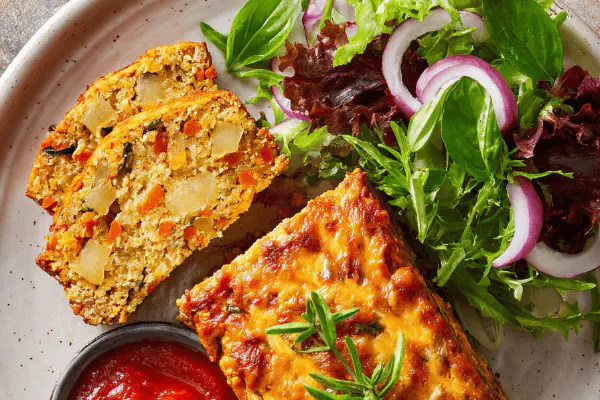
Cheesy Veggie Legume Loaf
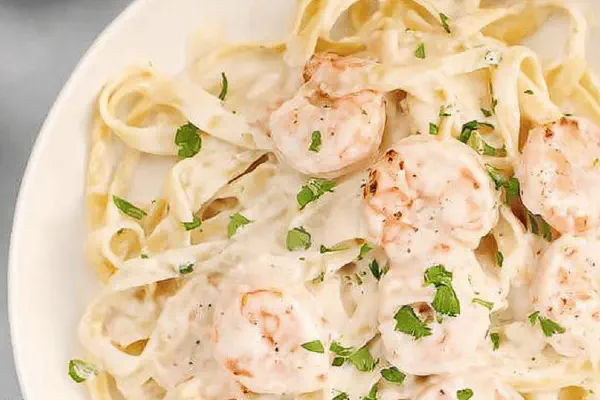
Creamy Shrimp Alfredo Remix
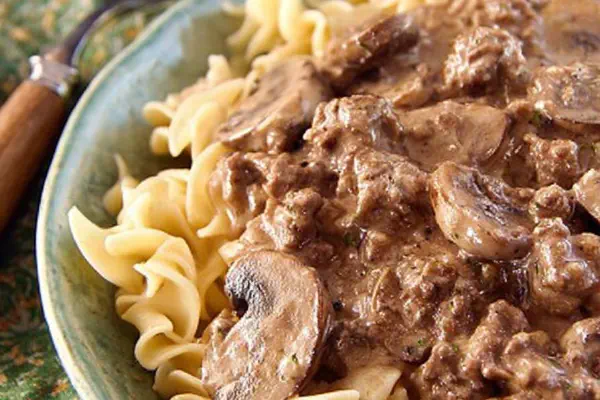
Ground Beef Stroganoff Twist
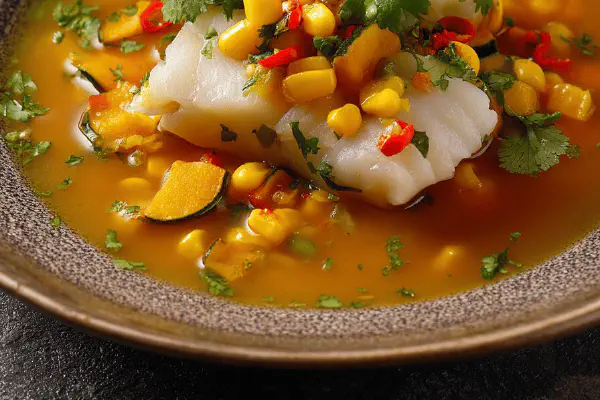
Spiced Cod Maize Broth
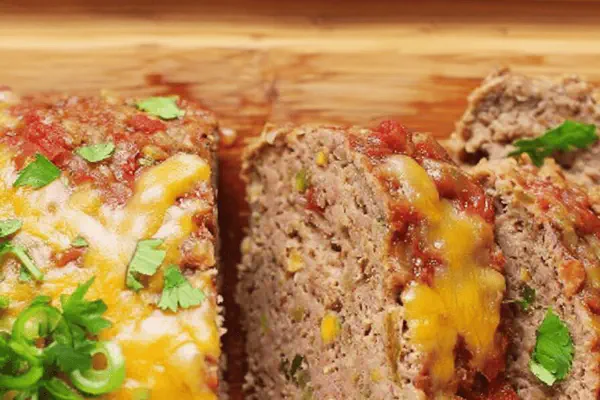
Tex-Mex Meatloaf Twist
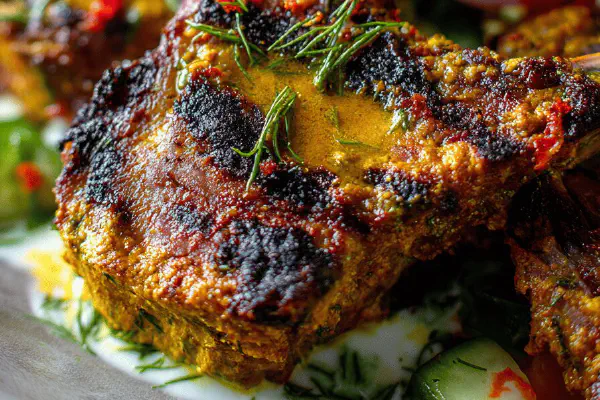
Lamb Chops with Curry and Melon Raitha
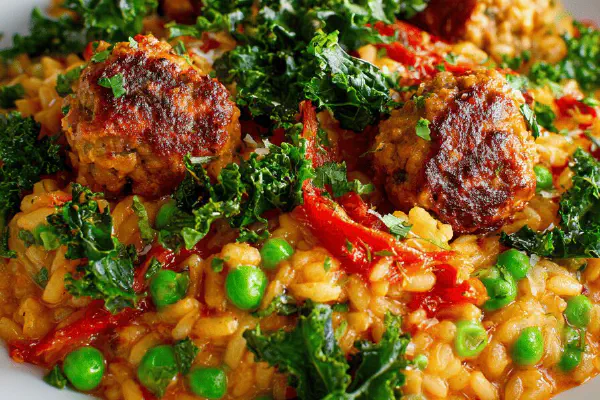
Pork Meatball Sweet Pea Risotto
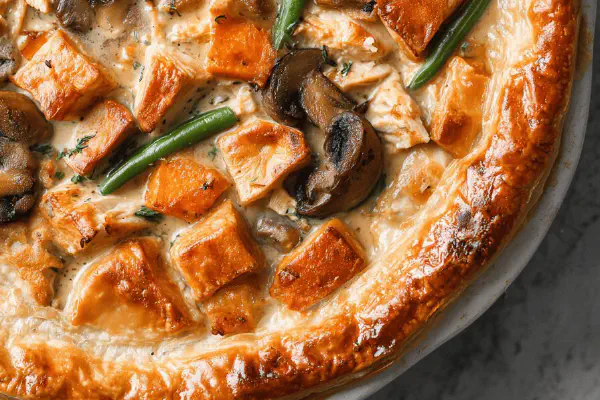
Sweet Potato Chicken Pie
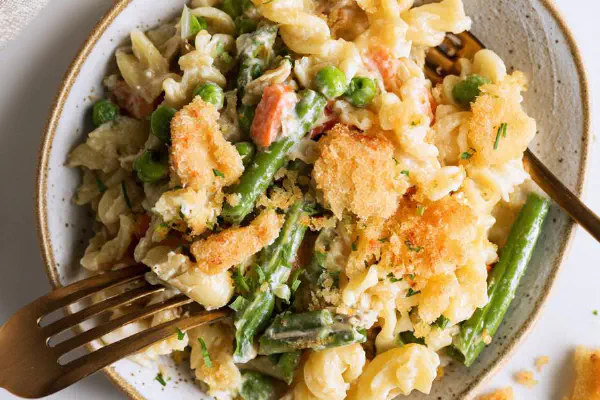
Chicken Pot Pie Pasta Bake
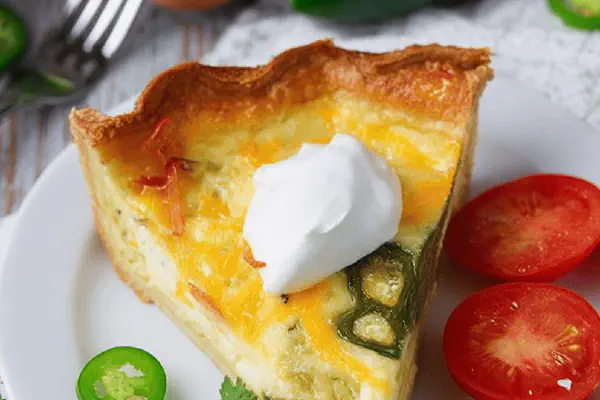
Chile Relleno Savory Quiche
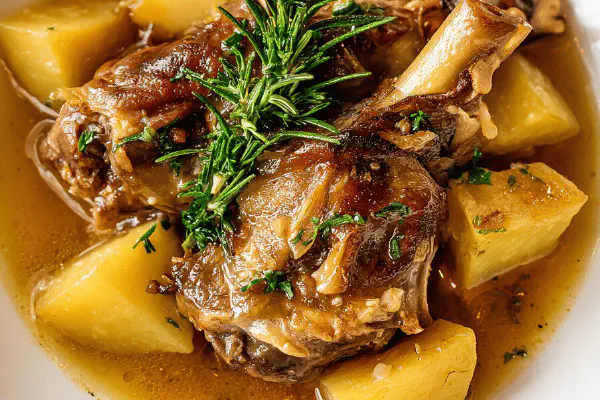
Pork Stew with Yukon Gold
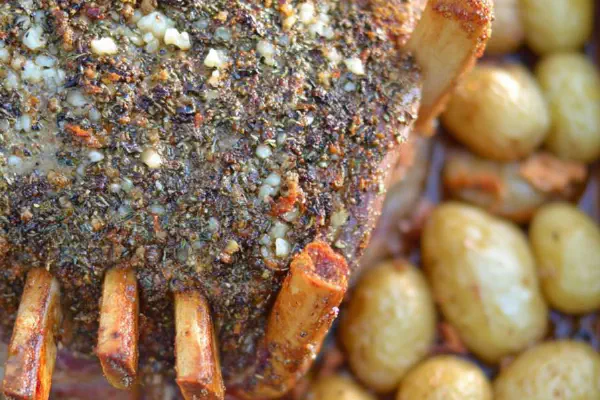
Spiced Crown Pork Roast
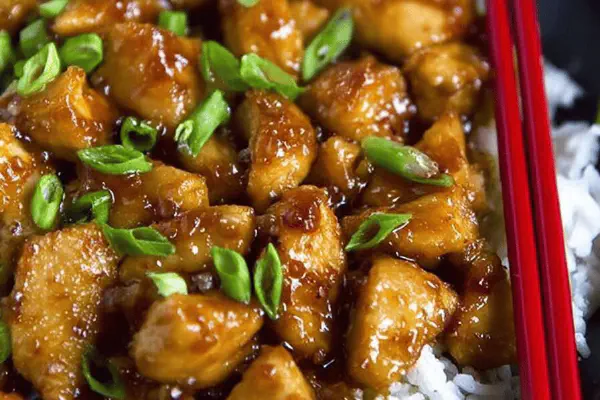
Skillet Tangerine Chicken Twist
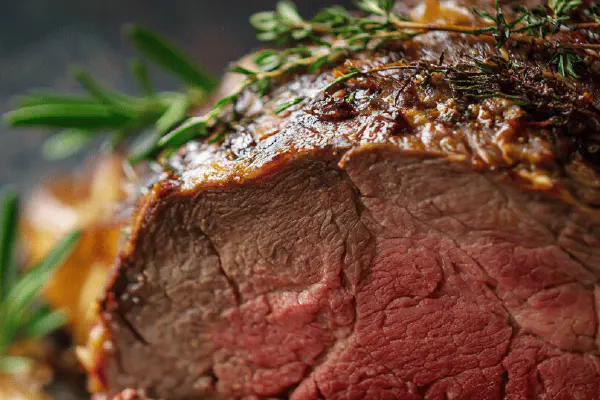
Slow-Roasted Beef Twist
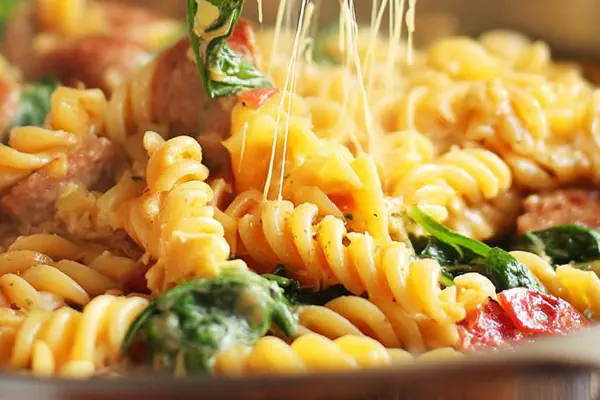
Creamy Sausage Spinach Pasta
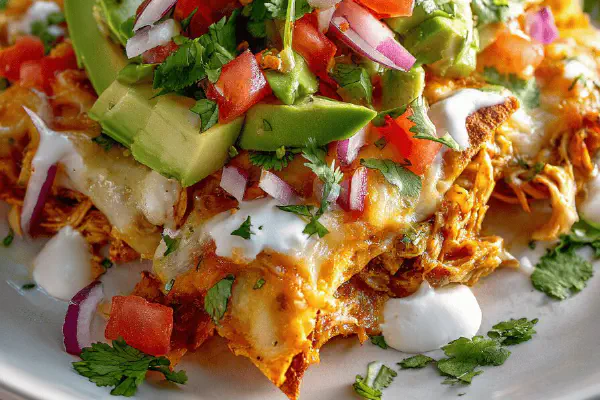
Turkey Chilaquiles Twist
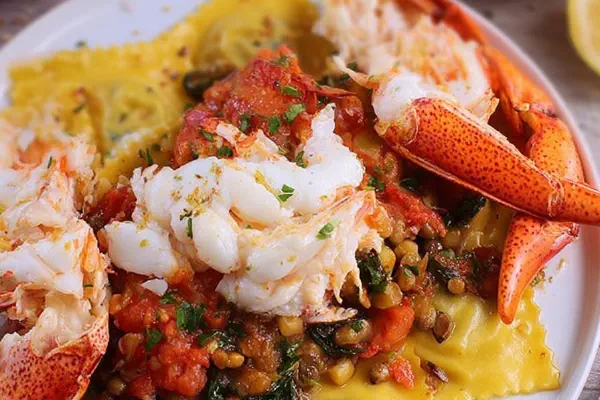
Mediterranean Lobster Ravioli Remix
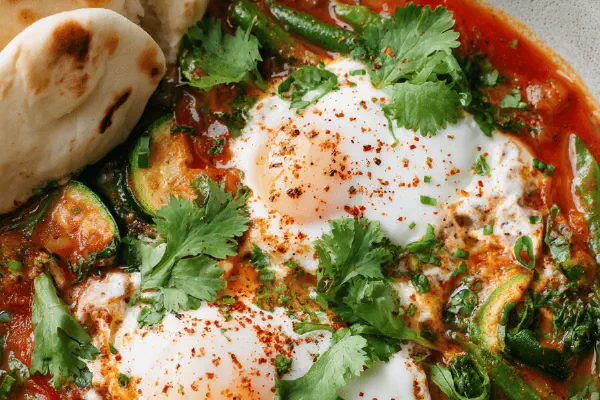
Poached Eggs Indian Tomato Sauce
About the ingredients
Use smoked paprika instead of cayenne pepper to add depth and smokiness instead of a sharp heat blow. Onion powder rounds out the savory notes, subtle but necessary for complexity. Olive oil is your go-to fat—avocado oil works as a neutral alternative with a high smoke point. Be cautious with salt amounts if chicken is already brined or pre-seasoned. Avoid overcrowding the pan; air circulation promotes browning rather than steaming. Parchment paper can be swapped for foil if you dislike sticking or prefer easy lifting. If fresh garlic is on hand, toss finely minced with oil but reduce garlic powder to prevent overpowering. Simple pantry tweaks, big flavor impact.
Method
Prep
- Set oven to 405 degrees Fahrenheit. Line a rimmed baking sheet with aluminum foil to catch drips, makes cleanup faster.
- Place chicken breasts on a cutting board. Flatten thick sections with a meat mallet or heavy pan. Don't pulverize; just even thickness gets faster, even cooking.
- In a bowl, pour olive oil. Toss chicken in oil thoroughly, every side glossed, this seals moisture. In a smaller bowl, mix garlic powder, smoked paprika instead of cayenne, salt, black pepper, and onion powder.
- Lay chicken breasts skin side down (or the smoother side down) on foil. Sprinkle half the spice mix over meat side. Flip, season the other side with remaining spices. Notice the reddish paprika dust coat; it will turn deeper with heat.
- Slide tray in oven. Check around 17 minutes for juices running clear at thickest point, and a firm spring back when pressed. Use finger pressure test, finger is better than timer here.
- If using a thermometer, 160°F near center means it’s time to broil quickly.
- Switch oven to broil, top rack. Broil about 3-4 minutes watching closely; skin or surface should bubble and brown but not burn. Sizzle and smell signal caramelization of spices. You want browning, not char.
- Remove from oven. Rest chicken 5 minutes loosely tented with foil—the juice redistributes. Cuts stay juicy, not dry.
- Slice and reveal opaque white with faint rosy tint at center. Texture firm but juicy, not rubbery.
- Substitution advice: If no smoked paprika, cayenne plus a hint of cumin works; boosts warmth without smokiness. Use avocado oil if olive oil flavor too strong.
- Troubleshooting: If chicken dries out, probably flattened too thin or overcooked; slicing thin before baking can help. Too pale? Skip foil, cook directly on rack for air flow.
- Use parchment paper instead of foil if non-stick surfaces are an issue.
- Trying nonstick pans? Keep oil and broil step for best texture.
- Chicken pounded evenly = cook time consistency, stops tail end overcooked, center raw.
- Clean cut knife is key for neat slices and juice retention.
- Avoid crowding pans; space allows heat to circulate and brown chicken instead of steaming.
Seasoning
Assembly
Cooking
Serving tips
Technique Tips
Preheat slightly higher than normal to compensate for heat lost during prep. Pound chicken gently; the goal isn’t mush but even cooking surfaces. Coat thoroughly with oil—this is more than flavor, it creates a thin barrier against drying oven heat. Spread seasoning in two stages to ensure every side gets covered without clumping. Place chicken with the smoother side down for even contact and less chance of sticking. Cook until juices run clear and feel for springiness; thermometer reading near 165°F confirms doneness but is last check, not timer replacement. Broil short and hot, smell and visual cues dictate timing, crackling spices prevent just drying. Resting allows tissue relaxation—skip this and prepare for dry bites. Slice against the grain with a sharp knife for best texture.
Chef's Notes
- 💡 Even thickness matters. Pound the chicken, not until mush, just enough for consistent cooking. Don't skip this; it prevents dry edges.
- 💡 Check juices not just time. Press with fingers; should spring back. Juices clear? You’re good. Internal temp needs to hit around 165°F.
- 💡 Broiling is key. Last minutes matter. Watch closely, sniff the aromatic spices bubble. Aim for brown, not burnt. Timing? Eye and ear test.
- 💡 If smoking too much, switch to lighter oils. Avocado is good. Can handle high heat without burning flavors. Taste less overpowering.
- 💡 Rest chicken after baking. Loosely tented with foil, let juices spread. Skip resting—dry chicken will follow. Good cuts need this step.
Kitchen Wisdom
How to know when chicken is done?
Juices clear at thickest part also springs back when pressed. Thermometer handy; 165°F near center is target.
Can I use fresh garlic instead of powder?
Yes, fresh can be minced finely and added to oil. Just cut back on garlic powder to balance flavor.
How to store leftovers?
Keep in airtight container, fridge for up to 4 days. Reheat gently in the oven to maintain moisture.
What if chicken gets too dry?
Likely overcooked or pounded too thin. Check later. Next time, try thicker pieces or reduce time slightly.
You’ll Love These Too
Explore all →
Celery Walnut Blue Soup
Red Berry Syrup Twist
Chunky Macaroni Salad
Maple Blueberry Pavlova
Chunky Peanut Bars
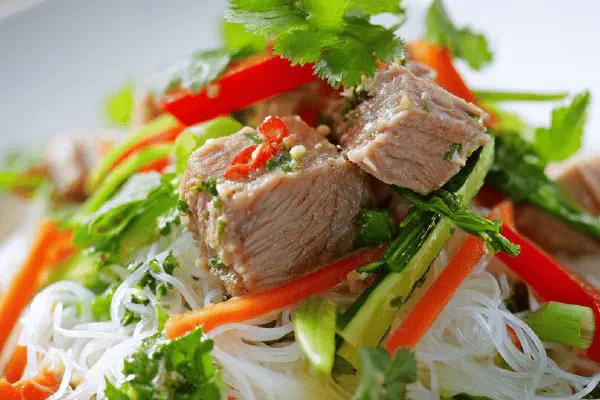
Spicy Tuna Vermicelli Salad
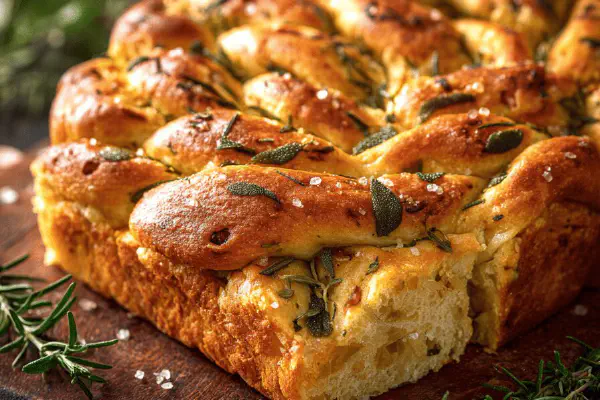
Rosemary Garlic Focaccia Twist
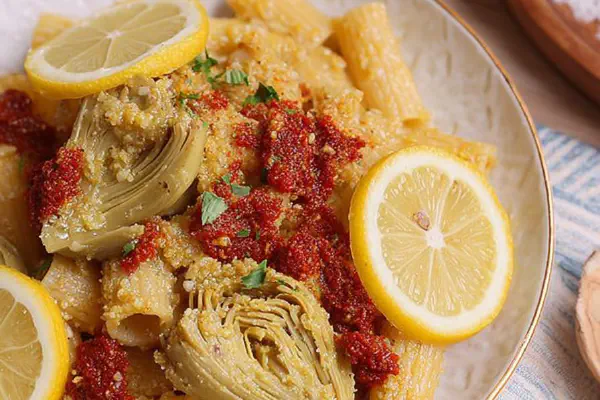
Zesty Artichoke Pesto Pasta
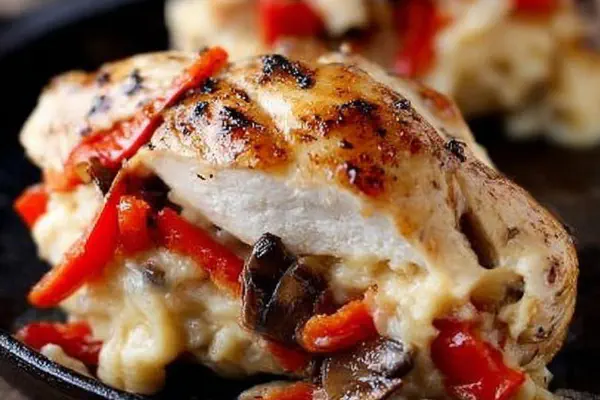
Cheesy Stuffed Chicken Reworked
Coconut Cream Tart
Honey Mango White Sangria
Rose Grapefruit Fizz
Lard Biscuits Upgrade
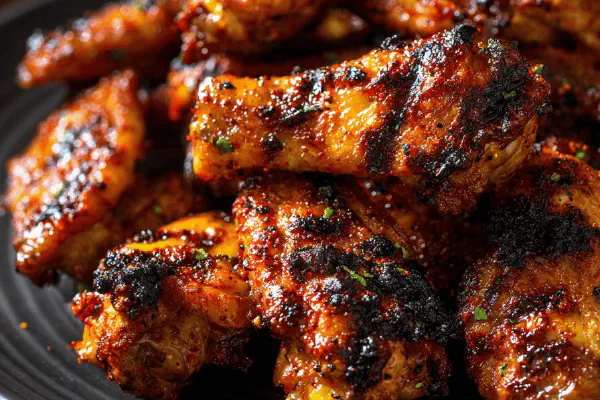
Spicy Grilled Lemon Pepper Wings
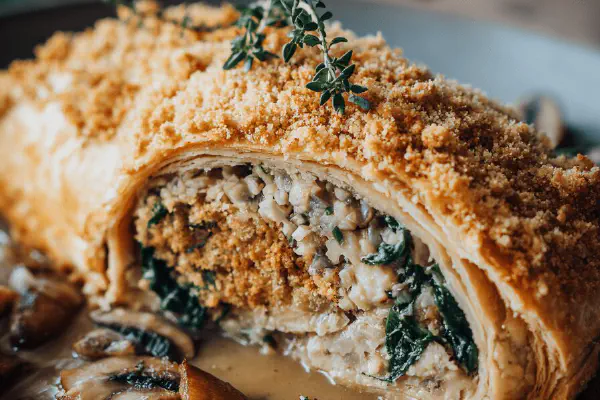
Mushroom Buckwheat Wellington
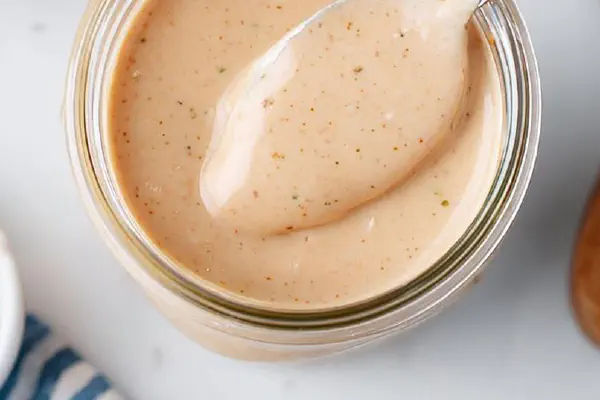
Tangy Bloom Onion Dip
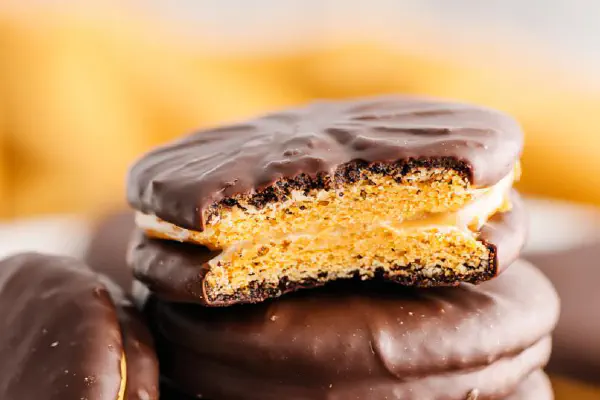
Chocolate Peanut Butter Crisps
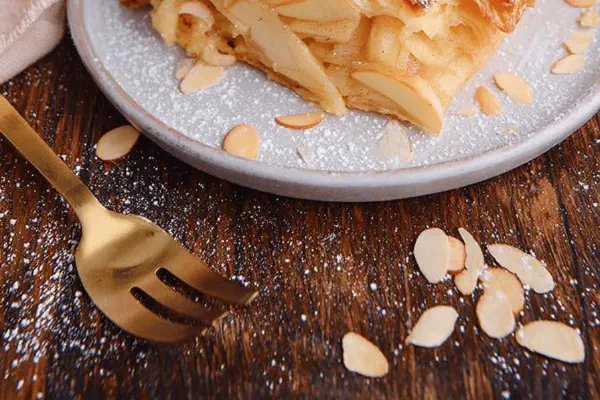
Apple Cheese Puff Braid
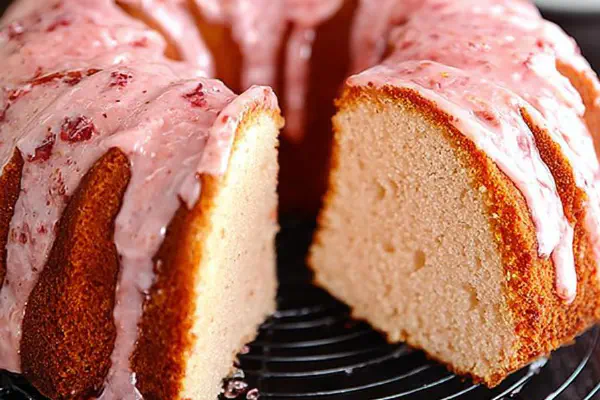
Strawberry Jam Pound Cake Remix
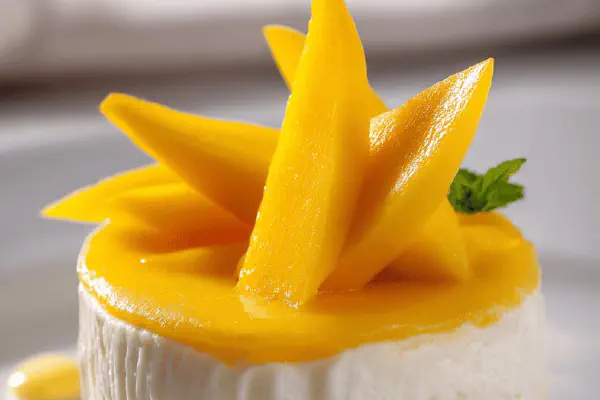
Mango Yogurt Mousse Cake
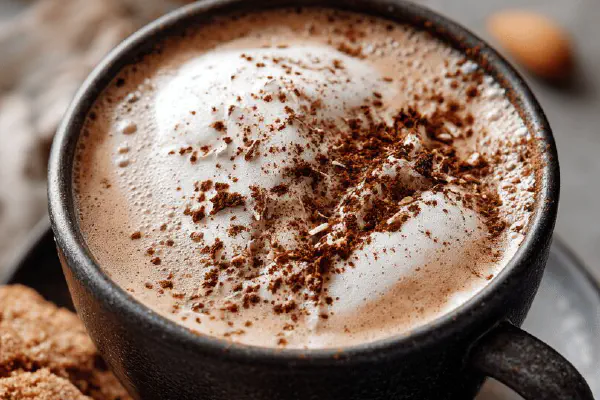
Almond Spiced Hot Chocolate
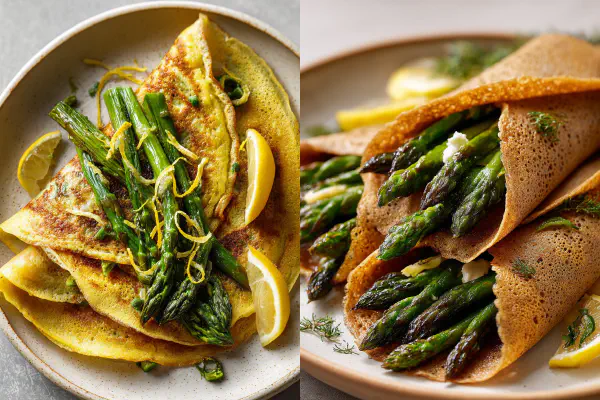
Asparagus Milk Crepes
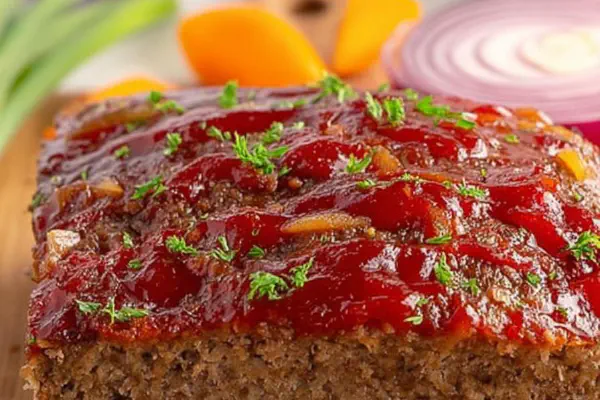
Tangy Onion Meatloaf
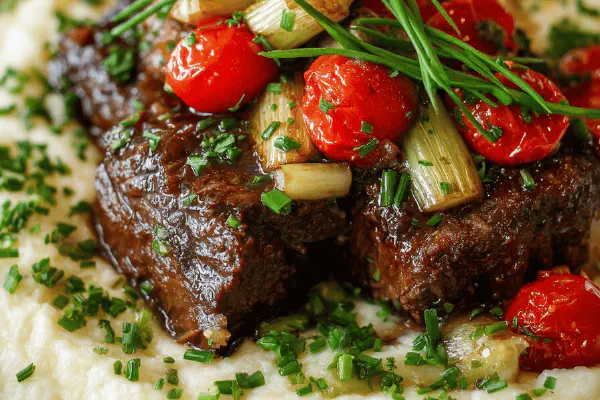
Boeuf braisé aux deux céleris revisité
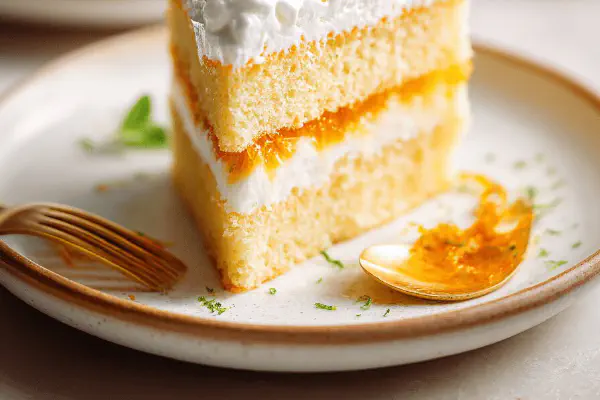
Orange Chiffon Cake Twist
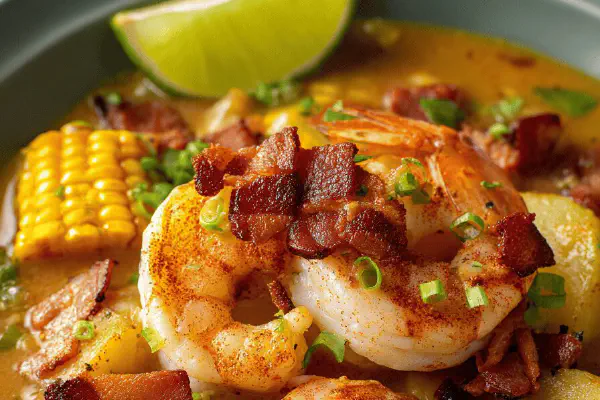
Shrimp Corn Chowder
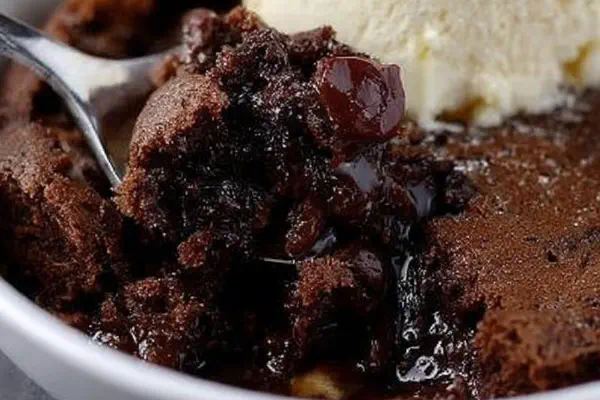
Chocolate Spoon Cake Remix
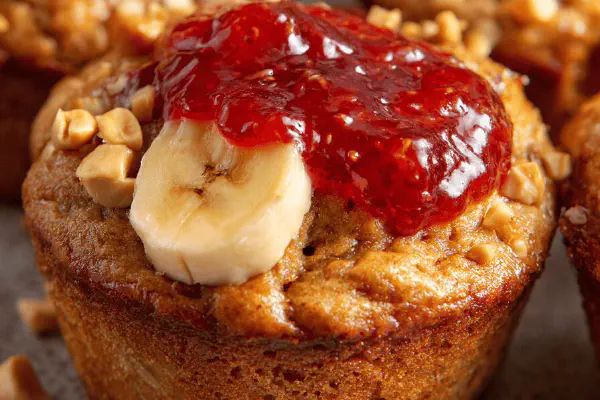
Banana Peanut Butter Muffins
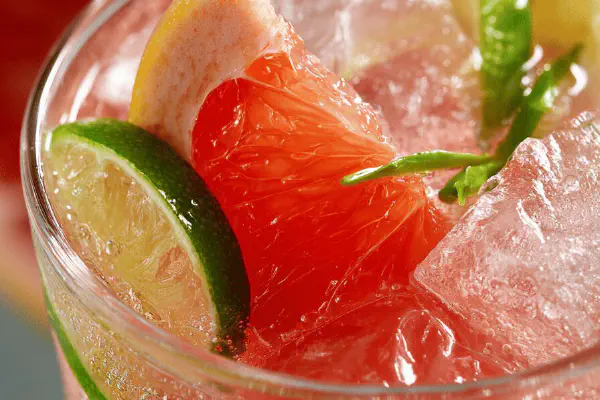
Grapefruit Ginger Tonic