Featured Recipe
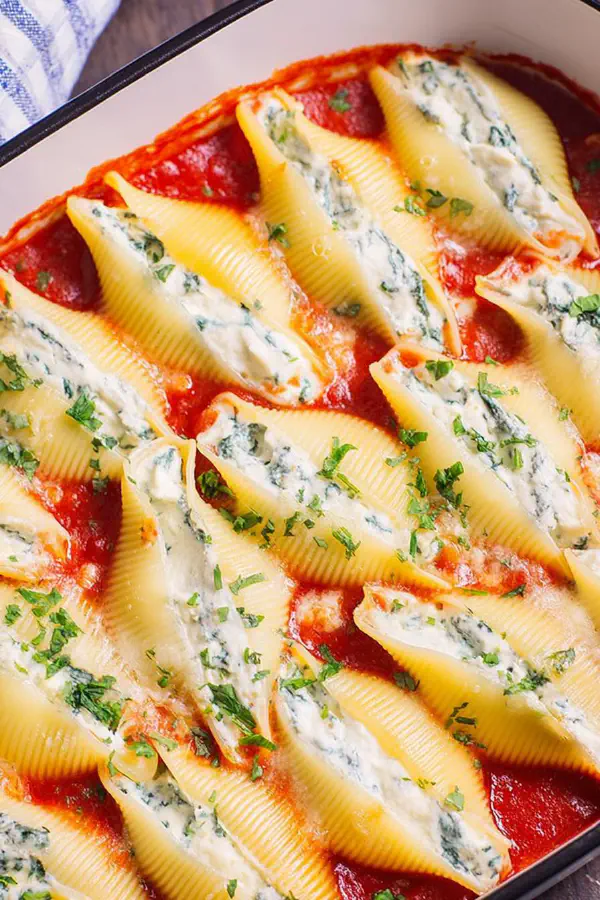
Spinach Ricotta Shells
By Kate
"
Ricotta-stuffed pasta shells baked in a tomato sauce with sautéed spinach and melted cheese. Uses jumbo shells boiled to al dente, filled with ricotta, mozzarella, Parmesan, wilted spinach, egg, and Italian seasoning. Baked covered then uncovered to finish, topping golden and melty. Aromatic garlic and olive oil build base flavor. Substitutions possible for cheese, greens, or sauce. Practical tips on timing, texture, preventing sticking, and liquid management to avoid soggy shells.
"
Prep:
15 min
Cook:
35 min
Total:
50 min
Serves:
4 servings
Italian-American
pasta
vegetarian
Introduction
Ricotta-stuffed shells. Simple pasta that looks impressive. You need jumbo shells because small ones won’t hold much filling, frustrating and messy. Timing boils down to shell texture. No mushy blobs here. Use salted water; builds base flavor inside pasta. Wilt spinach properly, no excess water or filling turns watery later. Garlic aroma marks readiness, so don’t wander. Combining cheese, egg, and Italian seasoning binds filling and tricks texture into being creamy yet stable. Layering sauce in bottom avoids sticking and burning bottom shells. Cover baffling keeps moisture in, but final crisp topping is where the cheese cues you on doneness. Let sit before serving or filling blobs spill out. Leftover shells reheat well but avoid microwave sogginess—oven or skillet heat work best. Substitution ideas at bottom.
Ingredients
In The Same Category · Hearty Mains
Explore all →
Veal Stew Sweet Potatoes

Stuffed Bell Peppers Remix
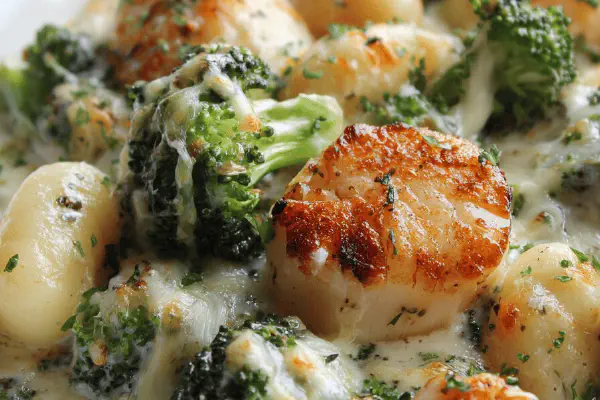
Broccoli Scallop Gnocchi
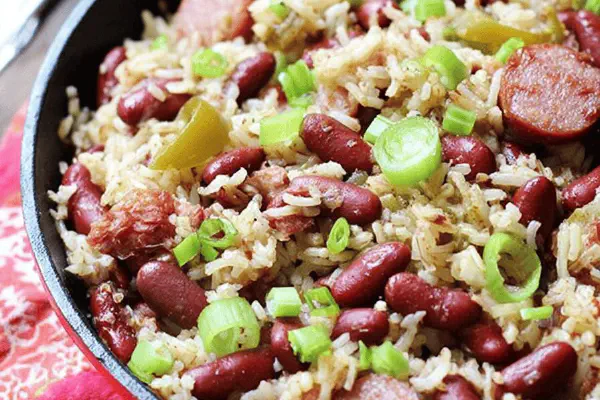
One-Pot Red Beans Rice
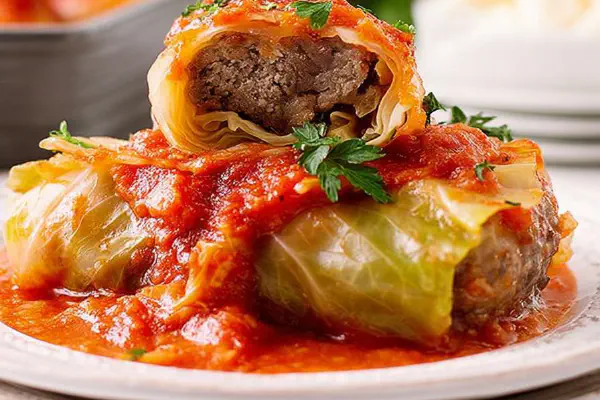
Twisted Cabbage Rolls
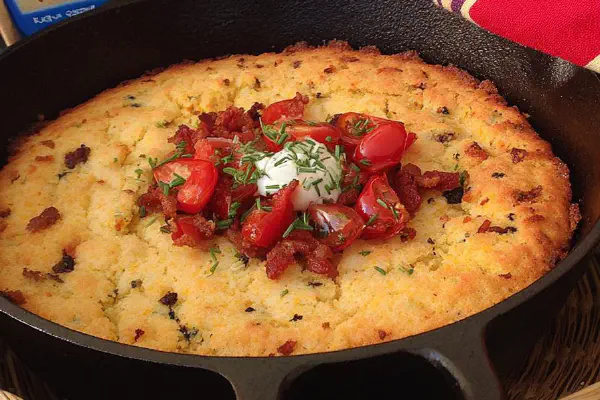
Roasted Tomato Bacon Cobbler
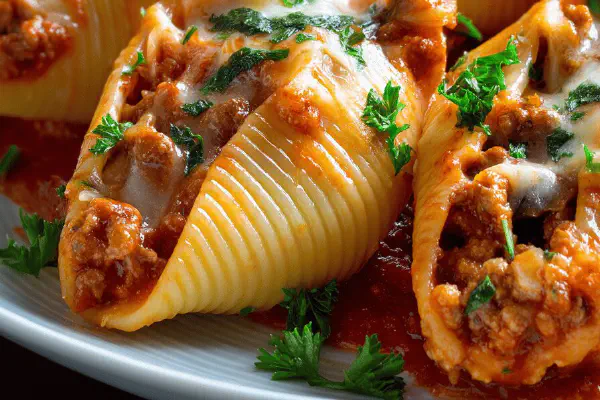
Giant Veal Mushroom Shells
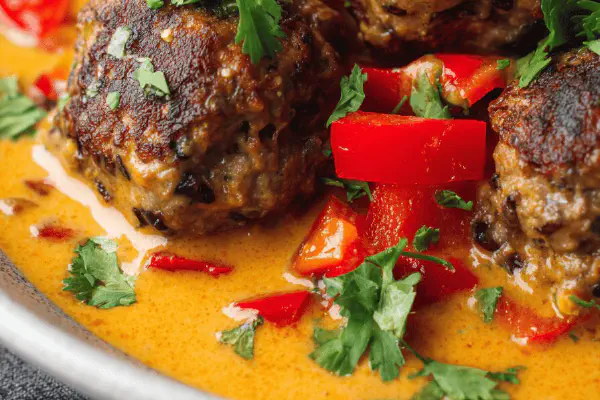
Childhood Meatballs
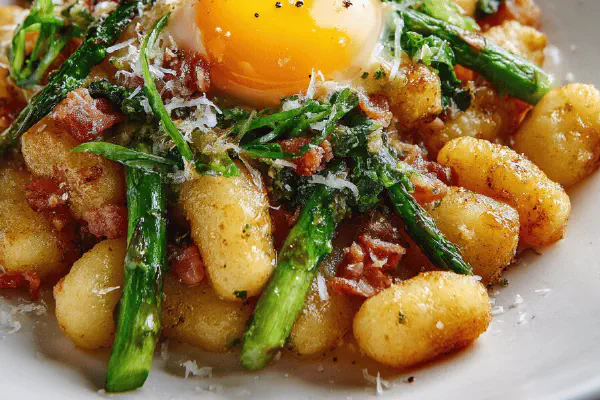
Crispy Gnocchi Carbonara Twist
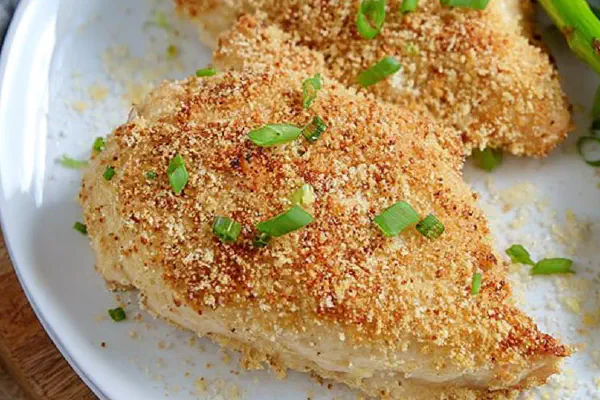
Garlic Parmesan Chicken Twist
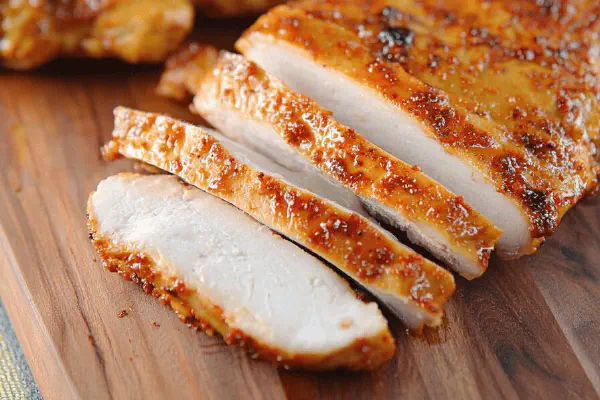
Spiced Honey Grilled Turkey
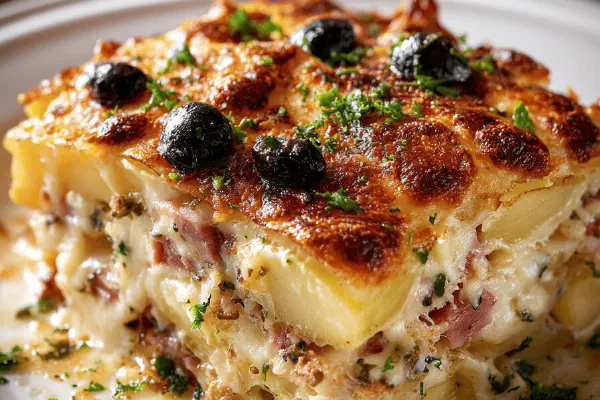
Potato Ham Au Gratin
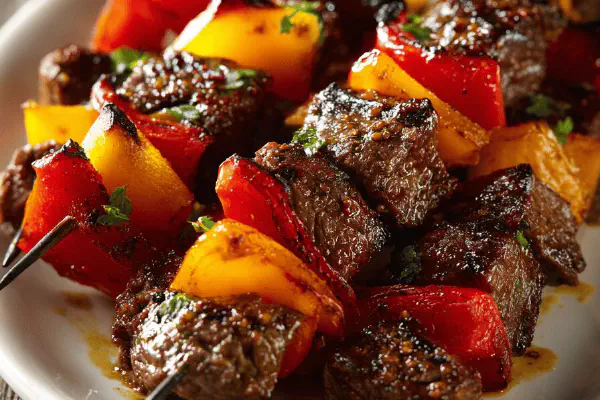
Spiced Beef Skewers
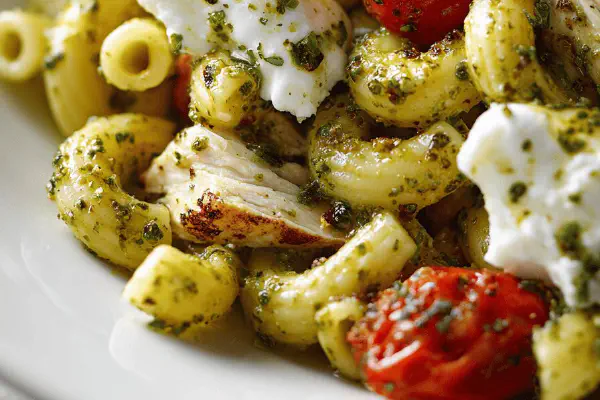
Chicken Pesto Macaroni
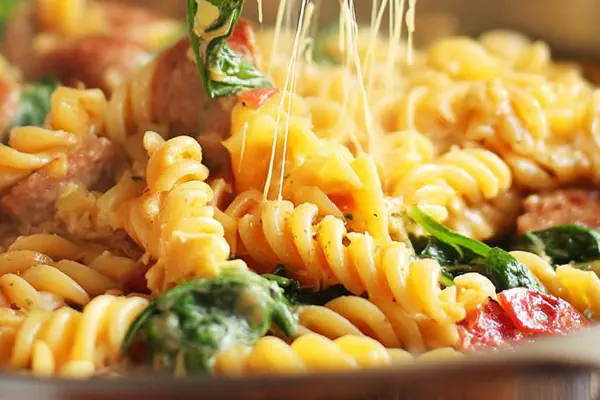
Creamy Sausage Spinach Pasta
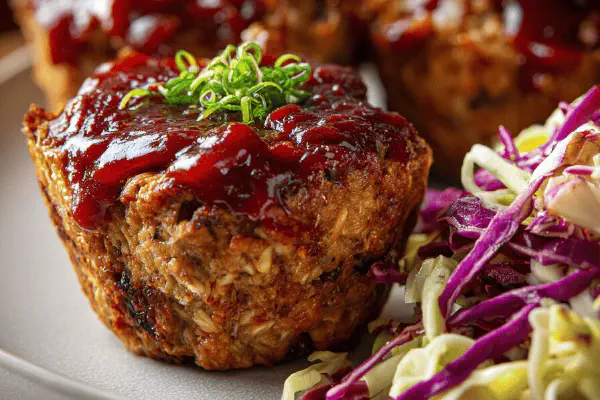
Tofu-Veal Meat Pockets BBQ
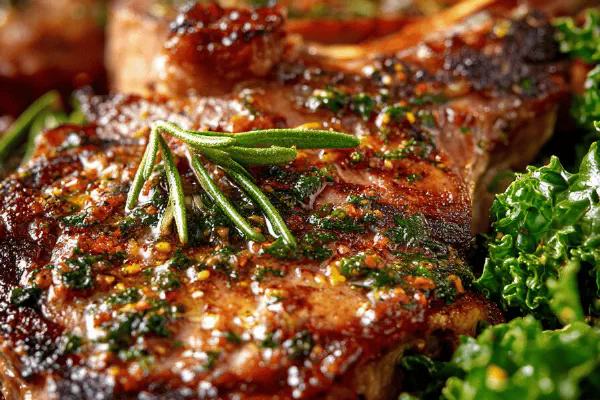
Grilled Lamb Leg Twist
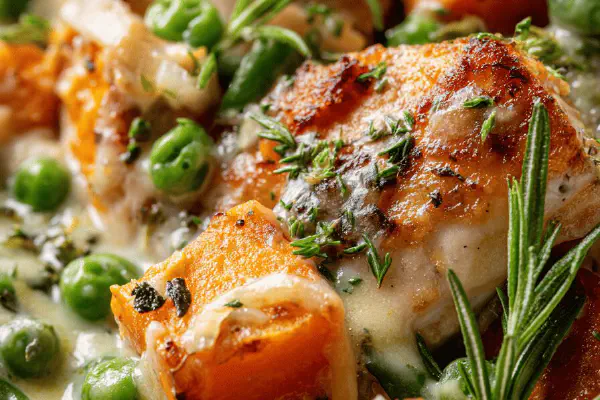
Chicken Fricassee Twist
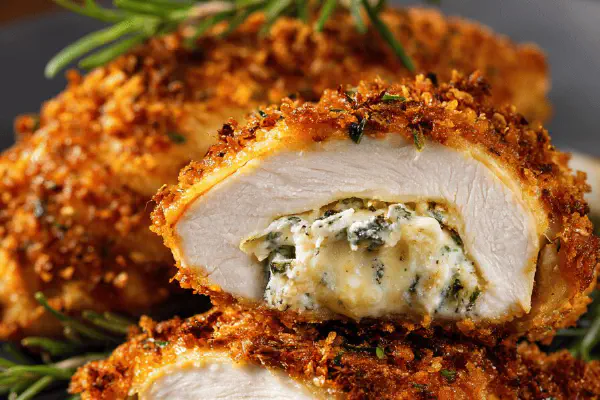
Herb Butter Chicken Kiev
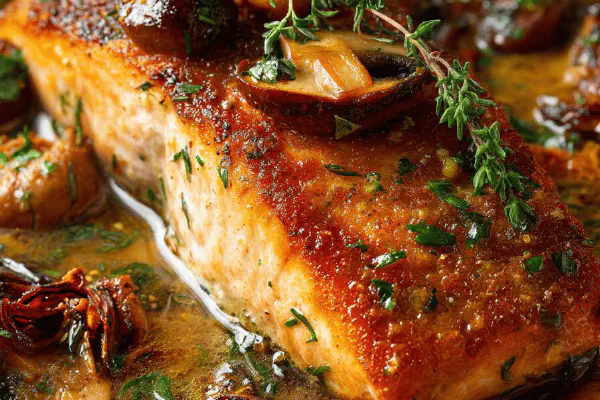
Citrus Salmon Mushroom Skillet
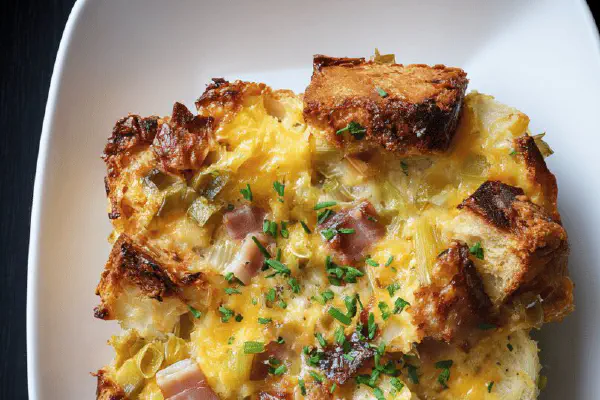
Leek Ham Cheddar Strata
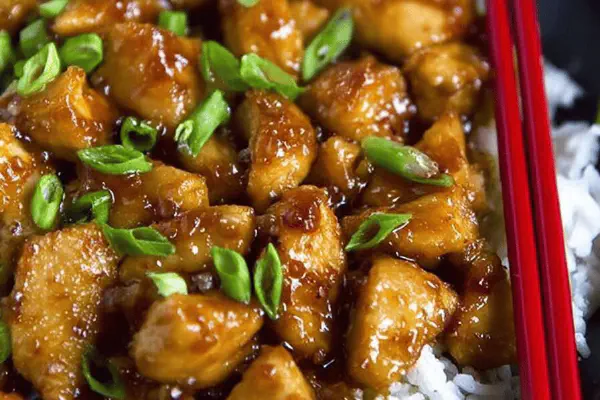
Skillet Tangerine Chicken Twist
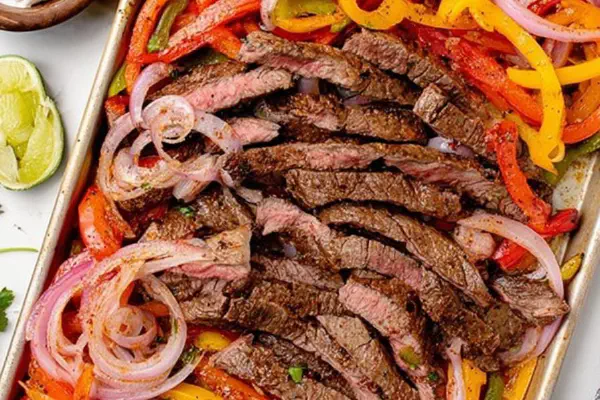
Sheet Pan Steak Fajitas

Sun-dried Caprese Burger
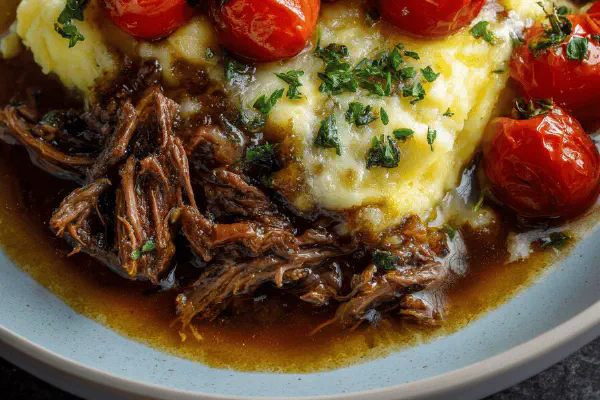
Braised Beef Parmentier with Oka
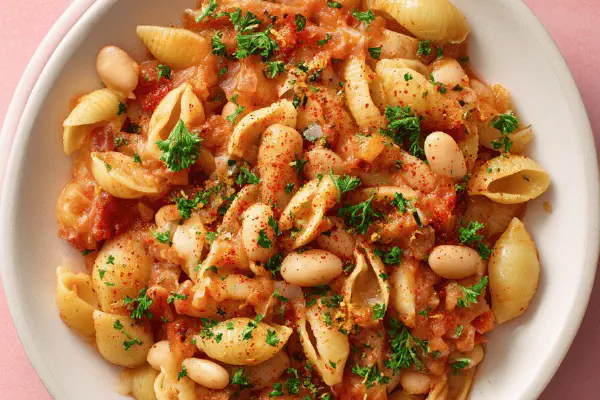
Tomato White Bean Pasta Twist
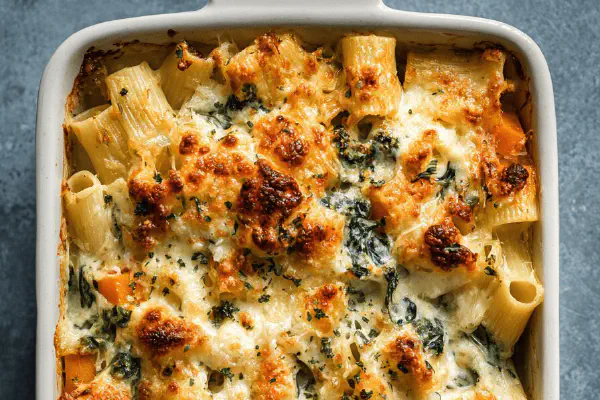
Leek Squash Rigatoni Gratin
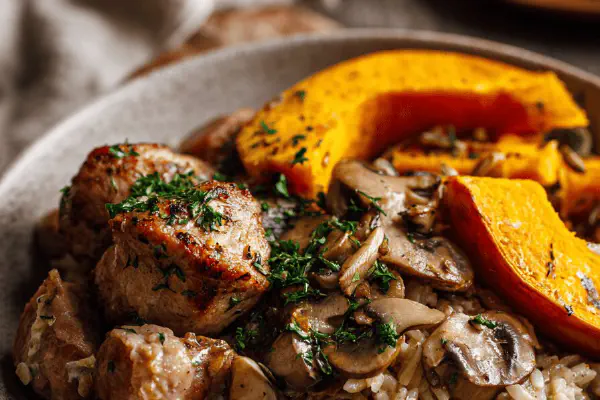
Chicken Sausage Brown Rice Bake
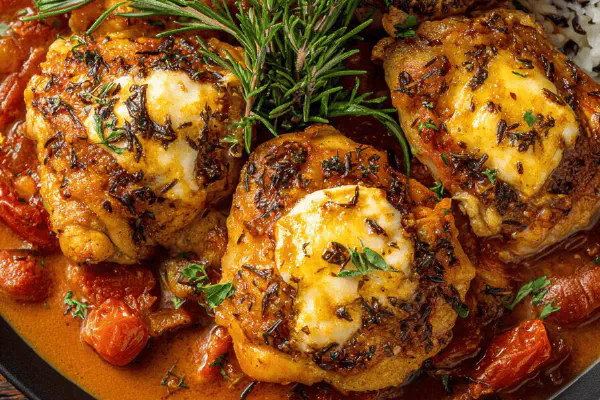
Tomato-Grilled Braised Chicken
About the ingredients
Ricotta is the anchor here. Use whole milk ricotta for creamy results; low-fat versions dry the filling out. Mozzarella needs to melt well; shredded whole milk or part-skim works fine, avoid pre-shredded with anti-caking agents if possible—they melt unevenly. Parmesan adds sharpness and salt which balances richness. Egg binds; skipping it leads to filling falling apart when spooned in. Italian seasoning—store blends or fresh herbs like oregano and thyme swayed in dry, no wilting fresh leaves that add moisture. Spinach holds moisture; drain and press well. Any leafy green can substitute (arugula, kale, chard) but adjust cooking time to soften tougher leaves. Garlic oil sautée gives fragrant hint that wakes up the whole dish. Marinara needs to be thick but fluid enough to bubble around shells—too watery and shells get soggy, too thick and filling edge dries. Cooking spray oil alternatives work fine but avoid heavy butter oils which can burn at high temp. Jumbo shells come dry, cook fresh for best texture; frozen often clumps or breaks apart.
Method
Technique Tips
Boiling pasta demands attention. Stir at start to prevent sticking, but gently so you don’t tear shells. Check for al dente by tasting shells at 9 minutes and after. Better a touch firm than soft; remember shell will bake more so texture softens too much if overcooked. Toss with oil immediately to separate; cold water rinse kills starch that helps sauce cling but prevents sticking, so oil is better. Garlic needs low-medium heat; brown garlic bitter, raw smells sharp. Spinach must sweat fully but not boil; high heat evaporates water while softening, stirring keeps uniform cooking. Squeeze excess moisture using kitchen towel or colander presses to avoid watery filling. Sauce layer on bottom forms a moat so shells don’t stick; skipping this means cleaning nightmare burned on pasta. Mixing filling don’t overbeat—beaten egg protein toughens, so fold gently. Stuff shells gently; overstuffing breaks outer shell and leaks filling, under filling is dry inside. Don’t overcrowd baking pan; space shells evenly so heat distributes. Cover foil traps steam; remove last 7 minutes for cheese browning and bubbling you want. Check cheese melt visually, bubbling and golden spots signal doneness rather than timer alone. Resting before serving lets filling firm up and settles sauces preventing drips. Leftover reheating—avoid microwaving to keep shell texture; use oven or skillet at medium heat covered with foil to rewarm evenly without drying. Learn to eyeball doneness by cheese color, sauce bubbling, shell texture rather than blindly trusting clock.
Chef's Notes
- 💡 Use jumbo shells. Here’s the thing: they hold more filling. Avoid messing with small shells. Use salted water to boost flavor. Stir gently while cooking. Keep texture right.
- 💡 Shells sticking? Toss them with olive oil right after draining. Adds flavor, keeps them from clumping. You want each shell separate for filling. A key step.
- 💡 Wilt spinach completely, no excess moisture added. Cook on medium. Garlic needs attention; aroma signals readiness. Don't overcook or you lose freshness.
- 💡 Filling should be well-mixed but not overbeaten. Don’t want tough filling. Fold gently. Underfilling leads to dry bites, overfilling makes mess.
- 💡 Watch baking closely. Remove foil for last minutes to let cheese bubble and brown. Golden spots, bubbling edges mean you’re near done. Rest before serving.
Kitchen Wisdom
How can I prevent watery filling?
Drain spinach well. Press out moisture. No one wants soggy shells. Use whole milk ricotta for creaminess.
What if I don't have jumbo shells?
Substitute with manicotti. Works well. Can also use regular pasta; needs adjusting cook times though.
How to store leftovers?
Airtight container in fridge works. Will last a few days. Reheat gently in oven or skillet. Avoid microwave.
Alternatives for ricotta or cheese?
Cottage cheese is a decent substitute. Use cream cheese for a twist. Nutritional yeast for vegan options.
You’ll Love These Too
Explore all →
Upside-Down Cinnamon Brioche
Smoked Meat BBQ Pizza
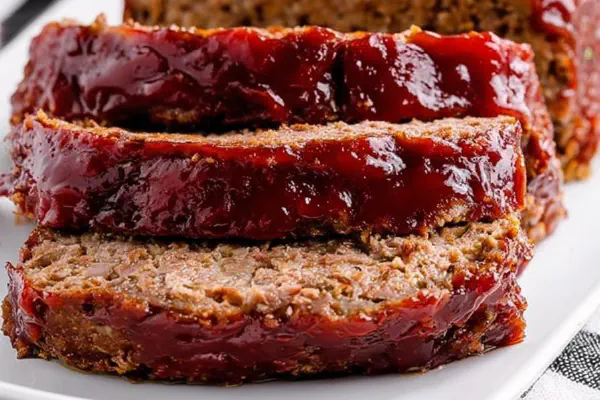
Air Fryer Meatloaf Remix
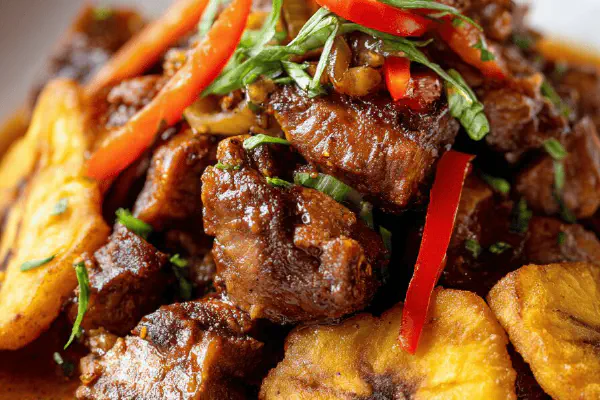
Twisted Griot du Agrikol
Chunky Strawberry Sauce
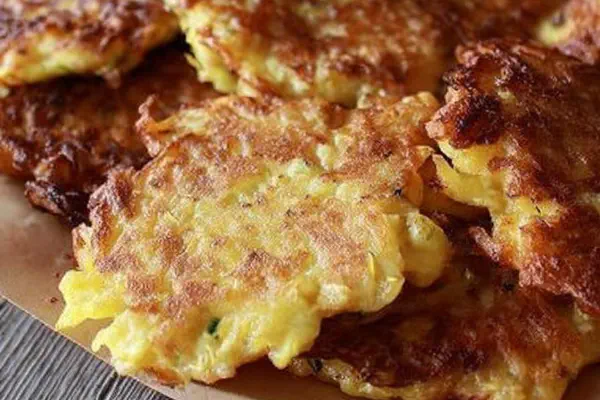
Zucchini-Corn Fritters
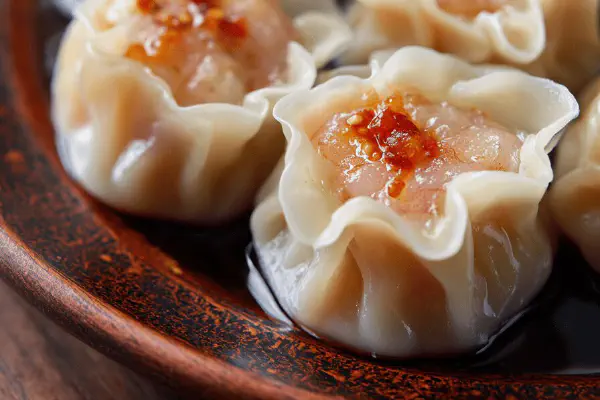
Shrimp Dim Sum
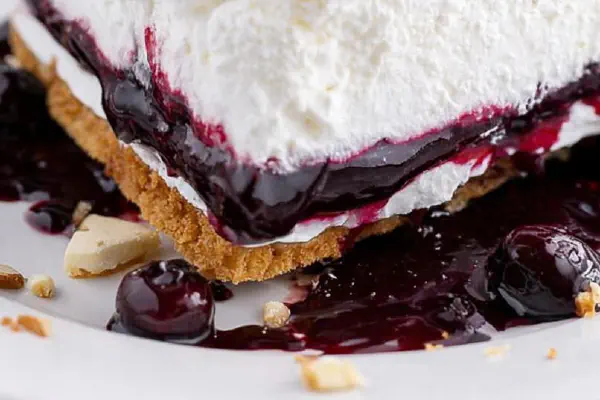
Blueberry Cream Crunch
Braised Beef Parmentier with Oka
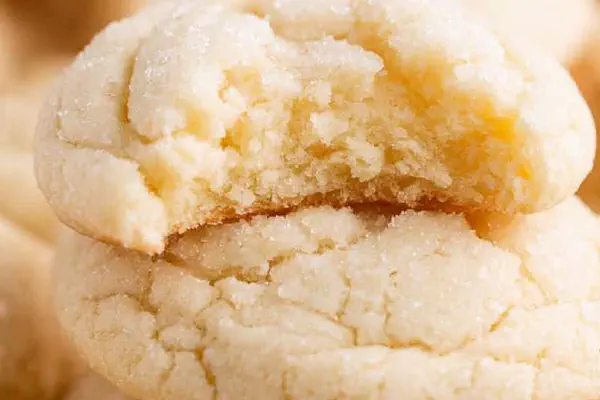
Amish Sugar Cookies Remix
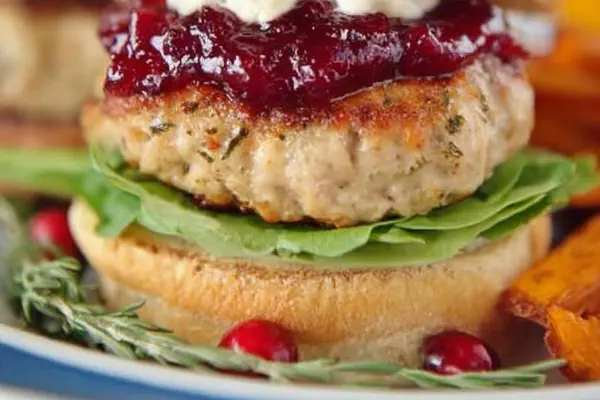
Turkey Burgers with Herbed Mayo
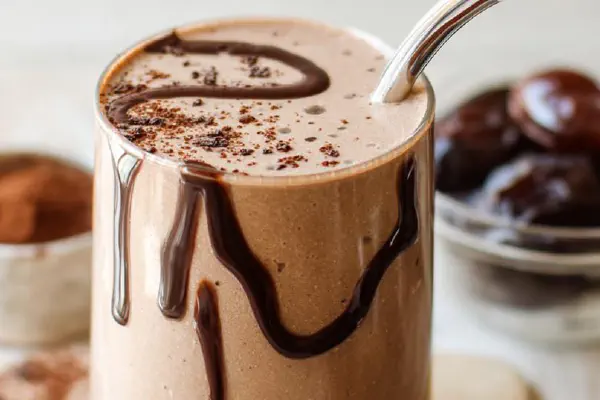
Dark Mocha Shake
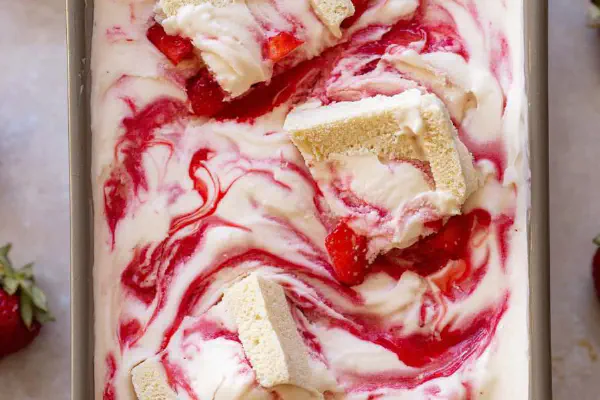
Strawberry Cheesecake Swirl Ice Cream

Dill Pickle Ranch Pretzels
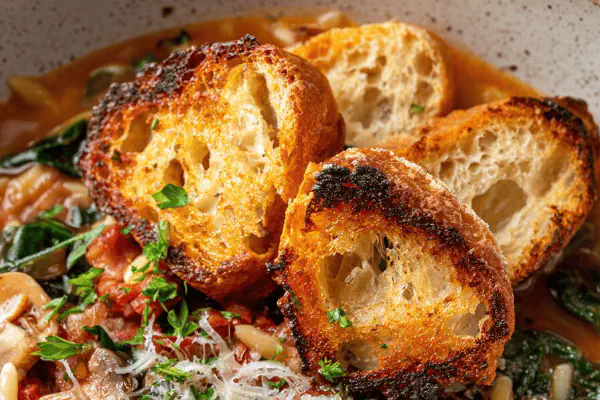
Swiss Chard & Orzo Soup
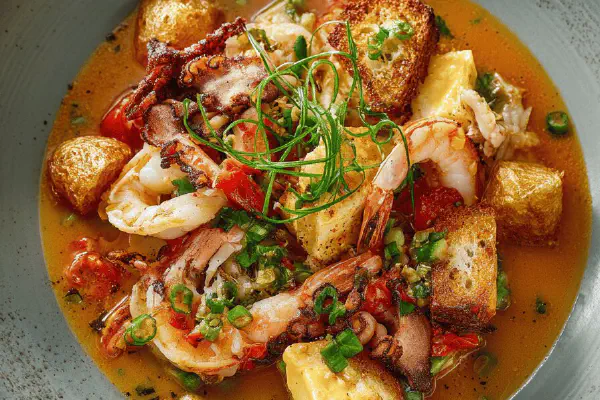
Rustic Bouillabaisse Variation

Air Fryer Churros Twist
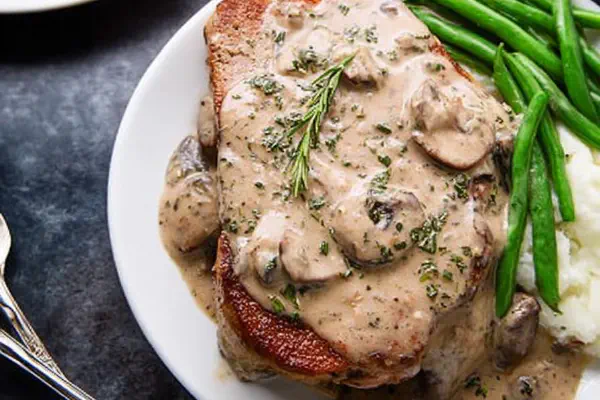
Creamy Slow Cooker Pork Chops
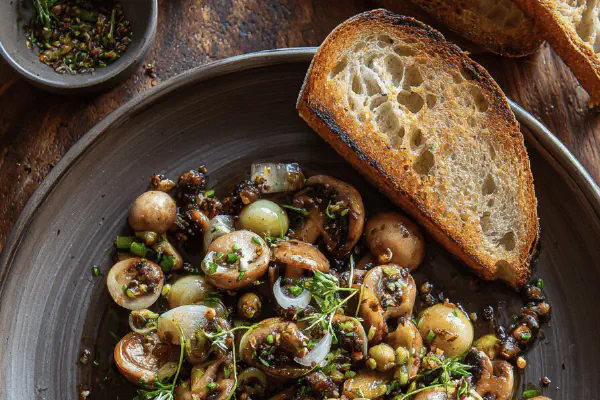
Mushroom Onion Marinade
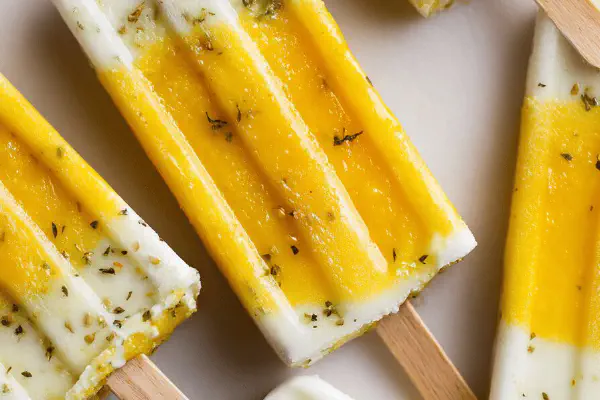
Coconut Mango Popsicles
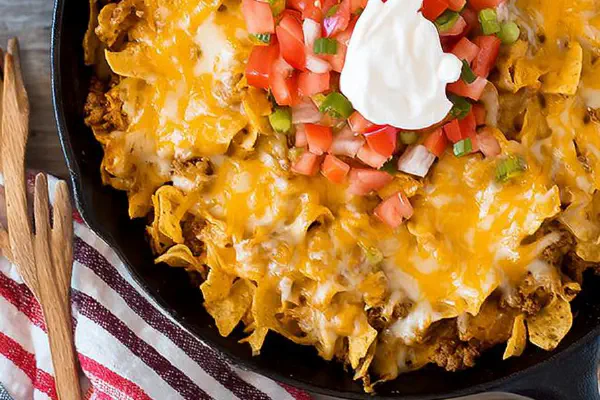
Zesty Beef Frito Pie
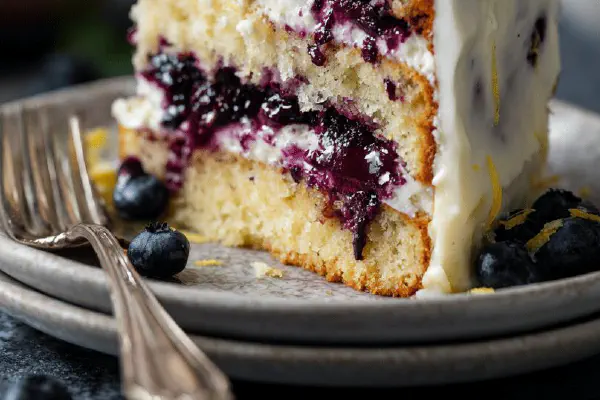
Blueberry Layer Cake
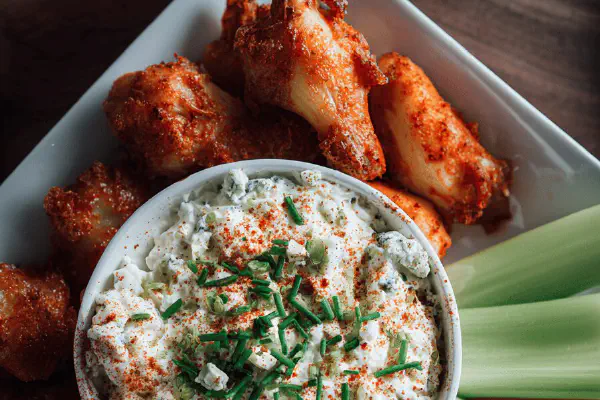
Blue Cheese Dip Remix

Cauliflower Cream Verrines
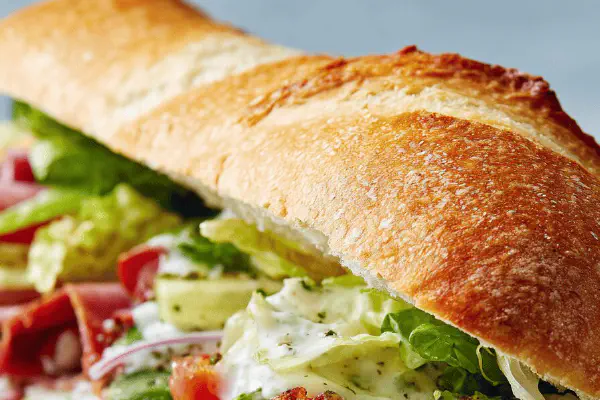
Italian-style subs

Cherry Cheesecake Cones Remix
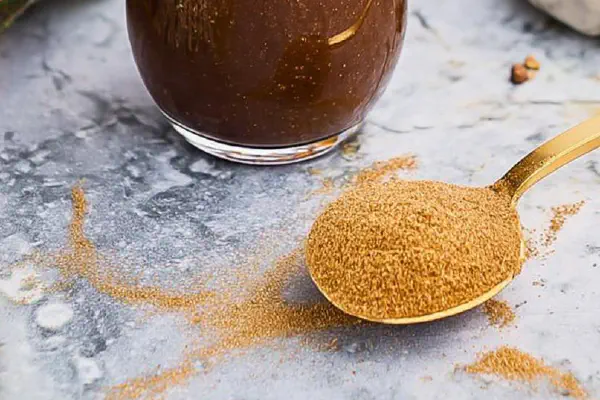
Pumpkin Spice Caramel Syrup
Salted Butter Caramel Spread
Twisted Cincinnati Chili