Featured Recipe
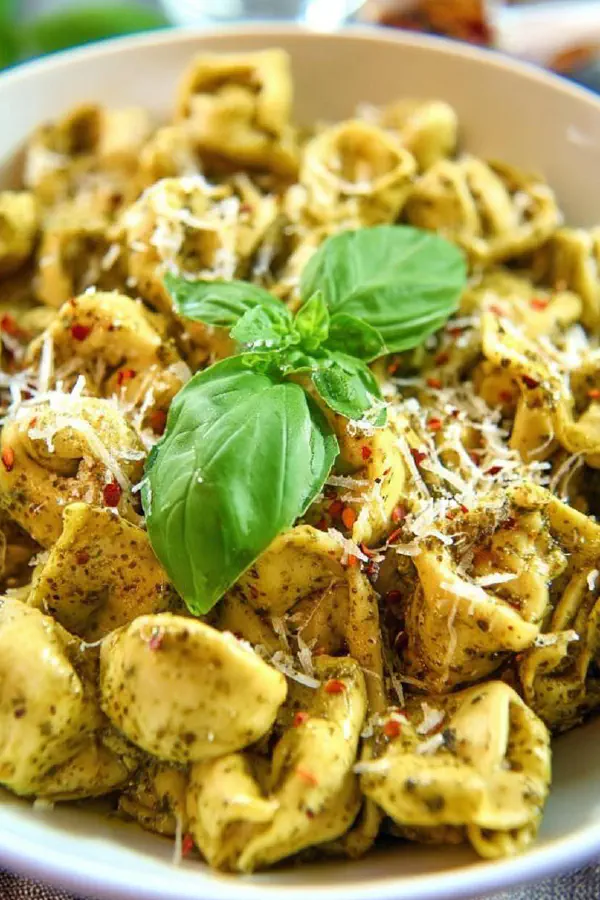
Spinach Ricotta Tortellini Pesto
By Kate
"
Cook spinach ricotta tortellini until it bites back—not mushy. Keep a cup of starchy pasta water close; thick sauce doesn’t always spread well. Swap pine nuts for toasted walnuts—cheaper, deeper flavor. Replacing asiago with pecorino sharpens bite; add fresh basil leaves for a fresher punch. Toss pesto gently over pasta on low heat, pine nuts first, cheese next. Loosen sauce with pasta water only if necessary. Watch texture; sauce should hug noodles. Crack black pepper on top, skip red flakes if sensitive. Timing relies on sauce warming through, no boiling. A quick finish; avoid overcooking or the cheese clumps up.
"
Prep:
7 min
Cook:
10 min
Total:
17 min
Serves:
6 servings
Italian-American
pasta
vegetarian
Introduction
Forget mushy pasta. Tortellini demands respect. Spinach ricotta provides creamy pockets in each bite, blossoms between herbaceous pesto and the woody crunch of walnuts. Swapping pine nuts saves money without sacrificing that oily richness; toasted walnuts add complexity and aroma under your nose. Pecorino, not asiago, bites sharper with salty tang that cuts richness like a knife through butter. Basil explodes freshness, breaks through the dense sauce. Keep pasta water handy; starch is your friend—thins the sauce just enough but no drowning allowed. Watch the skillet temp; low heat or cheese clumps. Toss gently or goodbye tortellini shapes. Finish with cracked pepper and pecorino flakes. Perfectly unpolished. Real kitchen magic.
Ingredients
In The Same Category · Noodle Dishes
Explore all →
Rustic Homemade Pici
Chicken Veggie Stir-Fry
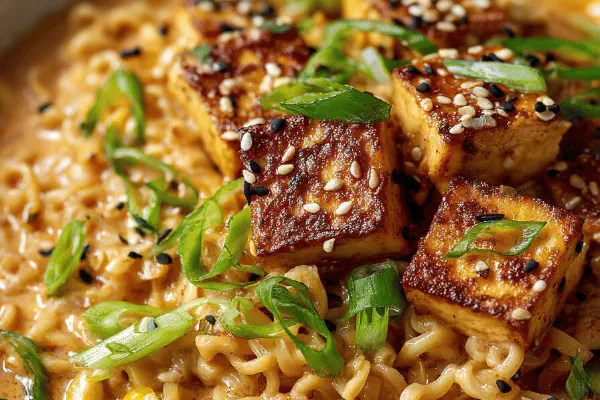
Creamy Red Curry Ramen
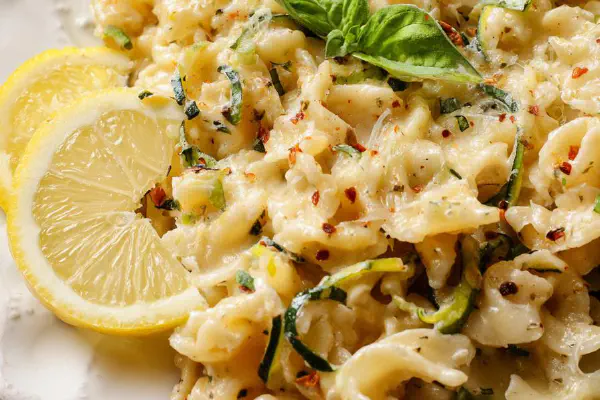
Zucchini Lemon Fettuccine
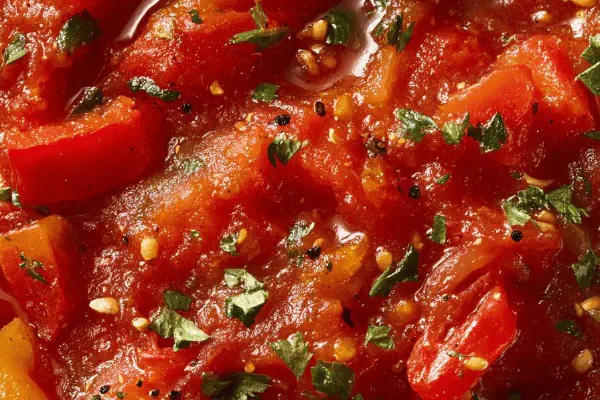
Chunky Tomato Sauce Twist
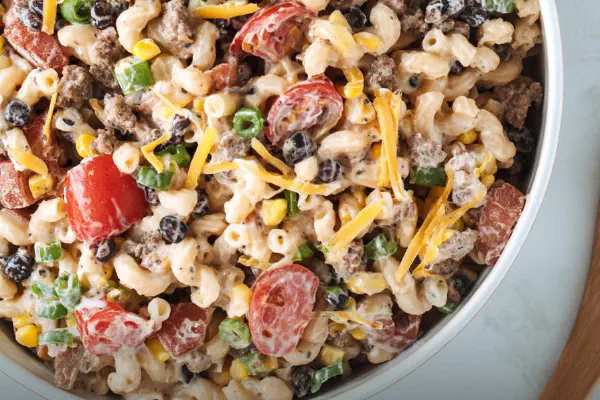
Spiced Cowboy Pasta Salad
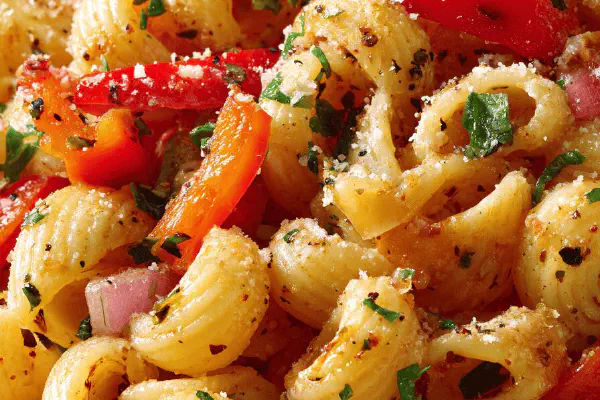
Pasta Salad with Pepperonata Twist
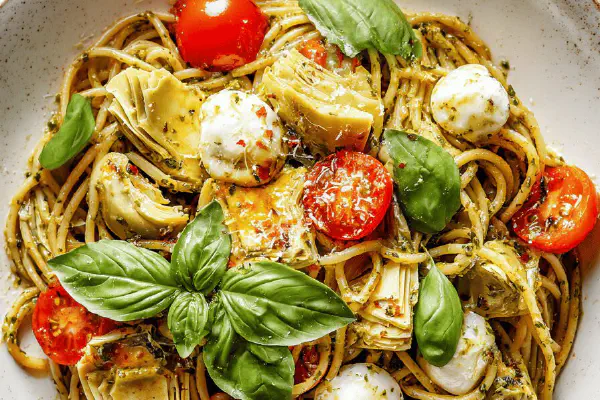
Spaghetti with Pesto Artichokes
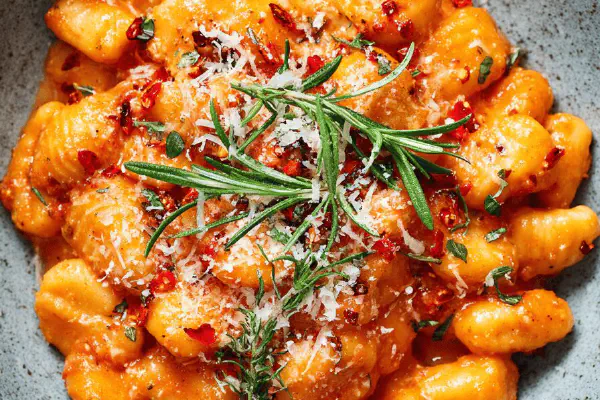
Rosemary Pink Sauce
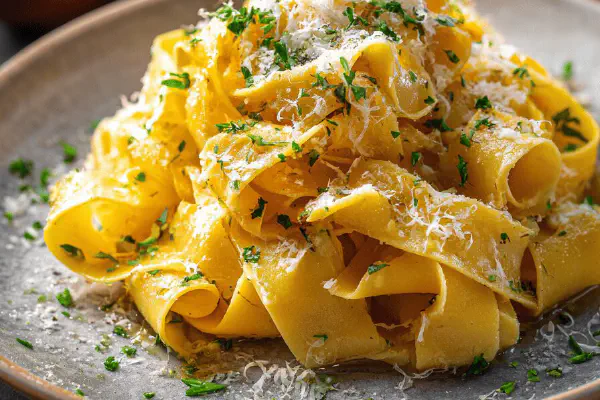
Fresh Handmade Pasta
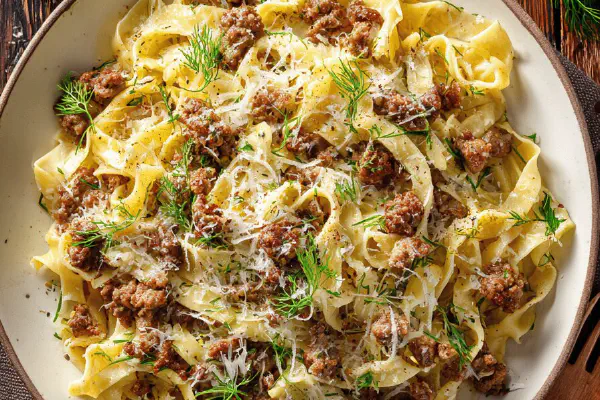
Egg Noodles with Spiced Lamb
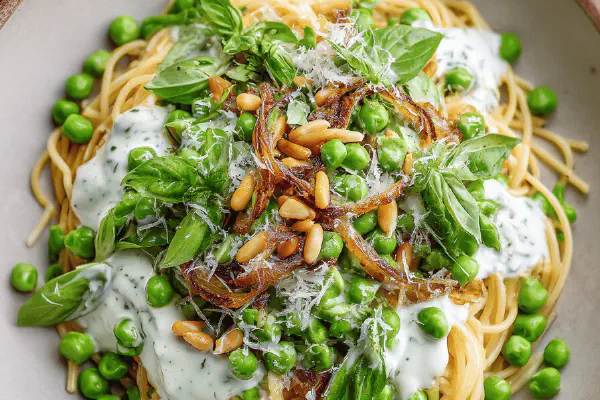
Spaghettis petits pois basilic twist
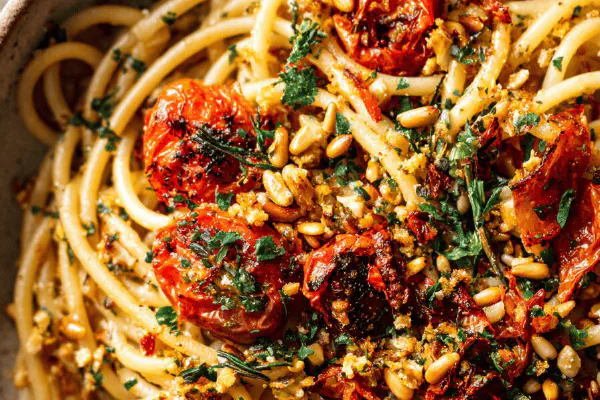
Cherry Tomato Pasta Gremolata
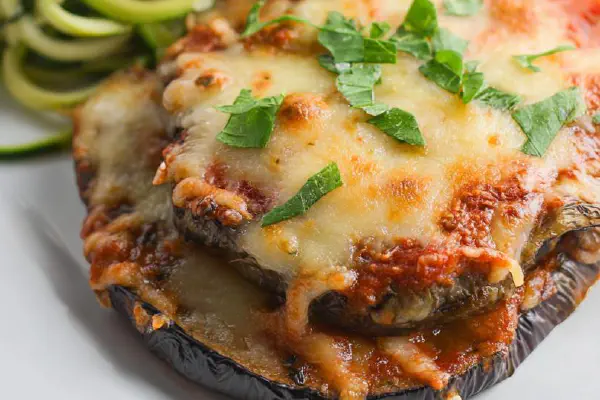
Low Carb Eggplant Parm Zoodles
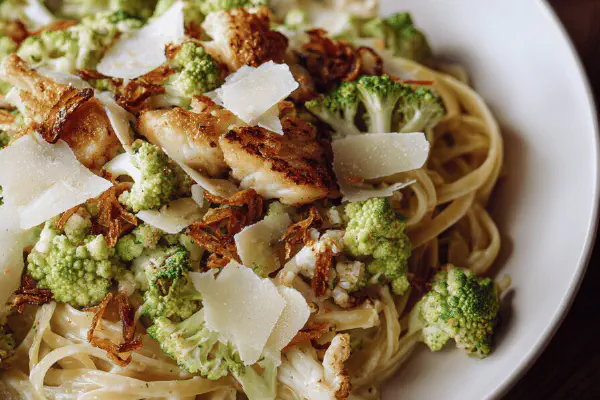
Garlic Cream Linguines Twist
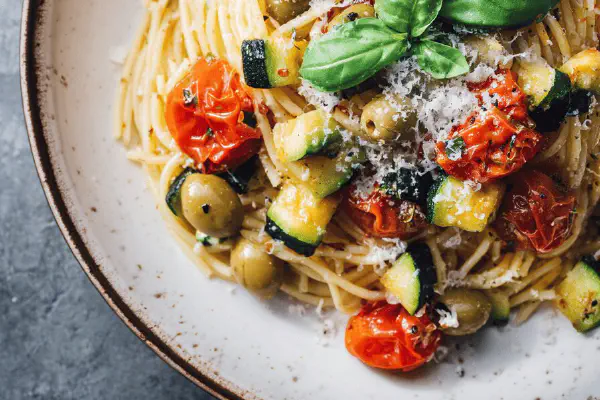
Cherry Tomato Zucchini Spaghetti
Stuffed Heirloom Tomatoes
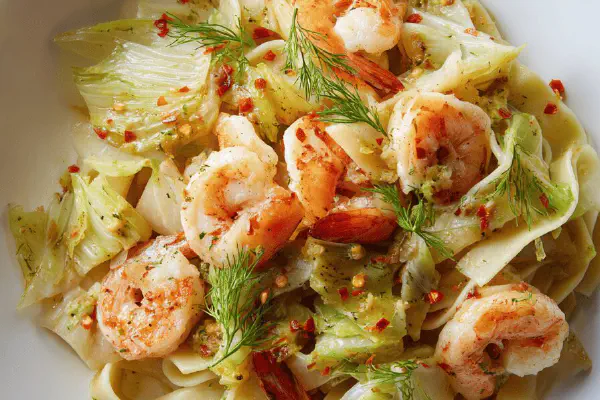
Shrimp Fennel Tagliatelle
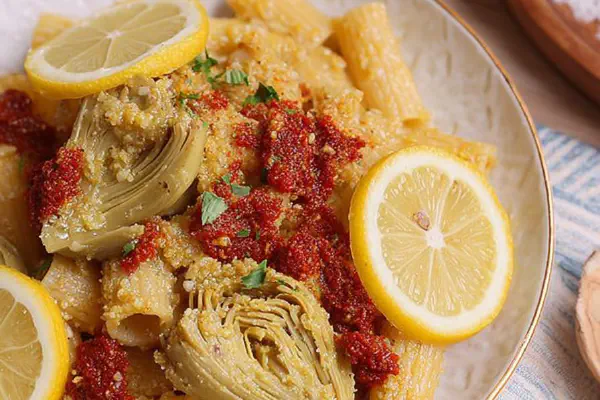
Zesty Artichoke Pesto Pasta
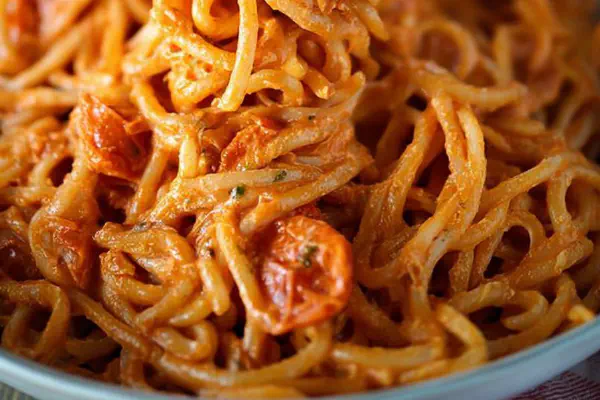
Tomato Garlic Cream Pasta
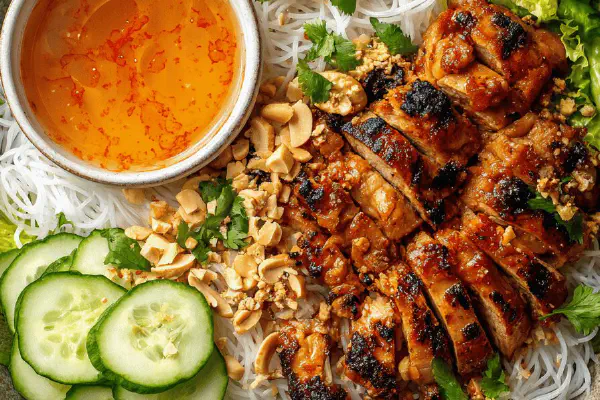
Vietnamese Grilled Chicken
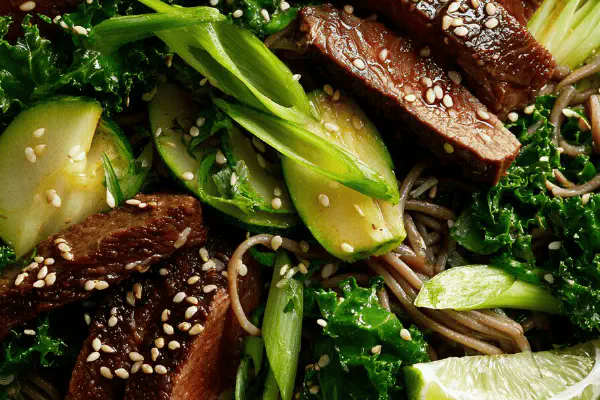
Soba Noodle Beef Salad Air Fryer
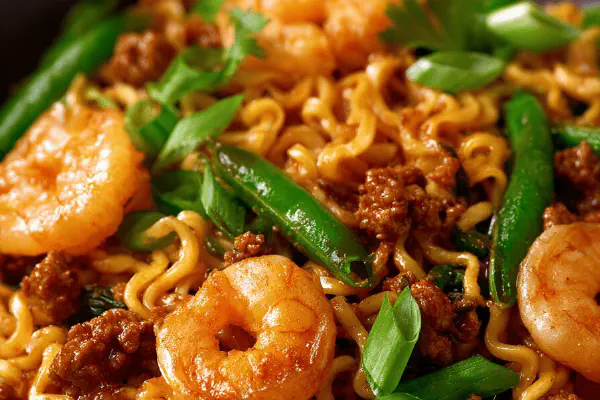
Spicy Pork Shrimp Ramen
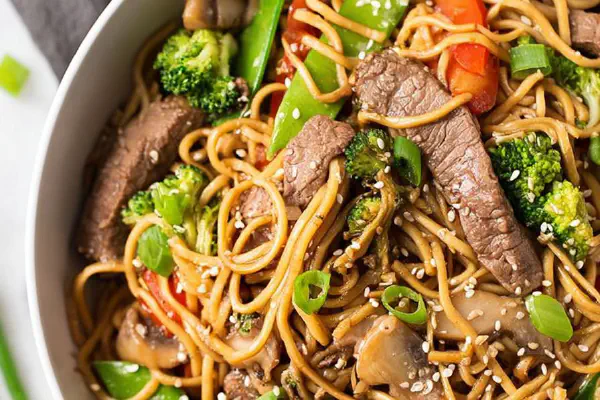
Beef Lo Mein Remix
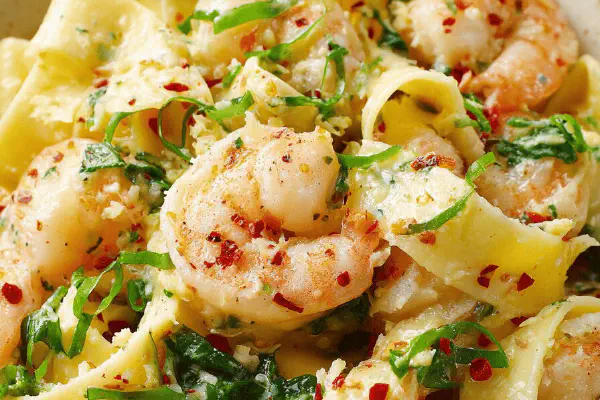
Lemon Shrimp Pappardelle Twist
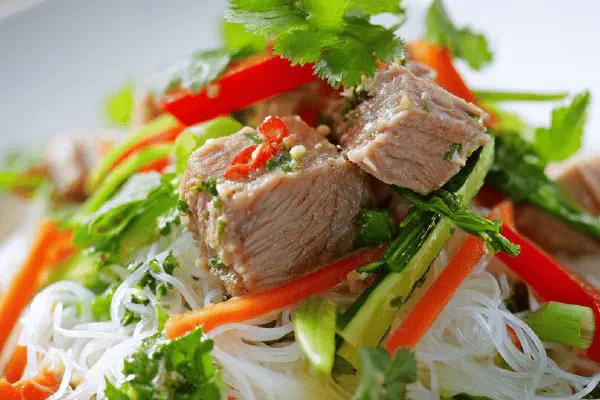
Spicy Tuna Vermicelli Salad
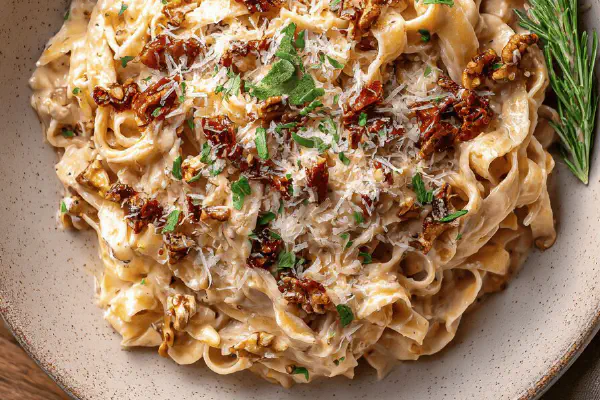
Walnut Cream Tagliatelle Remix
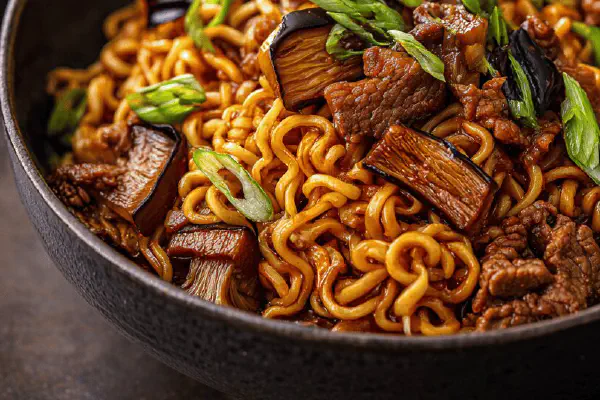
Beef Ramen Bowls with Eggplant & King Oyster Mushrooms
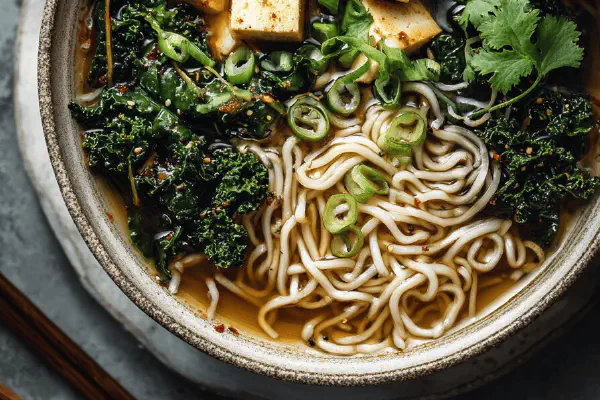
Tofu Kale Broth
About the ingredients
Start with good quality tortellini—fresh if you can find it. Spinach ricotta blends creaminess with earthy notes. Pesto homemade or store-bought works, but check salt levels first. Toast walnuts on medium heat until fragrant but not smoking—burnt nuts will ruin the dish. Pecorino romano has sharper salt kick than asiago’s gentle nuttiness—adjust amounts if you want less salt. Fresh basil chopped last minute brings that green vibrancy missing from jars. Reserve pasta water before draining; that starch-rich fluid is your control knob for sauce thickness. Skip washed pasta; you want the starch clinging to your tortellini, not rinsed off.
Method
Technique Tips
Pasta timing is a sensory game. Listen to the water bubbling, watch tortellini float when almost ready. Bite test wins every time; no clocks. After draining, return tortellini to the warm pot instead of cold bowl to avoid cooling that makes sauce adherence tough. Warm pesto gently; high heat kills basil flavor and turns cheese grainy. Toast nuts separately or toss in warm pesto to release oils slowly—don’t burn or they taste bitter. Add cheese gradually—half in sauce build-up, half as topping for texture contrast. Use pasta water sparingly; better to add a teaspoon than a cup at once. Toss gently to avoid tearing pasta sealed by thin dough skin. Serve hot. Overcooked tortellini breaks apart and cheese clumps—watch tightly. If leftovers, add water when reheating to restore creamy texture but never microwave dry pasta. Always taste and adjust salt and pepper before serving.
Chef's Notes
- 💡 Use fresh tortellini if possible. Frozen works fine but fresh holds more flavor. Achieve that bite without mushiness. Keep water boiling, not a simmer. Salt your water; it’s the only chance to season pasta. Watch boil; add tortellini gently. Too rough? Breakage follows.
- 💡 Pasta timing involves taste testing; poke and bite. If it floats, check for firmness. Drain but don’t rinse; starch helps sauce cling. Save the pasta water to adjust sauce consistency. Too thick? Add a splash to loosen. Too watery? Watch closely.
- 💡 When heating pesto, low heat only. Boiling ruins basil flavor and turns cheese into clumps. Toss in walnuts first for maximum aroma. Want more depth? Toast walnuts separately, nicer crunch. Pecorino—sharp bite; asiago is different—adjust based on preference.
- 💡 Toss gently in the skillet. No tearing; preserve pasta form. Herbs chopped at last moment deliver that green punch. Too much heat? Risk separation. Topping with cheese at the end adds texture contrast. Remember; don’t let pasta sit too long in sauce.
- 💡 For leftovers, add a splash of reserved pasta water when reheating. Avoid the microwave completely; it'll dry them out. If sauce separates, whisk in water for creaminess. Adjust seasoning after reheating. Bite test? Always crucial.
Kitchen Wisdom
How to tell if tortellini is done?
Watch for them floating. Bite one; it should have a firm bite. Poke and test carefully. Don't rely only on time; every batch varies.
What can I substitute for pecorino?
Parmesan works; try nutritional yeast for a vegan route. For creaminess, add brined feta instead. Adjust salting depending on cheese choice.
Why is my sauce too thick?
Add reserved pasta water slowly; easily thin it out without drowning. Too little water? Start again with small increments; better control.
Can I store leftover pesto pasta?
Yes, refrigerate tightly covered. To reheat, splash with water; stir continuously. No pasty textures. Can freeze too, but separate components is better.
You’ll Love These Too
Explore all →
Brown Butter Oat Cookies
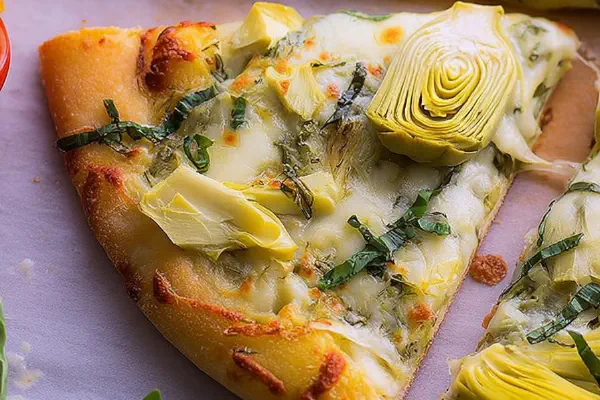
Cheesy Spinach Artichoke Pizza
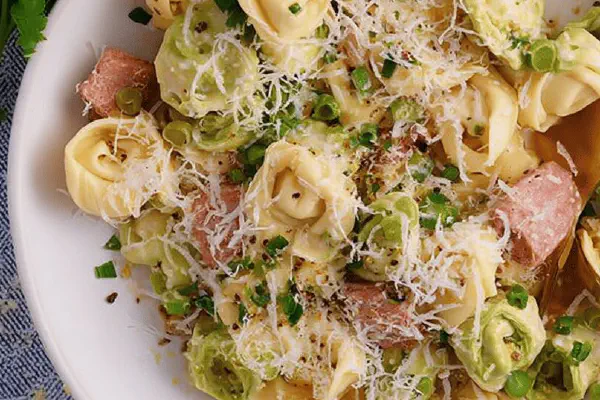
Creamy Tortellini Ham

Smoked Meat BBQ Pizza
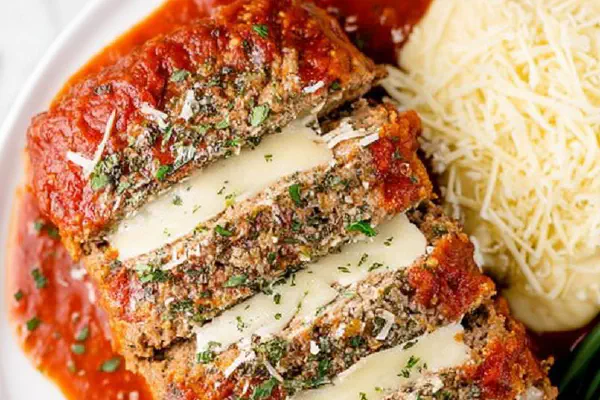
Italian Style Meatloaf Twist

Peanut Butter Lava Cookies

Cinnamon Swirl Pancakes
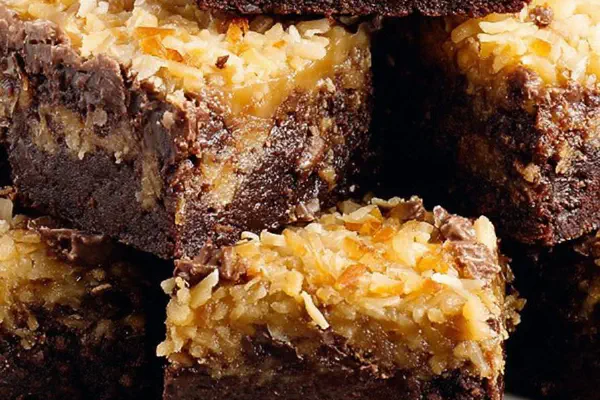
Twisted German Choco Brownies
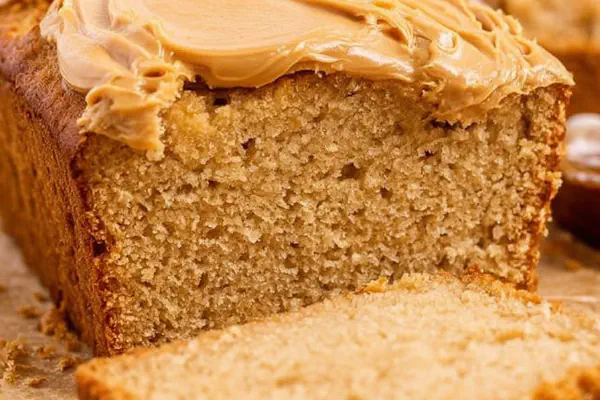
Rustic Peanut Butter Loaf
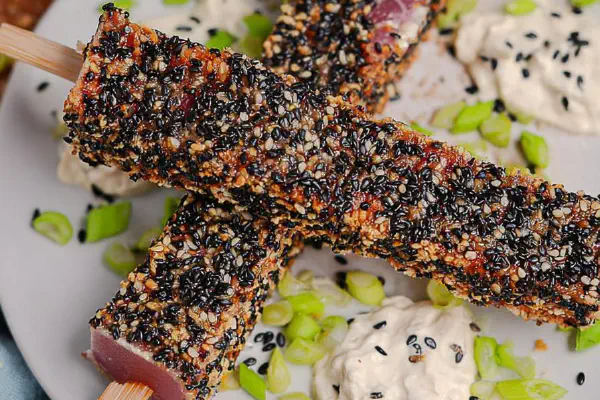
Sesame Crusted Tuna Twist

Cinnamon Whiskey Truffles

Pumpkin Spice Donut Bites
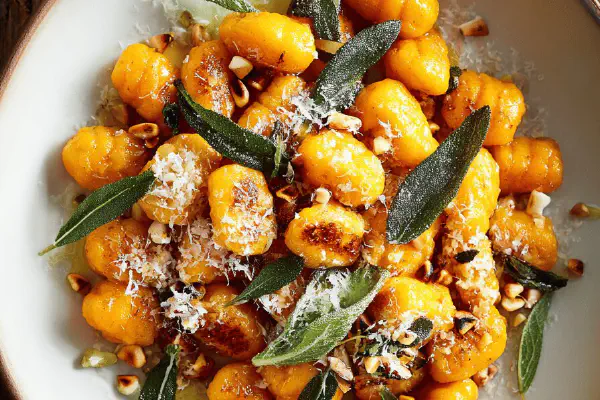
Gluten-Free Gnocchi Sage Butter
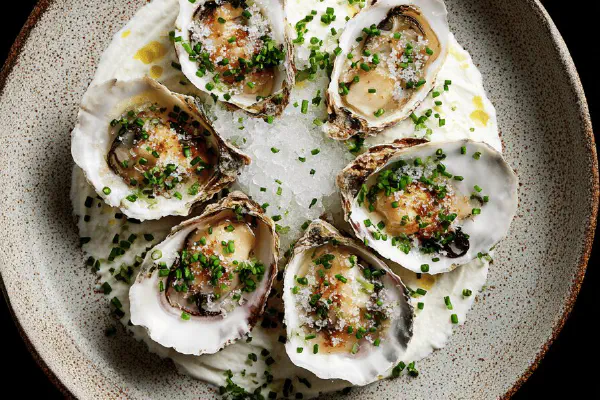
Fresh Oysters with Shallot Foam
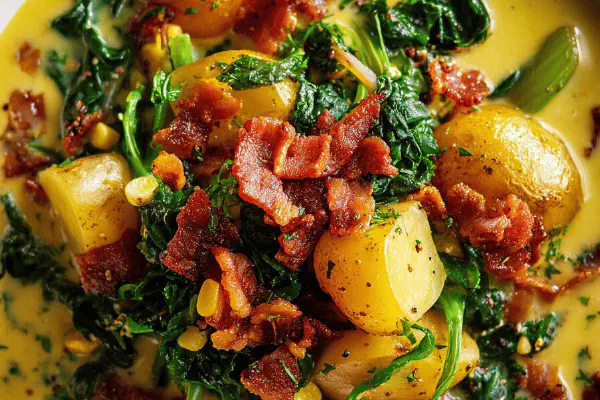
Potato Leek Corn Soup
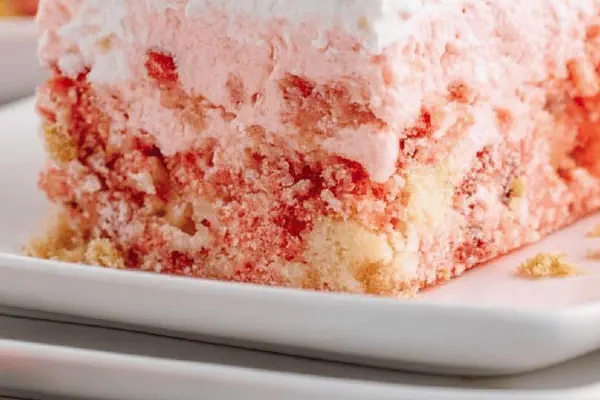
Strawberry Crunch Cake Remix
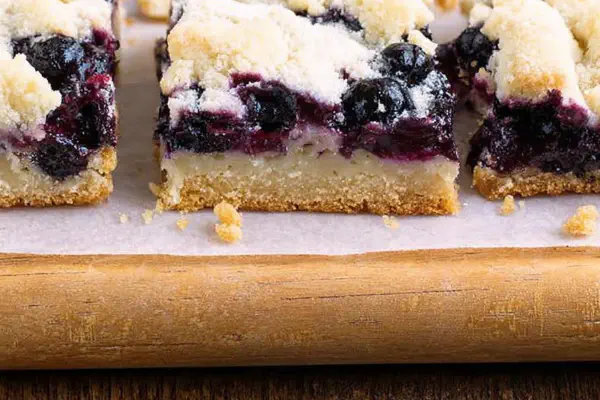
Blueberry Cake Bars Twist
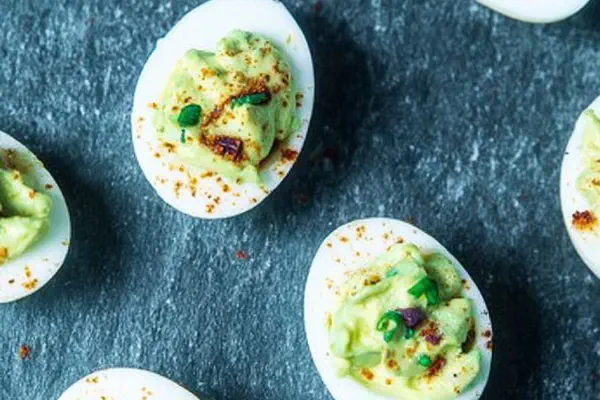
Twisted Avocado Deviled Eggs
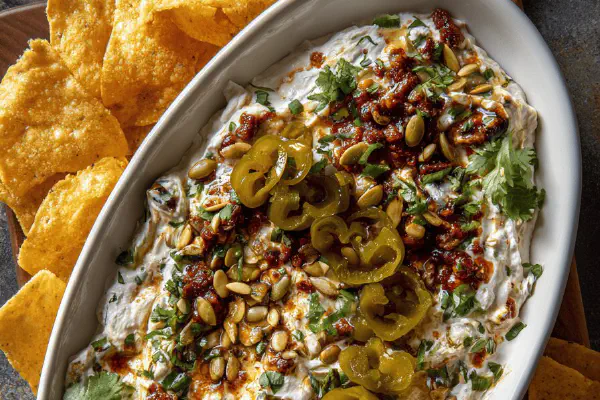
Chorizo Cream Cheese Dip
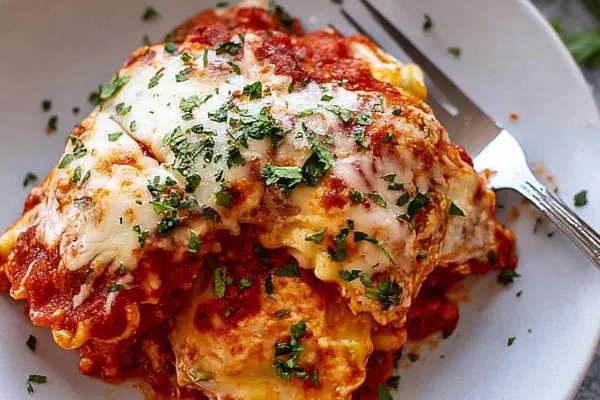
Turkey Ravioli Bake
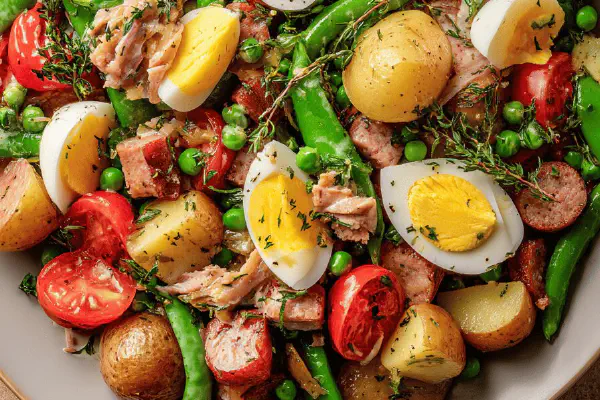
Egg Pea Potato Salad
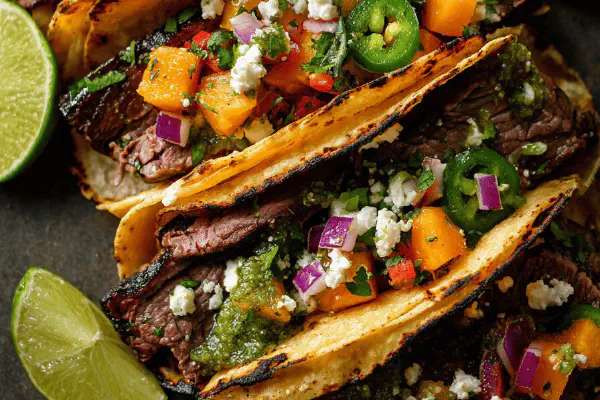
Grilled Beef Melon Tacos
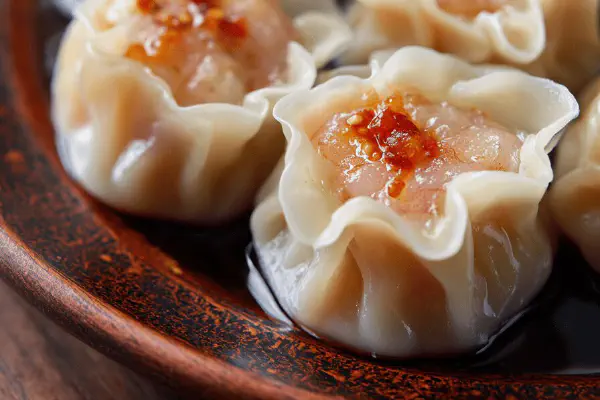
Shrimp Dim Sum
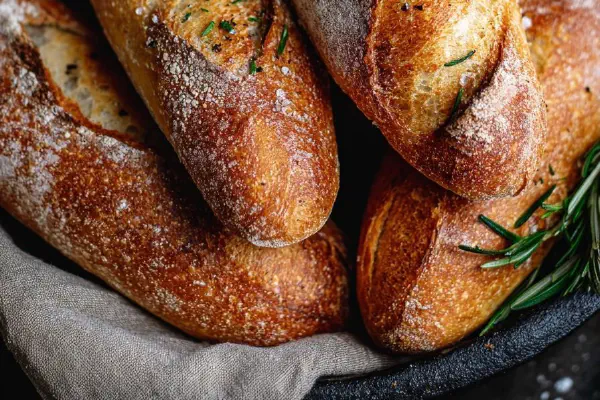
Rustic French Baguettes
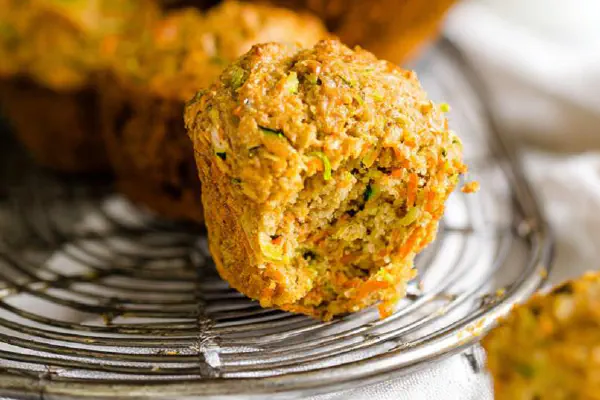
Zucchini Carrot Muffins
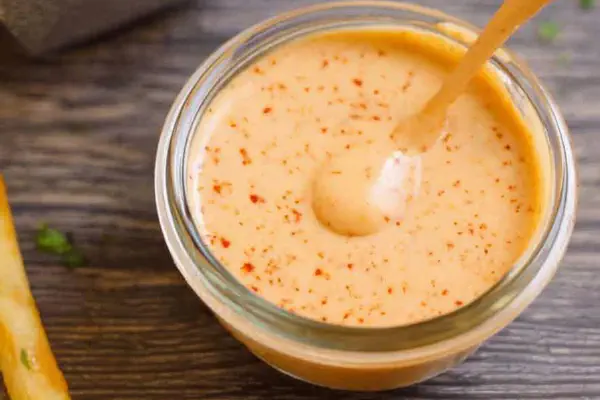
Twisted Fry Sauce
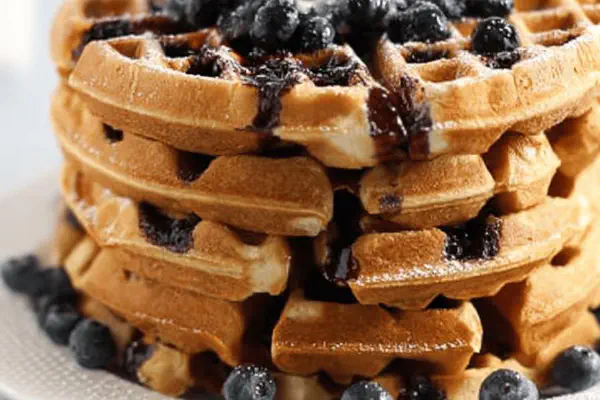
Blueberry Butter Waffles
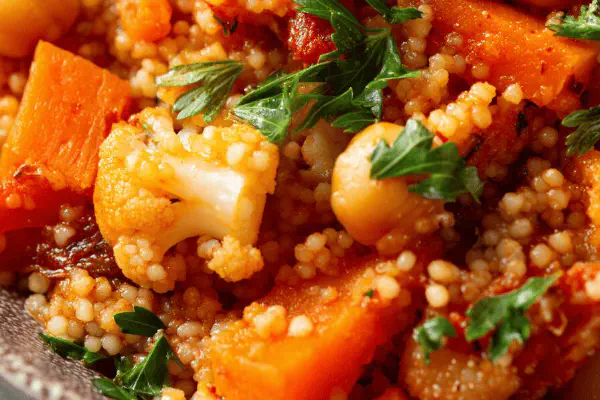
Cauliflower Couscous Stew

Citrus Syrup Remix
