Featured Recipe
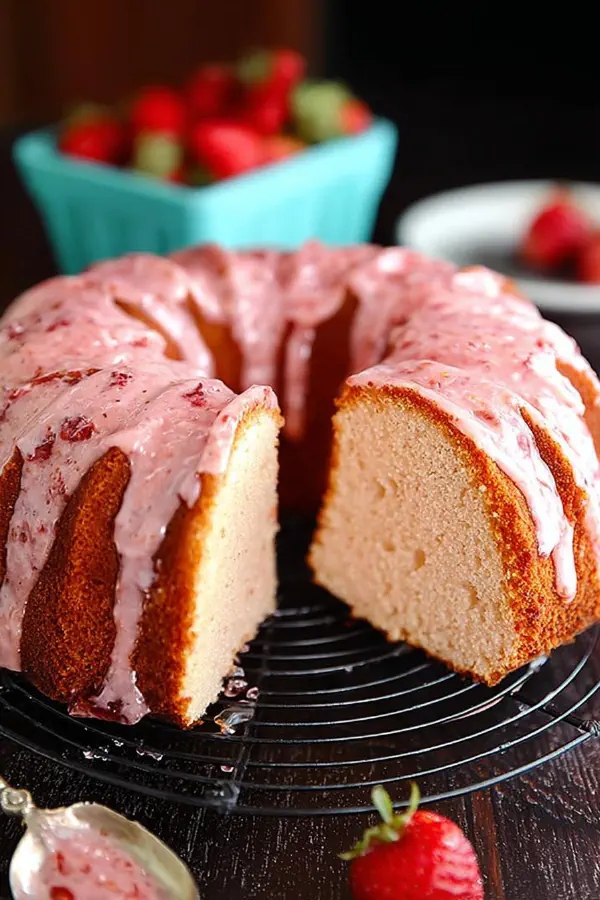
Strawberry Jam Pound Cake Remix
By Kate
"
Dense, rich pound cake swirled with fresh and cooked strawberry components. Combines fresh strawberry puree and diluted strawberry preserves for moisture and flavor. Uses a Bundt pan starting cold oven method to promote even rising. Incorporates vegetable oil instead of shortening for subtle softness, while swapping lemon extract for almond for a nutty layer. Slightly reduced sugar, boosted vanilla, and added a pinch of baking powder to lighten crumb. Glaze with powdered sugar, fresh strawberry puree, and lemon zest for a tangy finish.
"
Prep:
25 min
Cook:
1h 15min
Total:
1h 40min
Serves:
12 servings
cake
dessert
strawberry
Bundt
American
Introduction
Strawberries mashed and jam liquefied. Cake batter, slippery and thick, carrying fresh and cooked berry flavors deep inside moist crumb. No preheated oven—start cold. Bundt pan prepped, slick with butter, dusted in flour. Butter and vegetable oil whip white and creamy, sugar dissolving with friction. Eggs fold in, one by precious one, ensuring emulsification. Flour and strawberry puree folded alternately, mixing the dry and wet in layers. Melting jam brings jelly sweetness and color, enriched by vanilla and almond extracts layering fragrance. Bake slow, steady. Toothpick comes out clean but crumb still moist. Glaze tart with zest. Fresh, practical, kitchen-tested cake. Pull out your Bundt pan. Let strawberries speak.
Ingredients
In The Same Category · Sweet Treats
Explore all →
Light Yogurt Mousse with Fruit Salad
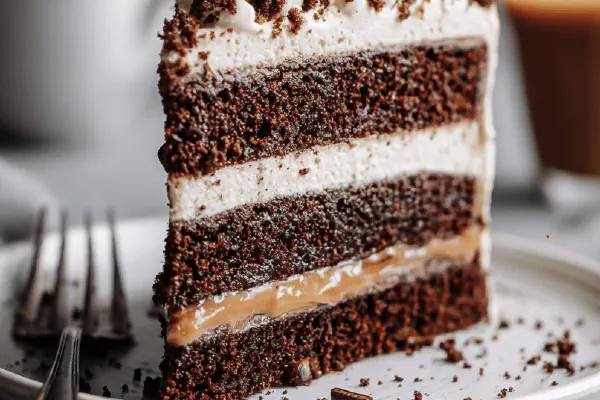
Chocolate Caramel Buttercream Cake
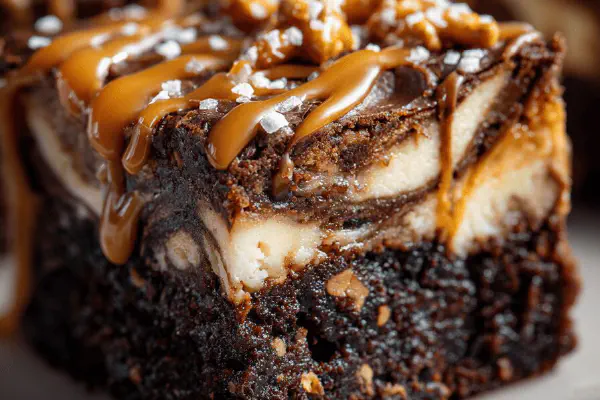
Peanut Butter Swirl Brownies
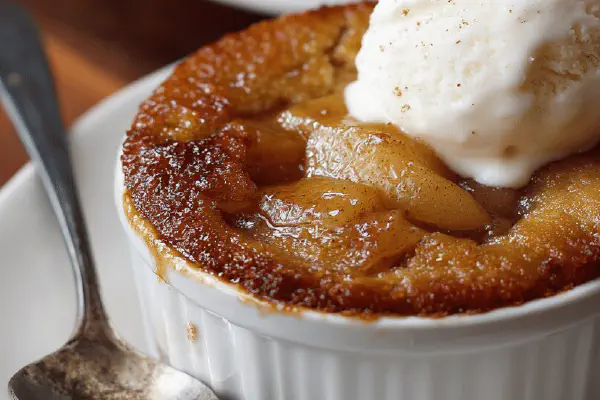
Apple Puddings Air Fryer
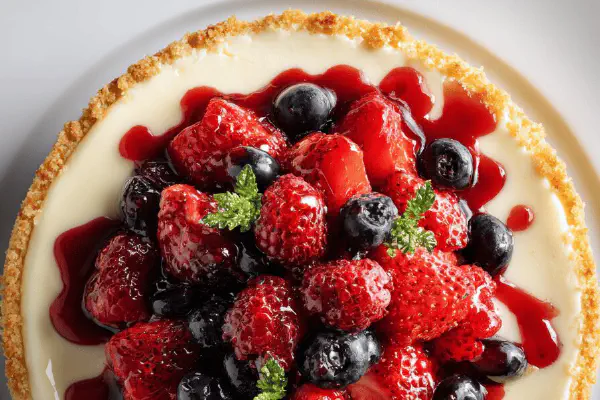
Lower Fat Cheesecake with Almond Crust
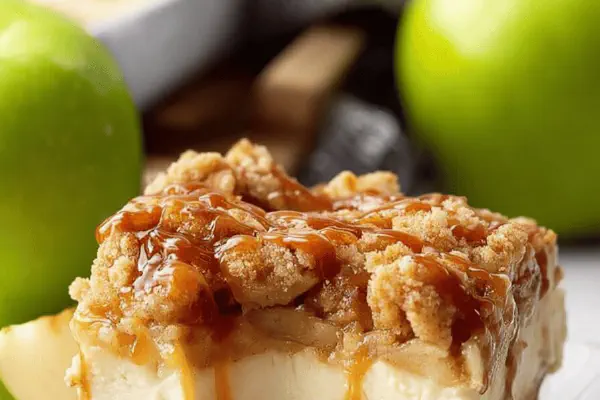
Apple Cream Cheese Bars
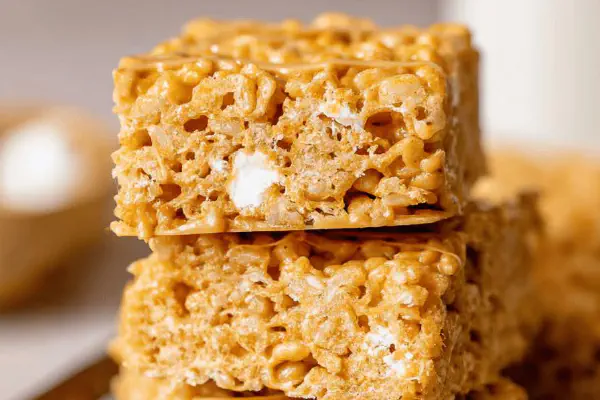
Brown Butter Nutty Crispy Bars
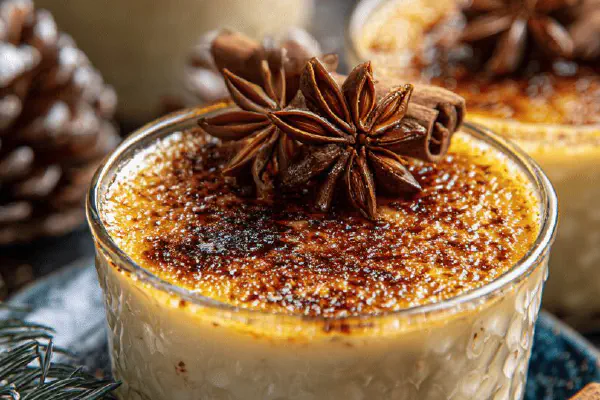
Spiced Rum Eggnog Crème Brûlée
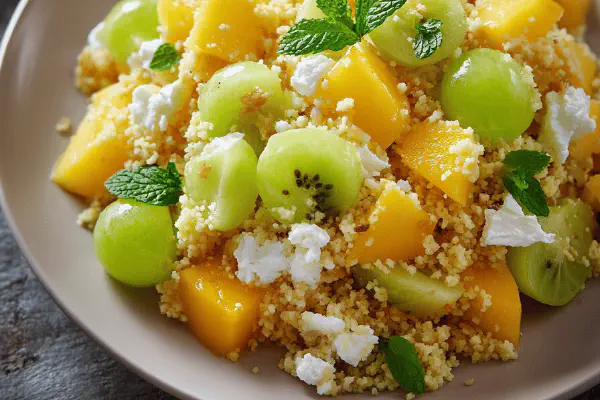
Couscous Fruit Salad Remix
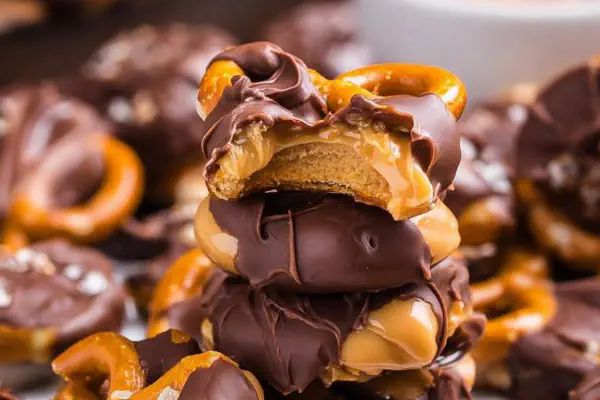
Peanut Butter Pretzel Nuggets

Holiday Almond Shortbread
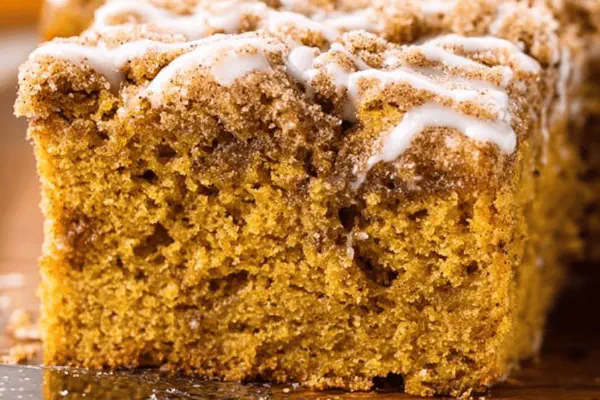
Twist Pumpkin Coffee Cake
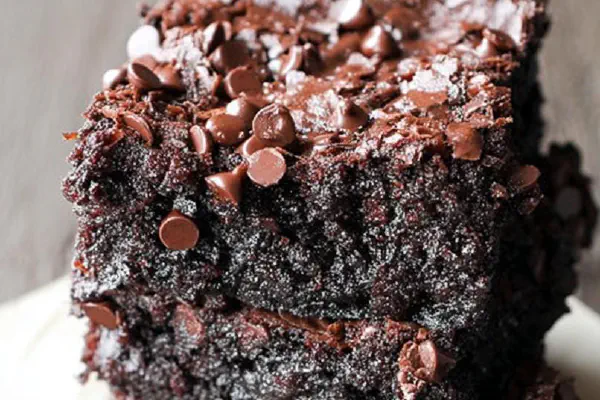
Condensed Milk Chip Brownies
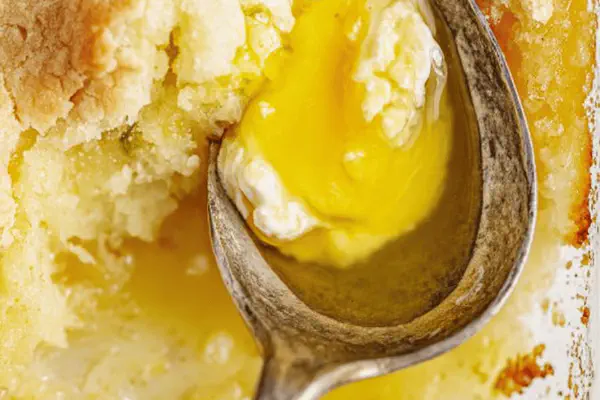
Lemon Cream Cheese Dump Cake
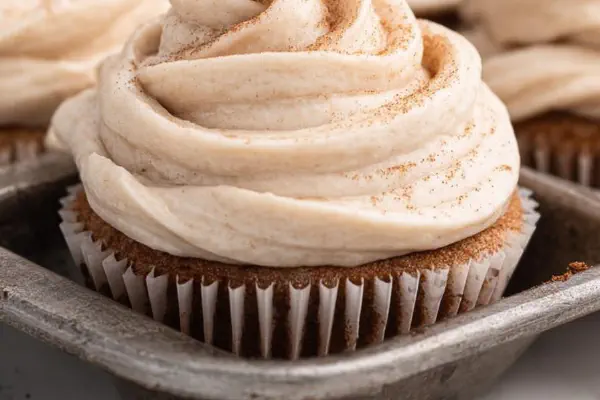
Spiced Cream Cheese Frosting
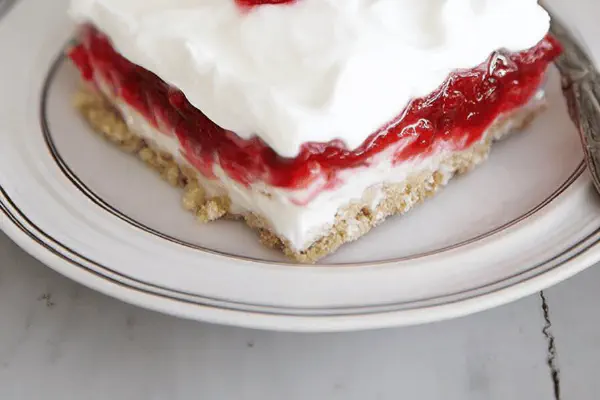
Strawberry Cream Bars
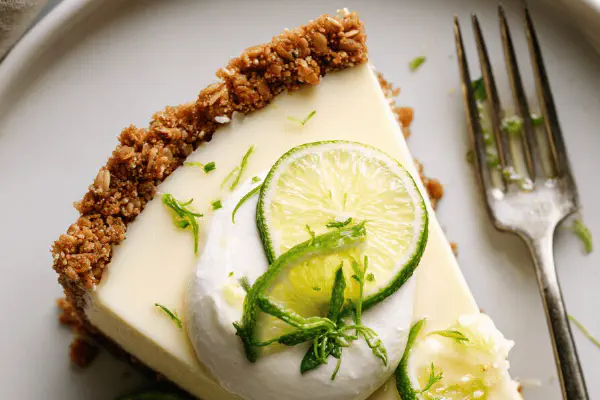
Classic Cheesecake Remix
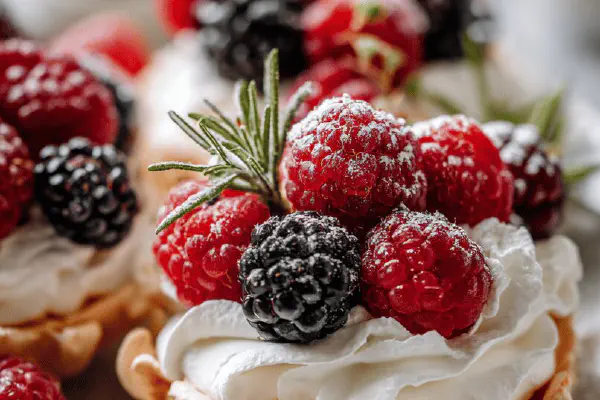
Berry Meringue Nests
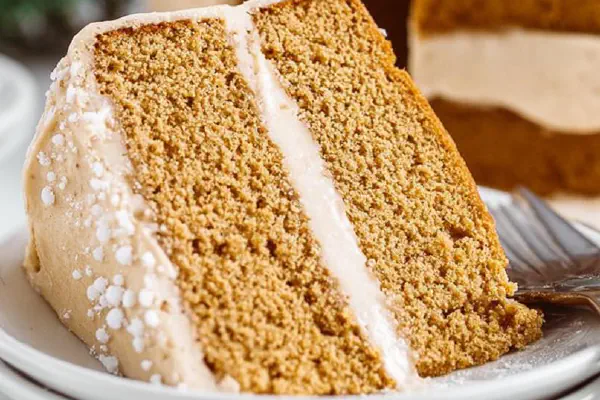
Spiced Molasses Cake
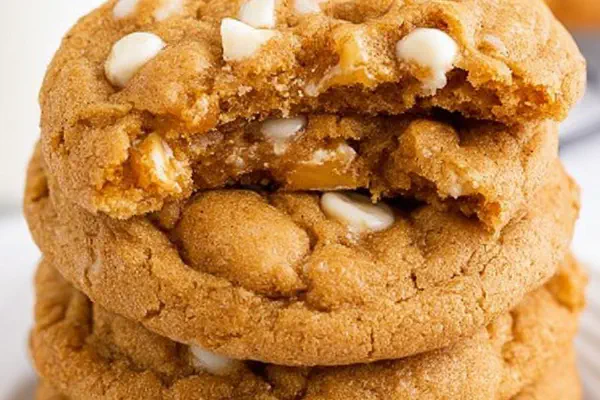
Spiced Pumpkin White Chocolate Cookies
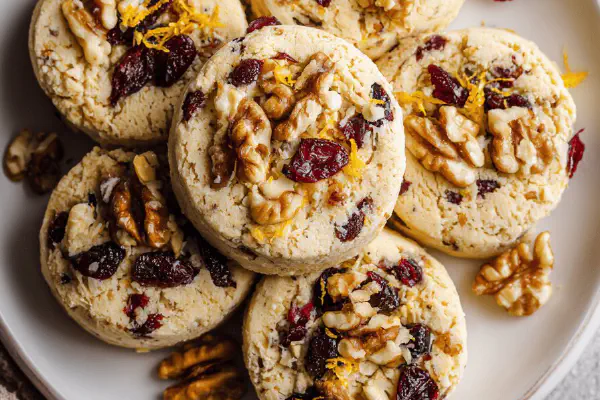
Freezer Pecan Cookies
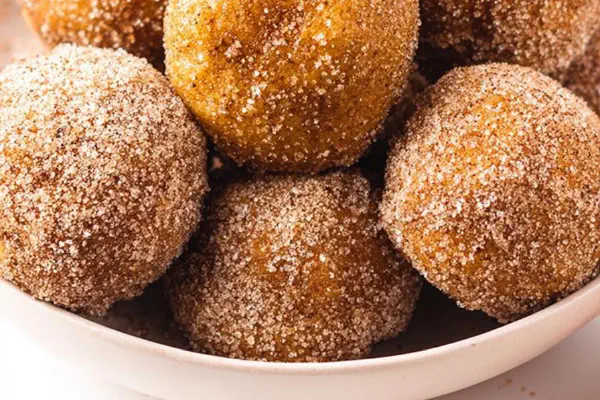
Pumpkin Spice Donut Bites
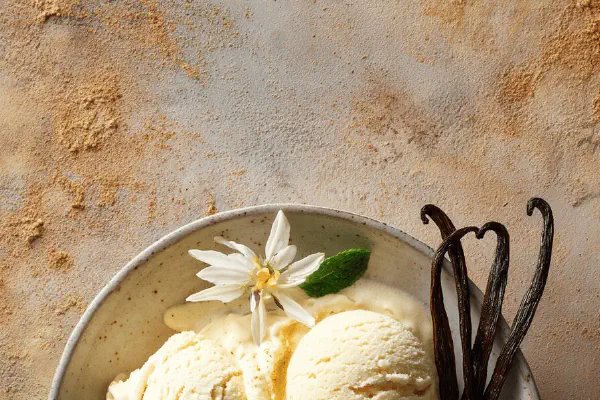
Vanilla Bean Ice Cream Twist
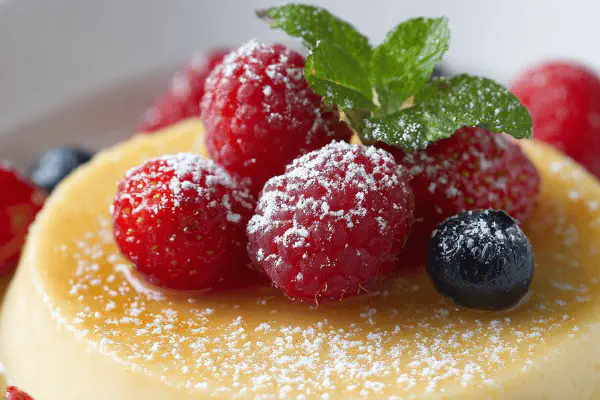
Vanilla Custard with a Twist
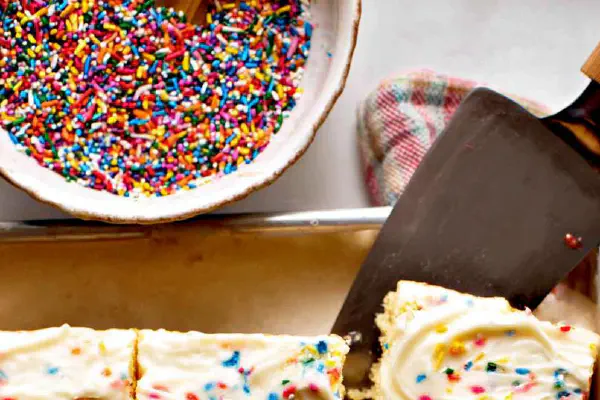
Confetti Sheet Cake Remix

Crunchy Cinnamon Apple Fries
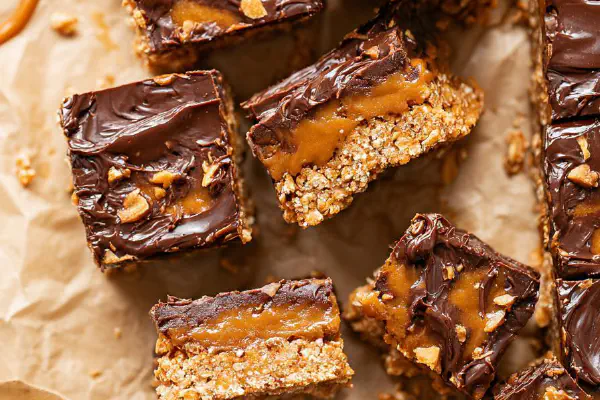
Biscoff Scotcheroos Remix

Chunky Pineapple Cream Ice
Skillet Fruit Cake Twist
About the ingredients
Using vegetable oil versus shortening gives a softer, less dense crumb, though traditional recipes use shortening for structure. Almond extract replaces lemon for a subtle nutty aroma to play off strawberries. Baking powder added sparingly here helps counterweight the typical density of a pound cake. Measuring flour correctly matters—spooning and leveling prevent a gummy cake. Jam must be gently melted just to liquefy, avoid overheating which dulls bright flavor and thickens messily. Fresh strawberry puree adds freshness; jam adds concentrated berry sweetness and moisture. Glaze uses lemon zest for tang instead of original lemon extract to brighten and balance rich sweetness, stirring until coarse powder melts into glaze—this takes patience.
Method
Technique Tips
Skipping preheating means slower oven heat rise, letting the cake warm gradually for less cracking and a tender crumb. Cold oven start requires patience—don’t open door too early or often or risk collapse. Creaming butter, oil, and sugar thoroughly incorporates air, the foundation of rise. Adding eggs slowly maintains emulsion; rushing leads to curdling. Alternating flour and puree mixes dry and wet evenly without overmixing, which tightens gluten and toughens cake. Melted jam adds berry flavor deeply; cooled to lukewarm to preserve egg structure in batter. Baking at 325°F steady heat ensures caramelization without drying. Testing for doneness by toothpick is standard but watch for moist crumbs; too dry means overbaked. Cooling briefly in pan helps cake hold shape; fully cool before glazing so glaze won’t run off.
Chef's Notes
- 💡 Use ripe strawberries. Freshness matters for the puree. Mash well. Jam must be warmed, but not boiling. Liquefy just enough; avoid deep cooking.
- 💡 When creaming butter, vegetable oil, and sugar, keep beating till light. Air is key for rise. Don't rush adding eggs. One at a time; mix well.
- 💡 Ensuring flour is fluffed before spooning helps. Sifting with baking powder is not just a step. It aerates flour; crucial for lightness.
- 💡 Alternating adding flour and puree keep the batter from overmixing. Prevents tough texture that can ruin. Just mix until combined. Finished looks thick.
- 💡 Baking in cold oven; 320 to 330°F. Helps prevent cracking. You want gradual heat. This method means patience, but crumb is worth it.
Kitchen Wisdom
How long can I store the cake?
Store in an airtight container. Up to four days on counter; seven in fridge. Note moisture's key.
What if the cake cracks?
Cracking often from too hot oven. Next time, watch heating method. Slow rise matters.
Can I replace butter?
Yes, margarine works. But it changes flavor slightly. Still moist with oil though.
My glaze is too runny.
Add more powdered sugar gradually. If too thick, little milk or more puree. Adjust gradually.
You’ll Love These Too
Explore all →
Escargot Pastis Skewers
Ranch Avocado Mash
Sesame Pork Meatballs with Cucumber Salad
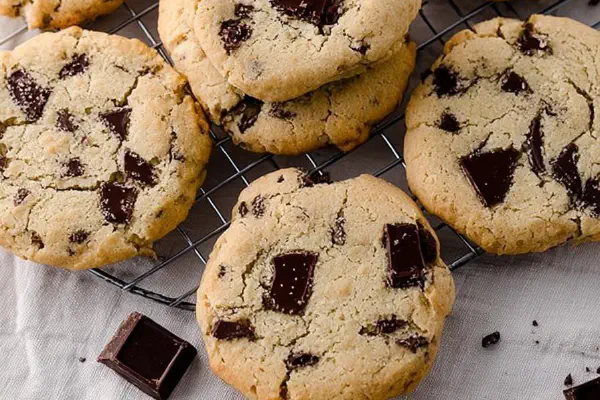
Chunky Chewy Choc Cookies
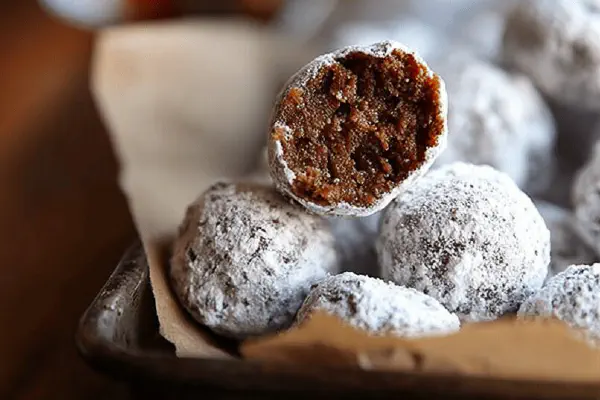
Boozy Cocoa Balls
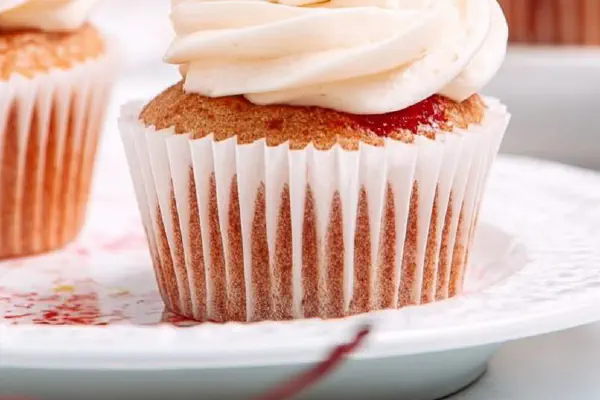
Cherry Almond Cupcakes

Charred Lobster Tails
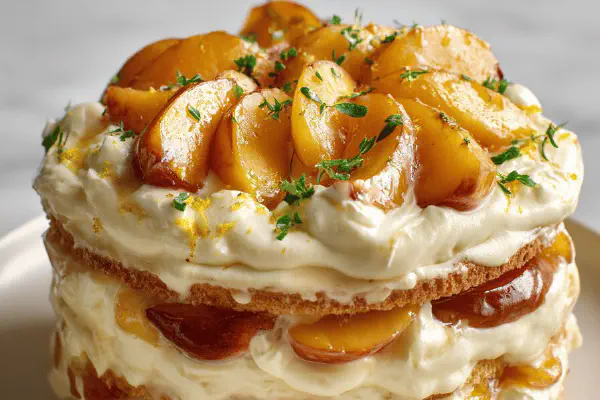
Peach Apricot Trifle Twist
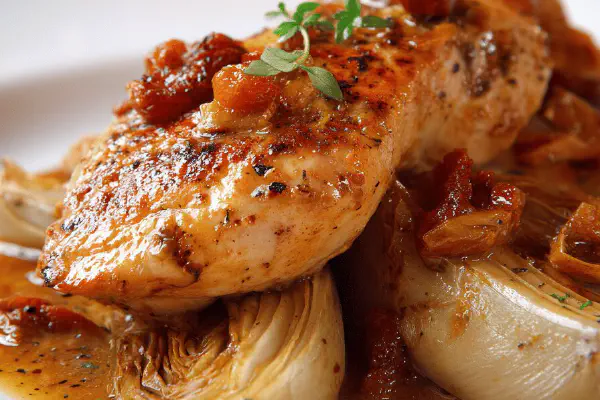
Beer Chicken with Apricots
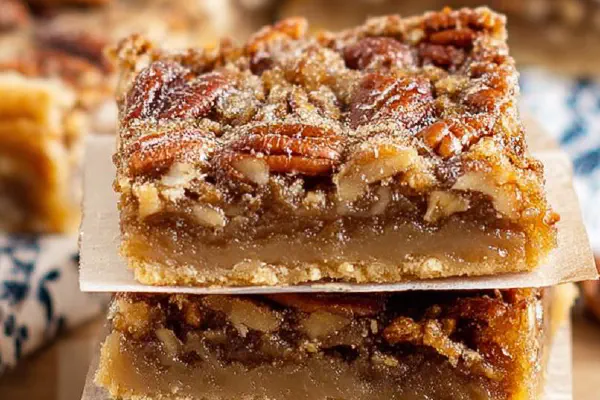
Altered Pecan Pie Bars
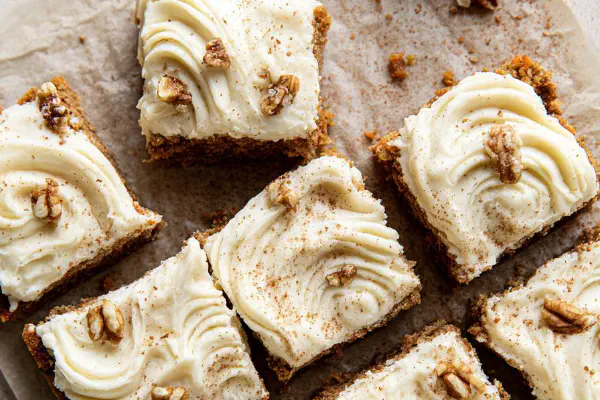
Spiced Carrot Cake Bars
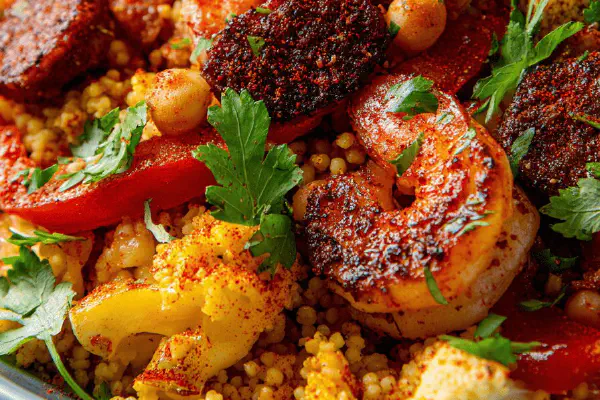
Shrimp and Spiced Sausage Couscous

Honeydew Cucumber Punch Remix
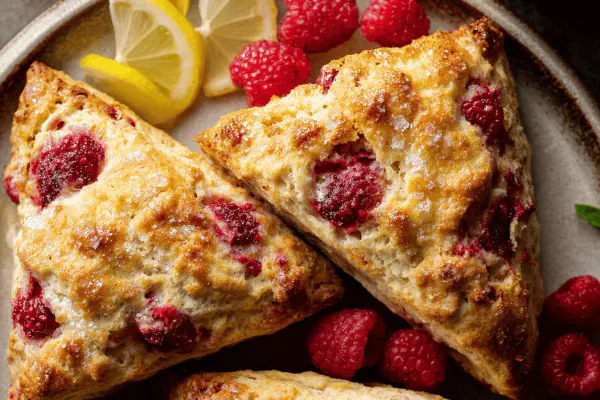
Lemon Raspberry Scones

Almond Paris-Brest Twist
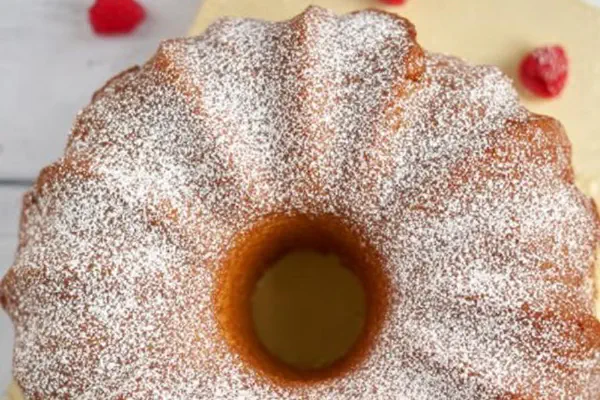
Tangy Buttermilk Bundt Cake
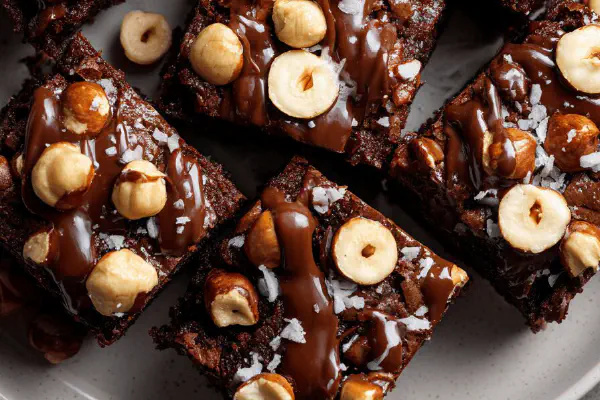
Chunky Chocolate Pecan Brownies
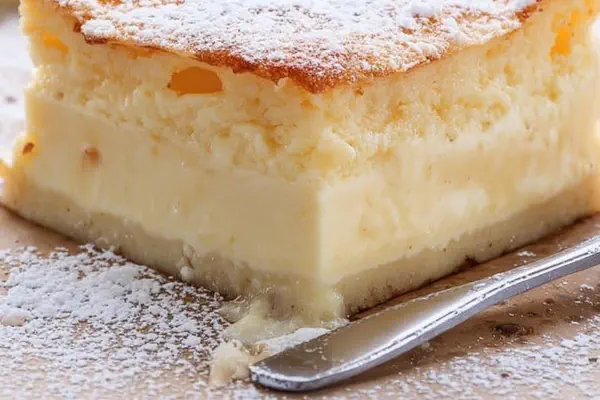
Twisted Magic Custard Cake
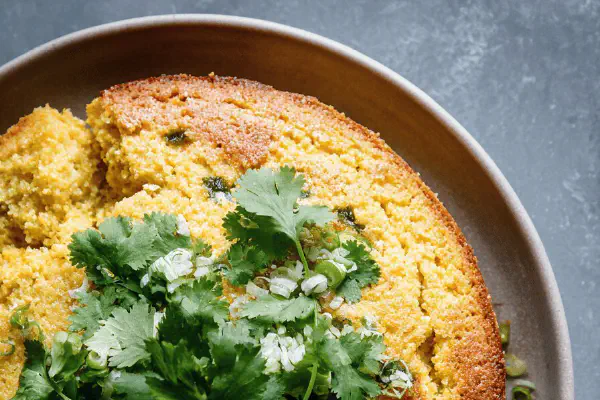
Twisted Cornbread Classic

Twisted Nutmeg King Cake
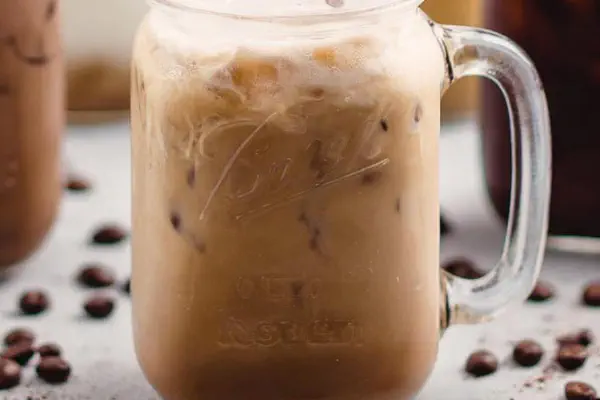
Iced Mocha Twist
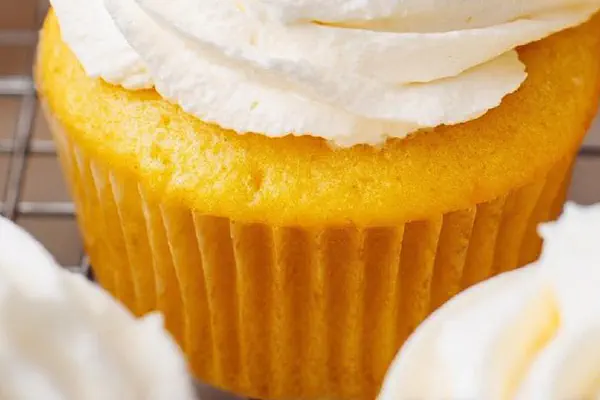
Vanilla Bean Buttercream Twist
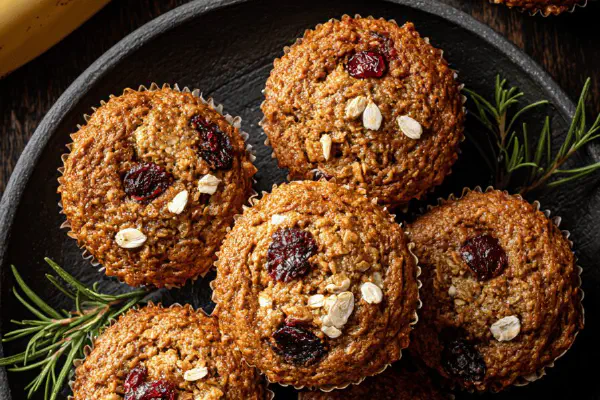
Banana Cranberry Bran Muffins

Vanilla Vodka Extract
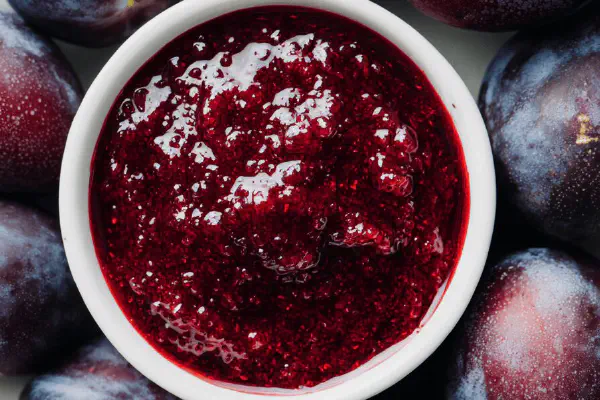
Rustic Plum Jam
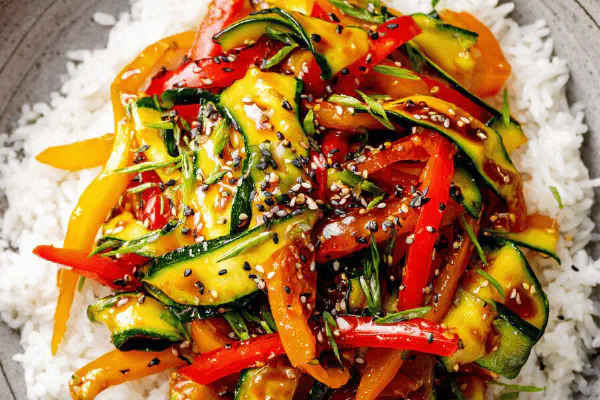
Korean-Style Quick Pickled Veggies
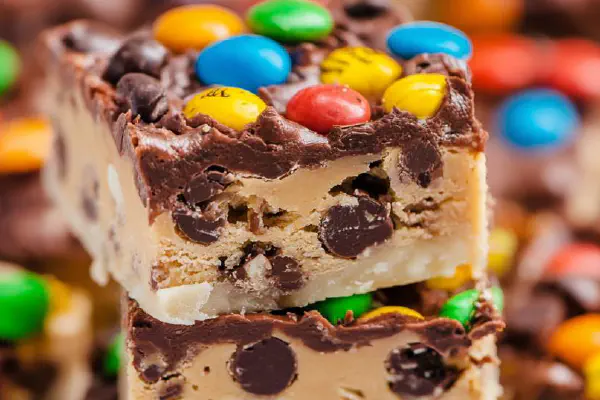
Frozen Treat Cookie Bars
Holiday Almond Shortbread
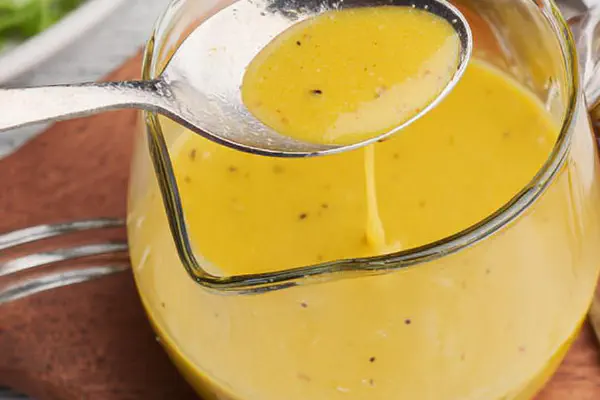
Savory Olive Vinaigrette