Featured Recipe
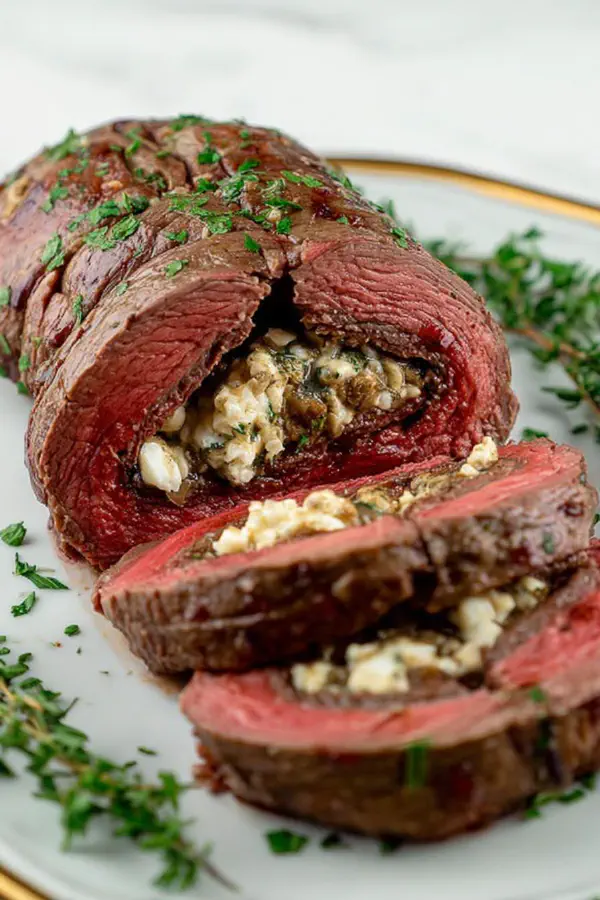
Stuffed Flank Steak Pinwheels
By Kate
"
Flatten flank steak thin but avoid tears. Sauté mushroom, shallot, garlic mix until volume halves, cooling before spreading. Use feta and goat cheese for tang. Roll tight enough to hold but gentle on filling. Season outside with smoked paprika blend. Pour beef broth under, not over, roast. Bake at 380°F until internal temp hits 130°F mid-rare to medium. Rest 8-10 minutes. Slice into pinwheels, reveal spiraled filling. Perfect for visual and flavor impact.
"
Prep:
25 min
Cook:
45 min
Total:
70 min
Serves:
4 servings
beef
main course
easy dinner
meal prep
Introduction
Flank steak’s a tough cut if mishandled. Flatten and butterfly to gain surface area for rolling and even cooking. Don’t rush this; holes turn this into meat shreds and leaks the filling. Mushrooms and shallots cook down until their scent fills the kitchen, signaling when moisture evaporates and flavors concentrate. Cheese choice matters. Switching feta for a blend of feta and goat cheese adds creaminess without overpowering the meat and mushrooms. Rolling can be fiddly—loose and everything spills, tight and you squeeze out juices. Seasoning both inside and out builds layers. Smoked paprika gives the crust a hint of subtle fire without heat. Broth keeps the pan moist but don’t drown the roast or the crust will steam instead of crisp. Resting stops juice runoff and allows easier slicing. This isn’t delicate, it’s about controlled technique and knowing when you nailed the internal temp. Slice and reveal your efforts. Can serve hot or cold; great flexibility. Trouble with tight rolls? Chill for 10 before baking for firmer shape.
Ingredients
In The Same Category · Hearty Mains
Explore all →
Honey Ginger Braised Ribs
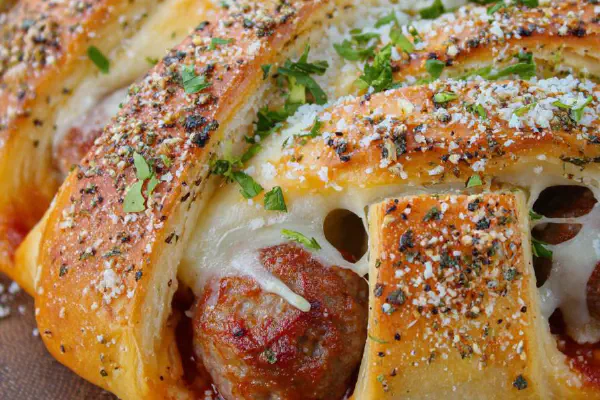
Meatball Stromboli Twist
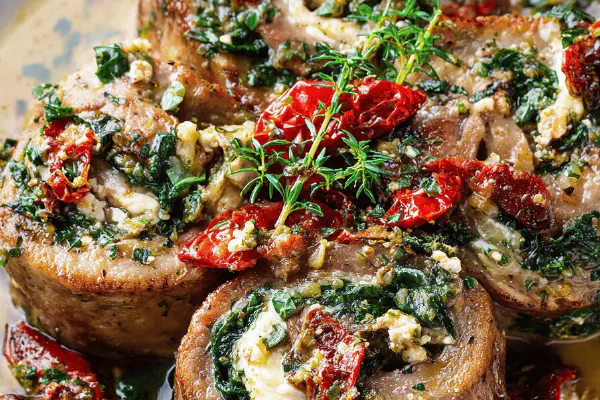
Veal Rolls with Spinach Artichoke
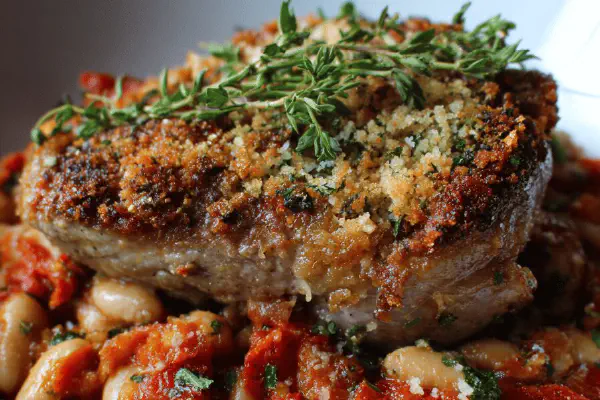
Hearty Cassoulet Redux
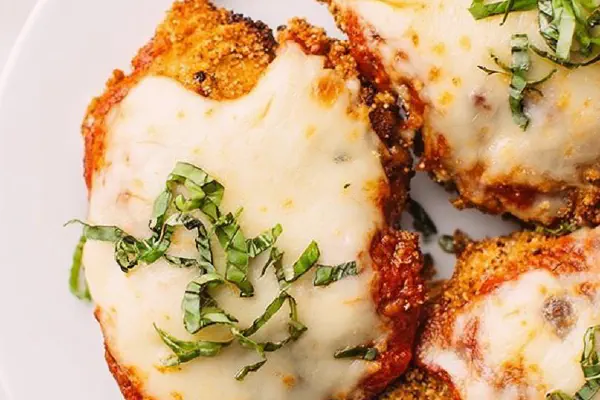
Air Fryer Chicken Parmesan Twist
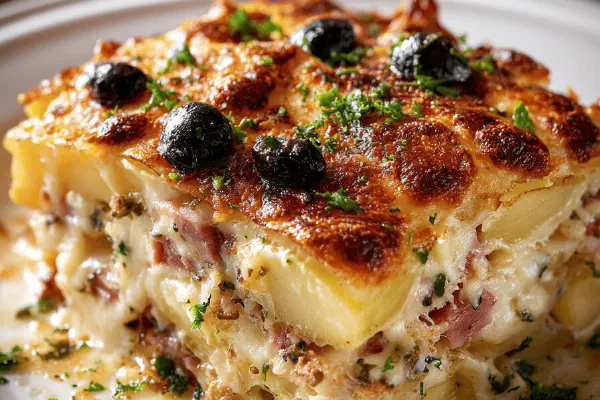
Potato Ham Au Gratin
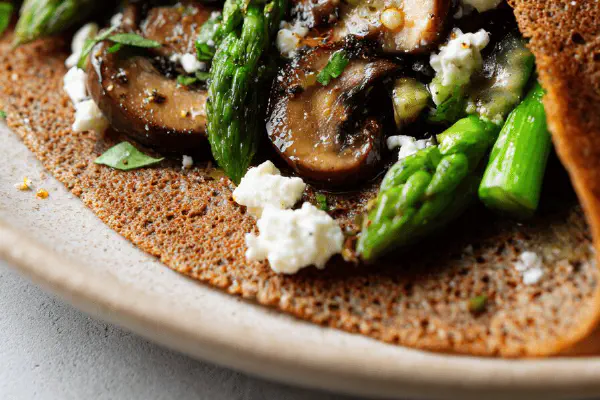
Buckwheat Crepes with Asparagus
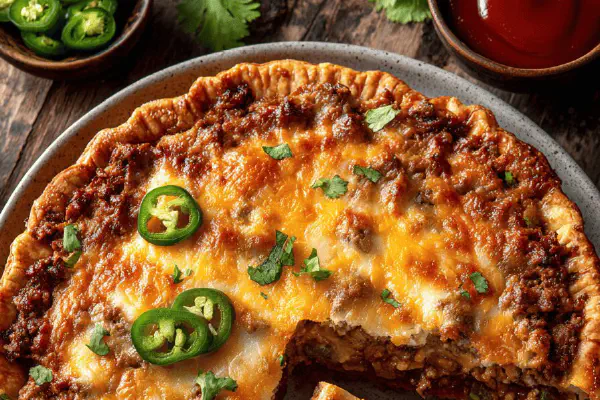
Rustic Mexican Beef Pie
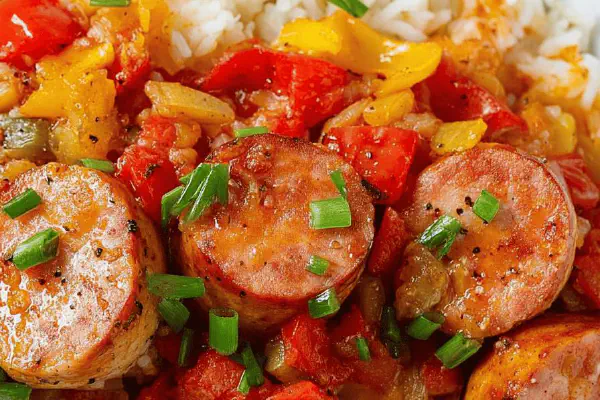
Rustic Creole Drumsticks

Slow Cooker Instant Oven Shredded Chicken
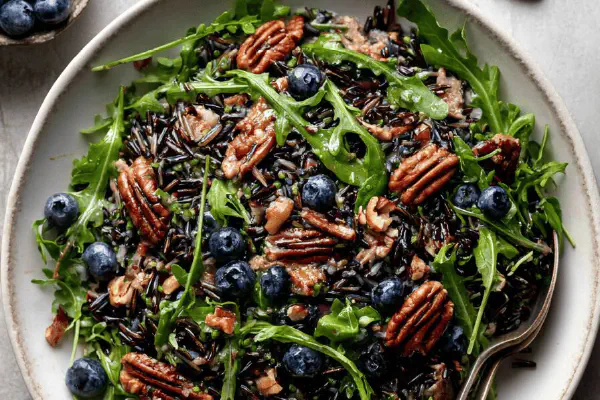
Wild Rice Duck Salad
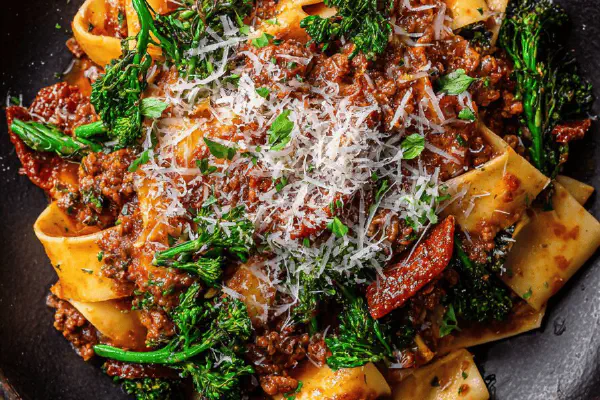
Red Wine Pappardelles with Meat Sauce
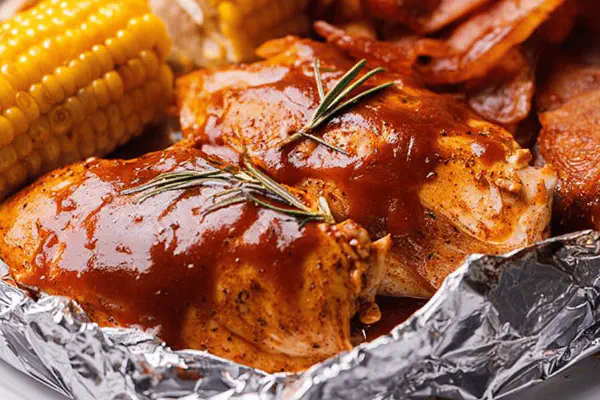
Foil Chicken Sweet Potato Packets
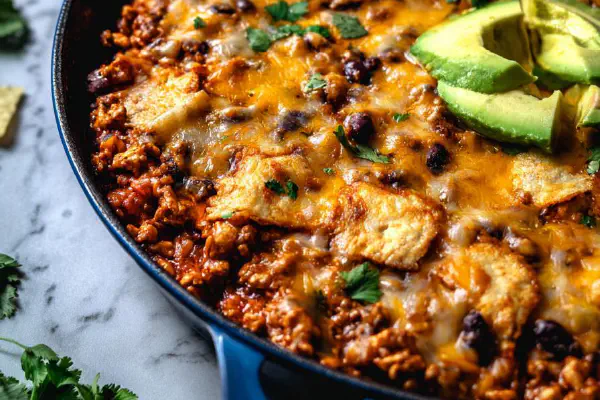
Turkey Taco Skillet Twist
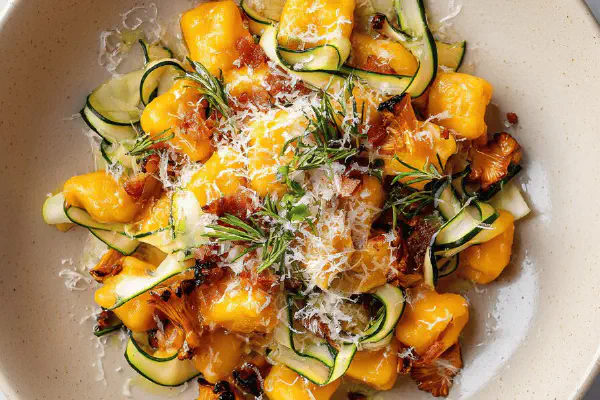
Butternut Gnocchi with Chanterelles
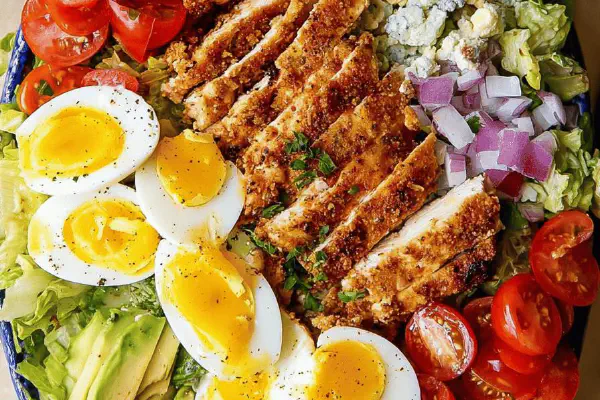
Crunchy Chicken Cobb Salad
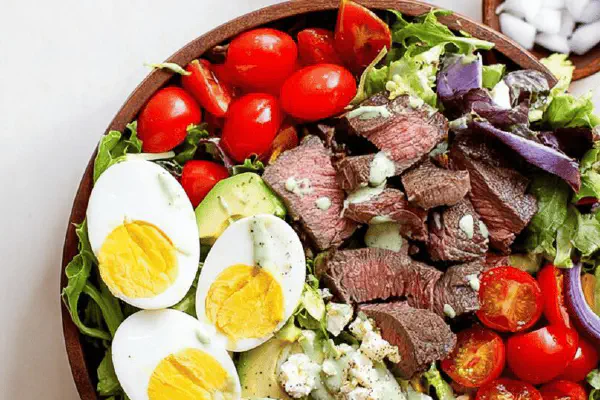
Flank Steak Cobb Salad with Avocado Dressing
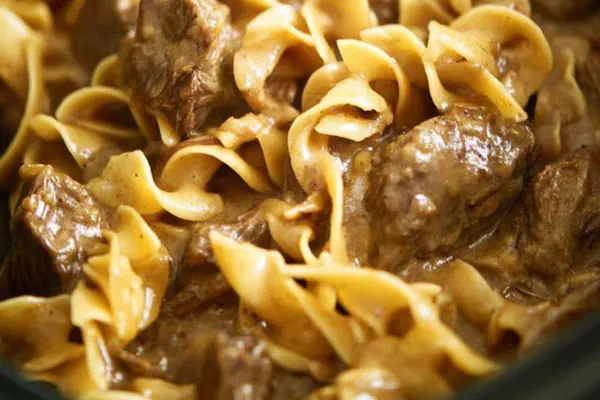
Slow Cooker Beef Stroganoff
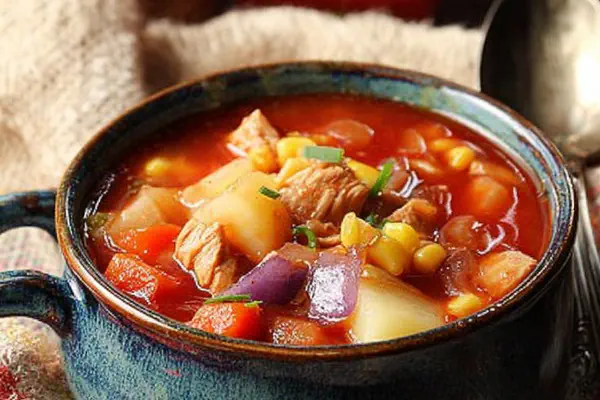
Shortcut BBQ Stew
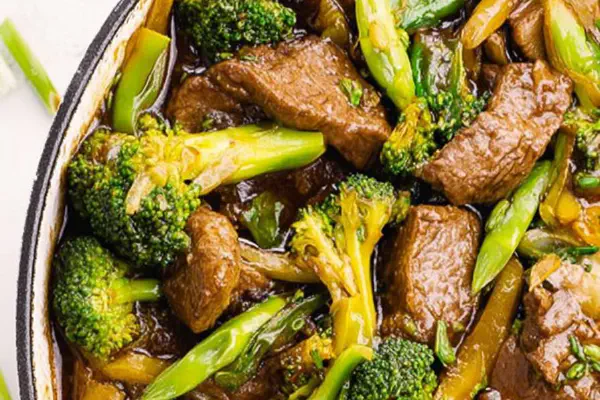
Beef Broccoli Stir-fry
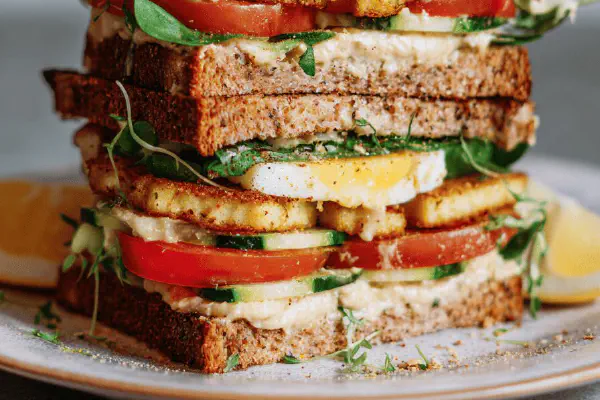
Egg & Zucchini Club Sandwich
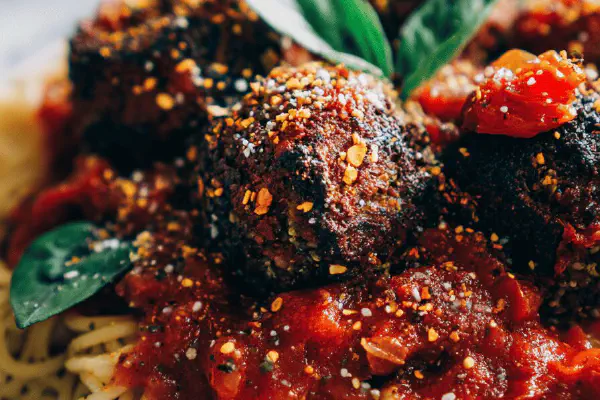
Eggplant Meatball Spaghetti
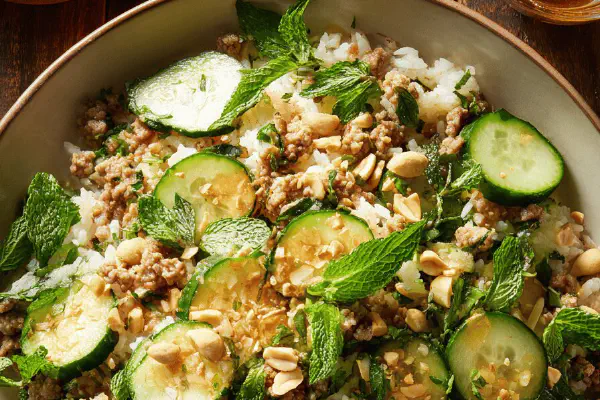
Crunchy Pork Cucumber Rice Salad
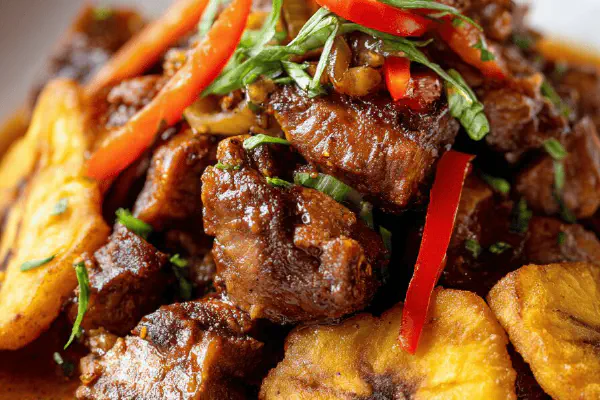
Twisted Griot du Agrikol
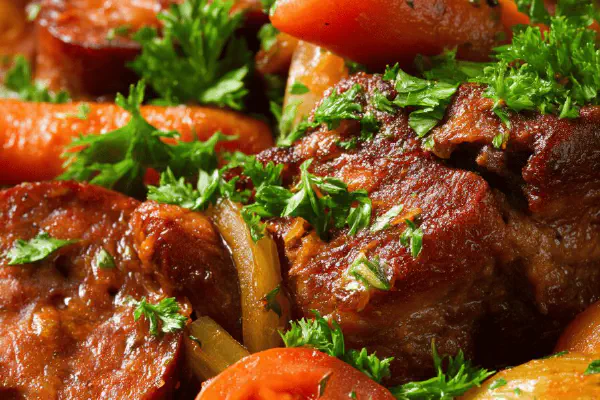
Slow-Braised Pork Shoulder Casserole
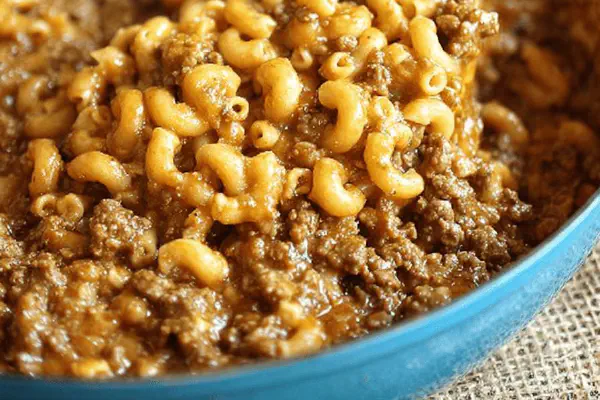
Cheesy Beef Pasta Skillet
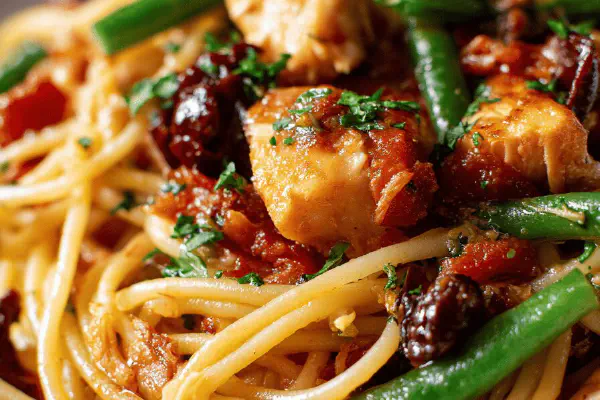
Cod Spaghettinis Green Beans
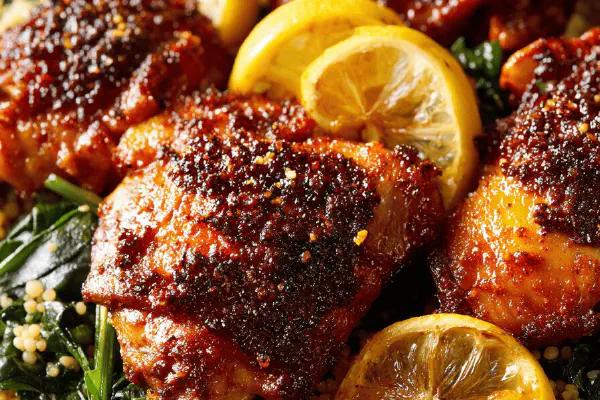
Lemon Paprika Chicken Thighs
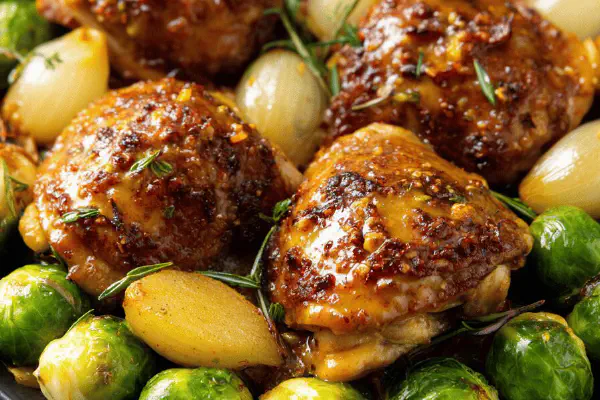
Honey Mustard Chicken Thighs
About the ingredients
Flank steak can come uneven—look for one uniform thickness or butterfly carefully to even the thickness. If unavailable, skirt steak can substitute but watch for thinner size. Mushrooms act as moisture reservoirs; cremini offers deeper flavor but button mushrooms work fine. Shallots swap sweet onion if necessary—shallots more subtle and less pungent but onions do the job. Feta and goat cheeses bring tang; replace with blue cheese for more punch if preferred. Olive oil rub seals in spices and encourages crust formation; vegetable oil works but lacks flavor. Beef broth for braising liquid is key, but water with a beef bouillon cube works in a pinch. Resting loosely covered helps hold temperature but avoid tight wrap that traps steam.
Method
Technique Tips
Butterflying is key. Lay steak flat, slice horizontally almost halfway through, open like a book. Mallet carefully from center outwards. Avoid punctures by padding beneath and not hammering thin edges too hard. Sauté mushrooms until visibly shrunk and thickened—raw mushrooms spoil texture. Cooling filling prevents melting cheese and soggy meat. Seasoning inside the roll promotes balanced flavor; outside seasoning defines crust. Use instant-read thermometers to nail doneness—feel and time unreliable with varying steak thickness. Pour broth around meat to add moisture without diluting crust. Cook times vary; start checking temps at 35 minutes. Resting allows juiciness redistribution critical to avoid dry cuts. Slicing at 1 inch balances visual appeal and portioning—too thin and it falls apart. Twine removal after slicing is easier if snipped carefully. If overcooked, add pan drippings or some softened butter to add moisture when serving.
Chef's Notes
- 💡 Use a meat mallet but don’t pound too hard. Start in the center of the flank steak. Flatten with gentle force. Avoid tearing the meat, that's crucial. Use paper towels beneath to absorb mess.
- 💡 Keep your filling cool. Hot filling leads to melted cheese, soggy texture. Cooling helps maintain the rolled shape. Mix cheese evenly for balanced flavors. Use feta and goat cheese or swap for blue cheese.
- 💡 Watch the timing on both cooking and resting. Resting is vital to redistribute juices. Cuts before resting lead to dry meat. Check internal temp with a probe thermometer; around 130°F is key.
- 💡 If you struggle with rolling, consider chilling the filled steak for about 10 minutes before baking. It firms up. Helps hold shape. Don’t over-tighten your rolls. Loose rolls can keep juices in.
- 💡 If you don't have flank steak, skirt steak can work. Just monitor thickness closely. Not the same texture but works in a pinch. Can explore other mushroom varieties too; button mushrooms are fine.
Kitchen Wisdom
What if my steak tears while butterflying?
Start from the thickest part, slowly work your way out. Use a mallet gently to avoid holes. If you tear, patch with leftover steak pieces. Secure tightly before cooking.
How should I store leftovers?
Wrap in foil, refrigerate. Reheat gently in the oven, not too hot. Sliced or whole; both are enjoyable cold or warm. Pan juices help rehydrate if dry.
How can I tell when it's done?
Visual cues matter. Look for browned crust. Smell is key; aromatic spices fill the kitchen. Use a thermometer for core temp. 130°F indicates medium-rare.
What if I don’t have beef broth?
Water is okay. Add in a beef bouillon cube, dissolving it to mimic broth. Be cautious, too much salt can overpower. Always check flavor. Liquid matters.
You’ll Love These Too
Explore all →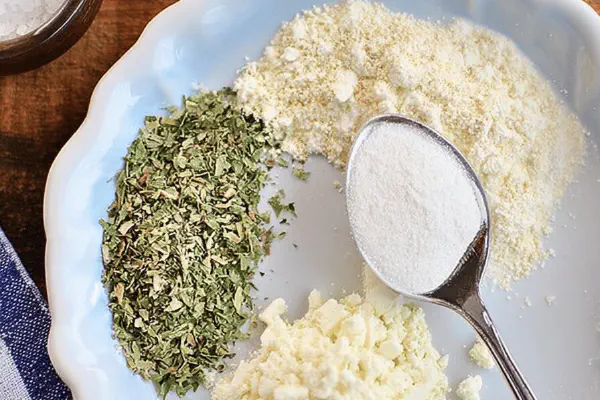
Homemade Ranch Mix Twist
Double Crust Cheesecake Rewrite
Blueberry Lemon Cheesecake
Apple Spice Cake Remix
Beer Maple Glazed Salmon
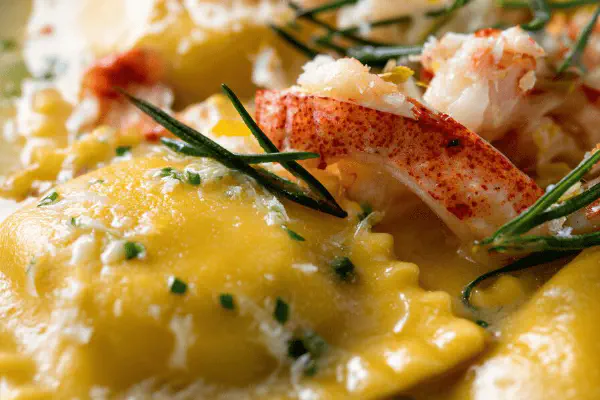
Lobster Ravioli with Citrus Butter
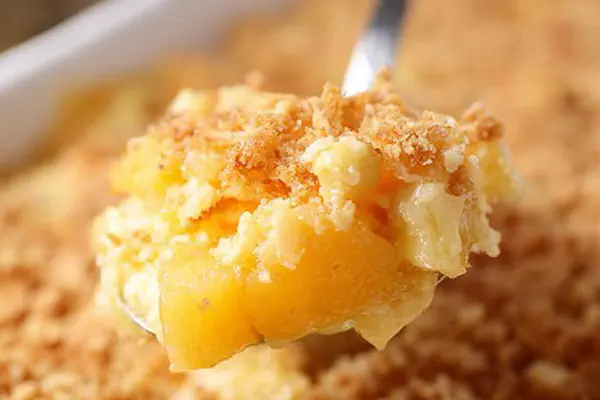
Pineapple Cheddar Bake
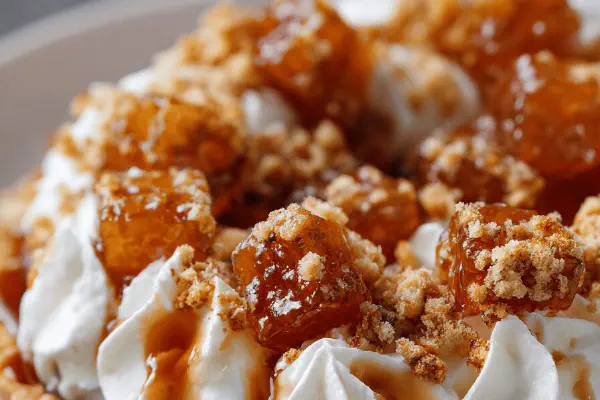
Maple Tart with Whipped Cream
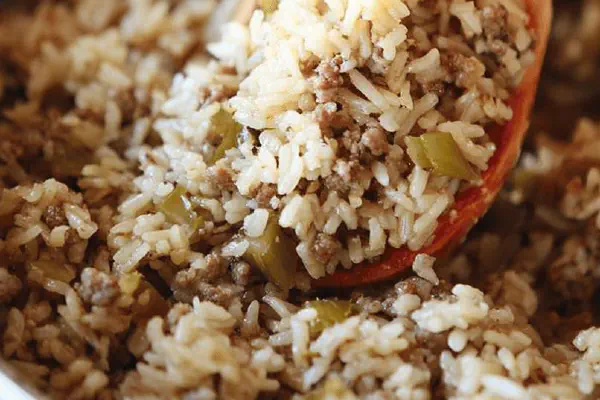
Hearty Spiced Dirty Rice
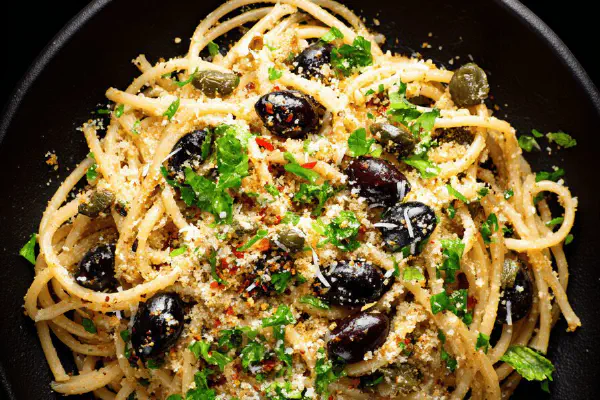
Spaghetti with Anchovies and Crunch
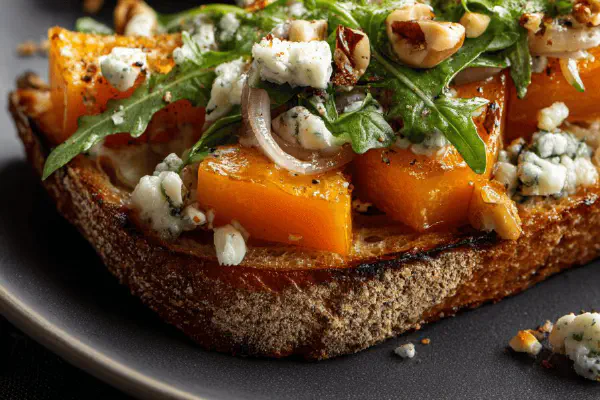
Butternut Tartines Agrodolce
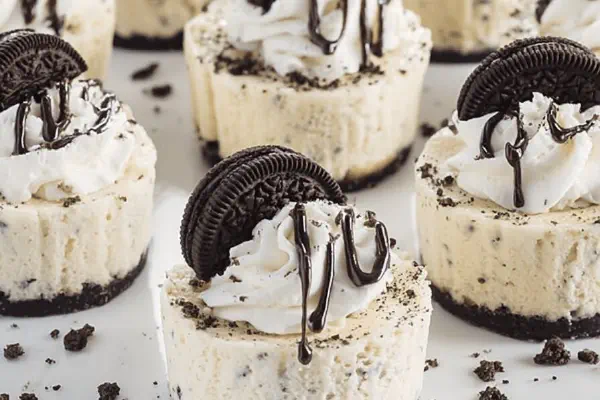
Mini Oreo Cheesecakes Twist
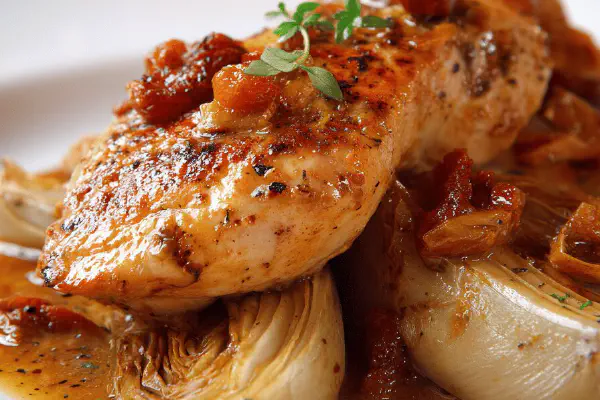
Beer Chicken with Apricots
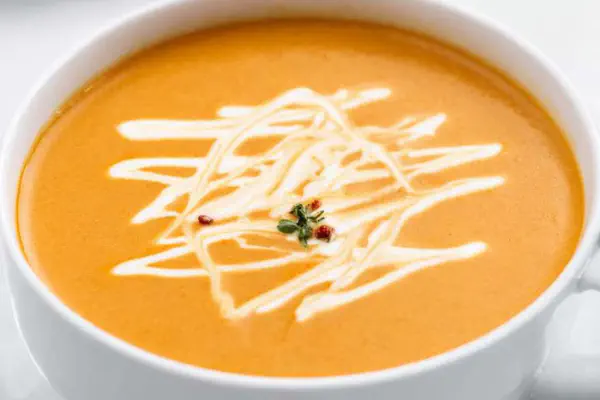
Spiced Butternut Squash Soup

Duck with Pomegranate Glaze
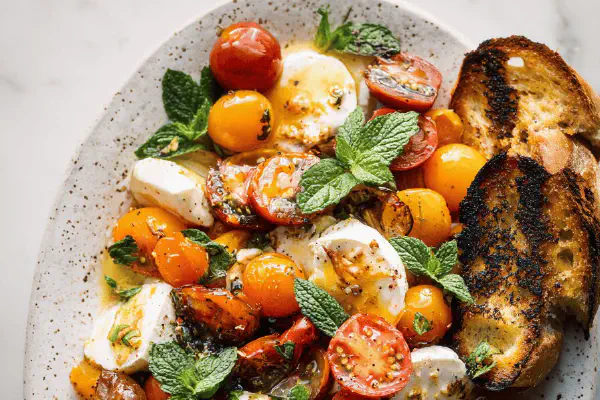
Silken Tofu Caprese Twist
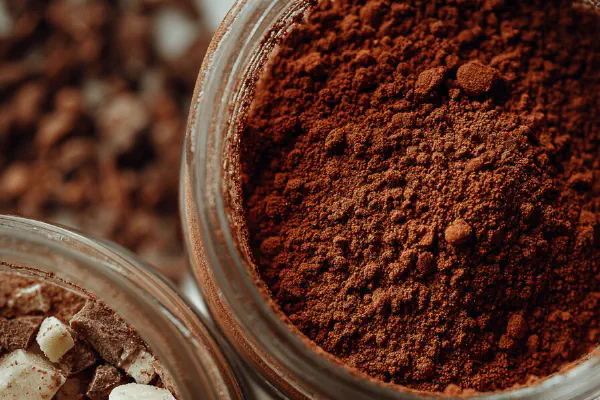
Winter Cocoa Mix
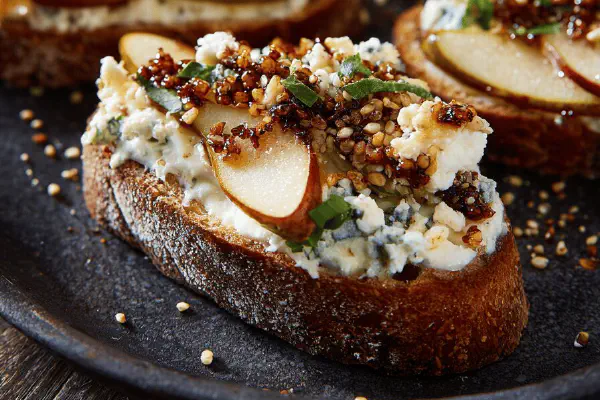
Pear Ricotta Blue Cheese Canapés
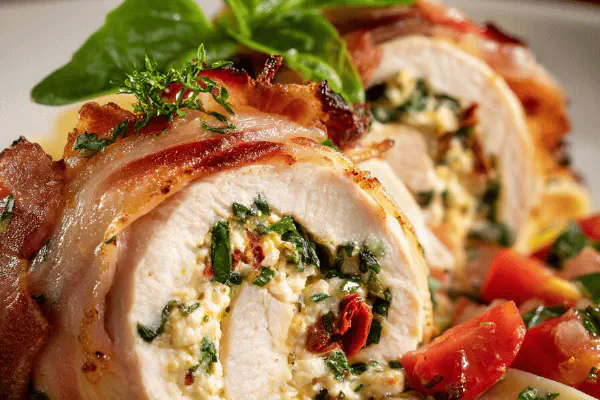
Stuffed Chicken Rolls with Sun-Dried Ricotta
No-mustard Mayonnaise Remix
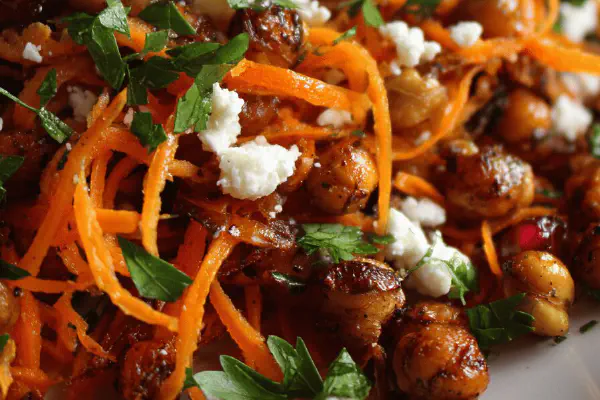
Carrot Chickpea Salad Twist
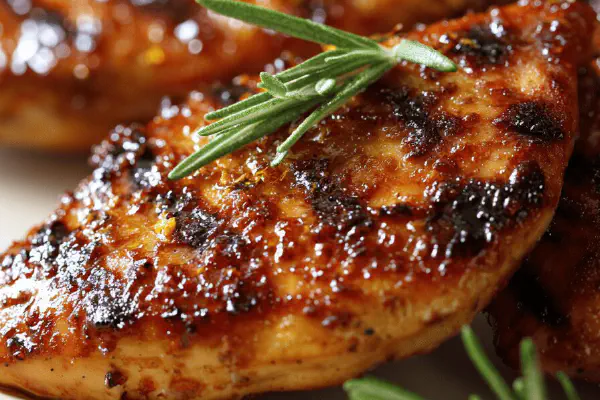
Orange Chili BBQ Marinade

Lemon Raspberry Scones

Twisted Negroni
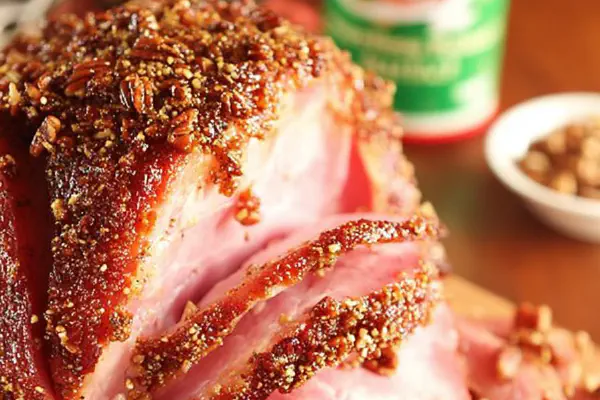
Creole Pecan Glazed Ham Twist
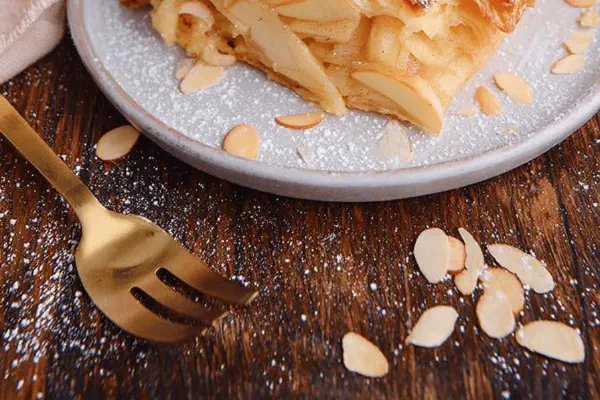
Apple Cheese Puff Braid
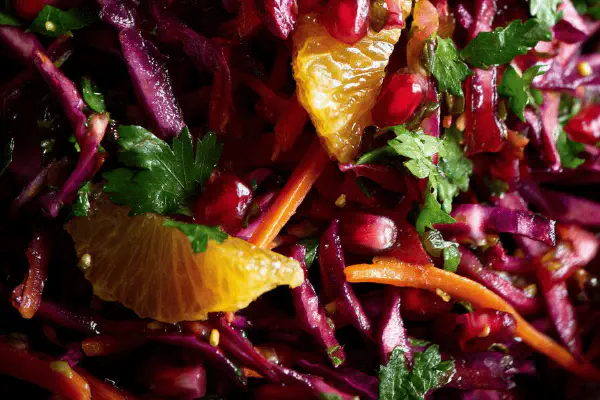
Cabbage Beet Pomegranate Salad Twist
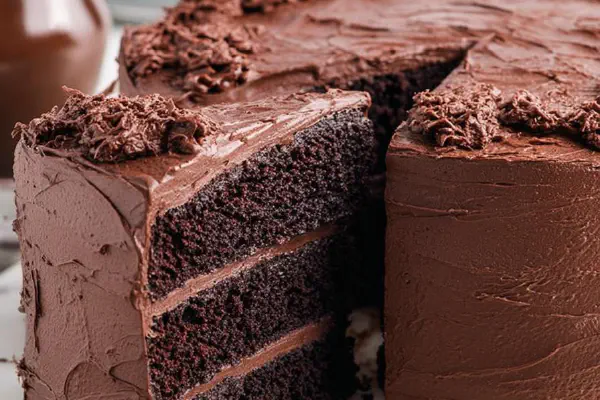
Dark Mocha Fudge Cake
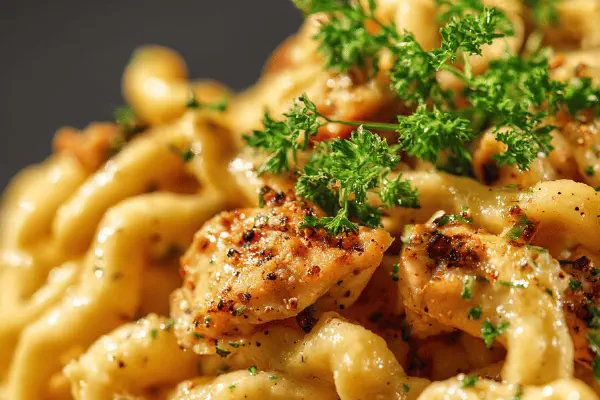
Twisted Spätzles