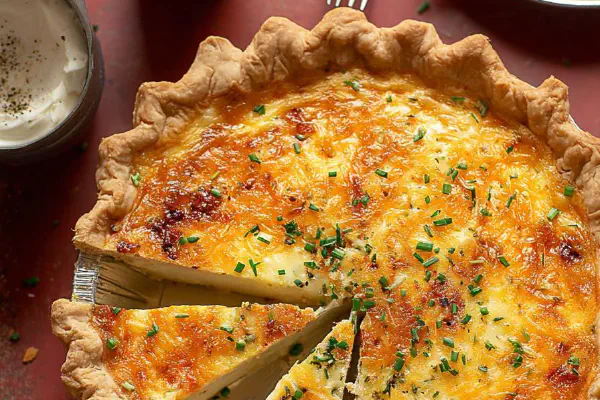
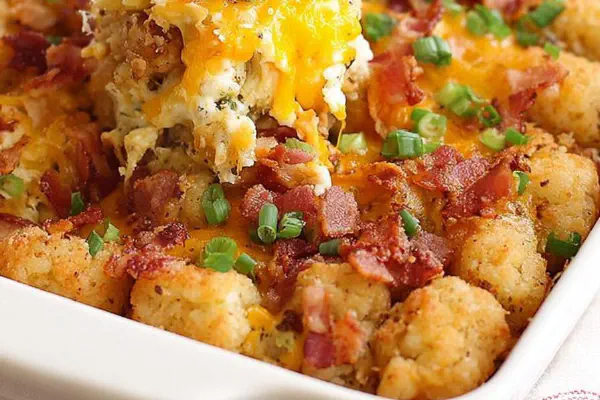
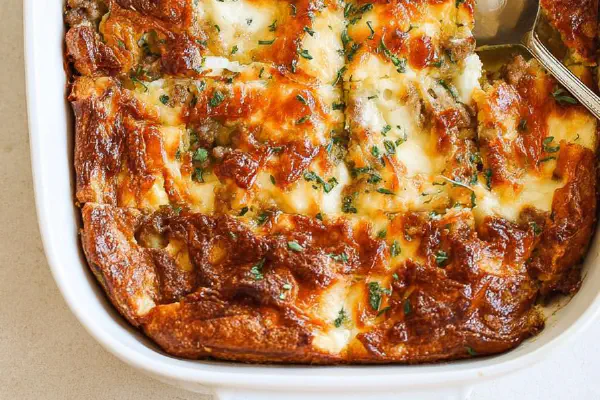
Featured Recipe
Swiss Asparagus Quiche Twist
By Kate
"
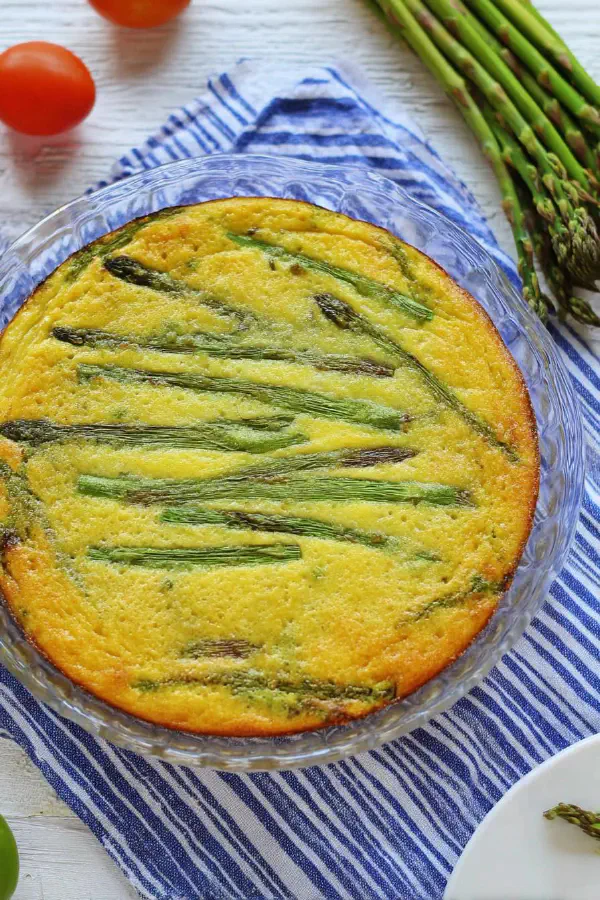
Eggs beaten, milk whisked, Swiss cheese folded in with sautéed asparagus and shallots. Baking until edges turn golden, filling set but tender. Asparagus spears arranged on top for a rustic look. Simple proteins and fresh veggies combined in a buttery crust. Swap Swiss cheese with Gruyere or aged Cheddar for deeper notes. Use half-and-half if no whole milk. Shallots can be leeks or green onions if needed. Keep an eye on jiggle — signals undercooked or just right. Let cool slightly to firm up. Slice with a serrated knife to avoid crumble or mess.
"
Prep:
20 min
Cook:
40 min
Total:
60 min
Serves:
8 servings
quiche
asparagus
brunch
French-American
Introduction
Eggs beaten together, milk streaked in until smooth, the base for a simple custard. Asparagus sliced, tossed in butter, and sautéed alongside shallots, softening the vegetal bite and building flavor layers you want without overpowering. Cheese shredded, ready to mingle—that melted gooey stretch and nutty notes always brings the whole dish together. Pie crust chilled or fresh builds the foundation, buttery barrier that holds custard in place, crisping as it bakes. Visuals matter — a neat asparagus spear pattern on top invites eyes before the first forkful. Timing flexible, watching for wobble instead of clock, this keeps you from dry rubbery traps. Slice warm but not hot; the quiche firms up, making perfect wedges. Great for brunch, dinner or anytime you want savory eggs with a fresh green punch. Keeps well, reheats with care.
Ingredients
About the ingredients
Butter quality impacts flavor—unsalted ensures control over saltiness. Asparagus should be fresh, firm, brighten green, not woody. Replace shallot with mild leeks or spring onion whites for subtler sweetness if unavailable. Whole milk contributes creaminess but half-and-half ups richness if preferred. Swiss cheese chosen for its melting quality and mild nuttiness, but swapping for Gruyere or aged Cheddar ups sharpness and complexity. Garlic powder is a more reliable subtlety than fresh garlic, avoiding raw pockets. Pie crust can be store-bought or homemade; butter-based crusts add flakiness but watch overbaking to prevent burning. Spray on pie plate prevents sticking—a must with homemade crust. Adjust seasoning after folding cheese and veggies in to balance moisture and saltiness.
Method
Technique Tips
Heating butter before veggies softly releases aroma and starts inactivating enzymes in asparagus that might cause toughness. Sauté just until veggies are tender but still hold snap — overcooking leads to soggy filling. Cooling vegetable mix prevents premature egg coagulation which causes curdled texture. Vigorously whisking eggs ensures even set and avoids dense, rubbery custard. Gradual seasoning allows adjusting salt after cheese addition. Folding ingredients gently prevents deflating eggs — that light, airy texture is key. Pie crust chilled before filling avoids soggy bottom; spraying pan or blind baking can be used if sogginess is an issue, but this method balances ease. Watch custard bubbling gently during roasting, not rapid boil; when quiche no longer jiggles but edges are still tender, it’s done. Cooling phase critical: custard firms as it cools. Cutting too soon makes for runny slices and mess. Use serrated knife to keep crust intact and filling neat. If custard appears too wet, bake a few more minutes and monitor carefully.
Chef's Notes
- 💡 Use fresh asparagus. Snap ends off to discard woody bits. Bright green is key. Sautéing helps balance flavors, not mushy. Watch moisture levels.
- 💡 Make pie crust ahead. Chill it right. Soggy crust? Blind bake for crispness. Spray pan or use parchment—easy release without a mess.
- 💡 Don’t overcook the filling. Listen for gentle bubbling, not boiling. Gold edges, but keep center slightly jiggly—check doneness with a gentle shake.
- 💡 Cooling is crucial. Let quiche sit before slicing. Cutting too soon? Filling will run. Serrated knife helps keep edges neat without crumbling.
- 💡 For richer custard, swap whole milk for half-and-half. Garlic powder more consistent than fresh. Use leeks or scallions if shallots aren't available.