Featured Recipe
Tangy Bloom Onion Dip
By Kate
"
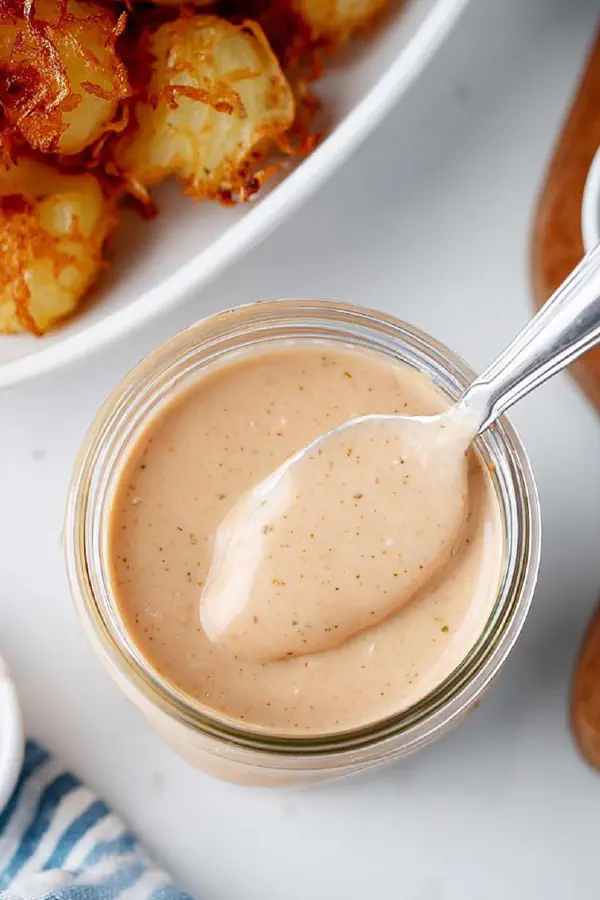
A zesty mayo-based dip with a kick. Swaps traditional chili sauce for smoky chipotle and replaces lemon juice with lime for fresh brightness. Uses Dijon mustard and adds a hint of smoked paprika. Easy to whip up in minutes. Smooth, tangy, with a slow-building heat from hot sauce. Keep it chilled to let flavors meld or serve right away for punch. Holds well up to seven days refrigerated. Great for dipping, spreading, or as a sandwich condiment. Practical substitutions included for pantry staples and common slip-ups. A sauce worth mastering for everyday kitchen confidence.
"
Prep:
6 min
Cook:
0 min
Total:
6 min
Serves:
8 servings
appetizer
sauce
easy recipe
veggie dip
Introduction
Diving straight into mixing condiments. Forget waiting for fancy ingredients. Mayo anchors this dip—it’s all about balancing punchy flavors around that creamy base. Chipotle sauce replaces the usual chili tang with smoke and subtle heat. Dijon mustard cuts through richness cleanly. Lime juice doesn’t just brighten; it wakes the whole sauce up, no heavy-handed citrus allowed. Spices layered carefully—onion and garlic powders shouldn’t drown but quietly boost background umami. Worcestershire sauce brings in a savory, slightly fermented umami note. Hot sauce creates the slow heat buildup you feel in the back of your throat, not an immediate slap. Cold resting time matters: flavors firm and meld, sauce thickens, ready for dunking. Not fussy, reliable. Makes enough for a hungry group or sandwich spread stash. If stuck without an ingredient, swap thoughtfully. Using precise spice amounts avoids flabby flavors. Your goal here is a dip with both kick and balance—not just a condiment slapped together. Pay attention to textures—smooth, no clumps, glossy surface. Best to whip with a fork or mini processor if you want speed, but hand stirring works fine. Patience pays: quick chill before serving transforms bland into sharp and nuanced. Store well sealed, stir before use. A dependable sauce worth keeping in your repertoire for any fried vegetables or chips.
Ingredients
About the ingredients
Mayonnaise delivers creamy fat but can be replaced with Greek yogurt blended with a touch of olive oil for lighter version—texture changes but flavor stays balanced. Smoky chipotle sauce substitutes classic chili sauce here, providing warmth and subtle smokiness; if not available, tomato ketchup plus smoked paprika works well. Dijon mustard preferred for its sharper acidity compared to yellow mustard, yet yellow is a fine stand-in—just expect a milder taste. Onion and garlic powders must be fresh—old spices turn the sauce dull and flat; if fresh onion or garlic are used instead, expect rough texture and stronger flavor. Worcestershire sauce is the umami backbone; fish sauce is a potent but risky alternative—use sparingly. Hot sauce choice influences heat intensity and flavor profile—start with few drops and build. Lime juice is preferable to lemon for its brightness and subtle sweetness; white vinegar can stand in but alters flavor profile. Smoked paprika adds depth and visual appeal; optional but recommended. Adjust quantities slowly, especially spices, since small changes affect balance markedly.
Method
Technique Tips
Start by combining base ingredients (mayo, chipotle, mustard) to ensure even distribution and uniform texture—no clumps or streaks means better mouthfeel. Add dry spices next, measuring precisely to avoid overwhelming or underwhelming the palate; fresh powders preferred. Incorporating Worcestershire sauce introduces necessary umami and complexity. Seasoning with black pepper and hot sauce gradually allows for controlled heat—avoid dumping hot sauce blind; tasting as you go is crucial. Add acid last to achieve brightness without risking curdling; fold gently to maintain emulsion and smooth appearance. Resting the dip in the fridge is highly recommended—flavors meld and soften harsh edges; sauce texture firms suitably for dipping. Visual cues such as a glossy surface and sauce that clings to a spoon signal readiness. Re-taste after chilling and adjust seasoning if needed. Common mistake: overzealous stirring after refrigerated can break emulsion, fix with gentle mixing. Storage with airtight cover preserves freshness but stirring might be required due to natural separation. Making in mini food processor speeds emulsification but hand mixing works fine with persistence. Experiment with heat levels gradually; mouthfeel and flavor layering make the difference between a good and great dip.
Chef's Notes
- 💡 Mix mayo, chipotle, and mustard first. Ensure all blended prefect. No clumps. Helps texture—smooth is key. Chipotle adds depth with heat. Watch spice levels, adjust for taste.
- 💡 Use fresh powders for onion and garlic. Old spices lose potency. Measure accurately; balance is critical. Not just throwing in seasonings. Beyond flavor, aroma matters—should be inviting.
- 💡 Hot sauce can vary wildly in heat. A few dashes—the right way—take your time. Taste as you add. Each brand different. Note flavor impact—don’t overwhelm the dip.
- 💡 Lime juice helps brighten the mix. Don’t rush this step. Curdling is a risk—mix gently but thoroughly. Balance acidity with richness of mayo.
- 💡 Resting is crucial. Chill lets flavors develop. Ideally 20-30 mins. If rushed, you lose depth. Texture firms as it cools—great for dipping. Visual cues matter—glossy finish indicates readiness.
Kitchen Wisdom
What if the dip is too thick?
Add a splash of lime juice or a bit of water. Mix slowly. Watch texture; should coat spoon well, not stiff.
What’s a quick substitute for chipotle sauce?
Mix ketchup with smoked paprika. Adjust for heat. Good swap but differs slightly—taste checks matter.
How to store leftovers?
Airtight container. Will last a week in fridge. Might separate—give it a quick stir before using. Don’t throw it away.
Can I make it ahead?
Yes, makes flavors deepen. Just keep it chilled. Longer wait improves flavor. Don’t rush—it’s worth the time.