Featured Recipe
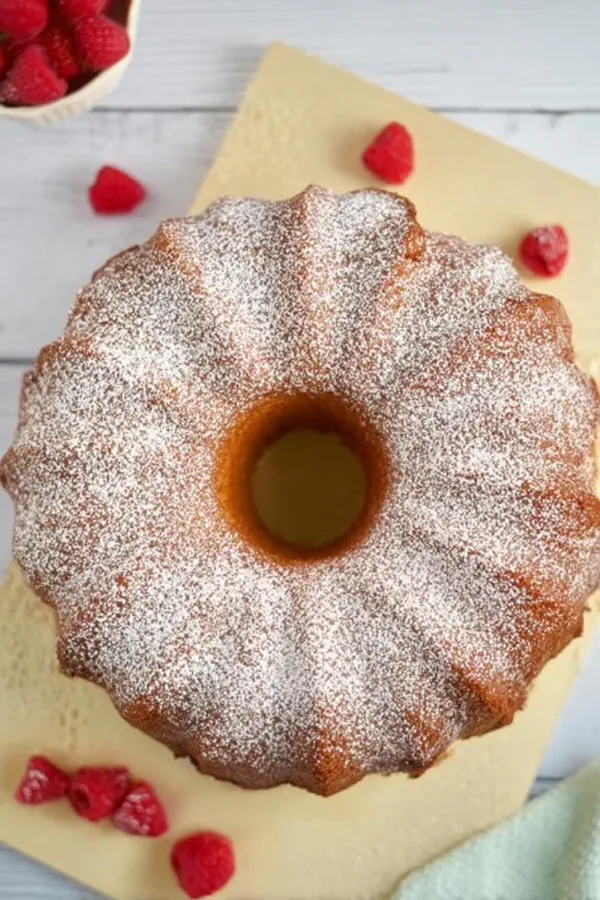
Tangy Buttermilk Bundt Cake
By Kate
"
A rich bundt cake with tangy buttermilk swapped for sour cream, balanced by a hint of lemon zest and subtle almond extract. Uses a lower oven temp with slightly adjusted baking time. Flour and salt quantities reworked to keep moist crumb without collapsing. Butter beaten to pale, light texture is key for structure. Sugar, eggs, wet and dry ingredients layered carefully for uniform crumb. Bundt pan greased with shortening alternative and dusted with cornstarch for crisp edges. Final dusting with cinnamon sugar instead of plain powdered sugar. Fresh berries optional for brightness.
"
Prep:
20 min
Cook:
65 min
Total:
85 min
Serves:
12 servings
cake
dessert
baking
buttermilk
bundt
Introduction
Dense, moist, with that gentle tang, buttermilk replacing sour cream changes the chemistry — lighter crumb, less acidity. Lemon zest wakes up the batter; almond extract gives subtle nuttiness that cuts through the richness. Bundt pan needs fat AND cornstarch for that signature release and crust texture. Butter whipped thorough – no shortcuts here. Eggs beaten one by one – slowly integrating air for lift. Fold dry flour in parts, avoid toughening gluten. Oven temperature lowered a touch to avoid crust darkening before interior cooks through. Leave the timer aside when nearing an hour, go by toothpick tests, wobble, tapping the pan. Little touches like cinnamon sugar dusting instead of plain powdered sugar add extra layers — and fresh berries on the side bring balance. A cake with character. Fussy? Maybe. Worth it? Always.
Ingredients
About the ingredients
Buttermilk chosen over sour cream for lighter texture but still plenty of acidity to react with baking soda. Can swap with Greek yogurt thinned with milk 1:1 if needed — results similar. Lemon zest not optional — brings brightness. Almond extract is subtle background note; vanilla alone works but loses depth. Powdered sugar replaced by cinnamon sugar dusting — adds crunch, spice. Cornstarch in pan over flour helps sharp edges in bundt; if not available use flour but expect small sticking issues. Butter softened but not melted: texture matters. Sugar amount reduced slightly; adjust to taste. Eggs at room temp essential for emulsification. Skip eggs cold, cake dense or cracked. Baking powder added to leavening (absent in original) due to buttermilk swap.
Method
Technique Tips
Butter beating is non-negotiable — fluff and color change means air incorporated for good structure. Add sugar gradually for smooth texture: skipping this step yields dense, tight crumb. Eggs incorporated one at a time. Scrape bowl, mix gently to avoid overemulsifying. Buttermilk and extracts added last before dry ingredients to avoid gluten formation. Dry ingredients: sift and fold in thirds gently, stopping as soon as just combined. Overmix, crumb tough. Pour batter carefully; too rough stirring gives air pockets and tunnels after baking. Bake centered rack, watch for slow browning edges. Toothpick test essential – wet batter on stick means more time. Tap pan on cooling rack edges firmly to dislodge stuck cake. Flip with confidence, never pull. Cinnamon sugar dusting adds visual appeal and crunch. Use fresh berries only when fully cool to avoid moisture messing crust. Cake stores well but best fresh; warm slightly before serving.
Chef's Notes
- 💡 For fluff, beat butter until pale; texture changes, critical for structure. Don’t skimp. Incorporate air; mix sugar gradually. Dense crumb if skipped. Watch stiffness.
- 💡 Eggs room temp essential. Cold eggs mess mix; won’t emulsify right. Add one at a time; blend until yolk disappears. Scraping bowl helps. Mix until light.
- 💡 Dry ingredients need gentle folding. Don't overmix; gluten toughens. Flour, salt, baking soda, and powder plus buttermilk react slowly. Careful – avoid lumps but don’t worry.
- 💡 Use cornstarch for crisp edges. Dust the pan right after greasing. If not available, use flour but expect sticking. Clean release crucial for nice bundt shape.
- 💡 Always check doneness via toothpick test. Center should wobble slightly. Test; if wet batter sticks, more baking time needed. Jiggling checks moist crumbs. Watch edges.
Kitchen Wisdom
What if my cake sticks to the pan?
Tap pan firmly to release. If sticking, next time grease better; use cornstarch for dusting. Helps with release.
Can I use Greek yogurt instead of buttermilk?
Yes, thin yogurt with milk 1 to 1. Texture similar; still get that tang. Adjust acidity if needed.
How do I store leftovers?
Store loosely covered at room temp up to 3 days. Refrigerate up to 5. Warm before serving if cold.
What if my cake is dense?
Check mixing steps. Overbeating leads to tight crumb. Watch eggs and flour folding. Adjust sugar; lighter cakes work better.