Featured Recipe
Tangy Lemon Cheesecake
By Kate
"
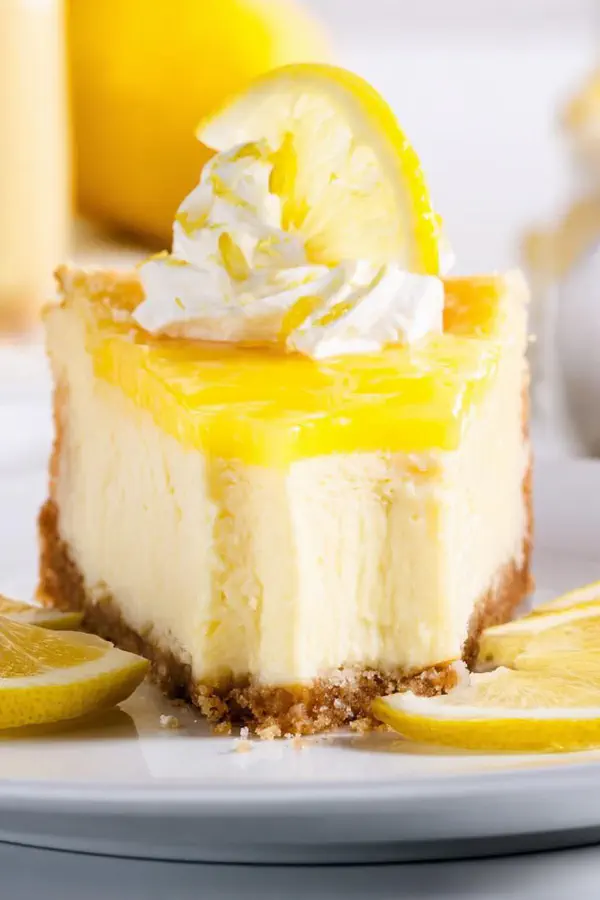
Baked lemon cheesecake with a vanilla cookie crust. Uses cream cheese, sour cream, and lemon zest for brightness. Crust combines vanilla wafers, a touch of all-purpose flour for structure, sugar, salt, and melted butter. Filling is creamy but mixed gently to avoid cracks. Baked till set but still slightly jiggly in the middle. Cooling slow in the oven stops cracking. Finished with a thin layer of lemon curd for shine and tang, plus optional whipped cream and fresh lemon slices. Serves a dozen, rich and dense with a citrus tang.
"
Prep:
25 min
Cook:
55 min
Total:
5h 15min
Serves:
12 servings
dessert
cheesecake
lemon
baking
Introduction
Start with a good base. Vanilla cookie crumbs give both flavor and texture, with a little flour for structure to keep the crust from getting soggy. Butter makes it hold together. Cream cheese must be room temperature or mixing turns into a workout. Work eggs in low and slow so the filling doesn’t trap too much air, or you’ll regret cracks later. Sour cream adds creaminess, while lemon zest and juice cut richness with needed brightness. Baking time is more art than science—look for edges firm, center slightly trembling. Let it cool slow inside the warm oven to avoid sudden shrinkage and cracking. Lemon curd covers imperfections like a pro. Garnish if you want, or skip for simpler beauty.
Ingredients
In The Same Category · Sweet Treats
Explore all →
No Bake Strawberry Cheesecake Bites
Blueberry Cream Crunch
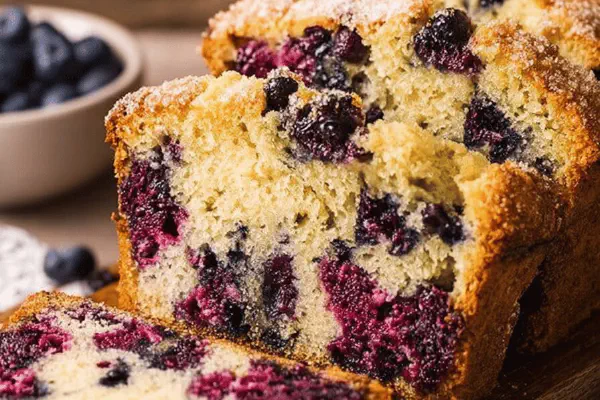
Lemon Blueberry Quick Bread
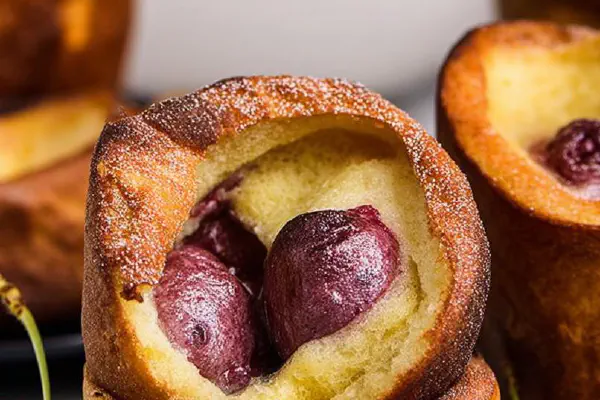
Cherry Almond Popovers
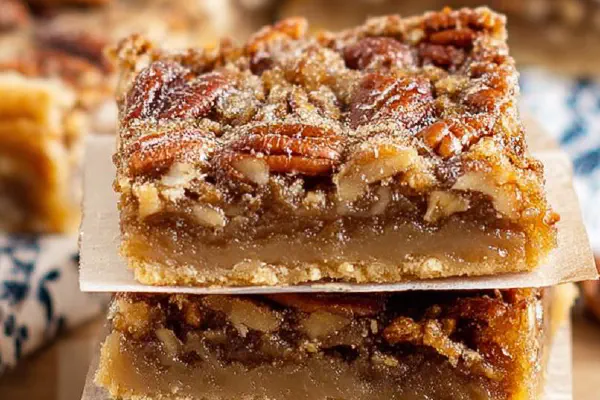
Altered Pecan Pie Bars
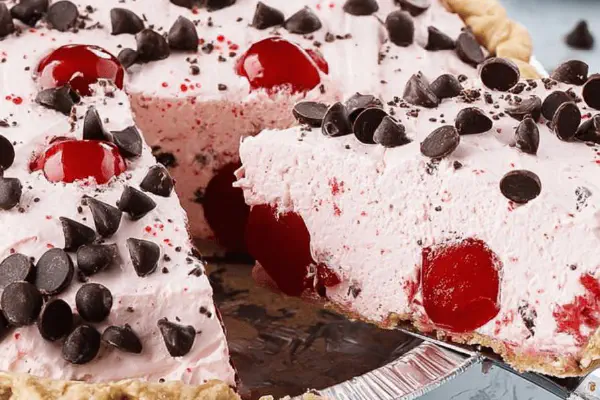
Chocolate Cherry Cream Pie
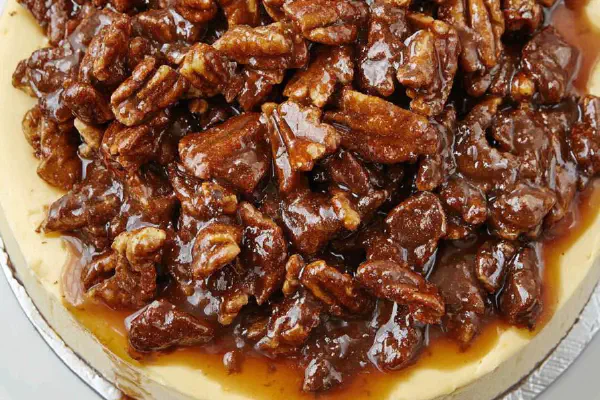
Pecan Pie Cheesecake
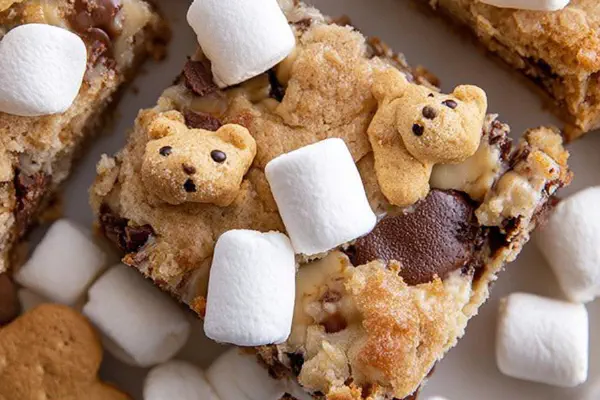
S'mores Cookie Bars
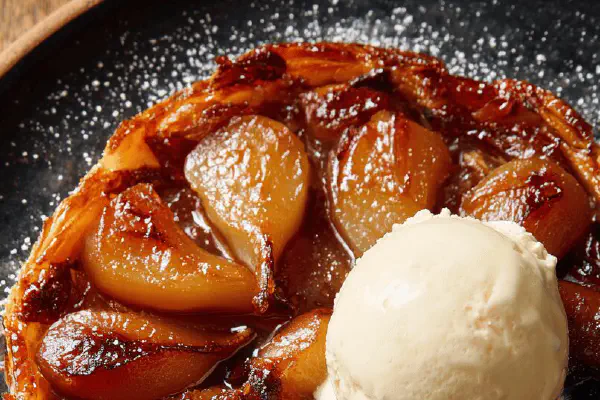
Twisted Tarte Tatin
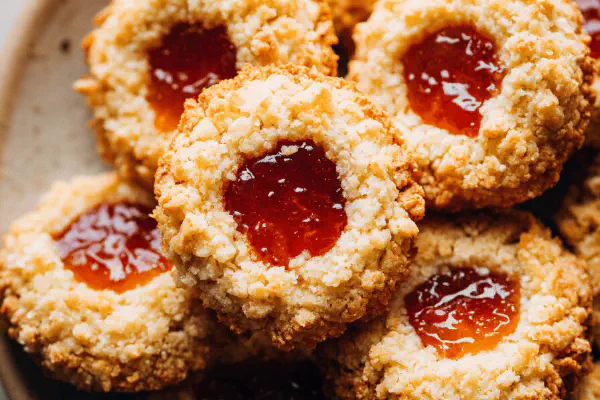
Jam Coconut Crunch Cookies

Golden Croissants with Rum Caramel
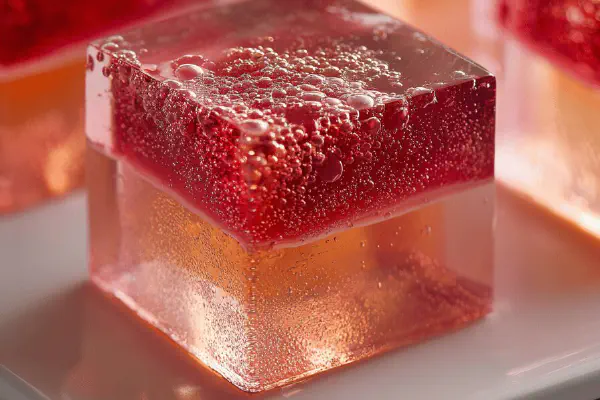
Sparkling Gin Jelly Cubes
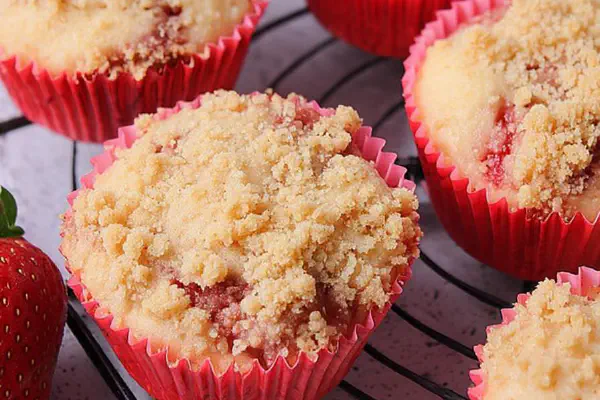
Strawberry Cream Cheese Muffins Revamped
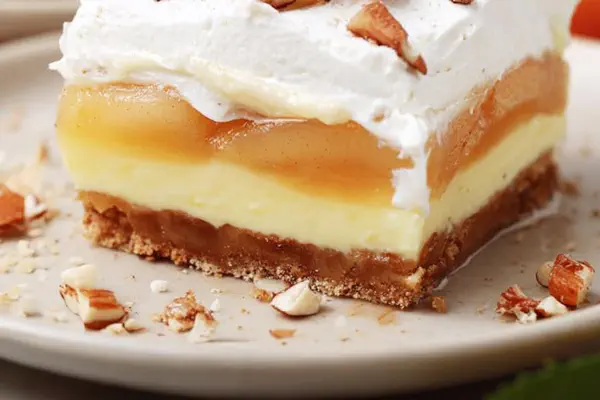
Crunchy Apple Layered Dessert
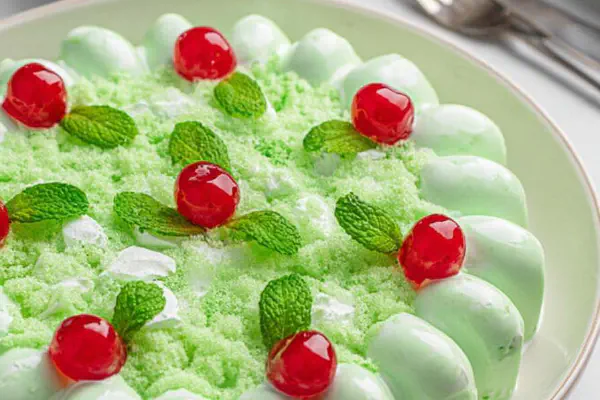
Pear Citrus Gelatin Salad
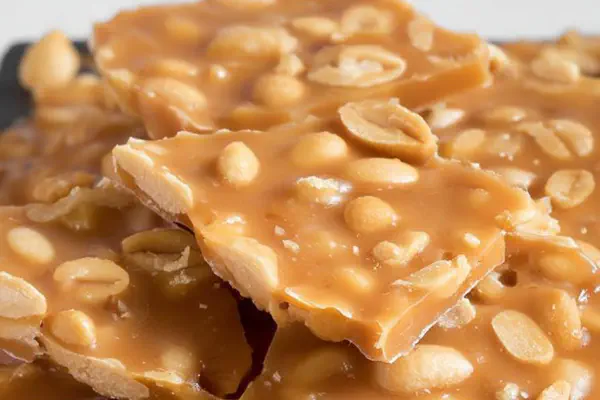
Nutty Caramel Brittle
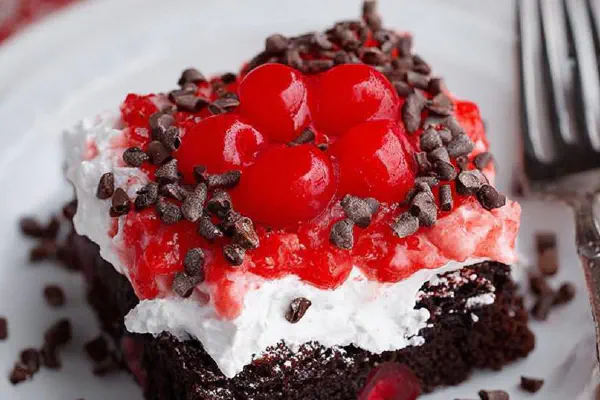
Black Forest Poke Cake Twist
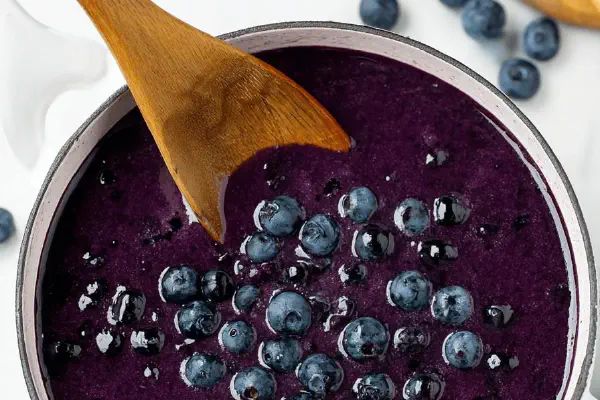
Creamy Blueberry Syrup Twist
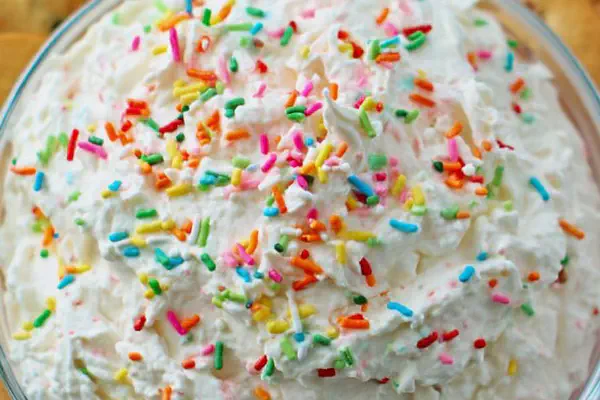
Confetti Yogurt Dip
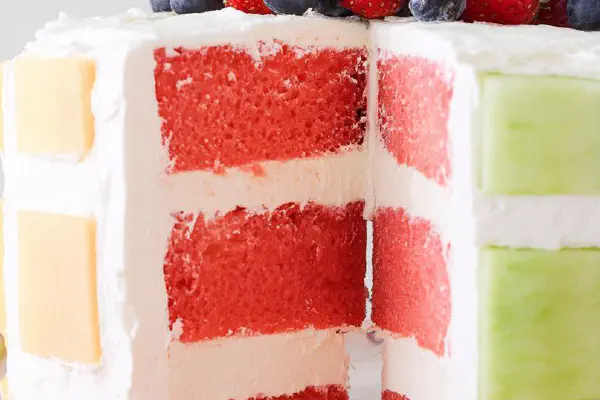
Layered Melon Stack
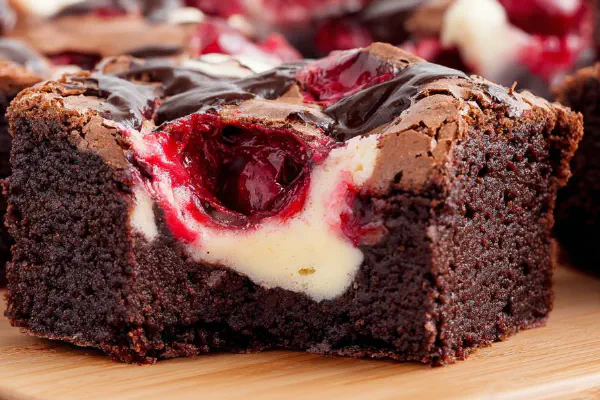
Cherry Cheesecake Brownies Twist
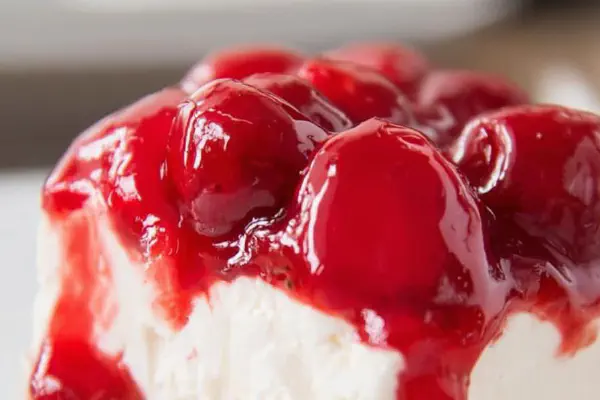
No Bake Cherry Cheesecake Bars
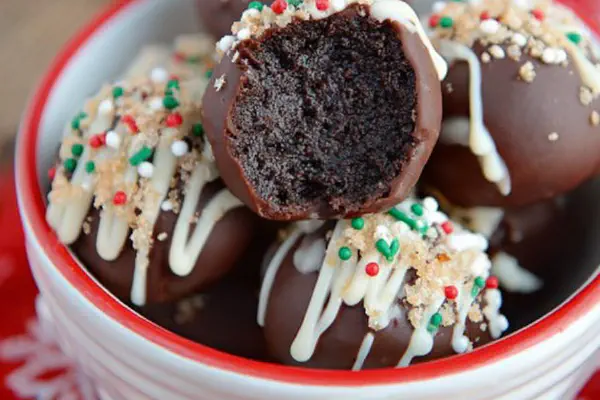
Chocolate Mint Oreo Bites
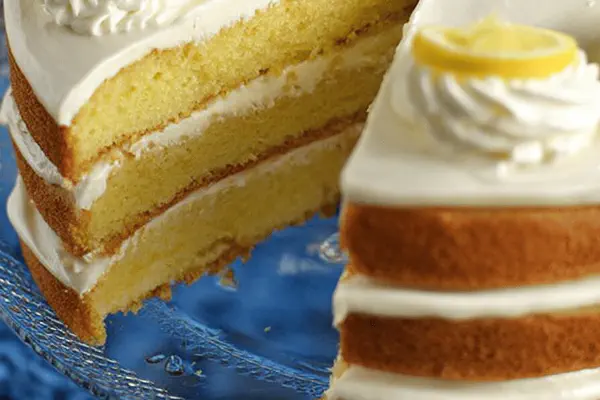
Lemon Cream Layer Cake
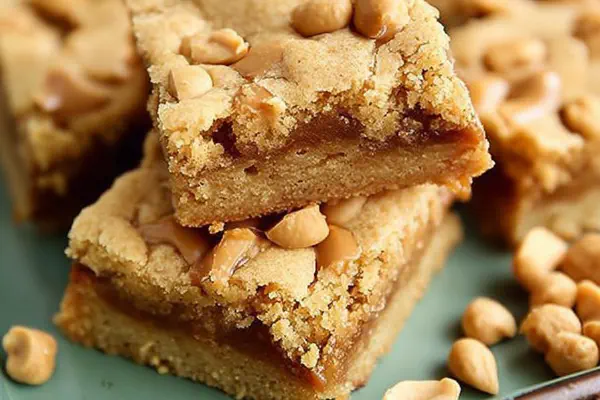
Chunky Peanut Bars
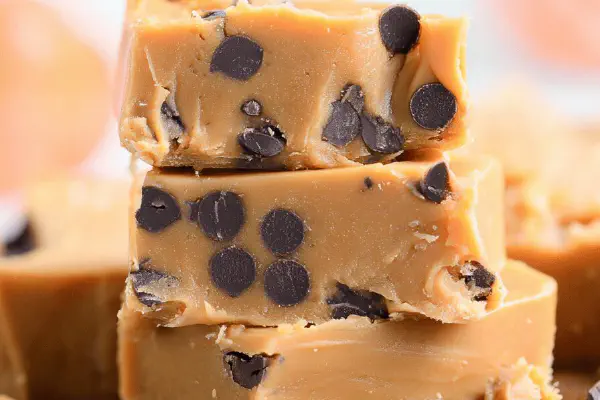
Pumpkin Peanut Fudge
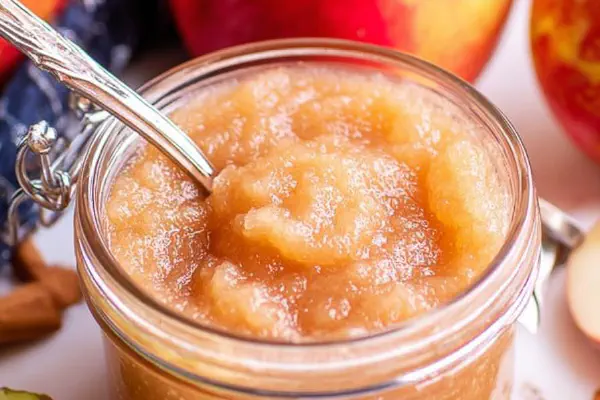
Rustic Homemade Applesauce
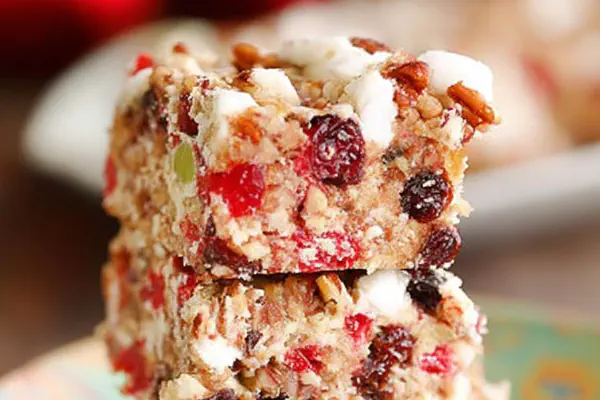
No-Bake Holiday Bars
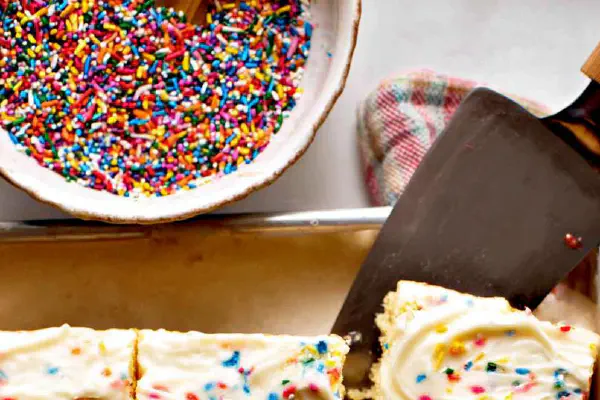
Confetti Sheet Cake Remix
About the ingredients
Cookie crumbs can be swapped with graham crackers or digestive biscuits but maybe adjust sugar depending on sweetness. Flour in crust helps it keep shape under filling but you can omit if you want a looser crust. Butter must be melted but cooled so it doesn’t cook eggs later. If cream cheese isn’t at room temp your batter will be lumpy and tough to beat. Use full-fat for texture—you’ll feel the difference. Sour cream adds tang and silkiness; Greek yogurt works but expect slight texture change. Fresh lemon zest is non-negotiable for bright citrus notes. Lemon juice better fresh but bottled can substitute; adjust amount if bottled is more sour. Lemon curd bought or homemade—a thin layer seals cracks and ups flavor. Whipped cream for topping optional but adds light cream contrast.
Method
Technique Tips
Baking cheesecake is timing your eye and touch not the clock. You want no color from the top—signal your oven might run hot. The middle wobble is key—too firm means dry. Cracking happens from too much air or cooling too fast. Slowing cooling inside warm oven frustrations cracks from sudden shrinkage. Pull door open to let moisture escape gradually. Tap pan when pouring batter to get air bubbles out or you’ll see holes after baking. Spreading lemon curd while cheesecake fully cool prevents melting and streaks. Refrigerator chill sets the internal texture which is dense and creamy after a few hours cold.
Chef's Notes
- 💡 Use room temperature cream cheese, no lumps allowed. If cold, it'll be a fight. Scrape bowl often to keep batter smooth. Egg temperature matters too. Slow addition reduces air. No air, no cracks.
- 💡 Check your oven temperature; unreliable. An oven thermometer can help. If too hot, surface cracks are likely. Brown top means overbaked. Look for edges that are set but center jiggly.
- 💡 Lemon zest must be fresh. Buy more than needed. Dry zest won’t pack the same punch. Swap cookie crumbs if you need; graham cracker works, adjust sugar down. Structured crust matters.
- 💡 Slow cooling inside the oven keeps cheesecake from cracking. Open door carefully, let steam escape gradually. Works wonders. Don't rush to cool, patience saves texture.
- 💡 Utilize lemon curd wisely. A thin layer hides cracks or blemishes. Do this after chilling. Smooth out any lumps in curd before spreading. If too thick, consider softening.
Kitchen Wisdom
How to fix cracks?
Use lemon curd to mask. Fresh berries work too. Less pressure means fewer cracks. Keep batter airy-free, avoid overbaking.
What's the best way to store?
Wrap gently in plastic, refrigerate. Use parchment for ease. Can freeze for months covered tightly, but texture may change.
Overbaked cheesecake?
If cracks, dryness noted, wrap warm cheesecake. Press down to reduce dryness later. Adapt accordingly next time.
Can I use Greek yogurt?
Yes, swap sour cream. Slight change in texture. May lose a bit of creaminess. Works, just know it’s a little different.
You’ll Love These Too
Explore all →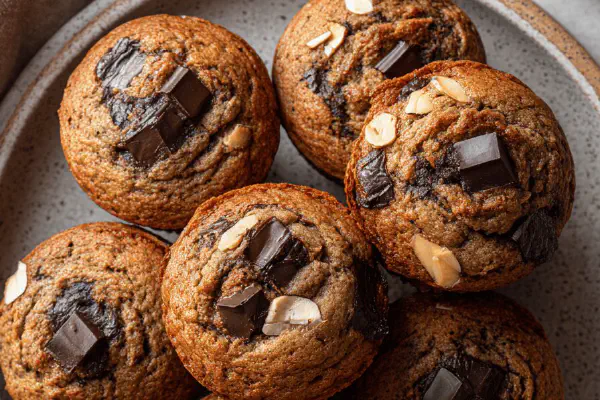
Buckwheat Banana Almond Muffins
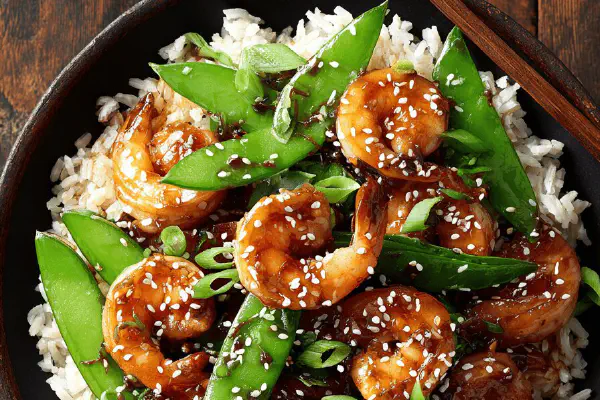
Sesame Shrimp Stir-Fry
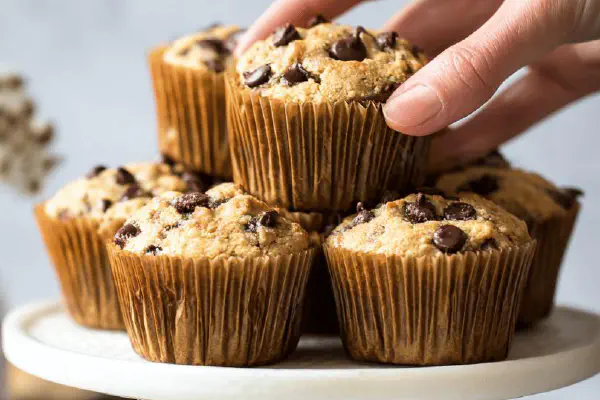
Banana Almond Muffins

Spiced Bloody Beer Twist
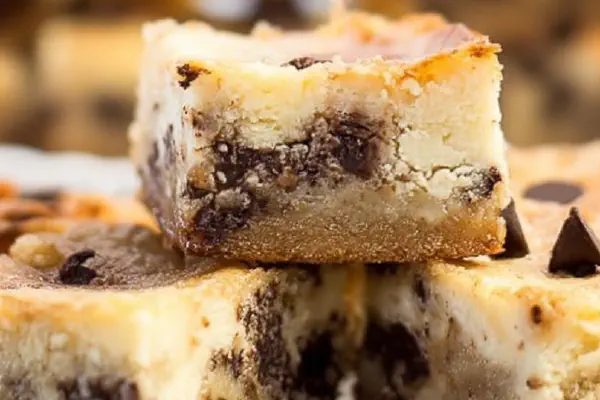
Chocolate Chip Cheesecake Bars

Cashew Chicken Stir-Fry Remix

Cheesy Biscuit Chicken Pot Pie

Loaded Chicken Nachos Remix
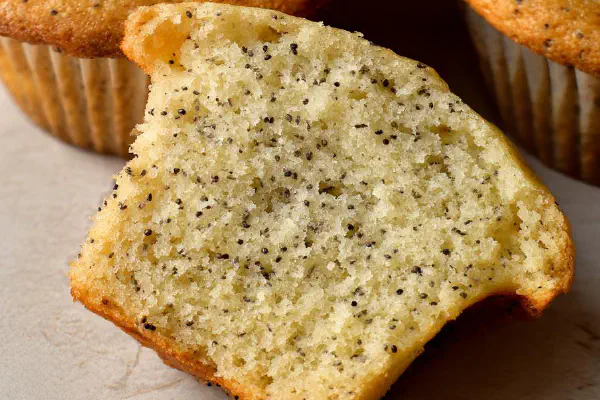
Almond Poppyseed Jumbo Muffins
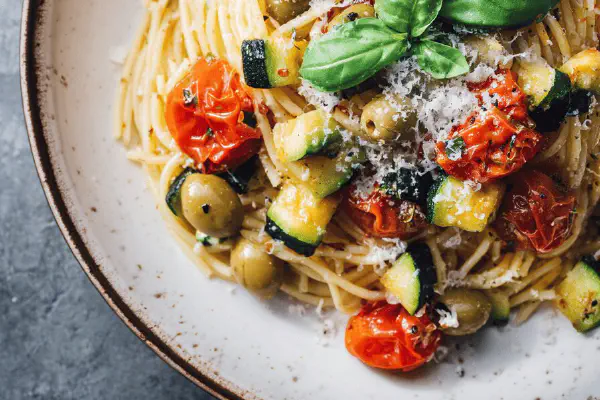
Cherry Tomato Zucchini Spaghetti
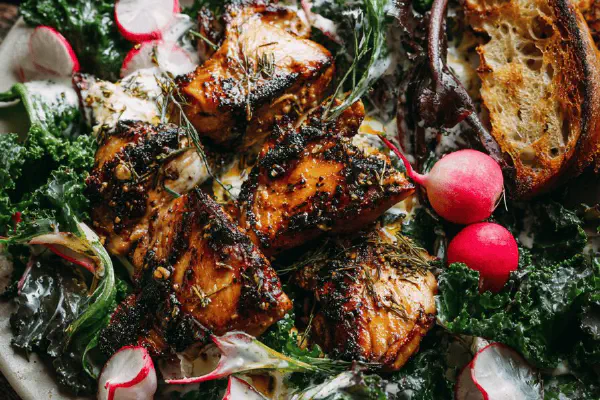
Grilled Kale Chicken Salad

Bitter-Sweet Fennel Orange Salad
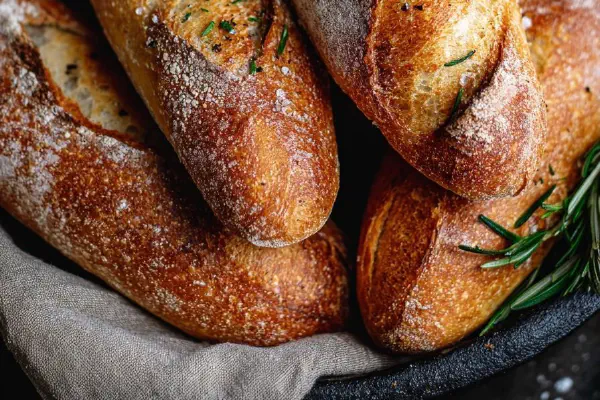
Rustic French Baguettes
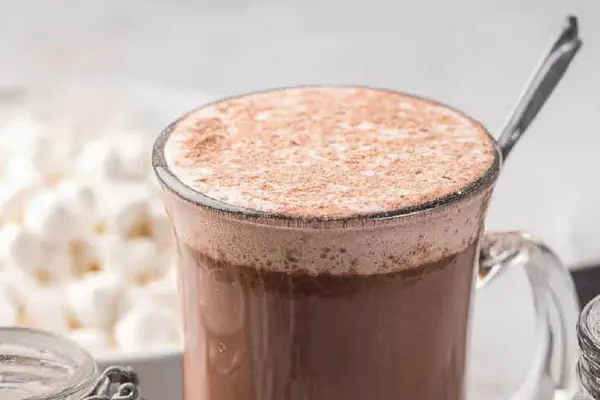
Homemade Cocoa Mix
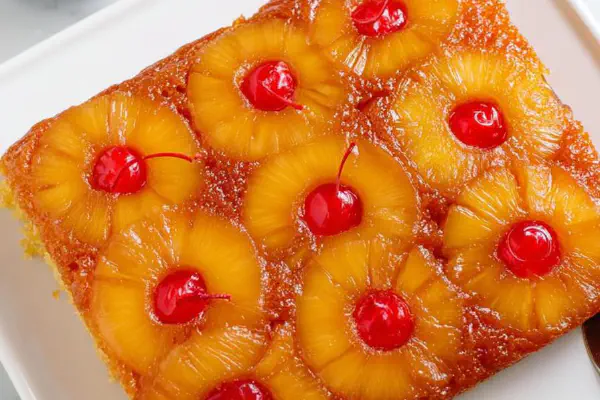
Pineapple Upside-Down Cake Remix
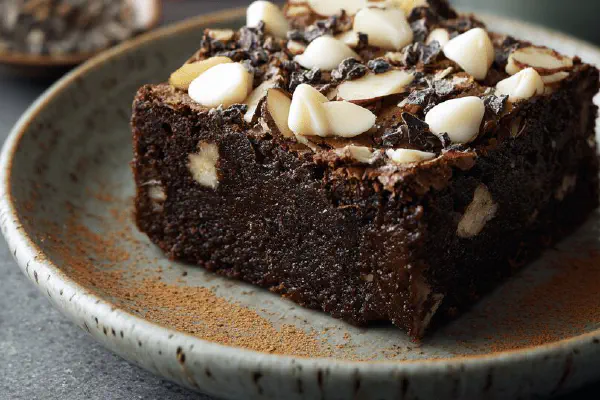
Microwave Brownie Mug Twist

Shrimp Mango Cocktail

Grilled Veg & Prosciutto Pizza
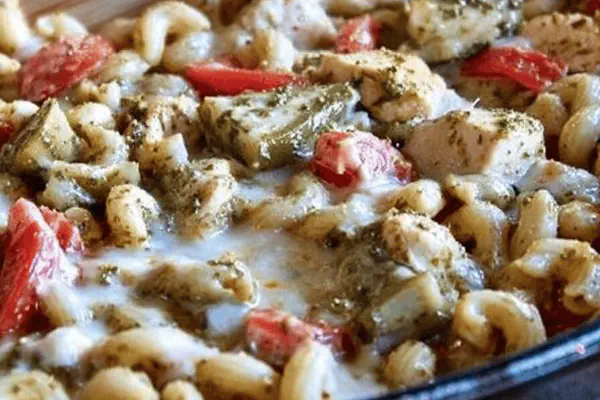
One-Pot Basil Chicken Skillet
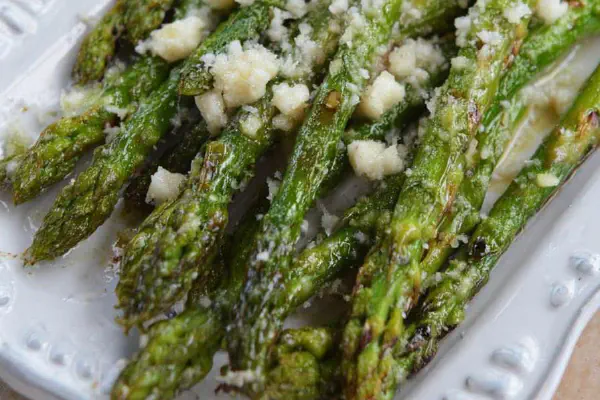
Garlic Parmesan Broiled Broccolini
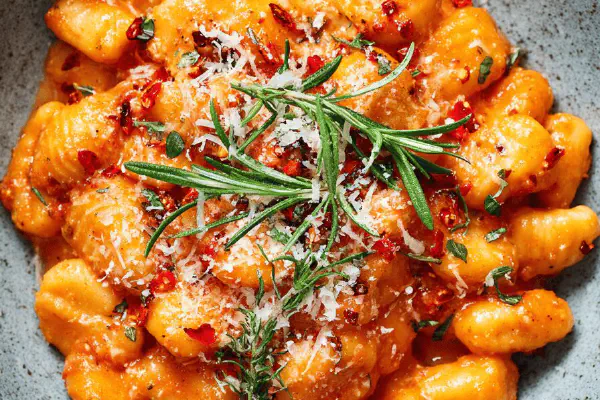
Rosemary Pink Sauce
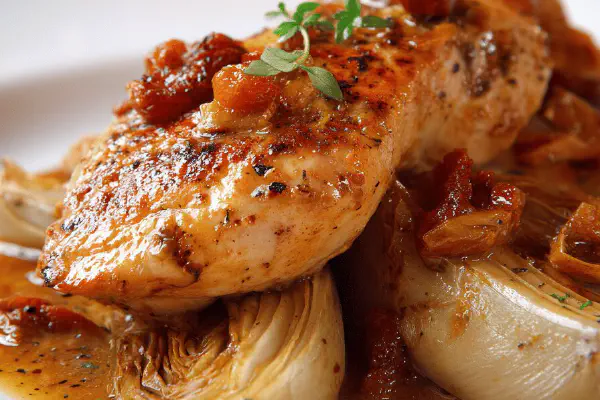
Beer Chicken with Apricots
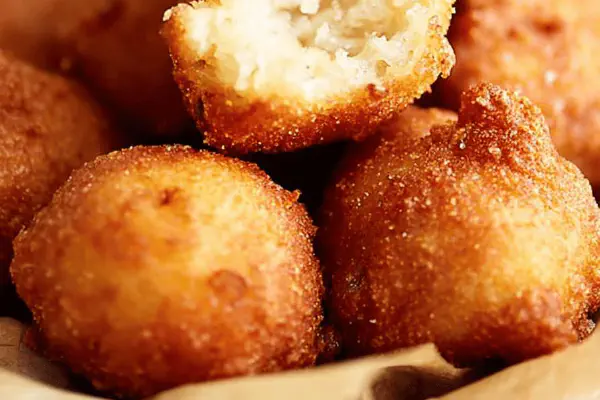
Savory Sweet Onion Fritters
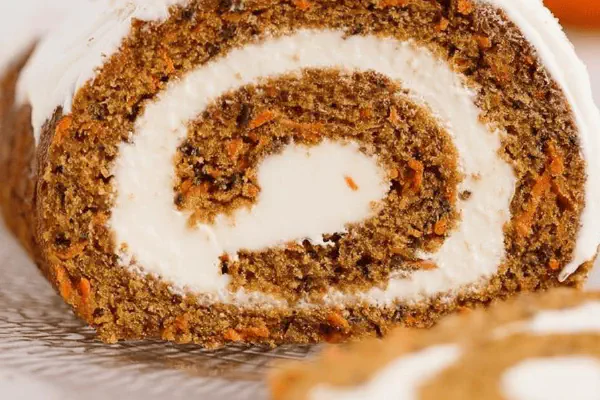
Carrot Cake Roll Revamped
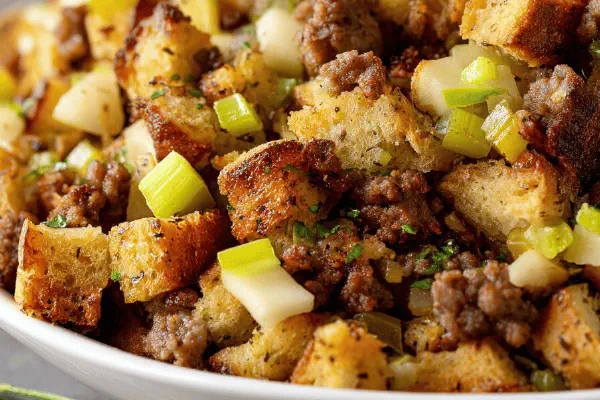
Apple Sausage Stuffing

Curried Lentil Cauliflower Shrimp Soup
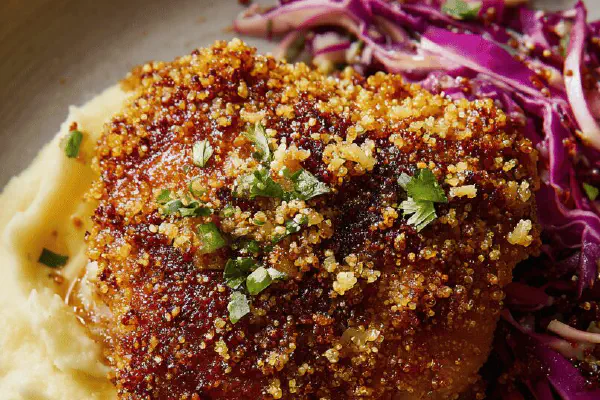
Chicken Thighs Shake'n Bake Kick
Nutty Caramel Brittle
Tangy Cream Cheese Frosting