Featured Recipe
Tangy Teriyaki Pork Kabobs
By Kate
"
Cubed pork marinated in a tangy mix of tamari, maple syrup, kombucha vinegar, garlic, and ginger. Skewered with fresh zucchini, mango chunks, and red onion. Grilled over medium heat, turning until caramelized and pork hits 160°F internal temp. Uses wooden skewers soaked to prevent burning. Offers vibrant smoky-sweet-pungent layers. Easy substitutions included for soy, sugar, vinegar. Emphasizes sensory cues over exact timings to avoid under/overcooking. Resting skews to finish juices. Reworked marinade ratios and ingredient swaps to cut sugar by 30%. Cooking window adjusted slightly to keep juicy pork and preserve charred bits. Practical and no-nonsense tips for home grilling success.
"
Prep:
12 min
Cook:
14 min
Total:
26 min
Serves:
4 servings
kabobs
grilling
pork
summer
easy meals
Introduction
Pork cubed, marinated in a mix that balances salty, sweet, tangy, and deeply aromatic. Maple syrup swaps brown sugar for a cleaner sweetness that won’t scorch so easy on the grill. Kombucha vinegar instead of rice vinegar adds subtle funk and helps break meat fibers, tenderizing without sogginess. The changes both cut sugar by nearly a third and deepen flavor complexity. Skewered alongside zucchini, mango, onion, and bell pepper; colors and textures collide in charred caramel notes. On the grill, don’t chase times too hard. Watch, smell, squeeze. Pork takes on a faint crust, yields slight resistance to touch but stays juicy. Rest before serving — a crucial step to keep juices where they belong. If no grill, broil with eyes wide open or pan sear on high heat. Safety tips on marinade disposal because raw pork and microbes don’t mix. Quick lime lift at end rounds out sweet and smoky notes. No fluff here, just solid fundamentals, so you nail your kabobs every time.
Ingredients
Marinade
- 4 tablespoons tamari or low sodium soy sauce
- 3 tablespoons pure maple syrup
- 1/2 cup water
- 2 tablespoons kombucha vinegar or apple cider vinegar
- 2 teaspoons sesame oil
- 3 cloves garlic minced
- 2 teaspoons freshly grated ginger
- 1 pound pork shoulder or pork loin, cut into 1 inch cubes
- 10 wooden skewers, soaked in water for at least 30 minutes
- 1 large zucchini, sliced into 1/2 inch rounds
- 1 red bell pepper, cut into 1 inch squares
- 1 cup mango chunks (fresh or frozen, thawed)
- 1 small red onion, cut into wedges
- Vegetable oil or neutral oil for grill grates
Kabobs
In The Same Category · Hearty Mains
Explore all →
Slow Cooker White Chicken Chili
Spinach Ricotta Shells
Ham Endive Gratin Twist
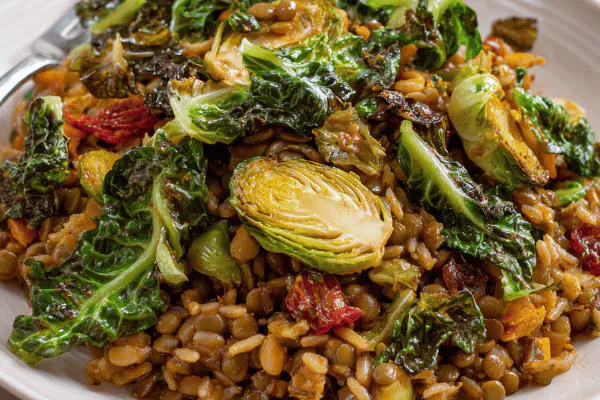
Lentil Rice with Roasted Brussels Leaves

Shortcut BBQ Stew
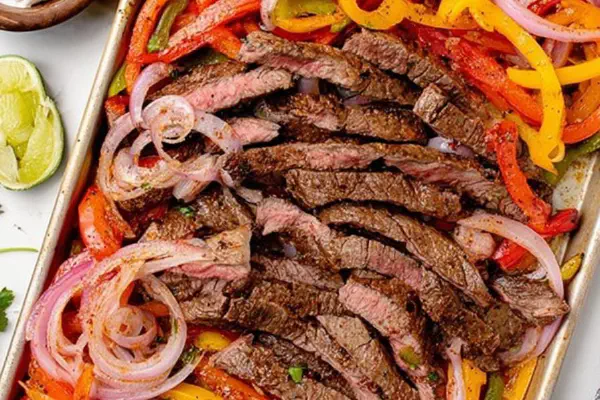
Sheet Pan Steak Fajitas
Chicken Fettuccine Alfredo Twist
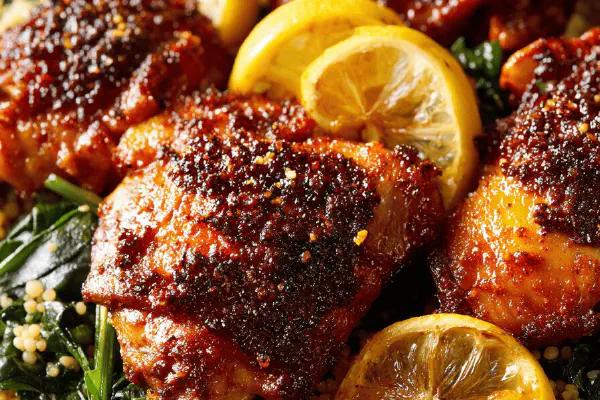
Lemon Paprika Chicken Thighs
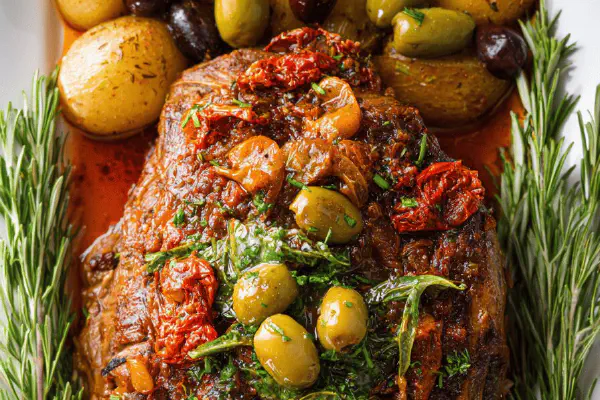
Greek-Style Veal Roast
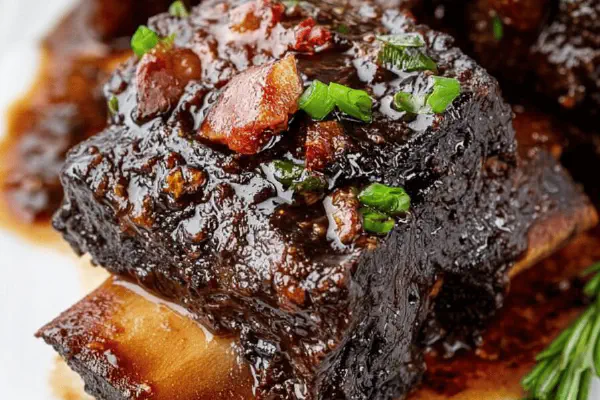
Honey Ginger Braised Ribs
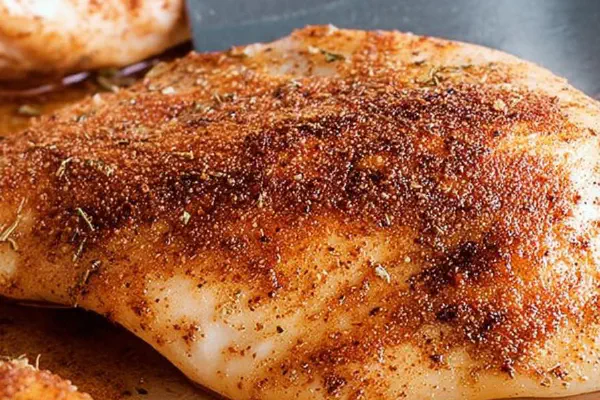
Spicy Oven-Baked Chicken
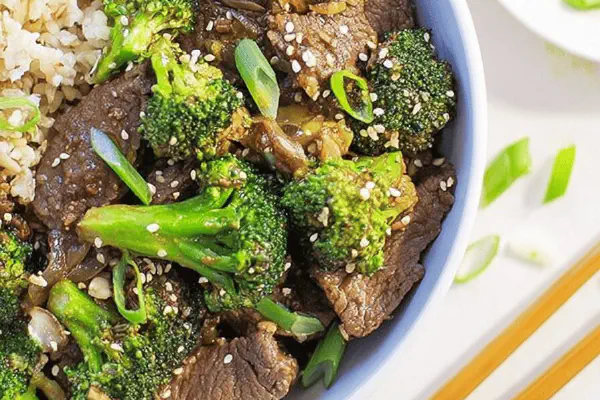
Slow-Cooked Ginger Beef Broccoli
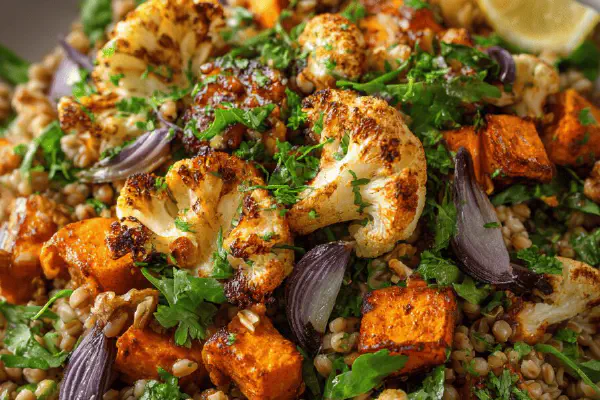
Barley Cauliflower Sweet Potato Salad
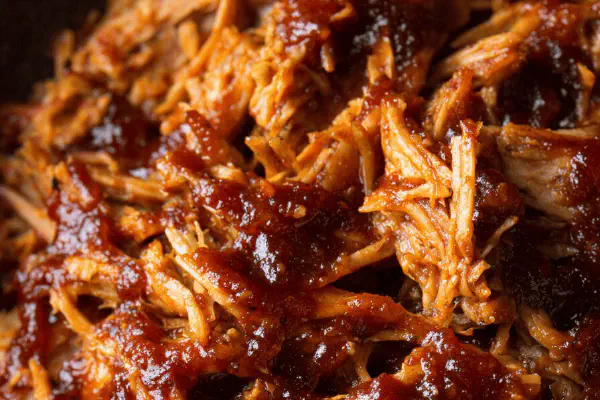
Smoky Slow Cooker Pulled Pork
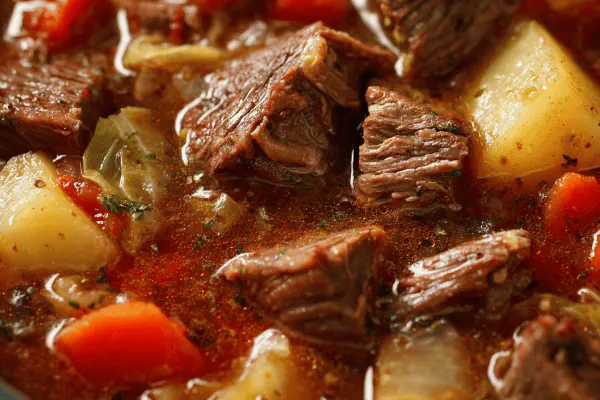
Beef Vegetable Pot Boil
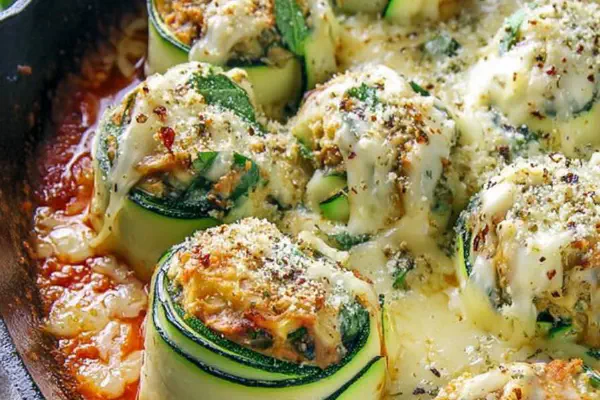
Zucchini Roll Lasagna

Zesty Beef Frito Pie
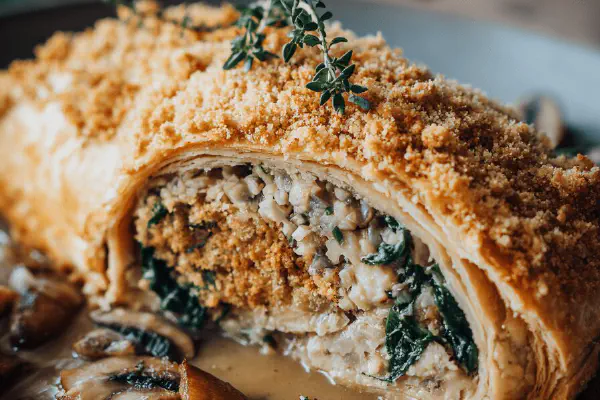
Mushroom Buckwheat Wellington
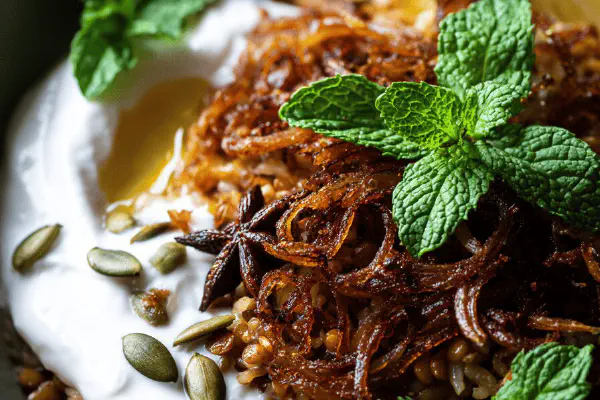
Brown Rice Lentil Bowl
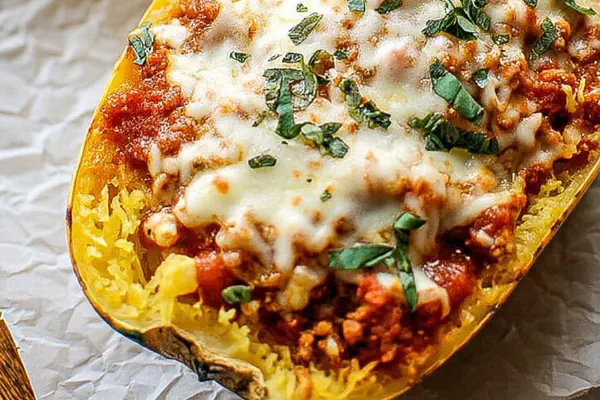
Turkey Spaghetti Squash Boats
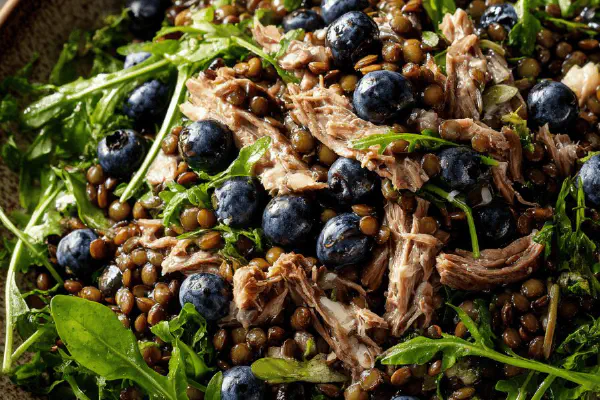
Lentil Salad Duck Blueberry
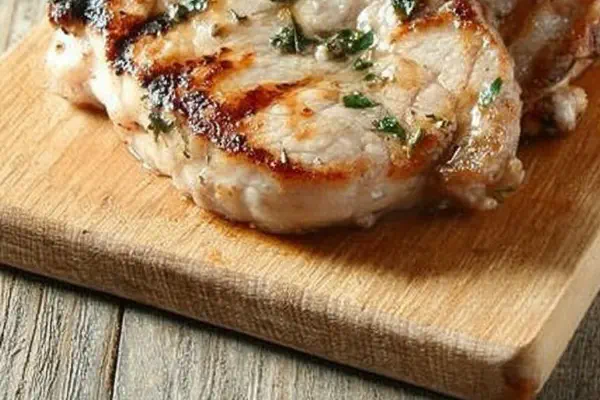
Herb-Brined Pork Chops
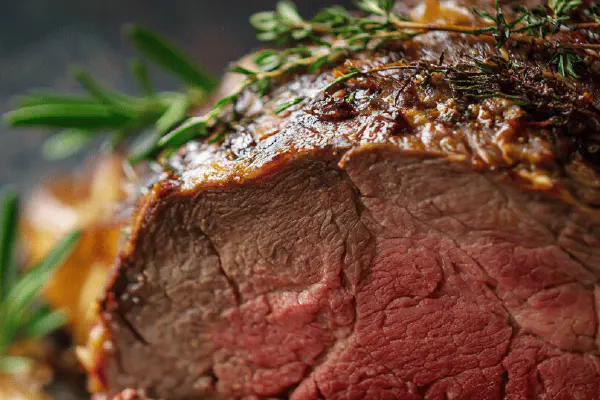
Slow-Roasted Beef Twist
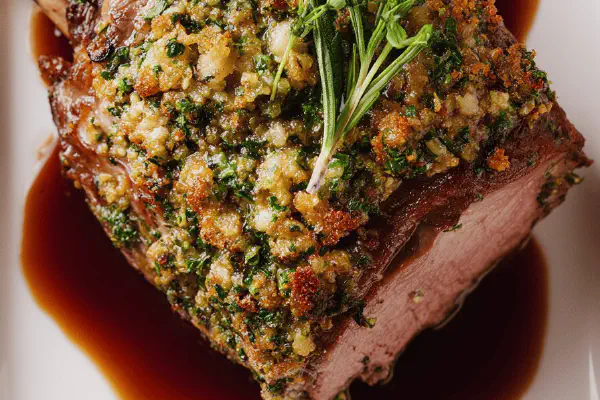
Lamb Leg with Herb Crust and Rosemary Jus
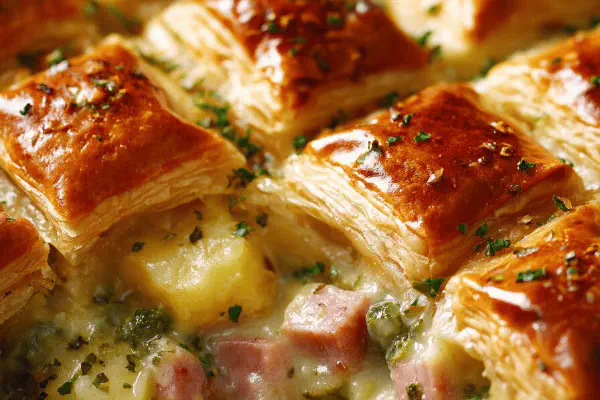
Spiced Apple Ham Pot Pie
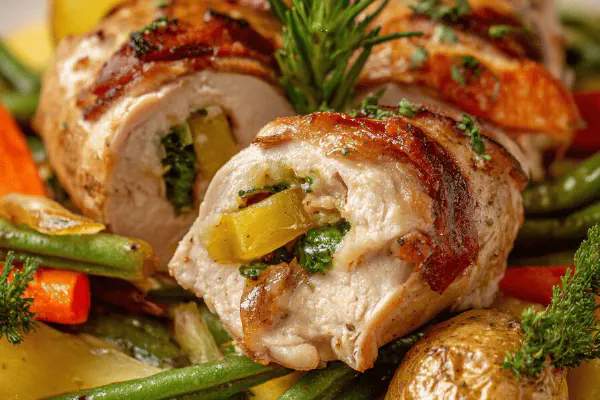
Chicken Roulades Autumn Veg

Roasted Tomato Bacon Cobbler
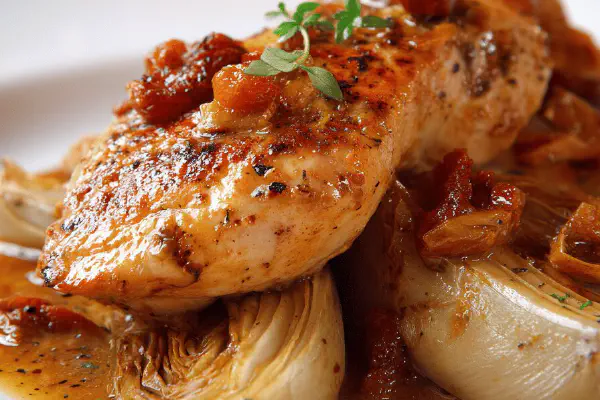
Beer Chicken with Apricots
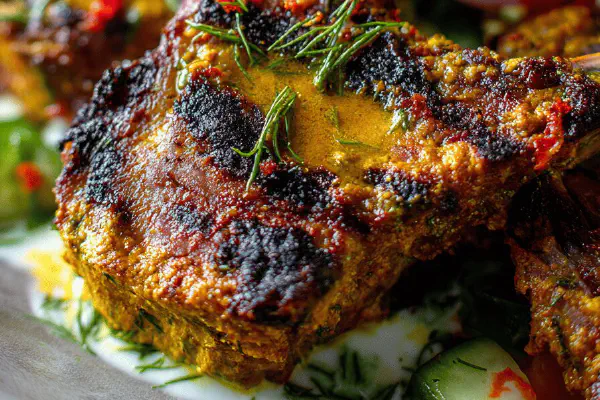
Lamb Chops with Curry and Melon Raitha
About the ingredients
Tamari or low sodium soy sauce reduces overpowering saltiness. Maple syrup replaces brown sugar cutting sweetness and reduces risk of burnt spots on grill. Kombucha or apple cider vinegar traded for rice vinegar to introduce slight fermentation complexity aids pork breakdown for tenderness. Garlic and fresh ginger mandatory for authentic punch, skip powders or add minimal for convenience but fresh wins. Pork shoulder preferred for marbling and flavor depth; loin leaner but less forgiving to grilling. Wooden skewers must soak 30+ mins to prevent charring, metal skewers can be used for durability and quicker cleanup. Veggie choices like zucchini and mango chosen to build sweet, creamy, fresh textures against the dense pork. Red onion sharpness balances. High heat oiling of grill grates reduces sticking and promotes grill marks. Avoid reusing marinade as sauce unless boiled to eliminate bacteria risks. Marinate within 3 hours max to prevent protein breakdown into mushy meat.
Method
Marinade
- Whisk tamari, maple syrup, water, kombucha vinegar, sesame oil, garlic, and ginger until fully combined. Use tamari if soy sensitivity, maple syrup instead of brown sugar for less cloying sweetness. The vinegar swap brings brightness, breaks pork fibers for tenderness.
- Add pork chunks, toss until every piece coated. Cover bowl tightly with plastic wrap, chill minimum 1 hour, ideally up to 2. Longer marinade risks too acidic, make sure to not exceed 3 hours or pork turns mushy.
- Drain pork from marinade, discard liquid to avoid flare-ups.
- Thread skewers with pork, alternating with zucchini, mango, bell pepper, and onion. Mixing textures—firm pork, crisp zucchini, soft mango, pungent onion—raises flavor layers as they char.
- Preheat grill to medium (about 325-350°F). Oil grates heavily using paper towel dipped in oil and tongs to prevent sticking and promote classic grill marks.
- Position kabobs over indirect heat first; hear gentle sizzle, no roaring flames — lets caramelization start without burning sugars.
- Cook about 3-4 minutes per side, rotate every 3 minutes for even color and doneness. Look for glistening pork surface that firms with slight give. Mango will start softening and edges of veggies will char lightly.
- Total cook time around 14 minutes, but trust pork’s firmness and color cues. Always verify internal temp with reliable instant-read thermometer — target 160°F. Too low risks undercooked; too high dries pork.
- Remove kabobs from grill, let rest loosely tented with foil 3-5 minutes. Rest lets juices redistribute, pork feels springy not dry. Avoid cutting immediately or juices run out onto plate.
- Serve straight from skewers or slide off onto platter. Quick lime wedge squeeze over pork and mango complements smoky sweetness if desired.
- Soak skewers well or switch to reusable metal skewers. Keep an eye on flare-ups, move kabobs to cooler part of grill if flames rise.
- Substitute chicken thighs for pork if preferred, adjust marinade time to 30-45 minutes. For soy-free, coconut aminos can work.
- If no grill, use broiler on high with rack positioned 4-5 inches from element, watch carefully to prevent burning. Turn kabobs every 3 minutes.
- Leftover marinade NOT for basting unless boiled for 5 minutes to kill bacteria. Better to reserve separate batch if basting sauce desired.
- Use fresh ginger, not powder — fresher aromatics make all difference.
- If pork texture seems tough after cooking, likely overdone or too thinly sliced. Thicker pieces give better chew and moisture retention.
Skewering and grilling
Cleanup and tips
Technique Tips
Marinade mix vibrates salty-sweet layers with fresh aromatics. Whisk thoroughly so maple syrup dissolves completely—avoids gritty spots and flare-ups from sticky sugar chunks. Time in marinade critical, not too short or meat stays tough; not too long or mushy. Grilling over indirect heat first slows sugar caramelization so exterior chars, interior cooks evenly. Rotate kabobs often, look for faint grill marks shifting to golden brown. Pork color transitions from blush pink to opaque light beige, texture firms slightly but still yields when poked. Mango releases sugars as edges soften, veggies show blistered skins and softened flesh without turning to mush. Cook times adjusted ±5% around 14 minutes to compensate for grill heat variability. Resting lets internal juices redistribute; skipping leaves dryness. Use instant-read thermometer for food safety, never guess pork readiness. Oiling grill grates with towel and tongs is speedier than spraying and safer. Keep any flare-ups at bay by moving kabobs away or dampening flames with lid or spray bottle. If no grill, broiling is passable but require vigilant attention to avoid burning or drying out.
Chef's Notes
- 💡 Use really thick cuts for pork, at least 1 inch, helps retain moisture. Thin pieces dry quicker, need watchful eye on grill. Keeps you from guessing. Use instant-read thermometer. Woolworth the stress.
- 💡 Wood skewers benefit from being soaked for 30 minutes. Prevents burning. Metal lasts longer, saves more hassle later. Just keep an eye on flare-ups. Move to cooler parts of the grill if needed.
- 💡 If grilling not available, broil on high. Watch it closely. Sizzle and smoke can quickly turn to char. Rotate kabobs every 3 minutes. Just make sure to check the temp.
- 💡 Baste with marinade only if boiled first. Raw juices are no good. Always err on side of caution with food safety. Better to prep a separate sauce if needed.
- 💡 Use fresh ginger, not powdered. Changes flavors entirely, adds distinct punch. Check that garlic is fresh too. Essential for great depth. Skip the dry if you can help it.
Kitchen Wisdom
Marinate time, what’s the deal?
1 to 2 hours ideally. More acidic if longer, under 3. Turn mushy beyond that. Keep chilled.
Can I use a different protein?
Absolutely. Chicken thighs work. Adjust marinade to 30-45 minutes. Coconut aminos as soy alternative.
What if it’s dry?
Likely overcooked or thin cuts. Keep thickness for moisture retention. Ensure right temp measured.
Storage for leftovers, how?
Fridge for up to 3 days, keep wrapped tightly. Freezing? Yes, but lose texture. Recommended to consume fresh.
You’ll Love These Too
Explore all →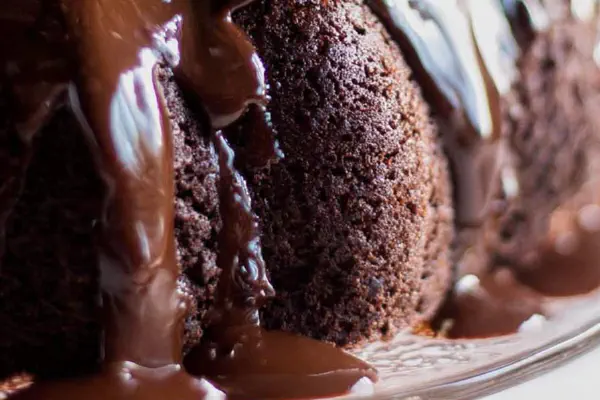
Red Wine Fudge Cake
Ultimate Crowd Mac Cheese

Blueberry Cream Fluff
Catalina-Style Vinaigrette
Cauliflower Chickpea Curry
Herbed Trout Soup

Spiced Shirley Smash
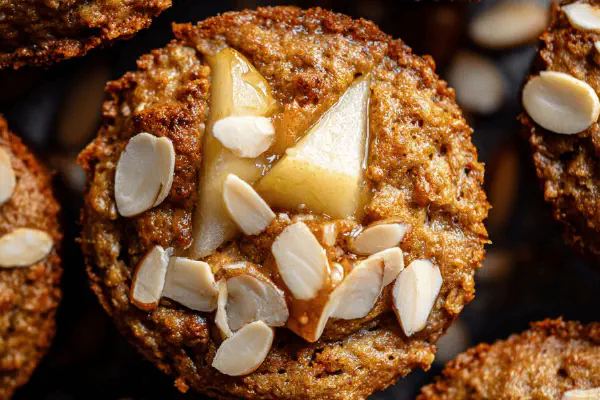
Pear Almond Muffins with Oats
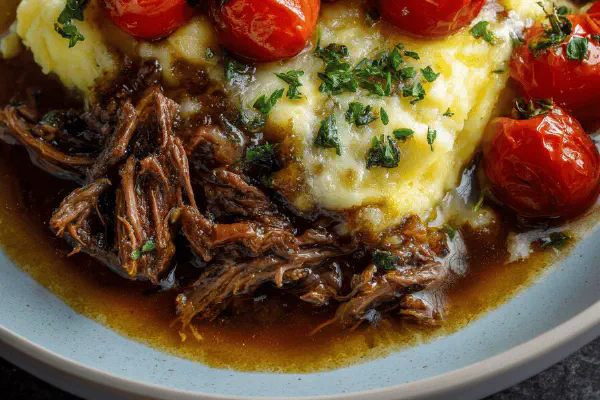
Braised Beef Parmentier with Oka
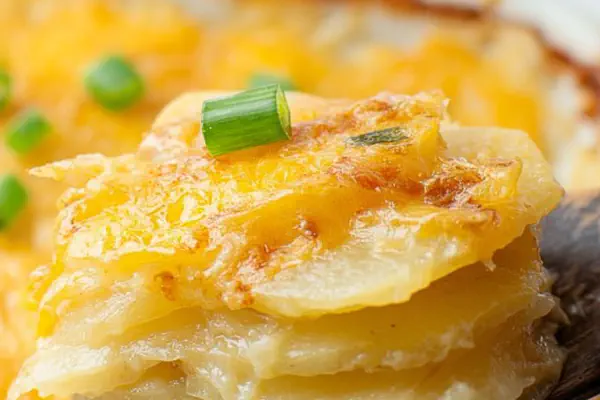
Creamy Twice-Cheese Potatoes
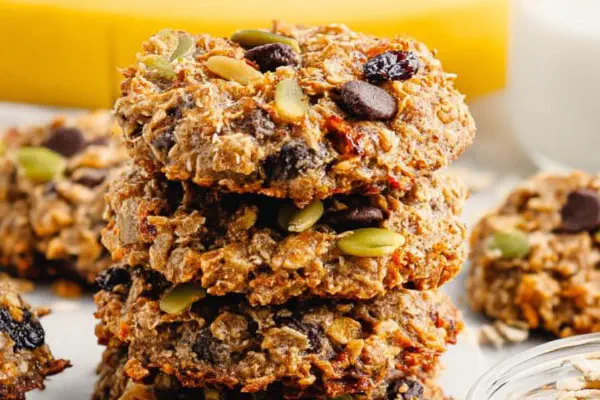
Banana Oat Breakfast Cookies
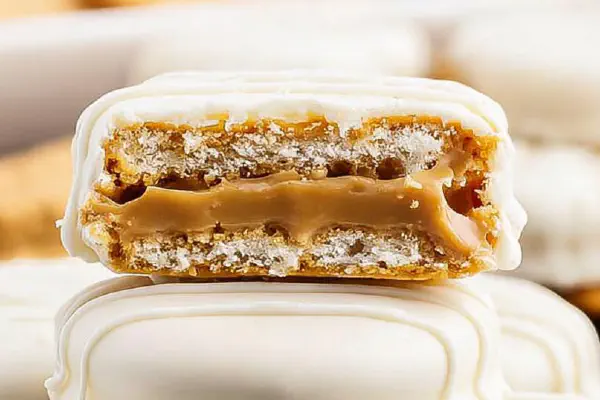
Peanut Butter Crackers Dipped
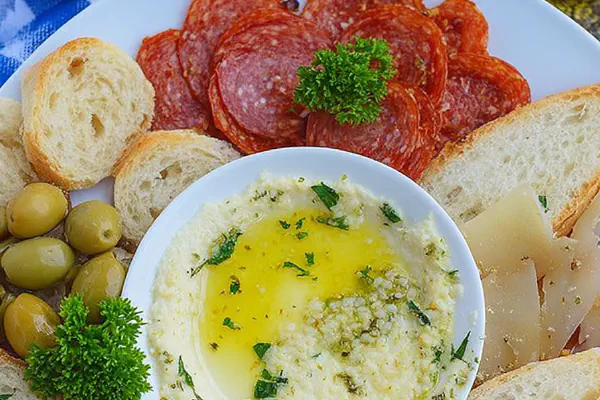
Garlic Herb Cheese Dip
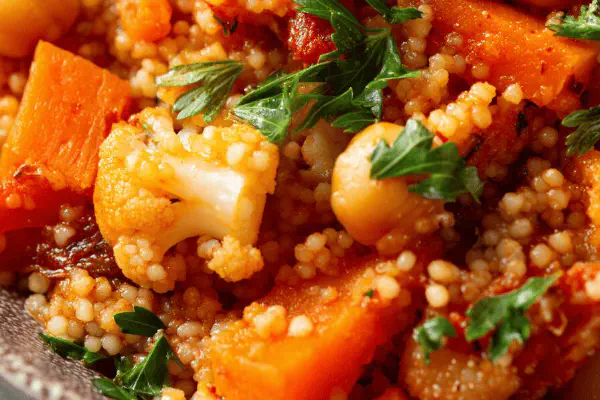
Cauliflower Couscous Stew
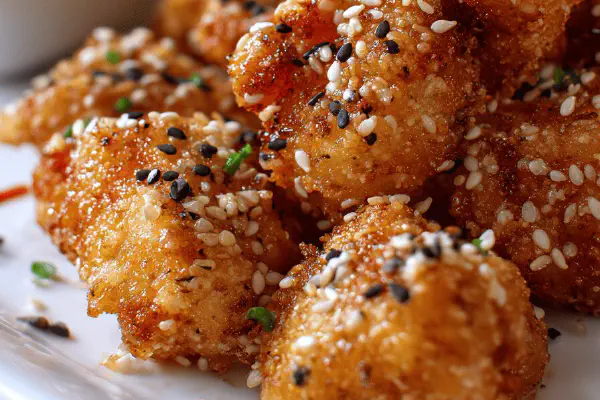
Sesame Wasabi Fried Chicken
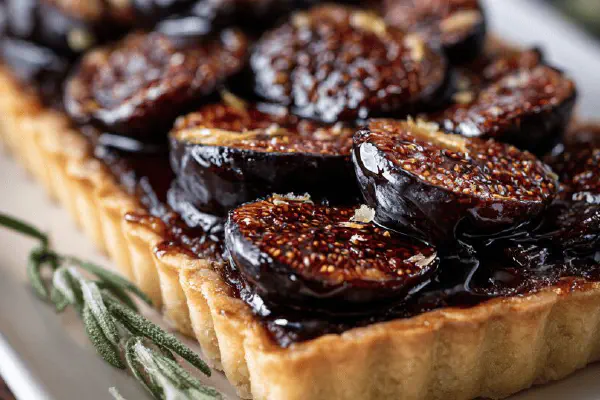
Fig Porto Frangipane Tart
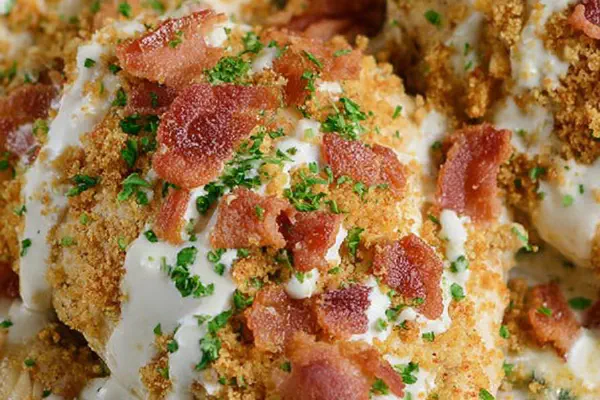
Bacon Ranch Chicken Twist

Clementine Passion Fruit Salad
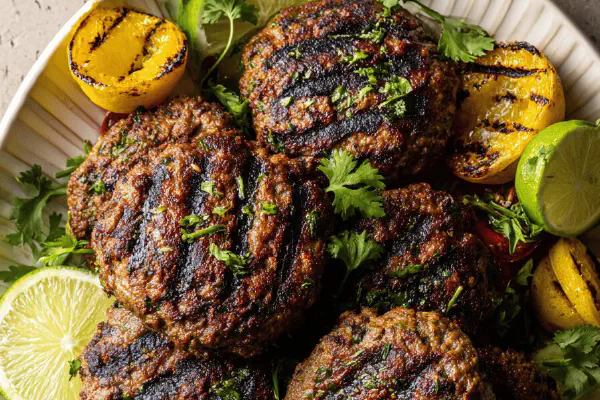
Spiced Lamb Patties with Charred Citrus
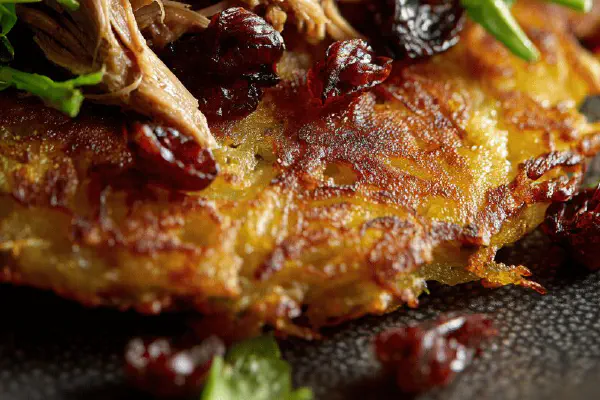
Duck Salad Rösti
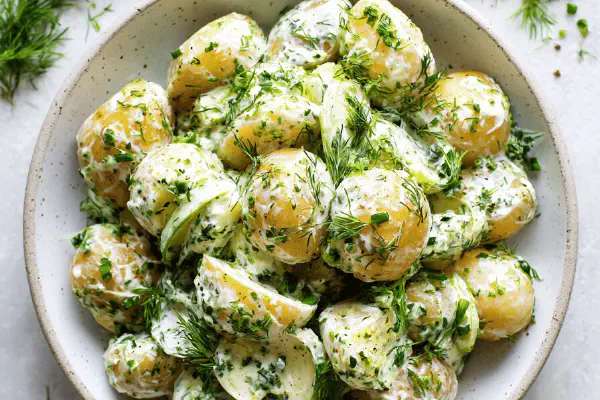
Herbed Creamy Potato Salad

Spiced Fall Sangria
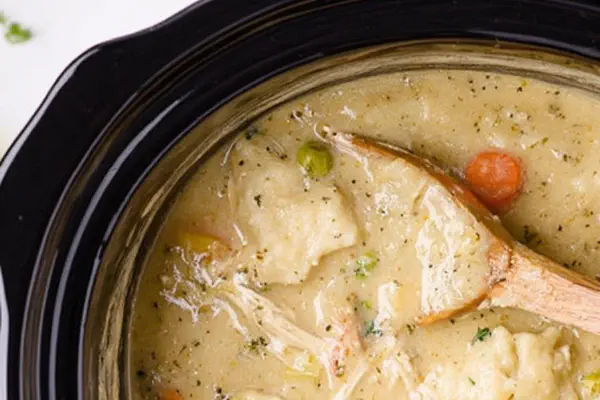
Slow Cooker Chicken Dumplings
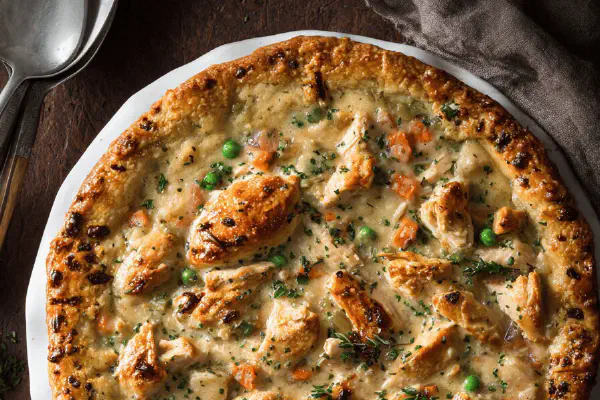
Chicken Pot Pie Classic Twist
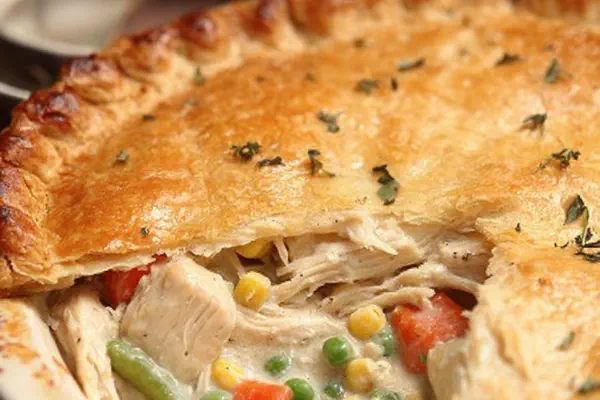
Creamy Chicken Pot Pie
Fish broth remake

Holiday Cookie Mix Jar
Mushroom Tart Twist

Tropical Lime Cooler