Featured Recipe
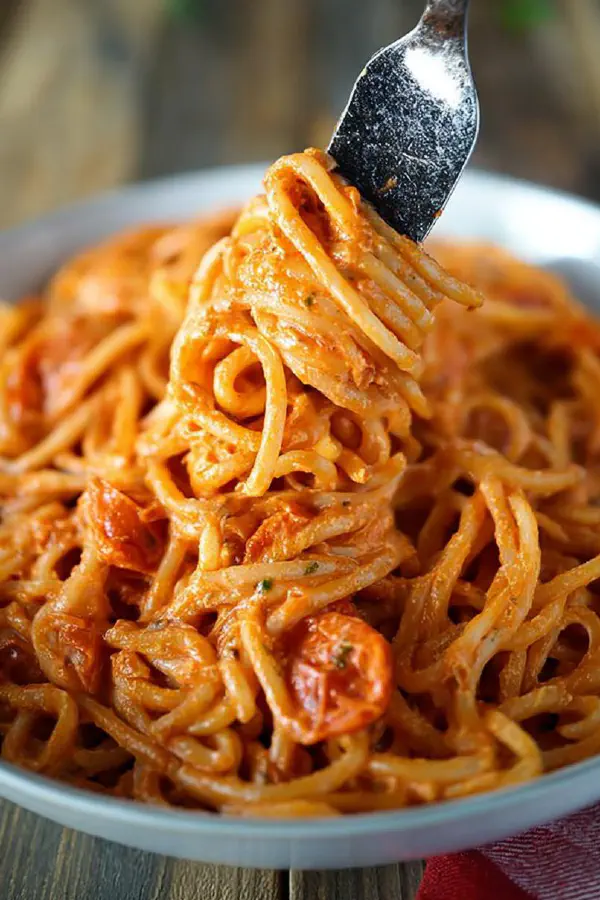
Tomato Garlic Cream Pasta
By Kate
"
Quick pasta cooked in salted water without draining. Garlic tomato sauce made creamy with whipped goat cheese. Tossed directly with pasta water for perfect sauce adhesion. Simple, reliable, few ingredients. Substitutes included for goat cheese and pasta. Keep sauce bubbling gently to avoid curdling. Timing guided by aroma and texture cues, not the clock.
"
Prep:
8 min
Cook:
18 min
Total:
26 min
Serves:
6 servings
pasta
Italian
comfort food
Introduction
Start with boiling the water heavily salted—pasta needs seasoning inside out. Never rinse the noodles; starch clings, helps sauce grip. Garlic hits hot oil just right—fragrant but never burnt; timing is seconds, watch color. Marinara needs slow warmth; bubbling edges tell when to soften cheese. Goat cheese replaces Boursin here—less herbaceous, more tang, but creamy melts ideal for sauce texture. Ditch draining water; toss pasta wet inside sauce to marry flavors better. Adjust salt last—marinara can be salty already. Basil adds fresh punch when basil’s fresh and bright. Cooking isn’t about strict minutes; feel the chew, smell the sauce, hear the gentle simmer. All about layering textures and balancing flavors, fast but intentional.
Ingredients
In The Same Category · Noodle Dishes
Explore all →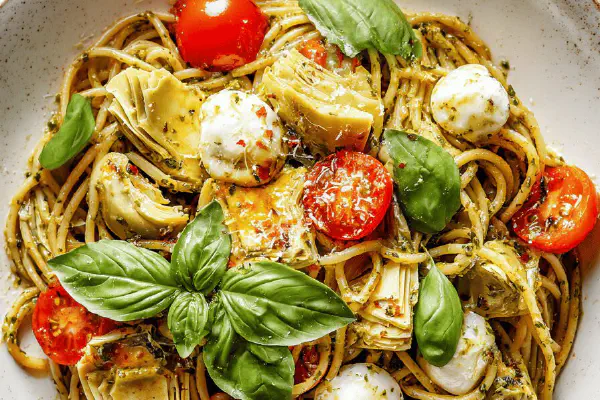
Spaghetti with Pesto Artichokes
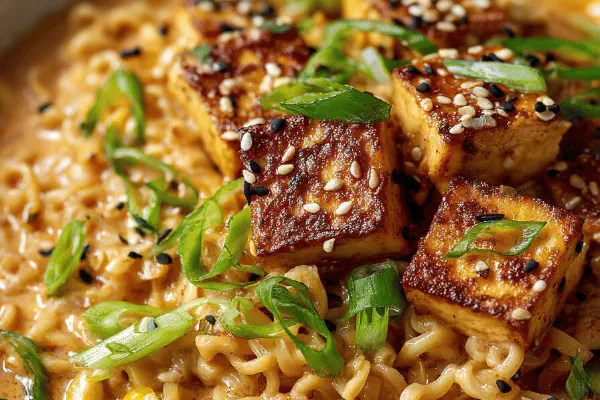
Creamy Red Curry Ramen
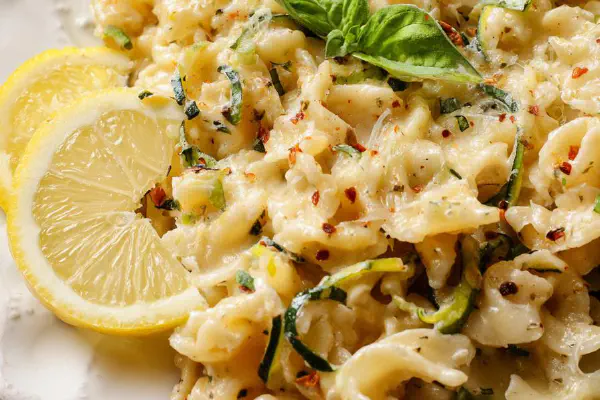
Zucchini Lemon Fettuccine
Stuffed Heirloom Tomatoes
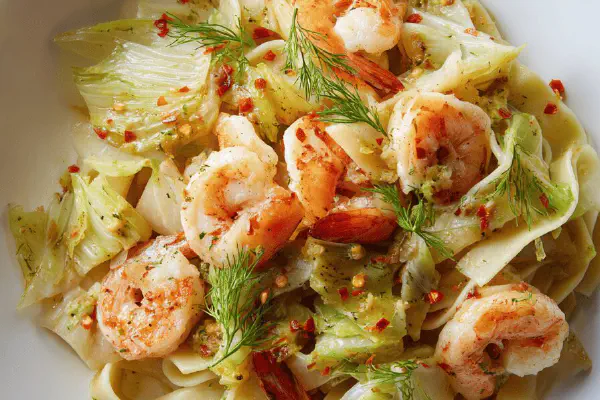
Shrimp Fennel Tagliatelle
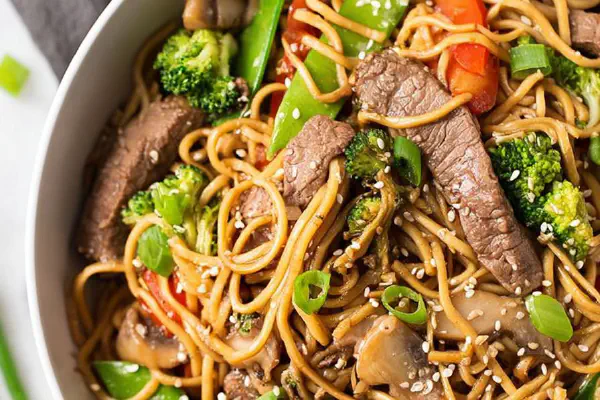
Beef Lo Mein Remix
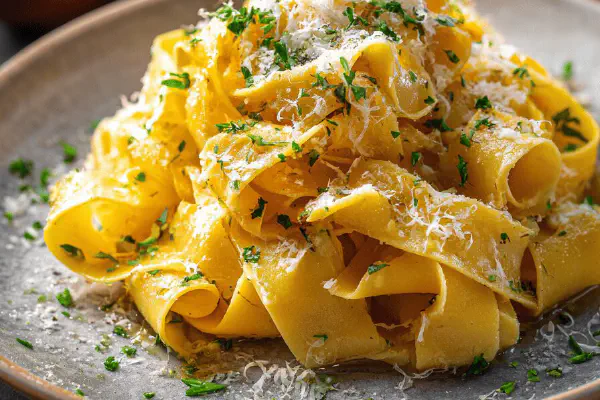
Fresh Handmade Pasta
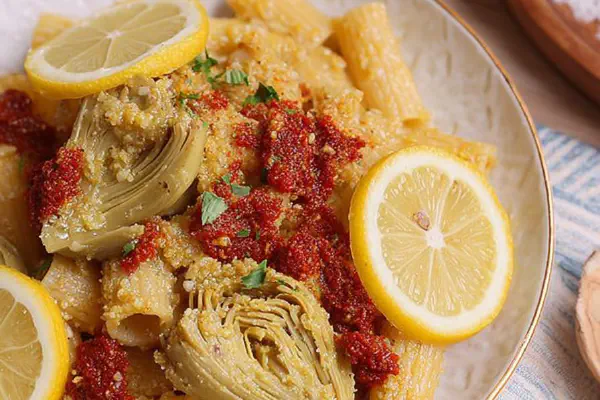
Zesty Artichoke Pesto Pasta
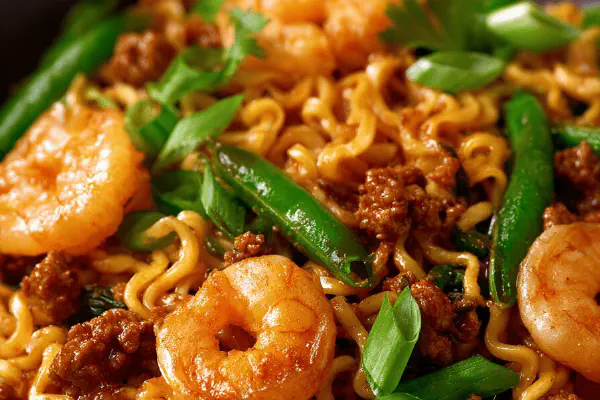
Spicy Pork Shrimp Ramen
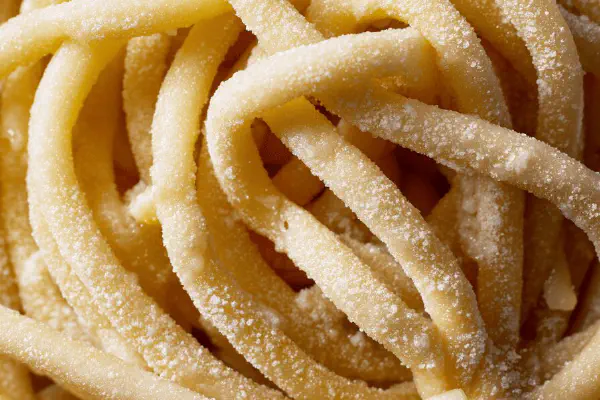
Rustic Homemade Pici
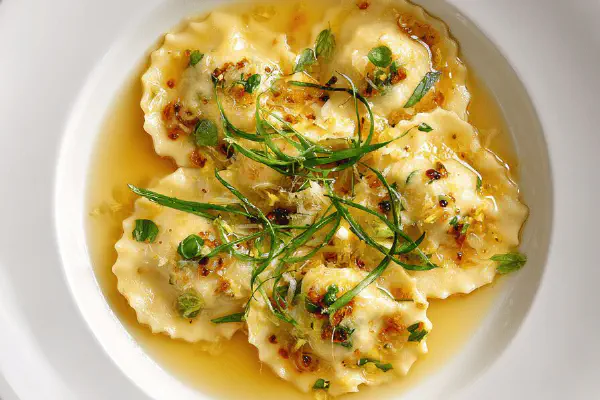
Quail Ricotta Ravioli Citrus
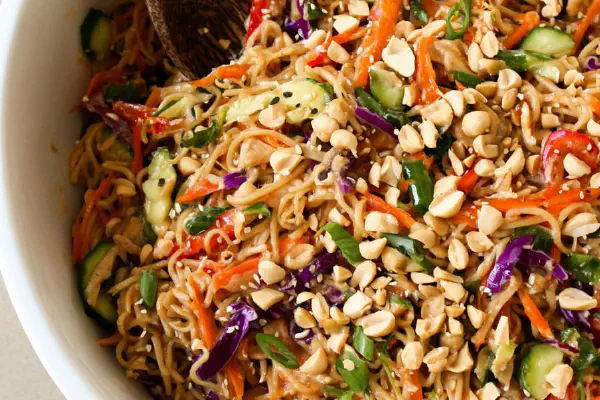
Chilled Peanut Noodle Salad
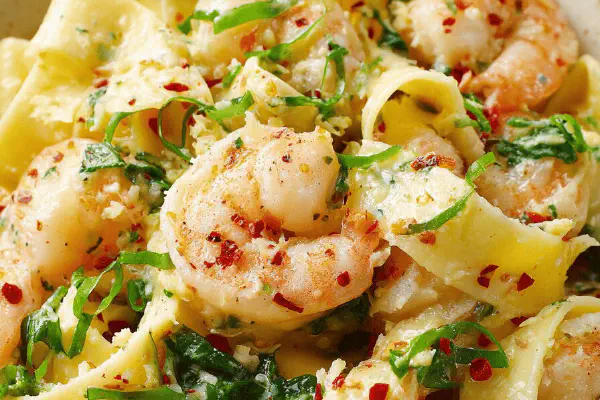
Lemon Shrimp Pappardelle Twist
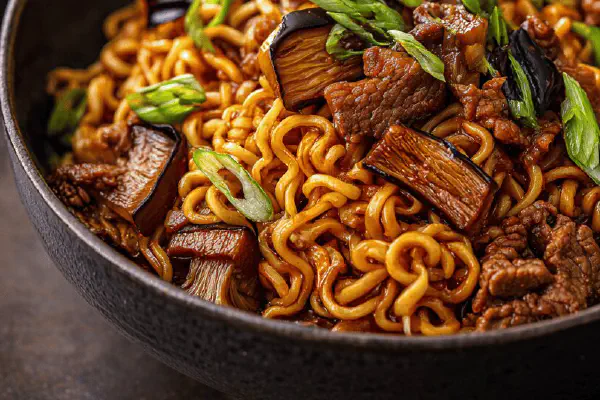
Beef Ramen Bowls with Eggplant & King Oyster Mushrooms
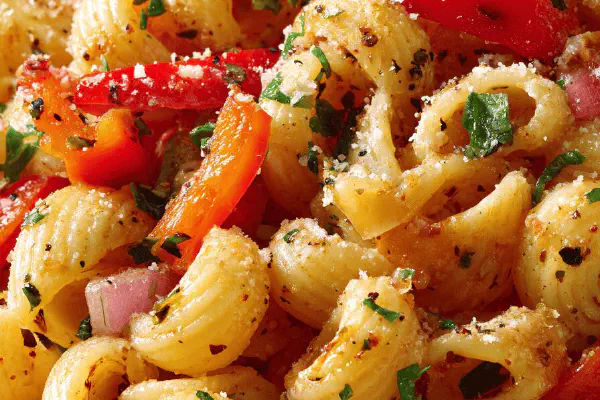
Pasta Salad with Pepperonata Twist
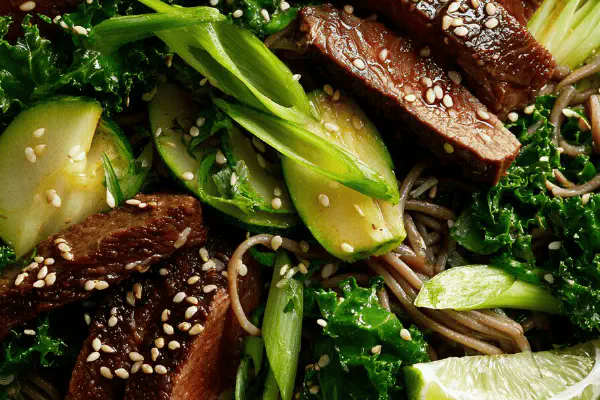
Soba Noodle Beef Salad Air Fryer
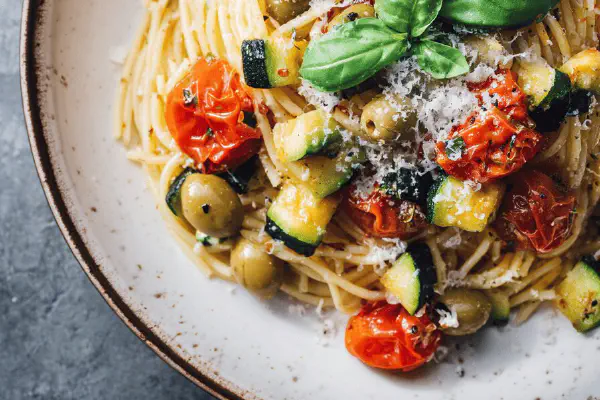
Cherry Tomato Zucchini Spaghetti
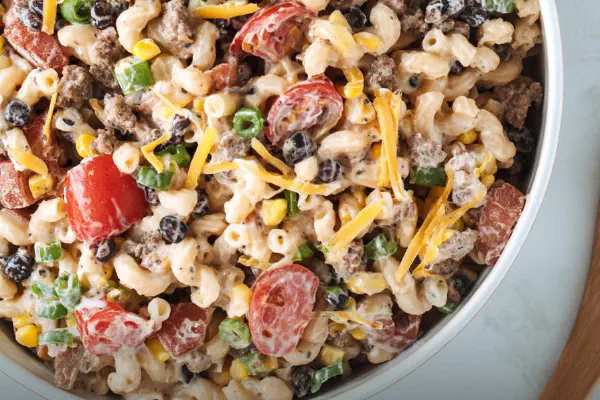
Spiced Cowboy Pasta Salad
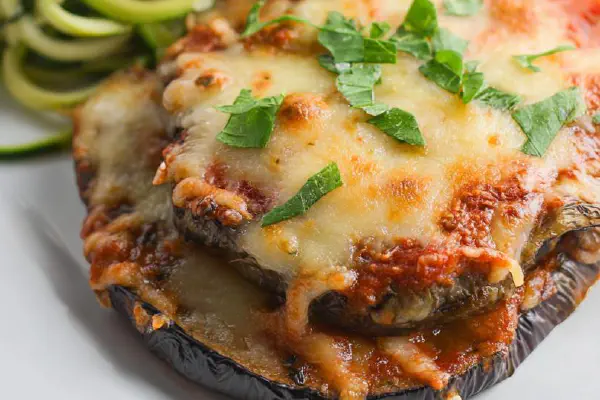
Low Carb Eggplant Parm Zoodles
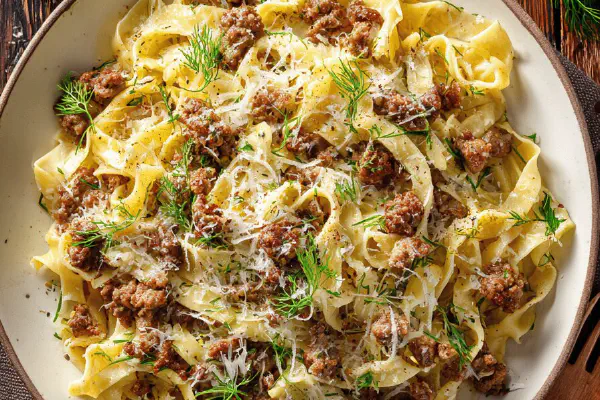
Egg Noodles with Spiced Lamb
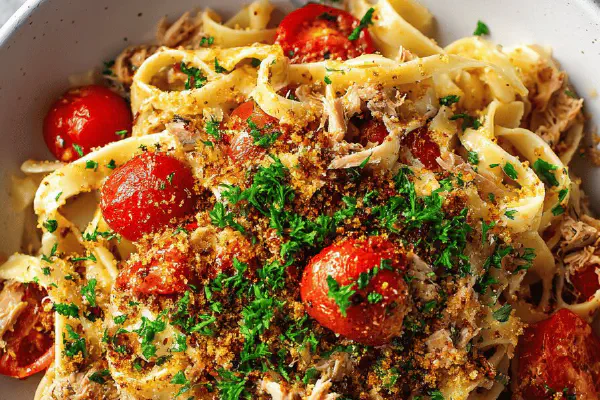
Anchovy Tuna Fettuccine Twist
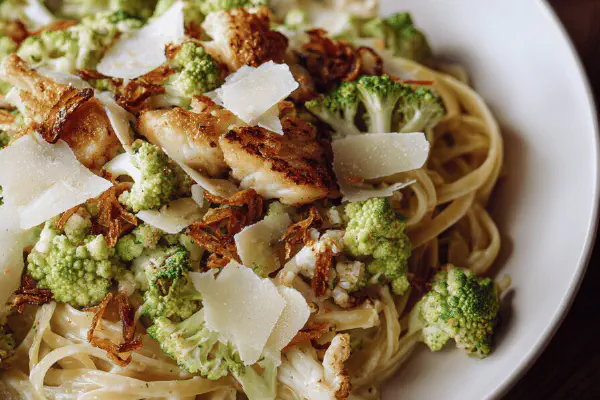
Garlic Cream Linguines Twist
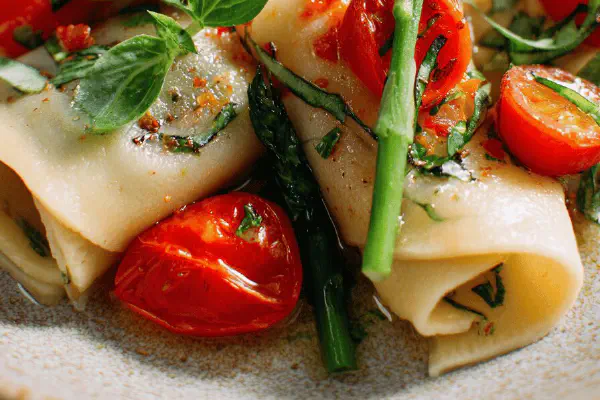
Rustic Tomato Basil Pici
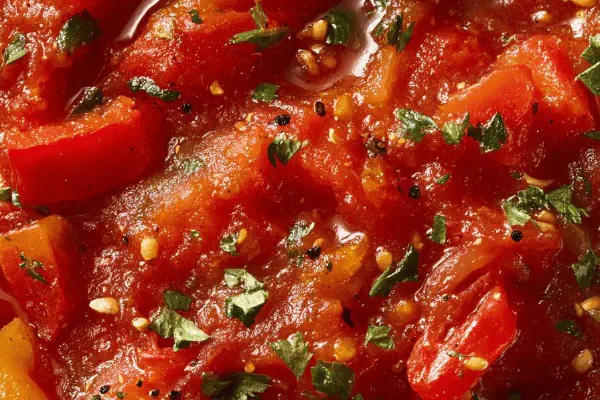
Chunky Tomato Sauce Twist
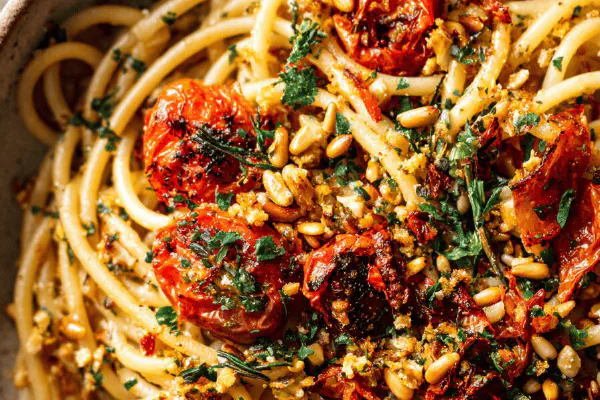
Cherry Tomato Pasta Gremolata
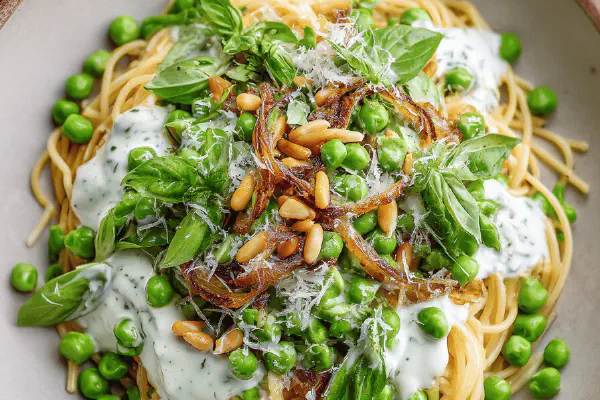
Spaghettis petits pois basilic twist
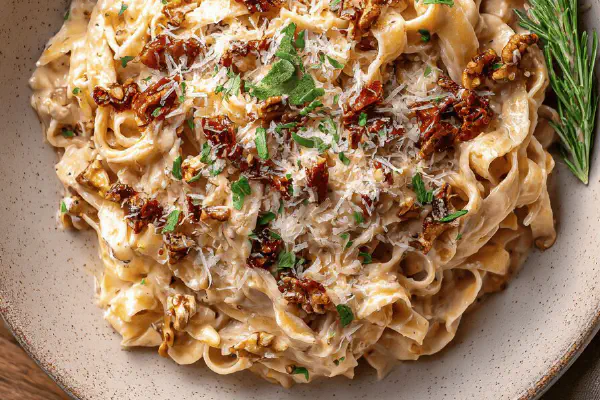
Walnut Cream Tagliatelle Remix
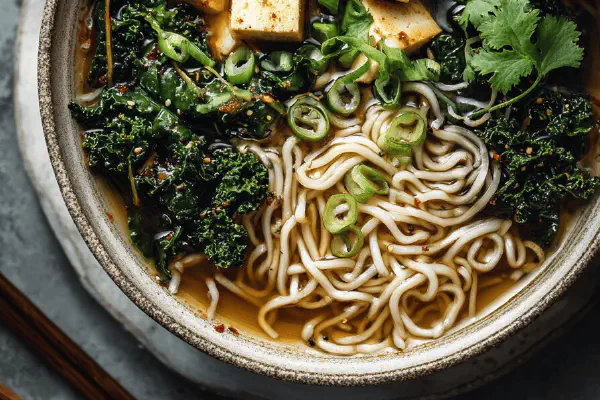
Tofu Kale Broth
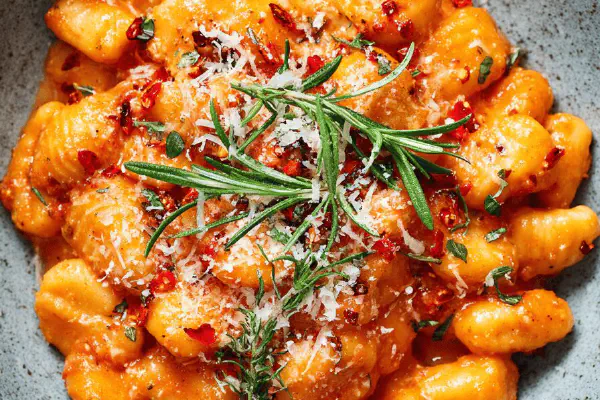
Rosemary Pink Sauce
About the ingredients
Substituting whipped goat cheese keeps sauce creamy but adds tanginess and less herbs than Boursin, giving a cleaner, sharper edge to the dish. If goat cheese isn’t on hand, use ricotta whipped with a splash of cream. For pasta use any long noodle like linguine or fettuccine; gluten-free pasta works but drains faster and breaks quicker, so be gentle tossing. Garlic adds foundation flavor—don’t skip or let it burn; if fresh garlic unavailable, use 1/4 teaspoon garlic powder but add earlier to bloom it. Marinara: spicy versions add depth but can overpower delicate cheese; classic mild tomato sauce with fresh basil substitute strong garlicky or herby canned sauces. Salt pasta water like the sea—without enough salt pasta tastes flat inside. Olive oil for garlic sautée—don’t substitute with butter or it’ll brown fast and flavor shifts.
Method
Technique Tips
Boil pasta until nearly al dente—taste test is your best timer, noodles should snap but not crunch, with a bit of firmness inside. Avoid overcooking; pasta mush ruins textures. Garlic needs just enough oil heat to sizzle gently not fry dry. Watch its color go pale gold; burning garlic produces bitterness no mask sauce fixes. Add marinara warmed but not boiling—simmering softly preserves acidity and tomato balance. Cheese goes in last; too high heat makes it separate or oily. Toss pasta and sauce with residual heat, not the stovetop turned fully on—the sauce thickens perfectly with starch clinging to noodles. If sauce gets too thick, add reserved pasta water a tablespoon at a time; the starch acts as a binder and loosener. Salt last to avoid double salting. Mixing some fresh herbs into the sauce near end or as garnish adds complexity. Serve piping hot, immediately after tossing—the sauce firms and dulls when cooled. Reheat gently with a drop of water to loosen texture; avoid microwave dryness. Efficiency tip: heat sauce while pasta boils; save rinsing, use one pot for draining—less washing, more taste.
Chef's Notes
- 💡 Salt water heavily. Don’t skimp. It seasons pasta from inside. Texture should be right. Cook until just a bit chewy. No mush.
- 💡 Garlic needs attention. Heat oil till it shimmers. In goes garlic. Fragrant but don’t let it turn color. Brown means bitter.
- 💡 Marinara adds layers. Let it simmer gently. Watch for small bubbles. Those are indicators. Aromas deepen when ready. Taste if too acidic.
- 💡 Whipped goat cheese—sub options available. Could use whipped ricotta instead. Cream helps if you need it but maintain balance. Needs to meld smoothly.
- 💡 Pasta straight from water into sauce. Don't drain. Some starchy water mixes, binds sauce better. If thick, add a splash. Just a bit.
Kitchen Wisdom
What is al dente pasta?
It's firm but snaps when bitten. No crunch. Overcooked ruins texture. Taste test is key.
Can I use regular cream cheese?
It won't bring the tanginess like goat cheese. But it works if you whip it well. Adjust seasoning.
Sauce is too thick.
Solution? Add reserved pasta water slowly. Just a splash. Too much makes it loose, but watch that texture.
Can I store leftovers?
Yes, in an airtight container. Reheat gently, with splash of water. Stovetop is better than microwave for moisture.
You’ll Love These Too
Explore all →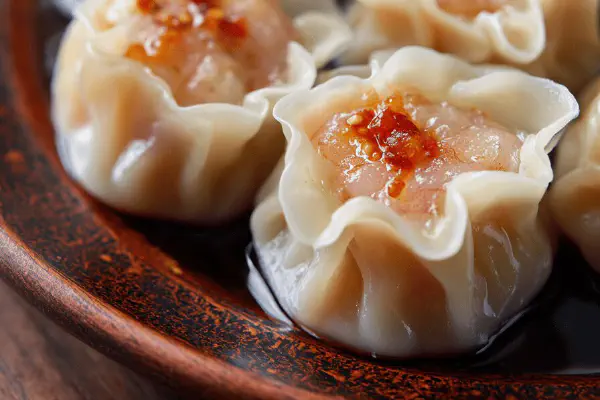
Shrimp Dim Sum

Twisted Sausage Stromboli
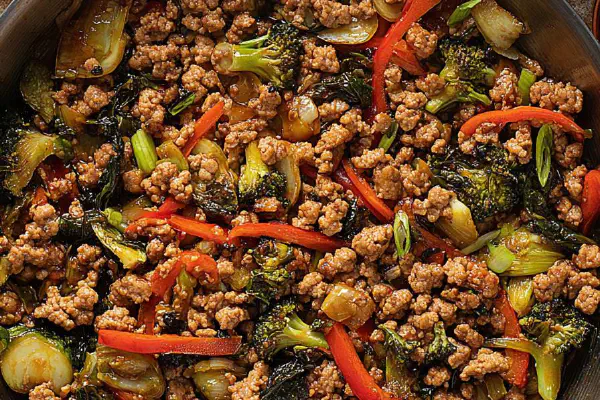
Ground Pork Stir Fry with Broccoli

Sun-dried Caprese Burger
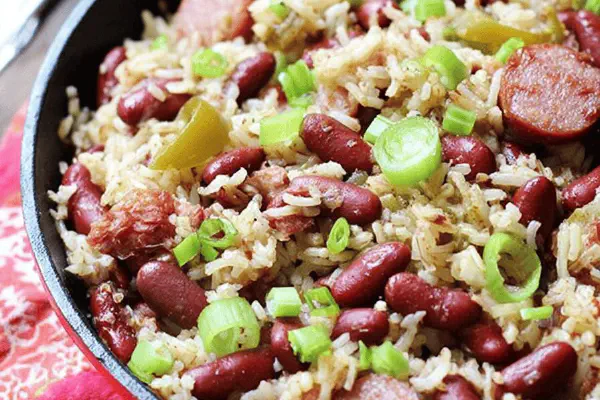
One-Pot Red Beans Rice
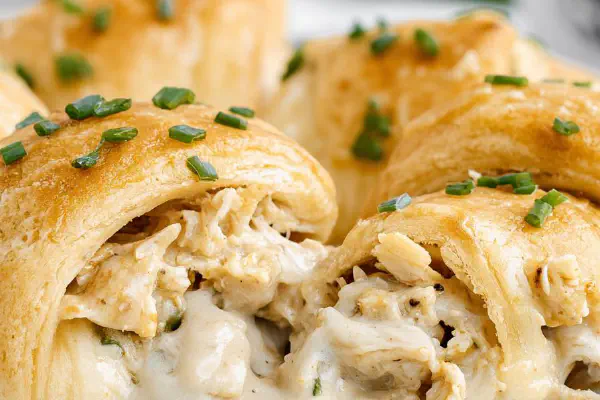
Chicken Crescent Pockets
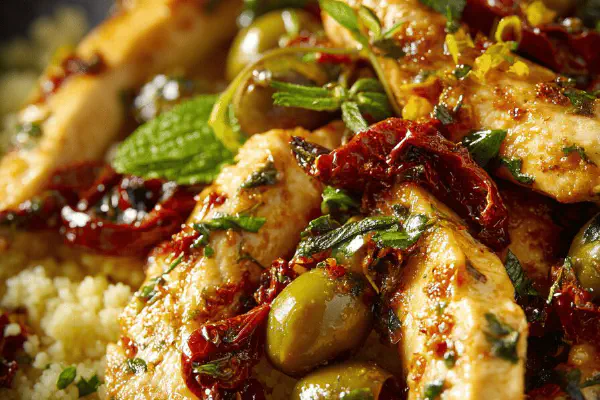
Greek Chicken Stir-fry Twist
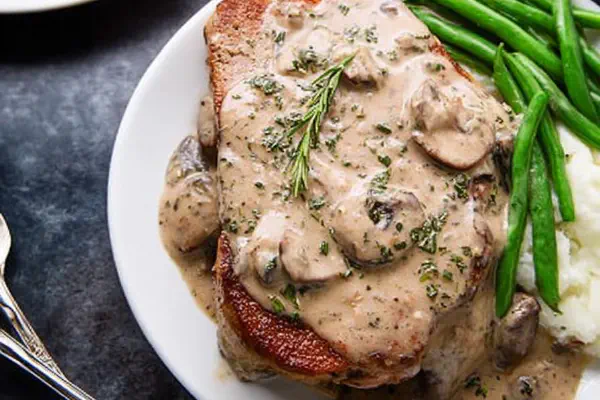
Creamy Slow Cooker Pork Chops
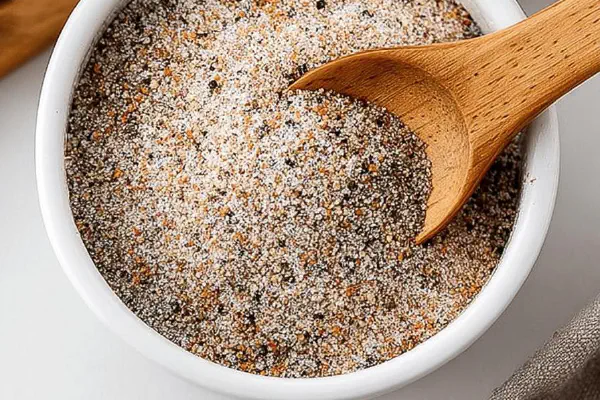
Steakhouse Bold Rub
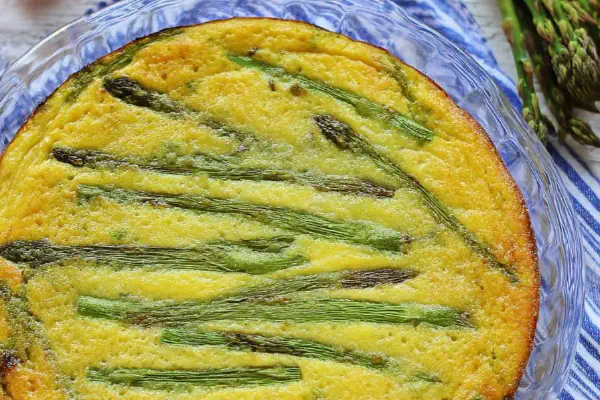
Swiss Asparagus Quiche Twist
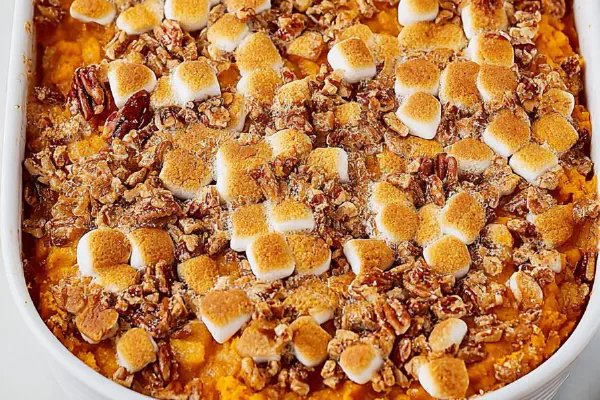
Sweet Potato Pecan Bake

Holiday Stovetop Aromatics
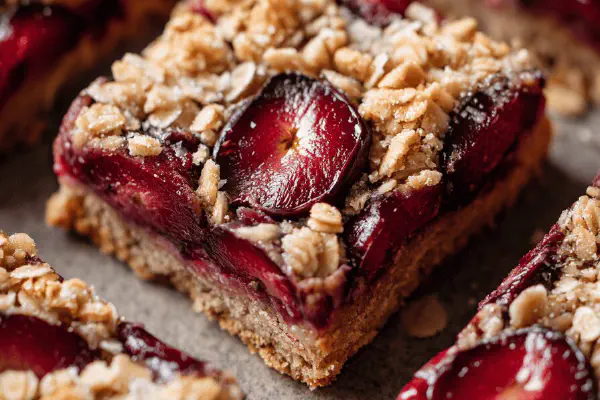
Plum Crumble Bars
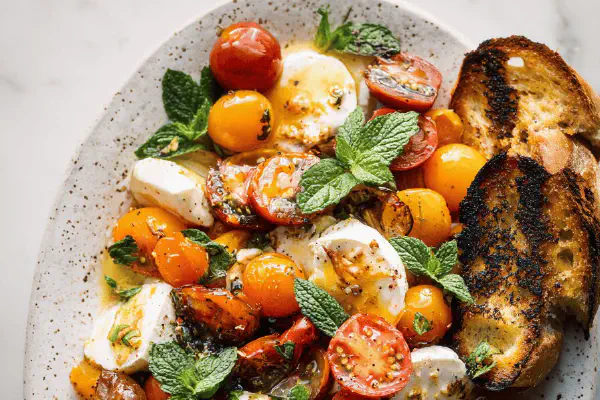
Silken Tofu Caprese Twist

Loaded Stuffed Potatoes
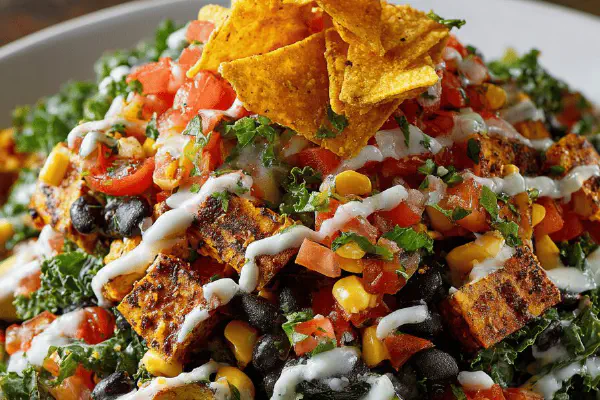
Santa Fe Salad Remix
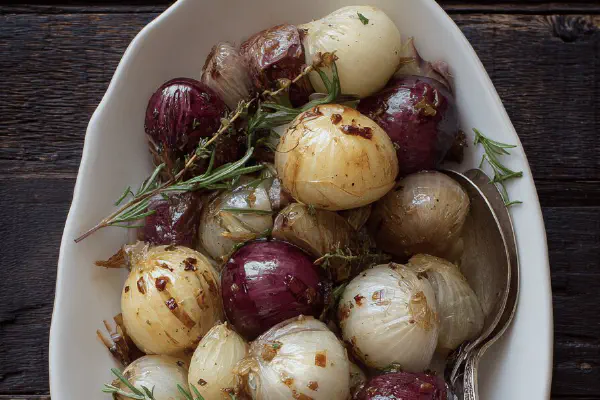
Papillote Trio Onions

Twice-Dipped Fried Chicken

Mint Chocolate Chip Ice Cream Cake

Grapefruit Mint Tonic

Citrus Syrup Remix

Chocolate Coffee Bites

Pumpkin Choc Chip Cookies
Walnut Cream Tagliatelle Remix

Lemon Cream Layer Cake
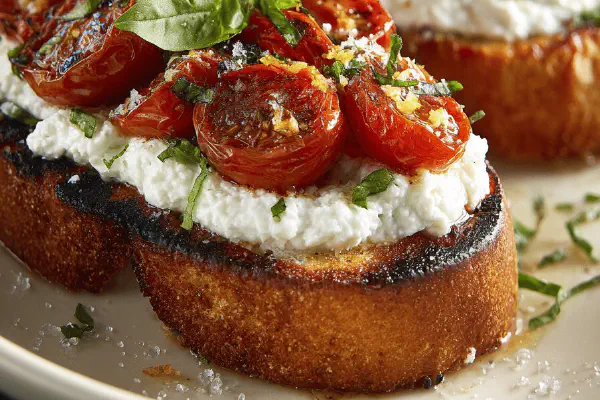
Grilled Ricotta Toasts with Slow-Roasted Cherry Tomatoes
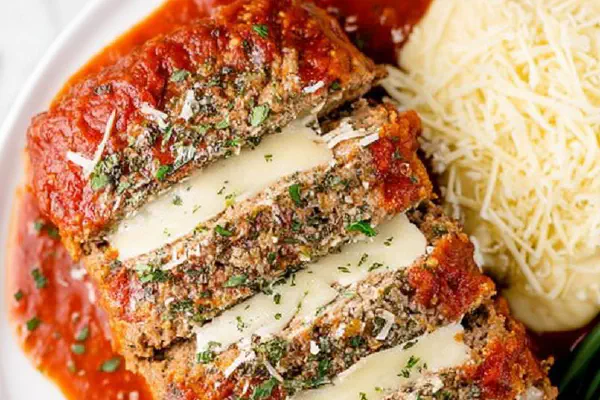
Italian Style Meatloaf Twist
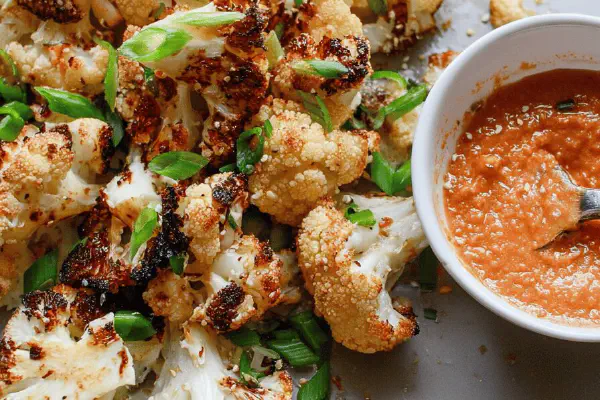
Spicy Roasted Cauliflower Twist

Cocoa Coconut Cookies