Featured Recipe
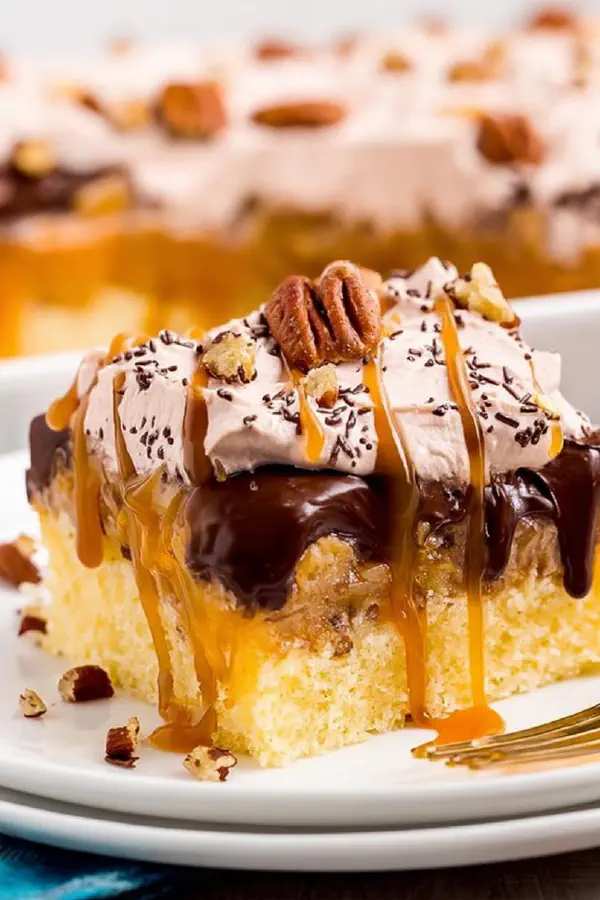
Turtle Poke Cake Twist
By Kate
"
Yellow cake baked until golden, holes poked to trap a thick blend of dulce de leche and coconut milk. Whipped chocolate ganache folded with homemade coconut cream topping spreads rich, airy sweetness over the caramel-soaked base. Toasted walnuts confer crunch over drizzles of espresso caramel and bitter dark chocolate sauce. Refrigerate minimum 3 hours for flavors to meld, texture to set. Substitutions for dairy and nuts included. Timed by smell, touch, visual cues instead of strict minutes. Tricks for efficient mixing, avoiding soggy edges, and even drizzle patterns shared.
"
Prep:
7 min
Cook:
30 min
Total:
4h 15min
Serves:
12 servings
dessert
cake
chocolate
walnuts
coconut
Introduction
Yellow cake baked right, nothing complicated but don’t gloss over each step. Moisture is everything here. Poking those holes isn’t random, it traps rich dulce de leche deep into crumb. Coconut milk swap cuts standard dairy heaviness without losing fat balance. Oil switches to avocado for slight earthy undertone but stays neutral enough to not compete. Whipping ganache plus coconut cream cuts thick frosting into airy summit you want, no heavy glue. Toasted walnuts because pecans aren’t the only nuts that bring effect. Espresso caramel drizzle wakes the sweetness, chocolate balances bitterness. Chill time matters as much as bake time; flavors develop, texture firms. Visual cues beat timers here — cake edges pulling back, surface bounce, frosting viscosity. No soggy mess zone. Worked this out over many batches, some failed attempts tossed. Perfect picks for coffee table, potluck, or last-minute guest dessert. Real kitchen wisdom, no shortcuts skipped. You’ll spot aroma changes in caramel warm-up, hear oven crackle when cake edges brown. These clues matter. If scaling ingredient amounts, balance liquids and fats or risk dense crumb or dry patches.
Ingredients
In The Same Category · Sweet Treats
Explore all →
Coco-Choco Brownies Remix
No-Bake Butterscotch Crunch
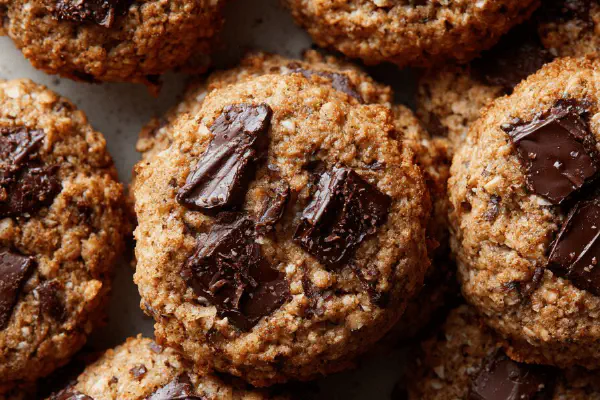
Soft Oat Chocolate Chip Cookies Light
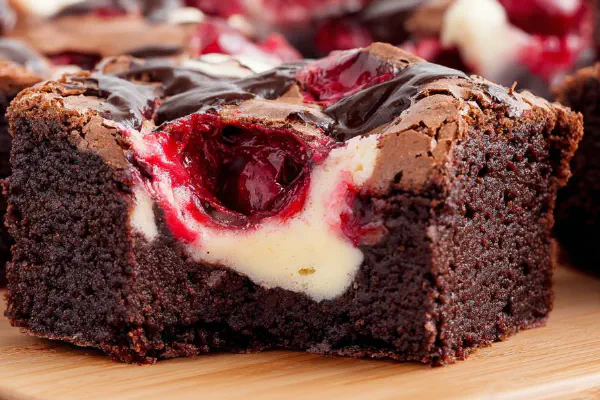
Cherry Cheesecake Brownies Twist
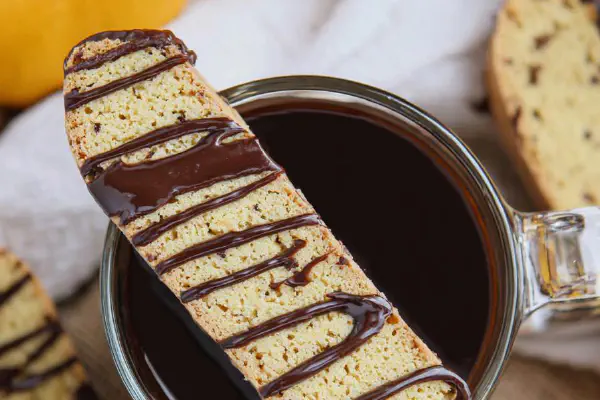
Vanilla Mocha Biscotti Remix

Salted Caramel Apple Twist
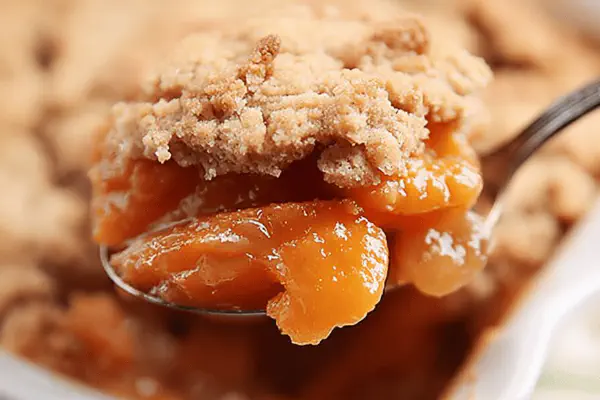
Sweet Potato Cobbler Remix
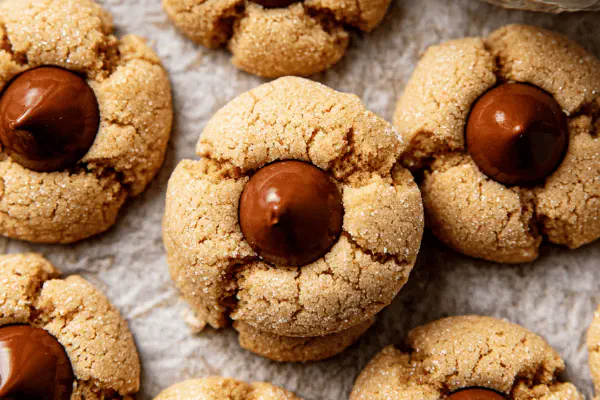
Almond Butter Kiss Cookies
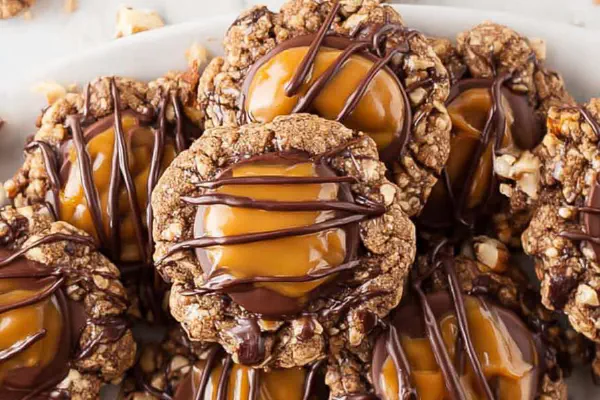
Nutty Caramel Thumbprints
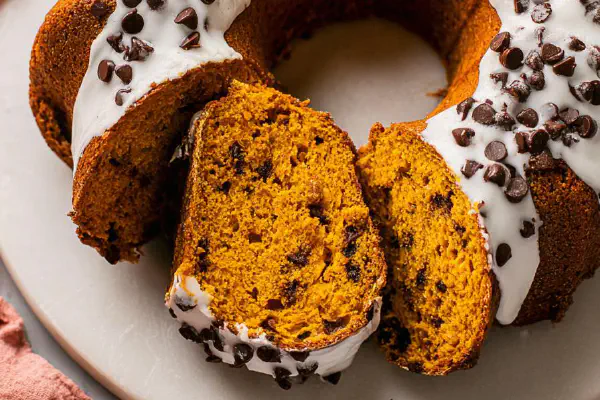
Pumpkin Choc Chip Bundt
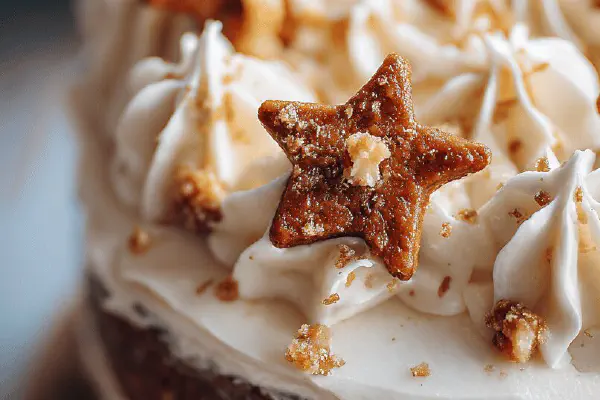
Spiced Layer Cake With Dulce Frosting
Classic Cream Puffs Remix
Classic Cheesecake Remix
Vanilla Pudding Cupcakes
Apple Caramel Cookies Twist

Chocolate Frozen Cream

Vanilla Buttercream Twist

Gingerbread Cookie Remix
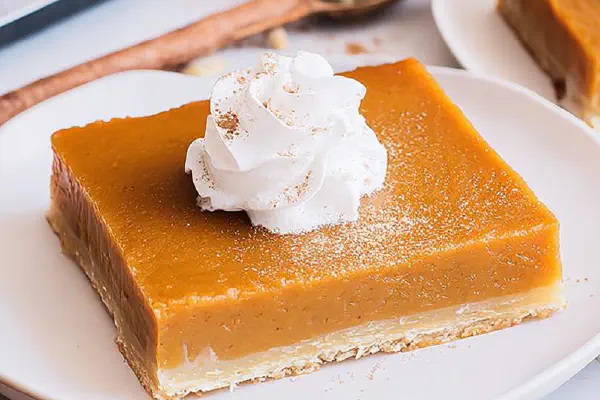
Rustic Pumpkin Slab Pie
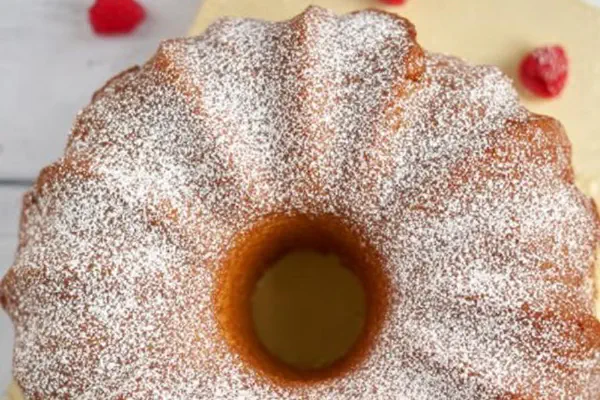
Tangy Buttermilk Bundt Cake
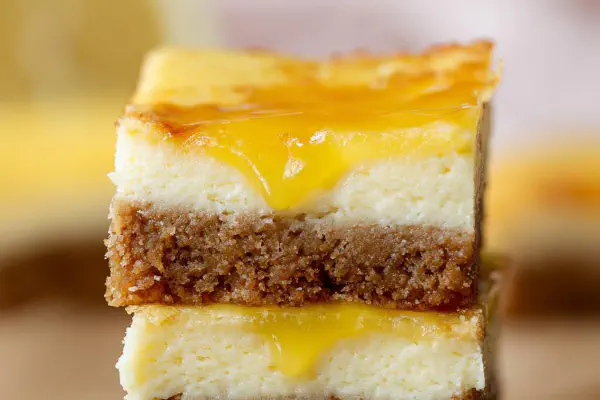
Lemon Cream Cheese Bars
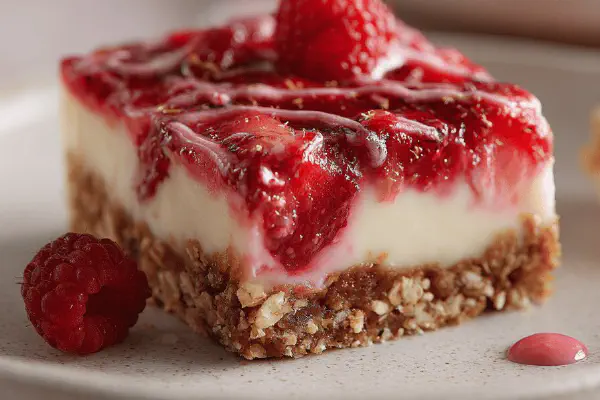
Yogurt Fruit Squares
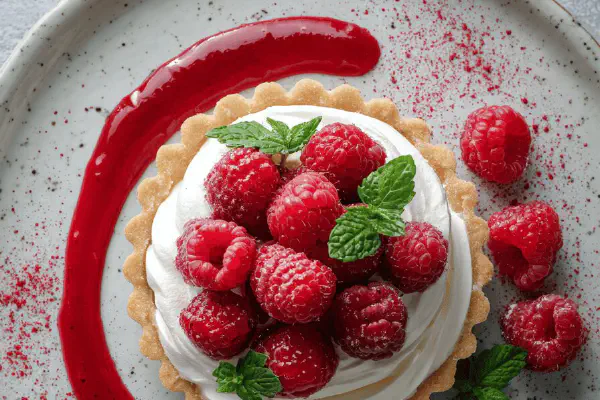
Raspberry Mascarpone Tart Twist
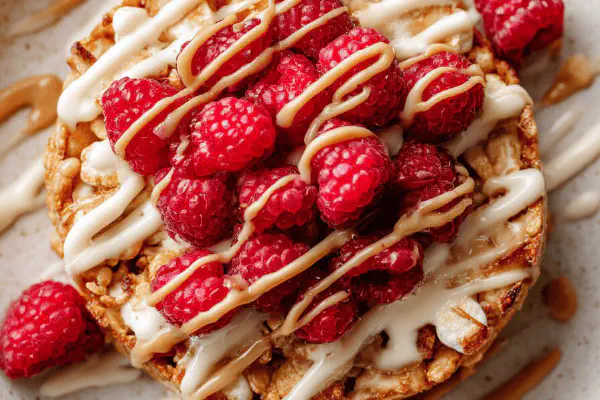
Crispy Hazelnut Roll
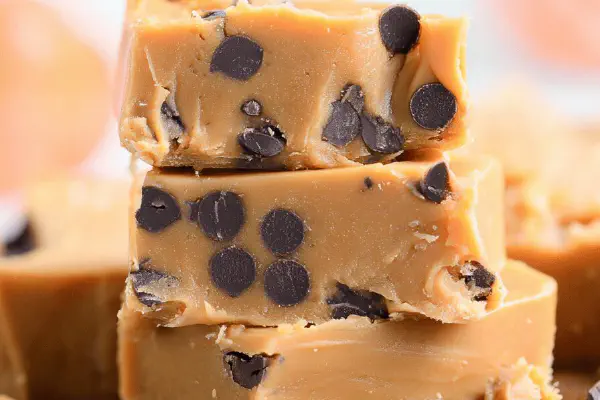
Pumpkin Peanut Fudge
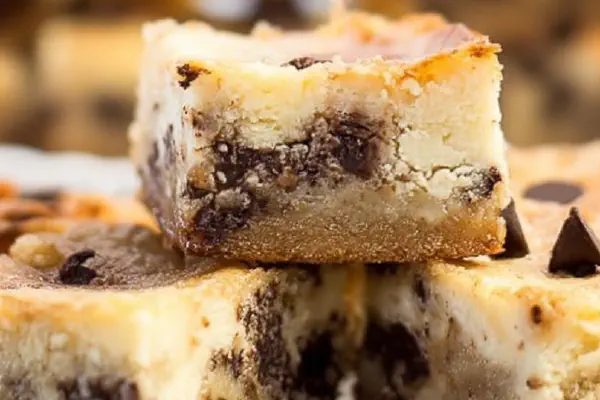
Chocolate Chip Cheesecake Bars

Gluten-Free Strawberry Rhubarb Crisp
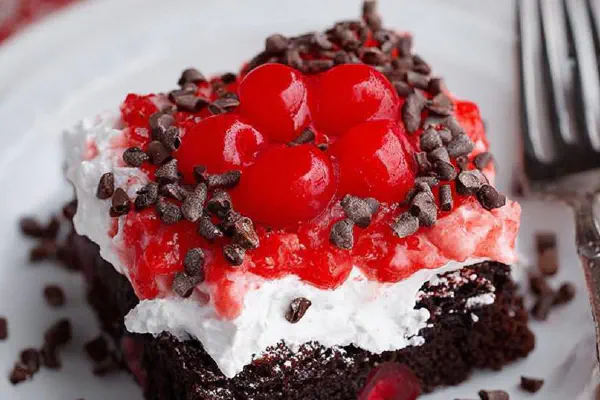
Black Forest Poke Cake Twist
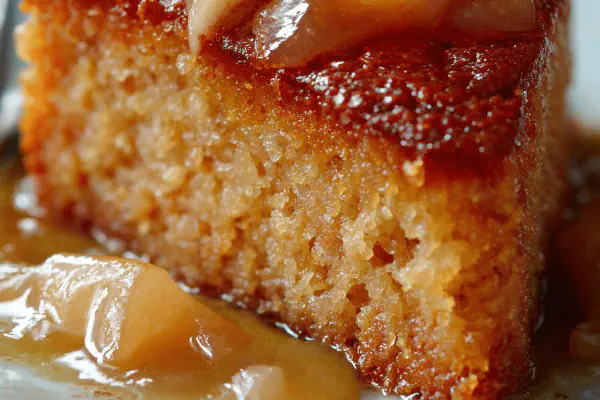
Maple Pear Pudding Cake
About the ingredients
Read labels on cake mix; some brands have more sugar or powder than others affecting moisture absorption. Coconut milk swap brings fat but less water than typical milk; count for adjustments. Avocado oil preferred for stable fats and mild flavor — olive oil gives odd green taste, canola oil works as backup. Dulce de leche is thicker and less sweet than caramel plus condensed milk blend but richer in milk solids. Homemade condensed coconut milk doable with simmering coconut milk and sugar until thickened; store-bought saves time. Ganache frosting homemade or store-bought needs some whipping to incorporate air, no lumps. Whipped coconut cream requires chilling full fat coconut milk overnight in fridge before whipping; lightweight, dairy-free alternative adds softness. Toast nuts ahead—nuts dampen over time. Keep sauces chilled until drizzle—warm sauces run too fast, lose pattern fidelity. For nut allergies swap nuts with crispy crushed pretzels or toasted coconut flakes for textural contrast but flavor changes materially.
Method
Technique Tips
Preheat a little under box instructions because glass pan holds heat longer. Spray baking dish well—sticky, sugary cakes stick hard if skipped. Mixing batter in handheld mixer for 2 1/2 minutes ensures dry flour fully hydrated; stop when batter lifts cleanly and is shiny but slightly thick. Poking holes with wooden spoon handle gives better control versus fork prongs; size and spacing important for uneven caramel distribution. Pour caramel mixture slowly so it seeps into holes, don’t just puddle on top. Cooling at room temp crucial before frosting to avoid melting whipped toppings. Whip ganache first to lighten texture for easier folding with coconut cream. Fold gently, no beating here — wrecks fluffiness and adds air bubbles that collapse frosting later. Frost evenly but gently, cake surface might crumble when warm. Drizzling sauces cold maintains sharp lines; warm sauces blur. Toast walnuts on baking sheet shifting mid-toast to avoid burning. Refrigerate final assemble minimum 3 hours for flavors to marry and structure to hold slicing. Serve slightly chilled but allow 10 minutes to soften. Adjust bake times based on oven quirks but rely on visual cues: golden edges, springy top, no raw crumbs.
Chef's Notes
- 💡 Use a heavy-bottomed pan for even baking. Watch edges pull away — good sign. Poking holes? Use wooden handle not fork. Coverage matters. Don't rush drizzle; slow and steady is key.
- 💡 Coconut milk swap adds richness. Adjust sugar if brand varies. Ditch avocado oil? Use canola or light olive oil. Dry spots? Mix in tiny quantities of water or milk until full absorption.
- 💡 Cooling is crucial. Don’t frost warm cake — messes it all up. Wait at least one hour. Check frosting consistency; if runny, chill ganache for better spreadability.
- 💡 Common mistake: Too much caramel on top. Measure carefully. Use small amounts, let it seep deep. Top with nuts right before serving — prevents sogginess.
- 💡 Drizzles need chill to hold shape. Warm sauces will blur lines, won’t stay. Crushed pretzels? Swap if nuts not an option. Adds crunch but with different flavor.
Kitchen Wisdom
How to fix a soggy cake?
Start by adjusting liquid ratios. Measure caramel carefully. Let cake cool fully so it sets. Poke holes, drip caramel.
What if frosting is too thin?
Chill it, then try beating lightly. If still thin, add more whipped coconut cream to adjust consistency. Focus on maintaining airiness.
Can changes be made to recipe?
Yes; swap oils, dairy alternatives work. Adjust sweetness based on cake mix brand. Watch consistency carefully throughout.
Storage tips for pokecakes?
Refrigerate covered for freshness. Freeze slices for longer. Thaw slowly in fridge. Reheat before serving — texture resets nicely.
You’ll Love These Too
Explore all →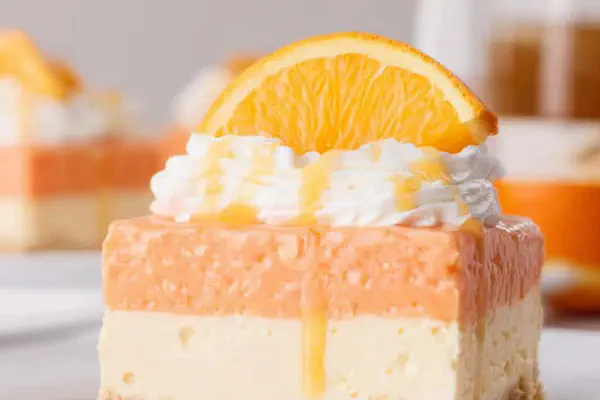
No Bake Citrus Swirl Cheesecake
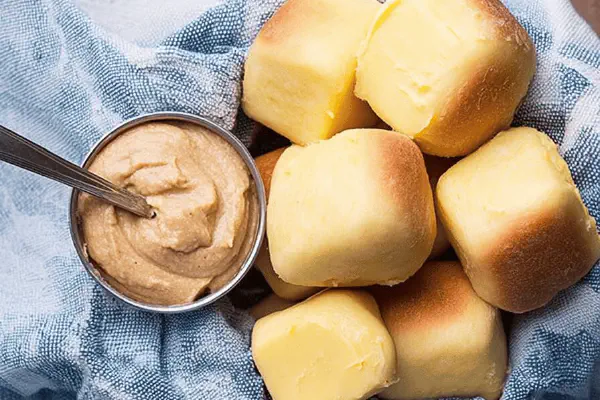
Honey Butter Rolls
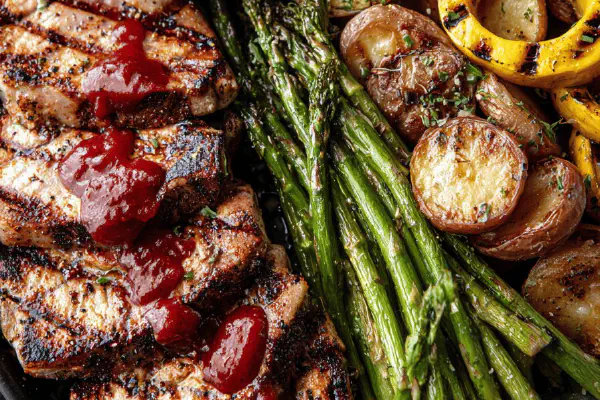
Pork Chops with Fruity Ketchup
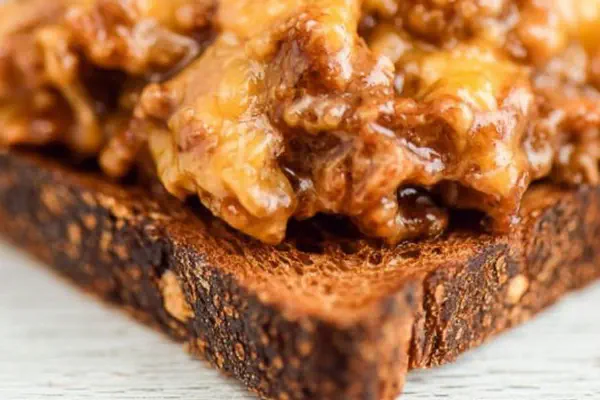
Twisted Velveeta Melts
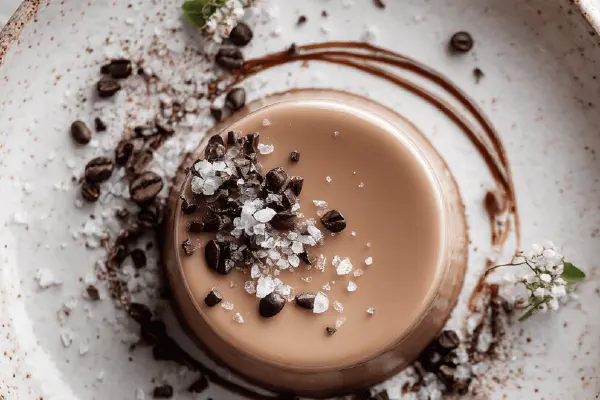
Milk Chocolate Panna Cotta
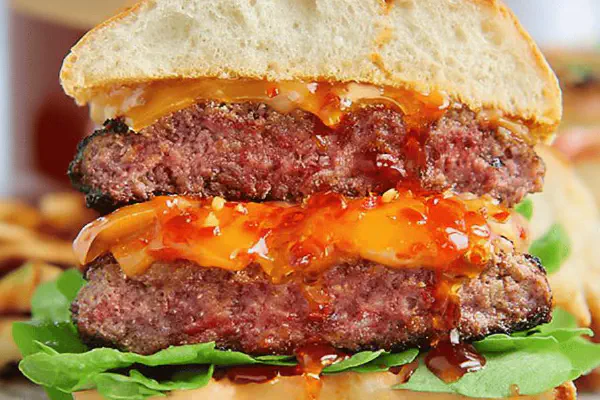
Spicy Honey Smash Burgers
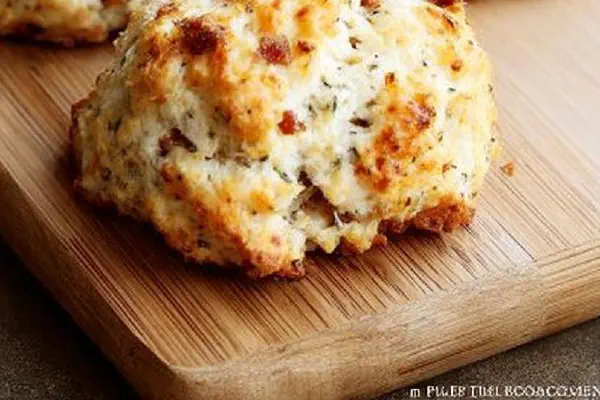
Cheddar Bacon Ranch Biscuits
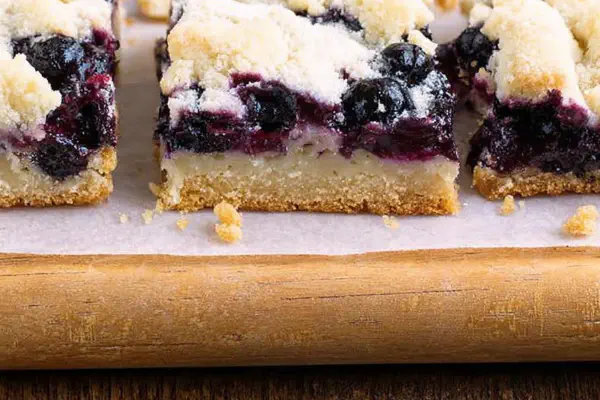
Blueberry Cake Bars Twist

Strawberry Rhubarb Tart
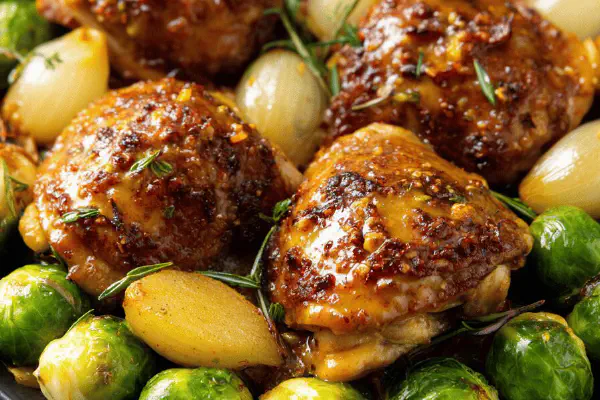
Honey Mustard Chicken Thighs
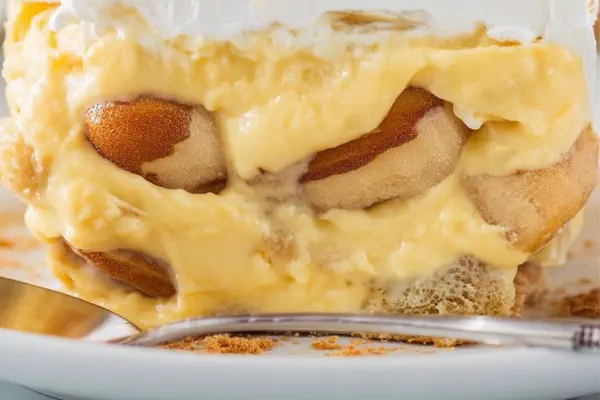
Layered Banana Pudding

Oysters Coconut Lemongrass
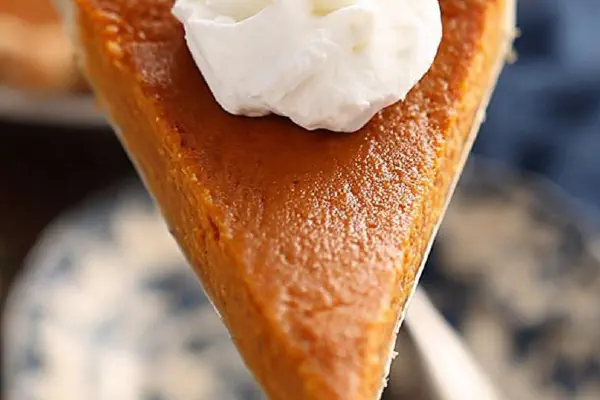
Twisted Sweet Potato Pie
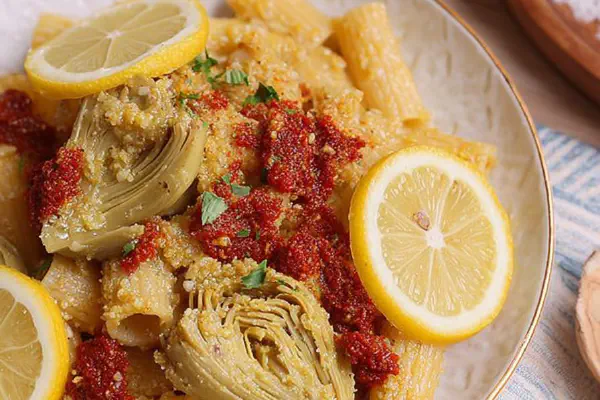
Zesty Artichoke Pesto Pasta
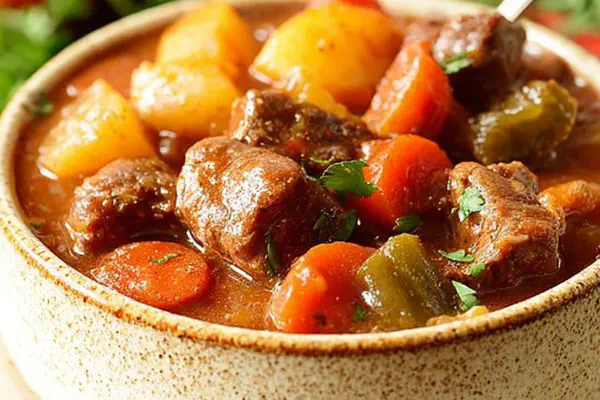
Slow Cooker Creole Beef Stew
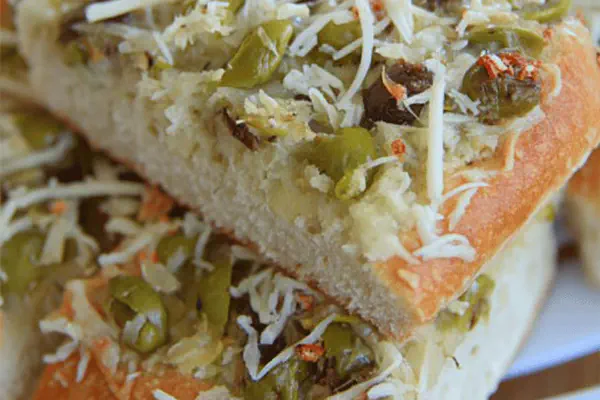
Olive Herb Cheese Bread
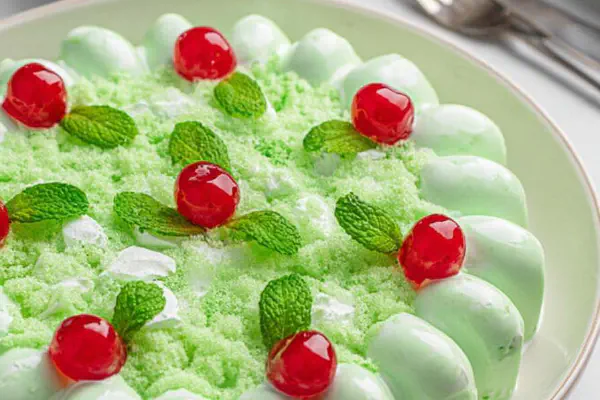
Pear Citrus Gelatin Salad
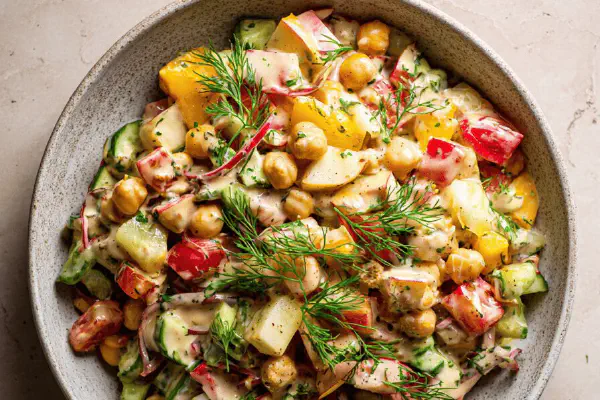
Chickpea Apple Salad
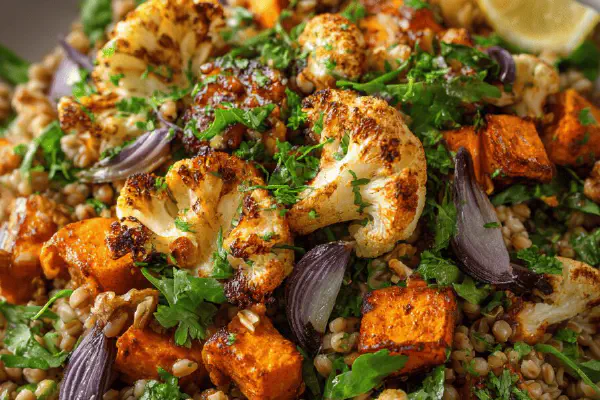
Barley Cauliflower Sweet Potato Salad
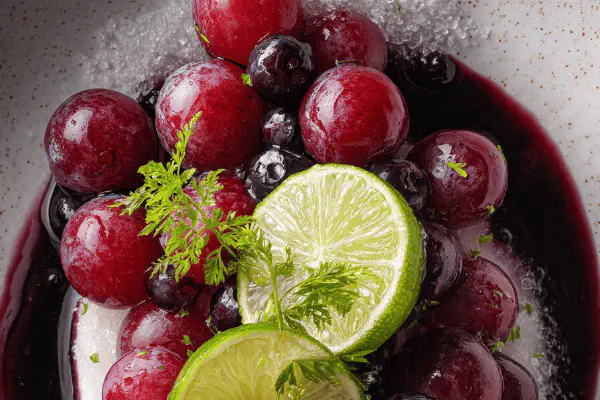
Concord Grape Jelly Twist
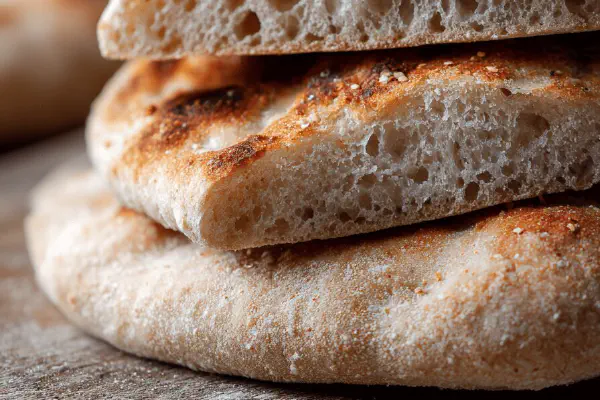
Homemade Rustic Pizza Dough

Gravlax Sour Cream Bites
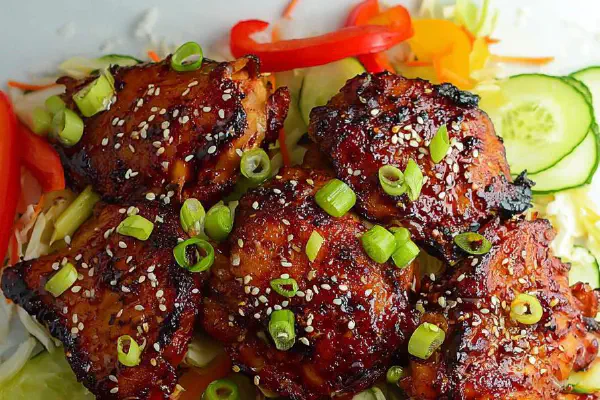
Spicy Korean Grilled Chicken
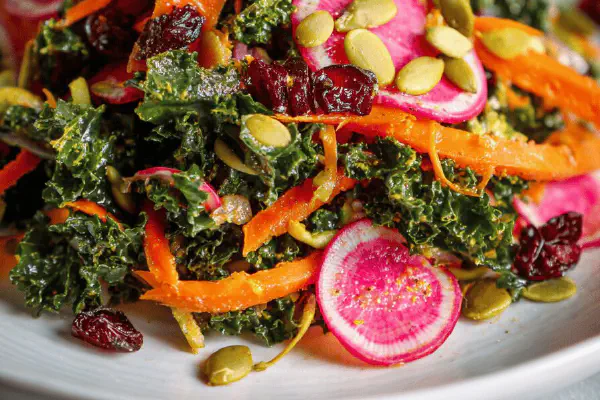
Crunchy Veggie Salad
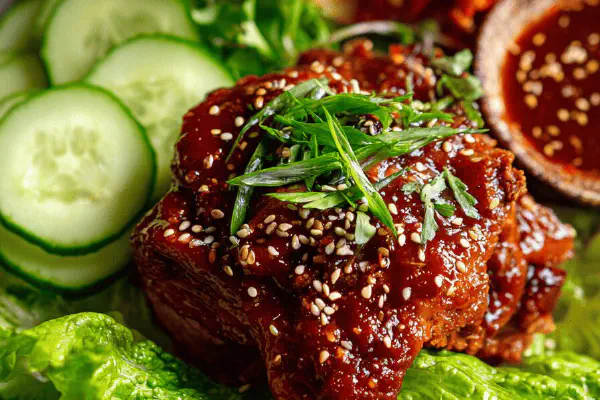
Korean Glazed Pork Shoulder
Twisted Pecan Shortbread
Double Chocolate Pancakes Twist
Turkey Taco Skillet Twist
Crunchy Cinnamon Apple Fries