Featured Recipe
Twisted Fry Sauce
By Kate
"
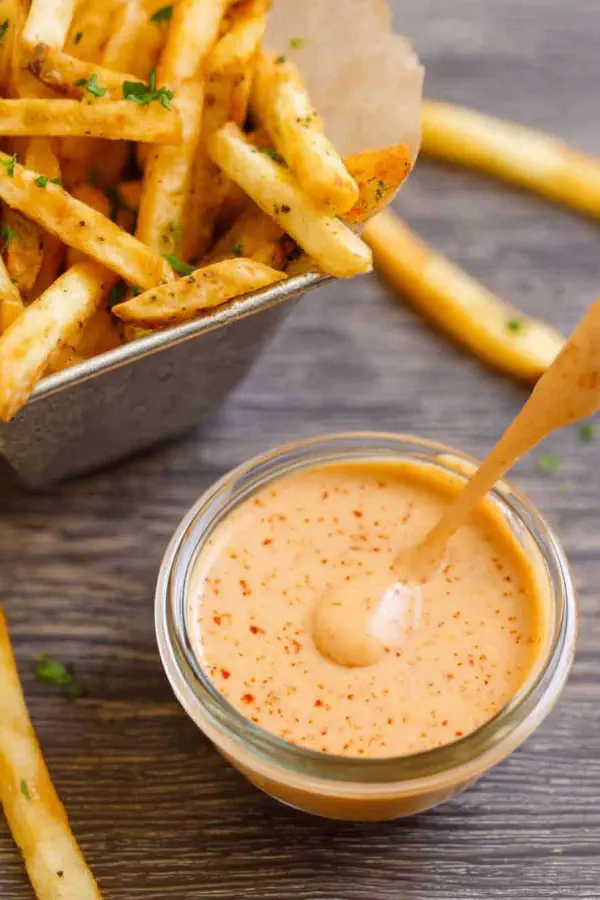
A tangy, creamy dip made by mixing mayo, ketchup, and a twist of horseradish and smoked paprika. Ratios shifted for balance: less ketchup, more mayo. Sweet pickle relish swapped for chopped dill pickles to punch the texture. Mustard stands in for the usual vinegar splash, bringing sharpness. Stir until uniform. Chill briefly for melding flavors or use immediately if impatient. Goes well with fries, onion rings, chicken strips, burgers, or even as a spicy sandwich spread. Fatty, tangy, slightly smoky with a crisp crunch. Watch salt levels; pickles add sodium. Texture wise; creamy base with gritty pickle bits.
"
Prep:
4 min
Cook:
1 min
Total:
5 min
Serves:
1 serving
sauce
dip
American
Introduction
Diving into fry sauces can get boring fast. Same old ketchup and mayo combo. But subtle swaps make a world of difference—texture, punch, aroma. Horseradish isn’t just for cocktails; it adds bite here without overt heat. Smoked paprika drapes a warm, woodsy note that hits the nose before the tongue. Dill pickles instead of relish mean crunchy specks—not oozy sweetness. Mustard replaces vinegar for sharper zip that cuts through fat. No sugar bombs forced on you—sweetness balanced. Chill time is optional but recommended if you can spare minutes. Consistency matters—runny sauce kills finger-dipping joy. You want cling, not puddle. Color is a muted coral, signals all ingredients talking nicely. Great on fries, obviously, but try it on hot dogs for novelty or even burgers if you’re feeling adventurous.
Ingredients
In The Same Category · Creamy Spreads
Explore all →
Pistachio White Chocolate Spread
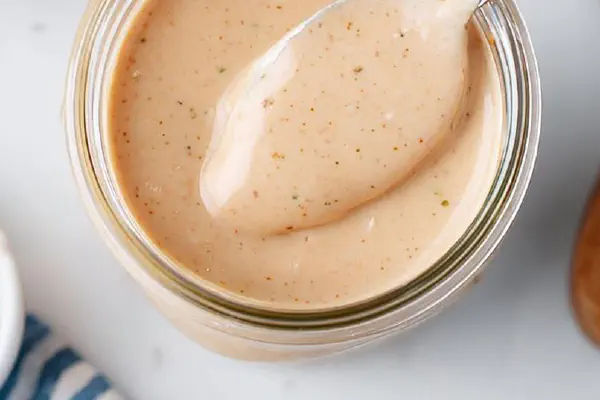
Tangy Bloom Onion Dip
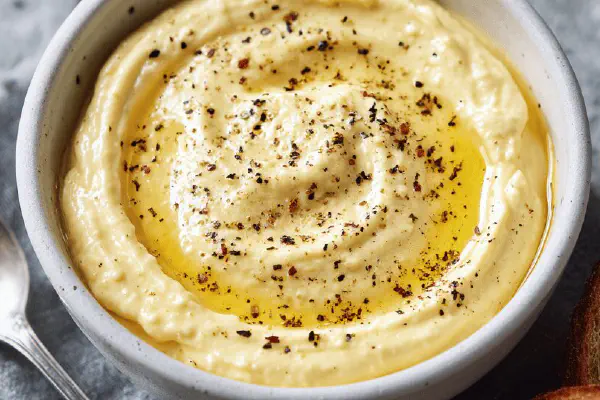
Mustard-Infused Aioli
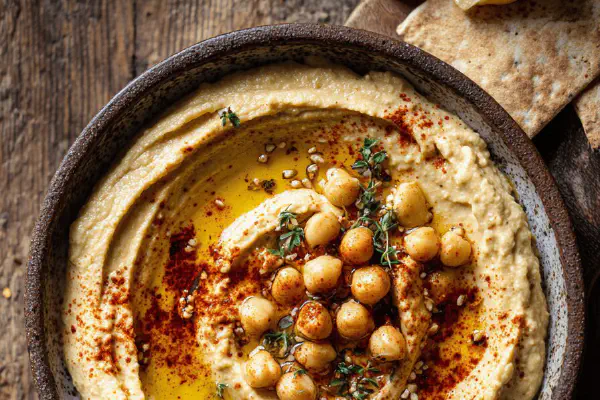
Sesame-free Lemon Garlic Hummus
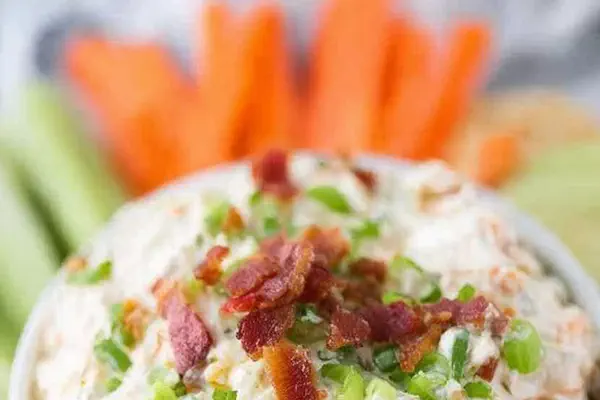
Creamy Garlic Herb Dip
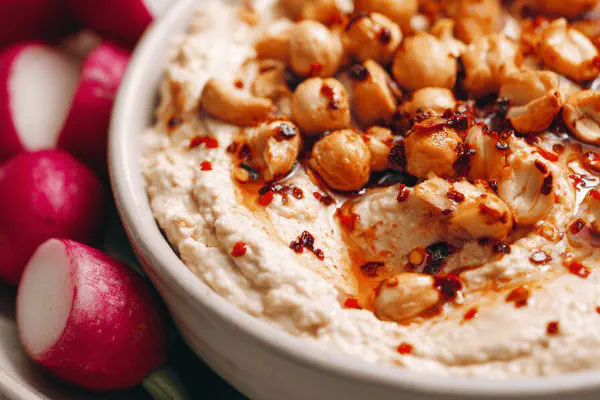
Cashew-Miso Tofu Dip
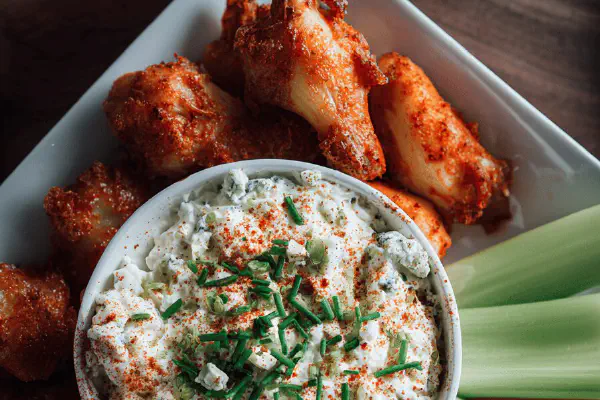
Blue Cheese Dip Remix
Ranch Avocado Mash
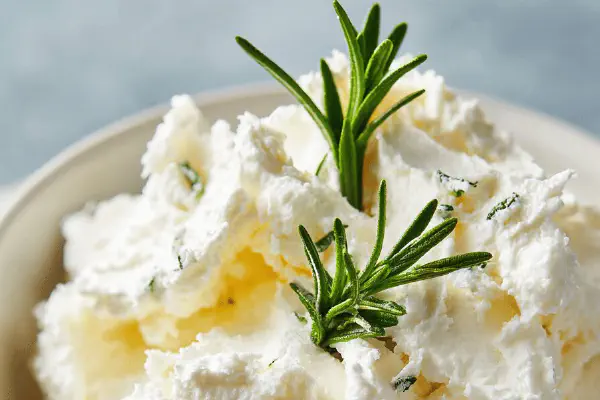
Ricotta Style Cream Cheese
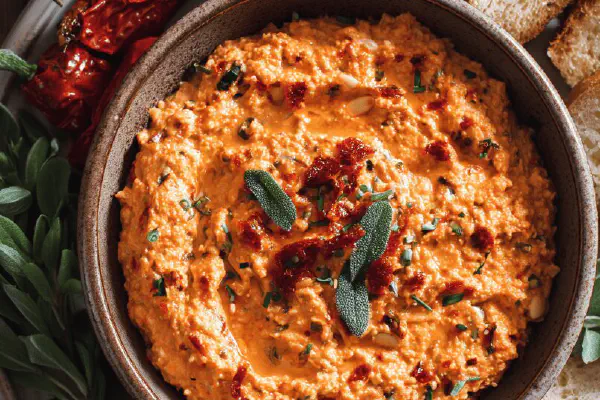
Roasted Red Pepper & Sun-Dried Tomato Dip
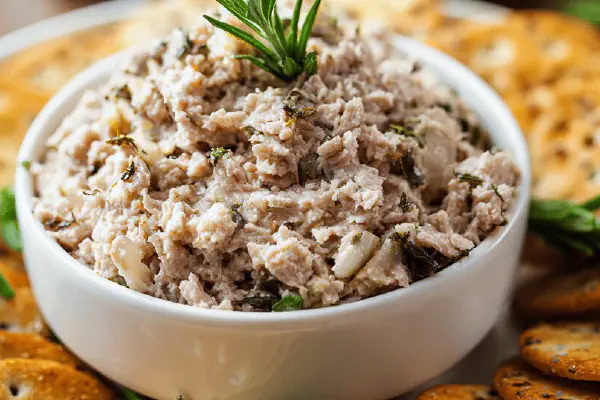
Rustic Pork Cretons
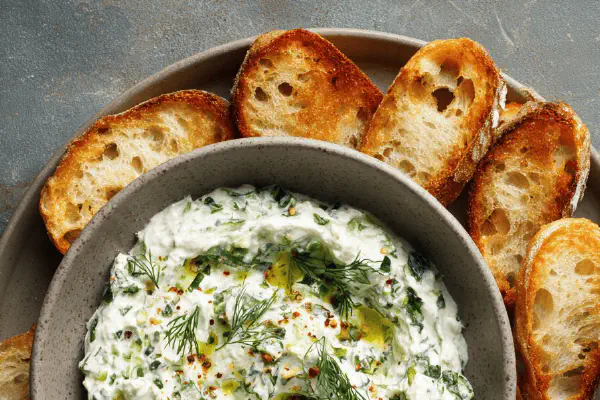
Herbed Yogurt Cucumber Dip
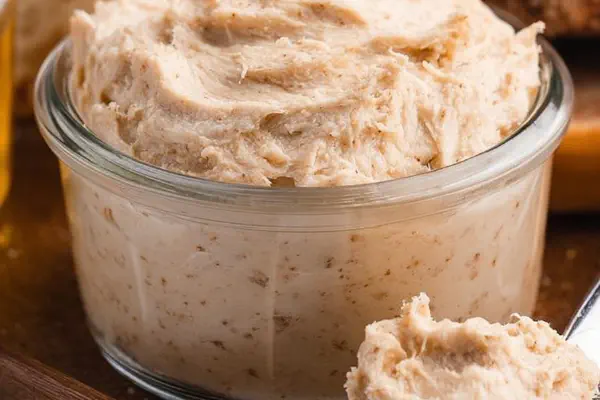
Honey Cinnamon Butter Twist
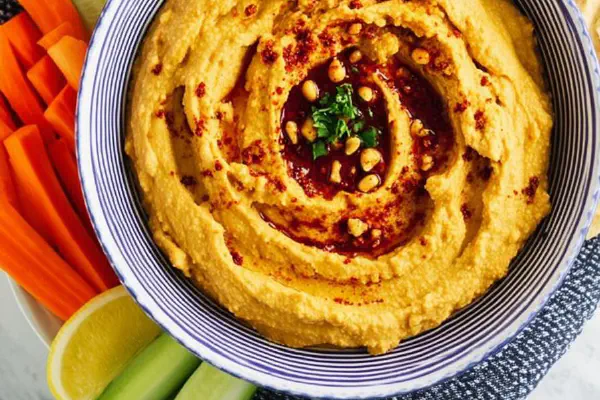
Smoky Avocado Hummus
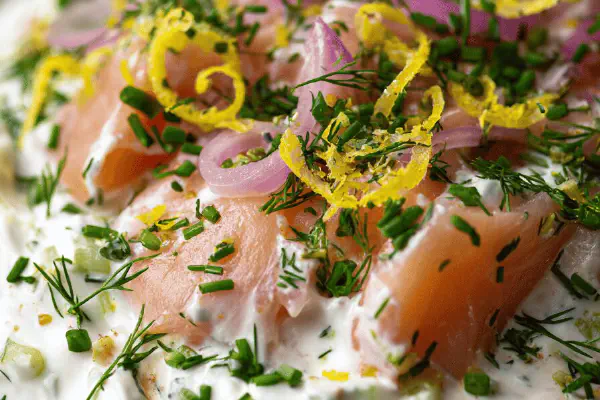
Greek Yogurt Smoked Salmon Dip
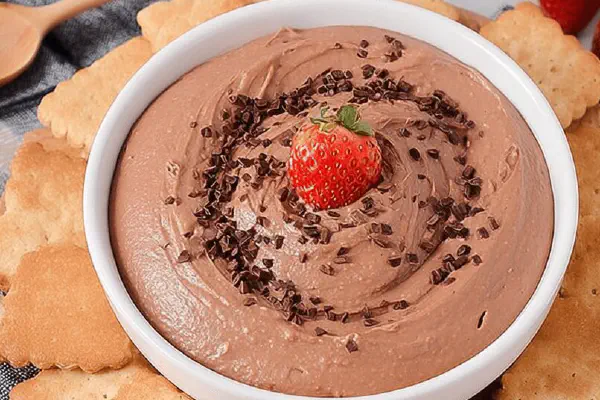
Velvety Hazelnut Cream Dip
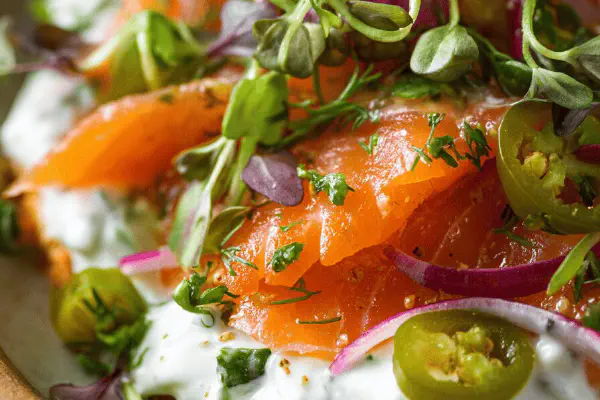
Smoked Trout Dill Dip
Tangy Cranberry Aioli
Spiced Honey Butter
Toasted Sesame Sauce Remix
Labneh with Za'atar Twist
Spiced Ground Ham Spread
Pistachio White Cream
No-mustard Mayonnaise Remix
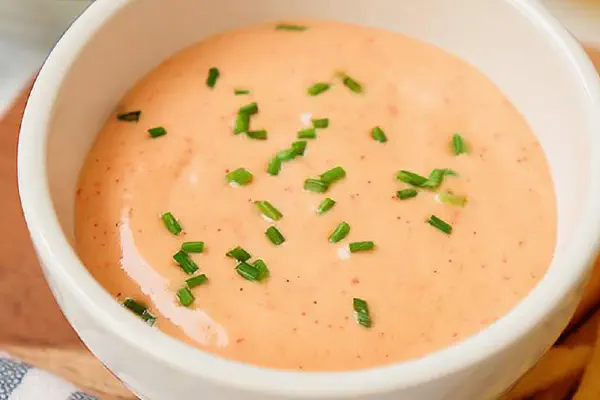
Tangy Fry Aioli
Chocolate Chip Cheeseball Remix
Warm Broccoli Cheddar Dip
Crunchy Cookie Butter Spread
Tangy Blue Cheese Dressing
About the ingredients
Mayo should be good quality, full-fat for creaminess and mouthfeel. Avoid low-fat or light mayos; can throw balance off. Ketchup—standard works fine, but a little extra smoky ketchup can push the flavor further if you like. Swap dill pickles with bread and butter if you want sweeter notes, but be aware texture softens. Prepared yellow mustard adds acidity and helps emulsify sauce, white vinegar alone is too sharp here. Horseradish from a jar is fine; fresh grated horseradish stronger but sometimes unpredictable. Smoked paprika gives color and aroma but start small—can overpower easily. Garlic powder over fresh garlic because you want subtlety, fresh garlic can be too aggressive raw in cold sauces. Pepper adds depth; always use fresh cracked when possible.
Method
Technique Tips
Start with mayo base in bowl—thick and stable foundation. Adding ketchup too fast causes clumping or uneven color. Incorporate mustard and horseradish separately to spread heat and acidity spots evenly. Powdered spices last—final dusting folds in aromas without ending up raw or chunky. Fold, don’t whisk vigorously; keep some body in sauce, avoid excessive airiness. Taste frequently; saltiness from pickles can vary, adjust here but avoid over-salting. Letting sauce rest—even for 5 minutes—allows flavors to integrate, thickens sauce without refrigeration turning it gelatinous. When storing, use airtight container to avoid oxidation which dulls paprika and mustard flavors. If sauce separates, stir quickly to bring it back. Serve at cool room temperature for best clinginess and mouthfeel. Avoid heating or microwaving; sauce loses emulsion, separates. Can double recipe, scale ingredients proportionally but mix in smaller bowls for even distribution.
Chef's Notes
- 💡 Use good quality mayo; full-fat gives proper creaminess. Textures matter. Ketchup—less is more. Skip watery stuff, go thick and rich. Use fresh pickles for the crunch!
- 💡 Adjusting spices—start small. Smoked paprika can overpower. Add in layers; taste after each. Watch mustard—it can get sharp quickly. Balance it all carefully, don’t overshoot.
- 💡 Want to double? Scale but mix smaller. Ensure distribution. Prevent clumping; it affects texture. If too runny—add mayo slowly. Don’t rush; sauces need love.
- 💡 Storage is key. Airtight container to avoid oxidation. If it separates, stir fast—it can happen. Use within three days. Pickles lose crunch over time.
- 💡 Check seasoning often—salt levels fluctuate. Keep it mouth-feel perfect. Taste tests! Mouthfeel matters; check for clinginess. Soggy sauces aren’t fun.
Kitchen Wisdom
Can I use different pickles?
Yes! Bread and butter for sweet vibes. But texture changes; watch that crunch. Also, try spicy pickles for extra kick.
How to adjust for heat?
Add more horseradish, but do it slowly. Start with 1/4 teaspoon more. Tasting along the way helps avoid overwhelming heat.
What if my sauce is too thick?
Thin with a little mayo or mustard. Don't go crazy—add slowly, mix well. Aim for a cling; not puddle.
How long does it last?
Stored correctly? Up to three days. But pickles soften. If texture shifts, just mix before serving. Quick stir brings back magic.
You’ll Love These Too
Explore all →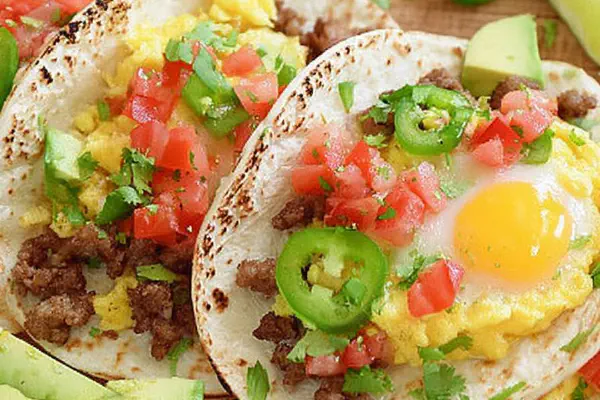
Scrambled Sausage Breakfast Tacos
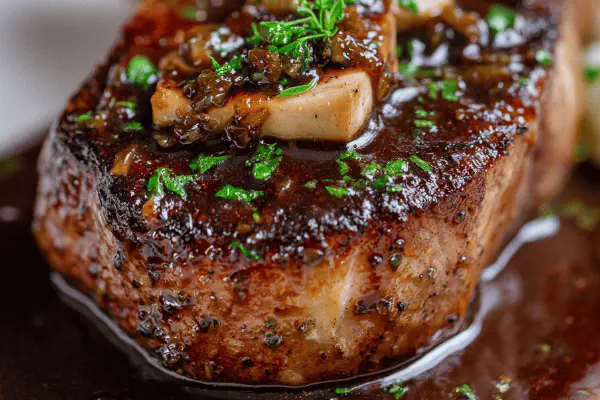
Twist Bordelaise Sauce
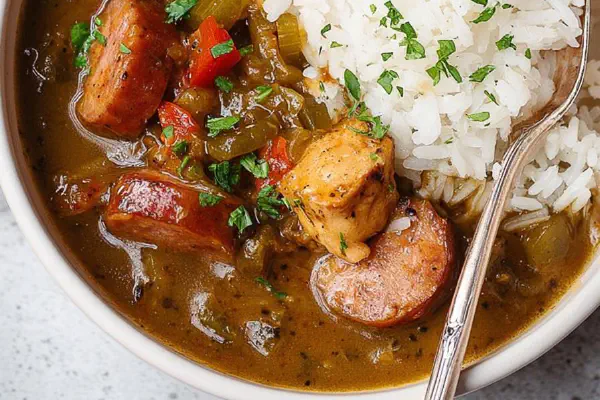
Smoky Chicken And Andouille Gumbo
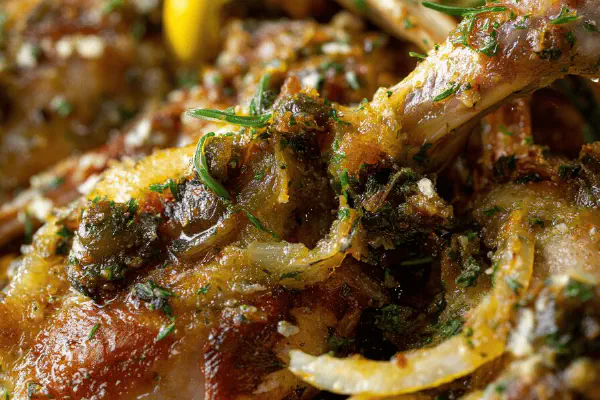
Rabbit Lemon Parmesan
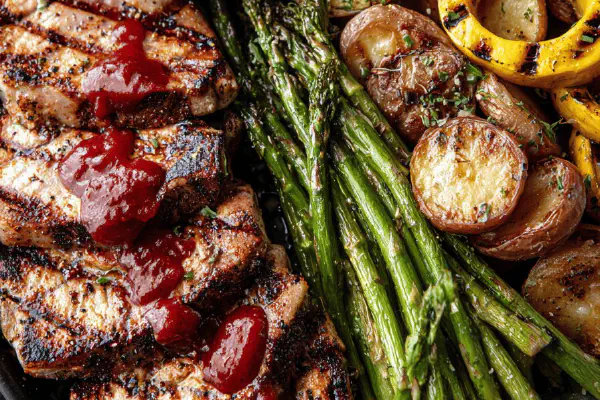
Pork Chops with Fruity Ketchup

Amaretto Ginger Fizz
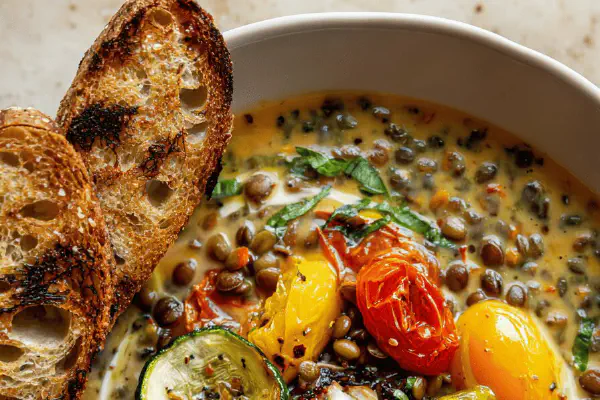
Lentil Cream with Roasted Veggies
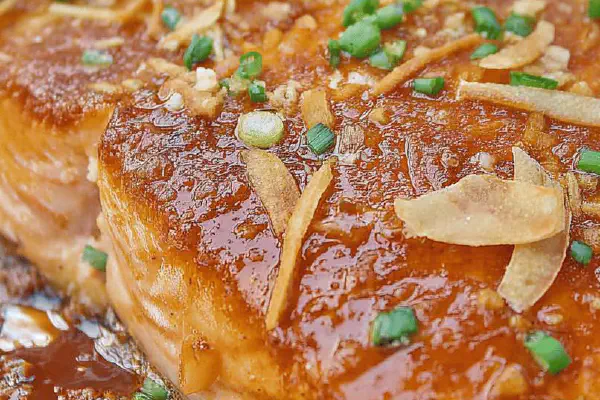
Sweet-Spice Glazed Salmon
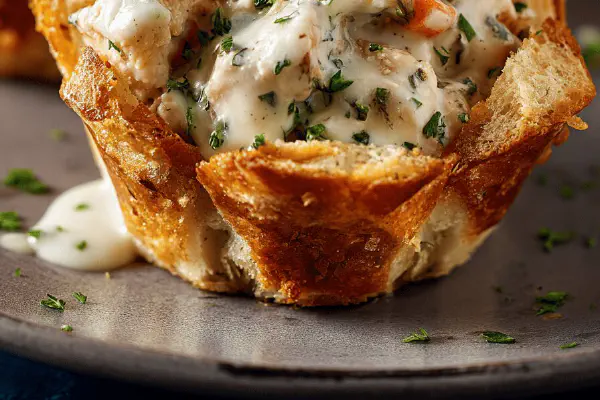
Homemade Chicken Vol-au-Vent
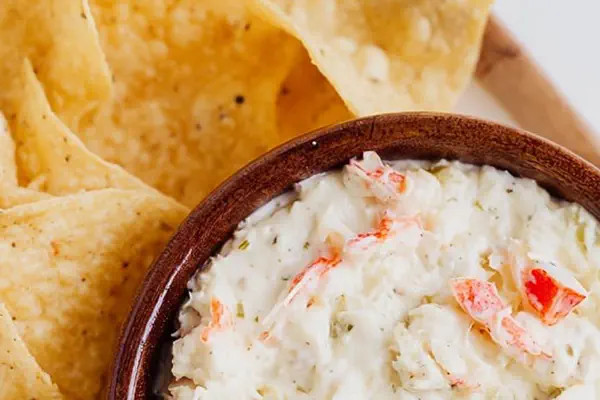
Creamy Crab Spinach Dip
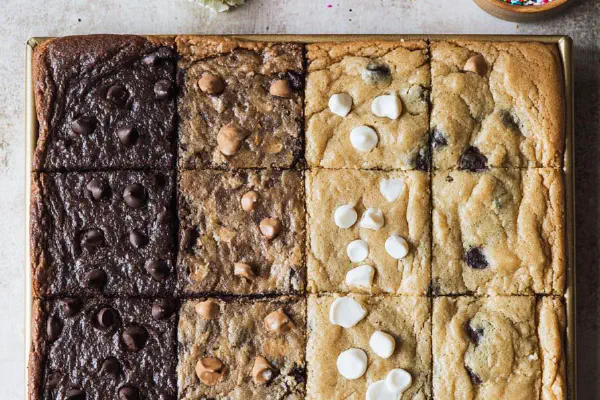
Sheet Pan Mix Cookies
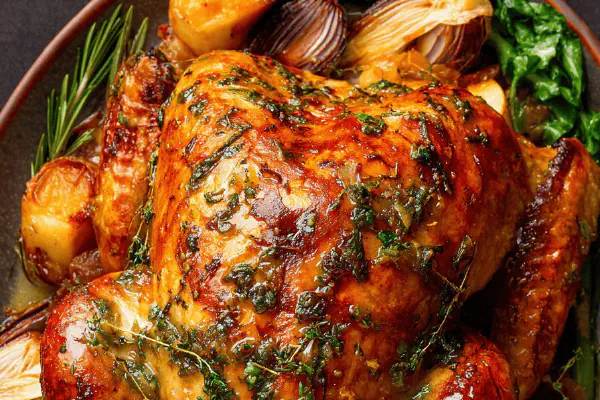
Roast Turkey Apple Glaze
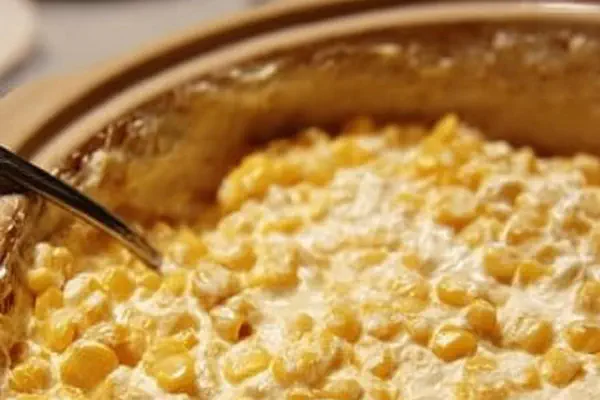
Creamy Herb Corn Bake
Beer Battered Onion Rings
Panettone French Toast Twist

Strawberry Crunch Cupcakes
Honey Cinnamon Butter Twist
Banana Upside-Down Cake
Twisted Spätzles
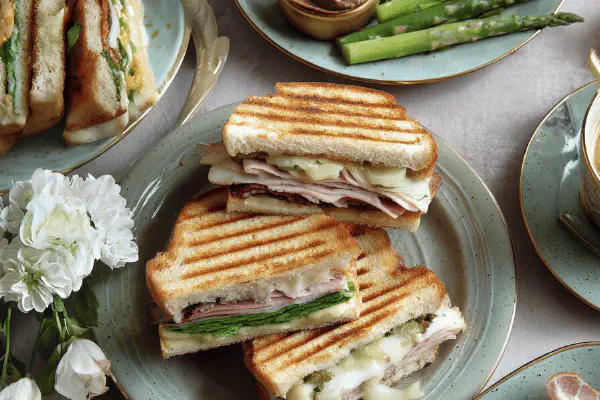
Savory Sweet Grilled Cheese
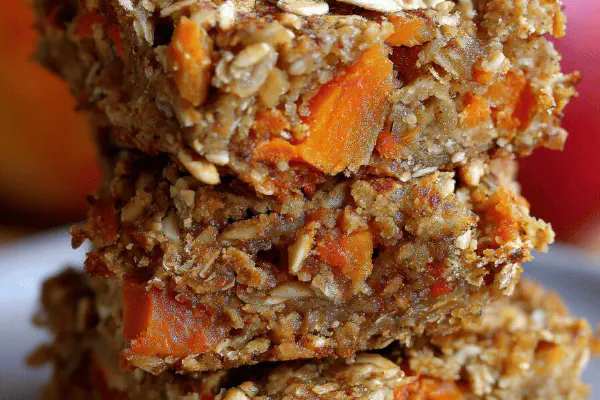
Apple Carrot Breakfast Bars
Labneh with Za'atar Twist
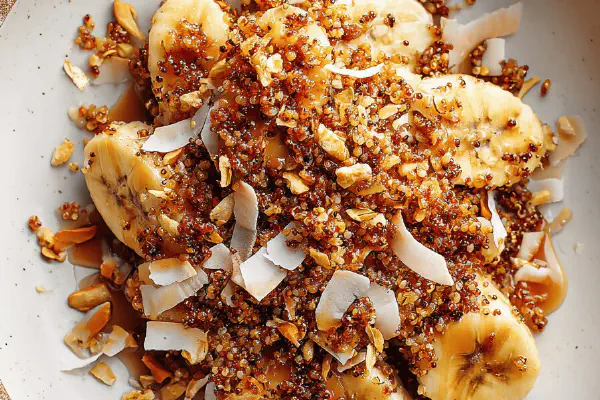
Caramelized Banana Sesame Crunch
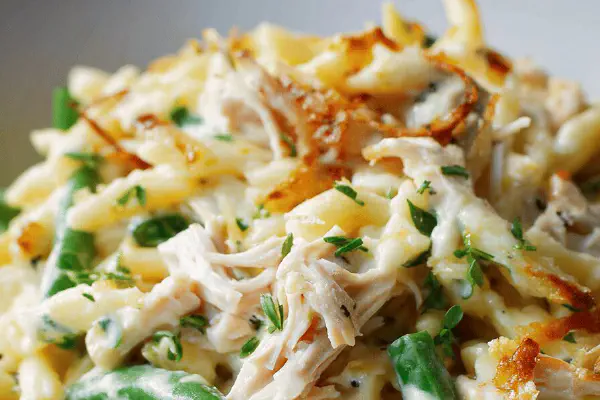
Twisted Chicken Pasta
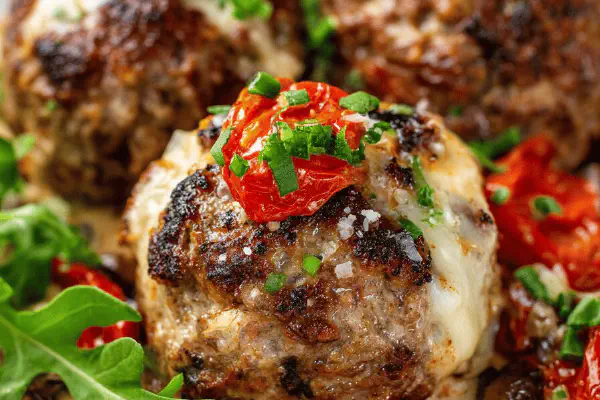
Stuffed Veal Balls with Gruyere
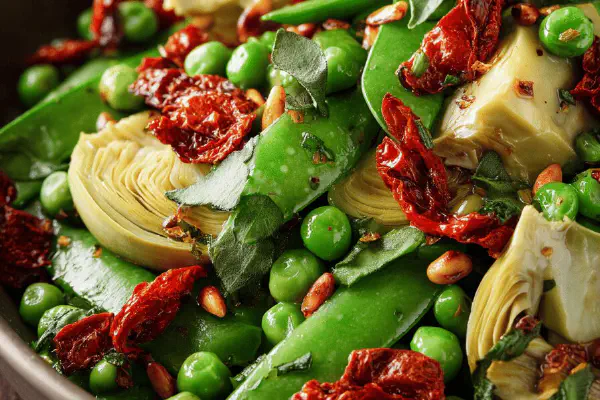
Sautéed Peas with Artichokes Twist
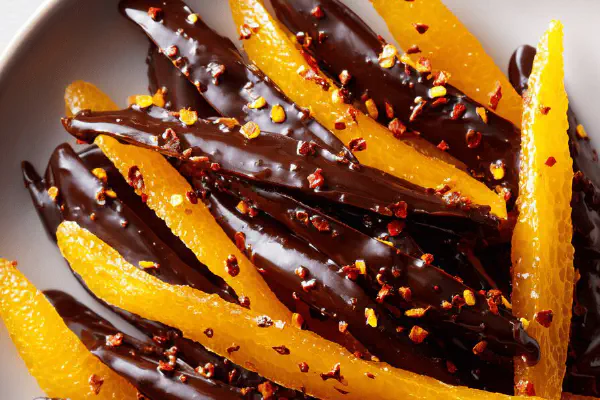
Chocolate-Covered Candied Orange Peels
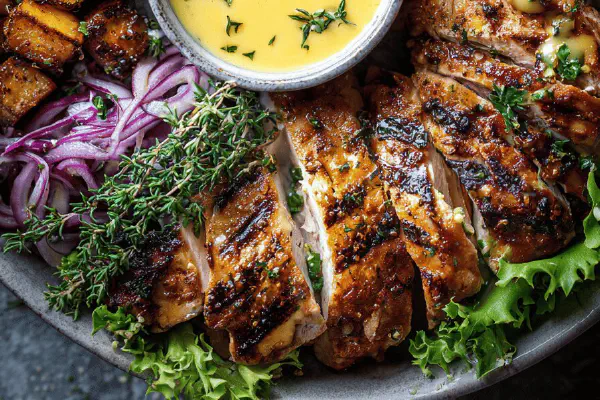
Mustard Maple Vinaigrette

Altered Velvet Cake