Featured Recipe
Twisted Lemon Icebox Pie
By Kate
"
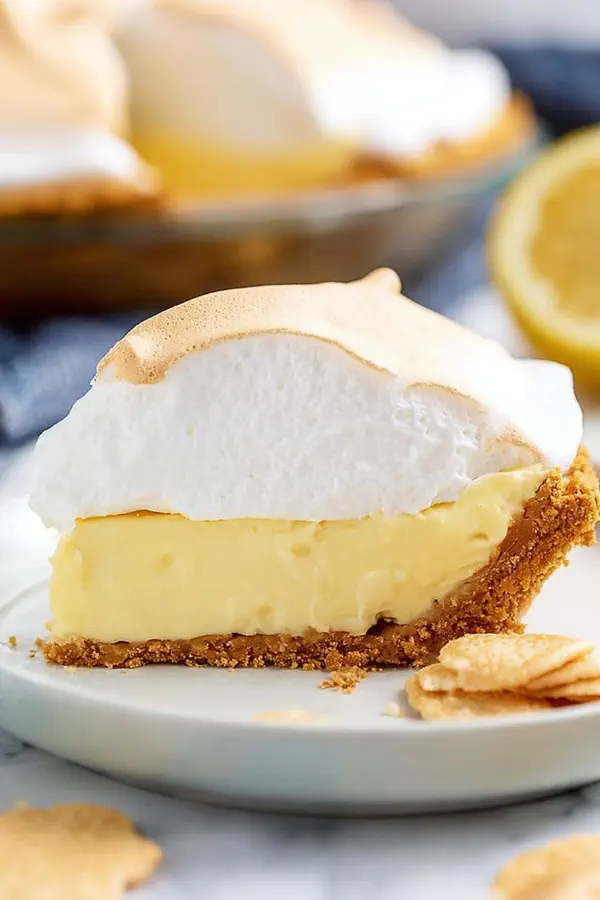
A tart lemon filling atop a crisp crust made from crushed shortbread cookies and browned butter. Topped with a fluffy Swiss meringue tinted with a touch of turmeric for color, browned under the broiler for a slightly smoky aroma. Light, tangy, and a little unexpected—a fresh spin on the old standby, fitting for summer or any time you want bright but balanced dessert. Egg whites whipped with cream of tartar and salt to stabilize, sugar folded in gradually to build glossy peaks without graininess. The crust presses evenly in a deep dish pie plate, bakes just till set. No filler, no fuss, just sharp lemon, rich butter, and airy meringue.
"
Prep:
35 min
Cook:
30 min
Total:
65 min
Serves:
8 servings
pie
dessert
summer
Introduction
Lemon icebox pie—more than just a Southern staple. Think bright, tart curd spooned into a buttery crust, topped with cloudlike meringue browned to perfection. This one riffs on the classic with shortbread crumbs for deeper flavor and toasted browned butter to cut the sweetness. The meringue? Whipped with a pinch of cream of tartar and a whisper of turmeric, giving a subtle golden tint and that toasty nuance under the broiler’s heat. Eggs separated cleanly; yolks mixing dense lemon filling, whites whipped to peaks glossy yet tensile—avoiding the dreaded grainy sugar slump. Time adjusts to eye and texture, not clocks. The goal? A pie you slice without crumble catastrophe or weepy filling spill. Chill well; the sharper lemon juice, rich butter, and air-whipped topping play off each other like a well-conducted orchestra. Practiced hands know when the crust edges darken evenly and filling jiggles just so. That’s your moment to fold in meringue, cover edges, and brown the peaks. No shortcuts. No fudging.
Ingredients
In The Same Category · Sweet Treats
Explore all →
Slow Cooker Cheesecake Twist
Blueberry Cream Crunch
Chocolate Ice Cream Sandwiches
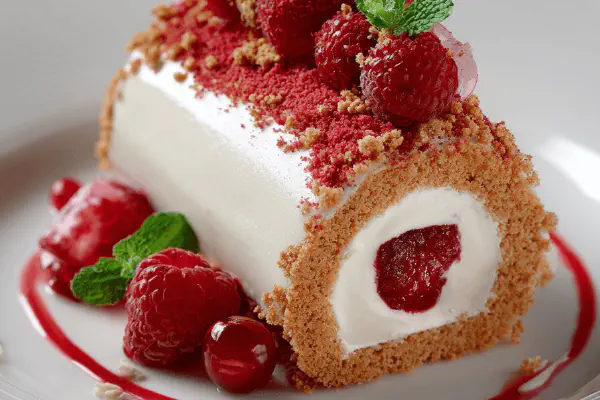
Raspberry White Chocolate Log

Lemon Pavlova Twist
Tangy Cream Cheese Frosting
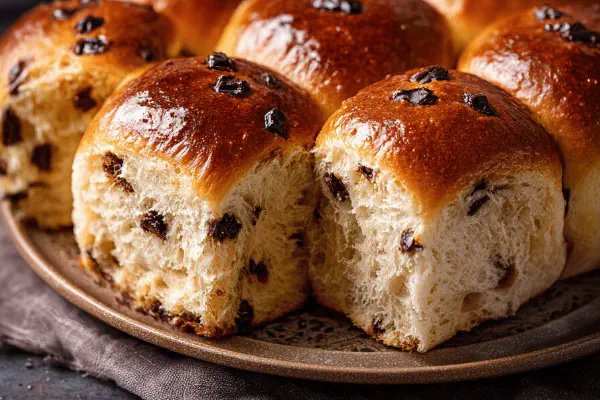
Chocolate Brioche Buns
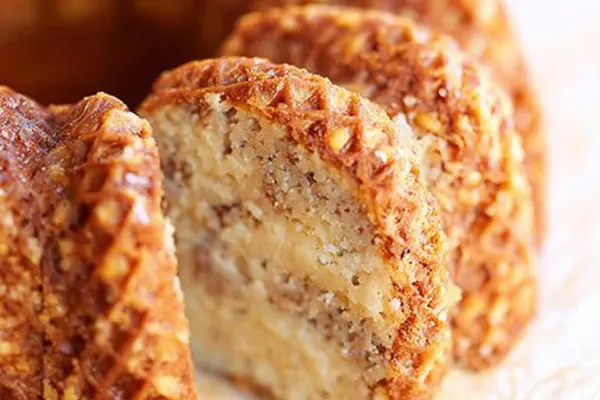
Twisted Vanilla Crunch Cake
Strawberry White Choc Cookies
Spiked Eggnog Cookies

Red Velvet Cheesecake Bites
Snickers Caramel Brownies

Cherry Cheesecake Cones Remix
Twisted Cream Cheese King Cake
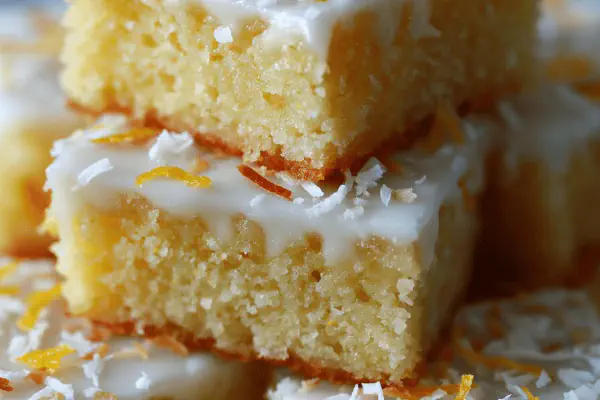
Orange Coconut Mokas
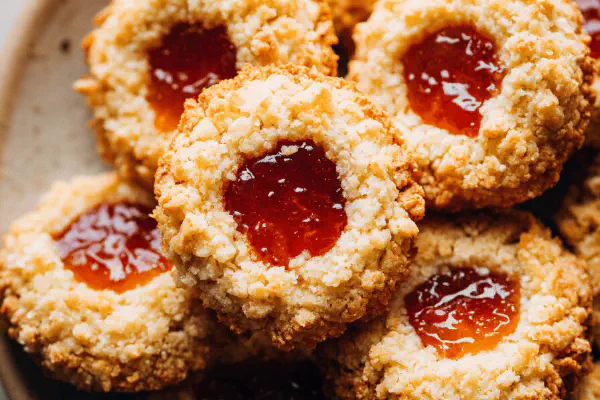
Jam Coconut Crunch Cookies
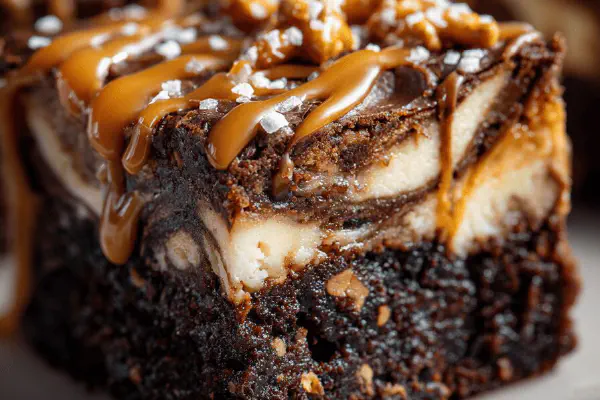
Peanut Butter Swirl Brownies
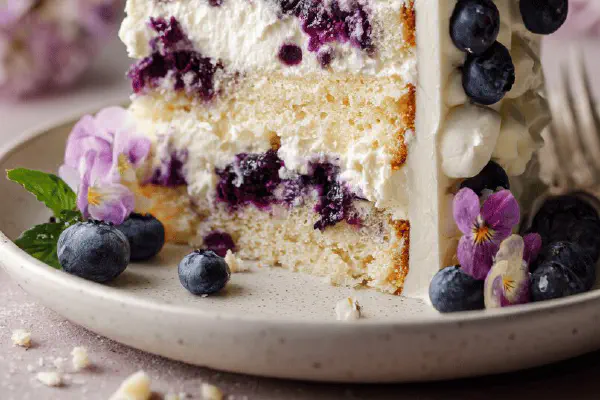
White Chocolate Blueberry Cake
Blueberry Cake Bars Twist
Upside-Down Cinnamon Brioche
Raspberry Maple S’mores
Butter-Infused Ice Cream
Amish Sugar Cookies Remix
Peanut Butter Crunch Bars
Apple Butter Snickerdoodles
Crunchy Apple Layered Dessert

Air Fryer Apple Hand Pies

Candied Rhubarb Twist
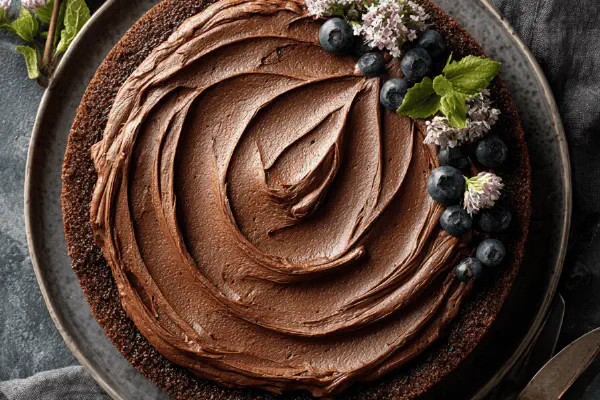
Velvet Chocolate Frosting
About the ingredients
Shortbread cookies in lieu of Nilla—more butter, more heft. Browned butter vs melted plain butter cuts excess sweetness, gives nuttier aroma, a crust that stands up better when chilled. Coconut cream swap works well if avoiding dairy but expect a slightly looser filling; chill longer. Lemon juice varies in acidity—Meyers soften sharpness with honeyed notes; adjust sugar by tasting yolk-milk mix before pouring. Cream of tartar stabilizes egg whites, making sure meringue doesn’t collapse or weep. Sea salt rounds sweetness; omit if ultra sensitive but flavor dims. Sugar must be added gradually to egg whites to dissolve properly—skip superfine sugar, which can be pricey; granulated fine does the trick with proper beating. Turmeric optional, purely visual and aromatic twist; use sparingly—too much, curried pie. Eggs at room temp beat up fluffier. Clean metal bowl essential; plastic bowls hold grease, killing meringue rise. If dessert must travel, bake crust separately beforehand to prevent sogginess.
Method
Technique Tips
Work fast but clean separating eggs to avoid yolk contamination in whites—kills foam. Browning butter in advance seals nuttiness, can keep in fridge. Press cookie crust firmly to avoid fall-apart slices; edges especially need attention. Fill with lemon custard while crust still warm; helps meld crust and filling. Avoid overbaking lemon filling—edges firmer, center slight jiggle signals done; residual heat finishes firming. Whipping whites low to medium first loosens texture, then speed up for volume; gradual sugar addition critical to prevent graininess or collapse. Seal meringue edges fully against crust wall—prevents pesky shrinking. Watch oven gauge; meringue color changes fast—15 to 20 minutes typical, 325°F ideal. A quick broiler blast caramelizes tips without drying entire surface. Chill 2+ hours minimum; slicing warm pie means runny mess. Leftovers covered keeps well but expect meringue to soften slightly overnight.
Chef's Notes
- 💡 When browning butter, watch for nutty aroma. Timing is key. Swirl gently. Heat too high burns; dark brown means bitterness. Flavor lost.
- 💡 Use fresh eggs for meringue. Older eggs don't whip as well. Ensure no yolk touches whites—yolk makes foam collapse. Clean separation is vital.
- 💡 If meringue fails to hold peaks, add more sugar; gradually though. Whip longer if texture feels off. Glossiness indicates air incorporated. Adjust speed carefully.
- 💡 Chill pie properly or it'll run when sliced. Four hours preferred minimum for set filling. Slice when cold for stability. Cover well if storing.
- 💡 Don't fear alternative fillings. Orange juice can lighten acidity. Caution with proportions; adjust sugar if needed. Experiment a little if you're brave.
Kitchen Wisdom
What if meringue is weeping?
Check seals around crust. Undermixed or not enough sugar adds to issues. Avoid humidity during whipping.
Can I use a different crust?
Other cookies for crust work. Graham crackers add sweetness. Adjust butter accordingly—may need less or more.
What if the filling is too loose?
Bake slightly longer. Watch edges. Let it cool before meringue. Overbeating can also affect texture.
How do I store leftovers?
Cover tightly in fridge up to three days. Might soften; meringue can droop. Slice cold for best results.
You’ll Love These Too
Explore all →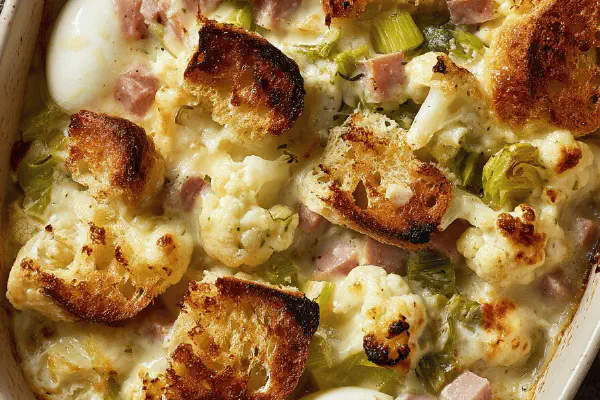
Cauliflower Ham Egg Gratin
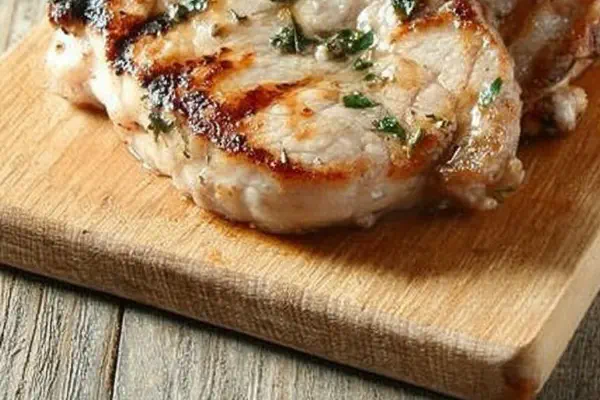
Herb-Brined Pork Chops

Cilantro Lime Ranch Remix
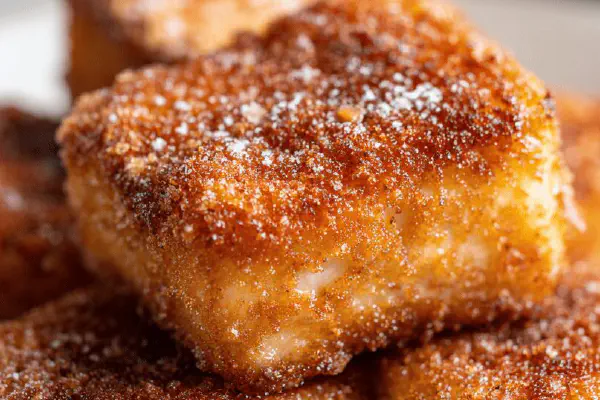
Fried Custard Squares

Citrus Honey Rice
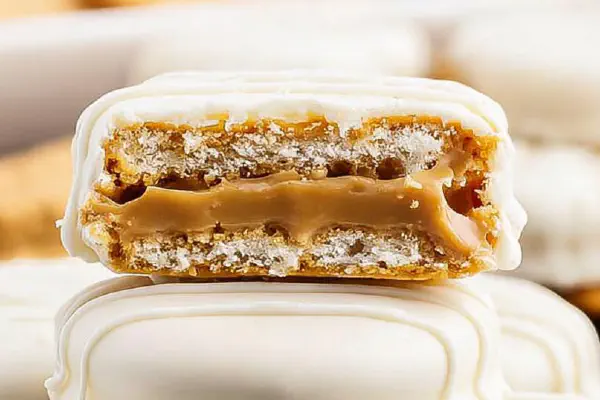
Peanut Butter Crackers Dipped
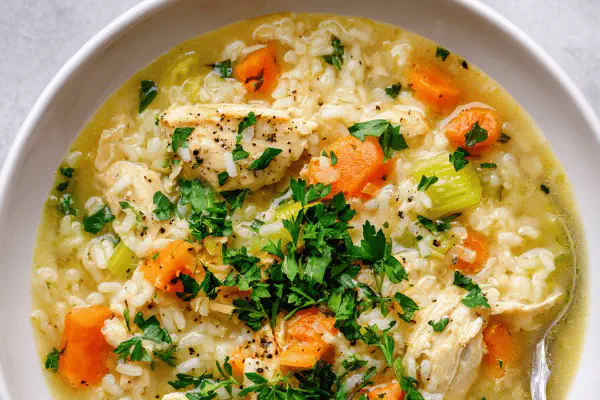
Chicken Lemon Rice Soup
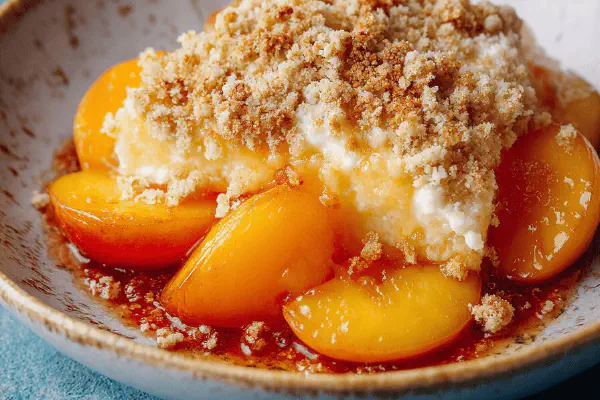
Nectarine Apricot Pouding-Croustade
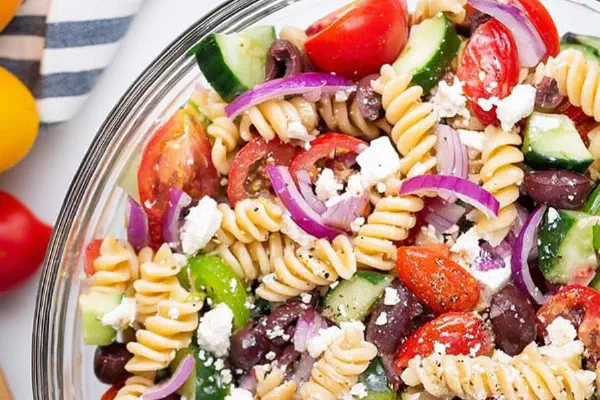
Tangy Mediterranean Pasta Salad
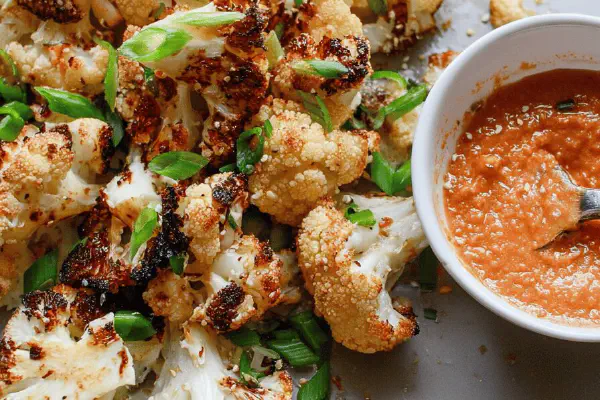
Spicy Roasted Cauliflower Twist
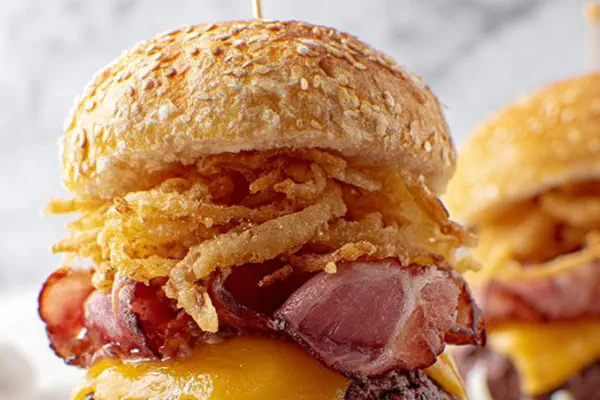
Stacked Smokehouse Burger
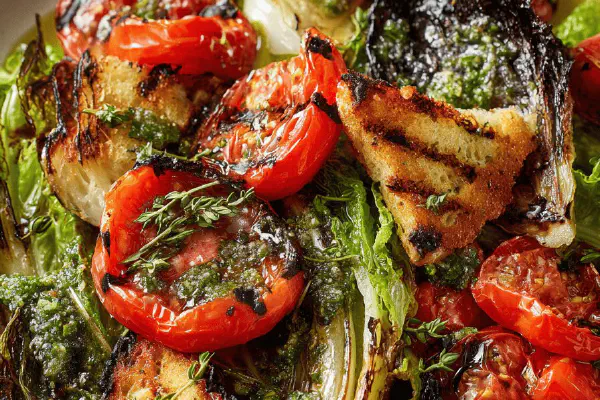
Grilled Romaine Salad Barbecue Style
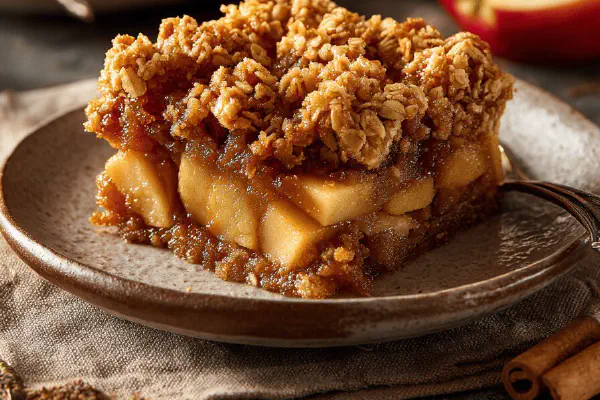
Apple Oat Squares Remix

Panettone French Toast Twist
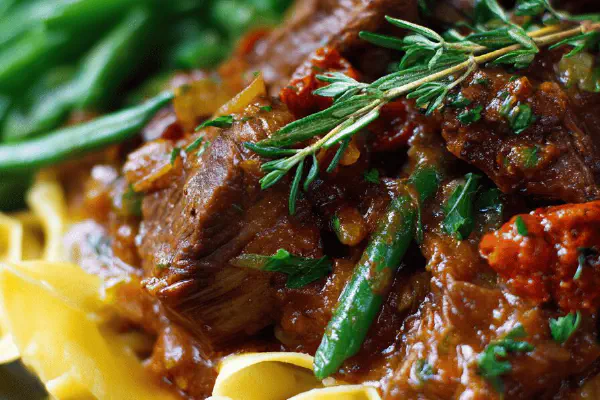
Braised Beer Beef with Chorizo Twist
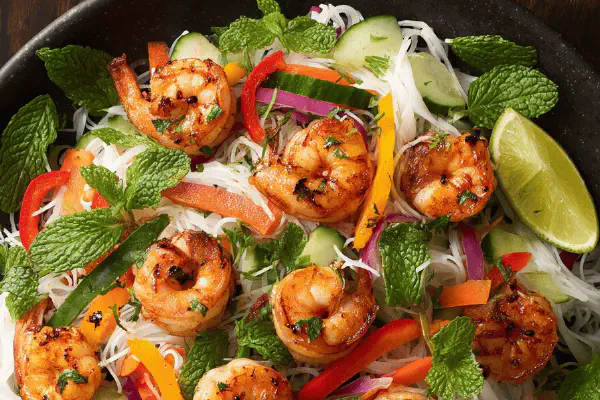
Grilled Shrimp Spring Roll Salad
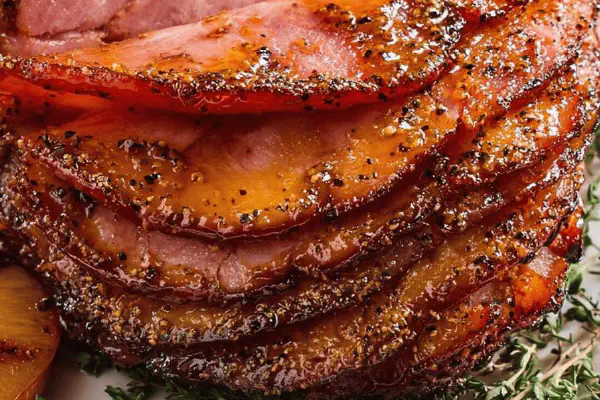
Riesling Peach Glazed Ham Remix

Mummy Dog Wraps

Cinnamon Swirl Pancakes
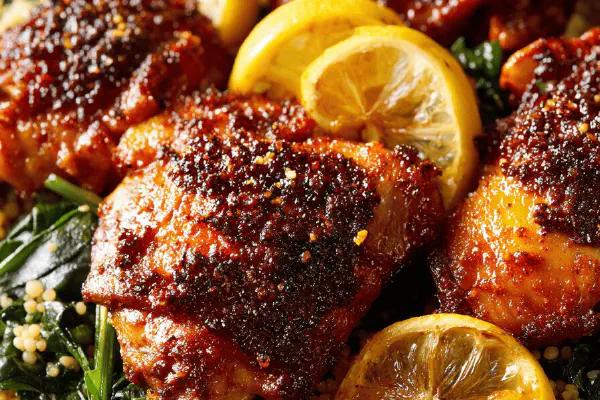
Lemon Paprika Chicken Thighs
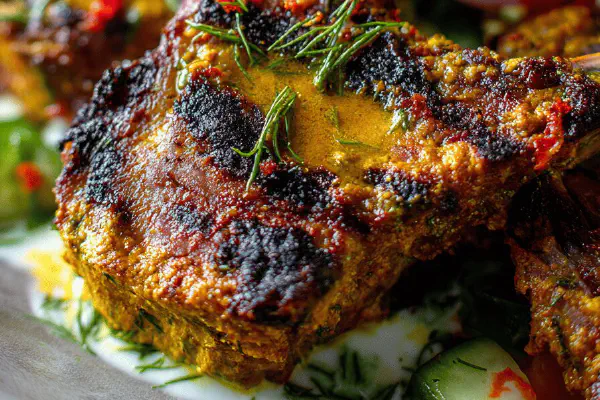
Lamb Chops with Curry and Melon Raitha

Chocolate-Covered Candied Orange Peels

Clementine Passion Fruit Salad
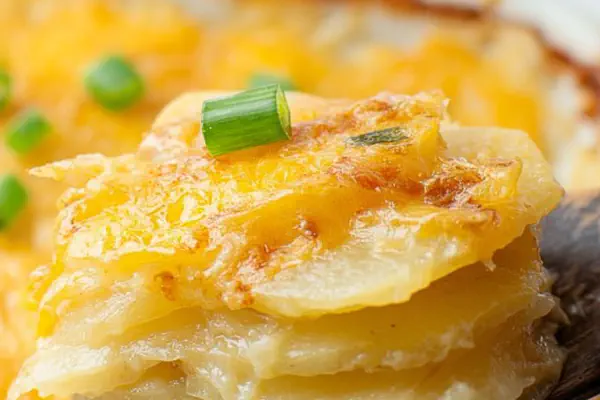
Creamy Twice-Cheese Potatoes

Twisted Negroni

Cheesy Broccoli Chowder

Smoky Chipotle Chicken Nachos
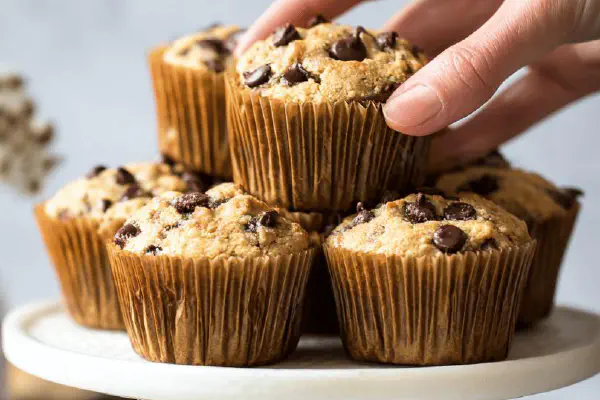
Banana Almond Muffins
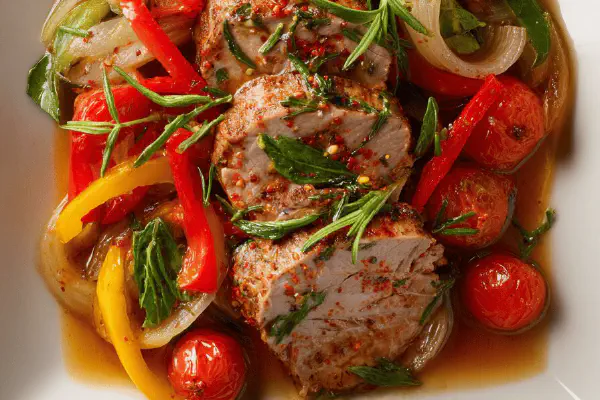
Veal Roast with Peppers and Sage