
Featured Recipe
Twisted Quick Chili

By Kate
"
A churned quick chili variant starting with browned ground pork and caramelized leeks. Tomato puree swaps diced tomatoes to deepen flavor. Black beans instead of kidney beans, lending a creamier body. Use smoked paprika and cumin alongside chili powder to layer smoky and earthy notes. Simmer longer to let aromas mingle and textures meld. Cheese topping optional but brings nutty creaminess to contrast spice. Practical, flexible, built for day-to-day hustles in the kitchen.
"
Prep:
7 min
Cook:
1h 10min
Total:
1h 17min
Serves:
6 servings
chili
pork
quick recipes
American cuisine
Introduction
Forget the fancy stuff. Start with ground pork—lean but juicy. Leeks, not onions, for subtle layered sweetness. The sizzle in the pan tells you all you need: when pork browns evenly, when leeks look golden, you’re on track. Swap diced tomatoes for thick tomato puree; concentrated, no extra moisture mucking up thick chili texture. Black beans instead of kidney—less obvious, smoother mouthfeel. Chili powder alone? Nah, smoked paprika and cumin join the party adding earth and smoke notes. The magic happens low and slow. One hour simmering melds those raw ingredients into a singular spicy harmony. Skimming fat’s important but never overdo it—you want enough to carry flavor. Done means thick, rich chili that clings. Comfort food? Sure, but also a lesson in restraint and timing. Cheese melting on top? Optional but essential to cut through heat and richness. Make it yours with green onions, sour cream, or a hunk of rustic bread.
Ingredients
In The Same Category · Comfort Bowls
Explore all →
Broccoli Sausage Stuffed Potatoes
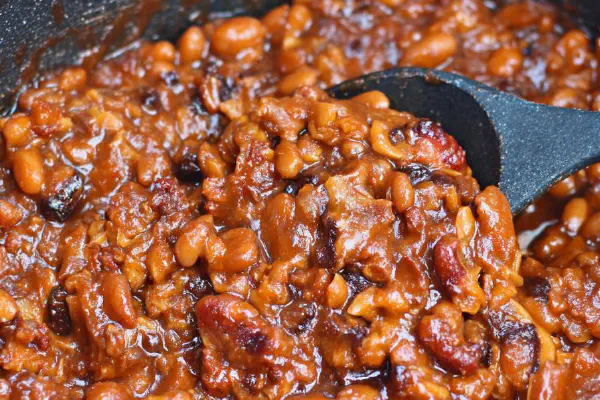
Smoky BBQ Beans Mashup
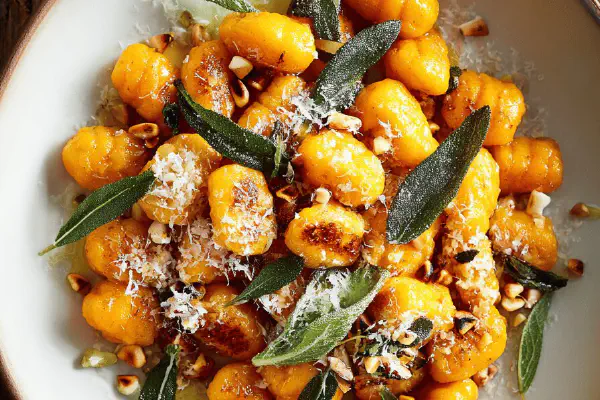
Gluten-Free Gnocchi Sage Butter

Hearty Crockpot Potato Chowder
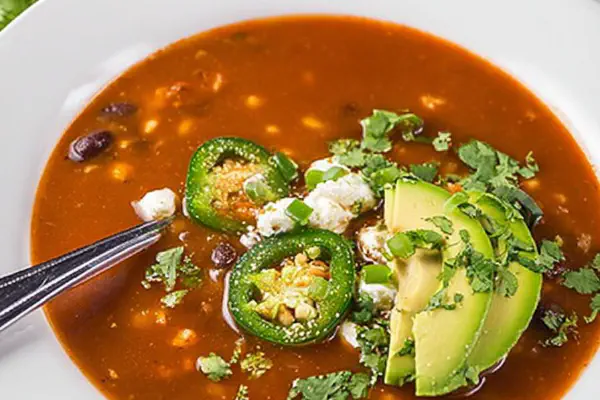
Smoky Black Bean Chile Soup

Sausage Shepherds Pie

Carrot Ginger Potage
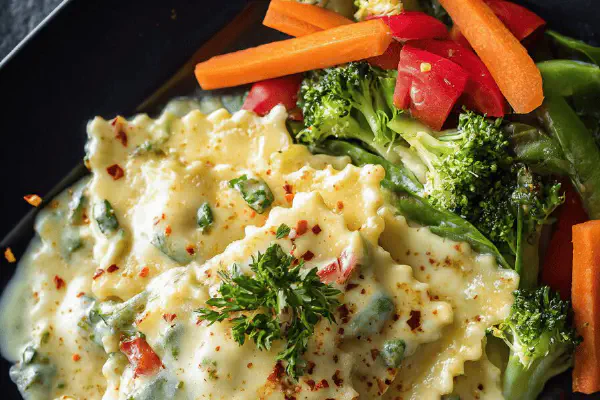
Smoky Cheese Sauce
Smoky Lima Beans

Cheesy Macaroni Bake
Cornbread Sausage Stuffing

Twisted Baked Rigatoni

Cheesy Broccoli Chowder

Shrimp Corn Chowder
Sausage Tortellini Soup
Twisted Colcannon Mash
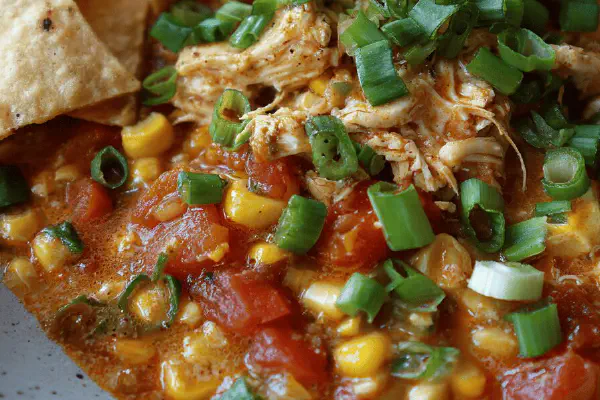
Spicy Chicken Tomato Corn Soup
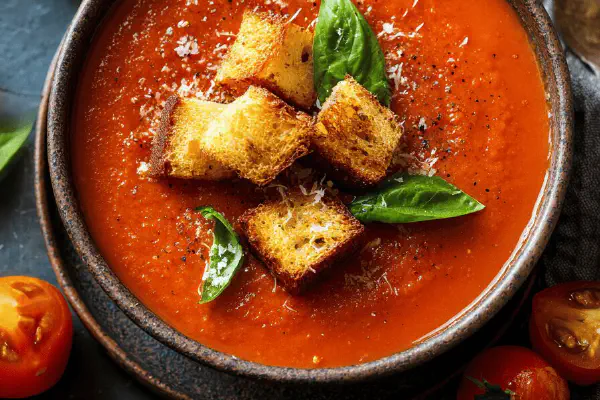
Roasted Tomato Soup with Croissant Croutons

Cheesy Mac Bacon Crunch

Chunky Chicken Corn Chowder

Yellow Split Pea Soup with Cheese Dumplings
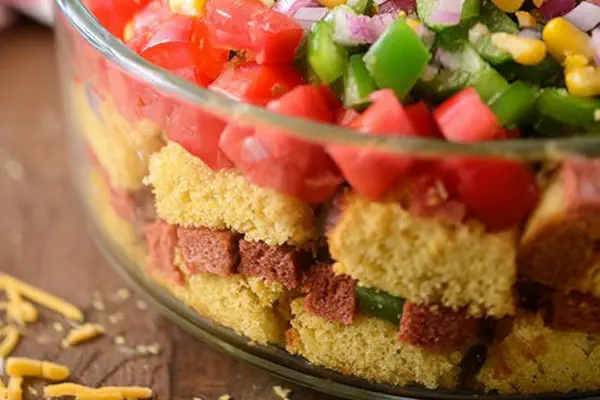
Cornbread Bean Salad

Curried Tomato Cream Soup

Chicken Lemon Rice Soup

Slow Cooker Mac and Cheese Remix

Chicken Bacon Ranch Salad
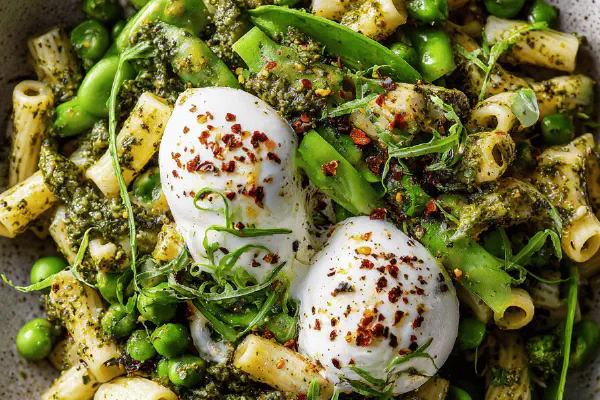
Pasta Salad with Pesto Burrata

Slow Cooker Chicken Chili
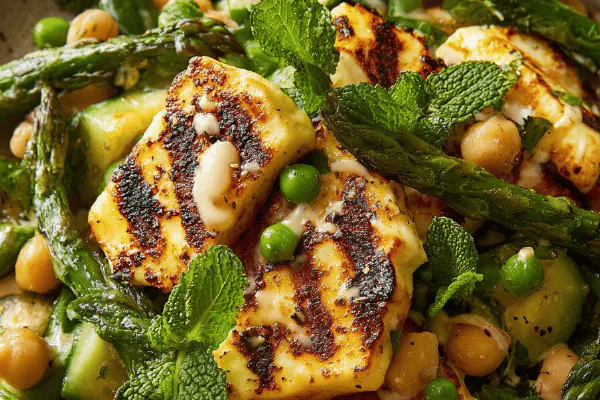
Grilled Halloumi Chickpea Salad
About the ingredients
Ground pork keeps chili juicy and tender unlike leaner beef which can dry out quickly if overcooked. Leeks provide sweetness and depth; slice thin to caramelize evenly without burning. Tomato puree replaces diced tomatoes for thickness—don’t add water; acidity more pronounced, cooking time adjusted accordingly. Black beans instead of kidney beans create creamier texture and mellow taste; rinse canned beans well to avoid excess salt and starchiness. Smoked paprika adds subtle smoky flavor—easy way to sneak in complexity without a smoke source. Ground cumin grounds the flavor profile with earthiness. Garlic powder over fresh garlic avoids burnt bitter notes in dish long-simmered. Salt and pepper added in measured amounts; adjust carefully at end since condensed tomato and canned beans often carry salt already.
Method
Browning and Base
- Pump heat to medium-high before dumping pork, leek, and green pepper into Dutch oven. Listen for that steady sizzle, not frantic spit. Stir frequently enough to break meat apart, flip and move veggies around so nothing sticks. Pork should brown evenly with browned bits sticking to pan - where flavor lives. Leek should soften and start to caramelize visibly, little browning edges. Drain off excess fat cautiously but leave some moisture-cling for aroma and texture.
- Pour in undiluted condensed tomato puree straight from the can for concentrated tang, no watering down here. Add beans—use black for creamier feel; soak and cook thoroughly if canned, rinse well to control saltiness. Sprinkle chili powder, smoked paprika, and cumin over the mixture. These three spice pillars bring depth and smoke alongside chili’s heat. Salt and pepper to taste. Garlic powder goes last for subtle background kick. Stir well; the pot should thicken slowly with vibrant reddish hues deepening.
- Cut heat to low. Cover but leave lid slightly askew or use a loose tent to allow steam escape without drying out. Stir every 15 minutes or so, scrape browned bits off bottom to avoid bitter burn. Cook for approx 1 hour but note aroma bloom and texture telling when flavors are married enough and meat tender. Thick chili that stains the spoon is the goal, not runny slop.
- Serve hot. Grated sharp cheddar or smoky gouda on top cools heat; melts from residual warmth, adding richness and smooth mouthfeel. Garnish with chopped green onions or a dollop of sour cream if you like. Bread on the side to mop up thick sauce.
- Pork substitution ensures moist texture; beef can dry faster. Leeks give sweeter background compared to onions - caramelize well but don’t burn. Tomato puree shock - avoid watering down canned tomatoes; thicker base means less simmer time. If chili tastes flat, add a squeeze of lime or a splash of vinegar at the end to brighten. For quicker version, use pre-cooked beans, reduce simmer to 45 minutes but watch for texture and flavor meld. Too thick? Add small splashes of broth or water stepwise. Overly salty? More tomato or splash of cream counters that salty bite.
Building the Chili
Simmer and Meld
Serving
== Tips and Troubleshooting ==
Technique Tips
Start hot to brown meat and soften vegetables—don’t rush this or chili will lack depth and texture. Browning creates Maillard reaction: flavor foundation. Drain pork fat but keep enough so veggie sweetness doesn’t dry out. Add seasoning in layers rather than dumping all at once; this allows each spice to release aromatic oils and infuse base gradually. Simmer low for around 1 hour; stirring occasionally prevents sticking and monitors thickness. Visual cue: edges should pull slightly from pot sides when almost done. If sauce seems thin, continue simmering uncovered briefly; too thick—add broth in tablespoons, stir well. Cheese topping adds creamy counterpoint to spicy heat and thick texture. Rest chili briefly after cooking for flavors to settle evenly. Common error: too short simmer; underdeveloped flavors and tough pork bits. Keep heat low enough to avoid burning bottom but high enough to keep gentle simmer—bubbles small and slow.
Chef's Notes
- 💡 Brown pork well. Can’t rush this. Texture comes from a good sear—listen for that sizzle. Drain off extra fat but keep some; moisture is key for flavor.
- 💡 Tomato puree is thick. Don’t add water here. Concentration counts; thick base means rich flavor. Cook longer if needed; watch thickness and avoid runny sauce. Adjust seasoning at end.
- 💡 Black beans are creamier than kidney. Be cautious with canned ones. Rinse well, control saltiness. Makes for better texture. Can use dried beans—just soak and prepare ahead of time.
- 💡 Simmering low, that’s where magic happens. If chili tastes flat later—squeeze of lime or splash vinegar can brighten. Stir regularly, scrape foundation; avoid burning.
- 💡 Topping with cheese? Adds richness that cuts heat. Use sharp cheddar or smoky gouda; melts well and enhances texture. Optional but worth it—cold garnish offset spice.
Kitchen Wisdom
How to store leftovers?
Refrigerate tightly sealed for up to 4 days. Can freeze up to 3 months. When reheating, add a touch of broth to loosen.
What if my chili is too thick?
Add broth stepwise; stir and check consistency. Just a little at a time. It should coat the spoon, not drown.
Can I substitute the pork?
Use ground turkey or beef. Watch for drying out. Adjust cooking time as needed. Flavor differs but still works.
What if it's too spicy?
Add dairy, like sour cream or cheese to moderate heat. More beans can help too. Balance out hot with something rich.
You’ll Love These Too
Explore all →
Crispy Green Tomatoes with Smoky Dip
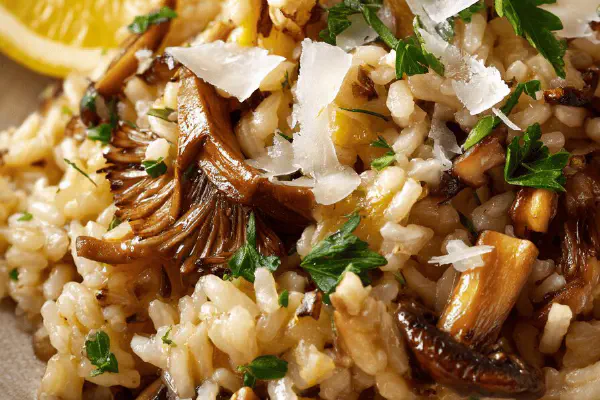
Wild Mushroom Risotto Twist

Everyday Tossed Salad

Chocolate Frozen Cream

Soft Dulce de Leche Sandwiches
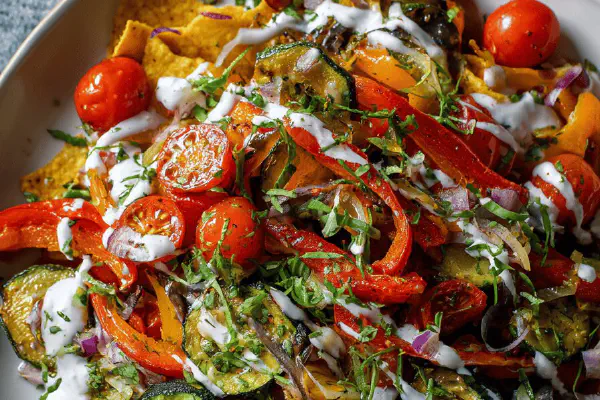
Grilled Pepper Zucchini Salad
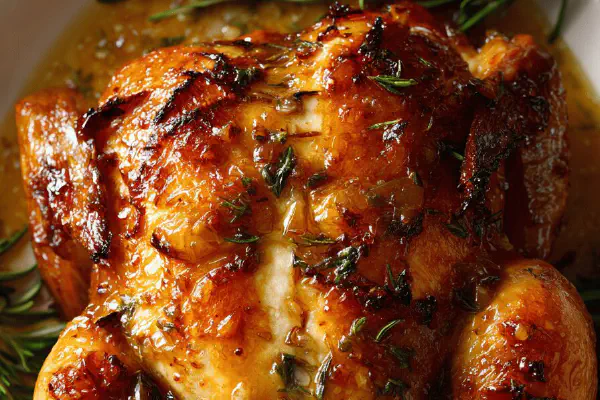
Roast Chicken with Apricot Glaze

Rhubarb Spice Cake

Black Forest Poke Cake Twist

Bitter-Sweet Fennel Orange Salad

Slow Cooker Bacon Cheddar Cornbread

Chunky Chocolate Fudge Sauce

Crispy Eggplant Cubes

Olive Thyme Focaccias

Twisted Corpse Reviver

Lobster Asparagus Salad

Simple Brown Sugar Caramel

Maple Tart with Whipped Cream

Pumpkin Cream Cheese Frosting Upgrade

Spiced Tempeh Apple Salad

Buttermilk Pancakes Remix

Grapefruit Ginger Syrup Twist

Raspberry Mascarpone Tart Twist

Vibrant Easter Egg Dyeing
Chocolate Biscuit Logs

Avocado Yogurt Green Goddess Dressing

Cherry Almond Popovers

Vegan Hazelnut Chocolate Cookies
Linguines Lamb Ragout
