Featured Recipe
Twisted Sweet Potato Pie
By Kate
"
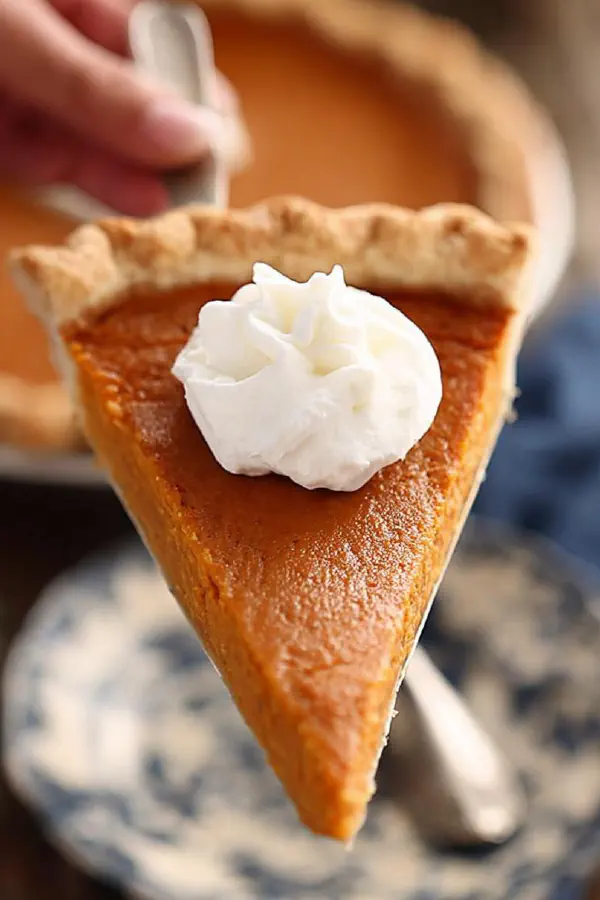
Baked sweet potatoes mashed to a creamy texture, blended with brown sugar and eggs, crowned with browned butter. Evaporated milk replaced by coconut milk for depth. Cinnamon and fresh grated ginger with a pinch of clove add warmth. Pie baked in a blind-baked crust—firm but flaky. Mid-high heat roasting intensifies sweetness and caramel tones. Key steps highlighted to avoid soggy crust or grainy filling. A twist: toasted pecans folded into filling for crunch. Chill before slicing; pie will settle but remain creamy. Serve with lightly seared marshmallow fluff for smoky contrast.
"
Prep:
25 min
Cook:
Total:
Serves:
8 servings
dessert
pie
holiday
Southern cuisine
Introduction
Sweet potatoes roasted whole, smelling like toasted earth and sugar caramelizing. Peel off skin while warm, mash quickly—no lumps allowed. Butter browned on stove, nutty scent filling kitchen; fat makes custard rich, silkier than just melted butter. Coconut milk swapped for evaporated adds subtle creaminess with tropical whisper; cinnamon, ginger, clove carefully measured to avoid spice overload. Pecans toasted till their aroma pops—fold them in last for surprise crunch. Blind baking crust is less fuss than battling soggy bottoms. Watch pie jiggle at center to know it’s done—not toothpick alone. Cooling firming up, a patient wait. Marshmallow cream torch melted on top? Go ahead, live a little.
Ingredients
About the ingredients
Sweet potatoes must be roasted whole for starch conversion and sweet flavor concentration. Pricking the skin avoids bursting and ensures even cooking. Using browned butter adds a layer of nuttiness and depth absent in plain melted butter; it’s easy—just brown in pan before adding. Coconut milk instead of evaporated milk gives richness with a subtle fruitiness, but full-fat canned needed—not boxed. Brown sugar replaced white for molasses notes. Fresh grated ginger better than ground dried for brightness; clove a little punch to cut through. Toasting pecans intensifies nuttiness, avoids soggy textural mismatch with filling. Store-bought pie crust fine; pre-baking critical for crisp base.
Method
Roasting Sweet Potatoes
- Set oven to 425 degrees F. Line a rimmed baking sheet with foil for easy clean-up. Wash potatoes thoroughly; prick with fork 6-8 times to release steam inside roasting. Roast on middle rack about 40-50 minutes. Test doneness by poking with a skewer; should slide in easily. Skin turns wrinkled, aroma sweet and nutty. Remove and cool just enough to handle. Peel skin off—use paper towel to grip if too hot.
- Mash potatoes immediately after peeling while warm, helps avoid clumps. Use hand mixer or ricer for fluffy texture; no lumps. Stir in brown sugar until fully dissolved into mash—important for even sweetness. Beat in eggs one at a time; aids binding and silky custard texture. Add browned butter—provides nuttiness and fat for richness instead of regular melted butter. Slowly incorporate coconut milk, cinnamon, grated fresh ginger, clove, salt, and vanilla; whisk till fully combined, filling should be creamy but thick enough to hold shape. Gently fold in toasted pecan pieces for unexpected crunch and flavor. Don’t overmix—pecans will break down.
- Drop oven to 350°F. Transfer pie crust to foil-lined rimmed baking sheet; keeps drips contained and easy movement. Prick crust bottom with fork lightly to avoid bubbling. Blind bake crust 10-12 minutes until just pale golden and set but not browned fully—prevents sogginess from custard. Pour filling into partially baked crust. Bake center rack 50-55 minutes. Use toothpick check at 50 minutes; should come out with few moist crumbs, not wet batter. Visual cue: pie surface will have firm edges and slightly wobbly center—residual heat finishes setting. If crust edges brown too fast, shield with foil.
- Cool completely on wire rack. Pie settles and cracks lightly—normal due to egg custard cooling and contracting. Refrigerate to firm up custard further; at least 3 hours recommended for clean slicing. Serve with lightly seared marshmallow cream or whipped cream if desired for texture and sweetness contrast. Toast marshmallow topping with kitchen torch or broiler for smoky aroma that counters sweetness. Leftovers keep well wrapped in fridge for 4 days.
- Sweet potatoes vary in moisture; denser ones need longer roasting. If mash too wet, strain excess liquid or add a teaspoon of cornstarch to stabilize filling. Brown sugar substitute with maple syrup but reduce liquid in filling by same amount to keep consistency. Coconut milk adds tropical hint but full-fat canned needed for creaminess; plain milk waters down custard, causing runny pie. If crust edges burn, cover immediately with foil strips. Make ahead: pie filling can be refrigerated up to 24 hours before baking. Slightly underbake if you want softer custard.
Preparing Filling
Blind Baking Crust & Baking Pie
Cooling and Serving
Troubleshooting and Tips
Technique Tips
Roast sweet potatoes at 425°F, auditory cue: skin crackling lightly, aroma fragrant, poke with knife—slides easily? Peel while still warm to avoid tough skins. Mash with mixer or ricer till creamy; lumps mean uneven cooking or rushed peeling. Always incorporate eggs slowly to mix in air—makes custard light. Brown butter cools slightly before mixing in fat, prevents cooking eggs prematurely. Fold toasted pecans last to keep crunch. Blind bake crust partially—a must to fight soggy bottom in custard pies; pricking prevents uneven bubbles forming. Baking at 350°F balances setting custard and proper crust browning. Test doneness visually and tactilely—edges firm, slight wobble center. Cooling indispensable. Refrigerate before slicing to prevent messy slices; leftover pie reheats poorly, better cold. Marshmallow torch topping adds smoky-sweet complexity and caramelized texture.
Chef's Notes
- 💡 Roast sweet potatoes whole. No shortcuts. Prevents sogginess. Prick with fork—release steam. Look for wrinkled skin. Smell the sweetness in air. Use a ricer for airy mash.
- 💡 Browned butter adds richness but requires close attention. Use low heat. Don't rush it. Smell the nuttiness. Remove from heat when it smells right, not burned. Cool slightly before mixing.
- 💡 Coconut milk crucial for texture. Only use full-fat canned. Avoid boxed—too watery, ruins the custard. Adjust liquid if swapping sugars. Sub with maple syrup, reduce other liquids.
- 💡 Blind-baking crust stops soggy bottoms. Pre-bake until just set, watch edges. Cover with foil if they darken too soon. Prick with fork to prevent bubbles. It matters.
- 💡 Control pie doneness visually. Firm edges, slight wobble center. Toothpick test isn’t king—wobbly is golden. Let cool completely. Refrigerate before slicing for clean cuts.
Kitchen Wisdom
What if sweet potatoes are too wet?
Mash denser ones may need more time. Check moisture level. Strain excess liquid if needed. Cornstarch can stabilize filling.
Can I make filling ahead?
Yes. Refrigerate for 24 hours. Blend again before filling crust. Keep texture in mind. The more air—better custard.
How to store leftovers?
Cover pie tightly. Store in fridge up to 4 days. Not recommended for freezing. Texture changes. Enjoy chilled not reheated.
Alternatives for pecans?
Walnuts work but slightly different taste. Shove into filling same way. Or omit for allergy issues. Still decent without nuts.