Featured Recipe
Ultimate Crowd Mac Cheese
By Kate
"
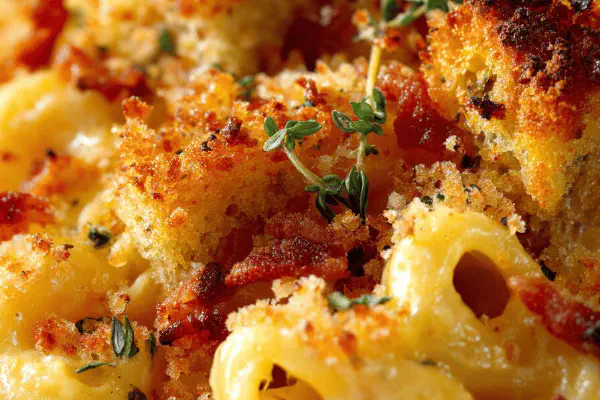
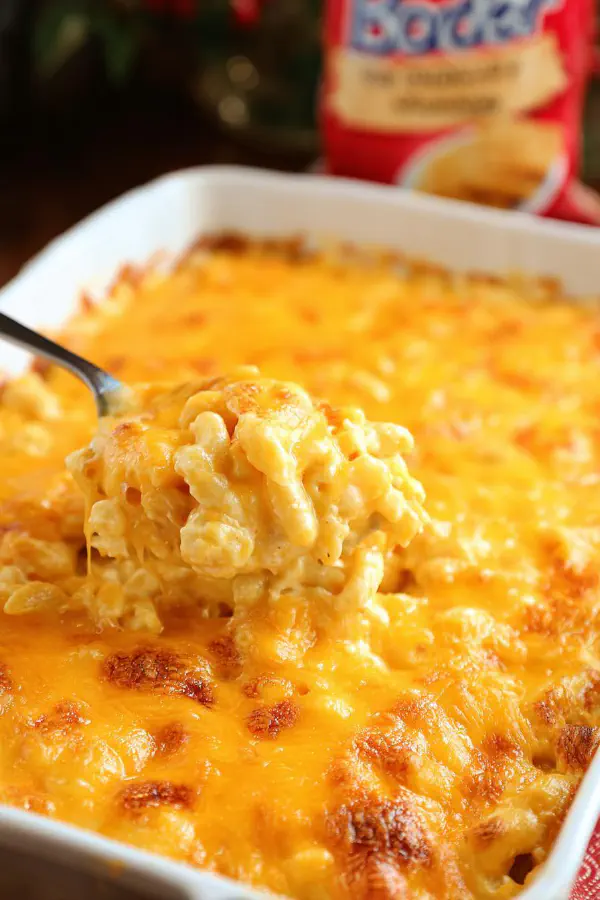
Sturdy pasta near al dente, creamy sauce thickened with roux, four kinds of cheeses melded over heat then layered and baked. Milk swapped for oat milk to add subtle earthiness, sour cream replaces cream for tang and body. Double sharp cheddar combined with smoked gouda for depth. Butter-flour roux cooks to unlock starch, crucial for thickening. Cheese added off heat to avoid grit. Baking pulls it together; bubbling signals ready, golden crust cues done. Resting settles molten layers. Serves well for 8 hungry folks, hearty comfort crowd-pleaser.
"
Prep:
30 min
Cook:
25 min
Total:
55 min
Serves:
8 servings
mac and cheese
comfort food
baked dishes
crowd-pleaser
pasta
Introduction
Starting with pasta boiled just short of al dente—keeps bite through creamy notes. Salt in water anchors flavor early, no need to chase later. Oat milk notes partner with tang from sour cream instead of heavy cream; keeps richness but grounds dish with subtlety. Butter and flour roux essential—cooks away raw starch flavor, thickens with velvet grip. Cheese mix chosen for balance: sharp cheddar bites, smoked gouda depth, mozzarella melt, Parmesan punch and crust layer. Baking at slightly lower temp prevents drying out while building beautiful bubbling crust. Resting crucial; molten cheese needs time to settle or fallout all over. Manage heat and timing carefully—you’ll win dinner crowds every time.
Ingredients
About the ingredients
Oat milk swaps regular dairy milk, lending a subtle toasted nut flavor, and mixes better with sour cream than cream here—less fat but more tang and silk. Sour cream stands in for cream to add acidity that cuts the rich cheese heaviness, plus thickens the sauce. Sharp cheddar is prime base but adding smoked gouda introduces smoky undertones, perfect for crowd-pleasers who want more than basic. Parmesan split into layering cheese and topping creates textural contrast—melting midway, crisping on top. Butter and flour must cook properly; raw flour taste ruins whole dish. Salt cautiously; cheese already salty. Pasta—go for elbows or small shells—surface texture matters for sauce adhesion. Spray baking dish to avoid oil puddles and uneven browning, conventional butter tends to brown and make edges brittle.
Method
Prepare Pasta
- Fill pot generously with water, salt like the sea. Bring to roaring boil. Add macaroni and stir to avoid sticky clumps. Cook until just shy of al dente — firm but with a little bite. Drain and toss back in pot to keep warm; avoid rinsing to preserve surface starch for sauce clinging.
- Set oven at 345 degrees Fahrenheit instead of 350, gently lowering heat for even cooking and less risk of drying top before bubbling underneath.
- Grease a 9x13-inch baking dish lightly. Spray traps less fat than buttering, reduces browning hotspots.
- In large heavy-bottom saucepan, melt butter over medium heat. Watch closely; butter's foaming but not browning is ideal. Stir in flour briskly, whisking constantly to avoid lumps. Coating flour in butter cooks away raw taste — about 90 seconds; don’t let flour brown or sauce turns grainy and flavor off.
- Add oat milk gradually—not cream—to keep a lighter flavor. Whisk constantly to blend, prevent scorching. Sour cream added slowly after base thickens slightly, gives tang, silkiness. Sauce consistency should be thick enough to coat back of spoon but still pourable. If too thin, simmer gently few minutes; too thick, whisk in splash more milk.
- Season with salt and plenty of black pepper; cheese will also salt, so start lighter.
- Remove pot from heat before cheese addition. Sharp cheddar and smoked gouda stir in first; slow melting avoids clumping or graininess. Mozzarella added next for stretch and melt, save half Parmesan for layering, other half for topping.
- Keep sauce warm but off direct heat or cheese breaks, curdles.
- Fold in drained pasta fully coated with sauce. Transfer half mixture into baking dish evenly. Sprinkle half reserved Parmesan evenly over surface for flavor pockets and a little crust.
- Layer remaining pasta mix gently. Top with remaining Parmesan, plus extra mozzarella if craving more bubbly cheese texture on top.
- Bake uncovered around 25 minutes, watching for edges to bubble vigorously and top starting to blush golden brown—listen for that low crackle of bubbling sauce. Avoid baking too long or top dries out and sauce separates.
- Cool at least 10 minutes before serving. Resting lets cheese set; hot lava cheese on tongue less enjoyable and messier. Also easier to portion and hold shape.
- If no oat milk, whole milk can do but reduce sour cream by 1/4 cup to balance liquids.
- Macaroni shape: elbows hold sauce well; shells or cavatappi work too but adjust baking time if larger.
- If sauce looks grainy after cheese, whisk in a splash hot milk off heat or add a bit of cream cheese for rescue.
- Double cheese amounts if feeding bigger crowd; sauce to pasta ratio critical to avoid dry or gloopy mess.
- Don't bake in metal too thin or edges burn; ceramic or glass ensures even heat distribution.
Sauce Building and Oven Prep
Roux and Milk Base
Cheese Incorporation
Assembly
Baking and Resting
Tips and Backup Plans
Technique Tips
Pasta timing key—cook just before firm yield so it finishes perfectly baked within cheese sauce without turning mushy. Use foam and sizzle of butter to judge correct heat—should melt and bubble but no browning before adding flour. Stir and whisk roux constantly near minute mark to avoid burning. Adding milk gradually stiffens sauce more evenly, prevents lumps. Off-heat cheese addition avoids gritty texture. Sauce thickness your guide: coat spoon with viscous ribbon, but still pourible—not gluey. Layer cheese in thirds; mid-layer brings pockets of rich flavor inside, top cheese melts and crisps for ambiance. Ovens vary—watch bubbling and golden top over strict times; crust appearance and bubbling audio are best cues. Rest 10 minutes minimum to let hot cheese gel for clean slicing and safer eating. If sputtering or bubbling too fast, reduce temp slightly to prevent uneven baking and drying out edges.
Chef's Notes
- 💡 Cook pasta just shy of al dente; firm texture. Salty water key; don’t rinse afterwards; starch helps sauce cling. Don’t skip this crucial step.
- 💡 Watch roux closely—it should bubble but not brown. Whisk constantly. Flour cooks out raw taste. About 90 seconds do it. Real heat matters.
- 💡 Add oat milk slowly. Gradually to avoid lumps. If sauce too thick, loosen with more milk; too thin, simmer. Cheese off heat for no grit.
- 💡 Layer cheese carefully; sharp cheddar, smoked gouda first, then mozzarella. Rest half Parmesan for layers, other half on top for that crispy finish.
- 💡 Always let mac and cheese rest before serving; at least 10 minutes. Settling allows for better slicing and serving. Hot cheese needs time.
Kitchen Wisdom
What if sauce looks grainy?
Whisk in hot milk off heat, or cream cheese may help. Smooth out texture. Don’t panic yet.
Can I use regular milk?
Yes, swap oat milk; reduce sour cream by 1/4 cup. Keep balance in mind, adjust ratios carefully.
How do I store leftovers?
Store in airtight container; fridge keeps it for up to 3 days. Reheat gently. Add splash of milk if dry.
What if I don't have certain cheeses?
Substitute any melting cheese; gouda with any sharp cheese works. Adjust taste as needed.