Featured Recipe
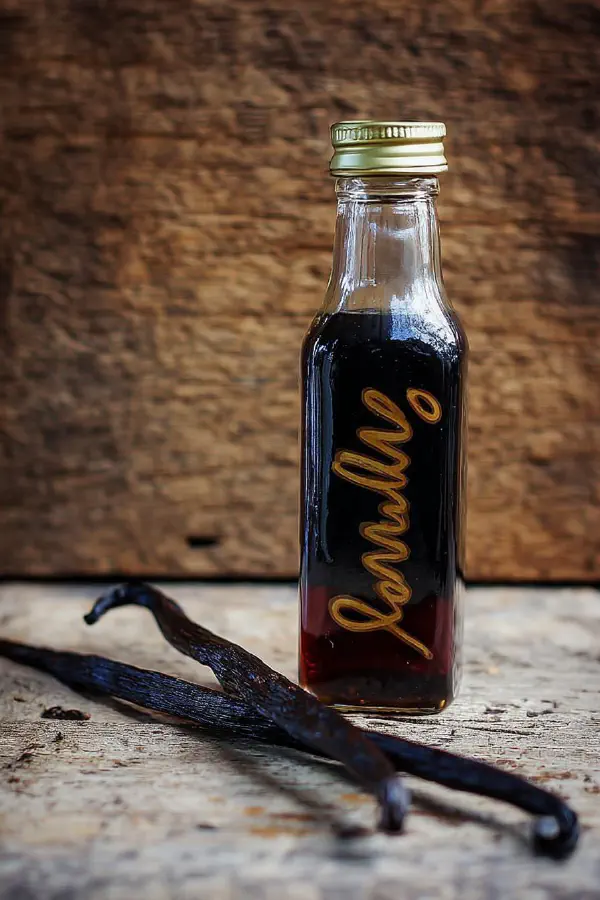
Vanilla Vodka Extract
By Kate
"
Homemade vanilla extract using vodka as the alcohol base. Vanilla beans split to expose seeds and pulp, steeped in alcohol for flavor extraction over several weeks. Minimal ingredients, straightforward process, adaptable quantities. Patience required for full-bodied aroma and taste. Can substitute vodka with bourbon or rum for different profiles. Straining removes bean fragments for smooth final extract. Utilizes visual and tactile cues like seed exposure and liquid coverage. Common mistakes: insufficient bean splitting or insufficient soaking leading to weak flavors. Shake occasionally to distribute compounds. Long steep essential for full vanilla intensity. Storage recommended in cool, dark space.
"
Prep:
7 min
Cook:
0 min
Total:
P8W
Serves:
48 servings
vanilla
extract
homemade
baking
cocktails
Introduction
Vanilla extract isn’t magic. More chemistry and patience than fairy dust. Beans loaded with tiny flavor pockets locked beneath thick pod walls. You crack them open, soak in alcohol long enough to pry the oils loose. Vodka’s neutral—it grabs flavor without adding its own. Or use bourbon, rum to switch it up. Long wait, but worth it. Shake the jar every once in a while to wake up sleeping seeds, spread flavors around. Keep it dark, keep it cool. Extract becomes this deep amber gold, smelling like a bakery’s dream. Store-bought vanilla? Forget it. Once you know what real vanilla smells like fresh, synthetic can’t touch it.
Ingredients
In The Same Category · Flavor Boosters
Explore all →
Cilantro-Lime Vierge Sauce
Rustic Strawberry Sauce
Savory Olive Vinaigrette
Cornstarch Slurry Twist
Quick Pickled Jalapeños

Spicy Pickled Jalapeños
Custom Poultry Blend
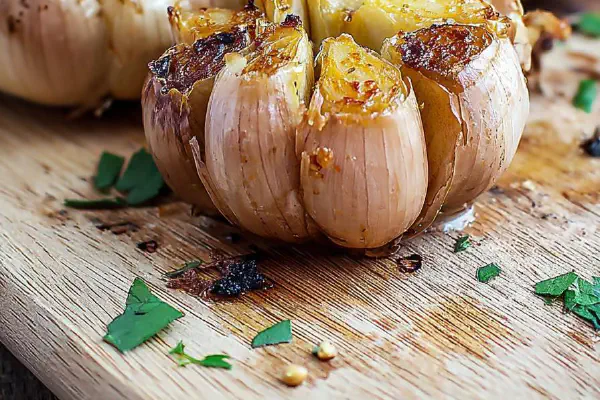
Oven Roasted Garlic Twist
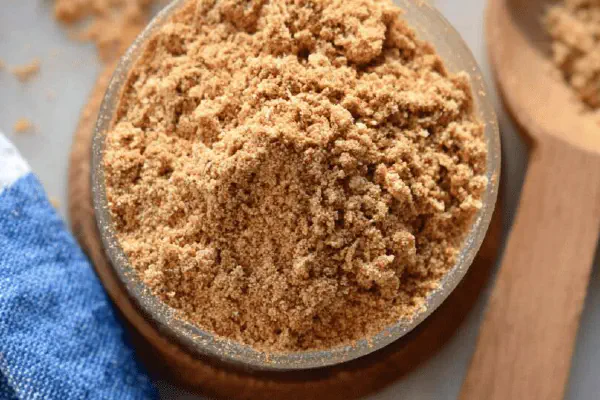
Smoky Citrus Fajita Rub

Maple Beer Aioli
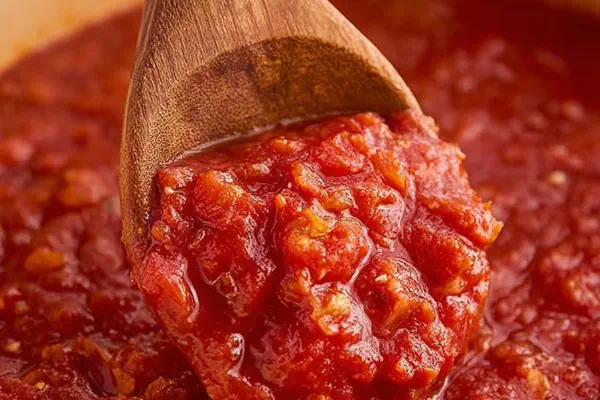
Rustic Garlicky Tomato Sauce

Caribbean Spice Blend Remix

Coriander-Ginger Chutney

Rustic Turkey Gravy
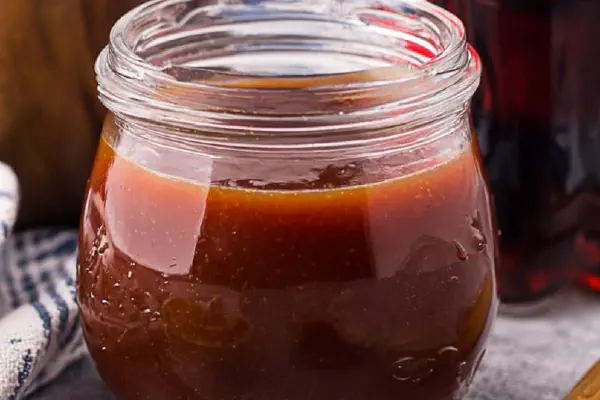
Cola BBQ Sauce Remix
Spicy Aioli Twist

Citrus Syrup Remix
Grapefruit Ginger Syrup Twist
Herb Nut Pesto Twist
Vodka Orange Fennel Mignonette
Roasted Hatch Chile Twist
Smoky Kentucky BBQ Sauce
Japanese Pork Yakitori Glaze
Quick Brown Gravy Twist

Avocado Yogurt Green Goddess Dressing
Twisted Shish Taouk Marinade
Slow-Roasted Garlic & Herb Oil
Honey Bourbon Glaze
Orange Chili BBQ Marinade
About the ingredients
Use fresh vanilla pods stored in a cool place. Pods older than 6 months may need vanilla powder addition or longer soaking. Vodka 40% ABV minimum. Can switch to bourbon or dark rum for alternate flavor profiles—expect less neutral, more nuanced. Avoid flavored vodkas, clear unsweetened only. Vanilla powder (optional) is finely ground dried vanilla, boosts extraction if pods are dry or small. Glass jar mandatory: no plastic, no metal lids without liners. Aim for capacity that lets beans move freely; too tight and beans crush, ruining texture and flavor extraction rates. If beans float, poke gently to release trapped air and ensure full liquid coverage.
Method
Bean preparation
- Slice vanilla pods lengthwise with a sharp knife. Open the bean gently, exposing the black seeds inside without cutting fully in half; tearing ruins the structure and slows extraction.
- Place split pods into a jar. Use one sized for about 2 cups liquid so you have room to shake without spillage.
- Pour vodka just over beans, about 1 1/4 cup. Seeds soak quicker if fully submerged. Top off with a pinch of vanilla powder for extra punch—adds texture and amplifies aroma.
- Cap tightly. Store jar in cool, dry, dark spot. Avoid sunlight, which can degrade alcohol and flavor compounds.
- Minimum steep 7 weeks. 8-10 weeks optimal for rich depth. Up to 12 months safe, intensity continues to evolve but won’t improve much past 10 months.
- Every 5–7 days, shake vigorously to redistribute oils. Seeds sink; shaking wakes dormant flavors up.
- Strain through fine mesh or cheesecloth before use to remove bean husks and any powder grit.
- Transfer to smaller bottle for daily use or leave in jar for slow oxidation and flavor maturation.
- If extract tastes weak after full steep, ensure pods were split properly; unopened pods release next to nothing.
- Bourbon or spiced rum can replace vodka for deeper notes—expect color shift and different aroma.
- Vanilla powder is optional but useful if pods are old or flavor lacks intensity.
- Avoid plastic containers; alcohol leaches chemicals and dulls flavor.
- If mold forms, discard immediately—sign of moisture ingress or poor seal.
- Keep spare vanilla pods on hand. Freshness radically affects outcome.
- Patience pays; flavor is faint early but grows as alcohol pulls out essential oils.
- Homemade extract strong enough for baking or cocktails, cheaper than store-bought, and personalized.
Jar and liquid
Storage and timing
Usage and finishing
Troubleshooting and tips
Technique Tips
Splitting beans lengthwise lets alcohol into the tiny vanilla bean glands where flavors live. Use the sharpest knife you have; blunt blades crush, bruise, and release less flavor. Partial splits better than slicing fully: expose seeds but maintain bean integrity, prolonging even flavor release. Jar size should be 1.5x the liquid volume to allow shaking without spill risk. Keep the jar away from windows or heat sources to preserve volatile compounds—heat speeds evaporation and degrades flavor. Shake weekly at minimum to prevent flavor settling or clumping. Strain just before use—bean fragments bitter in recipes. Watch for signs of mold; if mold appears, jar wasn’t sealed properly or had too much moisture. Letting extract steep longer doesn’t always mean better—around 8 weeks usually peak intensity, then plateaus. Always label jar with start date. If using bourbon or rum, note flavor will carry through to final extract and affect recipes differently.
Chef's Notes
- 💡 Split beans well—full exposure. Use sharp knife. Don’t cut them in half. Keeps oils intact. Releases flavors effectively. Lower quality extraction? Check your splits.
- 💡 Store in a cool, dark place. Light and heat ruin flavors. Old bottles? Toss or steep longer. Watch for mold. Seal properly. Clean jar is key.
- 💡 Shake jar weekly at minimum. Resting flavors lead to uneven extraction. Seeds sink; you need to wake them up. Vigorously! Oils disperse correctly.
- 💡 Use bourbon or dark rum for twist. Depth changes. Smells richer. Expect bolder flavors. Good for drinks. Don’t disregard vodka though. Keep original essence.
- 💡 Look for signs. Weak flavor? Pods not split? Same goes for soaking time. Aim for 8-10 weeks for max extraction. Patience is crucial, but worth it.
Kitchen Wisdom
What if my extract tastes weak?
Ensure pods were split well. Unbroken beans won’t release much. More soaking might help. Check extraction methods.
How long to store it?
Cool, dark space. Ideally bottle it. Can last up to a year. A year isn’t better always, peaks at 8-10 weeks. Just watch for clarity.
Mold appears, what now?
Discard immediately. Feels wrong. Clear seal? Moisture issues? Check environment. Next time, prevent moisture intrusion.
Can you reuse beans?
Technically yes, but don’t expect magic. Low yields from reused. Fresh pods give stronger flavors. Keep extras on hand.
You’ll Love These Too
Explore all →
Zesty Sour Cream Pound Cake
Twisted Espresso Martini
Lemon Shrimp Pappardelle Twist
Cucumber Basil Martini
Chocolate Pain Doré

Blueberry Turnovers Twist
Microwave Brownie Mug Twist

Lemon Rosemary Chicken
Chicken Parmesan Pasta Bake
Caramelized Cauliflower Gnocchi

Bacon Apple and Brie Panini

Blueberry Cream Fluff
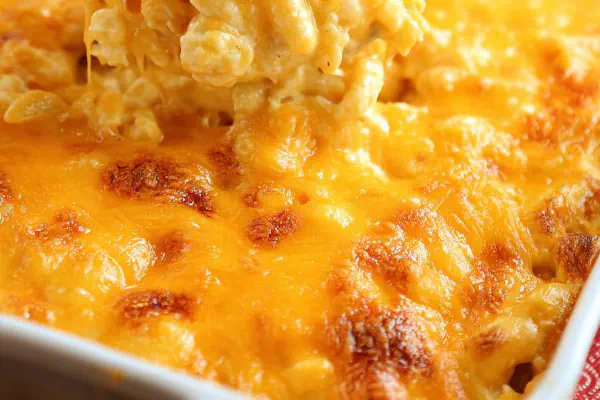
Ultimate Crowd Mac Cheese
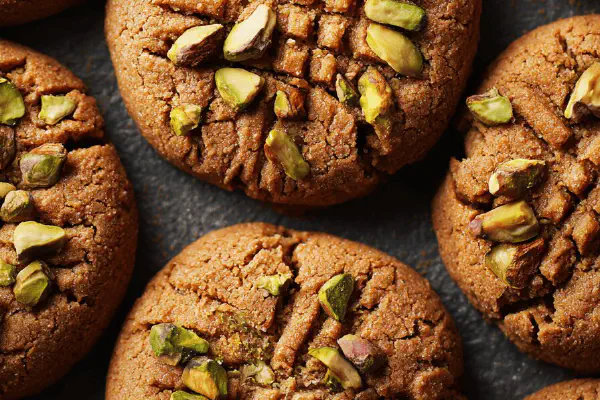
Altered Peanut Cookies
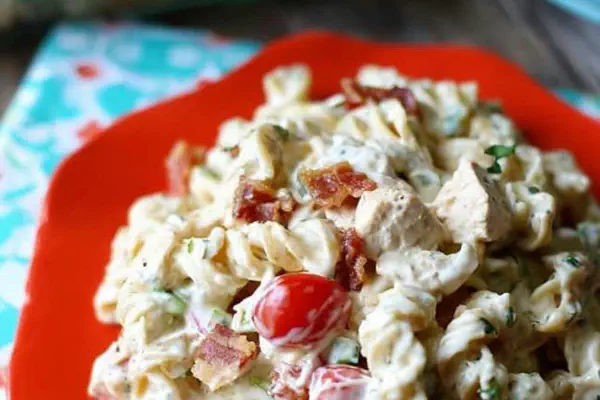
Chicken Bacon Ranch Salad
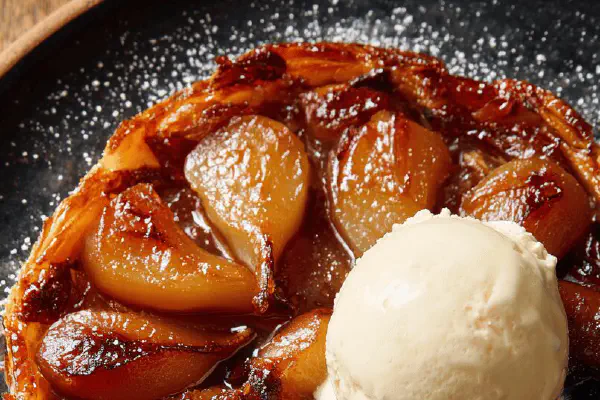
Twisted Tarte Tatin
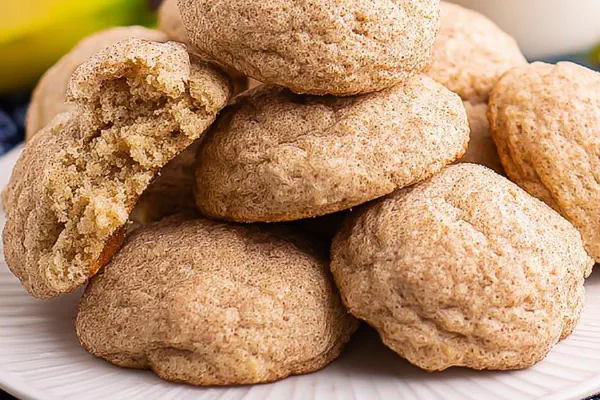
Spiced Banana Cookies
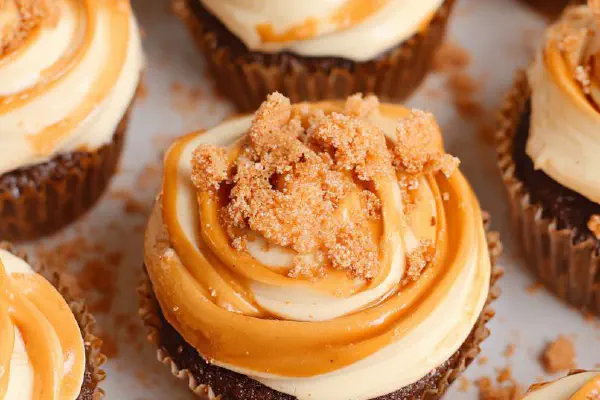
Pumpkin Cream Cheese Frosting Upgrade

Translucent Dim Sum Dough

Grilled Veg & Prosciutto Pizza
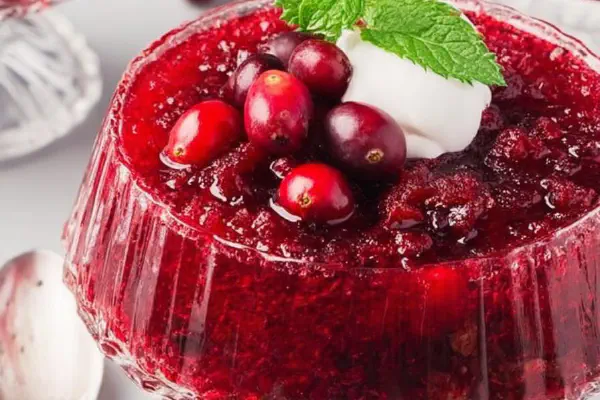
Cranberry Pineapple Mold

Beef Stroganoff Pressure Cooker

Stuffed Bell Peppers Remix
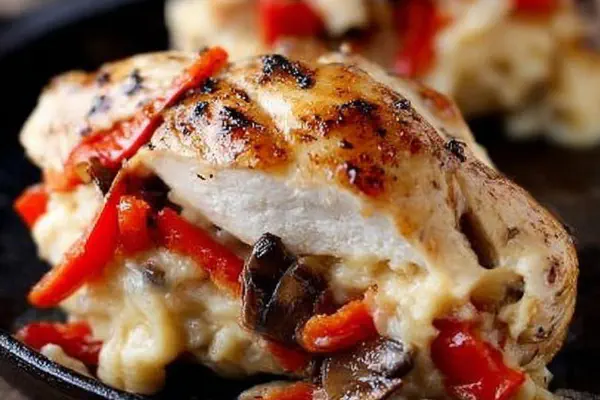
Cheesy Stuffed Chicken Reworked

Pumpkin Pecan Oat Bake
Raspberry White Chocolate Log
Olive Oil Potato Mash
Crispy Eggplant Cubes
Cinnamon Almond Horchata